
In a world often torn apart by conflict and suffering, the power of sincere and selfless faith can become a beacon of hope. This was powerfully demonstrated by two of the greatest spiritual figures in history: Mother Teresa and Buddha Shakyamuni. Their lives and actions remind us that peace is not just the absence of conflict but the presence of compassion, wisdom, and unwavering commitment to doing good.
Mother Teresa’s deep compassion and faith brought peace to countless lives. Her work wasn’t just about charity; it was about embodying love and compassion in a way that transcended cultural boundaries. One of the most remarkable examples of her spiritual power occurred during the Kosovo War in Yugoslavia. In the midst of intense fighting, women and children were trapped in the conflict zone. Determined to help, Mother Teresa approached the war commander, pleading for a ceasefire. Though sympathetic, the commander explained that he couldn’t stop the fighting because the opposing side refused to halt their attacks.

Mother Teresa’s response was simple and profound: “Well, then I’ll go.”
She walked directly into the war zone. Word quickly spread that Sister Teresa was present, and miraculously, both sides ceased fire. It wasn’t diplomacy or force that halted the violence but the sheer power of her presence. After she safely escorted the women and children out of danger, the fighting resumed. This extraordinary event eventually reached the United Nations, where Secretary-General Kofi Annan expressed his amazement. “Even I couldn’t achieve that,” he remarked. Despite numerous attempts by the UN to mediate peace, the civil war had raged on—until Mother Teresa stepped in.
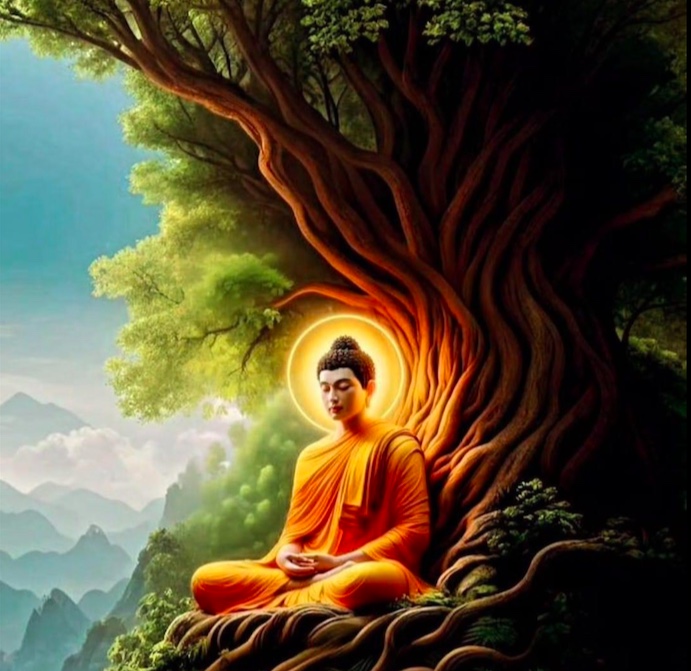
Similarly, in Buddhist scriptures, we find the story of Buddha Shakyamuni using wisdom and compassion to prevent bloodshed. After King Virudhaka of the Kosala Kingdom ascended to the throne, he led an army to attack Buddha’s homeland, the Kingdom of Kapilavastu. Although Buddha knew that this was the collective karma of the people of Kapilavastu ripening, he still wanted to do his utmost to protect them. He sat in meditation under a withered tree by the roadside where King Virudhaka’s army would pass.
When King Virudhaka saw Buddha from afar, despite his reluctance, he got out of his carriage and paid his respects. He asked, “Buddha! There is a lush tree not far ahead that could provide you with shade from the sun. Why did you choose to meditate under this withered tree?” Buddha replied, “What you say is true, but the shade of one’s own kin is greater than any other shade.” Moved by Buddha’s words, King Virudhaka led his army back to his kingdom, choosing peace over conflict.
These stories remind us that true peace requires more than just the cessation of violence. It requires the inner strength to let go of hatred and prejudice, to see others not as enemies but as fellow human beings deserving of compassion. In today’s world, people of all different religious beliefs and backgrounds should take inspiration from these examples. Let us all do our part to uphold peace, so that we can live in harmony and happiness.

The path to peace begins with each of us, in our hearts and in our actions. As we work towards a more peaceful world, may we carry the lessons of Mother Teresa and Buddha Shakyamuni with us, allowing their examples to guide us toward a future filled with love, compassion, and understanding.
 Peace LiLy