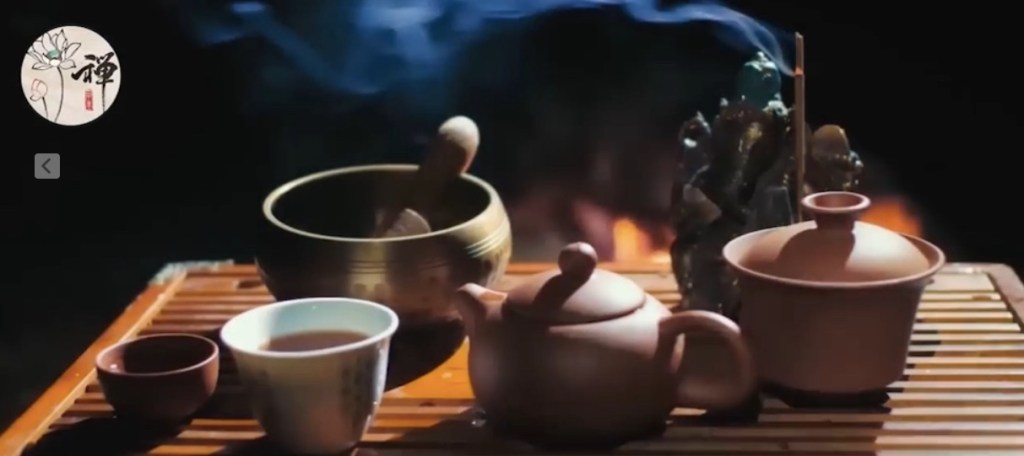
A Unique Integration of Western Psychology and Eastern Spirituality

Carl Jung’s Psychology Theory and Zen Buddhism

Carl Jung, a pioneer of western psychology, is renowned for his extensive studies of different cultures, religions, and mythologies. He was able to integrate the knowledge from these diverse fields into his theories, making him a unique figure in the field of psychology. One area that had a particularly profound impact on Jung’s thinking was Buddhism, and in particular, Zen Buddhism.

Jung conducted a deep study of Zen Buddhism, and even wrote a foreword for a book by D.T. Suzuki (“An Introduction to Zen Buddhism”), a pioneering Buddhist teacher who introduced Zen Buddhism to the west. In his foreword, Jung used his western perspective and psychological insights to explain the concepts of Zen Buddhism, offering a fresh and new perspective on this ancient tradition.

Could any of us boast that he believes in the possibility of a boundlessly paradoxical transformation experience to the extent moreover of sacrificing many years of his life to the wearisome pursuit of such a goal? And finally , who would dare to take upon himself the responsibility for such an unorthodox transformation experience – except a man who  was little to be trusted, one who, maybe for pathological reasons has too much to say for himself? Just such a person would have no cause to complain of any lack of following among us. But let a ‘Master’ set us a hard task, which requires more than mere parrot-talk, and the European begins to have doubts, for the steep path of self-development is to him as mournful and gloomy a the path to hell.

(Psychology and the East by C. G. Jung – Forward to D.T. Suzukis Introduction to Zen Buddhism, pub. Ark 1978)

One of the key concepts in Zen Buddhism that fascinated Jung was the idea of enlightenment. In Zen, enlightenment is seen as a state of perfect awareness and understanding, where one transcends the limitations of the ego and experiences a deep connection with the universe. Jung was intrigued by the way that Zen Buddhists achieved this state through meditation and other spiritual practices, and saw parallels between their experiences and his own ideas about the unconscious mind.

Jung’s understanding of Zen enlightenment was different from the way that western religions typically view spiritual enlightenment. In western religions, enlightenment is often seen as a state of moral perfection or divine union, and is usually achieved through faith and devotion to a higher power. In contrast, Zen enlightenment is seen as a direct experience of the true nature of reality, and is achieved through introspection and self-realization.

Jung believed that the concepts of Zen Buddhism could offer valuable insights into the human psyche, and he incorporated many of these ideas into his own theories of psychology. He saw the practice of meditation and mindfulness as a way to access the unconscious mind and achieve greater self-awareness, and he believed that the teachings of Zen Buddhism could help people to find inner peace and balance in their lives.

However, many Buddhist masters, experts, and scholars have their own unique understanding of Zen, which often comes from their own experiences. The contemporary Buddha, H.H. Dorje Chang Buddha III has expounded a dharma titled “The Great Dharma of Zen Practice.” In this teaching, the Buddha used perfect wisdom to profoundly explain what Zen is, how the ancient patriarchs practiced Zen and realized the way, and the specific methods of Zen meditation. If you want to understand Zen and practice Zen meditation, this is a must-read classic. Readers will surely gain great benefits and guidance from it.

A Unique Integration of Western Psychology and Eastern Spirituality

Link: https://peacelilysite.com/2023/11/09/a-unique-integration-of-western-psychology-and-eastern-spirituality/

#DorjeChangBuddhaIII #HHDorjeChangBuddhaIII# CarlJung #ZenBuddhism#WesternPsychology #EasternSpirituality #Dharma #ZenPractice #Meditation

Source: https://www.thezengateway.com/culture/c-g-jung-forward-to-d-t-suzuki-s-introduction-to-zen-buddhism

Autumn in Jiuzhaigou: A Colorful Paradise

Jiuzhaigou National Park is located in southwestern China in the north part of the Sichuan Province. The park covers an area of 280 square miles (720 sq km). It is a UNESCO World Heritage Site and a World Biosphere Reserve.

The elevation varies from 6,600 to 14,800 feet (2,000 to 4,500 m). The Jiuzhaigou valley falls within the Min Mountains and serves as the heart of the national park. The national park is renowned for its beautifully colored lakes, the numerous layered waterfalls, and peaks that are frequently snow-capped.

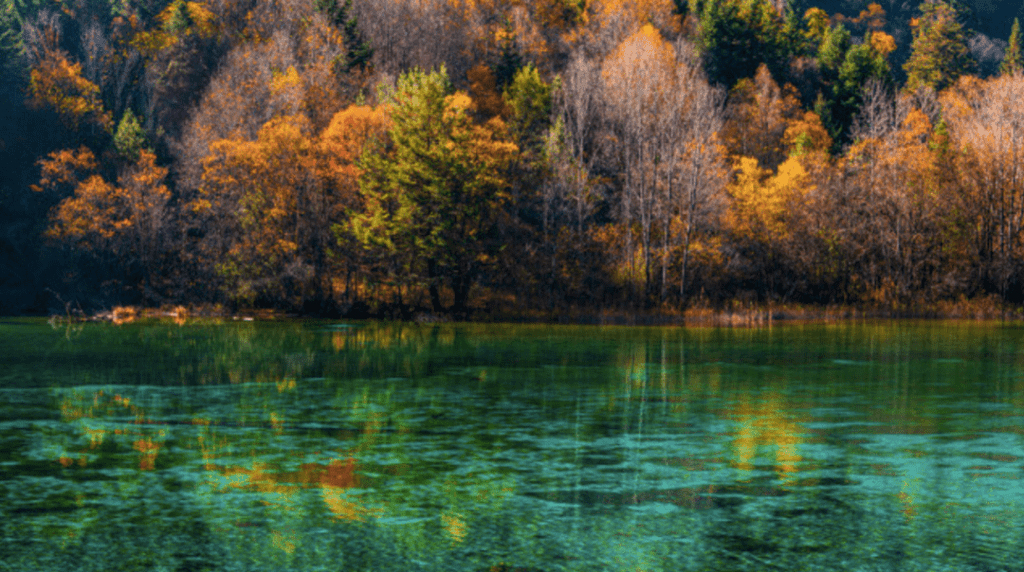
The autumn season in Jiuzhaigou is nothing short of a masterpiece, painted with a palette of vibrant colors. As mid-to-late October arrives, the transformation of the trees in Jiuzhaigou nears completion. The leaves change from a lush green to a brilliant gold, while others take on a stunning red hue that blankets the mountains.

The forest is ablaze with shades of red and yellow, creating a dazzling display that is reflected in the tranquil waters of the lake. The backdrop of a clear, clean blue sky enhances the refreshing atmosphere. Standing amidst this natural wonder, you can’t help but feel like you’ve stepped into a colorful paradise.

When autumn graces Jiuzhaigou, it feels as if you’ve entered a fairy tale world. The leaves compete in a brilliant display, reminiscent of flowers vying to bloom. But Jiuzhaigou is not just about the autumn leaves; it’s also about the countless streams that flow gracefully between the red and yellow leaves. These streams create a spectacular scene that is a rare sight to behold. In that moment, it feels as if all your worries and troubles simply melt away. In Jiuzhaigou, there is also the Five Flower Sea, which offers a 360-degree unobstructed view of breathtaking beauty.

Autumn in Jiuzhaigou is akin to a pot of warm and soothing wine that makes the earth’s cheeks blush and the eyes sparkle. As you stroll along the winding walkways, the warm sunlight bathes your face and body, gently warming your body and soul. The light dances through the valleys, casting a dazzling glow on the bright colors of the forest. The colorful mountains reflect in the calm water, creating a harmonious display of colors between the mountains and the water. It feels as if you’ve stepped into a dreamlike world. Every glance is met with stunning scenery, capturing your heart and leaving you in awe. The water’s surface, stirred by the autumn wind, shimmers with sparkling light and patchy colors, creating a captivating display of colorful rays of light cascading across the water.

If you wish to witness the sunrise in Jiuzhaigou during autumn, the best time is after 8:30 AM and before 5:00 PM for sunset. For those looking to capture the beauty of the “seas” (lakes) in Jiuzhaigou, the lighting is optimal during these times, ensuring that you can showcase the captivating colors of Jiuzhaigou’s “seas”.

Autumn in Jiuzhaigou: A Colorful Paradise

Link:https://peacelilysite.com/2023/11/03/autumn-in-jiuzhaigou-a-colorful-paradise/

#Autumn #Jiuzhaigou #NationalPark #ColorfulParadise #UNESCOWorldHeritageSite

Source: https://national-parks.org/china/jiuzhaigou all photos from website https://www.sohu.com/a/423494066_120065322, https://www.expatsholidays.com/14-unique-places-to-see-autumn-foliage-in-china

Masterpieces of Eagle Paintings

Photo by Frank Cone on Pexels.com

Four Chinese Ink Paintings of Eagle in IAMA

Eagles, with their symbols of speed, power, sharp vision, and justice, are a common and captivating subject in paintings. H.H. Dorje Chang Buddha III, a renowned artist and spiritual leader, has masterfully captured the essence of this majestic creature in his Chinese ink paintings. These paintings are currently on display at the International Art Museum of America, where visitors can marvel at the unique style and charm of each of the four pieces.

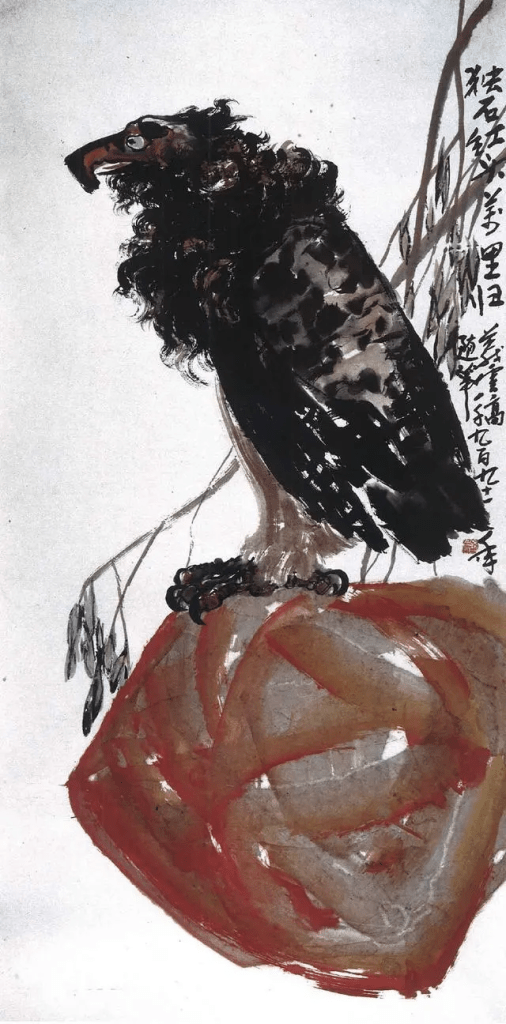
Du Shi Hong Tou Wan Li Gui (Red-Headed Eagle on a Lone Rock After Having Returned From Thousands of Miles Away)

The painting depicts an eagle returning from a journey of thousands of miles. It is completely black, with bright and mottled feathers. Its sharp eyes shine with intelligence, reflecting a silent abstraction of the vast ocean. Even after the long journey, its feathers are a bit disheveled, and its sharp claws are tightly grasping a red stone, supporting its slightly weary body. The stone appears to be floating in the sky rather than resting on the ground. The red stone, painted with powerful strokes, adds dynamism and strength to the painting. The eagle’s gaze is fixed on the distance, looking at its homeland. The gaze seems filled with eagerness, love, pride, and a touch of sadness and melancholy. The painting has a unique abstract style; it is not a realistic depiction of an eagle, but it gives the viewer a very real impression.

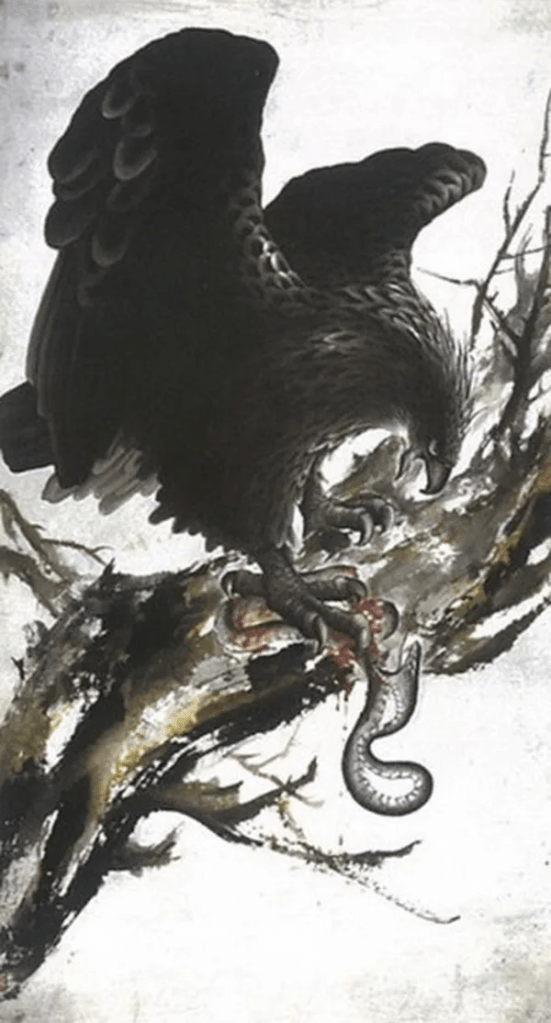
Ying She Dou (Fighting between Eagle and Snake)

The Chinese painting “Ying She Dou” depicts a real scene that is powerful and striking in its presentation. The composition is full and atmospheric, with a minimal but vivid color palette. The eagle is rendered with fine, meticulous brushwork, giving it a towering presence with wings like mountains painted in thick ink. The pure scorched royal black of the eagle is full of mysterious power. The accompanying withered tree trunk is painted with bold, vigorous strokes in a freehand style, exuding the charm of a casual style along with the scholarly air and graceful ancient look typical of engraved stone seals. The artist’s extraordinary skills are evident in this image, which is anything but mediocre. The atmosphere of the painting is terrifying, tense, and bloody, eliciting shudders and thrills from the viewer.

Gu Tu (Native Land)

This painting exudes a warm, soft, and tranquil atmosphere. Two mighty eagles are depicted circling and perching on their own rock, a location they have occupied for an extended period of time, leaving layers upon layers of visible bird droppings on the rock. The eagles’ poses and eyes convey their deep love and compassion for their homeland. Unlike other eagle paintings, this work showcases the eagles’ softer, more loving side. The rock, which appears like a cultural relic, is rendered in different shades of color, ranging from light to dark, and resembles a semi-transparent amber, adding warmth and softness to the painting. This piece of art conveys a grand vision and is free from any signs of rashness on the part of the artist.

This painting is one of my favorites. Standing in front of it, I can genuinely sense the calm, love, and inner strength emanating from the artist. It is my sincere hope that everyone may experience love, protection, and lead a life of peace and harmony.

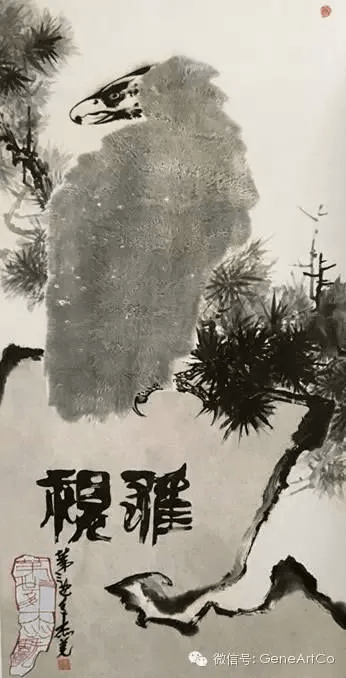
Xiong Shi (Powerful Gaze)

The painting titled “Powerful Gaze” captures the essence of magnanimity, courage, and extraordinary sentiment, finding wonder in the ordinary.

This delightful painting style is lively yet natural, producing a dynamic and fascinating effect from scattered ink.

While the structure of the painting is simple, the artist’s inner strength subtly emanates throughout. With just a few brushstrokes, the painting achieves a lofty and grand atmosphere, bringing the spirit to life with vibrancy and energy. The eagle’s eyes are particularly expressive and sharp, as if they could leap out of the painting, ready to destroy all evil and correct all wrongs. The eagle’s feathers are rendered in large blocks of abstract gray, providing room for the viewer’s imagination and adding a cold, pure, and divine tone to the painting. The stone beneath the eagle’s feet is outlined with the extremely energetic brushwork of calligraphy, and the Chinese calligraphy title “雄视” (Powerful Gaze) further enhances the dynamic energy of the entire painting. The painting conveys the message that the eagle is steadfastly carrying out its mission, no matter the circumstances.

These four paintings collectively showcase the artist’s true mastery of a diverse range of painting skills. The artist can effortlessly create artworks in different styles, demonstrating a comprehensive understanding of the craft. Beyond providing a visual feast for the eyes, the artist’s works also have the power to touch the hearts and souls of viewers, leaving a lasting impact.

Masterpieces of Eagle Paintings

Link:https://peacelilysite.com/2023/11/03/masterpieces-of-eagle-paintings/

#DorjeChangBuddhaIII #HHDorjeChangBuddhaIII#DorjeChangBuddha#IAMA#InternationalArtMuseumofAmerica#ChineseInkPainting#Art#Artist#YingSheDou #Eagle