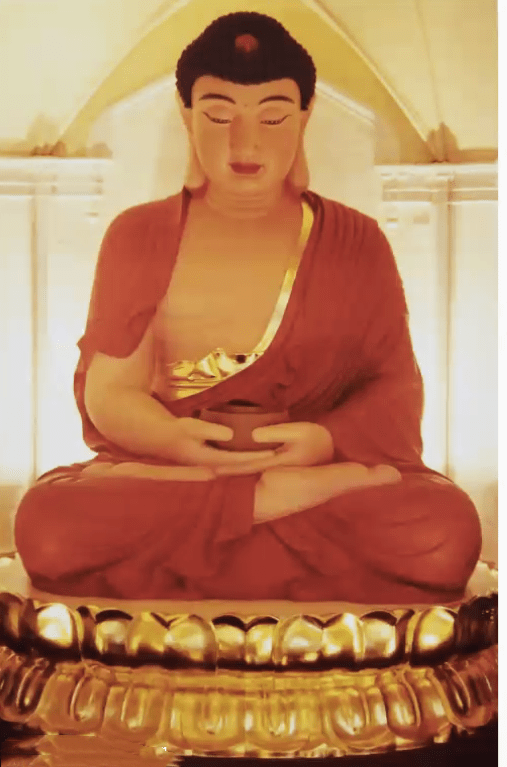
Buddha Speaks of Amitabha
Once upon a time, it is said that the Buddha resided in Shravasti, within the Jeta Grove, situated in the garden of the Benefactor of Orphans and the Solitary. Accompanying him were a congregation of twelve hundred fifty great Bhiksus, all esteemed arhats whom the assembly recognized, including Elders Sariputra, Mahamaudgalyayana, Mahakasyapa, Hahakatyayana, Mahakaushtila, Revata, Suddhipanthaka, Nanda, Ananda, Rahula, Gavampati, Pindolabharadvaja, Kalodayin, Mahakaphina, Vaddujla, Aniruddha, and others. Additionally, numerous Bodhisattvas and celestial beings, including Ajita Bodhisattva, Gandhastin Bodhisattva, Nityodyukta Bodhisattva, and the chief of gods, Shakra, were present, along with countless beings from various heavens.
During that time, the Buddha addressed Elder Sariputra, saying, “Travel westward across hundreds of thousands of millions of Buddhalands, and you will reach a realm known as Ultimate Bliss. In this land, a Buddha named Amitabha currently imparts the teachings.”
“Sariputra, why is it called Ultimate Bliss? Because every being in this country is free from suffering and enjoys unbounded bliss, hence the name Ultimate Bliss.”

Furthermore, Sariputra, the land of Ultimate Bliss is enclosed by seven tiers of railing, crafted from the four treasures, thus earning its name. Pools of the seven jewels, filled with the eight waters of merit and virtue, grace this land. The pools boast pure bottoms covered in golden sand, with stairs of gold, silver, lapis lazuli, and crystal on each side. Raised pavilions, adorned with precious materials like gold, silver, lapis lazuli, crystal, mother-of-pearl, red pearls, and carnelian, grace the surroundings. Within these pools, lotuses with hues resembling carriage wheels bloom, emitting subtle, wonderfully fragrant, and pure scents.
“The realization of the land of Ultimate Bliss is thus adorned with merit,” Sariputra, the Buddha continued.
Moreover, in this Buddhaland, harmonious heavenly music perpetually resonates, and the ground is composed of yellow gold. During the six periods of day and night, a rain of mandarava flowers descends, and each morning, the inhabitants of this land offer myriad wonderful flowers to countless Buddhas in all directions. After their meals, they leisurely stroll through their homeland.
Sariputra, the land of Ultimate Bliss is abundantly adorned in this way.
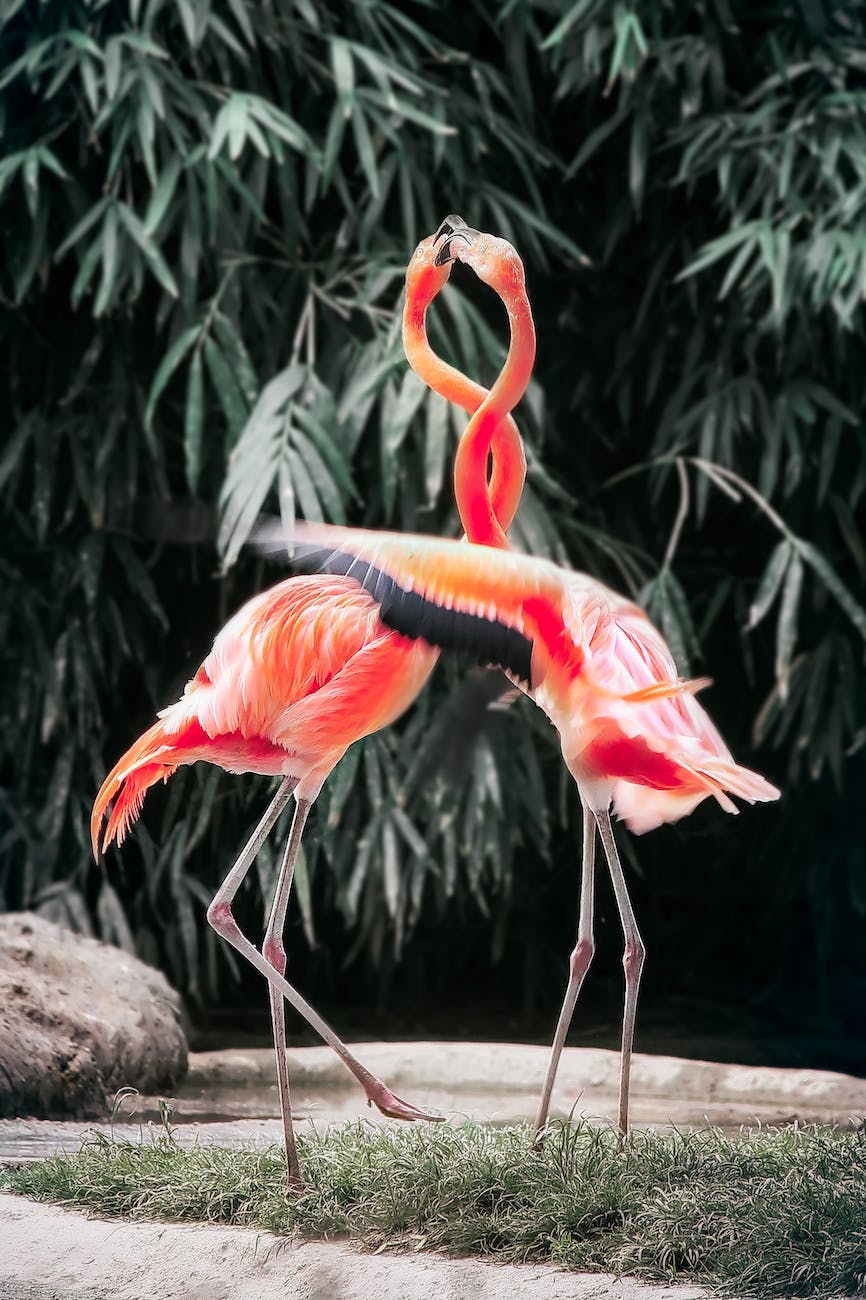
Furthermore, rare and exquisite varicolored birds, including white cranes, peacocks, parrots, egrets, kalavinkas, and two-headed birds, inhabit this land. In the six periods of the day and night, these flocks produce melodious and elegant sounds, proclaiming profound teachings such as the five roots, the five powers, the seven Bodhi shares, and the eight sagely way shares. When the inhabitants hear these sounds, they become mindful of the Buddha, the Dharma, and the Sangha.“Sariputra, do not assume these birds are karmic retribution. In this Buddhaland, there are no three evil ways of rebirth; in fact, not even the names of these ways exist. Amitabha Buddha, desiring to widely spread the Dharma sound, created this multitude of birds through transformation.”
The Buddha continued to describe the enchanting features of the land of Ultimate Bliss, its jeweled trees producing subtle and wonderful sounds when the soft wind blows. As these descriptions unfolded, Sariputra listened attentively, absorbing the profound beauty of this Buddhaland.
After detailing the splendors of the land, the Buddha turned to Sariputra and asked, “Why do you think this Buddha is called Amitabha?”
“The brilliance of Amitabha Buddha’s light is immeasurable, illuminating the lands of the ten directions without hindrance. He is called Amitabha for this reason. Furthermore, the lifespan of Amitabha Buddha and his people extends for countless kalpas, making him worthy of the name ‘Amitabha.’ Ten kalpas have passed since Amitabha attained Buddhahood.”

As the Buddha spoke, Sariputra gained deeper insights into the infinite virtues of Amitabha Buddha and the extraordinary qualities of the land of Ultimate Bliss.
The text continues to explore the presence and teachings of other Buddhas in different directions, emphasizing their encouragement for all living beings to believe, praise, and hold in reverence the inconceivable merit and virtue of the sutra.
Finally, the Buddha urged Sariputra and all present to have faith and make the vow to be born in Amitabha’s country, emphasizing the profound benefits and the irreversible attainment of anuttara-samyak-sambodhi for those who make this vow.
Upon concluding his teachings, the Buddha witnessed Sariputra, the bhiksus, gods, humans, and other celestial beings joyously receiving his words. The assembly, filled with reverence, bowed and withdrew, having absorbed the wisdom imparted by the Buddha.
Link: https://peacelilysite.com/2023/12/06/buddha-speaks-of-amitabha/
#Amitabha
Source: wisdomtea.org/2023/11/30/buddha-speaks-of-amitabha/



 Peace LiLy