The Butterfly and the Struggle: A Lesson in Growth

Photo by Pixabay on Pexels.com

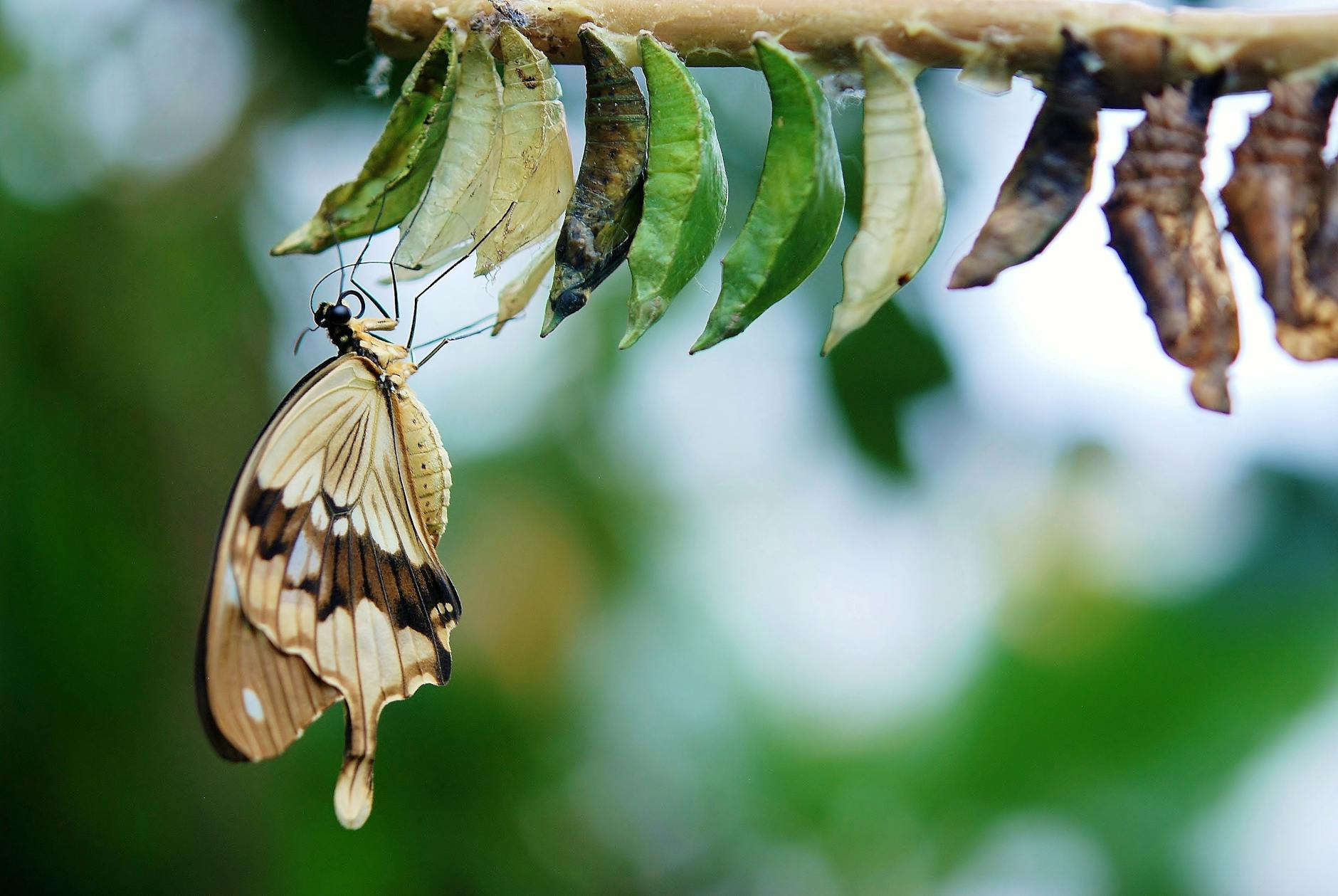
One day, someone stumbled upon a butterfly chrysalis. Fascinated by nature’s beauty, he decided to observe it closely. A few days later, he noticed a small hole had appeared in the chrysalis. Intrigued, he paused to watch what would unfold.

Over the course of several hours, he witnessed the butterfly inside struggling with its tiny body, trying to squeeze through the small opening. Despite its best efforts, there seemed to be no progress. The butterfly appeared exhausted, unable to break free.

Nature, however, has a marvelous design. The butterfly’s “struggle” to emerge from the chrysalis is not a mere obstacle—it is a vital process. This challenge prepares the butterfly, equipping it with the strength and resilience it needs to soar into the skies.

Struggles in life are not meant to break us but to build us. If life allowed us to move through everything effortlessly, we might never grow stronger or discover our true potential. Challenges shape our character, nurture our perseverance, and enable us to achieve heights we never imagined.

So when we face hardships or setbacks, we should view them as opportunities for growth. These trials may be Heaven’s way of strengthening us, of preparing us to spread our wings and fly.

A Well-Intentioned Mistake

The man, moved by the butterfly’s apparent struggle, decided to help. He took a pair of scissors and carefully cut open the chrysalis, making it easier for the butterfly to emerge. As expected, the butterfly slipped out effortlessly.

However, something was amiss. The butterfly’s body was swollen and bloated, and its wings were small and weak. The man continued to watch, believing the wings would expand and the body would shrink in time. But this never happened.

For the rest of its life, the butterfly dragged its heavy body and fragile wings, unable to take flight. It remained grounded, never experiencing the freedom of soaring through the air.

What the kind-hearted man did not understand was that the butterfly needed to struggle. The act of squeezing through the small opening in the chrysalis forces fluid from the butterfly’s body into its wings, giving them the strength and nourishment required for flight. Without this critical process, the butterfly could not develop the ability to fly.

Embracing Life’s Challenges

This story serves as a powerful metaphor for our own lives. Just as the butterfly’s struggle is essential for its transformation, our struggles are necessary for our growth. Avoiding hardship may provide temporary relief, but it robs us of the opportunity to become stronger and more resilient.

In raising children, this lesson is particularly important. As parents or guardians, we must resist the urge to shield them from every difficulty. It is natural to want to protect them, but overprotection can hinder their growth. By allowing them to face challenges and learn from their struggles, we give them the tools they need to navigate life’s complexities.

So, the next time you encounter a challenge, remember the butterfly. Embrace the struggle, knowing that it is shaping you into someone stronger, wiser, and ready to take flight.

Link:https://peacelilysite.com/2024/12/27/the-butterfly-and-the-struggle-a-lesson-in-growth/

The Wisdom in Chinese Idiom

Photo by Helena Lopes on Pexels.com

Embracing Life’s blessings and the challenges

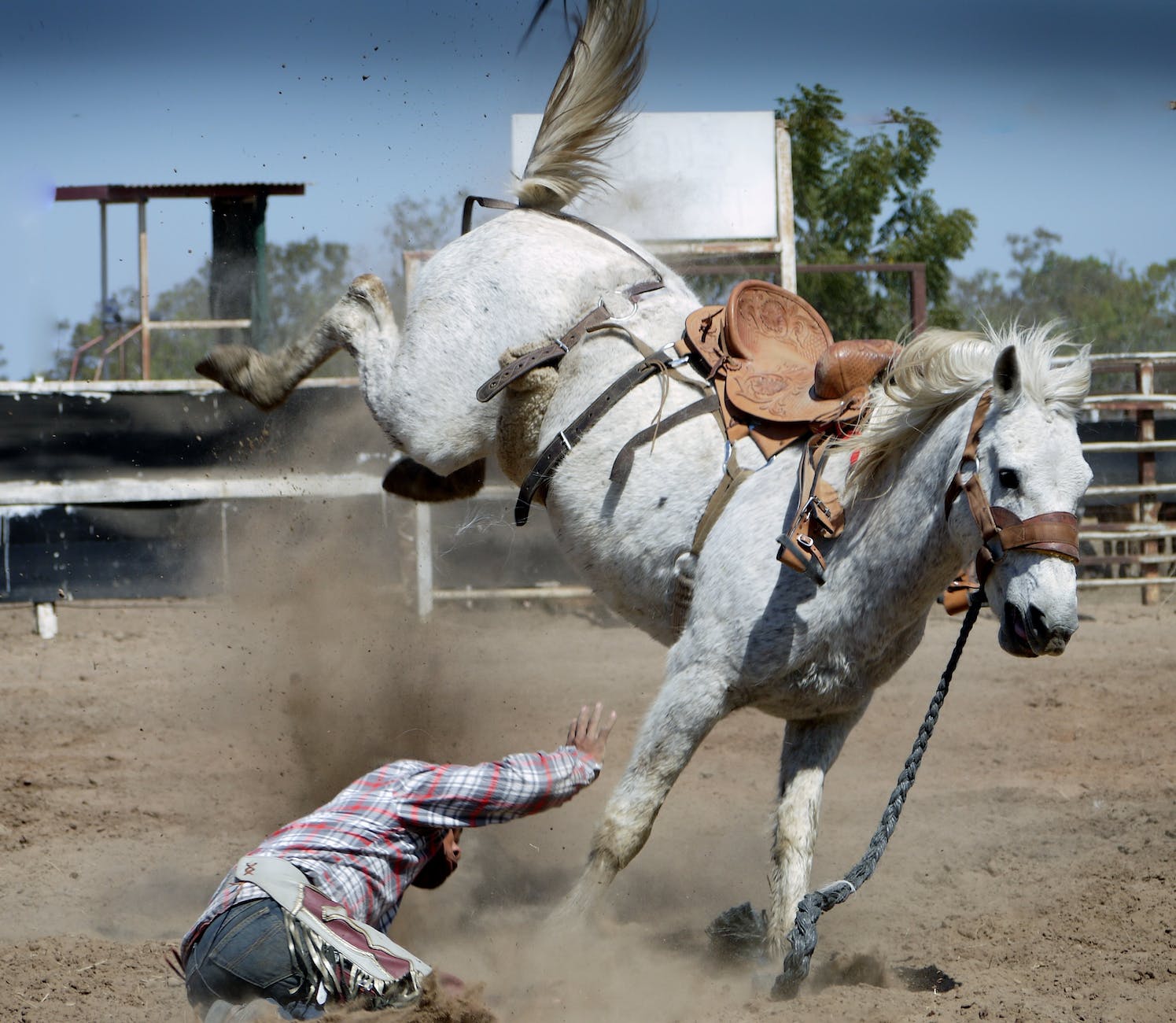
In the annals of ancient wisdom, tales of great insight and philosophical musings have been passed down through generations. One such tale is that of Sai Weng, a man living on the northern frontier whose experiences teach us a valuable lesson about the unpredictability of life. This story illuminates the idea that blessings and curses often come disguised, and it reminds us of the importance of embracing life’s ups and downs with equanimity and resilience.

A long time ago, there lived a man named Sai Weng on the northern frontier of China. One day, his beloved white stallion ran off into the territory of the northern people, leaving Sai Weng without his cherished companion. His son was heartbroken. Naturally, his neighbors sympathized with him, considering it a great misfortune. Surprisingly, Sai Weng remained unperturbed and uttered these words: “Perhaps this will soon turn out to be a blessing.”

After a few months, the horse returned to Sai Weng, accompanied by another magnificent horse from the north. The neighbors were amazed by his good fortune and congratulated him on his newfound wealth. Yet, Sai Weng, ever wise, cautioned them by saying, “Oh, of course I am pleased…. but who knows if this is lucky or unlucky?.”

And so it did, for Sai Weng’s son, who grew fond of horse riding, had a terrible accident and broke his leg while riding the new horse. Once again, the neighbors expressed their sympathies, believing it to be an unfortunate turn of events. However, Sai Weng responded with his characteristic insight, saying, “I cannot know if these injuries will turn out to be something good or something bad.”

Photo by Pixabay on Pexels.com

In due time, war broke out along the border with the northern people. The able-bodied men from Sai Weng’s village were called to arms to defend their homeland. Tragically, most of them perished in the battle. But Sai Weng and his son were spared, as the son’s injury prevented him from joining the fight. It was then that the true meaning of Sai Weng’s words became apparent – what seemed like a curse had, in fact, saved their lives.

Sai Weng’s story offers us profound insights into the nature of life and the ever-changing circumstances we encounter. It teaches us that appearances can be deceiving and that our judgments based on surface-level observations may not reflect the true nature of a situation. It urges us to refrain from hasty conclusions and remain open to the possibilities that lie ahead.

The concept of predestination is introduced in this tale, highlighting the idea that some things in life are beyond our control and are determined by fate. While we cannot alter the hand we are dealt, we can choose how we respond to it. Sai Weng’s calm acceptance and his ability to find hidden good opportunities in apparent setbacks demonstrate the importance of adapting to circumstances with grace and wisdom.

When fortune smiles upon us, it is essential to remain humble and vigilant, aware that circumstances can change unexpectedly. Gratitude for our blessings should be accompanied by a sense of preparedness for potential challenges. Similarly, when faced with adversity, we must remember that it is temporary and maintain hope and optimism for the future.

Sai Weng’s tale serves as a timeless reminder of the unpredictable nature of life and the need for a balanced perspective. It teaches us not to be overly complacent during favorable times and not to be disheartened by setbacks and obstacles. By embracing the ebb and flow of life, we can cultivate resilience, wisdom, and gratitude. As we navigate our own journeys, let us remember the lessons of Sai Weng and approach life with equanimity. By seeing beyond the surface and embracing both the blessings and the challenges.

Photo by Alex on Pexels.com

Embracing Life’s blessings and the challenges

Link:https://peacelilysite.com/2023/06/13/the-wisdom-in-chinese-idiom/

#ChineseCulture #ChineseIdiom #Wisdom #BlessingsandCurses#Equanimity #Unpredictable#Story #Tale

Facing the Truth: Life is Difficult

Facing the Truth: Life is Difficult

Recently, my two college-aged sons have been expressing that they find life to be difficult. In an effort to provide them with guidance and support, I have been offering them spiritual advice and emotional support. While searching for resources to assist in this endeavor, I stumbled upon the profound and enlightening book, The Road Less Traveled, by Scott Peck. The insights and philosophy presented within the book have been incredibly inspiring and beneficial in helping me to support my sons in their journey.

The Road Less Traveled is a self-help book by American psychiatrist and author Scott Peck, first published in 1978. The book has had a significant impact, selling millions of copies and remaining on the New York Times bestseller list for more than ten years. One of the main themes of the book is the concept of the four disciplines: psychiatry, psychology, religion, and philosophy. Each discipline offers unique perspectives on how to navigate the challenges of life and achieve personal growth.

The book’s central message is that life is difficult, but that this difficulty can be transcended by understanding and accepting it. Peck argues that discipline is the basic tool we need to solve life’s problems, and that with enough discipline we can solve all problems. Additionally, the book explores themes of love, relationships, parenting, and self-discovery, as well as teaching about distinguishing dependency from love and how to become one’s true self.

Life is a series of problems. It is something that we all must face and deal with on a daily basis. Some of these problems may be small and easily solved, while others may be more complex and difficult to overcome. The question we must ask ourselves is: do we want to moan about these problems or do we want to solve them?

As adults, we have the power to choose how we react to life’s problems. We can choose to bemoan our difficulties and wallow in our troubles, or we can choose to take action and find solutions. The latter approach is far more productive and will ultimately lead to greater satisfaction and fulfillment in life.

In addition to making this choice for ourselves, it is also important to teach our children to solve problems in a similar manner. As parents, we have a responsibility to guide and teach our children, helping them to develop the skills and mindset needed to overcome the challenges that life will inevitably present to them.

One of the most important tools we have for solving life’s problems is discipline. Without discipline, we will not be able to effectively tackle the issues that we face. With only some discipline, we may be able to solve only some problems, but with total discipline, we can solve all problems. Discipline is the key to success in any endeavor. It allows us to focus our minds and efforts, to set goals and make plans, and to persist in the face of adversity.

It is important to note that problems do not go away on their own. They must be worked through and dealt with, otherwise they will remain forever, acting as a barrier to the growth and development of the spirit. It is essential that we learn to face and overcome problems, rather than avoiding or ignoring them.

One way to do this is by learning to Delay Gratification. By scheduling the pain and pleasure of life in a way that we deal with pain first and get it over with, it allows us to enhance the pleasure we gain from it. This is the only decent way to live. With discipline, we can solve most of the problems, and delay gratification is a process that can help us to get through the most difficult moments.

Peck also emphasizes the importance of Love and Community in personal growth. He argues that true love is not just an emotional state, but also an action, and that it requires a commitment to growth and self-discipline. He also stresses the importance of community, stating that “the love of community is the only true love.”

I have also found out in Buddhism, love has a deeper meaning that goes beyond romantic or familial feelings. It encompasses compassion and the belief in treating all beings as if they were our own relatives or parents. In What is Cultivation by H.H. Dorje Chang Buddha III, says: “Loving-kindness: At all times, through the actions of my three karmas, I am loving and kind toward all living beings, who have been my parents. I wish them a long life without illness, good fortune, good luck, and a happy life. ” This means that at all times, through all our actions, thoughts, and words, we should strive to be loving and kind towards all living beings, recognizing that they have been our parents in past lives. This belief is expressed through the wish for all beings to have a long life free from illness, good fortune, good luck, and happiness. This unconditional love can have a positive impact on individuals who are facing challenges and difficulties in their lives.

Everyone must face and deal with the challenges and difficulties in life. Moaning about them or solving them, it’s a choice we make, and the latter can lead to greater satisfaction and fulfillment in life. Teaching our children to solve problems in a similar manner and helping them to develop the discipline and tools needed, that could be in religions or philosophy or psychology, to succeed in life is an essential responsibility of parenthood.

Facing the Truth: Life is Difficult

Link: http://What is Cultivation by H.H.Dorje Chang Buddha III

#TheRoadLessTraveled#ScottPeck#Discipline#Love#Compassion#Philosophy#DelayGratification#Religions#Phsycology#Truth#Discipline#WhatisCultivation #H.H.DorjeChangBuddhaIII