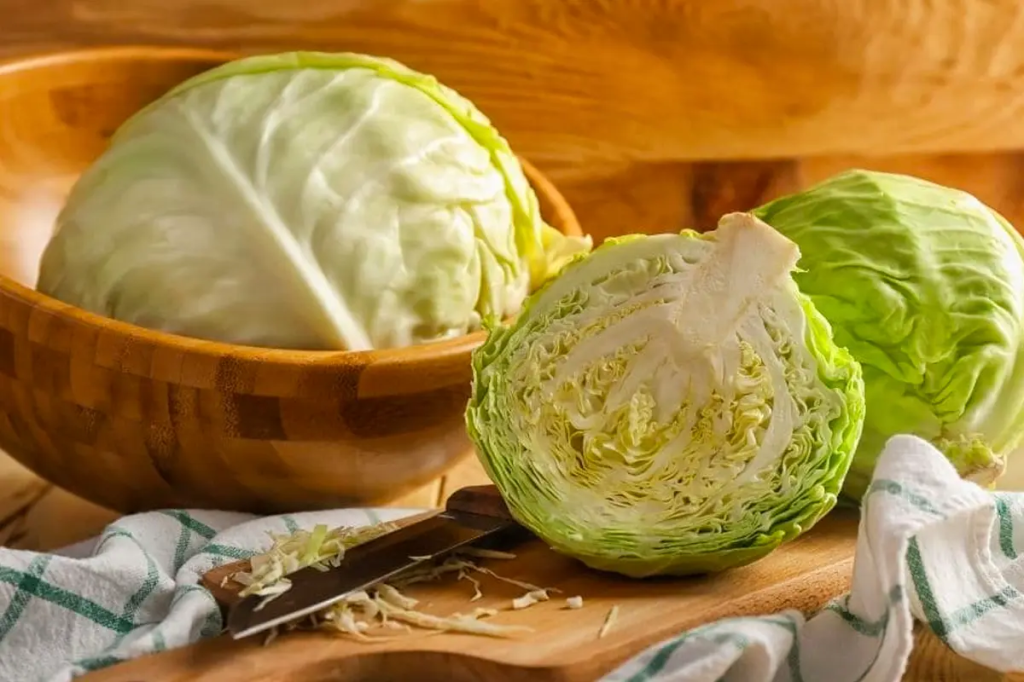
Cabbage is one of the most common vegetables in our daily lives. Because it is so ordinary, many people tend to overlook its remarkable health benefits. While people often say “rarity makes things precious,” the truth is that some of the simplest, most affordable foods are also the most nourishing — and cabbage is one of them.
Once considered “the food of the poor,” cabbage has long been underestimated. In the 15th century, a Parisian writer even remarked that the poor ate cabbages and turnips instead of bread. Perhaps that old prejudice lingers today — many still see cabbage as plain and unrefined. Yet, with rising grocery costs and a renewed interest in wholesome eating, it’s time to rediscover this modest, versatile vegetable and bring it back to our tables.
A Traditional View: Cabbage in Chinese Medicine
According to Traditional Chinese Medicine (TCM), cabbage has a neutral nature and a sweet flavor. It nourishes the stomach and intestines, promoting healthy digestion and balanced energy.
Let’s explore some of its wonderful health benefits:
1. Anti-Aging Properties
Cabbage is rich in antioxidants that combat cellular oxidation and delay the aging process. For those seeking to maintain youthful vitality, a simple bowl of cabbage may hold more power than any expensive serum.
2. Boosts Immunity
Packed with vitamin C, cabbage strengthens the immune system, helping the body fend off colds and infections while enhancing overall energy and resilience.
3. Supports Healthy Blood Pressure
Cabbage contains high levels of potassium, which helps regulate blood pressure by balancing sodium levels and supporting cardiovascular health.
4. Prevents Osteoporosis
Abundant in vitamin K, cabbage aids in blood clotting and calcium absorption, strengthening bones and teeth while preventing osteoporosis.
5. Promotes Digestive Health
Cabbage contains vitamin U, known as the “anti-ulcer factor.” It helps regulate stomach acid, heal ulcers, and soothe the digestive tract. Japanese studies have found that cabbage’s glucosinolates can inhibit Helicobacter pylori, the bacteria linked to gastritis and ulcers.
6. Cancer Prevention
The sulfur-containing compound isothiocyanate gives cabbage its distinctive aroma — and its powerful anti-cancer properties. This compound helps neutralize toxins, protect cells, and reduce cancer risk.
7. Rich in Folic Acid
Folic acid in cabbage is essential for pregnant women, helping prevent fetal malformations and supporting healthy red blood cell production.
8. Anti-Bacterial and Anti-Inflammatory Effects
Cabbage contains natural phytoncides — plant-based antibacterial compounds — that reduce inflammation, fight infections, and even soothe sore throats or small wounds.
Culinary Versatility
Cabbage’s mild flavor and satisfying crunch make it a versatile kitchen staple:
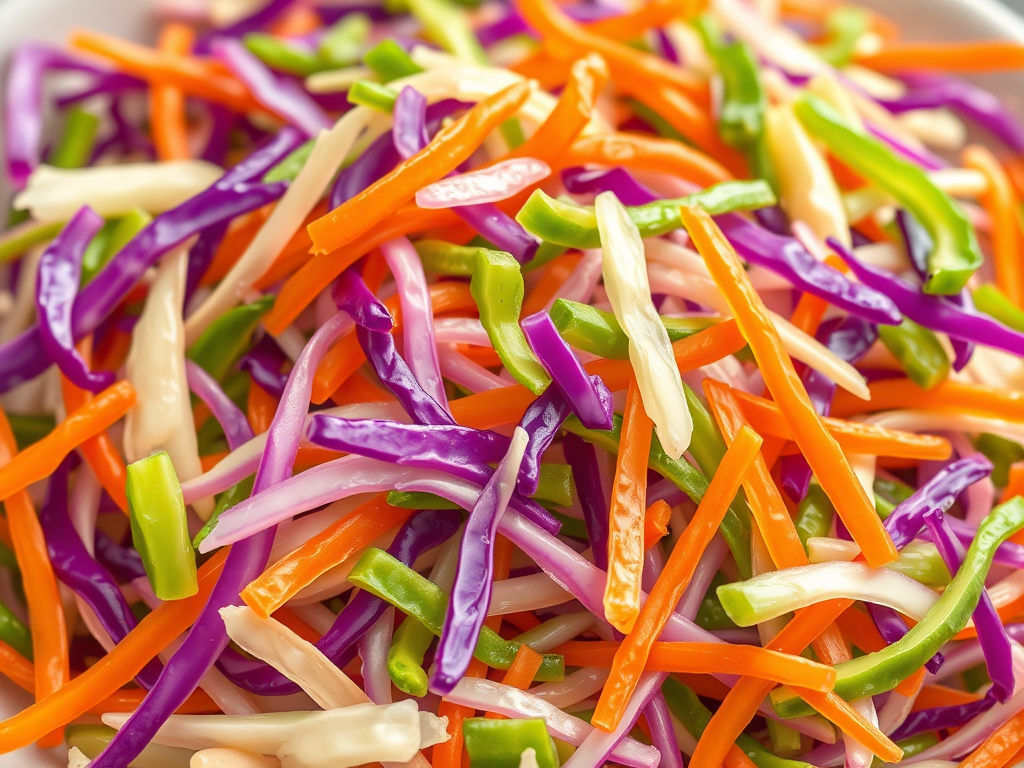
- Salads and Slaws: Shred cabbage with carrots, apples, or nuts for a refreshing, colorful slaw.
- Stir-Fry: Sauté with garlic and soy sauce for a simple yet delicious side.
- Soups and Stews: Add chopped cabbage for extra nutrition and heartiness.
- Fermented Foods: The star ingredient in sauerkraut and kimchi — both rich in probiotics and flavor.
- Stuffed Dishes: Use cabbage leaves to wrap rice, lentils, or meats for comforting stuffed rolls.
Lightly Pickled Cabbage: A Liver Cleanser and Detox Aid
Cabbage contains indoles, anti-cancer nutrients that also protect the liver and enhance detoxification. When cabbage is lightly pickled, its benefits multiply.
In Traditional Chinese Medicine, sour flavors are believed to nourish the liver. Lightly pickled cabbage helps detoxify the body, strengthen immunity, beautify the skin, and support cardiovascular and digestive health.
Fermented cabbage is also a powerful probiotic food. Lactobacillus plantarum, a beneficial bacteria from fermented cabbage like kimchi, supports the gut microbiome — the foundation of our immune system and overall well-being.
Easy Recipe: Lightly Pickled Cabbage
Ingredients
- 500 g cabbage
- 2 teaspoons salt
- 1 teaspoon sugar
Instructions
- Wash and drain the cabbage, then slice it finely.
- Divide into two portions. Place half in a bowl, sprinkle with 1 teaspoon of salt, and gently knead until softened.
- Add the remaining half, the rest of the salt, and sugar. Continue kneading until juicy.
- Pack into a clean glass jar with its liquid.
- Seal and leave in a cool place for half a day to lightly ferment, then refrigerate. Serve chilled.

Cabbage may not have the glamour of kale or the trendiness of arugula, but it carries quiet strength and wisdom — a reminder that simplicity often hides great value. In a world obsessed with novelty and luxury, perhaps we can learn from this humble vegetable: to nourish deeply, give generously, and thrive quietly.





 Peace LiLy