The Power of Sleep: 6 Simple Nighttime Habits Your Body Will Thank You For

The Secret to a Healthier You May Begin at Bedtime

    Woman sleeping in futuristic chamber labeled deep sleep and restoration 88 percent

    Have you ever noticed that sometimes you eat very little and exercise regularly, yet the number on the scale simply refuses to budge? Perhaps you even feel that the weight around your waist is slowly increasing.

    The problem may not always be what you eat or how much you exercise.

    It may also have something to do with how well you sleep.

    Our bodies follow an internal 24-hour clock known as the circadian rhythm, which influences hormones, appetite, metabolism, body temperature, and many other essential functions. Research from Harvard Medical School and other institutions has shown that insufficient or poor-quality sleep can disrupt these processes, affect hunger and stress hormones, and make maintaining a healthy weight more difficult.

    In other words, sleep is not simply “downtime.” It is one of the times when your body is actively repairing, regulating, and restoring itself.

    The good news is that you don’t need an extreme diet or punishing workout routine to support your health. Sometimes, a few simple changes to your evening routine can make a meaningful difference.

    Here are six simple, science-informed bedtime habits worth trying.

    1. Finish Eating 2–3 Hours Before Bed

    One of the simplest ways to support healthy sleep and metabolism is to give your body some time to digest before you go to bed.

    During sleep, the body enters an important period of repair and restoration. Growth hormone (GH) is released in pulses, particularly during deep sleep. Growth hormone plays an important role in tissue repair, muscle maintenance, and metabolism, and it also influences the way the body uses stored energy.

    However, growth hormone and insulin act as metabolic “natural enemies.” When you eat before bed—especially carbohydrates or high-sugar foods—the resulting rise in blood sugar triggers a surge in insulin secretion. High levels of insulin not only force excess calories to be stored as abdominal fat but also powerfully inhibit the release of growth hormone during deep sleep. Maintaining a state of mild fasting for two to three hours before bedtime keeps insulin at a low baseline, effectively lifting the blockade on growth hormone and allowing the body to seamlessly switch into “fat-burning mode” overnight.

    That doesn’t mean you should go to bed hungry. The goal is simply to avoid turning bedtime into another meal.

    Try this: Aim to finish dinner about 2–3 hours before going to sleep. If you genuinely feel hungry later, choose a small, balanced snack rather than forcing yourself to ignore hunger.

    The goal isn’t starvation. It’s giving your body a comfortable transition from digestion to rest.

    2. Do 5–10 Minutes of Gentle Stretching

    Woman in lavender pajamas stretching on a bedroom rug at night

    After a busy and stressful day, your body may still be carrying physical tension even after you get into bed.

    Stress activates the body’s sympathetic nervous system, often called the “fight-or-flight” system, and can increase levels of cortisol, a hormone involved in the body’s stress response. Chronic stress and poor sleep can affect appetite, metabolism, and where the body tends to store fat.

    Gentle stretching can be a wonderful way to signal that the busy part of the day is over.

    Unlike an intense late-night workout, slow stretching is calming and can help release muscle tension. It may also help you become more aware of your breathing and prepare your nervous system for sleep.

    Try this: Spend just 5–10 minutes doing gentle neck, shoulder, back, hip, and leg stretches. Move slowly and comfortably, without forcing any position.

    Think of it not as exercise, but as a transition ritual from activity to rest.

    3. Try Slow, Relaxed Breathing

    Your breathing is one of the easiest ways to influence your state of relaxation.

    A popular technique is 4-7-8 breathing:

    • Inhale gently for 4 seconds.
    • Hold your breath for 7 seconds.
    • Exhale slowly for 8 seconds.

    The most important part for relaxation is the slow, extended exhalation. Slow breathing can increase parasympathetic activity—the part of the nervous system associated with rest and recovery—and may help reduce feelings of stress and physical tension.

    You don’t have to follow the exact 4-7-8 pattern if holding your breath feels uncomfortable. Simply try breathing slowly and making your exhalation slightly longer than your inhalation.

    Try this: Close your eyes, relax your shoulders, and take 5–10 slow breaths. Let each exhalation become a little longer and softer.

    Sometimes, the simplest message you can give your body is:

    “The day is over. You are safe. It’s time to rest.”

    4. Put Away Electronic Screens 30–60 Minutes Before Bed

    This is one of the most practical bedtime habits you can develop.

    Phones, tablets, computers, and televisions can expose us to light that may suppress the natural evening rise of melatonin, a hormone involved in regulating the sleep-wake cycle. More importantly, scrolling, watching exciting videos, checking messages, or reading stressful news can keep the brain mentally stimulated when it should be winding down.

    And when bedtime becomes another hour of stimulation, falling asleep can become much harder.

    Try this: Put your phone away 30–60 minutes before bed. Dim the lights, turn off bright overhead lighting, and use a soft bedside lamp instead.

    You could read a few pages of a paper book, listen to peaceful music, practice meditation, pray, or simply sit quietly.

    Your evening routine doesn’t need to be complicated.

    Sometimes, putting the phone down is one of the best gifts you can give your brain.

    5. Keep Your Bedroom Cool, Dark, and Comfortable

    Your body naturally lowers its core temperature as you prepare for sleep. A bedroom that is slightly cool, dark, and quiet can make it easier for your body to follow this natural rhythm.

    Some research has also explored the relationship between cooler sleeping environments and brown adipose tissue, commonly known as brown fat. Unlike ordinary white fat, brown fat can generate heat by using energy. However, it is important not to think of a cold bedroom as a weight-loss treatment—the primary goal is simply to create an environment that supports good-quality sleep.

    Try this: Keep your bedroom comfortably cool, perhaps around 18–20°C (64–68°F) if that feels comfortable for you, and use blackout curtains or an eye mask if necessary.

    Don’t make yourself uncomfortably cold. The ideal bedroom is not an icebox!

    It should simply feel cool, quiet, dark, and peaceful.

    6. Take a Warm Shower or Soak Your Feet Before Bed

    Here’s a surprisingly pleasant bedtime habit: take a warm shower or soak your feet in warm water for about 10–15 minutes.

    It may seem counterintuitive, but warming the body before bed can actually help promote cooling afterward.

    A warm shower or bath causes blood vessels near the skin to dilate. After you finish, your body can release heat more easily, and your core temperature gradually falls. This natural change in body temperature is associated with the body’s preparation for sleep.

    For many people, a warm shower is also psychologically relaxing, helping separate the stresses of the day from the peacefulness of nighttime.

    Try this: About 1–2 hours before bed, take a comfortably warm shower or soak your feet in warm water. Then put on comfortable pajamas and let your body gradually cool down.

    It can become a simple and soothing signal that says:

    “It’s time to slow down.”

    Your Body Doesn’t Need a Battle—It Needs Rhythm

    Healthy weight management and good health don’t have to be a form of punishment.

    We often focus so much on calories, workouts, and dieting that we forget something fundamental: our bodies need adequate sleep and recovery, too.

    Sleeping girl dreaming of a unicorn, castles, clouds, and waterfall

    Rather than constantly forcing yourself to eat less or exercise harder, consider working with your body’s natural rhythms.

    Tonight, try something simple:

    Put your phone away.

    Dim the lights.

    Stretch for five minutes.

    Take a few slow breaths.

    Let your bedroom become cool and peaceful.

    And give yourself permission to sleep.

    You may not wake up dramatically lighter the next morning—and that’s not the point. Healthy change is rarely overnight.

    The real goal is to build an evening routine that helps your body recover, supports better sleep, and makes healthy living feel natural and sustainable.

    In our busy world, getting enough good-quality sleep may be one of the simplest—and most overlooked—investments we can make in ourselves.

    Sleep well, take good care of your body, and may every new morning bring you more energy, health, and happiness.

    Link:https://peacelilysite.com/2026/08/19/6-simple-bedtime-habits-that-may-help-your-body-rest-recover-and-maintain-a-healthy-weight/

    Ancient Wisdom Meets Modern Fluid Dynamics: How Abdominal Breathing Literally Washes Waste From Your Brain

    Remove extra people, keep only one person

    Have you ever experienced that mid-afternoon wall? You’ve been sitting at your desk for three hours. You haven’t done any heavy lifting, yet your head feels like it’s filled with lead, your thinking slows to a crawl, and your focus completely evaporates.

    We used to think the worst side effects of prolonged sitting were just weight gain, bad posture, or a sluggish metabolism. But a groundbreaking study published in the prestigious journal Nature Neuroscience has shattered that assumption, revealing a silent, terrifying reality: When you slump in an office chair with your core disengaged, your brain is quite literally marinating in its own cellular waste.

    The human brain is an energy-hogging powerhouse. As long as you are alive, your neurons are firing wildly, producing vast amounts of metabolic waste—including amyloid-beta proteins, the primary culprits linked to Alzheimer’s disease.

    But here is the catch: while every other organ in your body relies on the lymphatic system to flush out waste, the brain is sealed tight inside a rigid skull. It has no traditional lymphatic vessels. For decades, scientists believed the brain only did its heavy cleaning during deep sleep, when cerebrospinal fluid (CSF) rushes through like an automatic car wash. But this left a massive blind spot in medical science: If sleep is the only cleaning cycle, why do active people who exercise regularly have a drastically lower risk of cognitive decline and dementia—even if they get the exact same amount of sleep?

    A cross-disciplinary team at Penn State University just found the missing puzzle piece.

    Using high-resolution, two-photon microscopes focused on live mice, researchers witnessed something extraordinary.

    They noticed that right before an animal moves—even if it is just preparing to stand up or take a single step—its core muscles, specifically the abdominal muscles, instinctively contract.

    This seemingly minor “belly squeeze” is actually the trigger for a highly precise hydraulic clearing system.

    When your abdominal muscles contract, they act like a powerful manual pump. They instantly force abdominal blood upward into the spinal venous plexus. That sudden pressure wave travels all the way up into the sealed skull. At that exact micro-second, the brain physically moves. With every single squeeze of your abdomen, the brain undergoes a tiny but distinct displacement inside the skull.

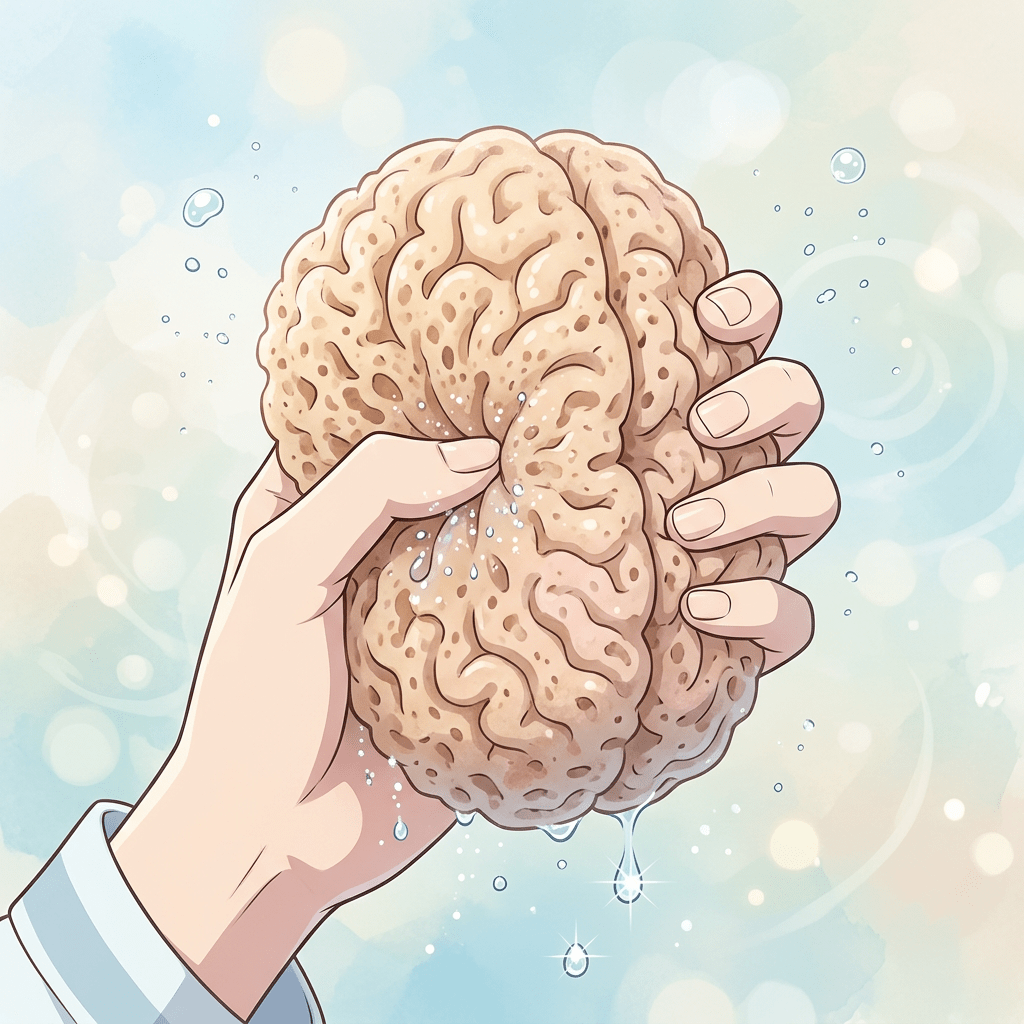
    Brain as sponge being gently squeezed

    Professor Francesco Costanzo, an expert in fluid mechanics involved in the study, offered a brilliant analogy:

    “The structure of the brain is actually like a soft sponge soaked in water. How do you clean a dirty sponge? You don’t just let it sit in a bucket of water. You have to gently squeeze it.”

    Every time your core contracts, it gently squeezes that “brain sponge.” This physical shift forces cerebrospinal fluid to rush through the brain’s intricate folds and crevices, flushing out the toxic metabolic waste that disrupts your neurons.

    ☯️ Ancient Mindfulness Meets Modern Science: The Power of the Belly

    Reading this study, I got absolute goosebumps.

    For thousands of years, Eastern traditional medicine and mindfulness practices (like Qi Gong and Tai Chi) have passionately advocated for “Abdominal Breathing” (diaphragmatic breathing) and centering one’s energy in the core (the Dan Tian).

    Ancient masters didn’t have high-resolution microscopes or computer fluid modeling, yet they deeply understood the body’s mechanics. They knew that rhythmic, deep belly breathing regulates the body’s internal pressure and vital energy. Today, Western peak science has finally validated this ancient wisdom: Changes in abdominal pressure are the literal engine driving your brain’s daily cleaning cycle.

    When we slouch in a chair for hours, our core muscles fall completely asleep. The hydraulic pump shuts down. The brain sponge just sits there, trapped in its own debris, quietly accumulating the tiny cellular triggers of neurodegeneration.

    The best news from this research? You don’t need to run a ultramarathon or become an Olympic weightlifter to clear your head. The study emphasizes that even the slight core engagement required to stand up from a chair, or the natural core activation of walking, fires up the pump.

    💡 My Quick Health Hack for Digital Workers: The next time you’ve been at your computer for too long and your brain feels foggy, don’t reach for another espresso. Try this Brain Reboot Routine:

    1. Get Up and Move: Walk to grab a glass of water. As you walk, consciously engage your core and feel your abdomen lightly pull inward.
    2. Do 3-5 Deep Abdominal Breaths: Inhale deeply, allowing your belly to expand outward. As you exhale, intentionally pull your lower abdomen tightly back toward your spine.
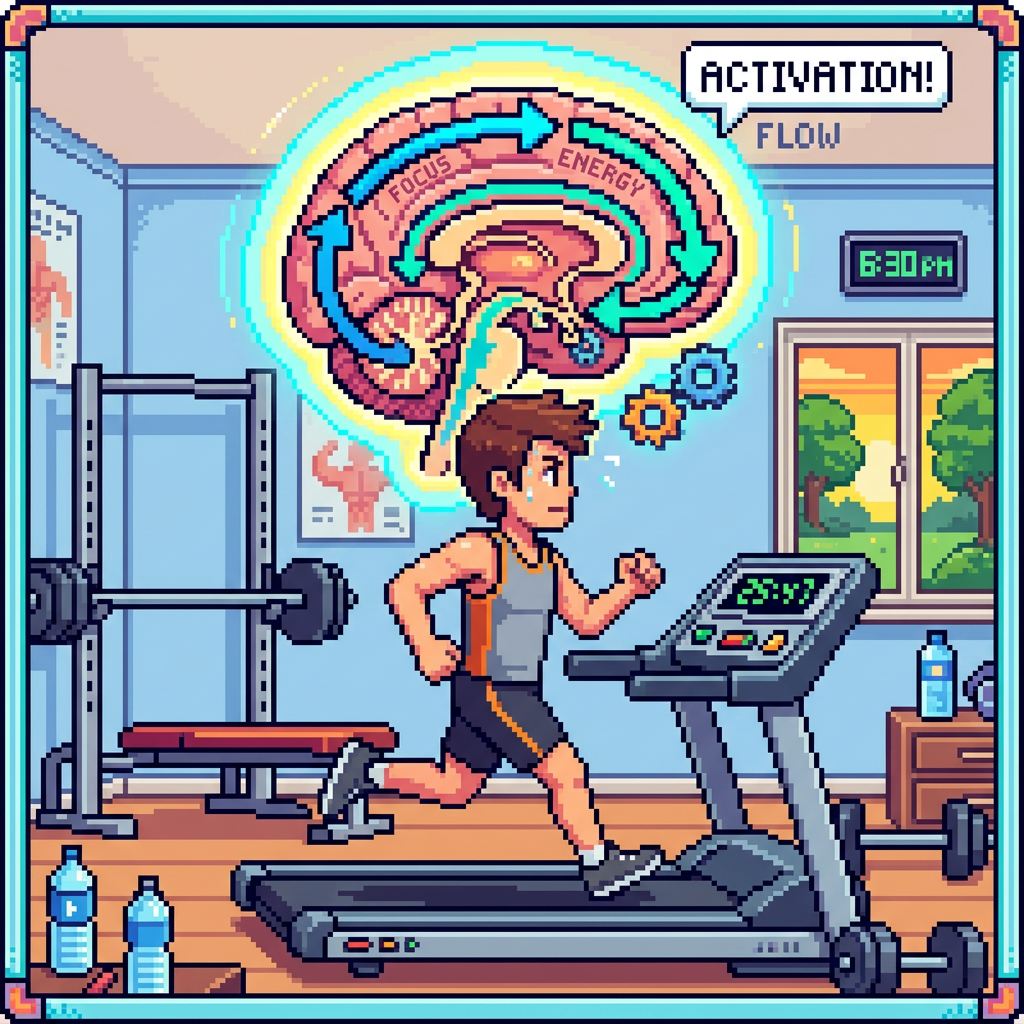
    Person running on treadmill inside gym with brain activation and flow diagram

    You aren’t doing this to sculpt six-pack abs; you are doing it to activate your internal hydraulic pump, gently shifting your brain inside your skull and flushing away hours of accumulated neurological fog.

    True movement isn’t just about the muscles we can see in the mirror—it’s about driving the invisible cleaning pumps that keep our minds sharp.

    Listen closely. Your brain is waiting for you to stand up. The next time you catch yourself staring blankly at your monitor, remind yourself: Time to get up and stretch—your brain is waiting for its shower.

    Link:https://peacelilysite.com/2026/05/21/ancient-wisdom-meets-modern-fluid-dynamics-how-abdominal-breathing-literally-washes-waste-from-your-brain/

    #BrainHealth #Neuroscience #Mindfulness #DiaphragmaticBreathing #HealthyLifestyle #NatureResearch #Biohacking #DeskJobHealth #BrainFog #AlzheimersPrevention

    Beyond Cholesterol: The Silent “Fire” That Predicts Heart Disease Better Than Fat

    In the clinic, I often hear patients say, “Doctor, my cholesterol is normal, so I don’t need to worry about my heart, right?”

    It’s a common belief. For decades, we’ve been trained to look at cardiovascular health through a few familiar numbers. We assume that if our blood pressure is stable and our lipids are low, we are in the clear.

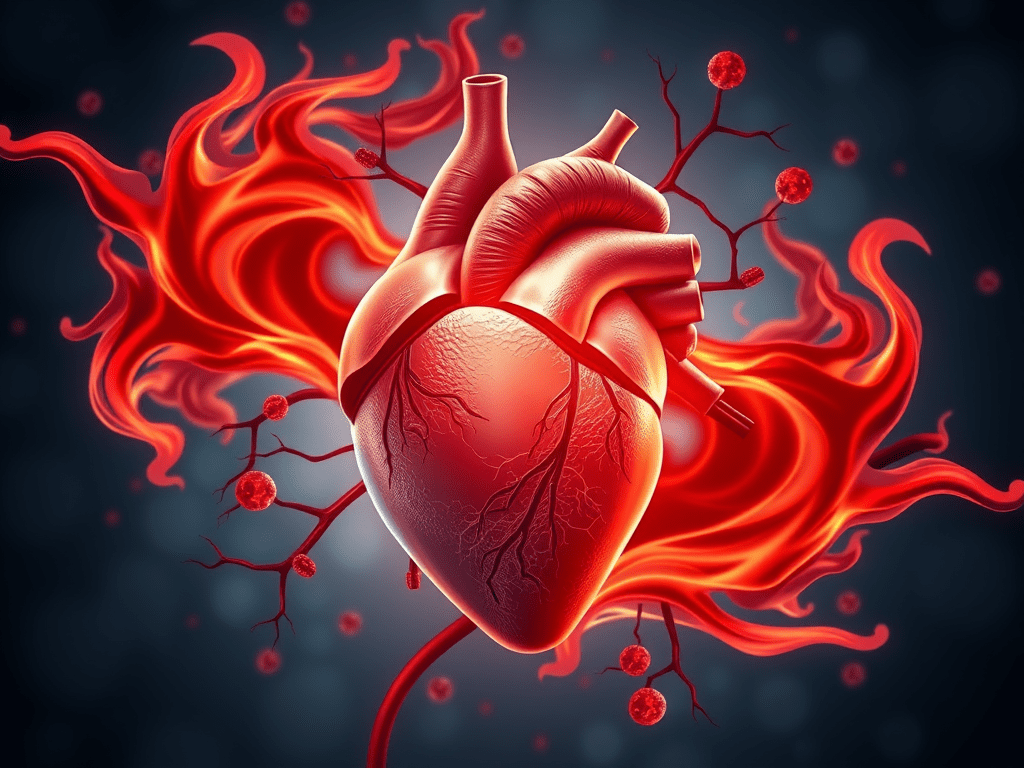
    However, modern clinical science is revealing a deeper truth: Cardiovascular disease isn’t just a “fat” problem—it is driven by a hidden engine of chronic inflammation.

    What is hsCRP? The Body’s “Systemic Broadcast”

    High-sensitivity C-reactive protein (hsCRP) is a protein produced by the liver. It isn’t a hormone or an immune cell; think of it as a broadcast signal for systemic inflammation.

    Whenever there is tissue damage, oxidative stress, or immune irritation anywhere in the body, immune signaling molecules (specifically Interleukin-6) tell the liver to start churning out this protein. Therefore, this number doesn’t point to one specific organ; it reflects the current state of your entire immune system.

    Many people mistake hsCRP for a passive bystander. In molecular medicine, we know it is an active participant in disease. Under chronic low-grade inflammation, hsCRP actively interferes with your vascular system:

    • Vascular Lining: It makes immune cells “sticky,” causing them to adhere to vessel walls.
    • Immune Amplification: It keeps the immune system on high alert, preventing the body from entering a “repair” mode.
    • Lipid Oxidation: It promotes the formation of oxidized LDL, accelerating the creation of plaque.
    • Energy Failure: It impairs mitochondrial function, reducing the ability of vascular cells to heal themselves.

    This doesn’t happen overnight. It’s a slow accumulation of damage—arteries lose elasticity, plaques become unstable, and eventually, this leads to a heart attack or stroke.

    The 2025 Study: A Crystal Ball for Heart Health

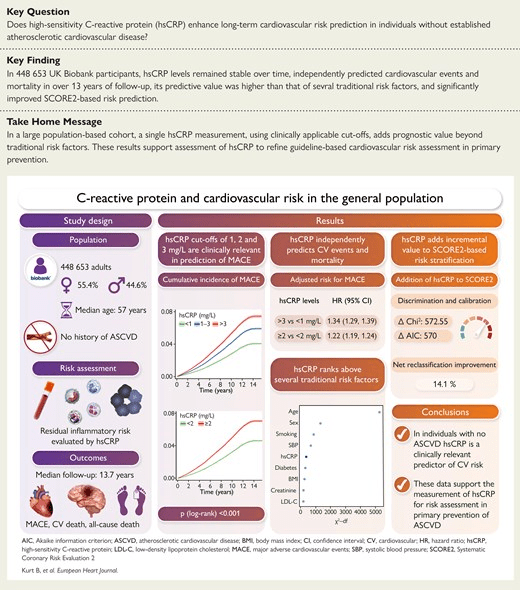
    A landmark study published in the European Heart Journal (2025) analyzed 448,653 adults with no prior history of heart disease, following them for over 13 years. The researchers categorized hsCRP levels into three risk tiers:

    1. Low Risk: $< 1$ mg/L
    2. Moderate Risk: $1 – 3$ mg/L
    3. High Risk: $> 3$ mg/L

    The results were a wake-up call. Compared to those in the “Low Risk” group, individuals with hsCRP $> 3$ mg/L saw:

    • 34% increase in major cardiovascular events.
    • 61% increase in cardiovascular death.
    • 54% increase in all-cause mortality.

    In short, a high hsCRP isn’t just “slightly elevated”—it correlates with a more than 50% increase in the risk of death.

    The Key Takeaway: While cholesterol tells us how much “oil” is in the system, hsCRP tells us if the “engine is overheating.” Studies suggest hsCRP can be 2 to 3 times more predictive of future heart events than LDL cholesterol alone.

    High inflammation is rarely a single-issue problem. It is usually a “molecular shift” involving several systems:

    • Oxidative Stress: The body’s cleanup crew can’t keep up with metabolic waste.
    • Fatty Acid Imbalance: Diets high in pro-inflammatory oils.
    • Chronic Stress: Elevated stress hormones dysregulate the autonomic nervous system.
    • Gut Health: A compromised gut barrier keeps the immune system in a state of constant irritation.

    Your body knows when this is happening. You might feel chronically tired, have fluctuating moods, sensitive digestion, or notice that you take longer to recover after exercise. These aren’t random symptoms; they are the signals of a system under inflammatory load.

    How to “Cool Down” the Inflammation

    The goal isn’t to “fix” the number with a pill, but to shift the body’s internal environment:

    1. Prioritize Circadian Health: Consistent sleep schedules allow stress hormones to drop, giving the immune system a chance to reset.
    2. Intermittent Gut Rest: Avoid constant grazing. Reducing the frequency of food intake (and cutting out ultra-processed sugars) lowers the daily “immune burden” on your gut.
    3. Mitochondrial Recovery: Instead of high-intensity “grind” workouts, focus on low-to-moderate intensity movement that your body can actually recover from.
    4. Anti-Inflammatory Nutrition: Shift your fat intake toward Omega-3s and antioxidant-rich whole foods to change the molecular structure of your cells.

    Here are some Top Anti-Inflammatory Food Groups:

    • Fruits: Berries (blueberries, strawberries), cherries, citrus fruits, and oranges.
    • Vegetables: Dark leafy greens (kale, spinach, Swiss chard), broccoli, cabbage, and peppers.
    • Healthy Fats & Oils: Extra virgin olive oil, avocado, and nuts like walnuts and almonds.
    • Fatty Fish: Salmon, mackerel, sardines, and anchovies, which are high in omega-3 fatty acids.
    • Spices & Herbs: Turmeric, ginger, garlic, and cinnamon.
    • Whole Grains: Oats, quinoa, brown rice, and buckwheat.
    • Legumes & Seeds: Lentils, black beans, chia seeds, and flaxseed.
    • Other: Green tea, dark chocolate, and fermented foods like kefir or sauerkraut. 

    Heart disease isn’t a sudden accident; it’s the result of molecular systems moving in the wrong direction for years.

    The beauty of the hsCRP marker is that it allows us to see the “hidden fire” before the building burns down. It gives us the power to change direction while the damage is still reversible.

    Understanding your “internal weather” is the first step toward a longer, healthier life. If you found this helpful, feel free to share it with someone who only looks at their cholesterol!

    Link: https://peacelilysite.com/2026/02/09/beyond-cholesterol-the-silent-fire-that-predicts-heart-disease-better-than-fat/

    Source: https://academic.oup.com/eurheartj/advance-article/doi/10.1093/eurheartj/ehaf937/8377304

    How to Eat Healthy as a Vegetarian

    How to Eat Healthy as a Vegetarian: A Complete Guide to Balanced Plant-Based Nutrition

    Choosing a vegetarian lifestyle can be deeply meaningful — whether for health, compassion, the environment, or spiritual reasons. But simply cutting out meat does not automatically make a diet healthy. To feel energized, strong, and nourished, vegetarians need to understand how to balance nutrients, diversify foods, and support the body with wholesome meals.

    This guide explains exactly how to eat healthy as a vegetarian, whether you are new to this lifestyle or wanting to improve your current eating habits.

    1. Focus on Whole, Minimally Processed Foods

    A healthy vegetarian diet begins with whole foods that deliver essential nutrients without excess sugar or artificial additives.

    Include plenty of:

    Tofu, tempeh, or other soy products

    Fresh fruits

    Vegetables of all colors

    Whole grains (brown rice, quinoa, oats, barley)

    Beans, lentils, and legumes

    Nuts and seeds

    Focus on Whole, Minimally Processed Foods

    Whole foods provide fiber, vitamins, minerals, and plant compounds that support long-term health.

    2. Prioritize Plant-Based Protein

    Protein is essential for muscles, energy, hormones, and immune function. Vegetarians can easily meet their needs by mixing different protein sources throughout the day.

    Healthy vegetarian proteins include:

    Eggs*
    (*for ovo-lacto vegetarians)

    Lentils

    Chickpeas

    Black beans and kidney beans

    Tofu and tempeh

    Edamame

    Greek yogurt*

    Prioritize Plant-Based Protein

    Combining proteins with whole grains, such as beans with brown rice, creates a complete amino acid profile.

    3. Ensure Adequate Iron Intake

    Vegetarians need to be mindful of iron because plant-based iron (non-heme iron) is absorbed less efficiently.

    Adequate Iron Intake

    Great vegetarian iron sources:

    Iron-fortified cereals

    Spinach, kale, and dark leafy greens

    Lentils and chickpeas

    Pumpkin seeds

    Blackstrap molasses

    Tip: Eat iron-rich foods with vitamin C (citrus, tomatoes, berries) to boost absorption naturally.

    4. Don’t Forget Vitamin B12

    Vitamin B12 is critical for nerve health and energy, but it is mainly found in animal products. Most vegetarians should include:

    Vitamin B12

    B12-fortified plant milks

    Nutritional yeast with added B12

    B12 supplements (if needed)

    Even small deficiencies can cause fatigue, so this nutrient is important.

    5. Get Enough Calcium and Vitamin D

    Healthy bones require a steady supply of both.

    Calcium and Vitamin D

    Vegetarian sources of calcium:

    Bok choy

    Fortified plant milks

    Tofu made with calcium sulfate

    Almonds

    Broccoli

    Sources of vitamin D

    Sources of vitamin D:

    Sunshine exposure

    Fortified plant milks

    Supplements if recommended

    6. Include Healthy Fats

    Healthy fats support brain function, hormones, and skin health.

    Add these into your meals:

    Avocado

    Nuts (walnuts, almonds, cashews)

    Seeds (chia, flax, hemp)

    Olive oil

    These also help your body absorb fat-soluble vitamins like A, D, E, and K.

    7. Build Balanced Meals

    To eat healthy as a vegetarian, structure your plate for optimal nutrition:

    ½ vegetables (raw or cooked)

    ¼ plant protein (lentils, tofu, beans)

    ¼ whole grains (quinoa, brown rice, whole wheat pasta)

    Add a portion of healthy fats on the side

    This offers the perfect balance of fiber, protein, and energy.

    8. Limit Highly Processed Vegetarian Foods

    Limit Highly Processed Vegetarian Foods

    Just because a food is “vegetarian” does not mean it’s healthy.

    Limit:

    • Fake meats with long ingredient lists
    • Fried foods
    • Sugary cereals
    • Instant noodles
    • Vegetarian junk food

    Choose naturally nutritious options most of the time.

    9. Stay Hydrated

    Vegetarians often consume more fiber, so hydration becomes even more important for digestion and energy.

    Stay Hydrated

    Aim for: 6–8 cups of water a day

    Herbal tea or fruit-infused water as alternatives

    10. Listen to Your Body

    Every person’s digestive system and nutrient needs are different. Pay attention to how specific foods make you feel.

    Ask yourself:

    • Does this meal give me energy?
    • Am I eating enough protein?
    • Do I feel satisfied after eating?

    Mindful eating helps you adjust your diet to your body’s needs.

    Eating Healthy as a Vegetarian Is Simple and Rewarding

    Eating healthy as a vegetarian becomes effortless when you focus on whole foods, balanced meals, and key nutrients like protein, iron, B12, and healthy fats. With a mindful approach, a vegetarian lifestyle can provide excellent energy, vitality, and long-term wellness, while reflecting compassion and sustainability.

    #VegetarianDiet #HealthyEating #PlantBased #VegetarianTips #NutritionGuide #HealthyLifestyle #MindfulEating #BalancedDiet #VegetarianMeals #Wellness

    The Humble Cabbage: An Overlooked Treasure of Health and Simplicity

    Shutterstock

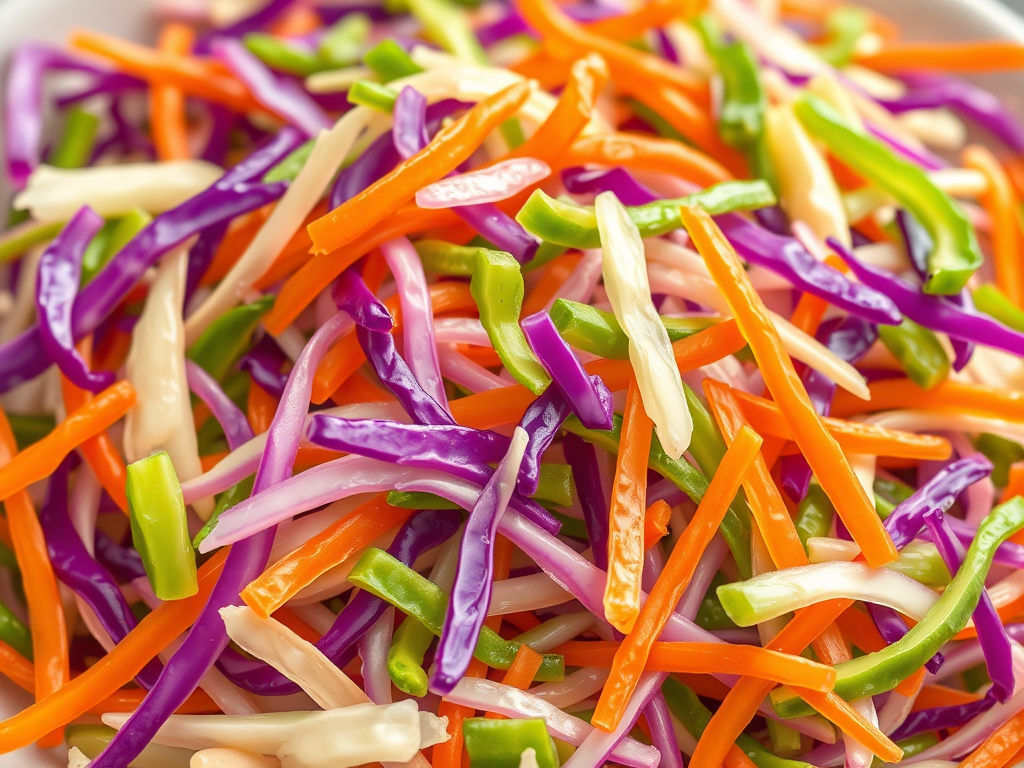
    Cabbage is one of the most common vegetables in our daily lives. Because it is so ordinary, many people tend to overlook its remarkable health benefits. While people often say “rarity makes things precious,” the truth is that some of the simplest, most affordable foods are also the most nourishing — and cabbage is one of them.

    Once considered “the food of the poor,” cabbage has long been underestimated. In the 15th century, a Parisian writer even remarked that the poor ate cabbages and turnips instead of bread. Perhaps that old prejudice lingers today — many still see cabbage as plain and unrefined. Yet, with rising grocery costs and a renewed interest in wholesome eating, it’s time to rediscover this modest, versatile vegetable and bring it back to our tables.

    A Traditional View: Cabbage in Chinese Medicine

    According to Traditional Chinese Medicine (TCM), cabbage has a neutral nature and a sweet flavor. It nourishes the stomach and intestines, promoting healthy digestion and balanced energy.

    Let’s explore some of its wonderful health benefits:

    1. Anti-Aging Properties

    Cabbage is rich in antioxidants that combat cellular oxidation and delay the aging process. For those seeking to maintain youthful vitality, a simple bowl of cabbage may hold more power than any expensive serum.

    2. Boosts Immunity

    Packed with vitamin C, cabbage strengthens the immune system, helping the body fend off colds and infections while enhancing overall energy and resilience.

    3. Supports Healthy Blood Pressure

    Cabbage contains high levels of potassium, which helps regulate blood pressure by balancing sodium levels and supporting cardiovascular health.

    4. Prevents Osteoporosis

    Abundant in vitamin K, cabbage aids in blood clotting and calcium absorption, strengthening bones and teeth while preventing osteoporosis.

    5. Promotes Digestive Health

    Cabbage contains vitamin U, known as the “anti-ulcer factor.” It helps regulate stomach acid, heal ulcers, and soothe the digestive tract. Japanese studies have found that cabbage’s glucosinolates can inhibit Helicobacter pylori, the bacteria linked to gastritis and ulcers.

    6. Cancer Prevention

    The sulfur-containing compound isothiocyanate gives cabbage its distinctive aroma — and its powerful anti-cancer properties. This compound helps neutralize toxins, protect cells, and reduce cancer risk.

    7. Rich in Folic Acid

    Folic acid in cabbage is essential for pregnant women, helping prevent fetal malformations and supporting healthy red blood cell production.

    8. Anti-Bacterial and Anti-Inflammatory Effects

    Cabbage contains natural phytoncides — plant-based antibacterial compounds — that reduce inflammation, fight infections, and even soothe sore throats or small wounds.

    Culinary Versatility

    Cabbage’s mild flavor and satisfying crunch make it a versatile kitchen staple:

    • Salads and Slaws: Shred cabbage with carrots, apples, or nuts for a refreshing, colorful slaw.
    • Stir-Fry: Sauté with garlic and soy sauce for a simple yet delicious side.
    • Soups and Stews: Add chopped cabbage for extra nutrition and heartiness.

    • Fermented Foods: The star ingredient in sauerkraut and kimchi — both rich in probiotics and flavor.
    • Stuffed Dishes: Use cabbage leaves to wrap rice, lentils, or meats for comforting stuffed rolls.

    Lightly Pickled Cabbage: A Liver Cleanser and Detox Aid

    Cabbage contains indoles, anti-cancer nutrients that also protect the liver and enhance detoxification. When cabbage is lightly pickled, its benefits multiply.

    In Traditional Chinese Medicine, sour flavors are believed to nourish the liver. Lightly pickled cabbage helps detoxify the body, strengthen immunity, beautify the skin, and support cardiovascular and digestive health.

    Fermented cabbage is also a powerful probiotic food. Lactobacillus plantarum, a beneficial bacteria from fermented cabbage like kimchi, supports the gut microbiome — the foundation of our immune system and overall well-being.

    Easy Recipe: Lightly Pickled Cabbage

    Ingredients

    • 500 g cabbage
    • 2 teaspoons salt
    • 1 teaspoon sugar

    Instructions

    1. Wash and drain the cabbage, then slice it finely.
    2. Divide into two portions. Place half in a bowl, sprinkle with 1 teaspoon of salt, and gently knead until softened.
    3. Add the remaining half, the rest of the salt, and sugar. Continue kneading until juicy.
    4. Pack into a clean glass jar with its liquid.
    5. Seal and leave in a cool place for half a day to lightly ferment, then refrigerate. Serve chilled.
    Shutterstock

    Cabbage may not have the glamour of kale or the trendiness of arugula, but it carries quiet strength and wisdom — a reminder that simplicity often hides great value. In a world obsessed with novelty and luxury, perhaps we can learn from this humble vegetable: to nourish deeply, give generously, and thrive quietly.

    Link:https://peacelilysite.com/2025/11/06/the-humble-cabbage-an-overlooked-treasure-of-health-and-simplicity/

    When the Flu Is Gone but Fatigue Remains: How to Help Your Immune System Truly Recover

    “Healing doesn’t end when the symptoms disappear — it ends when the body finally feels safe to rest.”

    As the weather cools and flu season approaches, I came across some fascinating medical insights online that I felt were worth sharing with everyone reading my blog. Many of us have experienced this: the cold or flu seems gone, yet fatigue, throat irritation, or strange discomforts linger. Why does this happen, and how can we truly recover?


    🧠 The Immune System Has a Memory—And Sometimes a Grudge

    Doctors often hear this kind of complaint:

    “My cold is gone, but I’m still exhausted. My throat feels weird, I get dizzy, and my stomach’s off…”

    This isn’t because the virus remains—it’s because your immune system hasn’t fully stood down.

    According to a 2025 review published in Cell Research, our immune system possesses something called trained immunity. That means it “remembers” past infections, stress, or inflammation. This helps it react faster next time—but sometimes, it overreacts.

    It’s like your body has fought a war, and though the battle is over, the soldiers are still gripping their weapons, ready to defend at the slightest sound.

    That’s why after you’ve “recovered,” you may still feel fatigued, have a scratchy throat, dry skin, or stomach issues. Your immune system is still in battle mode.


    🦴 Memory Hidden in the Bone Marrow

    This “memory” lives deep in your bone marrow stem cells, which remember intense inflammation and produce more reactive immune cells afterward.

    In moderation, this keeps you alert to future threats. But under constant stress—lack of sleep, oily food, pollution, or anxiety—your immune system becomes overly vigilant.

    Over time, this can cause chronic low-grade inflammation, leading to lingering tiredness, allergies, digestive issues, and even chronic diseases like diabetes or heart problems.


    ⚠️ When the Immune System Is Too Vigilant

    The immune system is meant to react swiftly and then reset. But when it forgets how to relax, it starts misidentifying harmless things as threats.

    You might notice:

    • Sore throats that flare up with stress
    • Headaches or bloating after emotional tension
    • Skin or gut reactions after eating sweets or processed food

    These are signs of an overtrained immune system—one that’s too loyal for its own good.


    🌼 How to Help Your Immune System “Let Go”

    The best medicine isn’t a pill—it’s how you live every day. Here are four gentle ways to guide your immune system back to balance:

    1. Eat for Calm, Not Chaos

    Skip high-fat, high-sugar, and processed foods that fuel inflammation.
    Instead, try a Mediterranean-style diet—fresh vegetables, fruits, olive oil, nuts, fish, and whole grains.
    These nourish your immune cells and teach them to stay calm.

    2. Sleep: The Reset Button

    Sleep resets immune memory. Without enough rest, bone marrow cells stay in high-alert mode.
    A regular sleep schedule is like a classroom where your body learns order and recovery.

    3. Manage Stress Gently

    Emotions like anxiety, anger, and loneliness all affect immunity.
    Take time for deep breathing, sunlight, music, or quiet moments. Even doing nothing helps your body hear the message: “It’s safe now.”

    4. Move, Don’t Push

    Moderate aerobic exercise trains your immune system to respond wisely.
    Studies show that people who move regularly—three to five times a week—have stronger, steadier immunity and less fatigue.


    🌸 True Health Is Intelligent Immunity

    Many believe “strong immunity” means “never getting sick.”
    But true health means having an intelligent immune system—one that knows when to fight and when to rest.

    So if you’ve recently recovered from a cold but still feel drained, don’t worry. Your body isn’t weak—it’s simply learning how to relax after the storm.

    Be patient and kind to yourself.
    Eat well, sleep deeply, breathe freely, and move with ease.
    That heavy, lingering fatigue will soon melt away.

    Because your body remembers not just pain—it also remembers peace.

    Your body’s memory is a diary of your life.
    When you fill your days with calm, warmth, and balance, your immune system learns to trust again.
    And in that trust, you don’t just recover from illness—you truly return to health.

    Link:https://peacelilysite.com/2025/10/24/when-the-flu-is-gone-but-fatigue-remains-how-to-help-your-immune-system-truly-recover/

    Unlocking Wellness: The Power of the Gallbladder Meridian in Traditional Chinese Medicine

    In Traditional Chinese Medicine (TCM), the gallbladder plays a crucial role in maintaining overall health. While often overlooked, its function affects various aspects of well-being, from digestion to hair health and even fat distribution. By understanding the gallbladder meridian and learning simple techniques to stimulate it, you can enhance your body’s natural healing processes and promote long-term vitality.

    The gallbladder meridian runs along both sides of the body, starting from the outer corner of the eye at the pupil’s ridge point and ending at the outer side of the tip of the fourth toe at the foot’s yin point. There are a total of 44 acupuncture points from head to toe.

    Gallbladder Meridian(大纪元制图)

    Signs of Poor Gallbladder Function

    One of the most noticeable signs of poor gallbladder function is premature graying of hair. According to TCM wisdom, “Hair is the extension of blood,” meaning that when the body lacks sufficient nutrients and energy, hair health deteriorates. Without proper nourishment, hair may turn gray earlier than expected.

    Another common indicator is excessively oily hair. This occurs when bile secretion is insufficient, preventing the body from effectively breaking down fats. Combined with excessive liver heat, this imbalance can result in an oily scalp and other digestive disturbances.

    Poor gallbladder function can also manifest in fat accumulation, particularly along the outer thighs. When the gallbladder meridian becomes blocked, toxins and waste accumulate in this area, making weight loss more difficult. For those who exercise regularly, these “waste” deposits may shift downward, leading to thickened calves, also known as “radish legs”—a common concern for both men and physically active women.

    One of the simplest and most effective ways to support gallbladder health is through tapping the gallbladder meridian. This practice helps stimulate bile secretion, improve nutrient absorption, and remove blockages along the meridian. Many people who consistently tap their gallbladder meridian for one to two months notice their pants fitting more loosely, making it a great natural approach to slimming the thighs and supporting digestion.

    How to Tap the Gallbladder Meridian

    The best part: You don’t need any special equipment—just your hands. Since the gallbladder meridian runs along both sides of the body, you can simply use your fists to tap along its path. Here’s a step-by-step guide:

    1. Find a Comfortable Position – The best position is to stand up and rest your leg on a bench so that your thigh is parallel to the ground, or sit down on a chair while keeping your body relaxed.
    2. Start from the Hip – Using your fist, gently but firmly tap along the outer thigh, working your way down to the knee.
    3. Maintain a Steady Rhythm – Aim for about two taps per second with moderate pressure.
    4. Repeat for 3-5 Minutes – Perform around 200 ot 300 taps per side, adjusting the intensity based on your body’s comfort level.
    5. Be Consistent – For best results, practice daily and gradually increase the duration as needed.

    Since the outer thigh is the only section where the gallbladder meridian runs alone, it is the most accessible and effective area for tapping. With consistent practice, you may notice improved digestion, increased energy, and a reduction in fat accumulation.

    Consistency is key. In TCM, true healing doesn’t come from quick fixes but from nurturing the body over time. While medications and dietary changes can help, activating the body’s natural self-healing abilities is the most sustainable path to wellness. By regularly tapping the gallbladder meridian, you not only improve gallbladder function but also support overall circulation, detoxification, and vitality.

    Take Charge of Your Health

    Tapping the gallbladder meridian is a simple yet powerful wellness practice suitable for people of all ages. Whether you seek to improve digestion, promote liver health, or achieve a leaner physique, this ancient technique can help you reconnect with your body’s natural rhythm.

    Remember: your health is in your hands. Start today and experience the transformative benefits of tapping the gallbladder meridian!

    Link:https://peacelilysite.com/2025/03/21/unlocking-wellness-the-power-of-the-gallbladder-meridian-in-traditional-chinese-medicine/

    Spring Liver Care: Nourishing Your Body in the Season of Renewal

    As spring arrives, Yang energy begins to rise, nature awakens, and the world bursts into vibrant life. This season of renewal is the perfect time to focus on rejuvenation—not just for nature but for our own bodies as well. According to Traditional Chinese Medicine (TCM), the liver is closely linked to spring, making this the ideal time to nourish and support this vital organ.

    TCM emphasizes the deep connection between human health and the changing seasons, a concept known as “unity of heaven and man” (天人合一). Spring corresponds to the liver, which governs the body’s ability to detoxify, regulate energy flow, and promote smooth circulation. Just as trees sprout new leaves and flowers bloom, the liver thrives in this season of growth and renewal. Supporting liver health during spring can enhance digestion, boost energy levels, and improve overall well-being.


    What you eat plays a significant role in keeping your liver happy. By incorporating the right foods into your diet, you can naturally support your liver’s detoxification processes, reduce inflammation, and promote overall vitality. Here are some of the best foods for liver health, along with easy and delicious ways to prepare them:


    1. Leafy Greens (Spinach, Kale, Dandelion Greens, Arugula)

    🌿 Why? Leafy greens are packed with chlorophyll, a natural detoxifier that helps remove toxins and heavy metals from the liver. They also contain compounds that aid in bile production, which is essential for digestion and detoxification.

    🍽 How to Enjoy:
    ✔️ Sautéed Greens: Lightly cook with garlic and olive oil to enhance flavor while retaining nutrients.
    ✔️ Green Detox Smoothie: Blend with lemon, apple, and ginger for a refreshing and cleansing drink.
    ✔️ Spring Salad: Toss with olive oil, lemon juice, and nuts for a crunchy, nutritious meal.

    💡 Tip: Bitter greens like dandelion and arugula are especially powerful for liver health. Try adding them to your salads or lightly steaming them to tone down their bitterness.


    2. Turmeric

    ✨ Why? This golden spice is a superstar for liver health. It contains curcumin, which helps reduce liver inflammation, aids in detoxification, and enhances bile production for better digestion.

    🍽 How to Enjoy:
    ✔️ Golden Milk: Mix turmeric with warm almond milk, honey, and black pepper for a soothing anti-inflammatory drink.
    ✔️ Turmeric Rice: Cook rice with a pinch of turmeric, garlic, and a bit of coconut oil for a flavorful, healing dish.
    ✔️ Turmeric Tea: Simmer turmeric with ginger and lemon for a warm, cleansing tea.

    💡 Tip: Always pair turmeric with black pepper or healthy fats (like coconut oil or olive oil) to enhance its absorption.


    Photo by Marcelo Verfe on Pexels.com

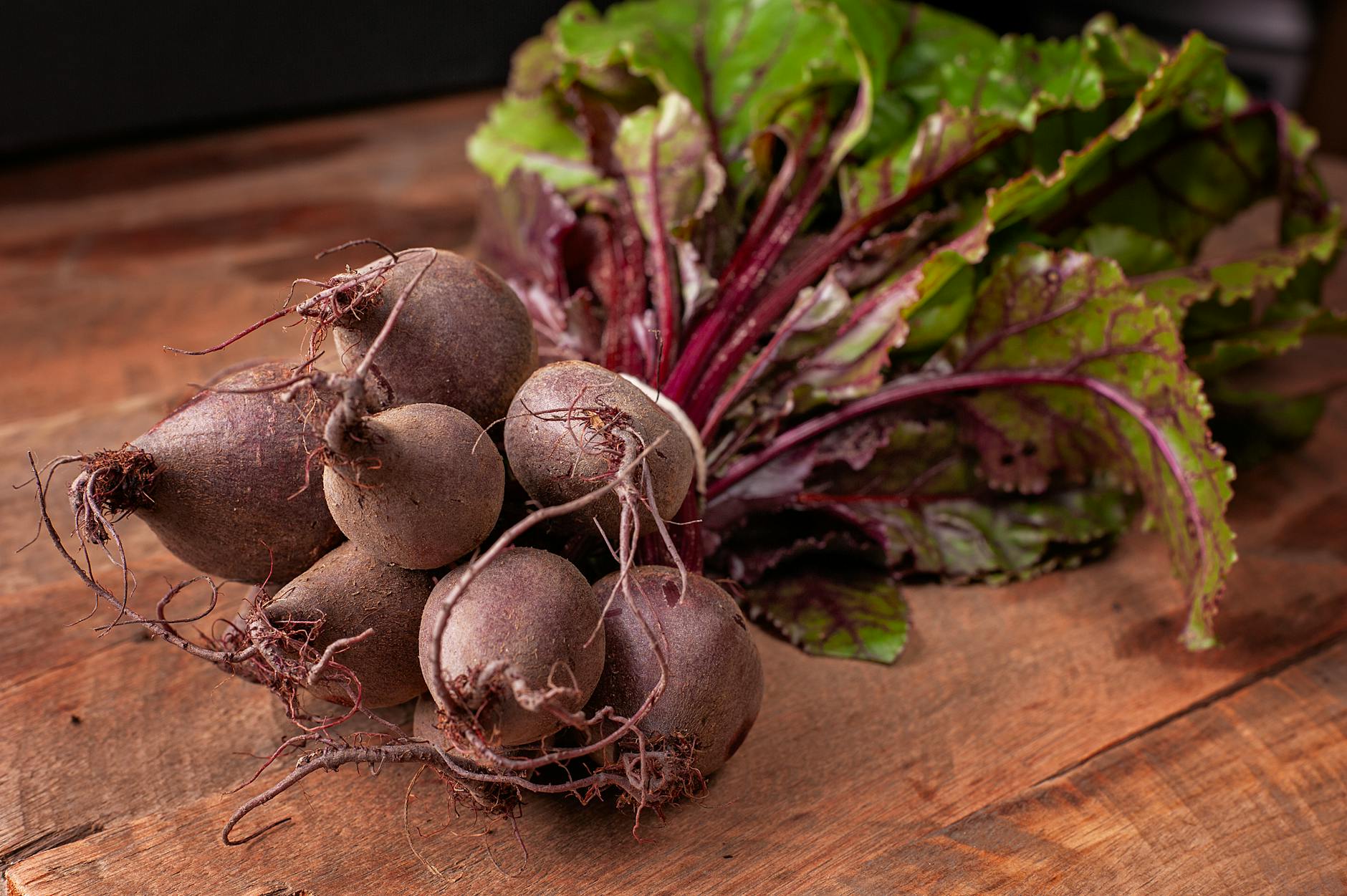
    3. Beets

    ❤️ Why? Beets are rich in betalains, powerful antioxidants that support liver detoxification and reduce inflammation. They also boost bile flow, helping the liver break down fats and eliminate toxins more efficiently.

    🍽 How to Enjoy:
    ✔️ Roasted Beets: Slice and roast with olive oil, rosemary, and sea salt for a sweet, earthy side dish.
    ✔️ Beet Detox Juice: Blend beets with carrots, ginger, and lemon for a vibrant, liver-cleansing drink.
    ✔️ Beet & Goat Cheese Salad: Toss roasted beets with arugula, walnuts, and goat cheese for a delicious and nutritious salad.

    💡 Tip: Beets can stain your hands and cutting board—rub them with lemon juice to remove the color easily!


    4. Garlic

    🧄 Why? Garlic contains sulfur compounds that activate liver enzymes responsible for flushing out toxins. It also supports immune function and helps reduce fatty buildup in the liver.

    🍽 How to Enjoy:
    ✔️ Garlic Stir-fry: Add minced garlic to sautéed vegetables or meats for extra flavor and health benefits.
    ✔️ Garlic Soup: Simmer garlic with bone broth, onions, and herbs for a comforting, healing meal.
    ✔️ Garlic Honey Remedy: Crush fresh garlic and mix with honey for an immune-boosting, liver-friendly tonic.

    💡 Tip: To maximize garlic’s health benefits, let chopped garlic sit for 10 minutes before cooking—this enhances its beneficial compounds.


    5. Fatty Fish (Salmon, Mackerel, Sardines)

    🐟 Why? Fatty fish are packed with omega-3 fatty acids, which help reduce liver fat, fight inflammation, and promote overall liver health. They also support healthy cholesterol levels and brain function.

    🍽 How to Enjoy:
    ✔️ Grilled Lemon-Garlic Salmon: Marinate with olive oil, garlic, and lemon juice before grilling.
    ✔️ Miso-Glazed Mackerel: Bake with miso paste, ginger, and a touch of honey for a flavorful dish.
    ✔️ Sardine Avocado Toast: Mash sardines with avocado and lemon juice, then spread on whole-grain toast.

    💡 Tip: Aim to eat fatty fish at least twice a week for optimal liver benefits.


    6. Walnuts

    🥜 Why? Walnuts are rich in glutathione, an essential antioxidant that helps detox the liver. They also provide omega-3 fatty acids, which reduce liver inflammation and support brain health.

    🍽 How to Enjoy:
    ✔️ Walnut Pesto: Blend walnuts with basil, garlic, and olive oil for a delicious sauce.
    ✔️ Walnut Oatmeal: Sprinkle crushed walnuts over oatmeal with honey and cinnamon for a nutritious breakfast.
    ✔️ Roasted Walnut Snack: Lightly toast walnuts with a sprinkle of cinnamon and sea salt for a crunchy, liver-loving snack.

    💡 Tip: Soaking walnuts overnight can improve digestion and nutrient absorption.


    7. Lemon & Citrus Fruits

    🍋 Why? Citrus fruits are packed with vitamin C and antioxidants, which support liver detoxification and boost the immune system. They also help stimulate bile production, which aids in digestion.

    🍽 How to Enjoy:
    ✔️ Morning Lemon Water: Start your day with warm lemon water to flush out toxins and boost digestion. Add some honey to make it taste better.
    ✔️ Citrus Salad: Mix orange slices with fennel, pomegranate seeds, and olive oil for a refreshing dish.
    ✔️ Homemade Citrus Dressing: Blend lemon juice, olive oil, and honey for a flavorful salad dressing.

    💡 Tip: Drinking lemon water before meals can help stimulate digestion and improve nutrient absorption.

    There are several other foods that are also beneficial for your liver, such as carrots, apples, cabbage, and goji berries. Incorporating them into your diet regularly can help support liver health.


    As nature awakens in spring, so too should our approach to health. Since the liver plays a crucial role in detoxification, metabolism, and emotional balance, it’s essential to nurture it during this season of renewal. Along with a nutrient-rich diet, mindful lifestyle choices such as regular exercise, restful sleep, and emotional well-being can help maintain liver vitality and overall harmony.

    By embracing optimism, managing stress, and supporting the liver with wholesome foods, we align ourselves with the natural rhythms of spring. Let this season be a time of nourishment, balance, and rejuvenation. May we all welcome the warmth and energy of spring with a strong, healthy liver and a joyful heart! 🌿✨

    Link:https://peacelilysite.com/2025/03/13/spring-liver-care-nourishing-your-body-in-the-season-of-renewal/

    8 After-Dinner Rituals That Can Help In Digestion And Prevent Bloating

    By incorporating these simple post-meal rituals, you can support your digestive system, alleviate discomfort, and avoid the dreaded bloating that often follows a big meal. 

    Written By Olivia Sarkar| Last Updated: Jan 06, 2025, 04:52 PM IST|Source: Bureau

    After enjoying a hearty meal, it’s not uncommon to feel uncomfortable or sluggish. Digestive issues like bloating, indigestion, or an uneasy feeling can linger long after the last bite. Fortunately, there are simple after-dinner rituals that can support your digestion and help prevent bloating, leaving you feeling lighter and more at ease. Below are eight effective practices that can make a world of difference to your digestive health.

    1. Take a Gentle Walk
    After a meal, taking a light walk can be one of the most beneficial things for your digestive system. A short 10-15 minute stroll helps stimulate the digestive process by encouraging the stomach to empty more quickly, reducing bloating and discomfort. It also promotes the movement of food through the intestines, preventing constipation.

    2. Sip Warm Water or Herbal Tea
    Drinking warm water or herbal tea, such as peppermint, ginger, or chamomile, can greatly improve digestion. These teas have natural properties that soothe the stomach, reduce bloating, and promote the movement of food through your digestive system. Ginger, in particular, can help reduce nausea and gas, while chamomile works as a calming agent to relax your stomach muscles.

    3. Avoid Lying Down Immediately
    Though it might feel tempting to lounge on the couch after a large meal, lying down too soon can actually slow down the digestive process. Gravity helps food and acid stay in the stomach, and lying flat can increase the risk of acid reflux and bloating. Wait at least 30 minutes to an hour before reclining to allow your body time to process the food.

    4. Practice Deep Breathing
    After eating, try engaging in deep breathing exercises. This helps stimulate the parasympathetic nervous system (also known as the “rest and digest” system), encouraging optimal digestion. Deep breathing can also reduce stress, which can otherwise impair digestion and cause bloating or discomfort.

    5. Massage Your Abdomen
    Gentle self-massage can aid in digestion by stimulating the movement of food through the intestines. Use your fingertips to massage your stomach in a clockwise motion (the direction of digestion) for a few minutes. This simple act can help ease bloating, relieve gas, and promote digestion.

    6. Incorporate Probiotics
    Probiotics are beneficial bacteria that support gut health and digestion. After dinner, consider consuming foods rich in probiotics, such as yogurt, kefir, or fermented vegetables. Alternatively, a probiotic supplement may help maintain a healthy balance of gut bacteria, reducing bloating and improving overall digestion.

    7. Stay Hydrated, But Avoid Over Drinking
    Drinking water throughout the day aids digestion, but drinking too much water immediately after a meal can dilute stomach acid, impairing your body’s ability to break down food. Try sipping water in moderation after dinner, but avoid excessive consumption right away. This ensures proper digestive function without overwhelming your stomach.

    8. Avoid Carbonated Drinks
    Carbonated drinks, including sodas and sparkling water, introduce gas into your stomach, which can lead to bloating. After dinner, it’s best to skip the bubbles. Stick to still water or herbal teas, which are far more conducive to smooth digestion.

    Fennel seeds are a natural remedy for boosting digestion. Try chewing some after your meal to see if they work for you. From taking a short walk to sipping herbal tea and massaging your abdomen, these habits can make a significant difference in how you feel after dinner. Your digestive health is a reflection of your lifestyle, so taking small, consistent steps can lead to long-term benefits, allowing you to enjoy your meals without the aftermath of discomfort.

    Link:https://peacelilysite.com/2025/01/13/8-after-dinner-rituals-that-can-help-in-digestion-and-prevent-bloating/

    Source: https://zeenews.india.com/lifestyle/8-after-dinner-rituals-that-can-help-in-digestion-and-prevent-bloating-2840271.html (This article is intended for your general information only. Zee News does not vouch for its accuracy or reliability.)

    Nutrigenomics: Exploring the Science of Genes and Diet

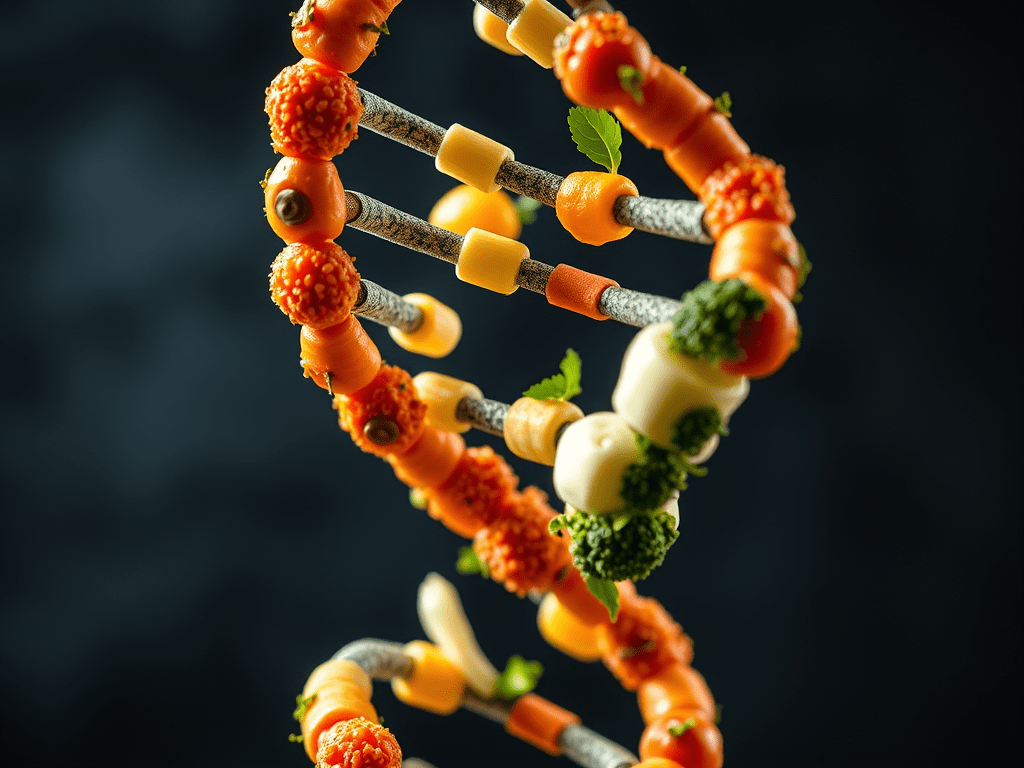
    In recent years, nutrigenomics—the scientific study of how genes influence our body’s response to food—has gained significant attention. As research in genetics and nutrition continues to advance, this field is paving the way for more personalized health strategies, particularly in the areas of diet and weight management. Understanding how genes affect our reactions to specific foods provides deeper insights into individual health needs, driving the development of personalized wellness approaches.

    At the core of nutrigenomics lies the principle that our genetic makeup plays a crucial role in food metabolism. For instance, some individuals may be genetically predisposed to metabolize carbohydrates more efficiently, while others tend to store fat more easily. These insights empower health professionals to design customized dietary plans based on genetic testing rather than relying on generalized nutritional recommendations.

    Recent studies have shown that genetic variations can influence how nutrients are absorbed, how efficiently the body burns calories, and even how hunger is experienced. For example, specific variations in the FTO gene have been linked to a higher risk of obesity, as some individuals gain weight more easily due to the way their bodies process food. Similarly, variations in genes like PPARG can impact fat metabolism, further emphasizing the potential of personalized nutrition strategies based on genetic data.

    Nutrigenomics introduces a revolutionary approach to weight management. Traditional diets often follow a “one-size-fits-all” model, which may not be effective for everyone. By using genetic data, nutritionists and health experts can develop personalized dietary plans tailored to an individual’s metabolic needs, resulting in more effective weight management.

    For example, genetic testing can reveal a person’s sensitivity to fats or carbohydrates, guiding the ideal macronutrient balance for their body. If someone’s genetic profile indicates a higher risk of insulin resistance, a low-glycemic diet may be recommended to help prevent blood sugar spikes and support weight loss. This tailored strategy often proves more effective than generic diets that overlook individual differences.

    The Advantages of Personalized Diet Plans

    Nutrigenomics brings a significant advantage to dietary planning: personalization. Rather than relying on generalized advice or fleeting diet trends, nutrigenomics empowers individuals to approach health management scientifically. By integrating genetic testing with dietary adjustments, people can achieve better health outcomes and a deeper understanding of their own bodies.

    Key benefits of personalized diets include:

    • Improved Metabolic Health: Tailored diets help optimize the body’s ability to process food and maintain a healthy weight.
    • Precise Nutrient Recommendations: Instead of guessing which foods are most beneficial, personalized nutrition ensures individuals receive the nutrients their body specifically needs.
    • Sustainable Weight Management: Nutrigenomics-based diets promote long-term healthy habits by aligning with genetic predispositions rather than short-term trends.

    Additionally, nutrigenomics may support preventive health strategies. Genetic testing can identify predispositions to conditions such as heart disease, diabetes, or nutrient deficiencies, allowing individuals to make proactive dietary changes for long-term wellness.

    The future of health management is becoming increasingly personalized, with nutrigenomics at the forefront of this transformation. As the field continues to evolve, more health centers are likely to offer genetic testing services to help individuals create personalized nutrition and wellness plans. This data-driven approach reflects a broader trend where people are empowered to take greater control of their health through scientific insights.

    While the potential of nutrigenomics is promising, it remains a developing science. Experts emphasize the need for further research to fully understand the complex relationship between genes and diet. Additionally, as the field matures, ethical considerations and privacy concerns must be carefully addressed to ensure individuals are fully informed and protected when sharing their genetic data.

    Nutrigenomics represents a powerful fusion of genetic science and nutrition, offering the potential for health strategies tailored to individual genetic profiles. This emerging science can help design diets that promote optimal weight loss, improve metabolic health, and prevent chronic illnesses.

    Though still in its early stages, nutrigenomics has the potential to revolutionize health management, making weight control and wellness strategies more effective and sustainable. As research continues to expand, genetic testing could become a key tool in unlocking healthier, more personalized lifestyles for everyone.

    Link:https://peacelilysite.com/2025/01/07/nutrigenomics-exploring-the-science-of-genes-and-diet/

    Source: https://worldreporter.com/nutrigenomics-tailoring-health-based-on-genes/?fbclid=IwZXh0bgNhZW0CMTAAAR3NXfx9dzeIsmcSiP248IMGxMkppa2gMAEtjuZOgMr7pyU1EaMqk5e5Aio_aem_eY5AmQ5X9nw8JxIaQeZaBg