The Body Listens to How We Live

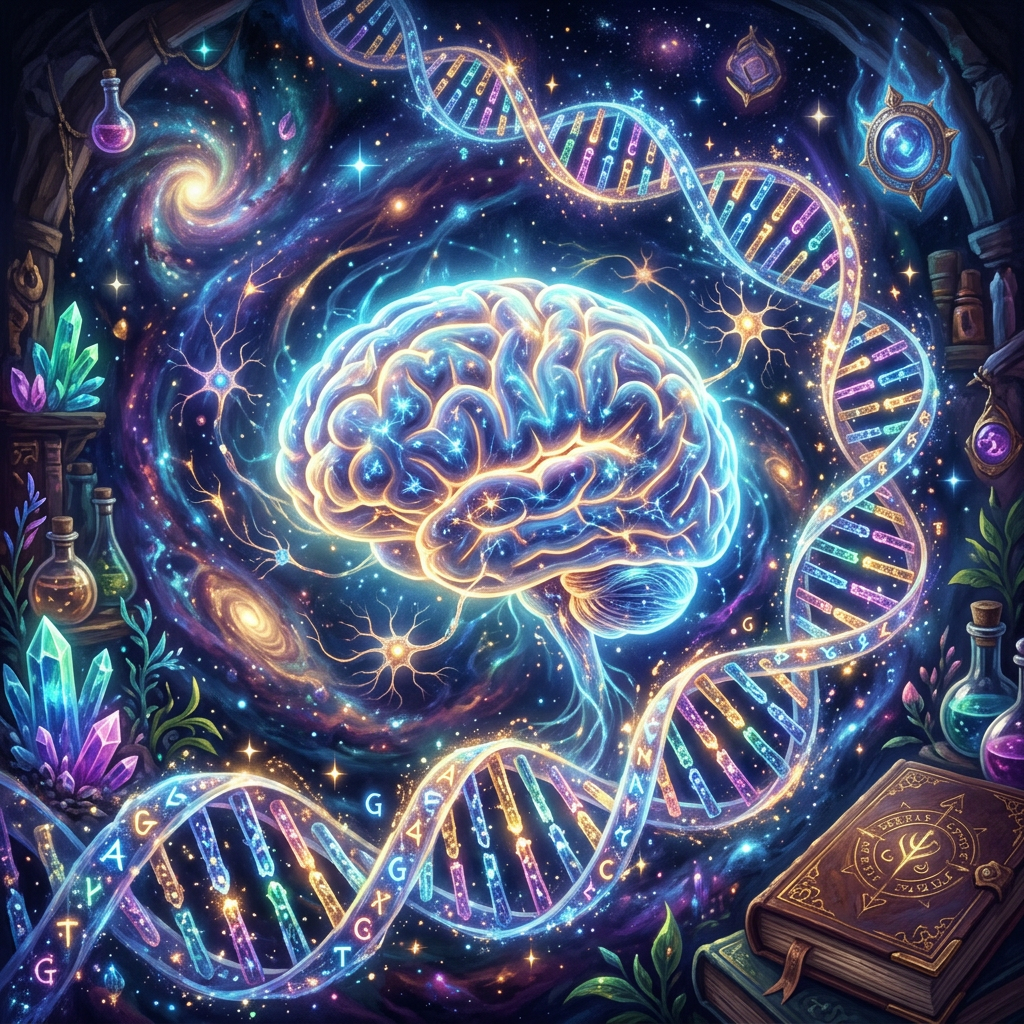
A mage casting a spell to levitate books in a grand circular library filled with glowing crystals

The Life We Live Beneath Our Genes

Sometimes, when illness runs through a family for generations, people quietly carry a hidden fear in their hearts.

“My parents had this disease.”
“My grandparents suffered from it too.”
“Perhaps one day, it will happen to me as well.”

For a long time, science itself seemed to support this worry. We were taught that our genes determined much of our future, as though our health had already been written into the body from the very beginning.

But modern research is beginning to reveal a more hopeful and more compassionate understanding of human life.

In recent years, scientists studying the field of epigenetics have discovered that while our DNA sequence remains largely unchanged, the body possesses another powerful system — the epigenome — that helps regulate how genes behave.

If the genome is like the body’s library of instructions, the epigenome acts more like the librarian, helping decide which pages are opened, which are closed, and which instructions are emphasized or quieted.

This process does not change the genetic code itself. Instead, it involves tiny chemical markers that attach to DNA and surrounding proteins. These markers can influence whether certain genes become more active or less active over time.

Two of the best-known mechanisms are called DNA methylation and histone modification.

DNA methylation occurs when small chemical groups attach to certain regions of DNA, often reducing the activity of nearby genes. Histone modification affects how tightly DNA is wrapped around proteins called histones. When DNA is tightly packed, genes become harder for the body to “read.” When it loosens, those genes may become more active.

What makes this discovery so fascinating is that the epigenome is not completely fixed. It responds continuously to life itself.

DNA double helix surrounded by icons representing exercise, relaxation, nutrition, positive relationships, quality sleep, and stress management for strong immunity
Healthy lifestyle choices positively impact your genes and overall health.

Researchers have found that factors such as nutrition, sleep, stress, exercise, pollution, smoking, emotional health, and even social environment may influence epigenetic patterns over time.

In other words, our bodies are listening to how we live.

This does not mean we can control everything, nor does it mean genetics no longer matter. Some inherited conditions remain powerful and complex. But epigenetics suggests that biology is not simply destiny. The environment we create within and around ourselves may help shape how certain genetic tendencies are expressed.

This is both humbling and deeply encouraging.

It reminds us that health is not built in one dramatic moment.
It is shaped quietly through small choices repeated day after day.

A simple home-cooked meal.
A daily walk.
Enough sleep.
Fresh air and sunlight.
Learning to calm the mind instead of living in constant stress and tension.

These habits may seem ordinary, but science increasingly suggests they can influence the body in profound ways over time.

Modern life often pushes people toward speed, overstimulation, and exhaustion. Many live under continuous pressure, with minds that rarely rest and bodies that rarely recover. Yet the human nervous system was never designed for endless stress.

One of the most hopeful messages from epigenetics is that positive change may still matter greatly, even when there is a family history of disease.

A person may inherit certain risks, but risk is not always certainty.

Good habits cannot guarantee perfect health, but they may help support the body, reduce vulnerability, and improve resilience across a lifetime.

Perhaps this is why simple living has always carried quiet wisdom.

Eat more naturally.
Sleep more deeply.
Move the body regularly.
Reduce unnecessary stress.
Live with greater balance and peace.

The body responds not only to medicine, but also to the way we live every day.

And maybe that is one of the most beautiful discoveries modern science is beginning to confirm:

Our genes may shape the beginning of our story,
but our daily lives continue helping to shape what comes next.

Link:https://peacelilysite.com/2026/05/09/the-body-listens-to-how-we-live/

The Doctor Who Chose Compassion Over Wealth

A quiet light in a noisy world

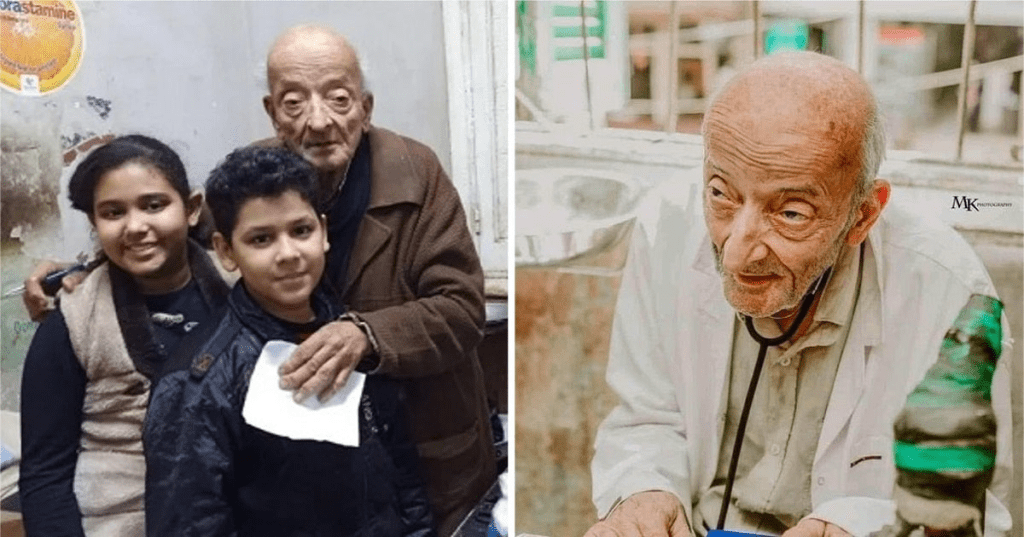
In a modest clinic in Tanta, there once sat a doctor whose life quietly redefined the meaning of success. His name was Mohamed Mashally, but to thousands of ordinary people, he was simply known as the doctor who would never turn them away.

For more than half a century, Dr. Mashally devoted himself to serving those who had nowhere else to go. While many pursue medicine as a path toward status or financial security, he chose a different road—one shaped by compassion, humility, and an unwavering sense of responsibility to others.

His clinic was simple, almost unremarkable. Yet outside its doors, long lines would form each day. Patients came not only because his fees were extraordinarily low—sometimes less than the cost of a meal—but because they knew they would be treated with dignity. And for those who could not pay at all, he quietly asked for nothing.

Behind this life of selfless service was a moment of deep sorrow that transformed his heart. Early in his career, Dr. Mashally treated a young boy suffering from diabetes. The child’s family could not afford the medicine he needed. When the boy passed away, it left a lasting imprint on the young doctor’s soul. From that day forward, he made a silent vow: no one should lose their life simply because they are poor.

And so, he began a lifelong practice of giving.

He worked long hours each day, often seeing patient after patient without rest. Opportunities came—offers to move to wealthier places, chances to build a more comfortable life—but he declined them all. He believed that his place was among those who needed him most.

Even when people, moved by his story, tried to offer him financial help, he would gently refuse. “Give it to the poor,” he would say. For him, kindness was not something to be redirected—it was something to be lived.

In a world often driven by gain and recognition, Dr. Mashally remained rooted in something deeper. He did not seek fame, yet his story spread across countries. He did not chase wealth, yet he became rich in something far more enduring—the gratitude of countless lives he touched.

When he passed away in 2020, many mourned not just a doctor, but a rare kind of human being—one who embodied the quiet truth that compassion, when practiced sincerely, becomes a force that transforms the world.

His life leaves us with a gentle but profound question:

What does it mean to truly succeed?

Perhaps success is not found in how much we accumulate, but in how much we are willing to give. Not in recognition, but in sincerity. Not in grand gestures, but in the small, consistent acts of care that ripple outward in ways we may never fully see.

Like a lamp that asks for no reward, yet brings light to all who pass by, Dr. Mashally’s life reminds us that each of us, in our own way, has the ability to ease suffering and bring warmth into the lives of others.

And sometimes, the greatest legacy we can leave behind is simply this:

That because we lived, someone else suffered a little less.

Link:https://peacelilysite.com/2026/04/20/the-doctor-who-chose-compassion-over-wealth/

The Wisdom in Our Hands: A Simple Path to a Clear Mind

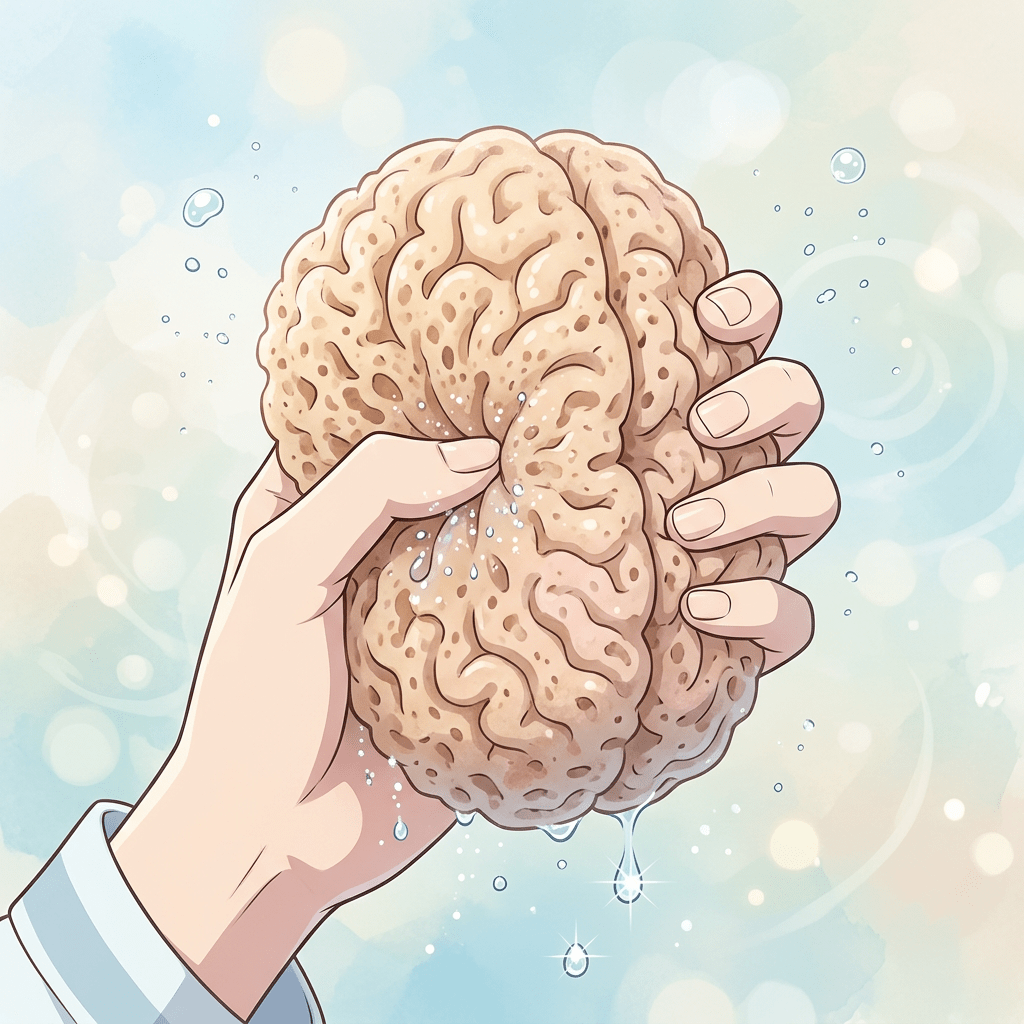
Can doing the dishes help prevent memory loss?

In an age of endless scrolling and effortless convenience, we rarely stop to consider a quiet truth: our bodies were never designed for stillness without purpose.

A Chinese traditional doctor once shared a piece of advice with a patient who feared memory loss in old age. It was not a prescription. It was not a costly treatment. It was simply this:

“If you want to protect your brain, use your hands. Start by washing dishes every day.”

At first, it may sound almost too simple—perhaps even surprising. But both ancient wisdom and modern science seem to gently point in the same direction.

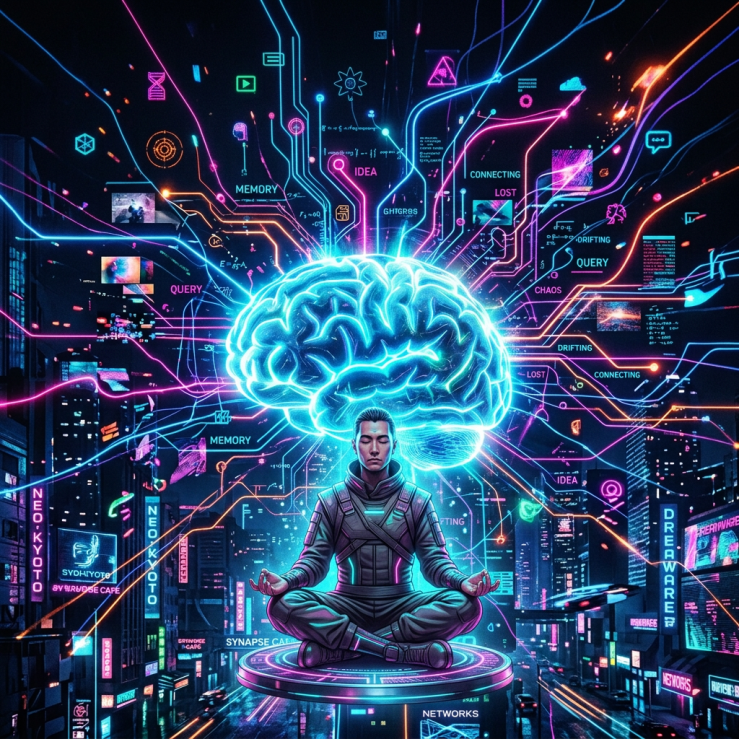
Neon cortical homunculus diagram with labeled body parts and brain connections

Neuroscience reveals that within our brain lies a remarkable structure known as the cortical homunculus—a “map” of the body drawn across the surface of the brain. Discovered by Wilder Penfield, this map shows that not all parts of the body are represented equally. The hands—especially the fingers and thumbs—occupy an unusually large area, as do the lips and mouth. These are the parts we use most delicately, most precisely, and most meaningfully to interact with the world.

Every time we use our hands—washing dishes, preparing food, writing, gardening—we are not just completing a task. We are activating the brain. We are strengthening neural pathways. We are maintaining coordination, attention, and awareness. In a very real sense, we are keeping the mind alive through the body.

And yet, in modern life, much of our time is spent swiping screens. Our hands move, but only in the smallest, most repetitive ways. Our eyes are active, but our bodies remain still. Our minds are filled, but not always nourished. Convenience has brought comfort, but it has also quietly taken away many opportunities to truly use ourselves. And when we stop using what we were given, we slowly lose it.

In Chinese wisdom, there is a simple yet profound saying: “大道至简”—the Great Way is simple. The path to health, clarity, and longevity is often not hidden in complexity, but revealed in the ordinary. Perhaps the protection we seek for our memory is not only found in medicine, but in movement; not only in supplements, but in simple, mindful actions.

To wash a dish.
To knead dough.
To tend a garden.
To write a note by hand.

These are not small things. They are quiet acts of preservation.

Our body is not just a vessel—it is an extraordinary, living system designed for engagement. When we use it fully, it supports us. When we neglect it, it slowly fades.

So perhaps we can begin, not with something grand, but with something simple: use your hands, move your body, and be present in small actions. Because sometimes, the most profound care we can offer ourselves… is already within reach.

Link:https://peacelilysite.com/2026/04/15/the-wisdom-in-our-hands-a-simple-path-to-a-clear-mind/

The Light You Forgot to Turn Off Might Be Affecting Your Heart

What if your risk of heart disease isn’t just about diet or exercise—but about that small light you leave on at night?

A recent study published in JAMA Network Open, conducted by researchers from Harvard Medical School and Flinders University, has uncovered a striking connection between nighttime light exposure and cardiovascular health.

Their findings are both surprising—and a little unsettling.

According to the study, being exposed to light while sleeping can increase the risk of cardiovascular diseases—such as heart disease and stroke—by nearly 50%.

What’s even more important is this:

The risk isn’t simply due to “not getting enough sleep.”

Instead, the real issue lies deeper—in the disruption of your circadian rhythm, the internal biological clock that quietly regulates nearly every function in your body.

For most of human history, our bodies evolved in a simple rhythm:

  • Bright sunlight during the day
  • Complete darkness at night

But modern life has turned that pattern upside down.

During the day, many of us work indoors under lighting as dim as 400 lux—far less than even a cloudy outdoor day, which can reach 10,000 lux or more.

At night, instead of darkness, we surround ourselves with:

  • Streetlights filtering through windows
  • Glowing phone screens
  • The soft flicker of televisions

This constant, low-level light may seem harmless. But between midnight and early morning, it quietly sends confusing signals to your brain, effectively resetting your internal clock at the worst possible time.

The research team analyzed wearable device data from nearly 90,000 participants in the UK Biobank and followed them for up to 9.5 years.

The results showed a clear and concerning pattern:

  • Compared to those who slept in the darkest environments,
    people exposed to even small amounts of light at night had a 20% higher risk of heart disease
  • Those in the top 10% of nighttime light exposure saw their risk rise by a staggering 47%

This wasn’t a vague trend—it was a consistent, step-by-step increase in risk.

Perhaps the most striking finding is that this risk appears to be independent of other lifestyle factors.

That means:

  • Even if you don’t smoke
  • Even if you exercise regularly
  • Even if you eat a healthy diet

…sleeping in a room that isn’t truly dark may still place additional strain on your heart.

The good news?

This is one of the easiest health risks to fix.

You don’t need expensive treatments or drastic lifestyle changes. Sometimes, protecting your heart begins with something incredibly simple:

  • Turn off unnecessary lights
  • Reduce screen exposure before bed
  • Invest in blackout curtains
  • Create a sleep environment as close to complete darkness as possible

In fact, buying a proper set of blackout curtains might be one of the most cost-effective investments you make for your health this year.

Because compared to changing your genetics or giving up every unhealthy craving…

Flipping a switch is surprisingly easy.

In a world full of complex health advice, it’s easy to overlook the small things.

But sometimes, it’s the quietest habits—the unnoticed glow in the corner of your room—that carry the greatest impact.

Tonight, before you go to sleep, take a moment to look around.

And maybe… turn off that light. 🌙

Link:https://peacelilysite.com/2026/03/27/the-light-you-forgot-to-turn-off-might-be-affecting-your-heart/

Beyond Cholesterol: The Silent “Fire” That Predicts Heart Disease Better Than Fat

In the clinic, I often hear patients say, “Doctor, my cholesterol is normal, so I don’t need to worry about my heart, right?”

It’s a common belief. For decades, we’ve been trained to look at cardiovascular health through a few familiar numbers. We assume that if our blood pressure is stable and our lipids are low, we are in the clear.

However, modern clinical science is revealing a deeper truth: Cardiovascular disease isn’t just a “fat” problem—it is driven by a hidden engine of chronic inflammation.

What is hsCRP? The Body’s “Systemic Broadcast”

High-sensitivity C-reactive protein (hsCRP) is a protein produced by the liver. It isn’t a hormone or an immune cell; think of it as a broadcast signal for systemic inflammation.

Whenever there is tissue damage, oxidative stress, or immune irritation anywhere in the body, immune signaling molecules (specifically Interleukin-6) tell the liver to start churning out this protein. Therefore, this number doesn’t point to one specific organ; it reflects the current state of your entire immune system.

Many people mistake hsCRP for a passive bystander. In molecular medicine, we know it is an active participant in disease. Under chronic low-grade inflammation, hsCRP actively interferes with your vascular system:

  • Vascular Lining: It makes immune cells “sticky,” causing them to adhere to vessel walls.
  • Immune Amplification: It keeps the immune system on high alert, preventing the body from entering a “repair” mode.
  • Lipid Oxidation: It promotes the formation of oxidized LDL, accelerating the creation of plaque.
  • Energy Failure: It impairs mitochondrial function, reducing the ability of vascular cells to heal themselves.

This doesn’t happen overnight. It’s a slow accumulation of damage—arteries lose elasticity, plaques become unstable, and eventually, this leads to a heart attack or stroke.

The 2025 Study: A Crystal Ball for Heart Health

A landmark study published in the European Heart Journal (2025) analyzed 448,653 adults with no prior history of heart disease, following them for over 13 years. The researchers categorized hsCRP levels into three risk tiers:

  1. Low Risk: $< 1$ mg/L
  2. Moderate Risk: $1 – 3$ mg/L
  3. High Risk: $> 3$ mg/L

The results were a wake-up call. Compared to those in the “Low Risk” group, individuals with hsCRP $> 3$ mg/L saw:

  • 34% increase in major cardiovascular events.
  • 61% increase in cardiovascular death.
  • 54% increase in all-cause mortality.

In short, a high hsCRP isn’t just “slightly elevated”—it correlates with a more than 50% increase in the risk of death.

The Key Takeaway: While cholesterol tells us how much “oil” is in the system, hsCRP tells us if the “engine is overheating.” Studies suggest hsCRP can be 2 to 3 times more predictive of future heart events than LDL cholesterol alone.

High inflammation is rarely a single-issue problem. It is usually a “molecular shift” involving several systems:

  • Oxidative Stress: The body’s cleanup crew can’t keep up with metabolic waste.
  • Fatty Acid Imbalance: Diets high in pro-inflammatory oils.
  • Chronic Stress: Elevated stress hormones dysregulate the autonomic nervous system.
  • Gut Health: A compromised gut barrier keeps the immune system in a state of constant irritation.

Your body knows when this is happening. You might feel chronically tired, have fluctuating moods, sensitive digestion, or notice that you take longer to recover after exercise. These aren’t random symptoms; they are the signals of a system under inflammatory load.

How to “Cool Down” the Inflammation

The goal isn’t to “fix” the number with a pill, but to shift the body’s internal environment:

  1. Prioritize Circadian Health: Consistent sleep schedules allow stress hormones to drop, giving the immune system a chance to reset.
  2. Intermittent Gut Rest: Avoid constant grazing. Reducing the frequency of food intake (and cutting out ultra-processed sugars) lowers the daily “immune burden” on your gut.
  3. Mitochondrial Recovery: Instead of high-intensity “grind” workouts, focus on low-to-moderate intensity movement that your body can actually recover from.
  4. Anti-Inflammatory Nutrition: Shift your fat intake toward Omega-3s and antioxidant-rich whole foods to change the molecular structure of your cells.

Here are some Top Anti-Inflammatory Food Groups:

  • Fruits: Berries (blueberries, strawberries), cherries, citrus fruits, and oranges.
  • Vegetables: Dark leafy greens (kale, spinach, Swiss chard), broccoli, cabbage, and peppers.
  • Healthy Fats & Oils: Extra virgin olive oil, avocado, and nuts like walnuts and almonds.
  • Fatty Fish: Salmon, mackerel, sardines, and anchovies, which are high in omega-3 fatty acids.
  • Spices & Herbs: Turmeric, ginger, garlic, and cinnamon.
  • Whole Grains: Oats, quinoa, brown rice, and buckwheat.
  • Legumes & Seeds: Lentils, black beans, chia seeds, and flaxseed.
  • Other: Green tea, dark chocolate, and fermented foods like kefir or sauerkraut. 

Heart disease isn’t a sudden accident; it’s the result of molecular systems moving in the wrong direction for years.

The beauty of the hsCRP marker is that it allows us to see the “hidden fire” before the building burns down. It gives us the power to change direction while the damage is still reversible.

Understanding your “internal weather” is the first step toward a longer, healthier life. If you found this helpful, feel free to share it with someone who only looks at their cholesterol!

Link: https://peacelilysite.com/2026/02/09/beyond-cholesterol-the-silent-fire-that-predicts-heart-disease-better-than-fat/

Source: https://academic.oup.com/eurheartj/advance-article/doi/10.1093/eurheartj/ehaf937/8377304

Creating Your Own “Micro Forest Bathing” in the City

Creating Your Own “Micro Forest Bathing” in the City

Not everyone lives in a place like Santa Cruz, surrounded by forests and winding mountain trails. Most of us live in cities—enclosed by traffic, fast-paced workdays, concrete buildings, and endless schedules. It can feel as though nature is far away, almost out of reach.

But the truth is, we don’t need to escape deep into the mountains to reconnect with nature. Even in the heart of the city, we can create our own “Micro Forest Bathing” moments.

At its core, forest bathing has never been about a specific location. It is about slowing down and reconnecting with nature through all our senses. When we shift our attention, the city reveals many small places where we can breathe again and feel gently held by the natural world.

Here are a few simple and practical ways to experience the healing presence of nature—right where you are.

1. Find a Small Green Oasis

Even the busiest city has pockets of quiet greenery: a neighborhood park, a cluster of trees, a riverside path, a campus corner, or a small community garden.

The place doesn’t need to be grand. A couple of trees, a patch of grass, or a few flowering bushes are enough to soften the heart.

What matters is not the size of the space—but whether you allow yourself to pause.


2. Walk in the Spirit of Forest Bathing

Whether you’re in a city park or walking along a tree-lined street, you can bring the rhythm of forest bathing into your steps:

  • Slow your pace
  • Notice the color of the leaves
  • Feel the temperature of the wind against your face
  • Watch how sunlight filters through branches and falls on the ground
  • Listen for birds, even if there are only one or two
  • Gently touch the bark of a tree

When you do this, the city softens—and your mind grows quiet.

3. Create Your Own “Green Route”

You can weave nature into your daily routine in small, intentional ways:

  • Choose a street with more trees on your commute
  • Take a five-minute walk in a nearby park during breaks
  • Stroll through your neighborhood after dinner and notice changes in plants and seasons

With time, this route becomes your personal path of restoration—a place where your mind learns to rest.

4. Bring a Mini Forest Into Your Home

Even without stepping outside, you can invite nature indoors:

  • Keep a few easy-to-care-for plants (ferns, ivy, or monstera work beautifully)
  • Open your windows to let in light, air, and natural sounds
  • Light a wood-based scent such as sandalwood or cedar
  • Play gentle forest soundscapes in the background, sip a cup of tea, imagine yourself being embraced by the forest—the steady presence of trees around you, the earthy scent of soil, the calm rhythm of nature moving without urgency. Let your shoulders soften. Let your breath deepen.

Even a small touch of green can soften emotions and calm the nervous system.

5. Practice “Green Meditation”

Sit near a plant or by a window. Do nothing except observe:

  • The sheen of leaves
  • The movement of light and shadow
  • The patterns in stems and veins

Breathe slowly.

Five minutes of this will calm your mind far more deeply than ten minutes of scrolling on your phone.

6. Let Nature Become a Habit

Forest bathing is not something we do once in a while—it is a way of staying connected to life itself. You might:

  • Take a weekly green walk
  • Spend three minutes a day looking at the sky
  • Touch a tree when you feel overwhelmed
  • Sit quietly in a park when stress builds

Even a few minutes of this mindful pause can soothe the nervous system, quiet the mind, and restore inner balance. Sometimes, the forest we need most is the one we allow ourselves to enter inwardly.

These small acts, repeated gently, become powerful sources of renewal.

Whether you live near a forest, by the ocean, or in the center of a city, nature is always there, patiently waiting—for you to breathe, to slow down, and to be healed.

And when you finally grow still enough, you may discover this quiet truth:

Even within the city,
the forest is never truly absent.
🌿

Link: https://peacelilysite.com/2026/02/06/creating-your-own-micro-forest-bathing-in-the-city/

Why You Feel Better After You Pray: The Science Behind the “Quiet Heart”

You might not realize it, but this is the true power of prayer—it’s not just asking for blessings; it is awakening an internal system within you that says, “I can keep going.”

Every sincere moment of prayer leaves an imprint on the mind. This is not spiritual poetry or wishful thinking; it is a pattern repeatedly observed through MRI scans, neuroimaging, and psychological research. Each second spent in focused, quiet prayer is an opportunity to “turn on a light” in the brain—helping us become steadier, clearer, and more resilient.

Scientists were once skeptical. But the evidence surprised them.

When a person enters a state of deep, focused prayer, activity in the prefrontal cortex increases. This is the part of the brain responsible for attention, judgment, emotional regulation, and self-control—the “driver’s seat” of the mind. Prayer helps us return to that seat, especially when life feels overwhelming.

At the same time, activity in the amygdala—the brain’s alarm system—tends to decrease. This region governs fear, anxiety, and the fight-or-flight response. When it is overstimulated, we feel tense, reactive, and out of control. Prayer appears to gently quiet this system, creating inner space to breathe, reflect, and choose more wisely.

This is not merely a mental effect—it is a physical response of the nervous system.

Research also suggests that heartfelt prayer—prayer infused with sincerity and emotion—is especially powerful. Compared to mechanical repetition, it more strongly activates brain regions associated with language, empathy, connection, and self-awareness, including the temporoparietal junction, anterior cingulate cortex, and medial prefrontal cortex. These areas shape how we relate to ourselves, to others, and to life itself.

In simple terms, honest prayer becomes a process of emotional clearing and inner reorganization.

When practiced regularly, these brain responses do something remarkable: they form new neural pathways. Like carving a well-worn trail through a forest, prayer creates a reliable inner path—a place of stability we can return to during moments of fear, grief, or confusion. The more often we walk this path, the easier it becomes to find our way back to calm.

Prayer is not the same as meditation. While both reduce stress and sharpen focus, prayer carries an added element: relationship. Prayer involves trust, dialogue, and the felt sense that we are not alone. This activates neural systems related to connection, attachment, and belonging—deep human needs that meditation alone does not always engage.

This may explain why, at the edge of emotional collapse, a simple, sincere prayer can sometimes bring someone back from the brink. The problem may not disappear—but the mind, heart, and body momentarily realign. A quiet strength returns. I can get through this.

What Prayer Does—Inside and Out

  • Activates the Prefrontal Cortex
    Strengthens clarity, emotional balance, and self-control.
  • Calms the Amygdala
    Lowers fear and stress responses, restoring inner quiet.
  • Builds Emotional Resilience
    Repeated prayer forms neural pathways that support stability over time.
  • Fosters Connection and Trust
    Engages social and emotional brain systems through relationship and sincerity.

Sincere prayer may be one of the most gentle, natural, and powerful “built-in reset systems” we possess.

So when was the last time you prayed—not out of habit, but from the heart?
Have you ever noticed how your body softened afterward, how tension quietly released?

That wasn’t imagination.
That was your mind and nervous system responding to something deeply human—and deeply real.

Link:https://peacelilysite.com/2026/01/09/why-you-feel-better-after-you-pray-the-science-behind-the-quiet-heart/

Your Brain Needs You to Take a Walk—Even More Than You Think

Did you know that your brain may need you to take a walk even more than your body does?

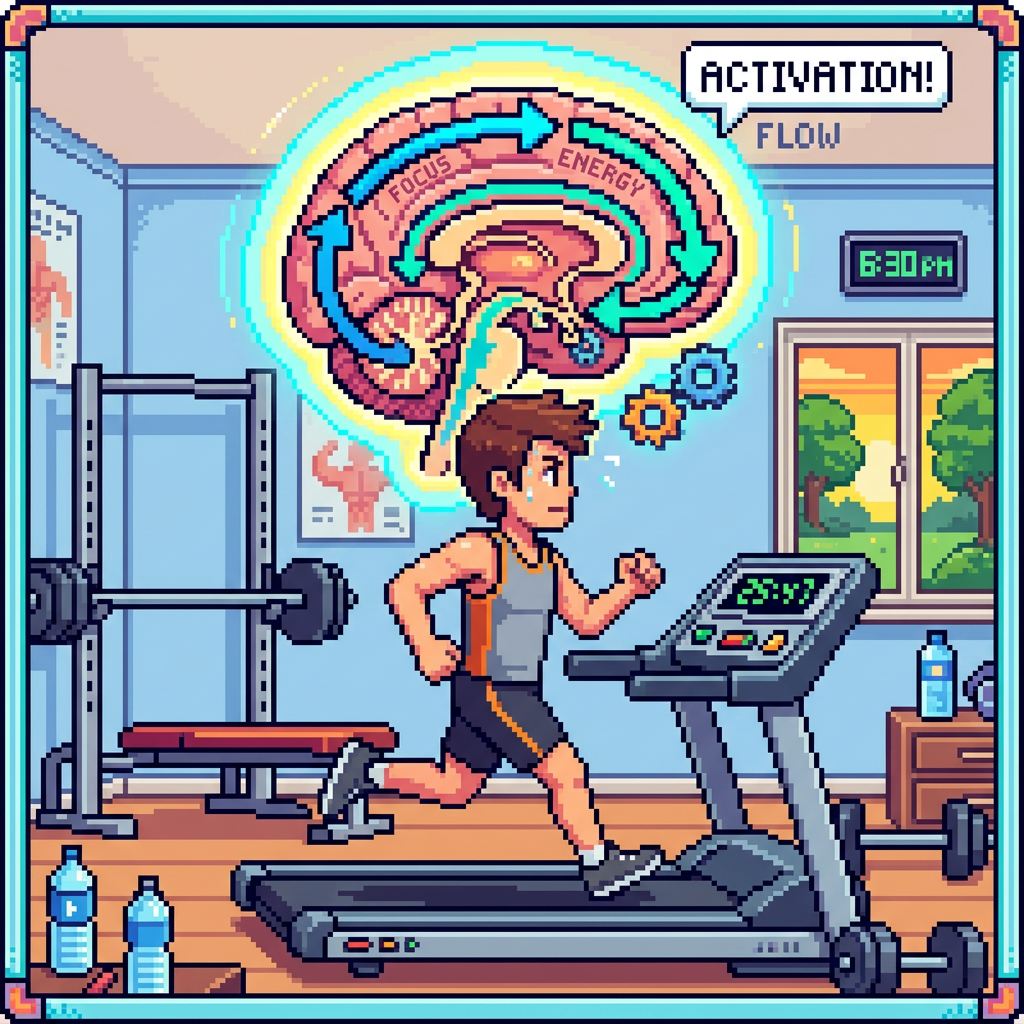
We often think of walking as something we do for physical fitness—burning calories, loosening stiff muscles. Yet neuroscience now confirms something ancient wisdom has always known: when the body moves gently and steadily, the mind awakens.

Regular walking—nothing intense, just consistent and mindful steps—nourishes the hippocampus, the part of the brain responsible for memory and learning. With increased blood flow and oxygen, this delicate region doesn’t merely function better; over time, it can actually grow stronger, softening the slow erosion of age.

Decades of MRI research reveal that people who engage in moderate movement—brisk walking, cycling, climbing stairs—experience measurable growth in the hippocampus. An average increase of just two percent may sound small, but in the language of the brain, it is profound. It can offset one to two years of natural cognitive aging.

In simple terms: thirty minutes of walking a day gently turns back the clock for the mind.

But beyond the science, something quieter is taking place.

When we walk, the brain relaxes its grip. A subtle nourishment—BDNF, often called the brain’s “fertilizer”—is released, protecting existing neural pathways and encouraging new connections to form. Thoughts become clearer. Memory steadies. Emotions settle into a more balanced rhythm.

This is why walking feels different from sitting.

As the body moves, the mind loosens.
As the breath finds its rhythm, thoughts begin to untangle.

Walking brings the brain into a rare state—awake, yet unforced.
It is here that insights arise without being pursued,
where worries soften and lose their sharp edges.

Many people sense this intuitively, without knowing the science. They think more clearly when they walk. They feel calmer. They see situations with greater perspective.

Stillness has its place.
But too much stillness, without movement, becomes stagnation.

Long hours of sitting dull not only the body, but also memory, emotional resilience, and mental clarity. The mind grows heavy, foggy, restless. Gentle movement restores what stillness alone cannot.

And the beauty of walking is its simplicity.

No gym.
No equipment.
No performance.

Just steps.

A short walk in the morning light.
A few mindful minutes between tasks.
A slow walk beneath trees.
Choosing stairs over elevators.
Sun on the face.
Breath in motion.

These small, ordinary moments—when repeated—quietly care for the brain and the heart.

Walking is not exercise in the usual sense.
It is a form of listening.

With each step, the mind is gently awakened.
With each step, inner noise softens.

You may not be going anywhere special.
Yet something within you becomes clearer, lighter, more alive.

So today, walk.

Not to achieve.
Not to improve.

Just to return—
to the simple intelligence of movement,
and to a mind that remembers how to be at ease.

Link:https://peacelilysite.com/2025/12/19/your-brain-needs-you-to-take-a-walk-even-more-than-you-think/

Healing in the Mountains: How Hiking and Forest Bathing Restore the Soul

I have always loved being close to nature, and one of my greatest joys is walking through the forest. Living in Santa Cruz, I am surrounded by beautiful woods and mountain trails. Each time I wander beneath the trees and along winding paths, I arrive at the end feeling lighter, calmer, and deeply refreshed—as if my body and mind have been fully recharged.

I once came across an interesting idea:
Mountains are places where we gain energy, which is why after hiking, we often feel alert and invigorated. Water, on the other hand, carries energy away. This may explain why spending long hours by the ocean or a lake can leave us feeling tired. Yet water also washes away emotional heaviness. When we feel sad, restless, or overwhelmed, a walk by the sea often brings a sense of release and ease.

Energy is constantly flowing through nature. We are simply quiet participants, allowing the natural world to gently adjust our inner frequency.

Discovering “Forest Bathing”

Recently, I was delighted to learn that the Japanese have a word that perfectly describes this healing experience: forest bathing.

In Japanese, it is called shinrin-yoku:

  • Shinrin means forest
  • Yoku means bathing

Together, shinrin-yoku means “bathing in the forest,” or allowing our entire being to absorb the atmosphere of the woods. As early as 1982, Japan officially incorporated forest bathing into its national public health program as a form of preventive and therapeutic care.

Suddenly, I realized that every breath I took in the forest had always been quietly nourishing me.

Japanese researchers have conducted extensive studies on forest bathing and found remarkable benefits for overall well-being. Research shows that forest bathing can:

  • Reduce stress
  • Strengthen the immune system
  • Lower blood pressure
  • Support recovery after illness or injury
  • Improve mood and concentration

For me personally, its most immediate effect is simple yet profound—it quickly lowers stress and brings my heart back to a place of calm.

Forest bathing is very different from running or brisk walking. It is not about exercise or distance; it is about presence. The key is to slow down and fully engage all your senses:

  • Touch the bark of trees—rough or smooth
  • Watch sunlight dance through layers of leaves
  • Breathe in the scent of earth and greenery
  • Listen to the wind moving through branches
  • Find a place to sit and feel your connection with the ground

In the past, most of my hikes were intense, goal-driven, almost like completing a task. Since practicing forest bathing, I now schedule at least one slow, mindful walk each week. By slowing down, I have discovered beauty I once overlooked—and I can’t help but smile at how much I missed before.

There is a subtle yet powerful presence in the forest. It does not announce itself, yet it gently soothes the heart.

Perhaps it is the oxygen released by the trees.
Perhaps it is the steady, unhurried rhythm of the forest.
Or perhaps it is simply that, among the trees, we can finally hear our own breath again.

When we walk in the forest, there is nothing we need to accomplish. Nothing to force. Nature naturally helps our hearts soften, open, and grow brighter.

If you feel tired, anxious, or lost in the busyness of everyday life, I invite you to find a nearby mountain trail and give yourself the gift of forest bathing.

Let nature, in its quiet way, remind you:
You are doing your best—and you deserve to be healed. 🌲

Link:https://peacelilysite.com/2025/12/12/healing-in-the-mountains-how-hiking-and-forest-bathing-restore-the-soul/

Are you really listening to your body?

By Anita Barnes

Listening to your body can be something as simple as going to bed when you are tired, stop eating before you are overstuffed, or releasing a yoga posture when you’ve gone beyond your edge.  It can also involve more serious things, like preventing your stress levels from exploding into chest pain by saying no, averting an acute pain situation or chronic disease by knowing when to slow down, and respond to pain or discomfort in your body.  

For me, the essence of yoga is about listening to your body, mind and emotions and honouring where they are at, because this changes from day to day, hour to hour, minute to minute.  This listening may involve noticing how your body feels in a particular pose-are your muscles tight, are you feeling a sense of release?  How is your breath-do you notice times when you are holding it or breathing faster than you should?  How are your emotions-what’s coming up for you; sadness, anger, impatience, or boredom?  

I learn so much about myself while on my yoga mat.  Through stillness, movement and breath, I have increased awareness of where I’m holding muscle tension and how my nervous system is doing.  This mindfulness helps me move through negative emotions, practice self-compassion and often find sweetness underneath the negativity.  

Our body and emotions are always communicating, and sometimes it’s very subtle, and unfortunately, we often ignore it.  This has happened to me twice in the last year, and honestly, I should have known better.  In the spring, during the first lockdown – (what # are we at now?) I continued with my weight workout because my gym was closed.  I used light weights and after a few weeks felt they were too light and increased the amount.  I started to notice an occasional throbbing pain in my left triceps.  I ignored this and continued to ignore it, not making the connection that the heavier weights were taxing my muscles.  One night I was awoken by the most excruciating pain, exactly where I felt the original throbbing pain, and it was radiating up to my neck and down to my wrist.   Luckily, I was able to see my physiotherapist and chiropractor for treatment, and they felt the pain was connected to an aggravated radial nerve.  My doctor prescribed me an anti-inflammatory, and I felt better after the first treatment; however, it took several months until I fully recovered. 

You think this would have been a massive wake up call for me to pay attention to subtle changes in my body-the whispers.  Nope.  Since the recent lockdown, state of emergency, whatever we’re at these days, I committed to going for a long walk or hike every single day because my spirit needed this connection to nature.  After a few longer hikes of 2-3 hours through a local conservation area, I noticed a pain in my right glute.  It wasn’t severe pain and didn’t last long, so it was easy to brush off.  However, it did happen at least 4-5 times, and I completely ignored it, and just over a week ago, I paid for this BIG TIME!!!!   

After an active day on January 15th, I noticed a pain in my right hip flexor, went to bed, but didn’t stay long because the pain became too intense.  By Saturday afternoon the pain had increased with a vengeance, and I didn’t sleep on Saturday night and woke my husband up at 3 am on Sunday informing him that he had to take me to emergency because I was in that much pain.  At the ER they ruled out a few things and thought that diagnosis was piriformis syndrome-irritation of the piriformis muscle.  They suggested rest, anti-inflammatories, extra-strength Tylenol and physiotherapy to get back on track.  The pain wasn’t being managed, and on Tuesday morning, I had to go to the ER once again because the pain became so severe that I couldn’t walk.  This time they focused on pain management and gave me morphine via IV and a script.  The pain subsided, and I was able to walk and go home.  

By this time, I hadn’t slept for 4 nights and saw my physiotherapist for the first time.  He performed a full assessment and didn’t think I had piriformis syndrome and felt that my joint and muscles were functioning well.  He thought that I might have overdone it with my hikes and aggravated some muscles and nerves.  

I continued with the pain management meds and physiotherapy, and last Saturday afternoon, I noticed that the pain had left entirely.  I haven’t had any pain since and still have no idea what caused it, but have some ideas.  I believe that my enthusiastic hikes irritated the muscles and nerves in my right hip, and I had plenty of warning that something was up.  

I’m so grateful to be pain-free and have the most profound compassion and empathy for anyone dealing with chronic pain.   I honestly don’t know how anyone deals with it. 

I don’t want to go through something like this again, and I’ve learned my lesson about the importance of listening to my body, not just on my yoga mat, but always.  

Our body, breath and emotions are always communicating to us and sending us messages.  They usually start as little whispers, and if you don’t pay attention, your body will yell at you loud and clear and force you to listen. 

Off the yoga mat, it’s essential to take time throughout your day to slow down, be still and tune in.  How does your body feel?  Do an emotional check-in.  Honour your body, and give it the attention and nurturing that it deserves.  Trust your body,  its’ wisdom and healing abilities.  

Be well.

Anita

Source: https://countyyogaloft.ca/blog/mijpjcfyqxydger4435o02oej6q2zl

Link:https://peacelilysite.com/2025/12/05/are-you-really-listening-to-your-body/