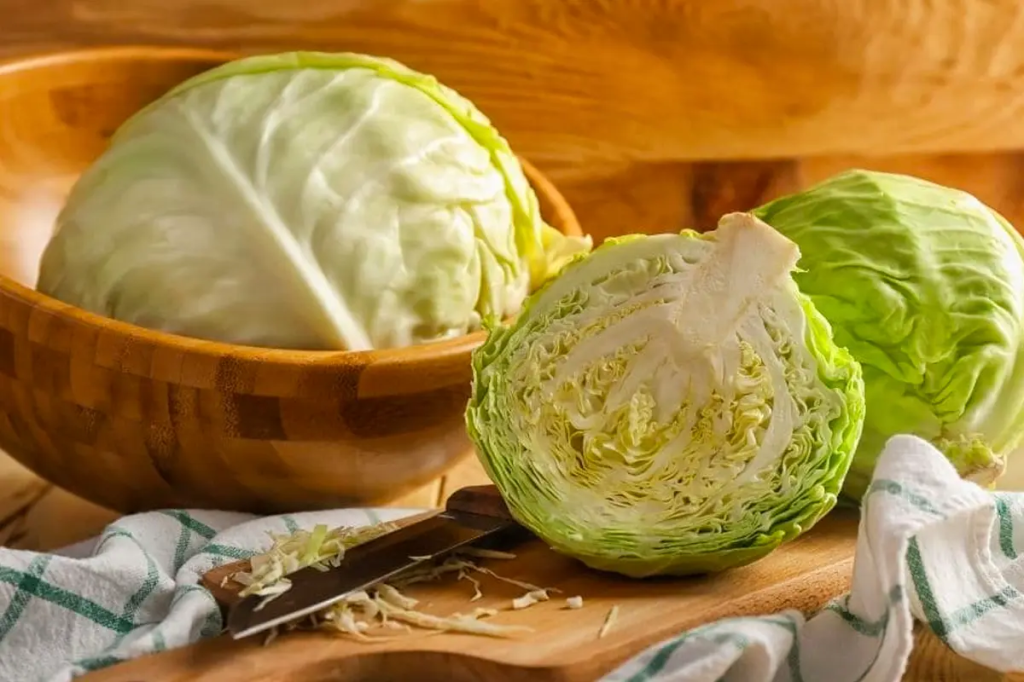
Cabbage is one of the most common vegetables in our daily lives. Because it is so ordinary, many people tend to overlook its remarkable health benefits. While people often say “rarity makes things precious,” the truth is that some of the simplest, most affordable foods are also the most nourishing — and cabbage is one of them.
Once considered “the food of the poor,” cabbage has long been underestimated. In the 15th century, a Parisian writer even remarked that the poor ate cabbages and turnips instead of bread. Perhaps that old prejudice lingers today — many still see cabbage as plain and unrefined. Yet, with rising grocery costs and a renewed interest in wholesome eating, it’s time to rediscover this modest, versatile vegetable and bring it back to our tables.
A Traditional View: Cabbage in Chinese Medicine
According to Traditional Chinese Medicine (TCM), cabbage has a neutral nature and a sweet flavor. It nourishes the stomach and intestines, promoting healthy digestion and balanced energy.
Let’s explore some of its wonderful health benefits:
1. Anti-Aging Properties
Cabbage is rich in antioxidants that combat cellular oxidation and delay the aging process. For those seeking to maintain youthful vitality, a simple bowl of cabbage may hold more power than any expensive serum.
2. Boosts Immunity
Packed with vitamin C, cabbage strengthens the immune system, helping the body fend off colds and infections while enhancing overall energy and resilience.
3. Supports Healthy Blood Pressure
Cabbage contains high levels of potassium, which helps regulate blood pressure by balancing sodium levels and supporting cardiovascular health.
4. Prevents Osteoporosis
Abundant in vitamin K, cabbage aids in blood clotting and calcium absorption, strengthening bones and teeth while preventing osteoporosis.
5. Promotes Digestive Health
Cabbage contains vitamin U, known as the “anti-ulcer factor.” It helps regulate stomach acid, heal ulcers, and soothe the digestive tract. Japanese studies have found that cabbage’s glucosinolates can inhibit Helicobacter pylori, the bacteria linked to gastritis and ulcers.
6. Cancer Prevention
The sulfur-containing compound isothiocyanate gives cabbage its distinctive aroma — and its powerful anti-cancer properties. This compound helps neutralize toxins, protect cells, and reduce cancer risk.
7. Rich in Folic Acid
Folic acid in cabbage is essential for pregnant women, helping prevent fetal malformations and supporting healthy red blood cell production.
8. Anti-Bacterial and Anti-Inflammatory Effects
Cabbage contains natural phytoncides — plant-based antibacterial compounds — that reduce inflammation, fight infections, and even soothe sore throats or small wounds.
Culinary Versatility
Cabbage’s mild flavor and satisfying crunch make it a versatile kitchen staple:
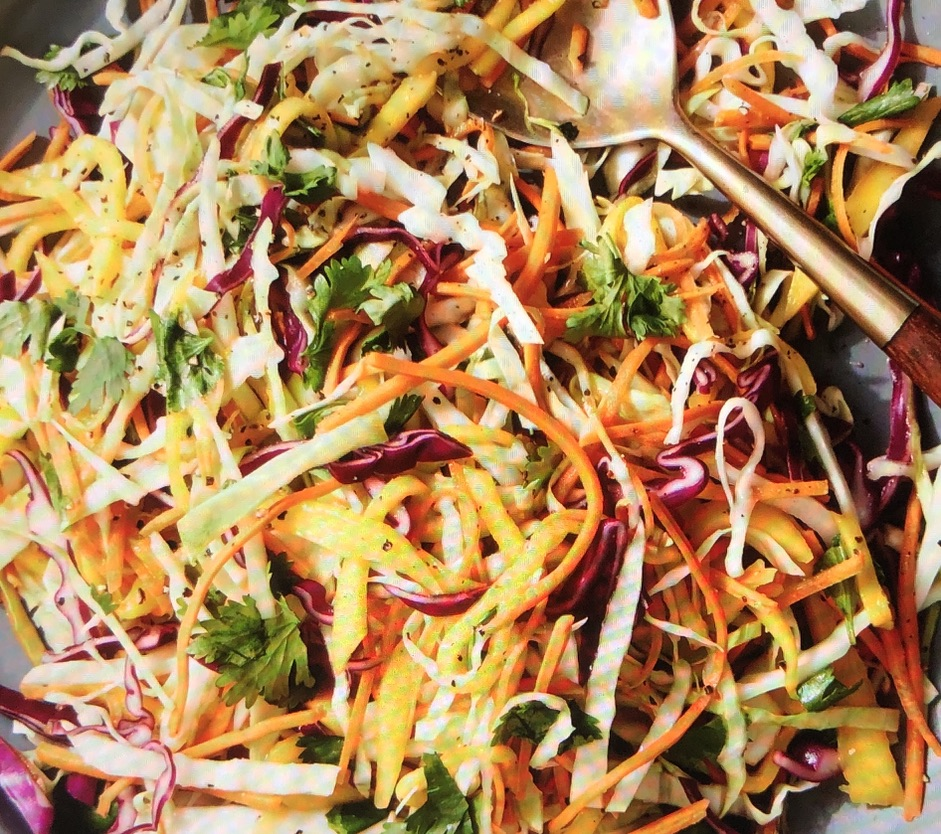
Salads and Slaws: Shred cabbage with carrots, apples, or nuts for a refreshing, colorful slaw.
Stir-Fry: Sauté with garlic and soy sauce for a simple yet delicious side.
Soups and Stews: Add chopped cabbage for extra nutrition and heartiness.
Fermented Foods: The star ingredient in sauerkraut and kimchi — both rich in probiotics and flavor.
Stuffed Dishes: Use cabbage leaves to wrap rice, lentils, or meats for comforting stuffed rolls.
Lightly Pickled Cabbage: A Liver Cleanser and Detox Aid
Cabbage contains indoles, anti-cancer nutrients that also protect the liver and enhance detoxification. When cabbage is lightly pickled, its benefits multiply.
In Traditional Chinese Medicine, sour flavors are believed to nourish the liver. Lightly pickled cabbage helps detoxify the body, strengthen immunity, beautify the skin, and support cardiovascular and digestive health.
Fermented cabbage is also a powerful probiotic food. Lactobacillus plantarum, a beneficial bacteria from fermented cabbage like kimchi, supports the gut microbiome — the foundation of our immune system and overall well-being.
Easy Recipe: Lightly Pickled Cabbage
Ingredients
500 g cabbage
2 teaspoons salt
1 teaspoon sugar
Instructions
Wash and drain the cabbage, then slice it finely.
Divide into two portions. Place half in a bowl, sprinkle with 1 teaspoon of salt, and gently knead until softened.
Add the remaining half, the rest of the salt, and sugar. Continue kneading until juicy.
Pack into a clean glass jar with its liquid.
Seal and leave in a cool place for half a day to lightly ferment, then refrigerate. Serve chilled.
Shutterstock
Cabbage may not have the glamour of kale or the trendiness of arugula, but it carries quiet strength and wisdom — a reminder that simplicity often hides great value. In a world obsessed with novelty and luxury, perhaps we can learn from this humble vegetable: to nourish deeply, give generously, and thrive quietly.
I’ve always enjoyed exploring new recipes, especially when they’re healthy, simple to prepare, and vegetarian. There’s something deeply satisfying about discovering fresh flavors that not only nourish the body but also bring joy to my family and friends.
Recently, I came across a collection of easy and wholesome recipes on Zhaxi Zhuoma’s website. These dishes are perfect for early summer—light, refreshing, and full of natural goodness. I’m excited to share a few of my favorites with you here. I hope they inspire you to enjoy healthy cooking as much as I do!
Tofu with Gochujang Sauce
I fell in love with gochujang and when I bought my first tub from Amazon, I tried it on everything—ok, I didn’t put it on ice cream, but I considered it. It is complex and good enough to just use by itself with a little oil or butter, maybe cut with miso or doenjang (Korean soybean paste) if it is too spicy. Different varieties vary in sweetness and heat, so go easy with it until you get the Goldilock spot for you. I use gochujang paste which keeps forever and is more concentrated. Sometimes it is sold as a sauce and comes with other ingredients like vinegar and sugar added. It is cheaper and can be used, but adjust the other ingredients you add accordingly.
The following is a wish list—use what you have on hand. I rarely have all the ingredients when I feel an urge for Korean flavors. You can use the sauce alone, too—without the tofu or with beans, chicken breasts, shrimp, hamburger, etc. There are some other options to consider.
GOCHUJANG SAUCE
1/4 cup soy sauce
1-2 tbsp gochujang (may be part Korean doenjang or Japanese miso)
1 tsp-2 tbsp maple syrup, brown sugar, honey, monk’s fruit, molasses
1 tbsp avocado or olive oil
1/2 tsp sesame oil
1 clove of garlic, minced or grated
1 inch ginger, minced or chopped
Lime juice & zest or rice vinegar to taste
1/2 tsp black pepper
Toasted sesame seeds sprinkled in
1-2 scallion chopped, white parts may be sauteed first
TOFU
1 tub firm tofu
Neutral oil for sauteing
TOPPINGS: Green scallions, Sesame seeds, Diced seeded tomatoes, Diced bell peppers, Diced Chili peppers, raw or canned or pickled, Grated cheese, Greek yogurt-whole milk best, Sour cream, Diced Avocados, Fresh raw corn cut off cob, Shredded crisp lettuce or other greens, Finely chopped parsley or cilantro leaves, Finely chopped nuts-walnuts, peanuts, cashews, Fried or poached egg, Baby Shrimp (non-vegetarian), Red onion pickle, etc.
SAUCE OPTIONS: If you can’t find gochujang, ketchup or tomato paste and chili powder is an option, but no substitute; Coconut milk; Fish sauce (non-vegetarian); Anchovies (non-vegetarian); Kimchi (often non-vegetarian); Grated apple or pear for sweetener; Chickpeas or beans.
Directions:
If you want to use grated cheese as a topping, and I do recommend it, try grating it from a brick and avoid the prepackaged grated cheese. I finally understood why—too often the commercial gratings are dusted with something to preserve shelf-life and they do not melt correctly.
TOFU-CRUMBLED or CUBED: If you use crumbled tofu, it is best to leave in tub in freezer overnight or longer. The ice crystals that form when frozen -thaw- and extract the water from within the tofu. You can squeeze the tofu like a sponge and it will expel the majority of the water. It then is very able to absorb whatever sauce you put on it. If you don’t have time to freeze and thaw it, you can still dry or press tofu to remove as much water as possible, then crumble unfrozen tofu with a fork or cut into bite-size cubes. Either way saute tofu until crispy in neutral oil and add sauce.
TOFU-AIRFRY: You may also cut tofu into slabs pressing out as much water as possible and then either just rub or spray slab with oil or first dip in starch/flour or Panko crumbs or egg or combination of these and then airfry at 400F for about 10 minutes on both sides or until golden.
Serve tofu with Gochujang Sauce on rice, noodles, polenta, or pasta with your choice of topping(s) or wrap a piece of tofu in lettuce leaves with topping(s) and eat like tiny tamales with your favorite dipping sauce.
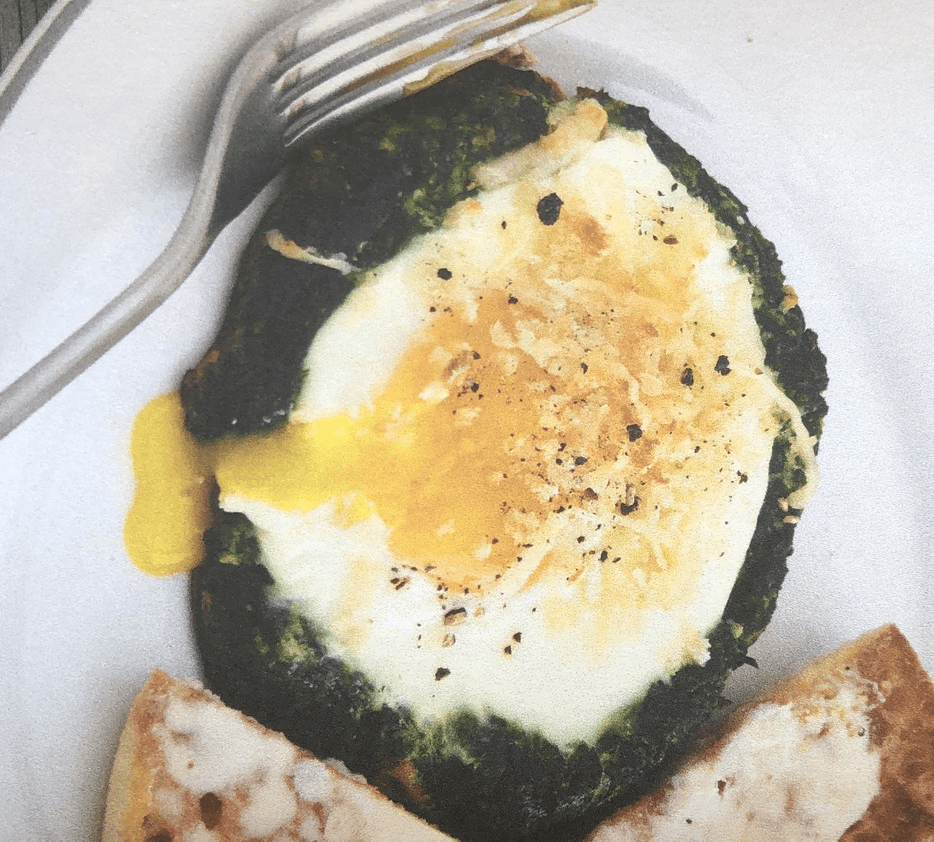
Eggs Florentine-Air Fryer or Oven
Eggs and spinach are always good together. This is just a contemporary version of a classic. I’m using my air fryer again as I am cooking in my cave instead of the temple kitchen. I do that when someone is doing a Solitary Retreat and needs the kitchen. I try to not have any contact with anyone on such a retreat, but I do sometimes forget, especially when the person doing the retreat is so quiet that I even forget they are also living here. Last week I heard someone shaking the screen door leading to the kitchen and I was sure it was our very pregnant Lucy Lentil trying to find a nest inside and I yelled. She had already ripped the screen and managed to get in before. I had forgotten to close the back door when I went to water the herbs and veggies. It was not Momma Lucy, but a very startled and thoughtful person trying her best to observe silence. Embarassed? Yes,very. Sorry.
Ingredients:
3 Cups Fresh or frozen spinach, thawed and drained,
1/4 Kosher salt,
1/2 Cup Ricotta cheese,
2 Tbsp Heavy cream or coconut cream,
2 Garlic cloves, minced (optional),
1/8 tsp Black pepper,
2 tsp Unsalted butter, melted,
3 Tbsp Grated parmesan cheese,
1/2 Cup Panko gluten-free crumbs,
4 Large eggs.
Directions:
Mix spinach, ricotta, cream, garlic (if used), salt & pepper. Also mix butter, cheese, and panko. Set aside. Scoop spinach mixture into individual serving circles on oiled air fryer basket or sheet pan. Set air fryer to AIR ROAST, set temperature to 375F degrees, and set time to 15 minutes select START/PAUSE to begin preheating. When preheated, slide basket or sheet pan into oven. After 8 minutes, press PAUSE and remove the pan. Make an indentation in each spinach serving, crack an egg into the indentation and sprinkle with panko mixture over the surface of the egg.
Return the pan to oven and push START to resume cooking. After 5 minutes, check eggs. Cook longer, if needed.
CONVENTIONAL OVEN: Set temperature at 400F degrees. May need to be cooked a few minutes more at each stage.
Chocolate Waffles
Ingredients
4 Eggs, whisked
1/3 Cup canned coconut milk
2 Tbsp maple syrup or raw honey (some kind of sweetener)
1 1/2 Cups almond meal/flour
2 Tbsp heaping unsweetened cocoa
1 tsp baking soda
1/4 Cup dark chocolate chips
1 tsp vanilla extract
Sprinkle of cinnamon
Pinch of salt
Toppings
Apple sauce, unsweetened creamy almond butter, Greek Yogurt coconut butter warmed to liquid state raw pecans chopped dark chocolate chopped blueberries
Directions:
Plug in waffle iron. Whisk eggs in a medium-large sized bowl. Add coconut milk and sweetener and whisk together with eggs. Next add almond flour and mix more! Then add cocoa powder, baking soda and mix together.
Lastly, add in your chocolate chips, vanilla, salt and cinnamon. Mix together thoroughly. Pour into waffle iron and cook until cooked through, about 4-5 minutes, until cooked through and crisped up.
4 Servings. I really liked them with the apple sauce toppings and Greek yogurt, but the more traditional maple syrup and butter are great, too. Enjoy!
As spring arrives, Yang energy begins to rise, nature awakens, and the world bursts into vibrant life. This season of renewal is the perfect time to focus on rejuvenation—not just for nature but for our own bodies as well. According to Traditional Chinese Medicine (TCM), the liver is closely linked to spring, making this the ideal time to nourish and support this vital organ.
TCM emphasizes the deep connection between human health and the changing seasons, a concept known as “unity of heaven and man” (天人合一). Spring corresponds to the liver, which governs the body’s ability to detoxify, regulate energy flow, and promote smooth circulation. Just as trees sprout new leaves and flowers bloom, the liver thrives in this season of growth and renewal. Supporting liver health during spring can enhance digestion, boost energy levels, and improve overall well-being.
What you eat plays a significant role in keeping your liver happy. By incorporating the right foods into your diet, you can naturally support your liver’s detoxification processes, reduce inflammation, and promote overall vitality. Here are some of the best foods for liver health, along with easy and delicious ways to prepare them:
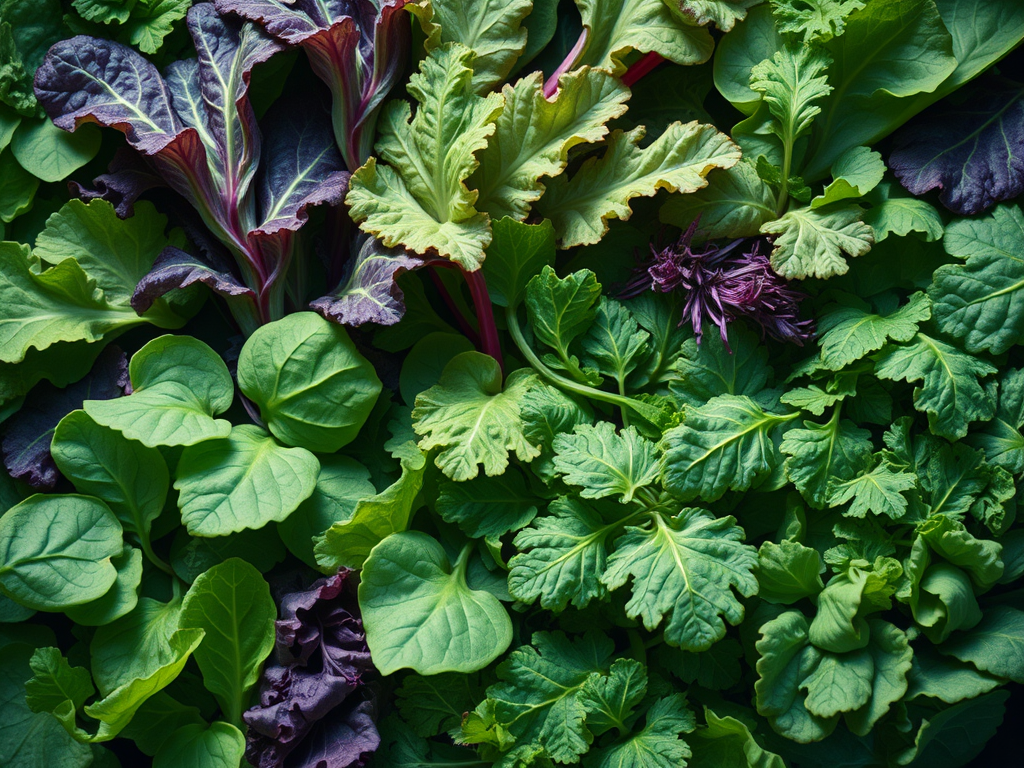
🌿 Why? Leafy greens are packed with chlorophyll, a natural detoxifier that helps remove toxins and heavy metals from the liver. They also contain compounds that aid in bile production, which is essential for digestion and detoxification.
🍽 How to Enjoy: ✔️ Sautéed Greens: Lightly cook with garlic and olive oil to enhance flavor while retaining nutrients. ✔️ Green Detox Smoothie: Blend with lemon, apple, and ginger for a refreshing and cleansing drink. ✔️ Spring Salad: Toss with olive oil, lemon juice, and nuts for a crunchy, nutritious meal.
💡 Tip: Bitter greens like dandelion and arugula are especially powerful for liver health. Try adding them to your salads or lightly steaming them to tone down their bitterness.
2. Turmeric
✨ Why? This golden spice is a superstar for liver health. It contains curcumin, which helps reduce liver inflammation, aids in detoxification, and enhances bile production for better digestion.
🍽 How to Enjoy: ✔️ Golden Milk: Mix turmeric with warm almond milk, honey, and black pepper for a soothing anti-inflammatory drink. ✔️ Turmeric Rice: Cook rice with a pinch of turmeric, garlic, and a bit of coconut oil for a flavorful, healing dish. ✔️ Turmeric Tea: Simmer turmeric with ginger and lemon for a warm, cleansing tea.
💡 Tip: Always pair turmeric with black pepper or healthy fats (like coconut oil or olive oil) to enhance its absorption.
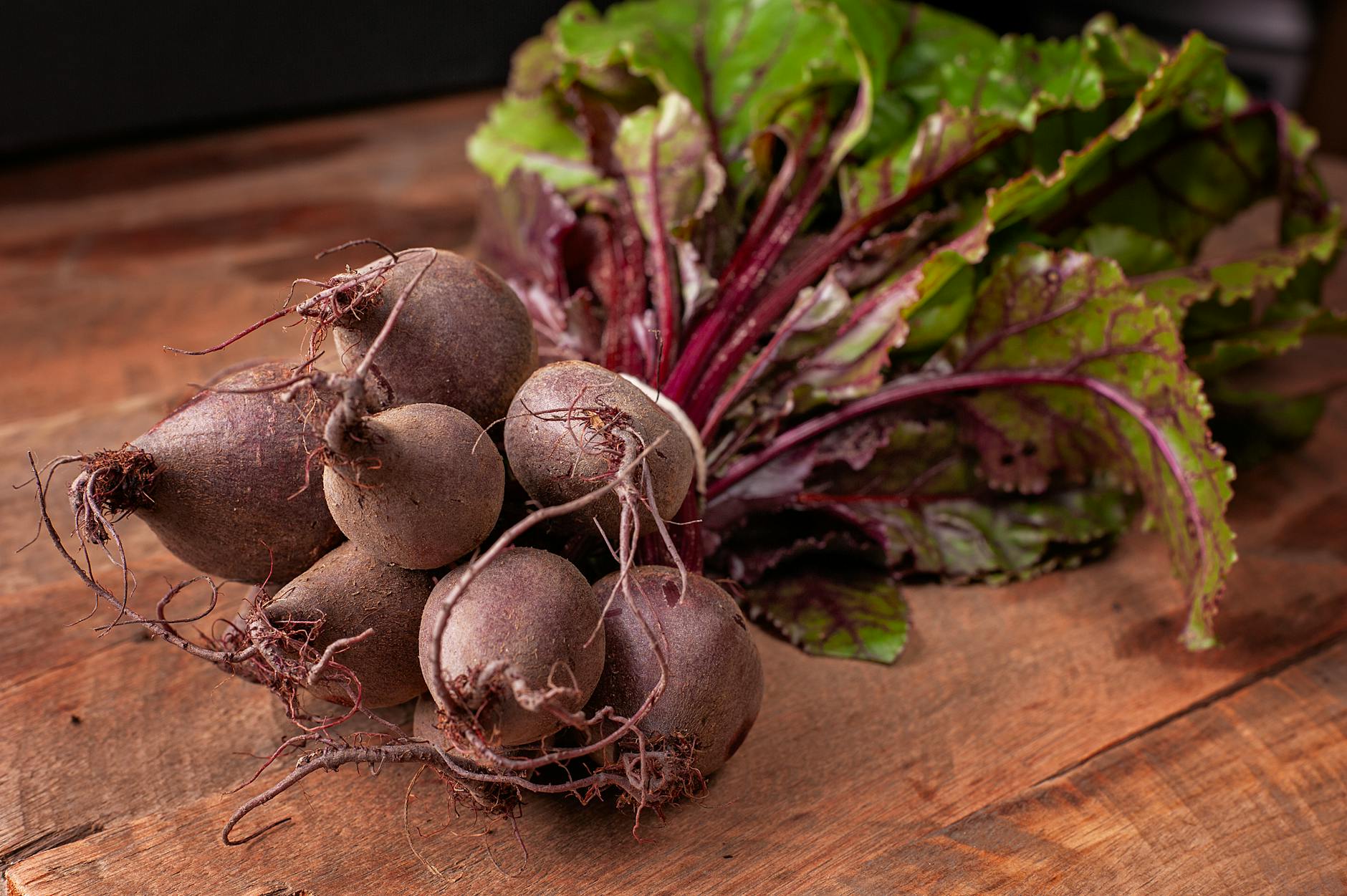
❤️ Why? Beets are rich in betalains, powerful antioxidants that support liver detoxification and reduce inflammation. They also boost bile flow, helping the liver break down fats and eliminate toxins more efficiently.
🍽 How to Enjoy: ✔️ Roasted Beets: Slice and roast with olive oil, rosemary, and sea salt for a sweet, earthy side dish. ✔️ Beet Detox Juice: Blend beets with carrots, ginger, and lemon for a vibrant, liver-cleansing drink. ✔️ Beet & Goat Cheese Salad: Toss roasted beets with arugula, walnuts, and goat cheese for a delicious and nutritious salad.
💡 Tip: Beets can stain your hands and cutting board—rub them with lemon juice to remove the color easily!
4. Garlic
🧄 Why? Garlic contains sulfur compounds that activate liver enzymes responsible for flushing out toxins. It also supports immune function and helps reduce fatty buildup in the liver.
🍽 How to Enjoy: ✔️ Garlic Stir-fry: Add minced garlic to sautéed vegetables or meats for extra flavor and health benefits. ✔️ Garlic Soup: Simmer garlic with bone broth, onions, and herbs for a comforting, healing meal. ✔️ Garlic Honey Remedy: Crush fresh garlic and mix with honey for an immune-boosting, liver-friendly tonic.
💡 Tip: To maximize garlic’s health benefits, let chopped garlic sit for 10 minutes before cooking—this enhances its beneficial compounds.
5. Fatty Fish (Salmon, Mackerel, Sardines)
🐟 Why? Fatty fish are packed with omega-3 fatty acids, which help reduce liver fat, fight inflammation, and promote overall liver health. They also support healthy cholesterol levels and brain function.
🍽 How to Enjoy: ✔️ Grilled Lemon-Garlic Salmon: Marinate with olive oil, garlic, and lemon juice before grilling. ✔️ Miso-Glazed Mackerel: Bake with miso paste, ginger, and a touch of honey for a flavorful dish. ✔️ Sardine Avocado Toast: Mash sardines with avocado and lemon juice, then spread on whole-grain toast.
💡 Tip: Aim to eat fatty fish at least twice a week for optimal liver benefits.
6. Walnuts
🥜 Why? Walnuts are rich in glutathione, an essential antioxidant that helps detox the liver. They also provide omega-3 fatty acids, which reduce liver inflammation and support brain health.
🍽 How to Enjoy: ✔️ Walnut Pesto: Blend walnuts with basil, garlic, and olive oil for a delicious sauce. ✔️ Walnut Oatmeal: Sprinkle crushed walnuts over oatmeal with honey and cinnamon for a nutritious breakfast. ✔️ Roasted Walnut Snack: Lightly toast walnuts with a sprinkle of cinnamon and sea salt for a crunchy, liver-loving snack.
💡 Tip: Soaking walnuts overnight can improve digestion and nutrient absorption.
7. Lemon & Citrus Fruits
🍋 Why? Citrus fruits are packed with vitamin C and antioxidants, which support liver detoxification and boost the immune system. They also help stimulate bile production, which aids in digestion.
🍽 How to Enjoy: ✔️ Morning Lemon Water: Start your day with warm lemon water to flush out toxins and boost digestion. Add some honey to make it taste better. ✔️ Citrus Salad: Mix orange slices with fennel, pomegranate seeds, and olive oil for a refreshing dish. ✔️ Homemade Citrus Dressing: Blend lemon juice, olive oil, and honey for a flavorful salad dressing.
💡 Tip: Drinking lemon water before meals can help stimulate digestion and improve nutrient absorption.
There are several other foods that are also beneficial for your liver, such as carrots, apples, cabbage, and goji berries. Incorporating them into your diet regularly can help support liver health.
As nature awakens in spring, so too should our approach to health. Since the liver plays a crucial role in detoxification, metabolism, and emotional balance, it’s essential to nurture it during this season of renewal. Along with a nutrient-rich diet, mindful lifestyle choices such as regular exercise, restful sleep, and emotional well-being can help maintain liver vitality and overall harmony.
By embracing optimism, managing stress, and supporting the liver with wholesome foods, we align ourselves with the natural rhythms of spring. Let this season be a time of nourishment, balance, and rejuvenation. May we all welcome the warmth and energy of spring with a strong, healthy liver and a joyful heart! 🌿✨
Recently, I visited the Holy Vajrasana Temple in Fresno, CA, and was deeply impressed by their delicious vegetarian meals. The flavors were unforgettable, and I’m thrilled to share some of these favorite healthy, vegetarian recipes with you to bring extra joy and flavor to your Thanksgiving holiday!
The temple offers retreat sessions, providing a nurturing experience for both body and spirit. With a garden on-site, the monastery uses the freshest organic vegetables for meal preparation, resulting in incredibly tasty dishes. For anyone interested in learning more about their retreats, you can find details here.
Stay tuned for some of the delightful recipes inspired by this visit, perfect for a healthy, delicious holiday spread!
Grilled Slaw With Mint
Cabbage is one of the most useful vegetables. I love it in slaw, in stews, in mashed potatoes, etc., and here we have a recipe that grills it. I think you could serve this hot for the cold days we are now having, although the recipe cools the cabbage to serve as salad. Enjoy!
Ingredients for 4 Servings
1 1/2 Tbsp cider or rice vinegar, plus more to taste
1 1/2 Tbsp maple syrup, plus more to taste
1 1/2 Tbsp avocado or grape seed oil
1 1/2 tsp Dijon-style mustard
1/2 tsp caraway seeds
Kosher salt and freshly ground black pepper to taste
1/2 head savoy or other green cabbage quartered, lengthwise through core
2 Tbsp thinly sliced fresh mint
Directions
Light a charcoal or wood-burning grill and let the coals burn down to glowing embers. May also be grilled in an iron skillet or indoor grill.
Meanwhile, make the dressing: In a large bowl, whisk the vinegar and maple syrup. Whisk in the oil, followed by the mustard and caraway seeds. Season to taste with salt and pepper.
Lay the cabbage quarter(s) directly on the grill and roast until all sides are charred, turning with tongs, about 2 minutes per side. Transfer to a sheet pan and let cool.
Discard the tough core of the cabbage then thinly slice the cabbage crosswise. Add the sliced cabbage to the dressing and toss to coat. Season with more salt, maple syrup, and vinegar to taste. Refrigerate until serving and serve within a couple hours of mixing. Just before serving, stir in the mint.
Broccoli Slaw
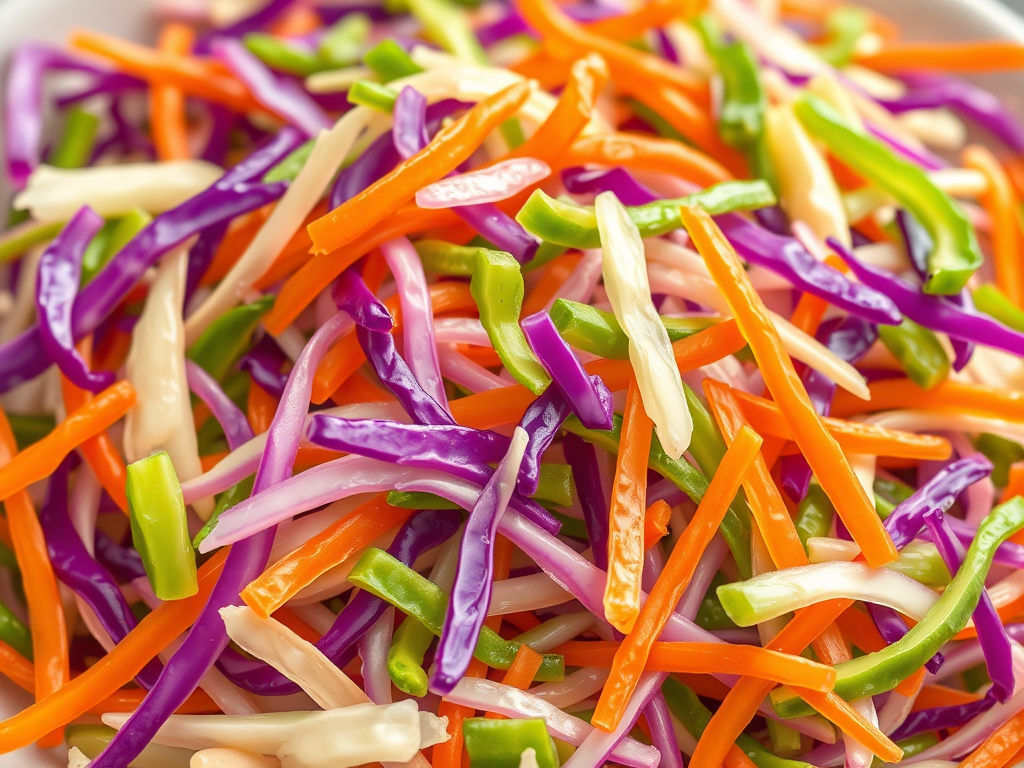
This is a very easy, colorful and delicious salad or slaw that uses shredded raw broccoli stalks instead of cabbage and usually carrots and red cabbage or radicchio for color. You can find packaged broccoli slaw at most markets now or make your own.
3 cups broccoli slaw (shredded broccoli stalks, carrots, red cabbage)
finely chopped green onions (optional)
¼ cup dried figs, dates, unsweetened cranberries or other dried fruit; cjopped mang, apple, pears also good
1/3 cup chopped roasted macadamia or hazel nuts
5 radishes, thinly sliced
½ chopped red, green, and/or yellow chopped bell peppers
chopped avocado
chopped parsley, cilantro, mint, dill, or other herbs
hemp, flax, or poppy seeds
Dressing
¼ cup red wine vinegar
2 Tablespoons olive or avocado oil
1-2 dates, chopped or seasonal fruit like pears or apples, but most fruit would work
salt & black pepper to taste
1/2 tsp turmeric power
toasted sesame seeds, grated ginger (optional)
Blend dressing, if dates or other fruits are used, otherwise, just mix ingredients.
Toss all ingredients, except nuts, and refrigerate for several hours to blend flavors. Add nuts and serve. Nuts may be served separately as some may have nut allergy.
NON-VEGAN: Add can of drained chicken or tuna or grated cheese or other leftover protein. Tofu also may be marinated in dressing to give it more flavor.
DRESSING OPTIONS: Lemon juice and zest good with avocado oil mayo, black pepper, turmeric, curry, chimichurri, or za’atar spices. Korean gochujang would also be good.
Carrot Cake Paleo Waffles
These delicious breakfast (or any time) treats are healthy and nutrient dense. They can be fried as pancakes, if you don’t have a waffle iron and you can make a big batch and freeze them to be reheated in your toaster or oven. Enjoy!
Toppings
Butter, sour cream, maple syrup, coconut butter
Yogurt, applesauce, more pecans or walnuts
Waffles
2 Eggs
1/3 Cup Plain yogurt
1/2 Cup Almond or coconut milk
1 tsp Vanilla
1 Cup Almond meal or flour
2 Tbsp Coconut sugar or maple syrup
1 1/2 tsp Cinnamon
1/2 tsp Nutmeg
1/2 tsp Grated ginger
1/2 Baking powder
1/4 tsp Salt
1/2 Cup Grated carrot
1/4 Cup chopped walnuts or pecans
1/4 Cup chopped dates or raisins
2 Tbsp Coconut, shredded
Oil spray
Whisk the eggs, yogurt, milk and vanilla together. Mix the dry ingredients in a separate bowl, add to egg mixture, and whisk until smooth. Fold in the carrots, walnuts, dates and coconut. If batter is still very thick add a few splashes of milk. Spray waffle iron with oil. Place 1/4-1/2 cup of the batter (depends on size of waffle iron) into hot waffles iron and cook according to waffle iron instructions. Top with toppings of choice and serve warm.
4 waffles. Can also be cooked as pancakes.
Bombay Frittata
This is a spicy Indian omelette with herbs and cheese that would be good for breakfast or any meal.
12 large eggs
½ cup crème fraiche or sour cream
½ cup finely chopped red onion or celery
2 scallions, white and green parts, thinly sliced (optional or serve as condiment)
2 garlic cloves, thinly sliced (optional)
¼ cup tightly packed fresh cilantro or parsley leaves
½ teaspoon garam masala
½ teaspoon fine sea salt
½ teaspoon black pepper
½ teaspoon ground turmeric
¼ teaspoon red-pepper flakes
2 tablespoons ghee, butter, or coconut oil
¼cup crumbled paneer or feta cheese
Position a rack in the upper third of the oven and heat the oven to 350 degrees.
In a large bowl, combine the eggs, crème fraiche or sour cream, onion or celery, scallions & garlic (if used), cilantro, garam masala, salt, pepper, turmeric and red-pepper flakes and beat with a whisk or fork until just combined.
Heat the ghee or oil in a 12-inch ovenproof skillet, such as cast iron, over medium-high heat, tilting the skillet to coat it evenly. When the ghee bubbles, pour the eggs into the center of the skillet, shaking to distribute evenly. Cook, undisturbed, until the frittata starts to firm up on the bottom and along the sides but is still slightly jiggly on top, about 5 minutes. Sprinkle with the paneer and transfer the skillet to the oven. Cook until frittata is golden brown and has reached desired doneness, 15 to 25 minutes. Serve warm with toast, rice, or salad.
Serves 6.
Sweet Potato and Kale Soup
It is a Caribbean treat that can be cooked and served several ways. It could be a great soup for Thanksgiving dinner.
INGREDIENTS:
3 Tbsp olive oil 2 Tbsp brewers yeast 2 minced carrots 3 Tbsp minced ginger 2 large garlic cloves, minced 4 medium sweet potatoes, peeled and cubed 1 Tbsp fresh (or 1/2 that dried ) thyme 2 tsp allspice 1 tsp nutmeg 1 tsp cinnamon 1 tsp chili sauce or Korean chili powder or flakes 1 tsp turmeric black pepper 2 cans diced tomatoes 5 cups water or broth 14 oz coconut milk 19 oz white or garbanzo kidney beans or cauliflower florets Stevia or maple syrup to taste 9 cups kale 2 Tbsp lime juice and zest
Fresh thyme for garnish
DIRECTIONS:
In a large saucepan or stockpot, heat olive oil over medium-low heat. Add brewer’s yeast, minced carrots, minced garlic, and minced ginger. Sauté for 4 to 5 minutes, stirring often.
Add the peeled and cubed sweet potatoes, thyme, allspice (if not available use more nutmeg, cinnamon, and mace), nutmeg, cinnamon, and chili sauce or flakes. Cook, stirring often, for another 3 or 4 minutes.
Stir in the diced tomatoes, salt, black pepper, vegetable broth or water. Turn heat to high and bring to a boil. Once boiling, immediately turn heat to low, cover and let simmer for about 25 to 30 minutes, or until the sweet potatoes are tender. Can be cooked in a large crock pot on high for 3-4 hours.
Add the coconut milk, cauliflower florets (or beans-drained & rinsed, and sweetener to taste) to soup. Turn heat up a little bit to medium-low. When soup returns to boil, add chopped kale (thick stems removed & washed) and let cook uncovered for another 5 minutes or until the kale is limp and tender.
Remove from heat and stir in the 2 Tablespoons lime juice and zest. If needed, season to taste with extra salt, pepper, sugar, or chili sauce or flakes. Garnish with fresh thyme leaves. Half batch fills 6 cup cooker.
Gochujang and Maple Syrup Glazed Roasted Brussels Sprouts
Here’s an easy and quick way to cook Brussels sprouts that the whole family will enjoy!
INGREDIENTS:
1 lb Brussels sprouts uniform size ½ teaspoon onion powder* ½ teaspoon garlic powder* ¼ teaspoon black pepper powder 1 tablespoon olive oil vegetable olive oil 1 tablespoon soy sauce or coconut aminos 1 tablespoon honey or maple syrup or to taste ½ teaspoon sriracha or Gochujang sauce. more. used 1 Tablespoon. 1 fresh lime optional
DIRECTIONS:
Wash, rinse, and dry the Brussels sprouts. Trim off the ends and cut them in half or quarters. Try and keep all pieces the same size. You can also include the individual leaves off of the sprouts. Mix together onion, garlic and pepper powders, soy sauce, sriracha, honey and oil in a small bowl. Transfer the Brussels sprouts to a medium bowl and coat them with some of the seasonings, making sure all surfaces are covered.
Spray pan with oil. Air-fry 14 minutes at 375F or roast in conventional oven at 400F for 16 minutes. Watch closely as they may burn.
Squeeze lime juice in sprouts and serve.
Cranberry-Orange-Date Relish
This is the best cranberry relish I have found. No cooking, easy. Makes about eight generous servings and freezes well.
INGREDIENTS:
12 oz Raw cranberries 1 Navel orange 1/4 Cup Vegan sugar or dates OPTIONAL: chopped pecans
DIRECTIONS:
Process cleaned and sorted cranberries and one navel orange (include peel) that has been cut into eighths in food processor. Add vegan sugar or dates. Toasted pecans are good added just before serving.











 Peace LiLy