
In 2019, my world collapsed. I was diagnosed with cholangiocarcinoma—one of the most aggressive and deadly cancers—at a middle-to-late stage. After a consultation with several medical experts, I was told that even if I underwent surgery, I would only have three or four months left to live. To survive six or seven months would be nothing short of a miracle.
Following the doctors’ advice, I went through surgery. Afterward, however, I made the conscious decision to forgo all other cancer treatments. I knew I had medical insurance that could cover much of the cost, but I questioned whether aggressive treatments would truly give me dignity and quality of life in my final days. Chemotherapy, radiation, and similar methods often do more harm than good, damaging the organs and leaving patients to die not from the cancer itself, but from the effects of over-treatment.
I also thought about something else: if my time was truly so short, I wanted to preserve my remaining healthy organs so that they could be donated to those in need.
When I returned home from the hospital, my health declined rapidly. Every day I lay in bed in pain, but I did not allow myself to sink into despair. Instead, I chose gratitude. I was grateful that when I opened my eyes, I could see the rising sun outside my window. Grateful for each breath of fresh air. Grateful simply for being alive in that moment.
Still, I asked myself: Was my life really destined to end in just a few short months? The answer within me was a resounding No. I wanted to create a miracle.
What gave me this strength was my son. My sudden illness had devastated him, and I could feel how my suffering dragged him into deep sadness. At that moment, I told myself I must rise up—for him, so that he would still have a mother, and also for other patients enduring the same pain, to show them that hope is possible. If doctors had already declared that I had no chance, why not prove with my own body how powerful the human spirit can be? Why not find a way to live with dignity, with quality, and with the least burden?
And then, something incredible happened.
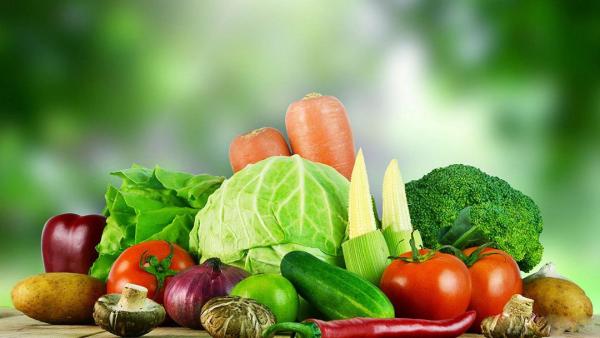
In April 2020, my husband prepared a feast for me with all kinds of fish and meat. Strangely, the moment I looked at it, I felt an overwhelming discomfort in my heart. That very day, I decided to give up meat completely. From then on, I have been a vegetarian, and I know this will remain with me for the rest of my life.
Less than a month later, it was time for my medical review. To my surprise, all my test results had improved dramatically. Even though that same month I experienced the heartbreaking loss of my father, my condition did not worsen. At first, my family opposed my vegetarian choice, but as they watched my health improve, they slowly came to accept it. This only strengthened my resolve. Three months later, the test results were even better. Along with vegetarianism, I began exercising moderately each day and keeping a positive mindset. After six months, all my medical indicators had returned to normal.
Today, apart from being a little weaker in stamina compared to before, I am doing very well. When patients or their families reach out to me online and ask how I got better, I tell them honestly: “A positive mindset + positive energy + vegetarian diet + moderate exercise.”
But vegetarianism gave me more than just a second chance at life. It opened the door for me to encounter the true Dharma.
One day at a banquet, my vegetarianism led me to meet a Dharma sister who had followed H.H. Dorje Chang Buddha III for many years. She introduced me to Buddhism, giving me the precious opportunity to listen to the Dharma discourses of the Buddha. Through studying the Dharma, I came to understand the law of cause and effect and the deeper meaning of being vegetarian. I realized that it is not merely about food, but about repenting for the harm I once caused to living beings, cultivating compassion for all sentient life, and seeking self-redemption through transforming karma.

I am no longer just a “pure vegetarian” who avoids even milk and eggs. I have become a practitioner who genuinely cherishes and protects all beings. My heart has grown softer, kinder, and more compassionate.
Gratitude fills me every day—gratitude to vegetarianism, which pulled me back from the edge of death; gratitude to the Dharma, which allowed me to encounter the true teachings of the Tathagata; gratitude for the miracles that have appeared throughout my life whenever I was in despair. That is why my online name is “After Darkness, Light.”
Looking back, many people used to say, “How could such a good person like you get this disease?” I once thought I was a good person too. But was I really? Before learning the Dharma, I would kill mosquitoes, flies, and ants without hesitation. I once had an abortion. Only after learning the true Dharma did I realize how heavy those karmic debts were. And what about my past lives? How much more karma have I carried forward?
Now, I understand: the suffering I faced in this life is not unfair—it is the natural result of my past actions. But how fortunate I am, despite all of this, to have encountered the true Dharma and to have a holy teacher guiding me. This is an incredible blessing, one I owe entirely to the compassion of the Buddhas and Bodhisattvas of the ten directions.
The reason I am writing this article is because, in a Buddhist study group of more than 400 people, I saw so many “requests for dedication” every day and so much suffering. I felt most of them don’t have the correct view and concepts of Buddhism. That made me want to share my experience, in hopes it may help others. In those lists of dedication requests, I saw too much misfortune and pain—patients with terminal illnesses, those crying out in agony, those with depression and anxiety, those struck by sudden misfortunes, and so on. It made me deeply sad: sentient beings suffer so much! People in this life fall ill or face hardships of all kinds, but these are all karmic consequences ripened from the many unwholesome deeds done over countless lifetimes or in this very life. Each of us must have deep faith in cause and effect. We must understand that sickness and adversity are manifestations of our own karma, and also warnings—opportunities for us to repent and correct our wrongs.
“There is no one else to rely on but ourselves.” What magic cure exists in this world? The only true cure is repentance and cultivation! For patients who request dedication, whether they themselves, their families, or their friends, if they wish for a miracle or at least some relief, then apart from avoiding over-treatment, the only way is for the patient themselves to give rise to deep repentance and truly reform. Therefore, we must learn Buddhism, follow the teachings of the Buddhas and Bodhisattvas: commit no evil, practice all that is good, strictly uphold the precepts, and follow the teachings in our practice.
All that I have written here is based on my own personal experience and feelings. As for the Dharma itself, the standard must always be the teachings personally expounded by H.H. Dorje Chang Buddha III.
 Peace LiLy