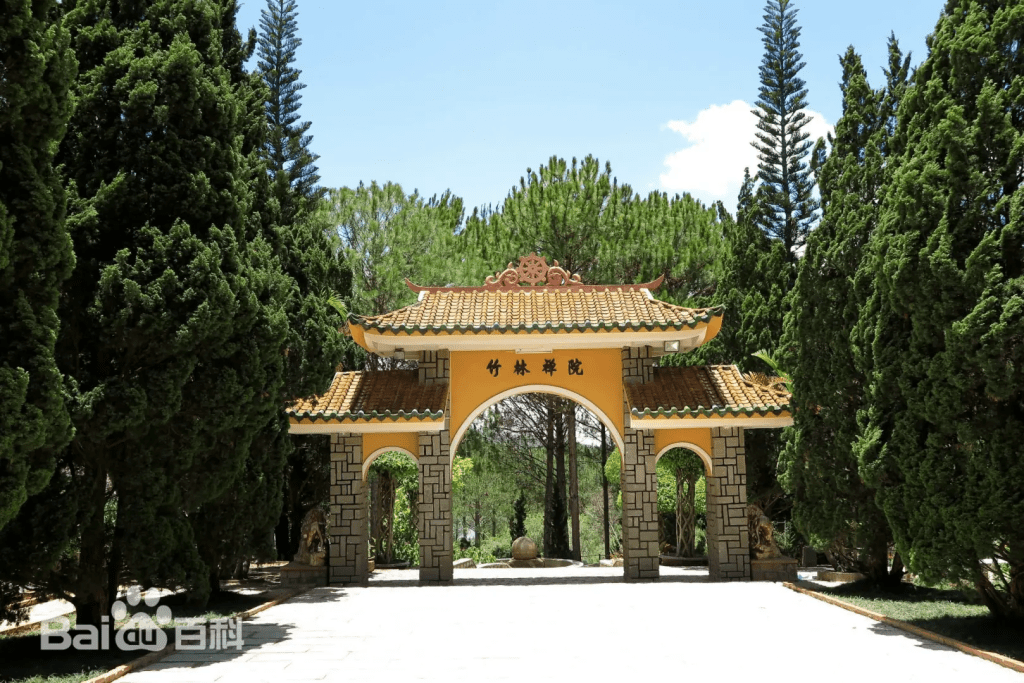
Standing on Fuyung Mountain Road in Tsuen Wan, Hong Kong, Zhulin Temple (also known as Chuk Lam Sim Yuen) proudly upholds the lineage of the Linji School of Zen Buddhism. Rooted in tradition, the temple seamlessly integrates teachings from the Tiantai and Pure Land traditions, thereby spreading the Buddha’s wisdom far and wide. Nestled within the heart of the Fragrant Harbour, it fosters a unique spiritual atmosphere known as the “Bamboo Grove Family Style,” where the Dharma is generously shared, benefiting both locals and visitors alike, serving as a haven for Buddhist study and practice.
Encompassing an expansive area exceeding 400,000 square feet, Zhulin Temple commands a serene and majestic presence, making it one of the largest and most beautiful temples in Hong Kong. Its origins trace back to 1928 when the founding master, prompted by three visionary dreams from Bodhisattva Ksitigarbha, embarked on the mission to erect a temple on Fuyung Mountain. Inspired by unwavering Bodhi resolve, six devoted followers generously donated funds to procure the land and construct the temple. Drawing inspiration from the architectural marvels of ancient Chinese mountain temples, the Pagoda Hall was completed on October 23, 1932, housing the largest statue of Ksitigarbha Bodhisattva on a lotus throne in Hong Kong. Thus, Zhulin Temple was formally inaugurated, marking the beginning of its sacred journey to illuminate sentient beings.
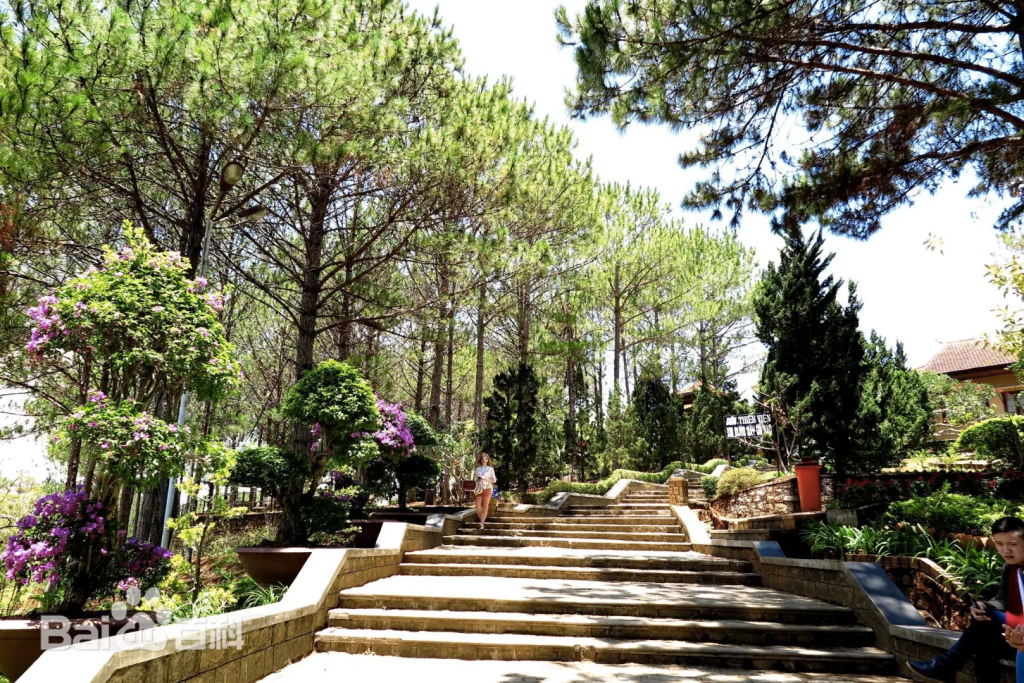
The architectural layout of Zhulin Temple embraces a harmonious three-section courtyard design. Upon crossing the mountain gate, visitors are greeted by the monastery’s serene courtyard garden, offering a space for worshippers to procure incense, candles, flowers, and fruits for offerings. Ascending the steps leads to the grand Hall of Heavenly Kings, where the jovial Maitreya Buddha stands at the central entrance, extending a warm welcome to all. Within the hall, the Four Heavenly Kings stand guard, with the central altar adorned by Bodhisattva Virūpākṣa, safeguarding the monastery under the benevolent gaze of Maitreya Buddha.

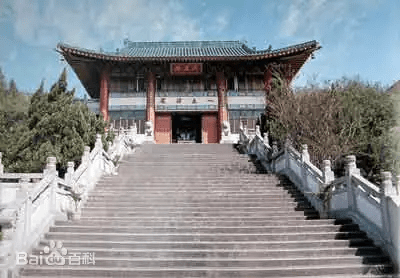

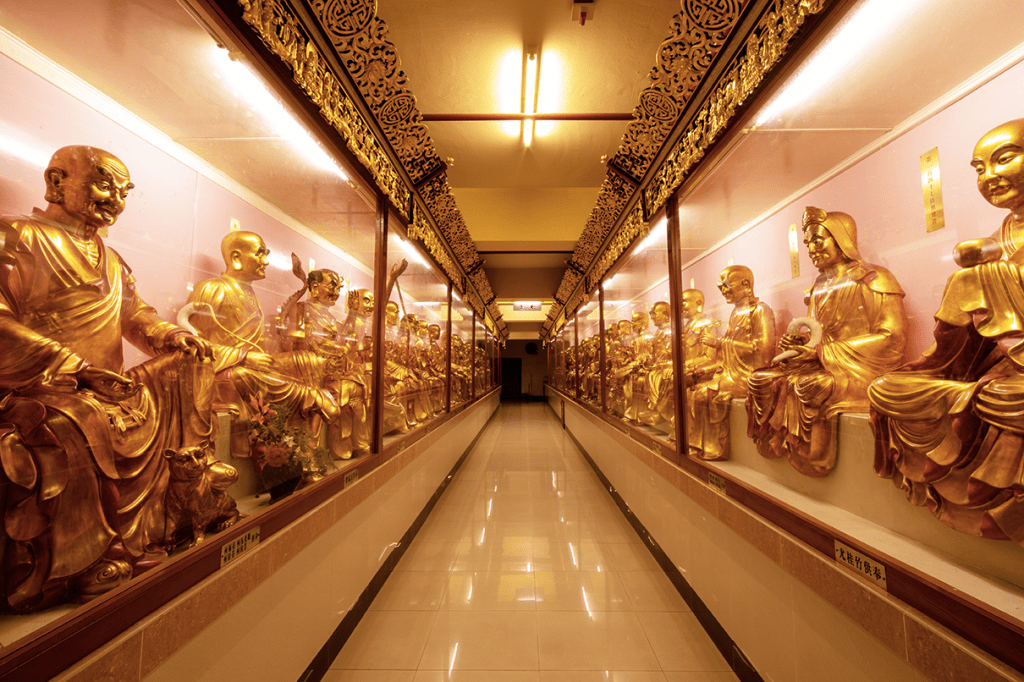
Further beyond lies a spacious courtyard flanked by a bell tower and drum tower. Ascending the stairs unveils the majestic Grand Hall, where the Triple Gem (Amitābha Buddha, Śākyamuni Buddha, and Bhaiṣajyaguru Buddha) resides on the central altar, accompanied by eighteen Arhats on either side. Adorning the rear of the Triple Gem altar is a depiction of the transformative scene from the Avalokiteśvara Sūtra, illustrating the manifestation of Avalokiteśvara Bodhisattva.
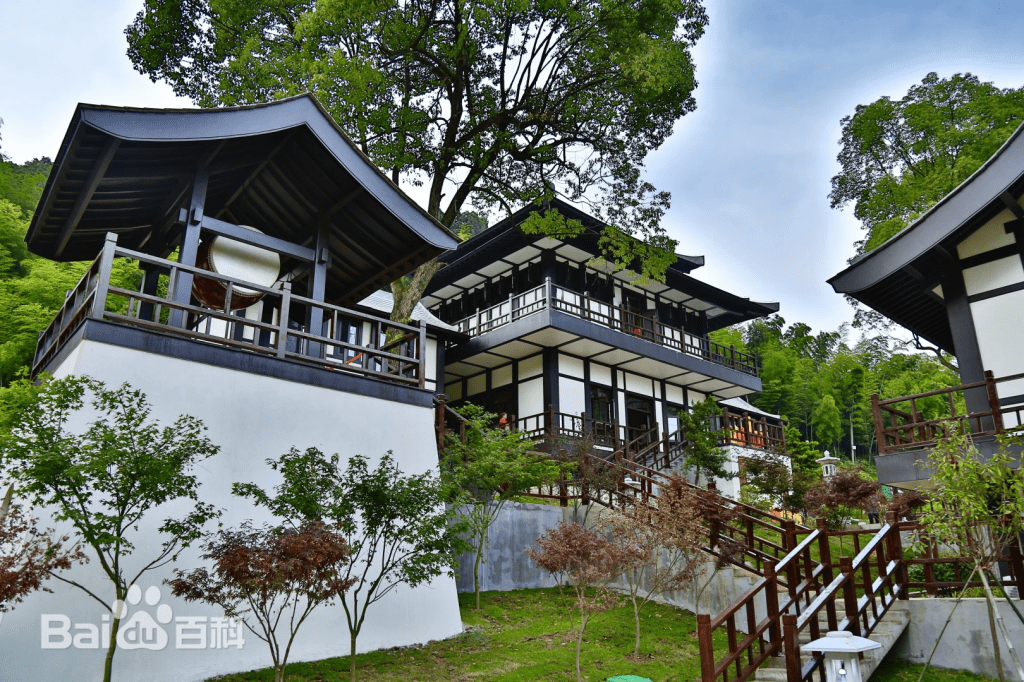
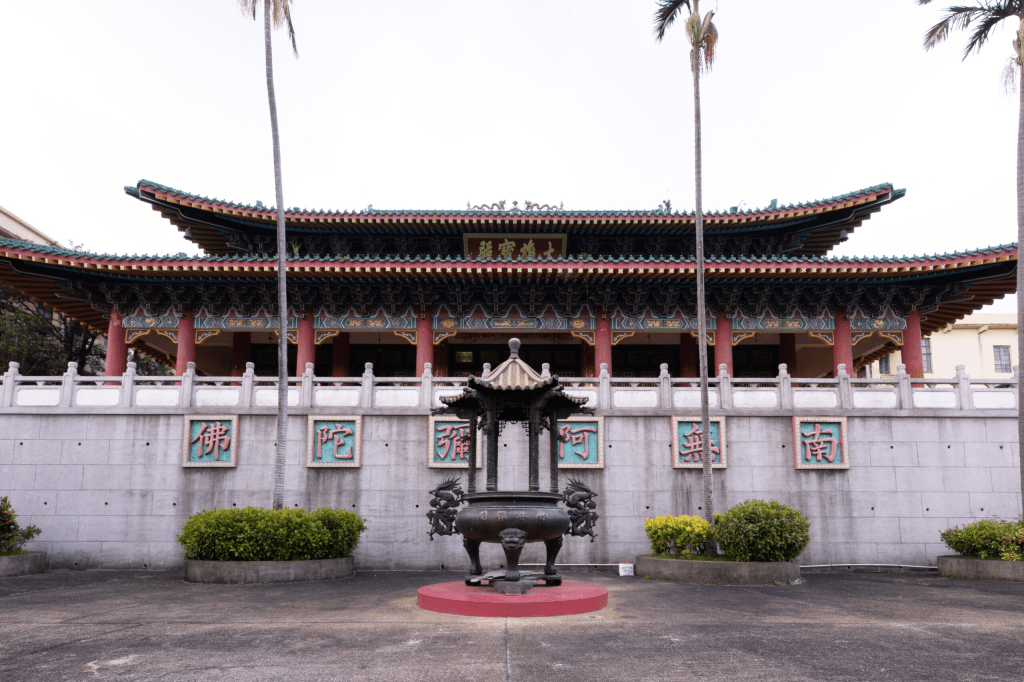
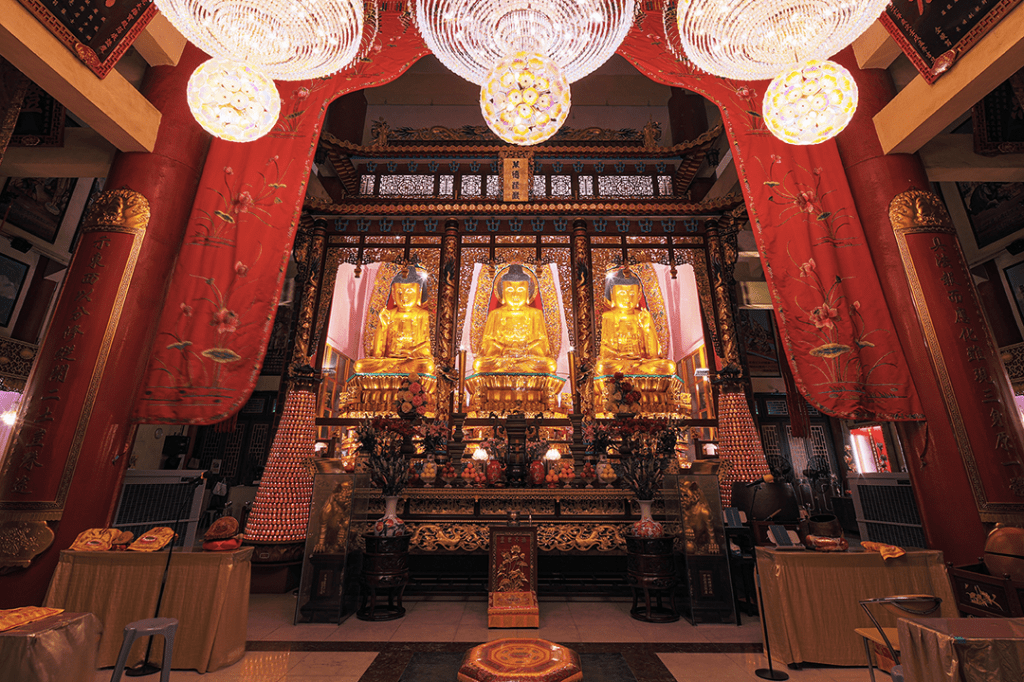
Adjacent to the main hall, worshippers find solace in a pavilion, while the Guan Yin Hall and Jade Buddha Hall flank its sides. Upstairs, the Pagoda Hall, now known as the Ksitigarbha Hall, stands adjacent to the Ancestral Hall and the Kitchen. Surrounding the monastery are additional halls including the Five Hundred Arhats Hall, the Dharma Hall, the Chan Hall, and the Scripture Repository, nestled along the outskirts and mountain slopes.

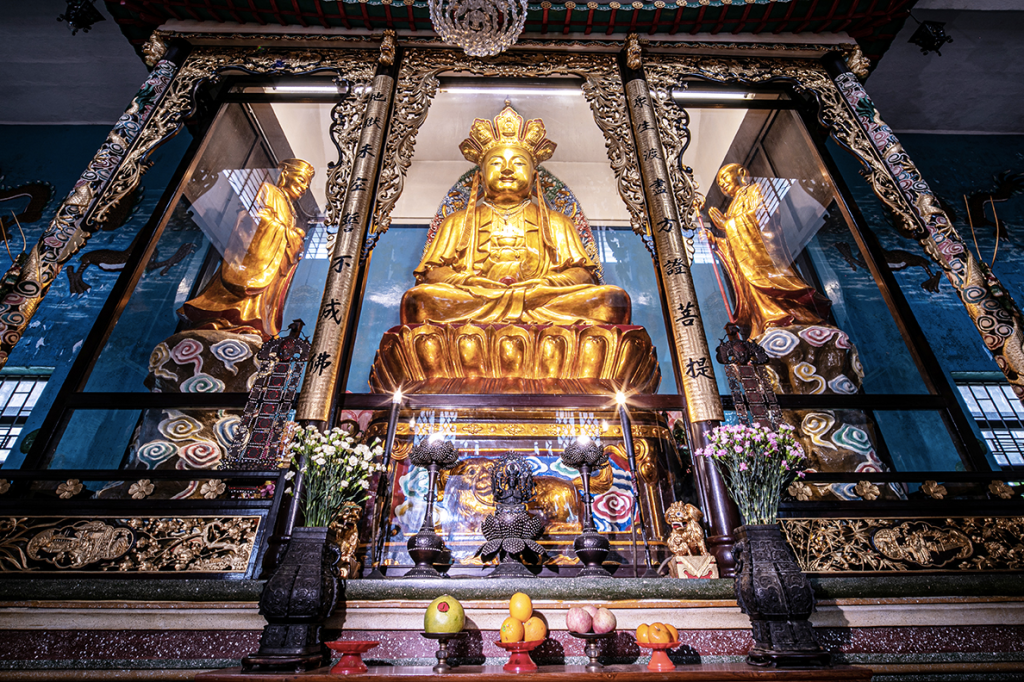

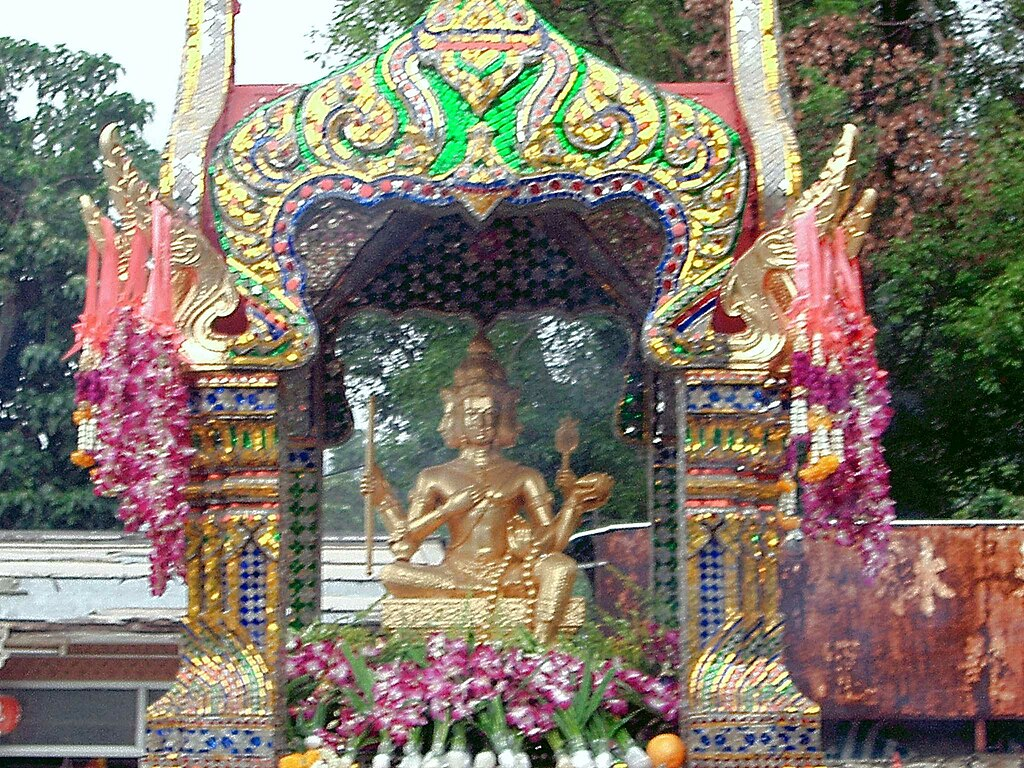


Throughout its century-long history, Zhulin Temple has been overseen by five abbots. Notably, the fourth Abbot Master YiZhao emerged as an eminent monk of his time. Venerable Dharma Master Yizhao (1927-2013), born in Guangdong, China, embarked on his spiritual journey by joining Zhulin Zen Monastery in Hong Kong in 1940, formally becoming a monastic in 1941.
Under the guidance of Master Xuyun, he received the transmission of Viyana at Nanhua Temple in 1944, subsequently inheriting the Linji (Rinzai) Dharma lineage and becoming its 44th holder. Establishing the Guyan Pure Monastery in 1952, he later returned to Zhulin Temple to assist in its renovation, eventually assuming the role of abbot. He peacefully passed away in 2013, leaving behind a legacy of enlightenment and compassion.

Venerable Dharma Master Yizhao, the successor to H.E. Dharma Master Xuyun, exemplifies profound virtue within contemporary Zen Buddhism. Having attained the supreme state of Bodhi, he relinquished all ties to further reincarnation long ago. Inspired by the compassionate vow of Ksitigarbha Bodhisattva, he pledged “As long as there is any living being in the earthly realm, I vow not to become a Buddha.” Renowned as the nirmanakaya of Ksitigarbha Bodhisattva, he received the Amrit Empowerment Initiation from H.H. Dorje Chang Buddha III, lauded as an exceptional monk who ardently upholds precepts.
In June 2000, Venerable Dharma Master Yizhao seized the opportunity to participate in the Buddhas Bestowing Nectar Dharma Assembly presided over by H.H. Dorje Chang Buddha III. (The very left in the photo is Master Yizhao)

Following the conclusion of the assembly, Venerable Dharma Master Yizhao graciously shared his personal insights and expressed his profound admiration and gratitude towards H.H. Dorje Chang Buddha III. For more details, please refer to the interview titled “Interview with Elder Monk Yi Zhao After the Buddhas Bestowing Nectar Dharma Assembly.“
Zhulin Temple stands as a testament to beauty and sanctity, inviting visitors to immerse themselves in Buddhist culture, prayers, and blessings, offering a profound spiritual experience.
Link:https://peacelilysite.com/2024/03/14/zhulin-temple-chuk-lam-sim-yuen-at-hong-kong/
#Buddhist #BuddhaDharma #ZhulinTemple #HongKong #ZenBuddhism #YiZhaoMaster #Nectar #MasterXuYun #DorjeChangBuddhaIII #HHDorjeChangBuddhaIII #ChukLamSimYuen #Abbot #LinjiSchool
Source: https://chuklam.org/, https://baike.baidu.com/item/%E7%AB%B9%E6%9E%97%E7%A6%85%E9%99%A2/19659656
 Peace LiLy