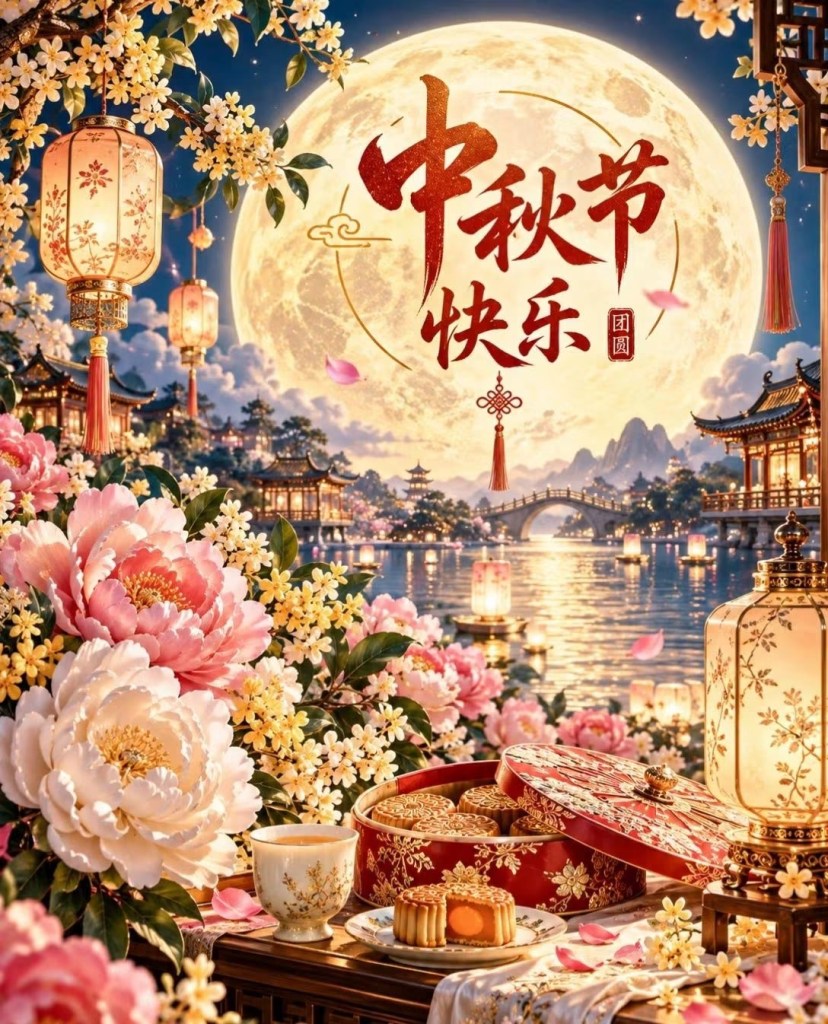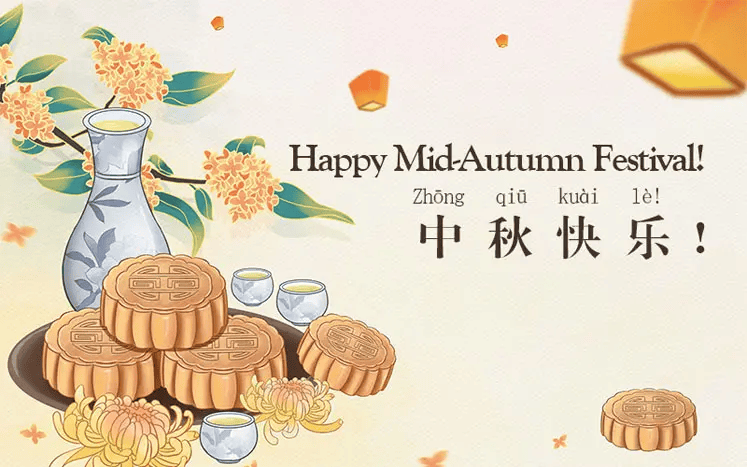
Every autumn, when the moon shines bright and round in the night sky, millions of people celebrate one of China’s most beloved traditional festivals—the Mid-Autumn Festival, or Zhongqiu Jie (中秋节), also known as the Moon Festival.
In 2026, the festival falls on September 25, the 15th day of the eighth month of the Chinese lunar calendar. It is celebrated in China and by Chinese communities around the world, including Singapore, Malaysia, and the United States.
More than a celebration of the moon, this festival is a time for family reunion, gratitude, and remembering the people we love.
A Festival of Reunion and Gratitude
The Mid-Autumn Festival has deep roots in Chinese agricultural traditions. It takes place during the autumn harvest season, when families gather to celebrate the fruits of their labor and give thanks for the abundance of the earth.
The full moon has a special meaning in Chinese culture. Its round shape symbolizes completeness, harmony, and family reunion. Even when family members live far apart, they can look up at the same moon and feel connected.
For many Chinese people, this festival is a little like Thanksgiving. Families prepare a special dinner, share stories, and express their love and appreciation for one another.
In Chinese, the word tuányuán (团圆) means reunion. During the Mid-Autumn Festival, it is one of the most cherished wishes: May the family be together, may everyone be safe, and may life be filled with peace and happiness.
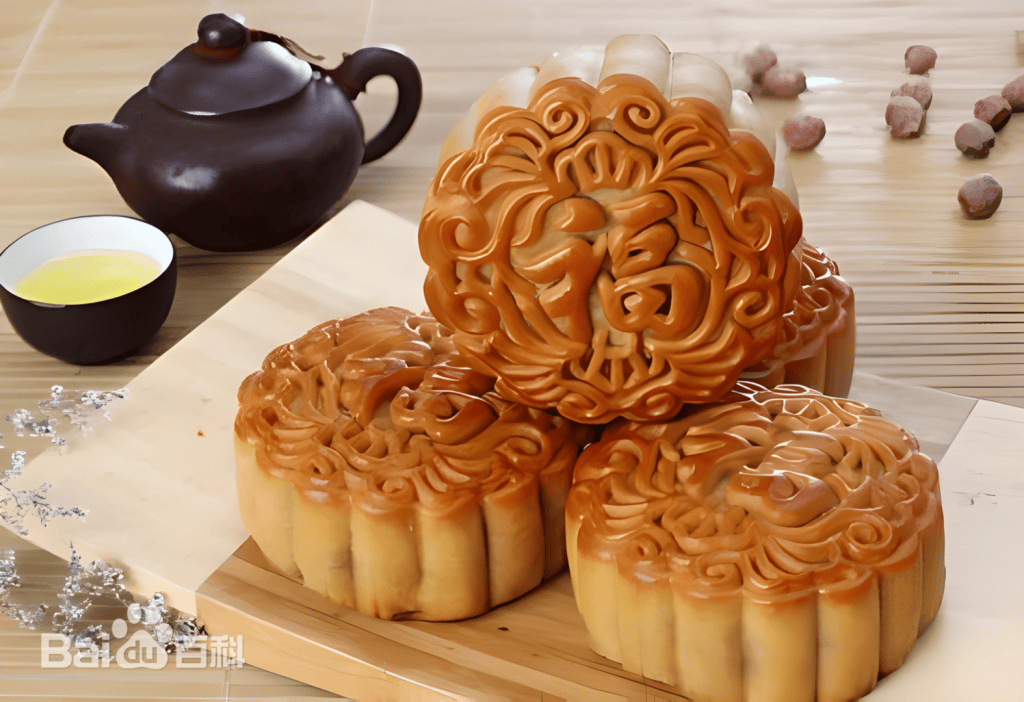
No Mid-Autumn Festival would feel complete without mooncakes.
These traditional pastries are usually round, representing the full moon and family unity. Their beautifully patterned surfaces often feature Chinese characters expressing good fortune, longevity, or harmony.
Traditional mooncakes come in many varieties. Some contain sweet lotus seed paste, red bean paste, or salted egg yolks. Others are filled with nuts, dried fruits, or savory ingredients. Different regions of China have developed their own styles and flavors.
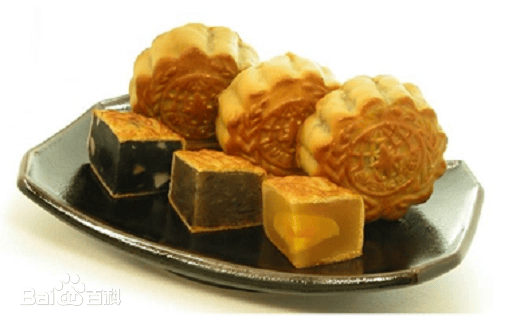
Mooncakes are not only enjoyed at home but are also exchanged as gifts among relatives, friends, and colleagues. Sharing a mooncake is a way of expressing affection and sending good wishes.
Families often cut a mooncake into small pieces so everyone can share it together—a simple gesture that reflects the festival’s spirit of togetherness.
The Beauty of Traditional Chinese Costumes
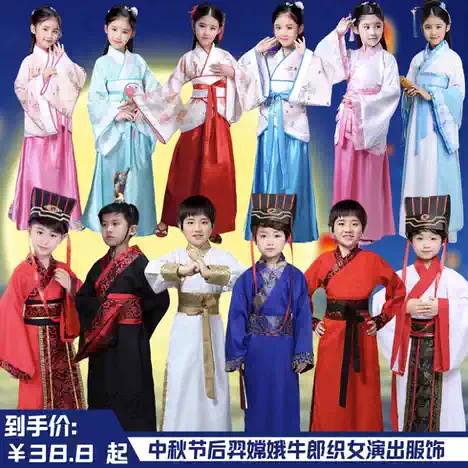
One of the most beautiful ways to experience Chinese culture is through its traditional clothing.
During cultural celebrations and festival events, people may wear Hanfu (汉服), traditional clothing associated with the Han Chinese and inspired by styles from different historical periods. Although most people today wear modern clothing in everyday life, Hanfu has become increasingly popular at cultural festivals, historical performances, and special photo events.
Hanfu is known for its graceful silhouettes, flowing sleeves, layered robes, and elegant fabrics. Depending on the historical style, an outfit may include a long robe, a wraparound skirt, a sash, or a decorative belt.
The colors are especially beautiful during the Mid-Autumn Festival. Soft ivory, pale blue, blush pink, and lavender can evoke the gentle beauty of moonlight. Deep red, emerald green, and gold create a more festive appearance. Embroidered flowers, clouds, or delicate patterns may add another layer of elegance.
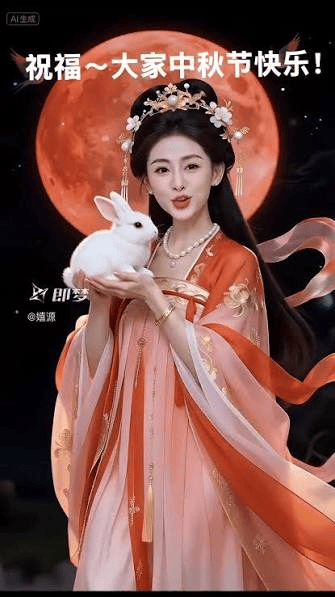
Women may wear long skirts with flowing outer robes, while men may choose long robes with wide sleeves and traditional belts. Hair ornaments, jade accessories, and delicate fans can complete the look.
Some people choose styles inspired by the Tang or Song dynasties, while others prefer Ming-style clothing. Each period has its own distinctive shapes and details, making traditional Chinese clothing a fascinating expression of history and artistry.
It is important to remember that Hanfu is not one single costume. Chinese clothing changed across centuries, and different styles belong to different historical periods. Modern festival outfits may also combine historical inspiration with contemporary design.
When people wear these garments beneath the autumn moon, the experience becomes more than dressing beautifully. It is a way of connecting with cultural heritage, appreciating traditional craftsmanship, and allowing history to come alive.
Lanterns, Moonlight, and Ancient Legends
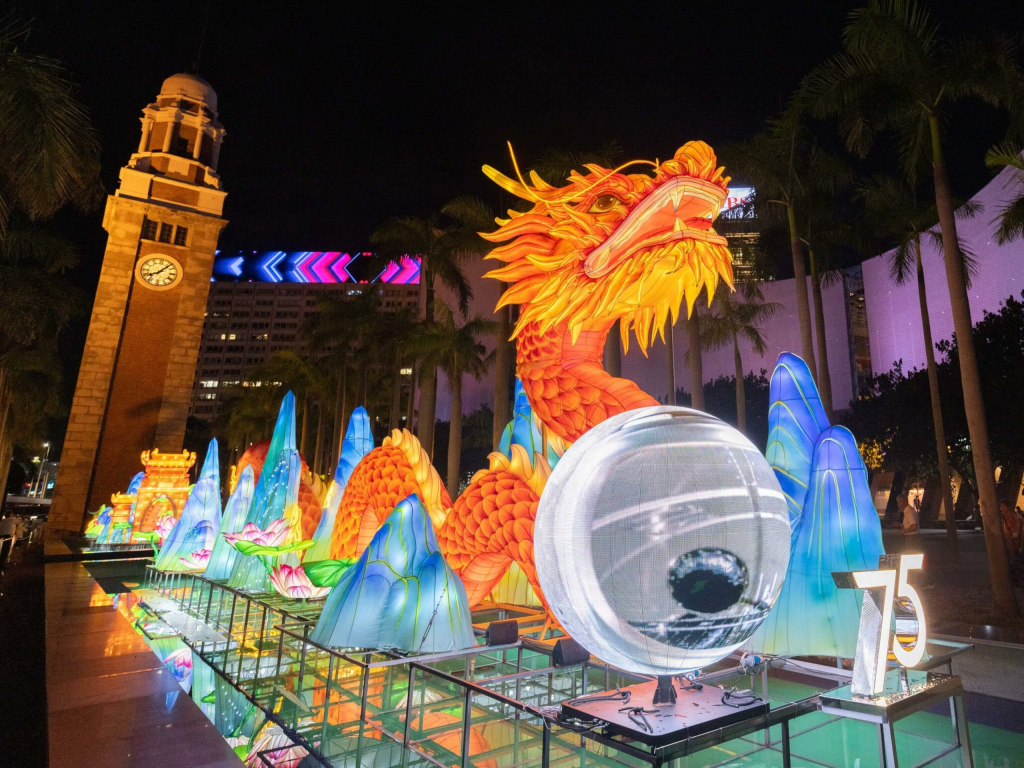
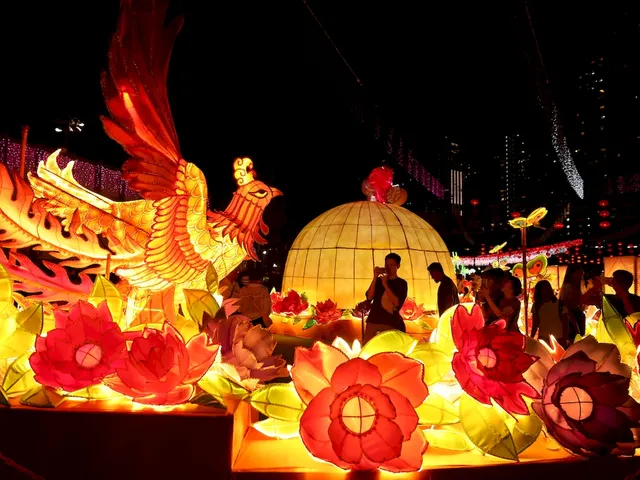
Another lovely tradition is carrying lanterns.
Children may walk with colorful lanterns shaped like rabbits, flowers, or animals. In some communities, lantern displays illuminate parks and streets, creating a magical atmosphere. Families may also enjoy solving lantern riddles together.
The rabbit lantern is especially meaningful because of the famous Chinese legend of Chang’e and the Moon.
According to one version of the story, Chang’e was the wife of the heroic archer Hou Yi. After taking an elixir of immortality, she ascended to the moon, where she became associated with the Moon Palace. Her companion is often depicted as the Jade Rabbit, who is said to prepare medicine for immortality.
The story has been told and retold for generations. Although versions differ, it has become one of the most recognizable legends associated with the festival.
On Mid-Autumn night, families may also place fruits, mooncakes, and other offerings on a table to appreciate the moon. These customs reflect older traditions of honoring the moon and expressing wishes for a good harvest and a happy life.
Today, some families continue these practices, while others simply enjoy moon-viewing together.
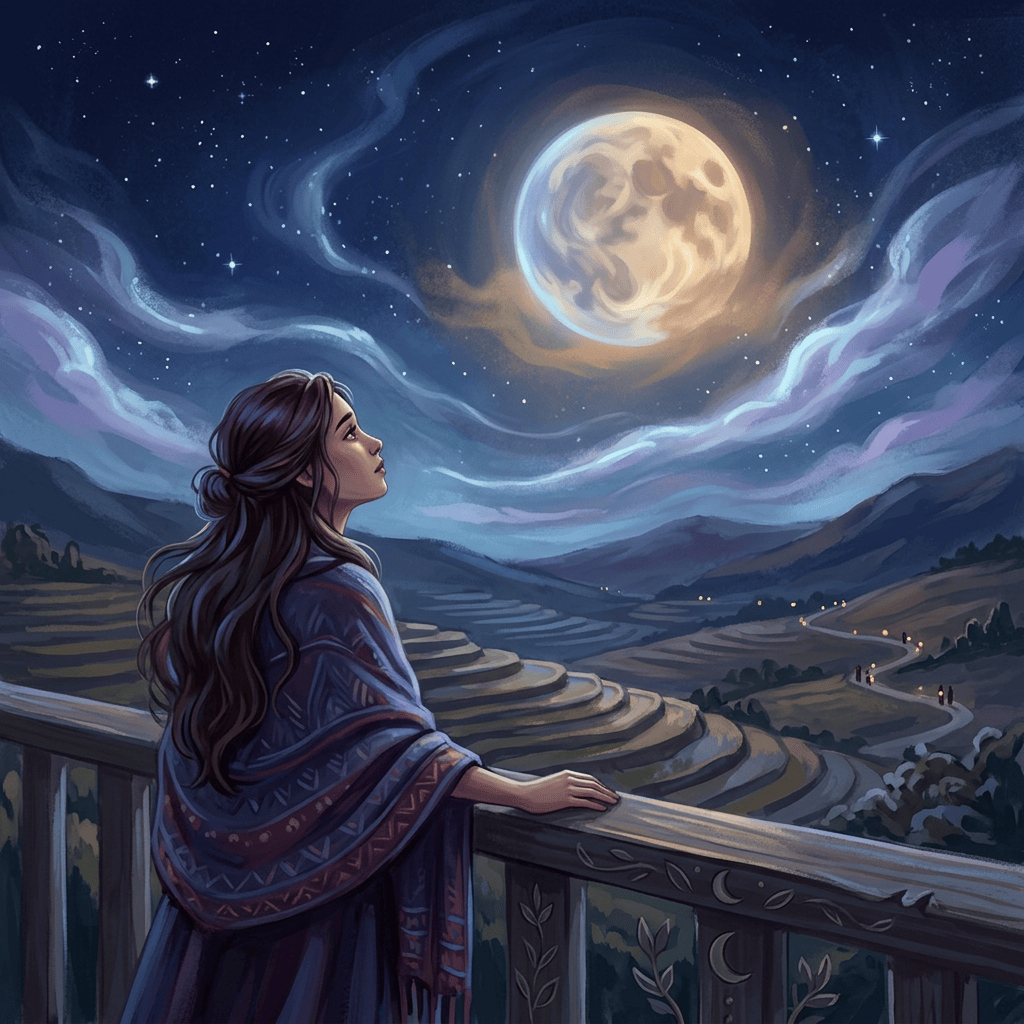
Perhaps the most touching part of the Mid-Autumn Festival is the simple act of looking at the moon.
The moon reminds people that even when we are separated by distance, we share the same sky. A parent working in another city, a child studying abroad, or a friend living across the ocean can all look up at the same moon.
This feeling has inspired Chinese poets for centuries. The moon often appears in poetry as a symbol of longing, friendship, love, and the passage of time.
The festival also arrives when the sweet fragrance of osmanthus flowers fills the autumn air in many parts of China. Their delicate scent, the cool evening breeze, and the bright moon create a peaceful atmosphere that is difficult to forget.
For those who cannot return home, the moon may bring a little sadness. Yet it also offers comfort: the people we love remain part of our lives, even when we cannot be physically together.
The Mid-Autumn Festival reminds us that happiness does not always come from grand celebrations or expensive gifts.
Sometimes, it is found in sharing a simple meal, offering a piece of mooncake, watching children carry lanterns, or sitting quietly beneath the moon with someone we love.
In a busy modern world, this ancient festival invites us to slow down and appreciate what truly matters: family, friendship, gratitude, and the beauty of nature.
Whether we celebrate in China or thousands of miles away, the full moon connects us through a shared tradition that has endured for generations.
May the bright autumn moon bring peace to every home, warmth to every heart, and reunion to all those who long to be together.
Happy Mid-Autumn Festival! 中秋节快乐!