
Longxing Temple, also known as the Great Buddha Temple, is one of China’s oldest, largest, and best-preserved Buddhist temples. This extraordinary complex is not only a sacred site but also a magnificent testament to the architectural genius and spiritual devotion of ancient China.
Located at No. 109 Zhongshan East Road in Zhengding County, Shijiazhuang, Hebei Province, Longxing Temple sprawls across an impressive 82,500 square meters.

Originally established in 586 CE during the Sui Dynasty under the name Longcang Temple, it was later renamed Longxing Temple during the Tang Dynasty. In 971 CE, Emperor Taizu of the Northern Song Dynasty issued an edict to cast an enormous bronze Thousand-Armed Avalokiteshvara Bodhisattva and build the splendid Hall of Great Compassion to house it.
This marked the beginning of large-scale expansion, culminating in a grand Song Dynasty architectural complex centered on the hall. Through the Jin, Yuan, and Ming Dynasties, the temple saw continued renovation and growth. In the Qing Dynasty, both Kangxi and Qianlong Emperors decreed extensive rebuilding, shaping the temple’s current layout:
- The eastern section served as monks’ quarters
- The central axis hosted Buddhist ceremonies
- The western area functioned as the imperial palace quarters
In 1710, Emperor Kangxi personally inscribed the name “Longxing Temple,” an honor that reflects its enduring importance.
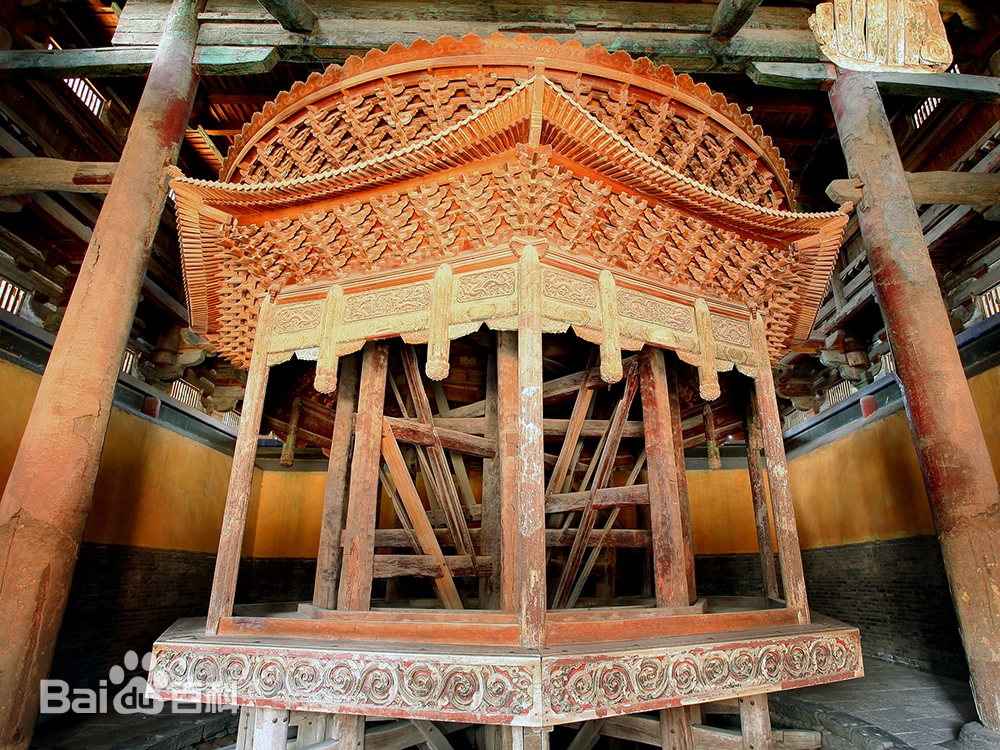
Today, visitors can trace a north–south axis that passes through a series of majestic structures: the Hall of Heavenly Kings, Mani Hall, the Ordination Altar, the Revolving Sutra Library, and more than a dozen other halls and pavilions. The complex is celebrated as a textbook example of ancient Chinese Buddhist temple design.
Recognized among China’s ten most famous temples, Longxing Temple was declared a Major National Historical and Cultural Site in 1961 and later designated a National AAAA Tourist Attraction.
Highlights Not to Miss
Hall of Heavenly Kings


First built in the Northern Song Dynasty, this is the oldest surviving structure of its kind within the temple. Even after a major renovation in 1780, its main timber frame remains original.
Above the entrance, plaques bearing the calligraphy of the Kangxi Emperor read:
“Imperially Established Longxing Temple”
“Hall of Heavenly Kings”
Inside stands the famous Big-Bellied Maitreya Buddha, a Jin Dynasty wood carving over 800 years old. Thoroughly localized in Chinese style, this smiling figure derives from the legendary monk Qici, known for his benevolence and laughter.
On either side stand the Four Great Heavenly Kings, each symbolizing auspicious natural forces:
- Wind (Southern King, with a sword)
- Harmony (Eastern King, with a lute)
- Rain (Northern King, with a precious umbrella)
- Compliance (Western King, with a coiled snake)
Together, they express the blessing of abundant harvests and national peace.
Mani Hall


Built in 1052, Mani Hall has an unusual cross-shaped floor plan created by four gabled annexes extending from its square central chamber.
Inside, five golden clay Buddha statues preside over the altar, with Shakyamuni Buddha at the center.
The hall’s north wall showcases a breathtaking polychrome relief nearly 16 meters long, depicting swirling clouds, celestial beings, and Avalokiteshvara stepping onto a lotus—symbolizing the entrance to the Western Pure Land.

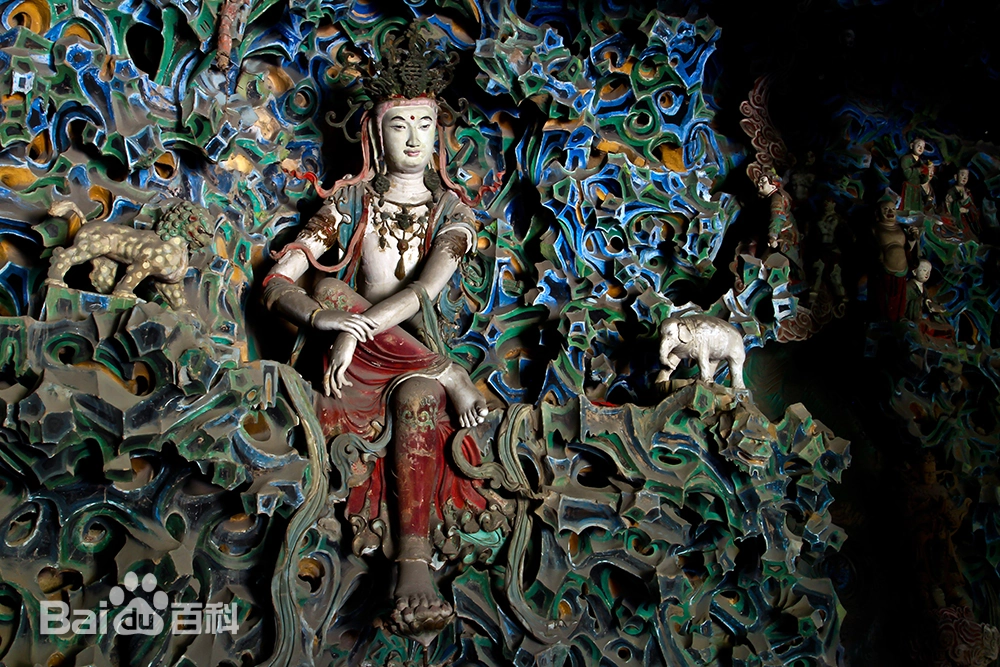

At the heart of this scene sits the Backward-Facing Avalokiteshvara, so named because she faces north instead of south. Far from a supernatural image, this Avalokiteshvara appears as a serene, youthful woman with an expression so vivid and gentle it moves all who gaze upon her.
Visitors often remark:
“How beautiful—how extraordinary! She sits so naturally, one leg casually crossed, her eyes meeting yours wherever you stand. Her smile is as enigmatic as the Mona Lisa—truly ‘The Most Beautiful Avalokiteshvara.’”
Ordination Altar

Reserved for the most important temples, the Ordination Altar was where monks received their vows.
Inside the altar stands a unique double-sided bronze Buddha statue. Facing south is Amitabha Buddha, and facing north is Medicine Buddha. The two figures share a single body, seated back to back in lotus posture.
The statues are depicted in full lotus position, wearing five-leaf crowns, with round, gentle faces. Their necks are adorned with necklaces and their arms with bangles, while flowing sashes drape gracefully from their shoulders. Amitabha’s hands form the meditation mudra, while Medicine Buddha’s hands display the gesture of compassion.

Their expressions are serene and tranquil, exuding a quiet dignity and solemn beauty in their elegant simplicity.
Longteng Garden

To the northeast lies Longteng Garden, a Ming and Qing–style garden combining cultural heritage and tranquil scenery.
Here you’ll find:
- Northern Dynasties stone statues
- A Jin Dynasty scripture pillar
- A Yuan Dynasty mural tomb
- The Ming Dynasty Longquan Well Pavilion
- The “Three Generations of Vice Ministers” stone archway
Meandering through its pavilions, terraces, and lush paths feels like stepping into a living scroll of history.



Cultural Traditions
Imperial Buddhist Ceremony Performance
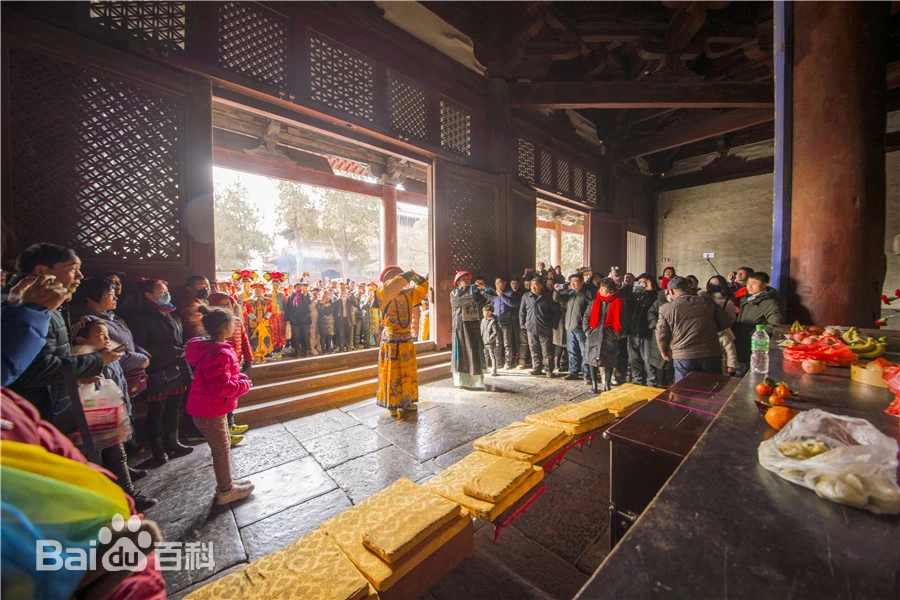
Zhengding’s Longxing Temple is an imperial temple that was visited and funded for repairs by emperors over many dynasties. According to The Chronicles of Longxing Temple, in the 49th year of Emperor Kangxi’s reign (1710 CE), the emperor ordered funds to be allocated from the national treasury to restore Longxing Temple. After the renovations were completed, Emperor Kangxi personally came to pay homage and bestowed 19 inscribed plaques, including one reading “Longxing Temple Constructed by Imperial Decree,” all handwritten by himself.
At the end of 2011, drawing on historical records, the Cultural Heritage Office re-created the Grand Imperial Buddhist Ceremony, reenacting the scene of Emperor Kangxi’s arrival at Longxing Temple, the local officials welcoming the imperial entourage, and the emperor bestowing plaques, offering incense, and performing rituals to honor the Buddha.

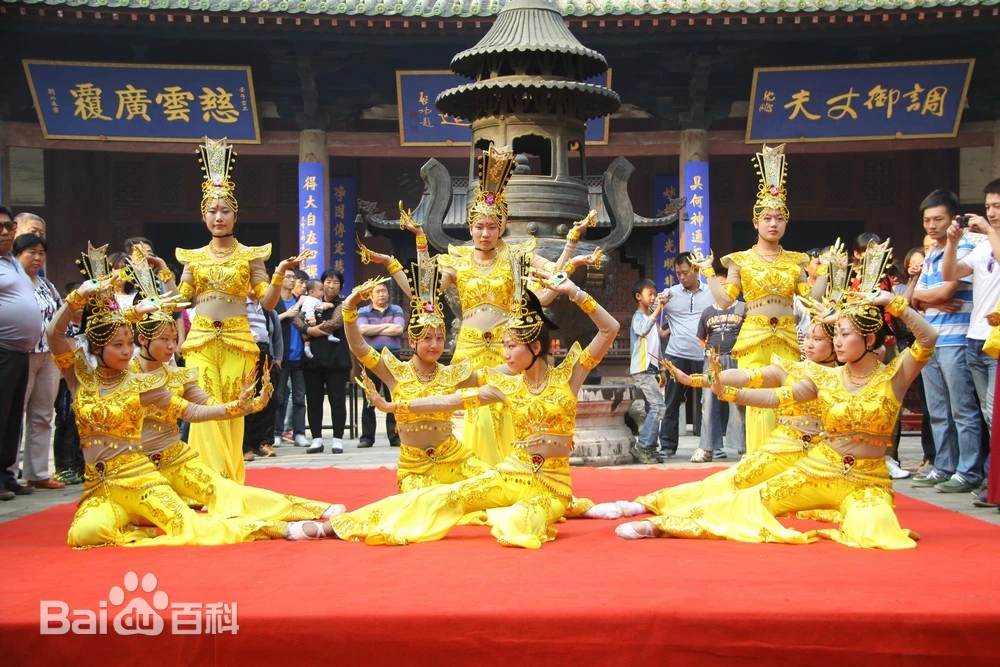
Thousand-Armed Avalokiteshvara Performance
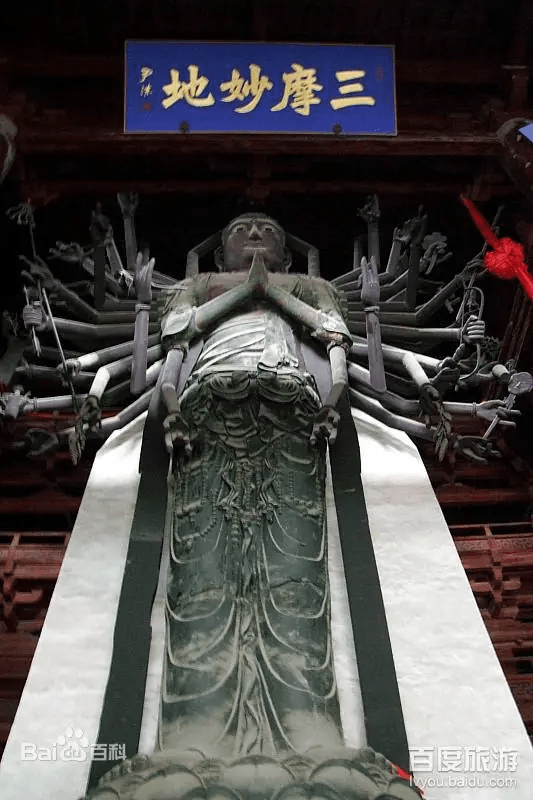
Inside the Great Compassion Pavilion of Zhengding’s Longxing Temple stands a bronze statue of the Thousand-Armed, Thousand-Eyed Avalokiteshvara, measuring 21.3 meters in height. Cast in the 4th year of the Kaibao era of the Northern Song Dynasty (971 CE), this towering bronze figure is remarkable both for its immense size and its exquisite craftsmanship.
It is the tallest and oldest ancient bronze Buddha statue of its kind in the world. It is not only a symbol of Longxing Temple but also an emblem of the ancient city of Zhengding.
The Thousand-Armed Avalokiteshvara Performance features graceful melodies and captivating dance that vividly convey the divine presence and compassion of the bodhisattva.

Longxing Temple is more than a historical monument—it is a living symbol of Chinese Buddhist art, architecture, and spirituality. Whether you come for quiet reflection, cultural discovery, or simply to stand before centuries of devotion, this magnificent temple will leave a lasting impression on your heart.
 Peace LiLy