Mount Jiuhua (‘Nine Glorious Mountains’) is an important Buddhist site and natural scenic spot. It is one of the four famous Buddhist mountains, one of the first batch of 5A level scenic spots and one of the first batch of natural and cultural heritage sites in China. Mount Jiuhua is dedicated to Ksitigarbha (Chinese Pinyin: Dizang), a bodhisattva and protector of beings in hell realms according to Mahayana Buddhist tradition. At Mount Jiuhua you will emerge in the breathtaking nature scenery and profound Buddhist culture.
Mount Jiuhua was originally known as Jiuzi (Nine-Peak) Mountain. A legend says that Li Bai, the celebrated poet in the Tang Dynasty wrote of the mountain: ”Sailing down the Jiujiang River the other day, I saw the Jiuhua Peaks in the distance. Looking like a heavenly river hanging in heaven, Its green water embroidering cotton rose hibiscuses.“ After that the name changed from Jiuzi to Jiuhua.
Mount Jiuhua has been a Buddhist Holy Land with over 1600 In 401 AD in Eastern Jin Dynasty, the monk “Beidu” from old India came to Mount Jiuhua to build temples and preach Buddhism. In 719 AD, Kim Qiaoque, a Silla (today’s South Korea) prince came to Jiuhua Mountain and cultivated himself for 75 years. He died at 99 years old and his corporeal body stayed intact. Because he was very similar in appearance to Ksitigarbha Bodhisattva, the monks here believed Ksitigarbha Bodhisattva was reincarnated in him. Hence, Mount Jiuhua became the place to hold rites for Ksitigarbha Bodhisattva.
99-meter Statue of Ksitigarbha Bodhisattva
Jiuhua Mountain is reputed as “the First Mountain in Southeast China” with magnificent peaks, murdering streams, bizarre rocks, beautiful waterfalls, seclude caves, etc. Here are some most popular attractions where you can have a better understanding of Buddhism or feast your eyes on the spectacular natural landscape.
The Incarnation Grand Hall (肉身宝殿)
With about 1300 years’ history, the Incarnation Grand Hall is the burying place for Ksitigarbha Bodhisattva – Kim Qiaojue. Hence, the Incarnation Hall is also called Ksitigarbha Pagoda. The hall is built on a high terrace with stone pillars, red wall, iron tile, white marble and “The First Mountain in Southeast China” (东南第一山) inscribed on the front door. In the Hall, travelers can view the seven-story wooden Ksitigarbha Pagoda with white marble base. Inside the pagoda, you can worship the Ksitigarbha Bodhisattva with over 100 statues which is magnificent and solemn.
Incarnation Grand Hall Enshrines Flesh Body of Ksitigarbha
Unlike other Buddhist temples, there is a Taoist guardian as a Dharma protector in Mount Jiuhua. Skanda Bodhisattva is the chief protector of Shakyamuni Buddha, because Ksitigarbha Bodhisattva made a great vow :”If the hell is not empty, I swear not to become a Buddha”, that inspired Skanda Bodhisattva to come to protect the Dharma. But now in this Incarnation Grand Hall the Dharma guardian is the Taoist Wang Lingguan. There is a legendary story to explain why.
In ancient times, there was a great scholar who visited Jiuhua Mountain. He heard that the body of Ksitigarbha Bodhisattva was enshrined there. Because he did not believe in Buddhism, he wanted to see if that was true, so he used a needle to pinch Ksitigarbha Bodhisattva’s corporeal body. As soon as the needle went down, the blood flowed out, he was extremely shocked, and hurriedly fled away…
When Skanda Bodhisattva saw someone disrespectful to Ksitigarbha Bodhisattva, he wanted to punish him. Ksitigarbha Bodhisattva did not allow it, and said “Everything has cause and effect, so don’t harm him.” However Skanda Bodhisattva still used his vajra pestle to punish that scholar.
Ksitigarbha King Bodhisattva couldn’t bear it, so he drove Skanda Bodhisattva out of Jiuhua Mountain. Then the Taoist Wang Lingguan was called in as a Dharma protector temporarily.
Statue of Wang Lingguan
Zhiyuan Temple (祗园禅寺)
Located at the entrance of Jiuhua Street, Zhiyuan Temple, first built in Ming Dynasty, is listed as one of the Four Buddhist Temples of Mount Jiuhua. This temple is composed of nine separate buildings – Linggong Palace, Maitreya Palace, the Great Buddha’s Hall, Bright Lecture Hall, etc. All the structures are exquisite. Inside the Great Buddha’s Hall, travelers can see the 12-meter-high Buddhas – Sakyamuni Buddha, Amitabha Buddha and Bhaisajyaguru Buddha, moreover, you can see Manjusri Bodhisattva, Samantabhadra Bodhisattva, the Eighteen Arhats’ sitting statues. In the Depository of Buddhist Sutras, there is the precious “Tripitaka” (Qianlong Version), the only tripitaka in Chinese engraved by the official in Qing Dynasty. Walking around the temple, you can view a huge bronze cooking pot which can be used as cook for 1000 monks. If time permits, you can get up early to Zhiyuan Temple to catch the beautiful and misty morning glow.
Zhiyuan Temple – the Largest Temple of Mount Jiuhua
Heavenly Terrace Scenic Area (Tiantai Scenic Area, 天台景区)
Heavenly Terrace Scenic Area is another must-be-visited area of Mount Jiuhua. Both natural and cultural sights can be appreciated in this scenic area. Tiantai Temple (alt: 1306m ), located in the Tiantai Peak (also translated as Heavenly Terrace Temple), is the highest temple of Mount Jiuhua. It is believed that Ksitigarbha Bodhisattva once accommodated in the temple. Besides, there are many other worth-visiting attractions scattered from the foot to the summit of Tiantai Peak, such as Ancient Lecture Temple, Huiju Temple and various kinds of Buddhist Nun Communities… Shiwang Peak, the highest peak of the whole mountain, is also located in Heavenly Terrace Scenic Area.
The best season is after the snow in winter, when the sky is blue and the light clouds surround the Tiantai Temple, like a flash of Buddha’s light.
Tiantai Temple on the top of Tiantai Peak
Hiking Road in Mount Jiuhua
Flower Terrace Scenic Area (Huatai Terrace Scenic Area, 花台景区)
Having typical features of granite terrain, Flower Terrace Scenic Area has the most magnificent and beautiful natural landscape and is regarded as the most beautiful place in Jiuhua Mountain. If you are a nature lover or shutterbug, don’t miss Flower Terrace Scenic Area. There is no temple in Flower Terrace, but it has peaks with different posture everywhere. Since the road is quite dangerous and it needs 5-6 hours to hike the mountain, taking caber way is a great choice to save your energy and time. Recommended sights of Flower Terrace Scenic Area are Tianzhu Peak, Luohan Peak, Ksitigarbha Well, ksitigarbha Boots, Manjusri Cave, etc.
Bizarre Rocks
Flower Terrace Scenic Area
Mt. Jiuhuashan owns the feature of subtropical monsoon climate and alpine climate. It is moist and rains a lot on the mountain with an average rainfall of 2400 mm and an average temperature of 13.4℃. The weather changes very distinctly at a high elevation – spring comes late, summer is short, autumn comes early and winter is long.
In spring season, it is cloudy and foggy and travelers who reach the top of the mountain can enjoy the spectacular sea of clouds. Moreover, it is windy in May which lasts for about 20 days. During April to June, travelers can enjoy azalea, peach, Chinese rose, camellia, peony, Chinese herbaceous peony, like beautiful painting unfolding before your eyes. Summer is the best time to escape heat from bustling city and enjoy the cool of Mount Jiuhua which has an average temperature of 23.8℃. The autumn season in Mount Jiuhua has about only two months at Jiuhua Street and only one month at Tiantai Peak. In the middle of September, the whole mountain is turning into golden and red which makes it the best time to appreciate colorful leaves and flowers. From the middle of November to late March is the winter season with 36 days snow-capped days which could be the crystal palace over the mountain. Each season has its own features and the most recommended seasons are from the middle March to Middle November.
Mount Wutai or Wutaishan is one of the five Buddhist holy lands in the world and the four famous Buddhist Mountains in China. For super charming view and rich culture of Buddhism, Mount Wutai was listed as the World Heritage Site in 2009 and becomes the National AAAAA Tourist Attraction. With an altitude of 3061.1 m, Mount Wutai is called the “ridge of Shanxi”.
Mount Wutai is located in the northeast of Wutai County in Shanxi Province. Since the mountain has five terraces or said peaks, so it got the name of Wutai Shan, literally meaning Five Terraces Mountain. Visitors can admire this world only Bodhimanda of both Chinese and Tibetan Buddhism to feel the rich harmoniously mixed religious atmosphere. Moreover, the amazingly gorgeous scenery in Mount Wutai will completely satisfied the tourists.
As host to over 53 sacred monasteries, Mount Wutai is home to many of China’s most important monasteries and temples. Mount Wutai is one of the Four Sacred Mountains in Chinese Buddhism. Each of the mountains is viewed as the bodhimaṇḍa of one of the four great bodhisattvas. Wǔtái is the home of the Bodhisattva of wisdom, Mañjuśrī. Manjushri has been associated with Mount Wutai since ancient times.
Wutai was the first of the mountains to be identified and is often referred to as “first among the four great mountains”. Therefore, it is also known as “Golden WuTai “. It was identified on the basis of a passage in the Avataṃsaka Sūtra, which describes the abodes of many bodhisattvas. In this chapter, Manjushri is said to reside on a “clear cold mountain” in the northeast. This served as charter for the mountain’s identity and the inspiration for its nickname “Clear Cool Mountain”. Its annual average temperature is around -4℃ with high-moisture air.
The bodhisattva is believed to frequently appear on the mountain, taking the form of ordinary pilgrims, monks, or most often unusual five-colored clouds. It is recorded that Zen Buddhist Master Xu Yun encountered Manjushri Bodhisattvas near Mount Wutai. Master Xu Yun, one of the most influential Buddhist Masters of the late 19th and 20th centuries, embarked on a long spiritual journey to Mount Wutai. He is said to have bowed every three steps of the voyage. In total, it took him three years to reach the mountain, the distance was about three thousand kilometer. He encountered several disasters on his path, one time he drowned to death, and was saved by the Manjushri Boddhisttv, who disguised himself as a beggar. The Boddhisttva empowered him with the great Buddha Dharma.
Mount Wutai is home to some of the oldest wooden buildings in China that have survived since the era of the Tang Dynasty (618–907). This includes the main hall of Nanchan Temple and the East Hall of Foguang Temple, built in 782 and 857, respectively. They were discovered in 1937 and 1938 by a team of architectural historians including the prominent early 20th-century historian Liang Sicheng. The architectural designs of these buildings have since been studied by leading sinologists and experts in traditional Chinese architecture, such as Nancy Steinhardt. Steinhardt classified these buildings according to the hall types featured in the Yingzao Fashi Chinese building manual written in the 12th century.
Great White Pagoda
Situated in Tayuan Temple, the iconic building of Mount Wutai is the Great White Pagoda, with a height of 56.4 meters and a pure white body. It was first built in 1301 AD. There are more than 200 copper bells hanging on the top of the tower, and the sound is crisp when the wind blows. Inside the Great White Pagoda, there are many Buddha statues, and the most sacred thing is the carving footprint of Sakyamuni Buddha. Many monks and ordinary people come to bow in worship of them. There is a small white pagoda to the east of the white pagoda. According to legend, this pagoda contains the blond hair left by Manjushri Bodhisattva when he appeared, so it is also called the Manjusri hair tower. The Book Collection Pavilion is located on the north side of the Great White Pagoda.
Great White Pagoda
XianTong Temple
Xiantong Temple is the largest and oldest temple in Mount Wutai. It is also the earliest temple in China along with White Horse Temple in Luoyang. The temple is located in the central area of Mount Wutai. The Mahavira Hall of Xiantong Temple is the main place for Buddhist activities. The statues of Sakyamuni, Amitabha and Medicine Buddha are enshrined in the hall. The Infinite Hall is a brick structure, and there is a bronze-cast Pilu Buddha enshrined in the hall. There are no beams in the hall, and the shape is very unique and has high artistic value. The Bronze Hall is a bronze building with tens of thousands of small Buddha statues, which are rare copper cultural relics. In the bell tower in front of Xiantong Temple, there is the largest bronze bell on Mount Wutai, the Changming Bell. The surface of the bell is engraved with a Buddhist scripture in regular script with more than 10,000 characters.
Bronze Hall
Infinite Hall
Bodhisattva Peak Monastery
Bodhisattva Peak Monastery is the largest and most complete Tibetan Buddhist monastery in Mount Wutai. It is the main site of the Gelug Sect Religion Dharma Festival from the fourth to the fifteenth day of the sixth lunar month every year. During this time, you can see the grand occasion of the “suppressing demons” by the lamas. . There are Tianwang Hall, Sakyamuni Hall, and Bodhisattva Hall in the temple. Because the emperors of all dynasties have climbed the top of the Bodhisattva Peak, there are many steles and plaques inscribed by the kings in the temple. In the passage hall and the backyard of the east courtyard, there are two white marble steles with four prisms. The four sides of the stele are engraved with inscriptions written in four languages: Chinese, Mongolian, Manchu and Tibetan, all of which were handwritten by Emperor Kangxi of the Qing Dynasty.
From a legend, a son of Emperor Kangxi became a monk in Bodhisattva Peak Monastery and the emperor specially permitted the design with glazed tiles. All the buildings are designed with three colored glazed tiles.
East Terrace with 2795 m above the sea looks like a standing elephant in a distance. And this peak is the best place for viewing the sunrise and sea clouds. The best time for this extraordinary scenic observation is summer. On a warm sunny morning, the eastern sky appears like a sea, and at the end of the cloud sea, the flaming red rising sun spurts out and lights the sky into orange. That is really vigorous and beautiful!
Last weekend I visit my friends in Los Angeles. For lunch, we decided to go to a vegetarian buffet, the aptly named Sweet Veggie. It wasn’t fancy, but it was very clean and neat, with a warm and soft feeling. The food was absolutely delicious. I’d never seen so many vegetarian dishes! Turns out, the owner had a garden growing all the vegetables served in the restaurant. The best food comes from the freshest ingredients, after all.
Besides the welcoming mood and quality food, this charming little place had one more thing up its sleeves – or rather, on its tables. Under each glass table cover, there is a short story in both Chinese and English. They are all quite touching, and I think they are worth sharing.
If you read the front page story of the San Francisco Chronicle on Thursday, Dec 15, 2005, you would have read about a female humpback whale who had become entangled in a spider web of crab traps and lines.
The fifty-foot whale was weighted down by hundreds of pounds of traps that caused her to struggle to stay afloat. She also had hundreds of yards of line rope wrapped around her tail, her torso and a line tugging in her mouth.
A fisherman spotted her just east of the Farallone Islands (outside the Golden Gate) and radioed an environmental group for help. Within a few hours, the rescue team arrived and determined that she was so bad off, the only way to save her was to dive in and untangle her – a very dangerous proposition. One slap of the tail could kill a rescuer.
They worked for hours with curved knifes and eventually freed her. When she was free, the divers say she swam in what seemed like joyous circles. she then came back to each every diver, one at a time and nudged them, pushed them gently around – she thanked them. Some said it was the most incredibly beautiful experience of their lives. The guy who cut the rope out of her mouth says that her eye following him the whole time, and he will never be, and he will never be the same.
May you, and all those you love, be so blessed and fortunate and be surrounded by people who will help you get untangled from the things that are binding you. And, may you always know the joy of giving and receiving gratitude.
Once there were two brothers working and living together on their farm. The oldest one of them was married with a large family and the younger one was single. At the end of every day, the two brothers share everything equally, produce and profit and anything they get from the farm.
Then one day the younger brother said to himself, “it’s not fair that we should share equally the produce and the profit. I’m alone and my needs are simple.” So, each night he took a sack of grain from his bin and crept across the field between their houses, dumping it into his brother’s bin.
Meanwhile, the married brother said to himself, “it’s not fair that we should share the produce and the profit equally. After all, I’m married, and I have my wife and my children to look after me for years to come. And my brother has no one, and no one to take care of his future.” So each night he took a sack of grain and dumped into his single brother’s bin.
This continued for years and both of them were puzzled in light of the fact that their supply of grain never dwindled. Then at one very dark night the two brothers bumped into each other. Gradually it occurred to them what was going on. They dropped their sacks and hugged each other.
(Translated from the Chinese transcript issued by the Holy Miracles Temple on April 15, 2022)
H.E. Denma Tsemang
During the last few days, Buddhist disciples who have come to Holy Miracles Temple from all over the world, to attend the prayer Dharma assemblies at the Holy Miracles Temple, have gradually returned to their respective countries. Venerable Tsemang has met with some Buddhist disciples several times at their requests to address some of their concerns. Below is the summary of what Venerable Tsemang talked about during those meetings with some masters. Venerable Tsemang has reviewed the transcript and given the permission to release it to the public.
Today, I have made time to meet with all of you. Previously, throughout the duration of the prayer Dharma assemblies, some people wanted to talk to me about certain matters, but I declined most of their requests for a few reasons: Firstly, I am a living being filled with tremendous humility. Even though I have continually been learning, my cultivation is very poor, and I have no actualized realization power. I am unable to resolve many of your problems.
Secondly, I do not know most of you. In the past few years, most of the time when the Buddha Master was only giving audiences to Buddhist disciples, but not imparting Dharma, I was not present. They all know this. That was because I did not want to get to know people. I also have plenty of work to tend to. Therefore, I don’t know most people who attended the prayer Dharma assemblies at the Holy Miracles Temple this time.
Thirdly, I do not have enough time. I want to spend most of my time on the organization and translation of the audio recorded Dharmas imparted by His Holiness Dorje Chang Buddha III. This is a task that no one else can do on my behalf.
Another reason, frankly speaking, is that I am afraid that once you step outside the door, you will incorrectly relay to others what I have said, or even completely distort the meaning of what I said. That will cause problems. Just like some time ago when I openly spoke at the Holy Miracles Temple, once my words were disseminated by others on the Internet, the meaning was no longer the same. Most of the things they said were not what I meant. Some people even said things that were contrary to what I said.
That’s why you can see that I have brought an audio recorder today to record my own words. Why? If in the future you relay my meaning incorrectly, at least I will have evidence. At the same time, in the future, when I listen to it again, if I find anything that I said incorrectly, I will be able to tell you what was incorrect and make it right. This is because in any discussion involving knowledge and views about Buddha Dharma, we must be extremely serious and cautious, and cannot be in any way sloppy or careless.
I do know some of you who are here today, but I have not met most of you. I think perhaps I will first address some of your concerns by sharing some of my personal points of views for your reference. These are questions that many of you have asked. After I finish talking, if you have further questions, we can discuss them then. I would like to emphasize that I am a living being filled with humility. It was out of compassion that the Buddha allowed me to stay by His side and therefore I probably have had more opportunities than others in listening to teachings of the Buddha. I perhaps started learning from the Buddha a few years earlier than some other people.
That said, I cannot say that it means my points of views are correct. I am definitely not giving a Dharma discourse here. I have already said so many times on different occasions: I am not qualified to give a discourse on Dharma. What I am about to say is simply my thoughts and opinions, based on some personal experiences in learning from the Buddha and cultivating myself. They are for your reference only. If you think what I said has deviated from the teachings of the Buddha, you are welcome to point out what I have said incorrectly, so that I can make amends.
The first aspect is about a question that many of you, who are masters, have asked: what you should do when you return to where you came from. If I am to answer this question fully and in intricate detail, it is essentially about how we may attain accomplishment and liberation within this lifetime. If I am to talk about this briefly, it can also be very simple. It is simply about abiding by the precepts, cultivating ourselves, and practicing Dharma. I believe neither option of responding is what you want. Therefore, I have listed a few actual things that I will briefly talk about one by one.
1. Continue to chant Sutras, pray and beseech His Holiness the Buddha and Fomu, Holy Mother the Great Mahasattva, to return to the human world to save us living beings.
Why did the Buddha and Fomu, Holy Mother the Great Mahasattva, enter parinirvana? The fundamental reason is the dark karma of us living beings! That’s why every one of us must repent at any time, and not just pay lip service, but sincerely repent of all the sinful karma that we have committed during this lifetime and at this moment. Many people, when they repent, only habitually chant verses such as “I repent all dark karma stemming from greed, aversion and ignorance since beginningless time.” This kind of fake repentance is simply attributing our sins to what has happened in our past lives.
My point of view on this issue is exactly the opposite. It is precisely due to the positive karmic conditions we have accumulated since beginningless time that we have had the good fortune in this lifetime to follow and learn from His Holiness Dorje Chang Buddha III to cultivate ourselves. It is also precisely since we have not cultivated ourselves well during this lifetime up to now, that we still haven’t attained accomplishment and liberation. Therefore, to genuinely repent is to correct all our bad habits in this lifetime that do not accord with the teachings and admonition of the Buddha and enable ourselves to become a genuine cultivator.
The conditions of birth and death do not apply to a Buddha. When we, living beings, have good retribution, the Buddha appears in this world. When living beings no longer have such good fortune, the Buddha enters parinirvana. In the past, Ancient Buddhas did that, Namo Shakyamuni Buddha did that, and now His Holiness Dorje Chang Buddha III has also done the same.
I will tell you about an incident that I personally experienced. In January, 1996, I accompanied His Holiness Dorje Chang Buddha III and Fomu, Holy Mother the Great Mahasattva, to Shenzhen. Fellow Brother Li Dehe was the general manager of Luohu Hotel at the time. He set up a temporary mandala on the top floor of the hotel, the 16th floor, for the Buddha Master to impart Dharma and grant audiences to disciples. One day at noon, it was time to respectfully ask the Buddha Master and Fomu to have lunch. However, we could not find the Buddha Master anywhere. I went to the 16th floor mandala to look for the Buddha Master, but no one was there, it was empty. After a while, a fellow sister also went to the mandala to look for the Buddha Master, but nobody was there.
Shortly afterwards, fellow sister Liu Ge went to the mandala again and there was still nobody there. She did not leave the mandala immediately and was looking at her own reflection in the big mirror right next to the door, with her back toward the window. The glass window was sealed and could be seen from the reflection of the mirror. Suddenly, she saw from the mirror that a foot appeared through the window, then the Buddha Master stepped into the room from the sky through the window. Fellow sister Liu Ge was so startled that she screamed out loud. We ran over there immediately and found the Buddha Master seated at the mandala. Fellow sister Liu Ge then told us what had happened and everything she saw. The reason why I’m telling you this incident, putting it in mundane terms, is to say that the kind of holy power that the Buddha and Fomu, Holy Mother the Great Mahasattva, possess is not something we can comprehend at all. The only thing for us to do is to repent with utmost sincerity and invoke the Buddha and Fomu to return to this world and continue to teach us and save us.
2. Buddhist disciples should be compassionate, supportive, and helpful to each other. In particular, masters must guide your groups well, develop new people, and do not solicit people from other groups to join your group.
Buddha Master said this many times. Among us, Buddhist disciples are not supportive of each other and are far inferior to Christians in this aspect. Some people who have been learning from Buddha for a relatively longer time, or some people who wear rinpoche or acharya attires tend to always criticize others in a condescending manner. The root cause of such behavior is not having compassion. I hope that after you return to your own country, you will guide your group to treat each other as family, to help and support each other when facing adversities. When one person has difficulties, everyone should help this person and resolve the problem together. If you cannot even do this, yet you still claim to be cultivating yourself, and you still want to attain liberation, it will be simply impossible.
Do not form cliques or factions. This is something that Buddha Master greatly opposed. We are Buddhist disciples, we are cultivators. As Buddhist cultivators, we should be broad-minded, rather than furthering our narrow- mindedness while cultivating ourselves. As long as living beings are able to listen to the audio recorded Dharmas imparted by His Holiness Dorje Chang Buddha III, and are cultivating themselves, we should be happy for them regardless of where they listen to the audio recorded Dharmas and which group they join. Buddhist disciples are not anyone’s personal property.
3. We must earnestly and respectfully listen to the audio recorded Dharma Discourses imparted by His Holiness Dorje Chang Buddha III, because they are the source from which we obtain correct knowledge and views. I can even say that in this Dharma Degeneration Age, any Buddhist disciple wanting to attain accomplishment and liberation must listen to the audio recorded Dharmas imparted by His Holiness the Buddha. Whether you are a rinpoche, an acharya, or a master of Dharma listening sessions, your duty is to guide others to listen to the Discourses upon your own foundation of listening to audio recorded Dharma Discourses. This is most important. When you have done this well, your merit will grow.
In many audio recorded Dharma Discourses, His Holiness Dorje Chang Buddha III teaches us how to listen to Dharma in order to attain beneficial effects. Personally, I want to bring everyone’s attention to the following points: First, do not selectively listen to Dharma Discourses based on your personal preferences. We must listen to all the Dharma Discourses comprehensively. Second, when we have questions, we should seek answers to our questions in the Dharma Discourses. The purpose of listening to Dharma Discourses is to obtain correct knowledge and views to guide our cultivation, to resolve the issues we encounter in our daily lives, in our work, and in our cultivation. If someone says that they have not encountered any problems in their cultivation, they would be a Great Bodhisattva, I would congratulate them and learn from them. If that’s not the case, then their issue is so serious that they aren’t even aware of their own problems. Think about this: if they don’t have any problems, why would they still be an ordinary living being? Why are they still being transmigrated in samsara? This explains why these people have very serious problems, and they should make a sincere effort to listen to the audio recorded Dharmas imparted by the Buddha with great respect. You might think that listening to all the Dharma Discourses in a comprehensive manner is contradictory to trying to find answers from Dharma Discourses. They are, in fact, one and the same. If you try to do so conscientiously, you will realize it for yourselves.
4. Cultivating ourselves in a solid and practical manner is the foundation for attaining accomplishment and liberation. In my personal opinion, the most important reason His Holiness Dorje Chang Buddha III came to this world is to correct the many errors made by patriarchs, and to emphasize that cultivation is the foundation for attaining liberation. That’s why Buddha Master always admonishes us that we must cultivate ourselves. Buddha Master imparted many Dharmas on what we need to pay attention to when we cultivate ourselves. You can listen to the audio recorded Dharma Discourses and practice accordingly. What I must emphasize today is: As a Buddhist disciple, regardless of what title you have, whether you are a Dharma master, a rinpoche, an acharya, or a master of Dharma listening sessions, you must never make money through Buddhist disciples. In other words, if you sell products, conduct businesses through Buddhist disciples from your group or other groups, or make pretense that such practices are for everyone to build good fortune and wealth together, then you have already deviated from the correct path of learning from Buddha and cultivating yourself.
If you involve yourself in scams, such as fraudulent multi-level marketing schemes, the so-called “national asset projects !,” or any kind of illegal businesses explicitly forbidden by the government, then you are defrauding people and what you are doing is criminal.
This is extremely important! Buddha Master and Fomu, Holy Mother the Great Mahasattva, have always helped disciples, but have never conducted any businesses to make money through Buddhist disciples. Regardless of who, if anyone coerces Buddhist disciples to buy products or engage in multi-level marketing, Buddhist disciples should sever relations with them.
Some people might not be swindling others for money directly. They might build their fame in a dishonest manner and gather many followers first, before starting to deceive people to obtain money. For example, some people claim that in their dream, Buddha Master gave them holy amrita, and therefore, they can cure diseases very effectively. Some people claim that the Buddha and Fomu, Holy Mother the Great Mahasattva, have empowered them, and that’s why they can enter dhyāna while listening to audio recorded Dharma Discourses. Some even claim they can live without eating or drinking for months, and so on and so forth. Those people are all liars!
Announcements from the World Buddhism Association Headquarters have made it very clear: Only by using the 18 Dharmas that were publicly announced can the level of a person’s actualized realization power be determined. If you claim that you have actualized realization power, then contact the World Buddhism Association Headquarters and register to take the exam. The result will be publicly announced.
After you return to where you came from, not only must you make sure that you don’t deceive others, you must also prevent other Buddhist disciples from being cheated. If you know anyone who has deviated from the teachings of the Buddha and is defrauding others, you must report them to the Headquarters immediately. If there is a criminal conduct, you should report the culprits to the police directly, so that these perpetrators will be brought to justice. In the entire field of Buddhism in the world, only Namo His Holiness Dorje Chang Buddha III and the World Buddhism Association Headquarters have publicly denounced their Buddhist disciples, some of whom are masters, for conduct that does not accord with Dharma. Why? By following the teachings and precepts imparted by His Holiness Dorje Chang Buddha III and Namo Shakyamuni Buddha, the Headquarters handles matters in a fair and unbiased manner in accordance with Dharma.
5. All Buddhist disciples must obey the laws and regulations of their respective countries and regions. This is also critically important. As Buddhist disciples, our goal is to attain liberation, to save ourselves in order to save others. We do not get involved with politics. That said, regardless of which country you’re in, Buddhist disciples must obey the laws and regulations of their respective countries and regions. Different countries have different conditions, so naturally, there are different laws and stipulations. It is essential for a government to maintain order. Some time ago, a rinpoche told me that China currently does not allow people to learn Buddha Dharma imparted by Namo Dorje Chang Buddha III. I told this person that there is no such thing, based on four points:
1) The country’s constitution stipulates that its citizens have freedom of religion. There is no law or regulation forbidding people to learn Buddhism!
Therefore, we can openly learn from Buddha. We are upstanding Buddhist disciples, what do we need to be afraid of?
2) Buddhism was established by Namo Shakyamuni Buddha in India. Buddhism is a foreign religion in China. However, after more than 2000 years of being propagated in China, Buddhism has been integrated into and has become a part of the traditional Chinese culture. It is in Chinese language that Namo Dorje Chang Buddha III propagates the most authentic, profound, and incisive teachings of Buddhism, Buddha studies, and Buddha Dharma to the world. When Buddhist disciples around the world study Sutras and the audio recorded Dharmas imparted by Namo Dorje Chang Buddha III, not only can they learn the absolutely correct Buddhist teachings, they can also learn about and assimilate the essence of traditional Chinese and Han culture. This is a significant driving force in the promotion of Chinese and Han culture. What’s wrong with that?
3) Namo Dorje Chang Buddha III always teaches Buddhist disciples, through His Sutras and audio recorded Dharma Discourses, not to do anything evil, and do all kinds of good deeds, as well as to love, protect and help each other, to obey the law, respect the elderly, care for the young, care for each other, contribute to our country, and promote world peace. A true Buddhist disciple is therefore a good member of their family, an active member of society, and a good citizen of their country.
4) People who have fears in their mind can be categorized into two types: The first type subconsciously believes that learning from the Buddha is wrong and not permitted. If you think that way, why continue to learn from the Buddha? This type of people still wants to attain accomplishment through learning from the Buddha. Isn’t that ridiculous? The second type uses learning from Buddha as a tool to conduct business. Some even engage in illegal businesses, such as cryptocurrency and multi-level marketing forbidden by some governments. Some of them even defraud groups of people, and so on and so forth. These kinds of acts that promote chaos and disturb society are inherently illegal and should be forbidden.
If you are learning from the Buddha and not doing anything illegal, why would you be afraid?
6. Another one of your concerns is about how we can learn Dharma. Actually, the answer to this question is very simple. Once you have cultivated yourself well, the natural progression is for you to receive Buddha Dharma. If your conduct does not accord with Dharma, even if a Dharma had been transmitted to you, it would be futile. Namo Dorje Chang Buddha III told me about a person who repeatedly beseeched the Buddha to transmit Dharma to her. The Buddha was very compassionate and did transmit Dharma to her. After a while, she came to the Buddha and said that she was having a hard time making a living and needed to make some money before resuming her Dharma practice. Do you think the Dharma is of any use to her? Will the Yidam and Dharma Protectors still be there for her? In the face of true Buddha Dharma, we choose Dharma over our own lives, let alone a Dharma being transmitted personally by His Holiness Dorje Chang Buddha III. That’s why, this person has basically ruined that Dharma.
As you can see, cultivating ourselves and having correct knowledge and views are very important. They are the foundation of our Dharma practice. Once our foundation is well built, Buddhas and Bodhisattvas will know. The natural progression is that Dharma Kings and Great Holy Gurus will transmit Buddha Dharma to you. Also, I recommend that you directly study and practice the Supreme and Unsurpassable Mahamudra of Liberation. The Supreme and Unsurpassable Mahamudra of Liberation that combines cultivation practice with Dharma practice. It is the best way to practice. It would be best to have a Master transmit it to you, but if you don’t have a Master, you can also study and practice it yourself. You do not need anyone to transmit it to you. Anyone who steadfastly practices it in accordance with Dharma will attain accomplishment. His Holiness Dorje Chang Buddha III said so a long time ago.
7. Many people also asked about protecting Dharma. In fact, learning, protecting, and propagating Dharma are a trinity. We must first learn Buddha Dharma, and in the process of learning, we protect and support Buddha Dharma. Eventually, when we receive beneficial effects, we must propagate Dharma for more people to learn It. The Dharma Learning from Buddha imparted by His Holiness Dorje Chang Buddha III has been published into a book, as well as audio recorded Dharma Discourse CD’s, in which His Holiness the Buddha has spoken a great deal about protecting Dharma. Protecting Dharma is an integral part of our cultivation as Buddhist disciples. If a Buddhist disciple does not protect Dharma, they are no longer a Buddhist disciple!
About protecting Dharma, many people are easily confused about one thing: Protecting Dharma means protecting the Buddha and protecting Buddha Dharma, not protecting their own interest. They are completely different concepts. It means when the name of the Buddha is tarnished, or when Buddha Dharma is damaged, we come forward without any hesitation to refute evil demons. However, when our own reputation and interest are compromised, we must practice forbearance. This is the most important principle in our cultivation and in protecting Dharma. Yet these days, some people are doing exactly the opposite.
In today’s world, only the Buddha Dharma imparted by Namo Dorje Chang Buddha III can enable living beings to attain liberation. Sutras by Namo Shakyamuni Buddha have been tampered with by the descendants of the Demon King Mara. There are also translation errors. Some people also find it hard to understand ancient language. As a result, it becomes extremely difficult for average people to attain accomplishment through studying the Sutras of Namo Shakyamuni Buddha. Therefore, after you return home, you need to learn and promote the audio recorded Dharma Discourses and Sutras of Namo Dorje Chang Buddha III!
The second aspect is about an incident mentioned in the recent announcement issued by the World Buddhism Association Headquarters. It was originally a very simple matter. However, many people with incorrect knowledge and views have turned it into a very complicated matter.
About this matter, I must be the first to repent. I feel that it is due to my lacking virtue and abilities that such a situation had happened. Under whatever circumstances, having an altercation in the Grand Hall of Shakyamuni Buddha was an extremely evil and sinful behavior. The Holy Miracles Temple is the one and only temple in the world where Buddha once bestowed holy amrita, and where the Grand Hall of Shakyamuni Buddha is an Inner Tantric Mandala. Most importantly, His Holiness Dorje Chang Buddha III and Fomu, Holy Mother the Great Mahasattva, were still inside the Grand Hall when the altercation happened. Having an altercation and hitting people inside the Grand Hall is extremely disrespectful to His Holiness the Buddha and Fomu. That was terrible! I feel very sad. As a disciple, I was truly ashamed in front of the Buddha and Fomu!
Of course, what was being described in the Headquarters’ announcement was factual, and the Headquarters’ decision was indeed correct. Everyone should know that the Holy Gurus at the Headquarters would not err on causality, otherwise they would not have passed the holy exam nor become Holy Gurus! Therefore, if someone doubts the Holy Gurus at the Headquarters and choose rather to believe an ordinary person, I can only say that this kind of person is extremely ignorant. Perhaps they are by nature evil people with deliberate intentions to undermine Buddha Dharma! Think about this: If you don’t even understand such a simple question and such a basic concept, and you claim to be learning from Buddha to cultivate yourself, haven’t you learned all that in vain? Isn’t your learning from Buddha and cultivating yourself just a lie? Therefore, this incident reflects that some people’s knowledge and views are problematic, and I feel that I must talk about it briefly.
First, from this incident, we can see the difference between a real and an ingenuine cultivator. At the very least, as a person involved in the incident, regardless of whether you consider the Headquarters’ announcement factual, the first step you should take is to practice forbearance. This is the very least a cultivator should do. If you practice forbearance, then even if you have done wrong, you have now done the right thing. Because even though you have already done wrong, you are now practicing forbearance and cultivating yourself according to the teachings of the Buddha. If you do not practice forbearance, yet for the sake of saving face and preserving self-interests, and driven by your temper, you vent your grievances and want to deny your wrongdoing, then even if you did not participate in the altercation or hit people, you are now in the wrong, because you have deviated from practicing cultivation.
Not to mention you did indeed hit someone, and then lied about that on the Internet. Furthermore, during the Dharma assemblies, you said you repent your sinful karma in front of the Buddha and Fomu, yet afterwards, you brought chaos and hit people in the Grand Hall. Think about it: In doing so, aren’t you inflicting yourself with additional sins? How could you be so ignorant? From my personal point of view, this kind of sin cannot be resolved by repenting in the normal way. Do you know why? Because this is a direct offence against the Buddha and Fomu. Other than Buddhas, Equal Enlightenment Bodhisattvas, or Wondrous Enlightenment Bodhisattvas, any other Bodhisattvas will not and dare not accept her repentance.
The second point is about the issue of making vows. Many people said that she has already made a vow. Could the vow be false? These people don’t understand the meaning of making vows. Perhaps the person who made the vow doesn’t even understand the meaning. Buddha Master once talked about this, but I cannot remember whether it is in one of the audio recorded Dharma Discourses. I did personally hear the Buddha Master said this: Even if you are very sincere in making a vow, it usually takes 12 years for the consequence of the vow to manifest, as causality takes time to ripen.
Therefore, if a person vows that they didn’t do a certain thing, and that if they did, they will be hit by a car once they step outside the door, or they will immediately go bankrupt and die, or they will lose their job the next day, etc., these are not realistic vows. It is because this kind of vow will not come true immediately. Since many people do not understand this, they think that the person who made the vow must be speaking the truth. As a result, they have been deceived.
If you don’t believe me, we can do an experiment now. If one person here slaps the next person, then immediately make a vow saying that you have not slapped anyone, and if what you said is false, you will be hit by a car and die once you step outside the door. Let me tell you, when you go outside now, as long as you do not intentionally run into a car to be hit, you definitely will not be killed by a car. Even if you intentionally run into a car to be hit, you still might not die. In China, many people defraud people for money by pretending to be hit by other people’s cars. Those are real life examples. Have all those people been killed by cars?
Well, here comes the problem. We clearly saw you hitting someone on the spot, but you swore that you didn’t hit anyone. Yet when you stepped outside, you were not hit by a car and you did not die. Does it mean that your vow now proves that you did not hit anyone? Are we supposed to trust our eyes or your vow? In the past, when Buddhists made vows, they often bet themselves against “not attaining liberation.” “descending to hell after death,” or “falling into the three lower realms after death.” There are two conditions for making such oaths: First, it will definitely come true after a long period of time; secondly, not attaining accomplishment is the worst punishment for a cultivator.
That’s why, being extremely compassionate and could not bear to see anyone fall into the three lower realms, the Buddha Master later said: If someone makes a vow voluntarily, do not vow that you might “go to hell after death.” Rather, use words like “I will definitely be poverty-stricken in this lifetime, and my life will be miserable,” or “I will be sickness-ridden.” This kind of vow will definitively come true after a long period of time, especially if they are made in a temple or in the Grand Hall of Shakyamuni Buddha.
I will tell you another factual example. Once, there was a master, some of you here certainly know him. I won’t say his name. He once cheated money from people to buy a house for himself. When he came to the Buddha Master’s Vajra Mandala to seek an audience with the Buddha, the Buddha asked him about that, and he said he didn’t defraud anyone for money. He immediately made a vow in front of the Buddha: He vowed that if he cheated anyone for money, he would be hit by a car once he stepped outside the front gate. I was at the Vajra Mandala that day, and of course he wasn’t hit by a car. However, after this master returned to his own country, those who were deceived by him sued him. This case went to trial, it was proven that he did defraud quite a few people for money. This master was eventually sentenced to imprisonment. This is indeed a factual example of someone making a false vow. However, I would like to remind you that the law of causality never errs. Do you think there is no consequence for making a false vow? You will be reaping the corresponding outcome.
Third, many people say: “The Buddha and Fomu have always been so compassionate. When this kind of matter happens, They will definitely be merciful toward living beings. Why wasn’t the Headquarters being more compassionate and just criticize these people in private? Why did they have to issue a public announcement?” This kind of saying is extremely ridiculous. They basically don’t understand the principles of Buddha Dharma. They don’t understand what true compassion is. If I am to elaborate on this question, it will take too much time. I will only put forward a few questions for you to think about: Buddhas are the most compassionate beings throughout the universe, but why did Buddhas stipulate so many precepts as guidance, model, and restraint for Buddhists’ words and deeds? Did the Buddha want to deliberately torment Buddhists? The Buddhas are compassionate even toward evil demons, then why did They also transform into the Vajra Beings to eliminate the demons that harm living beings?
Do not equate being compassionate with being unprincipled. Do not equate being a compassionate person with an unprincipled person who just wants to be nice. Genuine loving-kindness and compassion are about how to protect living beings’ opportunity to attain wisdom, and what is truly beneficial to living beings to enable them to attain liberation and accomplishment. Further, are you already a Holy Guru or a Bodhisattva, or are you an ordinary being who is still learning from Buddha to cultivate yourself? You must understand that the Buddha being compassionate is what the Buddha does. As ordinary beings, we cannot assume the enlightenment state of the Buddha. As Buddhists, we must strictly abide by the precepts, otherwise we will only degenerate. Therefore, reflect upon this, then listen to the audio recorded Dharmas imparted by His Holiness Dorje Chang Buddha III. I believe you will understand why the Headquarters must issue the announcement, and why the Headquarters is truly compassionate in doing so.
Fourth, the announcement issued by the Headquarters is not just about those two people. Some people have equally serious problems. So, how should we treat those so-called Buddhists who do not follow the teachings of the Buddha, do not abide by the precepts, and obstinately do not admit their wrongdoing? Some people say that they are all our fellow Vajra brothers and sisters, and we are a family, so we need to support and help each other. Simply put, this is a wrong view! When the Namo World Honored Shakyamuni Buddha was asked this question before entering parinirvana, Shakyamuni Buddha taught: “Forsake them.” That means, Buddhists should stay far away from this kind of evil people, let them live and die on their own, and eventually receive their retribution from causality. Since we are ordinary people, we can’t afford to inflict ourselves with that kind of dark karma. Only great Buddhas and Bodhisattvas can edify these evil people. As living beings, we must stay far away from them. Therefore, the only thing we must do is to follow the teachings of the Buddha.
To those who say they are “Vajra brothers and sisters” I can only say that they really need to make good effort to listen to and learn from the audio recorded Dharma Discourses. This reminds me of some time ago, some people were burning Buddhist books, Buddha statues and audio recorded Dharma Discourse CD’s. Those people are no doubt evil demons. Yet, some other people still wanted to help those evil demons, and as a result, they got themselves stricken with dark karma. It can be said with certainty that eventually, these people will descend to hell along with those evil demons and they will undergo all kinds of sufferings. In the end, they will still need Buddhas and Bodhisattvas to save them.
From another perspective, let’s think about this: Why have so many people brought up so many questions? It is precisely because they have not made good effort to respectfully listen to the audio recorded Dharmas imparted by His Holiness Dorje Chang Buddha III. They have not made good effort to apply what the Buddha teaches in resolving problems they encounter in their daily lives and in their cultivation. The process involves listening, contemplating, practicing cultivation, and eventually attaining fruition. If you only listen, but do not contemplate, and do not practice cultivation, then of course you will not attain fruition! Therefore, I once again emphasize: It is very, extremely important that everyone respectfully listens to the Dharmas imparted by Namo Dorje Chang Buddha III! You must listen to them earnestly, not half-heartedly.
The third aspect is about the Office of His Holiness Dorje Chang Buddha III.
A few days ago, someone forwarded a question asking if the Office could still represent the Buddha now? Whatever motivated this person to ask such a question, I think it is a good question. Because, in the entire universe, no one can represent the Buddha. Only a Buddha can represent another Buddha, not even Bodhisattvas! In the past, the Office served the Buddha and handled many aspects of work on behalf of Namo Dorje Chang Buddha III. However, after the Buddha entered parinirvana, there is no longer the issue of representing the Buddha or not!
Other than praying for the return of the Buddha and Fomu to the human world as soon as possible, the main duty of the Office now is to organize and translate the audio recorded Dharmas imparted by His Holiness Dorje Chang Buddha III. This is for the benefit of all living beings. Going forward, generally speaking, the Office will only publish transcriptions and translations of newly released audio recorded Dharma Discourses and will not be issuing any other announcements. Everyone from the Office, including myself, have not and will not use the Office as a pretext to do anything unrelated to His Holiness Dorje Chang Buddha III; Namo Fomu, Holy Mother the Great Mahasattva; Buddha Dharma; or audio recorded Dharmas imparted by the Buddha. The Office will do our utmost to organize the audio recorded Dharmas imparted by the Buddha as soon as possible, so that everyone can respectfully listen to and learn from the teachings. The organizing of a recent set of audio recorded Dharma Discourses, Namo Dorje Chang Buddha III Imparts Dharma During a Trip in Response to the Karmic Conditions and Needs of Disciples is now complete, and the English translation is in progress. There are 15 chapters in total. These Dharma Discourses are very important. I hope you will respectfully request for these CD’s from the International Buddhist Sangha Association before you return to your cities or countries. After respectfully listening to them, you will understand a lot of truths.
For matters relating to Buddha Dharma, the Holy Gurus at the Headquarters will issue announcements. You must study and understand the announcements issued by the Headquarters with a serious attitude.
Finally, I will say this again: My personal level is poor, and my abilities are very limited. With great humility, what I said today is only from my own experience and thoughts, which I hope you may use as a reference. If you think what I said is wrong, it doesn’t matter. My only hope is that all people and all living beings can learn the Dharma of His Holiness Dorje Chang Buddha III and truly become liberated Holy Gurus, so that they can save more living beings.
Addendum: For English speakers, although this article references audio recordings and offers instructions on listening to Dharma Discourses, the same guidance and recommendations will apply to the English translations of Dharma Discourses that are published.
Since ancient times, Buddhists all over the world celebrate Buddha’s birthday by using fragrant water to bathe the image of the infant Buddha. There is great significance in the act as the fragrant water is poured over the statue of the infant Buddha three times.
It symbolizes the cleansing of our body, speech and thoughts to eradicate anger, greed and ignorance in order to purify our minds to cultivate merits and wisdom.
The universal message is that “it’s easy to wash away physical dirt, but much more difficult to cleanse one’s inner impurity of greed, anger and ignorance”. This is the true meaning of the Bathing of the Buddha Ritual.
Buddhists and non-Buddhists alike are welcome to partake in this significant ritual which involves kneeling in front of the baby Buddha with sincerity and pouring water over the shoulder three times by saying:
When you have type 2 diabetes, taking time to plan your meals goes a long way toward controlling your blood sugar and weight.
Function
Your main focus is on keeping your blood sugar (glucose) level in your target range. To help manage your blood sugar, follow a meal plan that has:
Food from all the food groups
Fewer calories
About the same amount of carbohydrates at each meal and snack
Healthy fats
Along with healthy eating, you can help keep your blood sugar in target range by maintaining a healthy weight. People with type 2 diabetes are often overweight or obese. Losing even 10 pounds (4.5 kilograms) can help you manage your diabetes better. Eating healthy foods and staying active (for example, 60 total minutes of walking or other activity per day) can help you meet and maintain your weight loss goal. Activity lets your muscles use sugar from the blood without needing insulin to move the sugar into the muscle cells.
HOW CARBOHYDRATES AFFECT BLOOD SUGAR
Carbohydrates in food give your body energy. You need to eat carbohydrates to maintain your energy. But carbohydrates also raise your blood sugar higher and faster than other kinds of food.
The main kinds of carbohydrates are starches, sugars, and fiber. Learn which foods have carbohydrates. This will help with meal planning so that you can keep your blood sugar in your target range. Not all carbohydrates can be broken down and absorbed by your body. Foods with more non-digestible carbohydrates, or fiber, are less likely to increase your blood sugar out of your goal range. These include foods such as beans and whole grains.
MEAL PLANNING FOR CHILDREN WITH TYPE 2 DIABETES
Meal plans should consider the amount of calories children need to grow. In general, three small meals and three snacks a day can help meet calorie needs. Many children with type 2 diabetes are overweight. The goal should be able to reach a healthy weight by eating healthy foods and getting more activity (150 minutes in a week).
Work with a registered dietitian to design a meal plan for your child. A registered dietitian is an expert in food and nutrition.
The following tips can help your child stay on track:
No food is off-limits. Knowing how different foods affect your child’s blood sugar helps you and your child keep blood sugar in target range.
Help your child learn how much food is a healthy amount. This is called portion control.
Have your family gradually switch from drinking soda and other sugary drinks, such as sports drinks and juices, to plain water or low-fat milk.
PLANNING MEALS
Everyone has individual needs. Work with your health care provider, registered dietitian, or diabetes educator to develop a meal plan that works for you.
When shopping, read food labels to make better food choices.
A good way to make sure you get all the nutrients you need during meals is to use the plate method. This is a visual food guide that helps you choose the best types and right amounts of food to eat. It encourages larger portions of non-starchy vegetables (half the plate) and moderate portions of protein (one quarter of the plate) and starch (one quarter of the plate).
EAT A VARIETY OF FOODS
Eating a wide variety of foods helps you stay healthy. Try to include foods from all the food groups at each meal.
VEGETABLES (2½ to 3 cups or 450 to 550 grams a day)
Choose fresh or frozen vegetables without added sauces, fats, or salt. Non-starchy vegetables include dark green and deep yellow vegetables, such as cucumber, spinach, broccoli, romaine lettuce, cabbage, chard, and bell peppers. Starchy vegetables include corn, green peas, lima beans, carrots, yams and taro. Note that potato should be considered a pure starch, like white bread or white rice, instead of a vegetable.
FRUITS (1½ to 2 cups or 240 to 320 grams a day)
Choose fresh, frozen, canned (without added sugar or syrup), or unsweetened dried fruits. Try apples, bananas, berries, cherries, fruit cocktail, grapes, melon, oranges, peaches, pears, papaya, pineapple, and raisins. Drink juices that are 100% fruit with no added sweeteners or syrups.
GRAINS (3 to 4 ounces or 85 to 115 grams a day)
There are 2 types of grains:
Whole grains are unprocessed and have the entire grain kernel. Examples are whole-wheat flour, oatmeal, whole cornmeal, amaranth, barley, brown and wild rice, buckwheat, and quinoa.
Refined grains have been processed (milled) to remove the bran and germ. Examples are white flour, de-germed cornmeal, white bread, and white rice.
Grains have starch, a type of carbohydrate. Carbohydrates raise your blood sugar level. For healthy eating, make sure half of the grains you eat each day are whole grains. Whole grains have lots of fiber. Fiber in the diet keeps your blood sugar level from rising too fast.
PROTEIN FOODS (5 to 6½ ounces or 140 to 184 grams a day)
Protein foods include meat, poultry, seafood, eggs, beans and peas, nuts, seeds, and processed soy foods. Eat fish and poultry more often. Remove the skin from chicken and turkey. Select lean cuts of beef, veal, pork, or wild game. Trim all visible fat from meat. Bake, roast, broil, grill, or boil instead of frying. When frying proteins, use healthy oils such as olive oil.
Choose low-fat dairy products. Be aware that milk, yogurt, and other dairy foods have natural sugar, even when they do not contain added sugar. Take this into account when planning meals to stay in your blood sugar target range. Some non-fat dairy products have a lot of added sugar. Be sure to read the label.
OILS/FATS (no more than 7 teaspoons or 35 milliliters a day)
Oils are not considered a food group. But they have nutrients that help your body stay healthy. Oils are different from fats in that oils remain liquid at room temperature. Fats remain solid at room temperature.
Limit your intake of fatty foods, especially those high in saturated fat, such as hamburgers, deep-fried foods, bacon, and butter.
Instead, choose foods that are high in polyunsaturated or monounsaturated fats. These include fish, nuts, and vegetable oils.
Oils can raise your blood sugar, but not as fast as starch. Oils are also high in calories. Try to use no more than the recommended daily limit of 7 teaspoons (35 milliliters).
WHAT ABOUT ALCOHOL AND SWEETS?
If you choose to drink alcohol, limit the amount and have it with a meal. Check with your health care provider about how alcohol will affect your blood sugar and to determine a safe amount for you.
Sweets are high in fat and sugar. Keep portion sizes small.
Here are tips to help avoid eating too many sweets:
Ask for extra spoons and forks and split your dessert with others.
Eat sweets that are sugar-free.
Always ask for the smallest serving size or children’s size.
BUDDHA SAID IN THE BUDDHIST SUTRAS THAT BUDDHAS AND BODHISATTVAS ARE TO BE FOUND WITH THEIR ACHIEVEMENTS IN THE FIVE VIDYAS.
Traditionally, the vidyas are divided into the five major vidyas and the five minor vidyas. The five major vidyas are the silpakarmasthanavidya (craftsmanship vidya), the cikitsvidya (healing vidya), the sabdavidya (sound vidya), the hetuvidya (causality or Buddhist logic vidya), and the adhyatmavidya (inner realization vidya). The five minor vidyas are rhetoric, ornate diction, prosody, dramaturgy, and astronomy. Actually, the Five Vidyas are not that narrow. Everything in the universe can be classified into five aspects of brightness and darkness. To develop everything that is good in the universe and that benefits living beings is classified as bright. That which confuses and is bad is classified as dark. This is the real meaning of the Five Vidyas (Five Bright) of which the Buddha spoke. -Venerable Akou Lamo Rinpoche
H.H. Dorje Chang Buddha III is a true ancient Buddha, His Holinesss accomplishments are limitless and countless. If categorized into worldly branches of learning, H.H. Dorje Chang Buddha III is a scientist, writer, philosopher, healer, artist, and great master of many other fields. Sculpture “A Rock Of Horizontal Charm” is the manifestation of H.H. Dorje Chang Buddha III‘s craftsmanship vidya.
The sculpture A Rock of Horizontal Charm is a masterpiece of Yun Sculpture, embodying the spirit of an art surpassing the beauty of nature, created by H.H. Dorje Chang Buddha III for humankind. Derived from an art form created by H.H. Dorje Chang Buddha III that possesses beauty beyond nature’s, it has attained a realm –never before seen in human history – of artistry transcending nature, originating an art form in this world that is irreplicable by any craftsman or high technology. This amazing beautiful sculpture is currently displayed in H.H. Dorje Chang Buddha III Cultural And Art Museum.
Granted, more than ten years ago, we had already heard someone call a particular sculpture a “peerless treasure.” To speak truthfully, however, we could not concur with such an appellation. “Peerless” is not a word to use lightly. Only that which is truly in a league of its own in the world can properly be called peerless. A “peerless treasure” must attain the pinnacle of unrivaled preciousness in order to be so named. From ancient times to the present, how many sculptures can truly be christened a peerless treasure? It can be said that not even one can be found. Even the He Shi Bi (the Jade Disc of He), recorded in history as a treasure of monumental value, does not fit the title of “peerless treasure,” since it is completely replicable— and if it can be replicated, it is not unique; if it is not unique, it is not peerless. In fact, any master sculptor’s magnum opus can be recreated and, on this basis alone, is unfit to be designated a “peerless treasure”!
Our most indelible encounter with the appellation of “peerless treasure” came in 2017, when we saw the sculpture A Rock of Horizontal Charm for the first time. We were immediately awestruck, and in the moment we were simply moved to praise it from the heart, unable to find the most appropriate laurel with which to crown it, and could only pronounce that the laurel of “peerless treasure” belongs to no other! Therefore, this museum has named the room in which A Rock of Horizontal Charm is exhibited, “Peerless Treasure.” Just how remarkable is this sculpture? We must acknowledge that its extraordinary charm and beauteous spirit exceeds the highest realm of human sculpture, and truly manifests
Endless changes of spirit and feelings unfold Mysterious motions envelop wonders untold Only in heaven is such a presence found No handiwork of artisan earthly bound
This divine sculpture is ranked the first, as the “emperor,” and will be shown to the public for the first time; while the second-ranked empress, Mystery of Lovely Colors, is exhibited in the Treasury of the International Art Museum of America; and the fourth-ranked little princess Yellow Yellow has been hailed by a viewer —during its exhibition at the Gold Room of a Congressional House office building on Capitol Hill— as “a gift from God to mankind.” These Wondrous Multicolored Sculptures are treasures of art irreplicable by any craftsman, expert, or high technology.
For the first time in the world, H.H. Dorje Chang Buddha III has created an irreplicable art, and one can only say that when the Yun Sculpture appears, the most gorgeous jewels of the world lose their luster, just as the stars all pale against the resplendent moon. Its beauty is truly soul-enrapturing.
In the Tang Dynasty, there was a peculiar Zen master. He didn’t even have a Dharma name, and his practice was very special. He did not live in a temple. He settled himself in an awning like a bird nest on the top of a pine tree. People called him “the Zen Master of the Birdsnest”. Many visitors hiked to the remote forest to seek the monk’s wise advices.
Bai Juyi, was a very famous Chinese poet, also a high level officer at that time. One time, Bai Juyi traveled long distance to visit the Zen Master. He asked Zen Master Birdsnest, “Can you tell me what is the most important thing the Buddha ever said?”
The Zen master replied, “Don’t do any bad things, and do all the good things.”
Bai Juyi thought this answer is far too simple, he sneered, “Even a three-year-old can say this.”
Zen Master Birdsnest said: “Although a three-year-old child can say it, but an eighty-year-old man still finds it very difficult to do it.”
Master Qinluan was a famous Japanese Zen master. At the age of nine, he made up his mind to become a monk and asked Zen Master Cizhen to shave his ordination for him. Zen Master Cizhen asked him, “Why do you want to become a monk when you are so young?” Qinluan said: “Although I am only nine years old, my parents have both died. I don’t understand why people must die. Why must I be separated from my parents? Therefore, I must become a monk and explore these truths.”
Zen Master Cizhen said: “Very well. I’m willing to accept you as a disciple. However, it’s too late today, so I’ll shave you tomorrow morning.” Qin Luan said, “Master! Although you said that you will shave me early tomorrow morning, I am still young and ignorant. I can’t guarantee whether my determination to become a monk will last until tomorrow. Besides, Master, you are so old, you can’t guarantee that you will even wake up tomorrow morning!” After listening this words, Zen Master Cizhen was surprisingly happy, and said joyfully, “Yes! What you said is absolutely right. Now I will shave for you!”
Three Moves by Mencius’s Mother
Mencius, was a famous scholar well-known for his erudition. He was one of the greatest representatives of Confucianism in ancient China.
He had a great mother, who really focused on education. Once his family lived near a graveyard when he was a child. Therefore, he often played near the grave and imitated people’s crying or digging the tombs. When his mother saw this, she said: “It’s not a good place for a child to live in.”
His mother moved the family to a house near a market. Soon Mencius began to amused himself by imitating peddler’s hawking and bargaining. His mother found this place still not good for a child to live in. She decided to move away again.
At last they settled down near a school. Mencius quickly began copying the students’ reading and writing. He also took pleasure by imitating the sacrificial rites on ceremony and formalities of courtesy. He became more polite and hardworking. Then his mother said: this is a good place for a child !.
A Buddhist Tale from Tibet Adapted by Elisa Pearmain
The children at the village school laughed at Chunda. They said that the boy was a simpleton because no matter how hard he tried, he couldn’t seem to learn to read or write. But the adults of the village were fond of Chunda, for he had a kind heart, and though he was a wisp of a teen, he was always willing to help, running an errand or sweeping a front yard.
Chunda admired his older brother Raj above all else. Raj, who was a couple of years older than Chunda was a bright scholar. When he turned 16, he decided to move to the city to study Buddhism at the monastery. Chunda begged to go with him, and his brother found a way for Chunda to live at the monastery and to earn his keep by working. At the monastery Chunda swept the yards, and clapped the dirt from the sandals of the monks as they came in for the evening meal. He watched and listened as the young monks sat in long conversations. How he wished that he could join in, but he would remember how the children had laughed at him, and his shame always drove him away.
Chunda’s brother noticed his brother’s sadness and longing, and spoke to him. “Chunda, perhaps you could study to be a monk as well.” “But how could I become a monk?” He asked, “I can’t read or write, or memorize?”“ There is more to becoming a monk than book learning. Go to see the Buddha (who was the master of the monastery at that time) and tell him your wishes. He is wise, and compassionate.” So Chunda went and sat before the Buddha who quickly saw that he was an honest young man of pure heart. He gave Chunda just one line of scripture to learn. It was the first of hundreds that each monk was expected to learn by heart. “Give up negative actions. Free yourself from negative thoughts.”
Chunda tried and tried to learn the short passage, but he had to repeatedly ask for help, and once he had learned the first line, he would forget it when he began to learn the second. Chunda returned to the Buddha and told him what had happened. The kind man sat in silence for some time. Finally, an idea occurred to him. “Chunda, you are a hard worker are you not?’ he asked. “Yes master.” “I would like to give you a special job. I want you to sweep the temple hall each day. Can you do that?” “Oh yes, teacher.” Chunda said, jumping up with delight. “That is something I can do well.” “Very well then, Chunda. I will give you the job of sweeping the temple. That is all that you must do, but as you sweep the floors you must speak these two lines to yourself, over and over: “Sweep away the dust, sweep away the dirt.” Can you remember that?” “Sweep away the dust, sweep away the dirt. Yes, that is easy, because that is what I will be doing!” Chunda set off to begin his work. Every day he did sweep the temple, all day long, and as he swept he kept up a rhythm, “Sweep away the dust” he would say with each sweep out, and “Sweep away the dirt,” with each sweep back. Often he would get lost in thought and he would forget to say the lines. Luckily the other monks knew what he was supposed to be chanting, and they would remind him, and he would go back to is work. “Sweep away the dust, sweep away the dirt.”
Then one day the Buddha came upon Chunda who was standing still, thinking hard about something. “Chunda, where is your mind right now.” “Oh sorry, Master, I should be sweeping,” No, Chunda,” he smiled, “share your thoughts.””Well I was thinking that you are a wise man, and you have given me these lines to say about something that I know how to do. When I remember to say them I feel at peace. You have not given me any more lines. Do you mean for me to learn something more from this?” “Yes Chunda. You have found the peace that is there for us in the present moment. Now I want you to think about this: You are sweeping clean the dirt from the temple. Think also about sweeping clean the inner dust and dirt in your mind.” “But what are inner dust and inner dirt?” “Well, Chunda, think of the nature of dust and dirt: They cover what is beautiful and clean, and cloud what is clear. And dust and dirt often cover those things that are old and of no more use to us. It is also the nature of dust that we can see it in the air, but when we grasp for it, it is not there, just like thoughts of the future or the past. Think on this and notice when your thoughts are clouding you from the present moment, and causing unhappiness, and notice when you cling to old ways of thinking.” Chunda went back to sweeping.
One day Chundra noticed that he was often longing to sit with the other students as they talked about the things they were learning. “But,” he would think to himself, “I am not worthy to sit and talk with the other monks and students my age, for I cannot read nor write.” This way of seeing and thinking was like dirt, it was an old way of seeing himself that kept him from happiness. “I should sweep these thoughts from my mind.” He thought. “Sweep away the dust, sweep away the dirt.” He felt peaceful again. Another time he noticed that he was often living in the future wishing, “If only, if only I could read and write like the others, then …” These wishing thoughts were like dust. He was always trying to grasp things out of his reach, and missing the present moment. “Sweep away the dust, sweep away the dirt.”
Chunda went and shared his insights with the Buddha who again smiled. “Ah Chunda, you are doing very well. Tell me, can you stop and enjoy the beauty of a clean temple after you have swept?” “Yes, master.” “Good then, ” smiled the Buddha, “I hope you will now remember to also stop to notice the simple joy of a clean inner temple, as well as an outer one.” Chunda did stop to notice, and he continued to sweep the inner dirt, and the outer dirt, and to stop often to experience the peace of the present moment, and the simple joy that was there when all negative thoughts were gone. And in this way Chunda continued to sweep, to chant and to ponder on the nature of grasping and clinging, and the peace of living in the present moment.
In time the other students noticed his peace, and began to talk with him. He was able to share his wisdom with other monks. As the years passed his wisdom and inner peace grew. He became known as The Broom Master, and many came to hear his simple, yet profound wisdom.
Sources: Conover, Sarah, “The Broom Master” in Kindness: A Treasury of Buddhist Wisdom for Children and Parents, (Spokane, WA: Eastern WA University Press, 2001) pp. 68-71.Lama Surya Das, “Greatness of Heart is What Counts,” in The Snow Lion’s Turquoise Mane: Wisdom Tales from Tibet. Pp. 45-48.
Once upon a time, there was a high class rich man. As he became older, he realized that the suffering of old age was about the same for rich and poor alike. So he gave up his wealth and class position, and went into the forest to live as a poor monk. He practiced meditation, and developed his mind. He freed himself from unwholesome thoughts, and became contented and happy. His peacefulness and friendliness gradually drew 500 followers to his side.
At that time, long ago, most monks usually looked pretty serious. But there was one monk who, even though he was quite dignified, always wore at least a little smile. No matter what happened, he never lost this glimmer of inner happiness. And on happy occasions, he had the broadest smile, and the warmest laughter of all.
Sometimes monks, as well as others, would ask him why he was so happy that he always wore a smile. He chuckled and said, “If I told you, you wouldn’t believe me! And if you thought I spoke a lie, it would be a dishonor to my master.” The wise old master knew the source of the happiness that could not be wiped from his face. He made this happiest monk his number one assistant.
One year, after the rainy season, the old monk and his 500 followers went to the city. The king permitted them to live in his pleasure garden for the springtime.
This king was a good man, who took his responsibilities as ruler seriously. He tried to protect the people from danger, and to increase their prosperity and welfare. He always had to worry about neighbouring kings, some of whom were unfriendly and threatening. He often had to make peace between his own rival ministers of state.
Sometimes his wives fought for his attention, and for the advancement of their sons. Occasionally, a dissatisfied subject even threatened the life of the king himself! And, of course, he had to worry constantly about the finances of the kingdom. In fact, he had so much to worry about, that he never had time to be happy!
As summer approached, he learned that the monks were preparing to return to the forest. Considering the health and welfare of the old leader, the king went to him and said, “Your reverence, you are now very old and weak. What good does it do to go back to the forest? You can send your followers back, while you remain here.”
The chief monk then called his number one assistant to him and said, “You are now to be the leader of the other monks, while you all live in the forest. As I am too old and weak. I will remain here as offered by the king.” So the 500 returned to the forest and the old one remained.
The number one assistant continued practicing meditation in the forest. He gained so much wisdom and peace that he became even happier than before. He missed the master, and wanted to share his happiness with him. So he returned to the city for a visit.
When he arrived, he sat on a rug at the feet of the old monk. They didn’t speak very much, but every so often the number one assistant would say, “What happiness! Oh what happiness!”
Then the king came to visit. He paid his respects to the chief monk. However, the one from the forest just kept saying, “What happiness! Oh what happiness!” He did not even stop to greet the king and show proper respect. This disturbed him, and he thought, “With all my worries, as busy as I am looking after the kingdom, I take time out for a visit and this monk does not respect me enough to even recognize me. “How insulting!” He said to the senior of the two monks, “Venerable sir, this monk must be stupid from overeating. That must be why he is so full of happiness. Does he lie around here so lazy all the time?”
The head monk replied, “Oh king, have patience and I will tell you the source of his happiness. Not many know it. He was once a king, just as rich and mighty as you! Then he was ordained a monk and gave up his kingly life. Now he thinks his old happiness was nothing compared to his present joy!”
He used to be surrounded by armed men, who guarded and protected him. Now, sitting alone in the forest with nothing to fear, he has no need for armed guards. He has given up the burden of worrying about wealth that has to be protected. Instead, free of the worry of wealth and the fear of power, his wisdom protects himself and others. He advances in meditation to such inner peace, that he cannot keep from saying, “What happiness! Oh what happiness!”
The king understood at once. Hearing the story of the happy monk made him feel at peace. He stayed for a while and received advice from both of them. Then he honoured them, and returned to the palace.
Later the happy monk, who once had been a king, paid his respects to his master and returned to the lovely forest. The old chief monk lived out the remainder of his life, died, and was reborn in a high heaven world.
The moral is: Unattached to wealth and power, happiness increases.

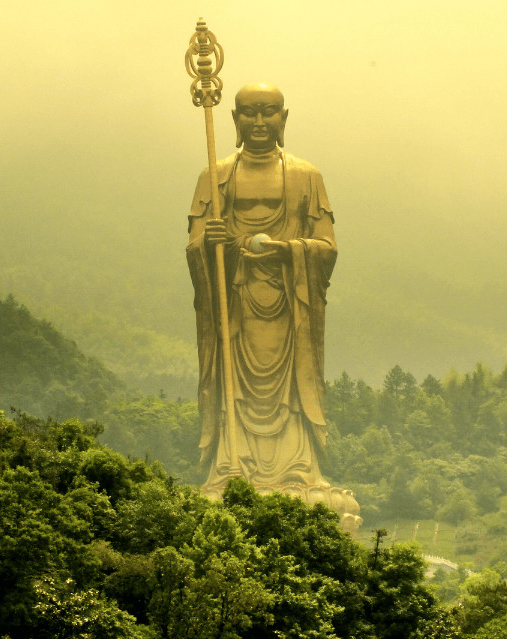


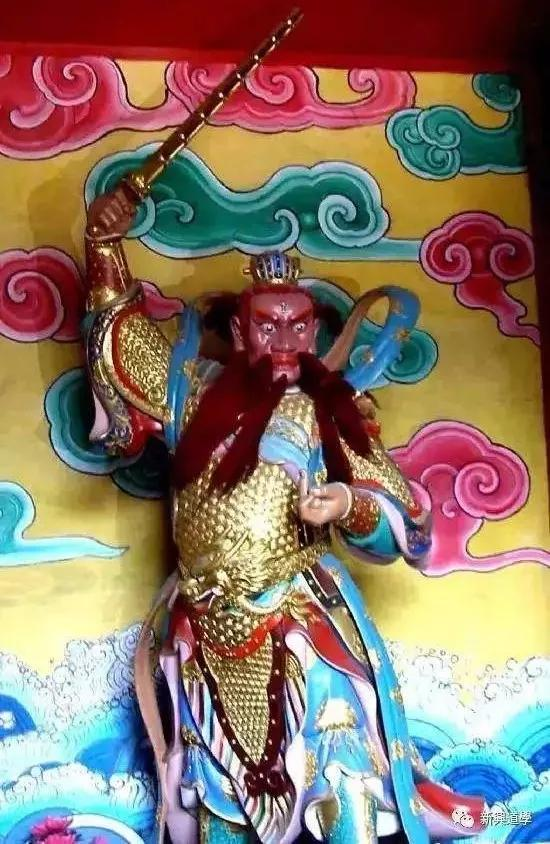
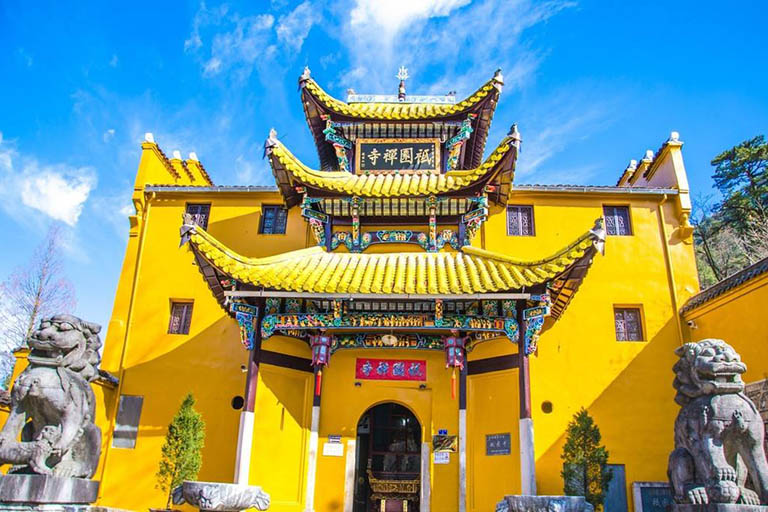
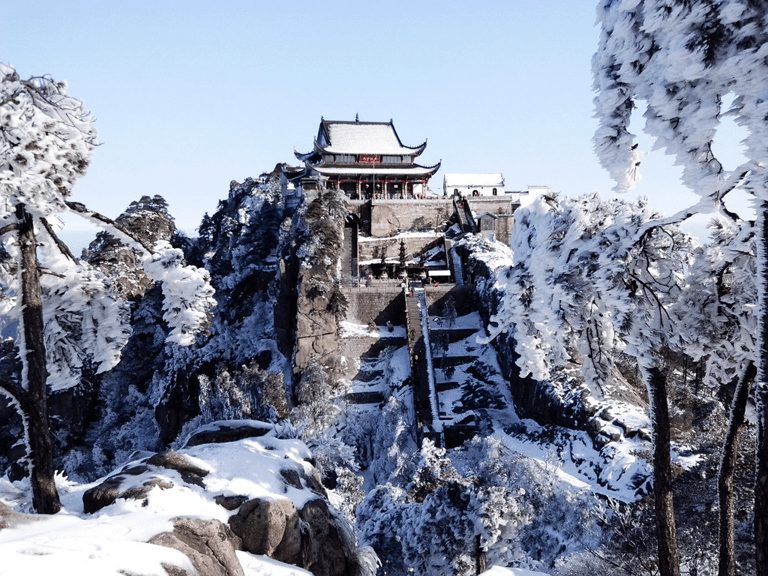

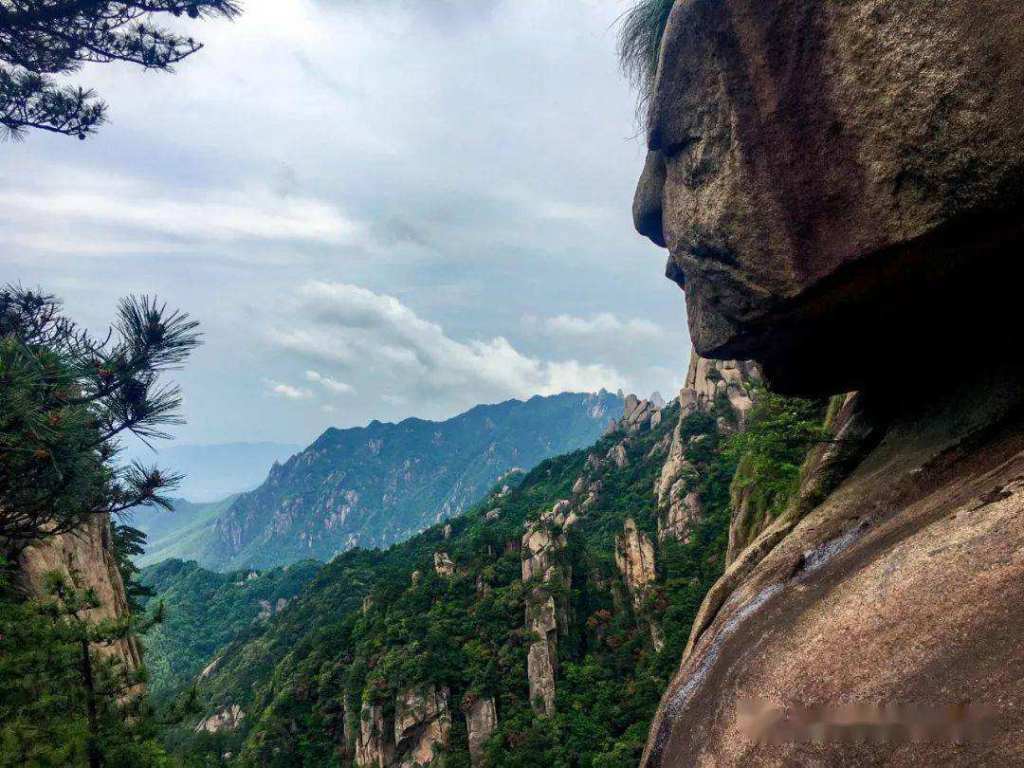


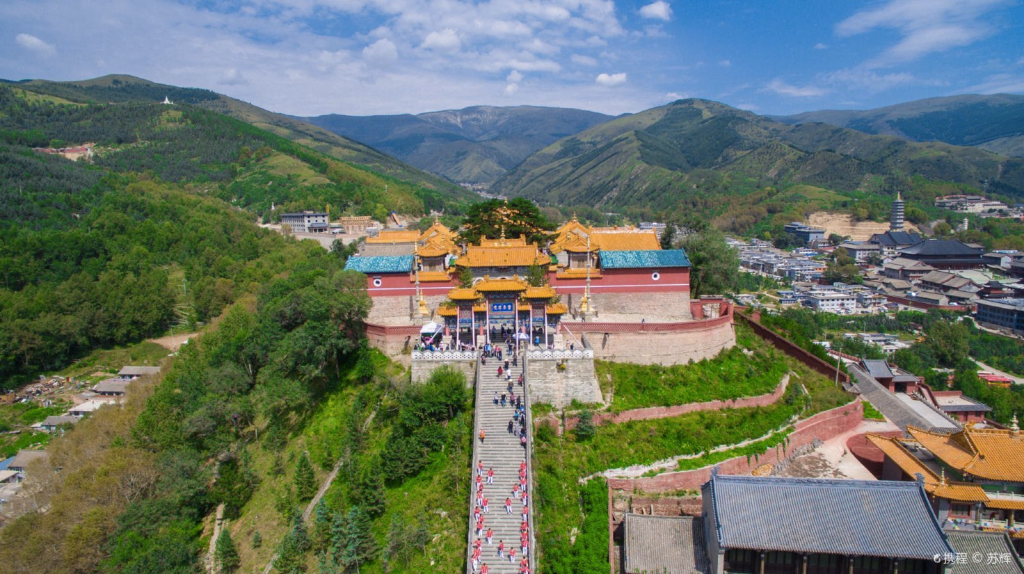


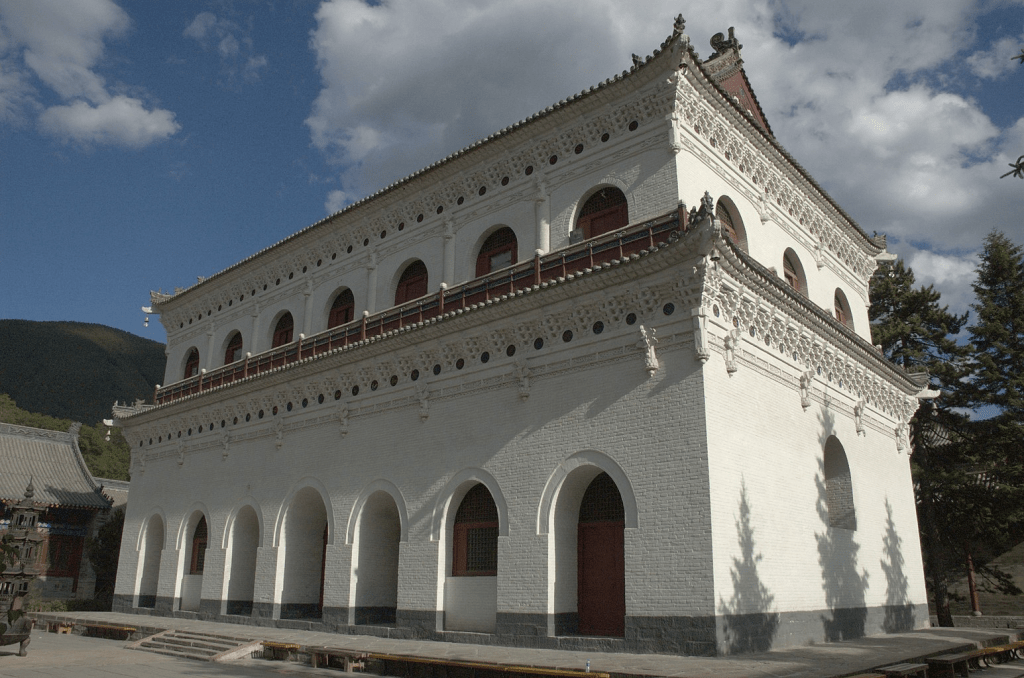

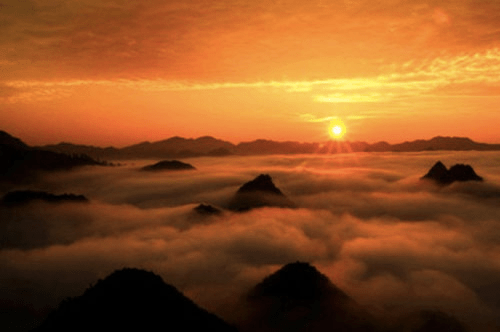

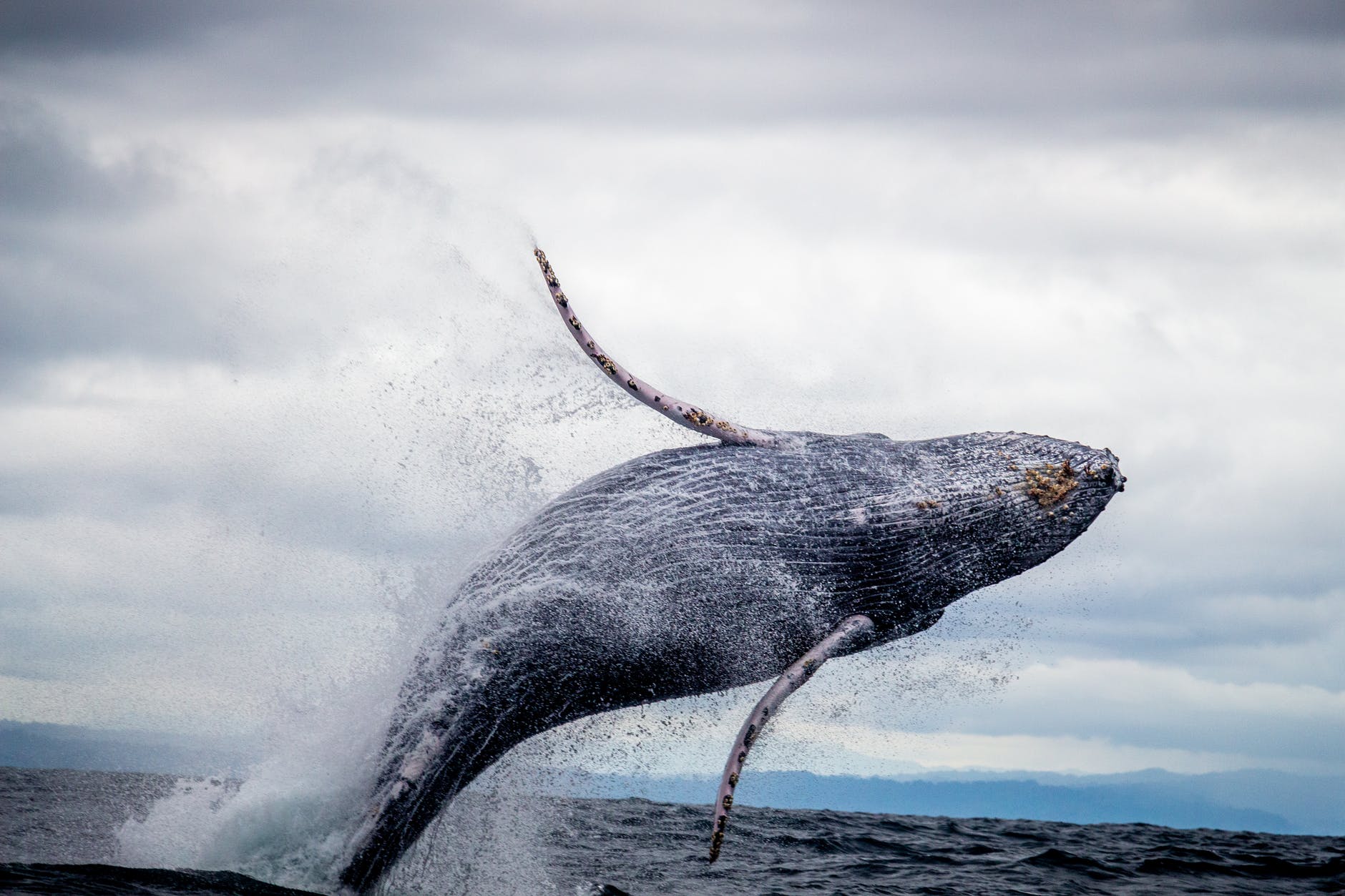







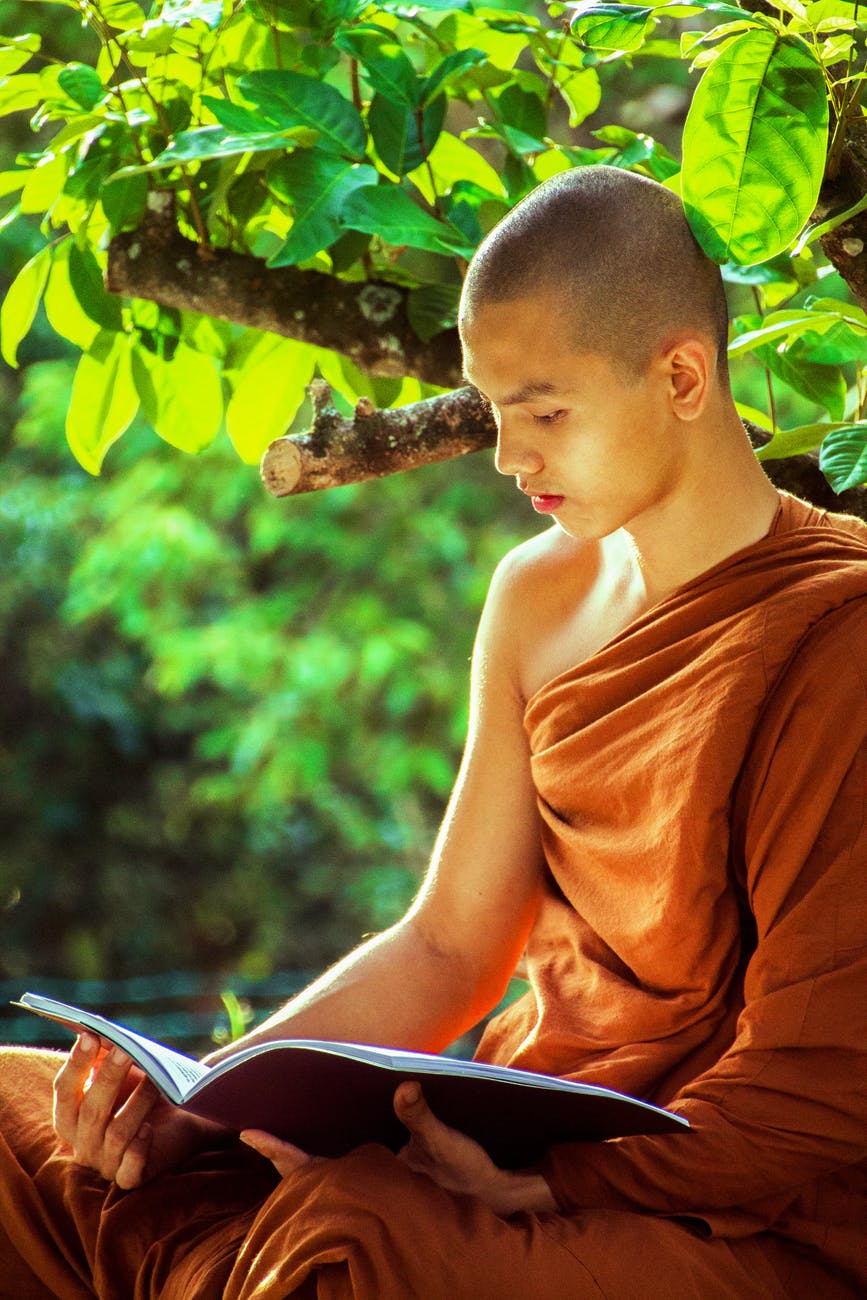

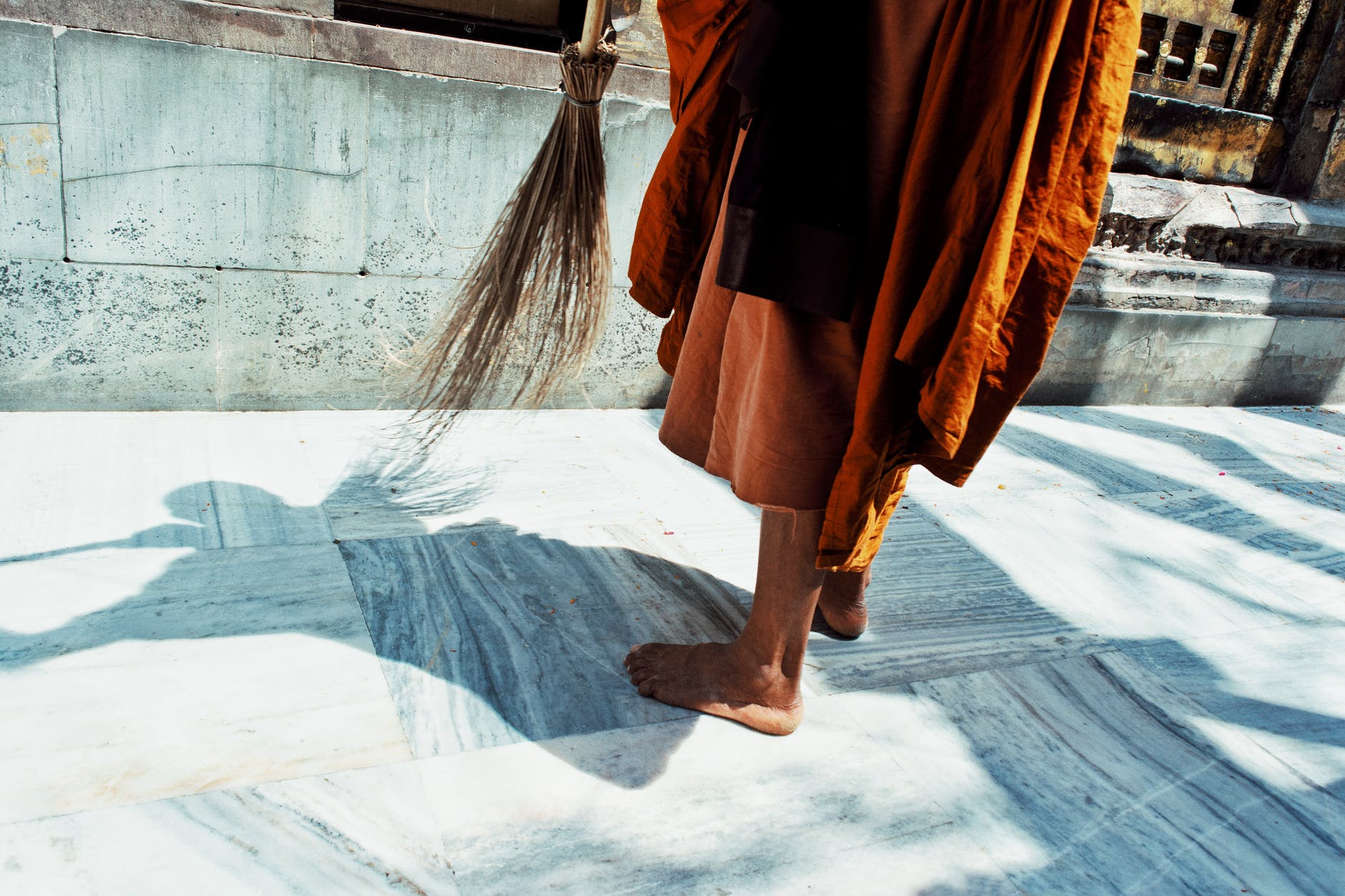
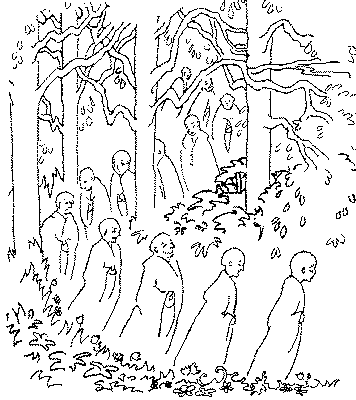

 Peace LiLy