Report of Miracle by a disciple of H.H. Dorje Chang Buddha III

Report of Miracle

BY KENT WILSON LONG

(a disciple of H.H. Dorje Chang Buddha III)

In the first week in October I noticed some kind of growth inside my left nostril. It looked like a pink skin tag that is about one eighth inch long. About two weeks later I noticed the growth had grown and was hanging out of my nostril. Not only was it unattractive, but I didn’t know what it was. Cancer runs in my family and I started worrying that it was a malignant growth. Since I didn’t have insurance I started to look for a low cost clinic to go to. I didn’t have much luck finding a clinic, or doctor that was cost effective and trust worthy.

I talked to Ningbu Rinpoche (The Abbess of Hua Zang Si–Great Dharma Master Ruo Hui) about my dilemma. In our conversation she told me about the mediation class the Sunday before, which I missed because I was working overtime. She told me about the story that Qupei Rinpoche (The Abbess of Hua Zang Si–Great Dharma Master Ruo Hui) related in class about a man chanting the six syllable heart mantra, which had a powerful effect on me. Here is a summation of the story Qupei Rinpoche told.

Reciting the sixth syllable heart mantra brings great merit. You don’t have to be a Buddhist to receive the empowerment of Quan Yin Bodhisattva. Many people chant it and gain good results from it. Today I will tell you about a story of an ordinary man. This man was working with a friend who was a Buddhist. His friend told him about the sixth syllable heart mantra and how beneficial it is to chant. He began reciting it 1000 times a day. He experienced tranquility and a great joy in his heart. Since he liked doing it so much he began to increase chanting the mantra ten thousand times a day.

Guan Yin Bodhisattva

One day he was invited to a diligent practice event. When he went to the retreat he increased chanting the six syllable mantra to thirty thousand times a day. Several days after the retreat began he saw Quan Yin Bodhisattva appear before him. Quan Yin Bodhisattva’s appearance was very solemn and she was imposingly large and tall. Since he saw Quan Yin Bodhisattva appear before him, he decided to increase his chanting to sixty thousand times a day.

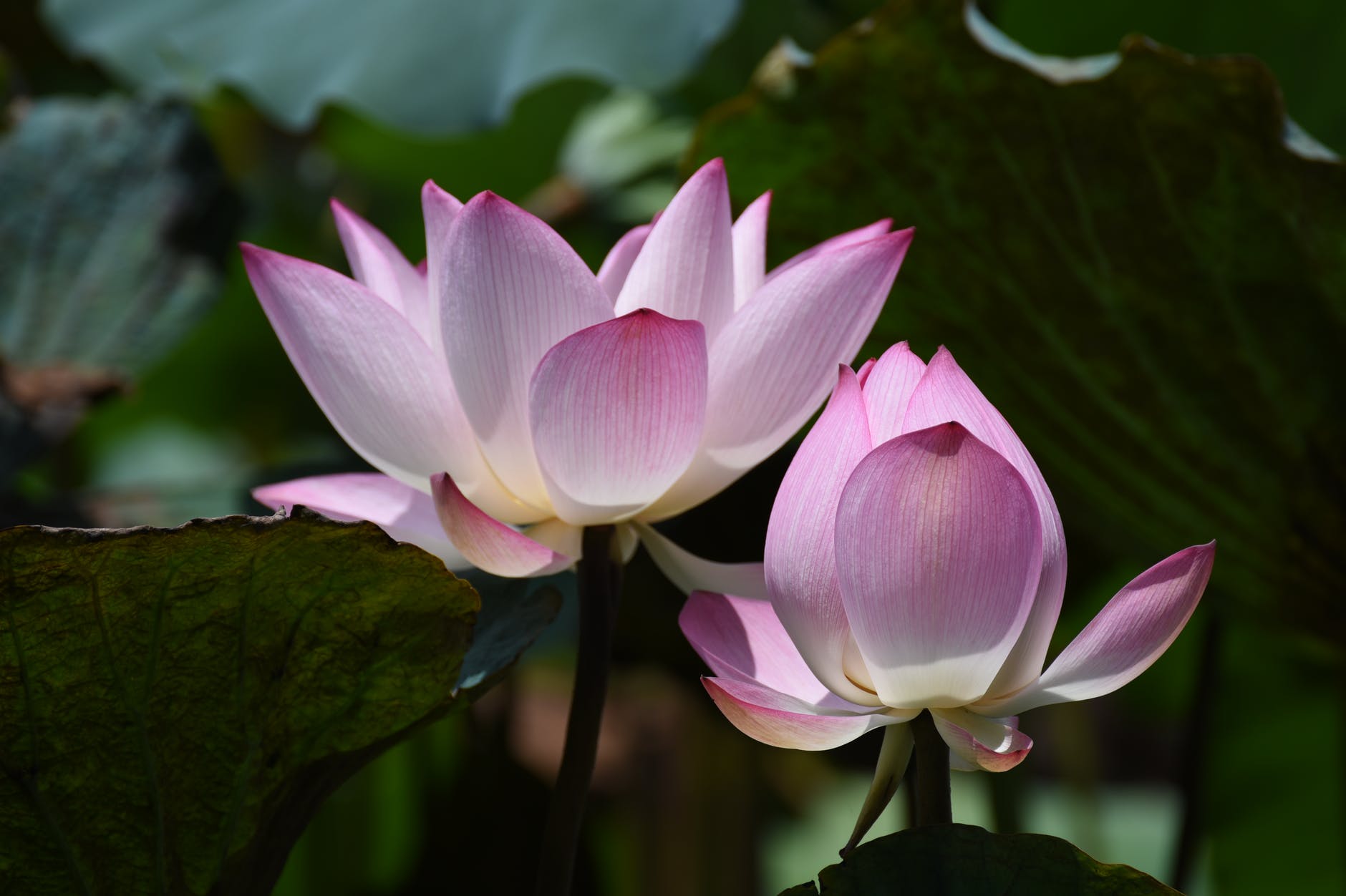
After half a month Quan Yin appeared before him again. This time she took him to the Western Paradise where he saw his own white lotus flower that was the size of a car wheel. The white lotus flower looked very beautiful and pure. It dawned on him that reciting Amithaba Buddha’s name, or the six syllable heart mantra, will help one be reborn in the Western Paradise. Seeing the Western Paradise state strengthened his faith and he now began to recite the six syllable heart mantra seventy thousand times a day. After a period of time he had another visitation of Quan Yin Bodhisattva. She again took him to see his lotus flower. Now he can see the center of the flower. Right in the middle of it is a seat he can sit upon. After this experience he chants even more diligently.

As the retreat is about to conclude he now sees Amitabha Buddha appear before him. The Buddha was as tall as a skyscraper and emitted a bright golden light. Amitabha Buddha was very solemn as he descended from the sky and stood on his lotus flower to speak dharma. The man looked up at the sky and saw Quan Yin Bodhisattva and Mahashamaprapta Bodhisattva standing together. Their image is identical to a picture he had seen depicting them. They were both several dozen floors tall.

Amitabha Buddha began to speak to him. He told him that he would be born in the Western Paradise in the future. Now I will transmit you a high dharma. You must focus on this practice. This will guarantee your rebirth in the Western Paradise. When it is time in the future I will personally come to retrieve you. The Buddha told him to write down all his experiences to help strengthen Buddhist cultivator’s faith and encourage them to practice better. He wrote down his story and that is why we can listen to it today.

After I heard the story it motivated me to sit down to do some serious chanting that night. Before I went to bed I chanted the six syllable heart mantra over seven hundred times. I went to sleep and woke up at around 1:30 AM. I couldn’t get back to sleep so I decided to do meditation for about 45 minutes, which helped increase my energy. Then, ironically, my body was too energized to get back to sleep, so I decided to take a walk in the neighborhood. This was at around 2 AM in the morning. When I got back I decided to chant the one hundred syllable bright mantra. When I chanted this about one hundred and sixty times I felt something wet around my nose. I dabbed my nose with a tissue and found blood on it. I was able to stop the bleeding in a short time. I went into the bathroom to check on it. When I looked at the reflection of my left nostril in the mirror, I discovered that the growth had disappeared. At the place where the growth had been now had fresh healthy looking skin covering the area. I was overjoyed and couldn’t wait to report this to Master. To me this is concrete proof that the dharma is real and beneficial for our life. It has motivated me to put more energy into my practice and when I get spare time I utilize the time to chant.

Link: https://goo.gl/TWi3BE

#DorjeChangBuddhaIII #DorjeChangBuddha #Buddha #Miracle #Buddhism #Buddhist #Chanting #Cultivation #empowerment
How to Get the Biggest Benefits of Walking

How to Get the Biggest Benefits of Walking

Lose weight, lower blood pressure, and reduce stress when you walk this way

By Sally WadykaUpdated

May 2, 202

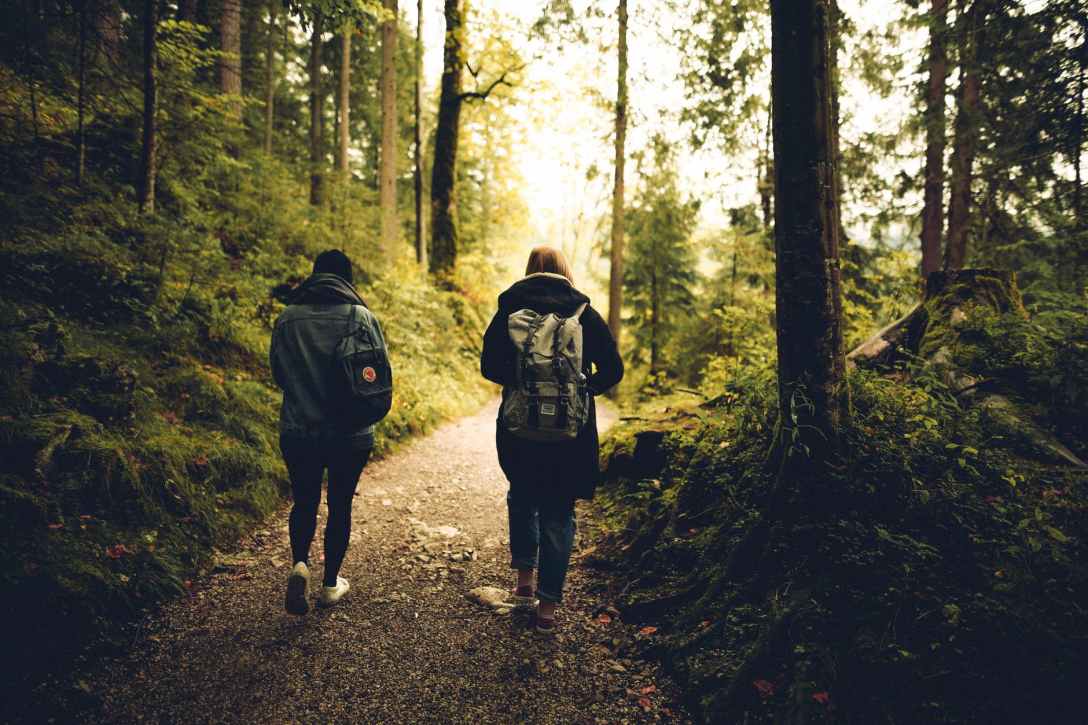
Getting exercise through walking is as easy as lacing up your sneakers and hitting the pavement or trail. Doing so is a safe way to get a workout without needing a gym, and it can boost your mental and physical health in several important ways.

“Walking is the most studied form of exercise, and multiple studies have proven that it’s the best thing we can do to improve our overall health, and increase our longevity and functional years,” says Robert Sallis, MD, a family physician and sports medicine doctor with Kaiser Permanente.

In its 2018 scientific report to the Department of Health and Human Services, the Physical Activity Guidelines Advisory Committee noted that walking is the most popular aerobic activity and has one of the lowest injury rates of any form of exercise.

And a 2019 study of more than 44,000 Canadians found that people living in more walkable neighborhoods had a lower overall risk of cardiovascular disease. That’s a reason to advocate for local infrastructure that makes walking easier, says lead author Nicholas Howell, PhD, of the Li Ka Shing Knowledge Institute at St. Michael’s Hospital in Toronto.

Still, in the short term, “even in less walkable neighborhoods, there are ways to be active in your daily routines,” Howell says. He suggests running errands on foot, parking farther from your destination, or getting off the bus a stop early. Those small adjustments “can help fit in a few extra steps each day,” Howell says. “And they all add up.”

Here, we explain what walking can do for you—and how to maximize its many benefits.

Photo by Pixabay on Pexels.com

Benefits of Walking

1. Lower body mass index (BMI): A study from the University of Warwick in Coventry, England, published in 2017 in the International Journal of Obesity confirms that those who walk more and sit less have lower BMIs, which is one indicator of obesity. In the study, those who took 15,000 or more steps per day tended to have BMIs in the normal, healthy range.

2. Lower blood pressure and cholesterol: The National Walkers’ Health study found that regular walking was linked to a 7 percent reduced risk of high blood pressure and high cholesterol.

3. Lower fasting blood sugar (glucose): Higher blood glucose levels are a risk factor for diabetes, and the National Walkers’ Health Study also found that walkers had a 12 percent lower risk of type 2 diabetes.

4. Better memory and cognitive function: A 2021 study published in the Journal of Alzheimer’s Disease found that when adults 55 or older with mild cognitive impairment were assigned to either stretching and toning exercises or to aerobic training—mostly walking—both groups showed some improvement on cognitive tests. But when compared with the stretching and toning group, the group that walked for fitness improved aerobic fitness more, had decreased stiffness in neck arteries, and showed increased blood flow to the brain in ways that researchers think could provide more cognitive benefits in the long term.

clinical trial of older adults in Japan published in the Journal of the American Geriatrics Society in 2015 found that after 12 weeks, men and women in a prescribed daily walking exercise group had significantly greater improvements in memory and executive function (the ability to pay focused attention, to switch among various tasks, and to hold multiple items in working memory) compared with those in a control group who were told just to carry on with their usual daily routine.

And a study of 299 adults, published in the journal Neurology in 2010, found that walking was associated with a greater volume of gray matter in the brain, a measure of brain health.

5. Lower stress and improved mood: Like other types of aerobic exercise, walking—especially out in nature—stimulates the production of neurotransmitters in the brain (such as endorphins) that help improve your mental state.

6. Longer life: In a review of studies published in 2014 in the International Journal of Behavioral Nutrition and Physical Activity, researchers found that walking for roughly 3 hours a week was associated with an 11 percent reduced risk of premature death compared with those who did little or no activity.

And it’s never too late to reap the benefits of walking: A small 2013 study in the journal Maturitas found that seniors with an average age of 80 who walked just four times a week were much less likely to die over the study’s 10-year follow-up period than those who walked less.

Link:https://wisdomtea.org/2021/12/15/how-to-get-the-biggest-benefits-of-walking/

BUDDHA DHARMA

Buddha-Dharma

Photo by David Bartus on Pexels.com

The truth and the original nature of all conditioned and unconditioned phenomena in the universe are contained in the word Buddha-dharma. The Buddha-dharma is all causes and effects in the universe. To understand all causes and effects, yet not be controlled by cause and effect, is to realize liberation and the Buddha-dharma. No matter how many schools or sects there are, the Buddha-dharma has only one truth. It is the truth of the universe: the dharma of ending the cycle of birth and death!  The Buddha-dharma is the life order of another world and dimension.

However, this rather abstract definition does not tell us how we realize or learn the Buddha-dharma. In a series of dharma discourses on learning Buddhism released in January 2016, H.HDorje Chang Buddha III gives such a practical definition. It is the dharma that we practice in the vajrayana form of Buddhism. It is the preliminary, main, and ending practice in their totality. The true Buddha-dharma emphasizes real practice and skills and is not merely theoretical Buddhist studies. The holy manifestations or miracles described on Xuanfa Institute’s website and in the book H.H. Dorje Chang Buddha III are evidence that the true Buddha-dharma, as practiced by Shakyamuni Buddha and the accomplished ones of the past, still exists in the world and that very high levels of spiritual accomplishment are possible for those who follow a true vajra master.

Photo by Samson Lee on Pexels.com

H.H. Dorje Chang Buddha III has said: “After you enter the door of Buddhism, you must cultivate yourself according to the dharma. Your three karmas of body, speech, and mind must correspond with the teachings of the Master. Only then will you be able to become accomplished. Conduct that is not in accord with the teachings of the Buddhas and Bodhisattvas must be corrected through concrete actions. You must make your conduct accord with the teachings contained in the Tripitaka and the states of morality, concentration, and wisdom. Yet, correcting your words and conduct must be carried out within everyday worldly life. That is because everyday worldly life (worldly or secular dharma) is the Buddha-dharma. There is no Buddha-dharma to accomplish apart from worldly or secular dharma. That is why you must use all mundane or worldly experiences to improve your self-cultivation. You must use worldly experiences to perfect your realization and conduct. If your basic worldly conduct is not proper, it is of no use to speak in a high-sounding way about emptiness or to speak boastfully and wish wildly.”

However, we must have patience in learning the Buddha-dharma. You cannot completely understand the principles of the dharma in a brief period of time. You must go though the sequence of first hearing the principles from your vajra master, gradually acting in accordance with these principles, walking the correct path and so on. You must advance step my step. You cannot expect that your negative karmic obstructions that have formed over many past lives can be purified in just one day. The tantric dharma that we receive when correctly practiced will enable us to overcome our obstructions, purify our three karmas, and enable us to progress on this path. Do not waste time on activities that do not lead to liberation and becoming a Buddha. DO NOT WASTE TIME!!!

Link:https://wisdomtea.org/2021/11/24/buddha-dharma/

#DorjeChangBuddhaIII#DorjeChangeBuddha

The City of Covina Holds Its Tree Lighting Ceremony for the 31st Year, With an Enhanced Festival

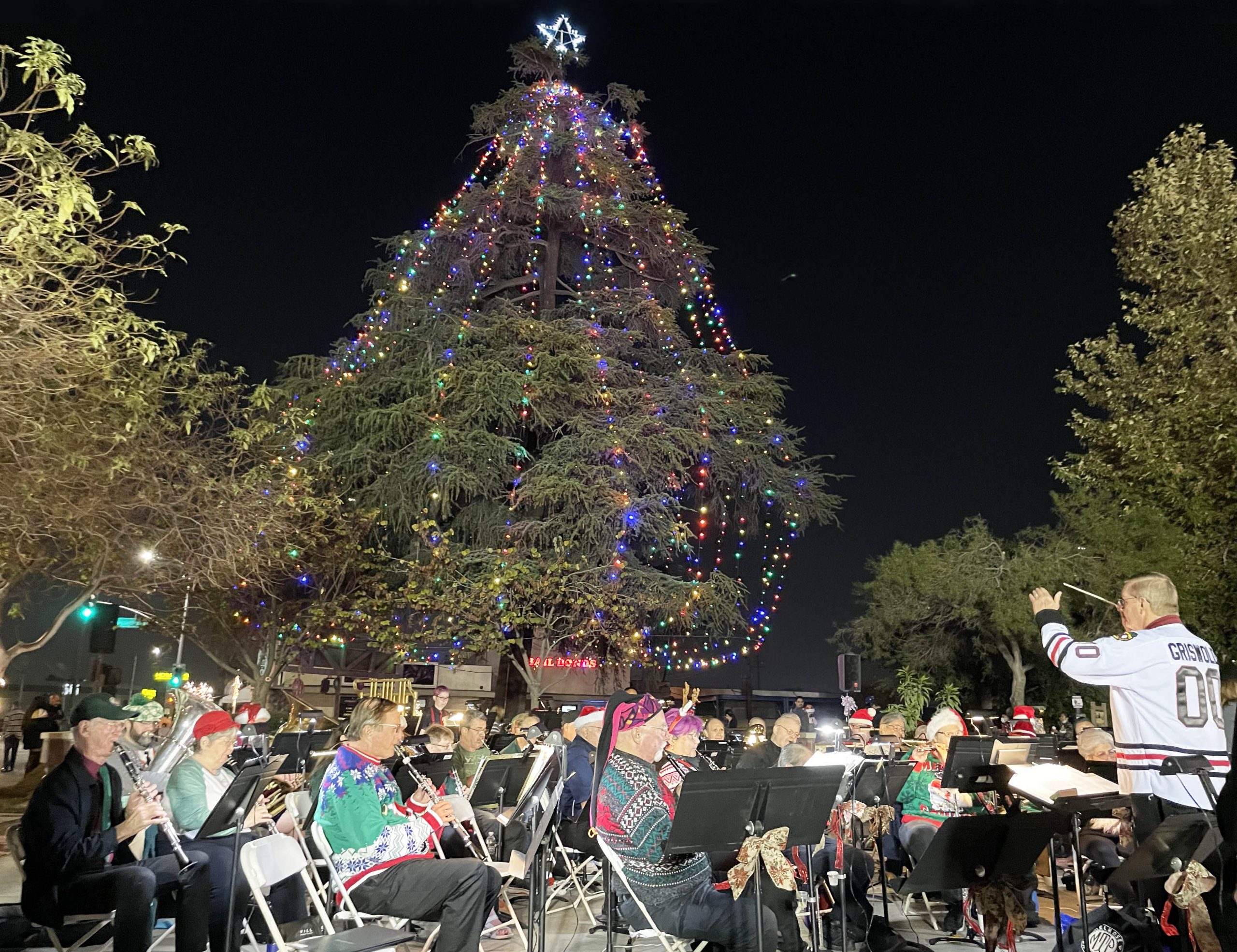
The lights of the Covina Christmas tree were lit up amongst the music of the Covina concert band and the cheers of the crowd. (Photo by David McCarty)

The City of Covina’s Tree Lighting Festival was held on November 5th, with the participation of the Covina Christmas Parade Committee, and the H.H.  Dorje Chang Buddha III, Cultural and Art Museum, and other businesses and individuals in the city. The City proudly partnered with people and organizations in the community, to bring local families together and get into the spirit of the upcoming holidays.

The lights of the Covina Christmas tree were lit up amongst the music of the Covina concert band and the cheers of the crowd. (Photo by David McCarty)

While the tree lighting has been done for years, this year was different and expanded, with more of a storyline to the festivities, and an added sense of joy and purpose. After COVID-19’s disruption of so many festivals and get-togethers last year, this year’s tree lighting and festival atmosphere were designed to bring back the sense of joy and wonder that makes the holiday season a special one for so many people. It’s a great time of year to move on from a tough time in life with a renewed spirit of happiness and peace.

The representative of 22nd Senate District Susan Rubio’s office presented the certificate to the City of Covina. (Photo by David McCarty)

When asked about the history of the event and the differences compared with past tree lighting events, Covina’s Mayor Jorge A. Marquez said, “The City of Covina has had a Christmas Parade that’s run for 70 years. We also have a tradition of lighting up the Christmas tree every year, to add extra holiday cheer. The difference now, compared to the past, is we have added a storyline within the event, to keep kids entertained, and added activities for kids and their families to enjoy.”

With the lingering issues caused by the pandemic, and the stress and strain that has put on many families, it’s important for everyone to have some fun and fellowship as the holidays approach this year. The City of Covina was focused on that during the festival, and the City is dedicated to making the holiday season a better one for the community, as much as possible. Taking time away from worries, for families to celebrate and enjoy the magic of the holiday season, is a great way to do that.

Brian Tyan, the President of the H.H.  Dorje Chang Buddha III,Cultural and Art Museum, shares that opinion. The museum chose to partner with the City of Covina for this event by collaborating with the Covina Parks and Recreation Department and the Covina Christmas Parade Committee, in order to bring the joy of the holiday to the community more fully.

The event was held at Heritage Plaza, and included the Covina Farmer’s Market, where visitors could get great food and shop for holiday gifts. There was also live holiday music from the Covina Concert Band, and plenty of free activities for everyone to enjoy. Giveaways, letters to Santa, and children’s crafts were just some of the offerings the City worked to make possible. While adults understand the seriousness of the pandemic, and the toll it took last year, the children were often the ones who missed out.

The Christmas light decorations of the H.H.  Dorje Chang Buddha III,Cultural and Art Museum building attracted a large number of local residents. (Photo by David McCarty)

When asked about what he feels the event means to the community, the Mayor replied, “To me, this Christmas I believe allows us to come together as a community, to kick off the winter holiday and enjoy each other’s fellowship. Especially this year, with COVID-19, we are hoping to get back to normal, to celebrating not just Christmas but each other, as a strong, tight-knit community.” While the City of Covina already has a Christmas parade, the Tree Lighting Festival added even more joy and completeness to the festivities.

This year was the 31st tree lighting ceremony for Covina, and the event has been a favorite of the community all during that time. According to Tyan, the H.H.  Dorje Chang Buddha III,Cultural and Art Museum recognizes that last year was rough on people, with losses including jobs and loved ones. The hope is that, through the Tree Lighting Festival, more people in the community can feel joy in their hearts and experience a reprieve from the pandemic.

To help encourage that, a professional holiday lighting company was hired, and that company decorated the entire museum building and the parking lot. There were snow machines on the event date, so people could enjoy the experience of snowfall. Parents and children were able to take photos with the snow falling, and there were light-up elements to add to the happiness and peacefulness of the occasion, as just one aspect of the overall festival, and the joyous atmosphere it produced for residents of Covina.

The museum sponsored the hot cocoa and coffee booth, where anyone could get free cocoa or coffee during the event to keep warm and cozy on a chilly night, and increase the feeling of holiday cheer. There were glow sticks and gifts for visitors who came to the booth, and the fun and excitement of the trackless train, allowing kids at the event to have a free train ride as part of the festival and  as a way to move on from COVID-19 and have more adventures.

Link: https://peacelilysite.com/2021/11/11/the-city-of-covina-holds-its-tree-lighting-ceremony-for-the-31st-year-with-an-enhanced-festival/

#DorjeChangBuddhaIII #HHDorjeChangBuddhaIII