Healthy childhood diet can ‘keep mind sharp into 70s’ and ward off dementia

From The Guardian

Study is first to track people at different time points in life and finds close link between nutrition and cognitive ability

A healthy diet in childhood can help protect mental sharpness into old age. Photograph: Katarzyna Bialasiewicz/Alamy


A healthy diet earlier in life could help keep you mentally sharp into your 70s, and even ward off dementia, according to research that followed thousands of Britons for seven decades.

While most studies on diet and cognitive ability have focused on people already in or reaching old age, the new review was the first to track people throughout their life – from the age of four to 70 – and suggests the links may start much earlier than previously recognised.

The research adds to a growing body of evidence that a healthy diet could reduce the risk of Alzheimer’s disease and slow age-related cognitive decline. The findings were presented at the annual meeting of the American Society for Nutrition.

“These initial findings generally support current public health guidance that it is important to establish healthy dietary patterns early in life in order to support and maintain health throughout life,” said Kelly Cara, of Tufts University in Massachusetts.

Our findings also provide new evidence suggesting that improvements to dietary patterns up to midlife may influence cognitive performance and help mitigate, or lessen, cognitive decline in later years.”

Cognitive performance can still improve well into middle age, but typically begins to decline after age 65, the researchers said. More serious conditions such as dementia can also develop alongside age-related decline.

For the new research, scientists studied 3,059 adults from the UK who were enrolled as children in a study called the National Survey of Health and Development. Members of the cohort, called the 1946 British Birth Cohort, have provided data on dietary intakes, cognitive outcomes and other factors via questionnaires and tests over more than 75 years.

Researchers analysed participants’ diet at five time points in relation to their cognitive ability at seven time points. Dietary quality was closely linked with trends in cognitive ability, they found.

For example, only 8% of people with low-quality diets sustained high cognitive ability and only 7% of those with high-quality diets sustained low cognitive ability over time compared with their peers.

Cognitive ability can have a significant impact on quality of life and independence as people age, the researchers said. For example, by the age of 70, participants in the highest cognitive group showed a much higher retention of working memory, processing speed and general cognitive performance compared with those in the lowest cognitive group.

In addition, nearly a quarter of participants in the lowest cognitive group showed signs of dementia at that time point, while none of those in the highest cognitive group showed signs of dementia.

While most people saw steady improvements in their diet throughout adulthood, the researchers noted that slight differences in diet quality in childhood seemed to set the tone for later life dietary patterns, for better or worse.

“This suggests that early life dietary intakes may influence our dietary decisions later in life, and the cumulative effects of diet over time are linked with the progression of our global cognitive abilities,” Cara said.

Photo by furkanfdemir on Pexels.com

Study participants who sustained the highest cognitive abilities over time relative to their peers tended to eat more recommended foods such as vegetables, fruits, legumes and whole grains, and less sodium, added sugars and refined grains.

“Dietary patterns that are high in whole or less processed plant-food groups including leafy green vegetables, beans, whole fruits and whole grains may be most protective,” said Cara.

“Adjusting one’s dietary intake at any age to incorporate more of these foods and to align more closely with current dietary recommendations is likely to improve our health in many ways, including our cognitive health.”

Link:https://peacelilysite.com/2024/07/05/healthy-childhood-diet-can-keep-mind-sharp-into-70s-and-ward-off-dementia/

Source: https://www.theguardian.com/society/article/2024/jul/01/healthy-diet-in-childhood-keeps-mind-sharp-into-70s-and-wards-off-dementia

The Science of Lying: Its Cognitive and Social Costs

Like Pinocchio, everyone sometimes tells a lie. Most people don’t lie often, science finds. But research shows that even small lies can take a toll on your brain. MALERAPASO / GETTY IMAGES

Even little fibs can have serious consequences — and some of them just might surprise you

Most of us have told a lie at one time or another. Some lies are harmful. Others, like small fibs to avoid hurting someone’s feelings, are mostly harmless. Some lies are even intended to protect others. But no matter the type of lie, it takes a surprising amount of brainpower to pull it off, which can be costly.

Lying requires significant mental effort. Imagine you’re late to class and decide to lie about why. You might say, “I had to stop by the library and pick up a book.” When your teacher asks, “The book I assigned last week?” you must quickly decide how to respond. You may say, “No, it was a different book,” and now you have to be ready with another title. This constant mental juggling uses up brainpower that could be spent on more important tasks.

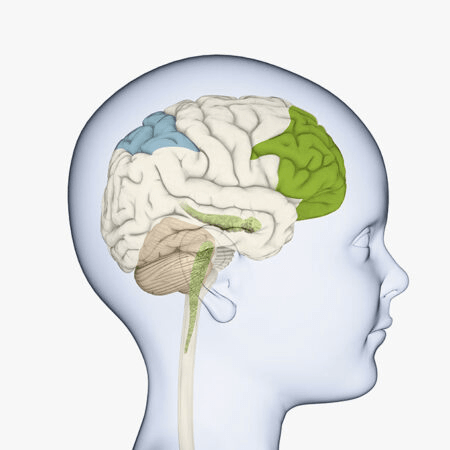
A lot of this mental work is done in the prefrontal cortex, the part of the brain responsible for working memory, planning, problem-solving, and self-control. Using these resources for lying means they are not available for other tasks, like solving math problems or remembering important facts.

Lying also has social consequences. People generally value honesty and don’t like liars. If people view you as untrustworthy, it can damage your relationships. Even well-intended lies, such as insincere compliments, can backfire. If your friends realize they can’t trust your compliments, those compliments become meaningless.

Most people don’t lie very much, says Timothy Levine, a psychologist at the University of Alabama at Birmingham who studies deception. His research shows that almost three-quarters of people rarely lie, and 90 percent of the lies they tell are “white lies.” However, Levine’s research also shows that while most people don’t lie often, a few lie a lot. The top one percent of liars, according to Levine, tell more than 15 lies per day. Some chronic liars are insecure. Others may lie about their accomplishments because they’re conceited or overly impressed with themselves. Still others lie to take advantage of people — perhaps even to cheat them or to steal from them.

The brain’s prefrontal cortex, behind the forehead (shown right, in darker green) isn’t fully mature until we are in our 20s. That’s a problem for adolescents. This part of the brain helps us understand risk. It’s also in charge of a lot of our higher-level thinking, such as planning and self-control.

DORLING KINDERSLEY/GETTY IMAGES PLUS

Lying is especially hard for young people because their prefrontal cortex is not fully developed until around age 25. This part of the brain helps with higher-level thinking, such as planning and self-control. When it’s busy with tasks related to lying, it has a harder time doing other important tasks.

Some lies never stop, like those told by spies or people hiding a difficult home life. Pretending to be something you’re not almost every hour of every day is mentally draining and can have long-lasting effects. Over time, this kind of lying uses up the brain resources needed for thinking and planning.

Most people value honesty, and research shows that honest people build social capital, or goodwill, within their communities. Trust is essential for healthy relationships and a well-functioning society.

Lying may seem easier in the short term, but it has significant cognitive and social costs. By striving to be honest, we can save mental energy and build stronger, more trusting relationships.

Neil Garrett, a neuroscientist at the University of East Anglia in Norwich, England, has studied how emotions affect our willingness to be dishonest. He points to a study where students were given a beta blocker, a medicine that dampens emotions. These students were more likely to cheat on an exam than those who didn’t receive the medicine, possibly because they felt less fear or anxiety about being dishonest.

Garrett and his team also examined the relationship between lying and activity in the amygdala, the part of the brain that processes emotions. They conducted an experiment where volunteers played a game to make money by lying to a partner. Brain scans showed that the amygdala was very active when participants first lied. However, as they continued to lie, activity in the amygdala decreased, and the participants lied even more. These findings were reported in Nature Neuroscience.

In one study, students were more likely to cheat on exams when they’d taken a drug that mutes emotions. ANDY SACKS/THE IMAGE BANK/GETTY IMAGES PLUS

Garrett suggests this brain effect might be similar to how our sense of smell adapts to strong odors. Initially, a strong smell is overwhelming, but after a while, we barely notice it. Emotions might work similarly; the more you lie, the less you feel the uncomfortable emotions like fear or guilt. In other words, lying becomes easier the more you do it.

Nearly all cultures value honesty, notes Victoria Talwar, a psychologist at McGill University in Montreal, Quebec. She suggests that creating a culture that reinforces the value of honesty can help. One strategy is to support friends while still being truthful. “When people’s friends are truthful with them,” she says, “it creates a culture of honesty among them,” which builds stronger friendships.

Jennifer Vendemia, a neuroscientist at the University of South Carolina, emphasizes that lying lessens when there are consequences for dishonesty. However, she adds that rewarding truth-telling is more effective than punishing lying. This is especially important when people share significant truths about themselves. “Being able to tell the truth to a friend is rewarding,” she says. “It feels good.”

Most people know that lying is generally bad and can have serious consequences. Science is now revealing how dishonesty impacts the brain and undermines the trust essential for strong relationships.

Link: https://peacelilysite.com/2024/06/13/the-science-of-lying-its-cognitive-and-social-costs/

Source: Lying won’t stretch your nose, but it will steal some brainpower by  Avery Elizabeth Hurt
https://www.snexplores.org/article/lying-brain-power-prefrontal-cortex-truth-telling

Unveiling the Potency of Willpower: Transforming Lives Through Self-Control

In 1996, a seemingly innocuous experiment conducted by Roy Baumeister and his team at Case Western Reserve University revealed a profound truth about human behavior: the power of will. Their study, which involved tempting participants with chocolate chip cookies only to have them resist and eat radishes instead, demonstrated the finite nature of willpower. This pioneering research laid the groundwork for understanding self-control as a resource that could be depleted, akin to a muscle that fatigues with exertion.

Photo by ROMAN ODINTSOV on Pexels.com

In the first part of the trial, Baumeister kept the 67 study participants in a room that smelled of freshly baked chocolate cookies and then teased them further by showing them the actual treats alongside other chocolate-flavored confections.

While some did get to indulge their sweet tooth, the subjects in the experimental condition, whose resolves were being tested, were asked to eat radishes instead. And they weren’t happy about it.

After the food bait-and-switch, Baumeister’s team gave the participants a second, supposedly unrelated exercise, a persistence-testing puzzle. The effect of the manipulation was immediate and undeniable. Those who ate radishes made far fewer attempts and devoted less than half the time solving the puzzle compared to the chocolate-eating participants and a control group that only joined this latter phase of the study. In other words, those who had to resist the sweets and force themselves to eat pungent vegetables could no longer find the will to fully engage in another torturous task. They were already too tired.

The experiment, while seemingly trivial, yielded crucial insights into the nature of self-regulation. Participants who exerted willpower to resist the tempting chocolates subsequently demonstrated diminished perseverance and performance on a subsequent task. This seminal finding underscored the broader significance of self-control across various domains of life, from mundane daily tasks to more significant challenges.

In the realm of psychology, this research sparked a cascade of studies exploring the multifaceted implications of willpower. It elucidated why individuals are drawn to indulgence after experiencing setbacks, such as seeking solace in retail therapy after heartbreak. Moreover, it provided valuable insights into behavior modification strategies, highlighting the importance of positive reinforcement and habit formation in fostering lasting change.

Understanding the concept of willpower empowers individuals to leverage it effectively in pursuit of their goals. Rather than relying solely on sheer determination, strategic planning plays a pivotal role in optimizing willpower utilization. Timing tasks to align with periods of peak mental and physical energy, such as the morning after a restful night’s sleep, can enhance performance and resilience.

Furthermore, recognizing willpower as a trainable attribute opens avenues for personal growth and development. Cultivating positive habits serves as a cornerstone for strengthening willpower and facilitating sustained behavior change. Initiating small, manageable goals allows individuals to acclimate gradually, paving the way for long-term success. For instance, committing to brief daily rituals, like reading for just two minutes, eating one fruit instead of a cookie, or embarking on a short morning walk, lays the groundwork for more significant lifestyle adjustments. As these habits become ingrained, individuals can incrementally expand their efforts, harnessing the cumulative impact of consistent practice. Joining a group of like-minded individuals can also provide invaluable support in reinforcing positive habits and maintaining motivation.

Additionally, cultivating positive bedtime routines fosters relaxation and promotes quality sleep. Instead of mindlessly scrolling through screens before bed, incorporating a five-minute practice of prayer, meditation, or reflection on gratitude can help unwind the mind and prepare for restorative rest. This intentional shift away from digital distractions not only supports mental well-being but also cultivates a deeper sense of connection with oneself and the present moment.

In essence, comprehending and harnessing the power of willpower is transformative. By integrating strategic approaches to task management, fostering positive habits, and nurturing a supportive network, individuals can unlock their potential for personal and professional fulfillment. As Baumeister’s pioneering research illustrated, the journey towards meaningful change commences with embracing the remarkable capacity of willpower.

Link:https://peacelilysite.com/2024/03/20/unveiling-the-potency-of-willpower-transforming-lives-through-self-control/

Source: https://www.theatlantic.com/health/archive/2012/04/the-chocolate-and-radish-experiment-that-birthed-the-modern-conception-of-willpower/255544

7 ways to show someone you care

7 ways to show someone you care

Small acts of kindness can have a big impact. Not only does offering support to your loved ones show you care, but you can benefit from it, too. Studies show that helping others can reduce stress, increase happiness, and even help you live longer.

Here are 7 simple ways to connect with your loved ones — and let them know that you care.

1. Respond to “bids”

According to Dr. John Gottman, our loved ones will often make “bids” for our attention throughout the day. These bids are when a loved one says something like, “Want to see what I made during art class?” or “Take a look at this cute cat video.”

One good way to respond to bids is by active listening. You can show your loved one you’re actively listening by paying close attention to what they’re saying. Let them know you’re listening by nodding, smiling, or saying “I see.”

And don’t be afraid to ask questions if you’re unsure of what was said. These seemingly small interactions can let our loved ones know we truly care about what’s important to them.

2. Practice mindfulness

It can be easy to get distracted by multiple screens and to-do lists. So when you spend time with loved ones, make a point to limit interruptions. Put down your tablet or smartphone, and focus on staying present. Show up on time, actively listen, and avoid multitasking. If you don’t have a lot of time, consider having a 5- or 10-minute phone call. Giving your undivided attention will make your loved one feel valued and appreciated.

3. Lend a hand

We all need extra help from time to time — and that’s OK. You can show someone you care by offering to help when you think they might be struggling. If, for example, your sister just had a baby and is feeling overwhelmed, offer to run her errands or make her a home-cooked meal so she can get some much-needed rest.

4. Have an attitude of gratitude

Showing appreciation can make people feel good about what they do. How you show gratitude could be as simple as sharing a kind word or as meaningful as writing a handwritten thank-you note for the influence they’ve had in your life. And expressing gratitude can remind both you and your loved one of the positive parts of your lives.

5. Celebrate success

When your loved one accomplishes a goal, be their own personal cheerleading squad. Take some time to celebrate their success and show interest in their life. No matter how you choose to celebrate — sending them a greeting card in the mail, taking them out to dinner, donating to a charity or cause that’s important to them in their name — the other person will feel empowered by your support.

6. Spend quality time together

Quality time is the moments you spend with your loved ones that make you both feel closer and more connected. It can be as simple as meeting for coffee, watching a favorite movie together, playing a board game, or even chatting on a video call. The activity itself doesn’t matter — what matters is how the time spent together makes you feel.

7. Just be there

Listen to someone vent, be a shoulder to cry on, or hold their hand if they’re going through a tough time.

Even if you don’t know the right words to say, by just being there, you let the other person know how much they matter to you. This is especially important if a loved one is struggling with a mental health issue like depression. You don’t need to be a doctor or therapist to offer support — listening with an open mind can help them feel understood. But if you ever do need guidance on what to say, we’re here to help.

So, take time to show you care. You’ll strengthen your relationships and give your loved ones — and yourself — a dose of good health.

Link: https://wisdomtea.org/2022/03/02/7-ways-to-show-someone-you-care

7 Reasons To Make Time For Jogging

Written by Amber Petty on March 18, 2020

Photo by cottonbro on Pexels.com

It’s good for mental health

Depression and anxiety are growing health concerns in the United States. About 7 percent of adults will likely experience a major depressive episode in their lifetime. Since it’s an election year, that number might go up to 259 percent (this isn’t based on science, just on the looks of our Facebook feeds).

Jogging certainly isn’t a cure for depression or anxiety, but there’s growing evidence that it helps ease the symptoms. A 2004 review of studies about exercise and depression found that working out lifted people’s moods.

In a 1999 study mentioned in the review, a 16-week walking or jogging regimen (30 minutes, three times a week) was as effective at reducing depression symptoms as taking medication for the same length of time. (Of course, we don’t recommend you ditch therapy or toss your Lexapro prescription just because you put on your running shoes.)

And you don’t have to be a marathoner or a super-fast sprinter to see results from jogging. A small 1998 study found that jogging improved participants’ moods regardless of whether they exercised at low, moderate, or high intensity.

It reduces stress

If you’ve never felt stressed, we’d love to pull a “Freaky Friday” and swap bodies with you. But if you’re one of the 40 million adults who have an anxiety disorder, jogging could help reduce your stress level.

In a 2018 review of studies, researchers concluded that aerobic exercise is helpful for people who experience increased anxiety. Not too shabby!

It helps you sleep better

The benefits of a jog don’t end after your cooldown stretch. They can improve your entire day… and night!

A 2017 review noted that scientists aren’t 100 percent sure why exercise and sleep are connected, but they definitely are. Overall, study participants who performed cardiovascular exercise like jogging had improved sleep.

Moderate aerobic exercise can also help with chronic insomnia, according to a 2012 review of studies. Fewer hours lying awake, tossing and turning? Sign us up!

It strengthens your immune system

Your body’s ability to fight off disease is super important, so anything you can do to bolster it is probably a good idea.

A 2018 review found that people who exercised regularly were less likely to get bacterial and viral infections. It didn’t address jogging specifically but found that any physical activity can provide an immunity boost.

It decreases insulin resistance

If you’re insulin-resistant, it means your body doesn’t respond to insulin properly. That can lead to high blood sugar and possibly diabetes. In other words, insulin resistance = bad.

Thankfully, regular jogging has been shown to decrease insulin resistance. A 2015 review found that exercise decreased insulin resistance, overall cholesterol, and risk of heart disease in most patients.

If you’re at risk for diabetes, be sure to talk to your healthcare provider to find out whether you could benefit from changing your diet in addition to getting your jog on. Even if you don’t have any blood sugar issues, jogging could help improve your overall blood work results.

It increases lifespan

“I’m gonna live forever” is not how everyone feels after a long jog. But truly, jogging may help you live longer.

In a 2017 review that included data from more than 55,000 people, researchers found that jogging could reduce the risk of dying from heart attack or stroke by 45 percent. Plus, it could reduce the chance of dying from any cause by 30 percent.

Obviously, this doesn’t factor in car crashes or freak accidents involving falling air conditioners. But a 30 percent decreased risk of death by disease is pretty incredible!

Photo by Dianne on Pexels.com

It makes your wallet happy

OK, this isn’t a health benefit, per se. But if you’re on a budget, not worrying about paying gym fees will definitely lead to less stress. Jogging is cheap! Technically, you don’t need anything to jog except a pair of sneakers, which you probably already own.

Since you can jog almost any time and any place, it’s easy to fit into a busy schedule. And you never have to deal with weird gym bros.

Link:https://wisdomtea.org/2021/12/22/7-reasons-to-make-time-for-jogging/