In our daily lives, anger often appears without invitation. A single word, a small inconvenience, or an unmet expectation can stir something deep within us. Before we realize it, the mind is no longer calm, and the heart feels as though it is burning.
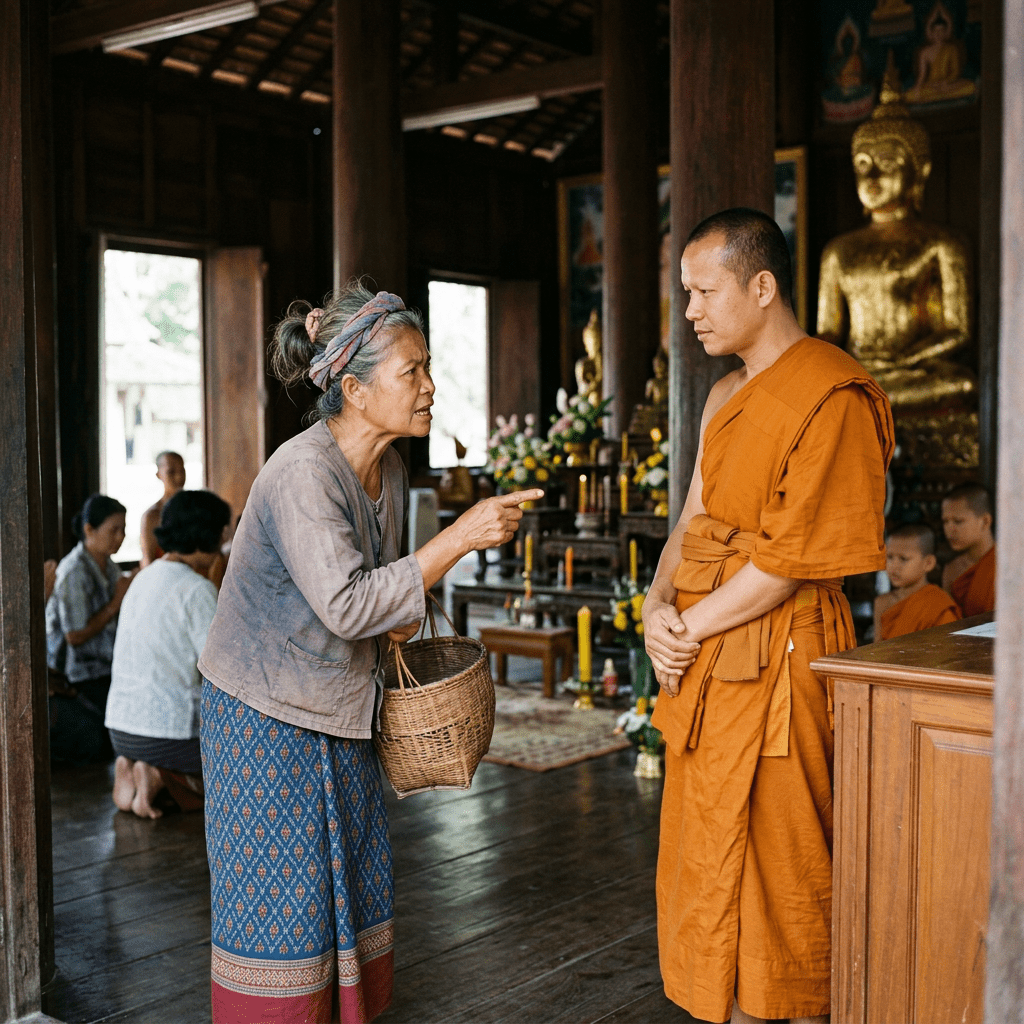
There was once a woman who had a very bad temper. She often got angry over small things. Afterward, she would regret it. She knew her anger hurt others, and she truly wanted to change. But when anger came, she felt she could not control it.
One day, a friend told her, “There is a wise monk nearby. Maybe he can help you.” So she decided to go.
When she met the monk, she told him everything—how easily she lost her temper, how much pain it caused, and how helpless she felt. She hoped he would give her some advice.
The monk listened quietly. When she finished, he said nothing. He simply led her to a small room, stepped outside, and closed the door.
Soon she realized—the door was locked.
At first, she was confused. Then she became angry.
“I came here for help, and he locks me in?” she thought.
The room was dark and cold. The more she thought about it, the angrier she became. She started shouting, knocking on the door, and scolding the monk loudly.
But there was no answer.
No matter how much she shouted, the monk did not respond.
After a long time, she became tired. Her voice grew quiet.
Then the monk asked from outside, “Are you still angry?”
She said, “I’m angry at myself! Why did I come here?”
The monk replied, “If you cannot forgive yourself, how will you forgive others?” Then he left.
The room became quiet again.
After some time, the monk returned and asked, “Are you still angry?”
She said, “No, I’m not angry anymore.”
“Why?” he asked.
She said, “What’s the use of being angry? I’m still stuck in this dark, cold room.”
Her anger had weakened, but it was still there.
Later, when the monk asked again, she said, “I’m not angry anymore, because you are not worth my anger.”
The monk said, “The root of your anger is still there. You have not let it go.”
His words stayed in her mind.
After a long silence, she asked, “Can you tell me—what is anger?”
This time, the monk came to the door. He did not speak. He simply poured the tea in his cup onto the ground.
The woman watched quietly.
Suddenly, she understood.
“If I do not get angry, where does anger come from?” she thought. “If my mind is clear, what is there to be angry about?”
At that moment, she saw the truth: anger does not come from others. It comes from our own mind.
From the teaching of Gautama Buddha, we learn that anger arises when the mind is not open—when we hold on too tightly to our own thoughts, feelings, and expectations.
If we do not hold onto anger, it cannot stay.
In our daily life, anger often feels very real. We think others cause it. But if we look carefully, we see that it begins inside us.
When anger comes, we can pause and ask: Why am I reacting this way? What am I holding onto? Can I let it go?
If we become more patient, more tolerant, and more willing to step back, anger will slowly lose its power.
Letting go of anger does not make us weak. It frees us.
When we put down the fire in our heart, we will see that things are not as bad as we thought. Other people are not as terrible as we imagined.
In the end, the lesson is simple:
If we do not create anger, it has nowhere to stay.
In a modest clinic in Tanta, there once sat a doctor whose life quietly redefined the meaning of success. His name was Mohamed Mashally, but to thousands of ordinary people, he was simply known as the doctor who would never turn them away.
For more than half a century, Dr. Mashally devoted himself to serving those who had nowhere else to go. While many pursue medicine as a path toward status or financial security, he chose a different road—one shaped by compassion, humility, and an unwavering sense of responsibility to others.
His clinic was simple, almost unremarkable. Yet outside its doors, long lines would form each day. Patients came not only because his fees were extraordinarily low—sometimes less than the cost of a meal—but because they knew they would be treated with dignity. And for those who could not pay at all, he quietly asked for nothing.
Behind this life of selfless service was a moment of deep sorrow that transformed his heart. Early in his career, Dr. Mashally treated a young boy suffering from diabetes. The child’s family could not afford the medicine he needed. When the boy passed away, it left a lasting imprint on the young doctor’s soul. From that day forward, he made a silent vow: no one should lose their life simply because they are poor.
And so, he began a lifelong practice of giving.
He worked long hours each day, often seeing patient after patient without rest. Opportunities came—offers to move to wealthier places, chances to build a more comfortable life—but he declined them all. He believed that his place was among those who needed him most.
Even when people, moved by his story, tried to offer him financial help, he would gently refuse. “Give it to the poor,” he would say. For him, kindness was not something to be redirected—it was something to be lived.
In a world often driven by gain and recognition, Dr. Mashally remained rooted in something deeper. He did not seek fame, yet his story spread across countries. He did not chase wealth, yet he became rich in something far more enduring—the gratitude of countless lives he touched.
When he passed away in 2020, many mourned not just a doctor, but a rare kind of human being—one who embodied the quiet truth that compassion, when practiced sincerely, becomes a force that transforms the world.
His life leaves us with a gentle but profound question:
What does it mean to truly succeed?
Perhaps success is not found in how much we accumulate, but in how much we are willing to give. Not in recognition, but in sincerity. Not in grand gestures, but in the small, consistent acts of care that ripple outward in ways we may never fully see.
Like a lamp that asks for no reward, yet brings light to all who pass by, Dr. Mashally’s life reminds us that each of us, in our own way, has the ability to ease suffering and bring warmth into the lives of others.
And sometimes, the greatest legacy we can leave behind is simply this:
That because we lived, someone else suffered a little less.
In an age of endless scrolling and effortless convenience, we rarely stop to consider a quiet truth: our bodies were never designed for stillness without purpose.
A Chinese traditional doctor once shared a piece of advice with a patient who feared memory loss in old age. It was not a prescription. It was not a costly treatment. It was simply this:
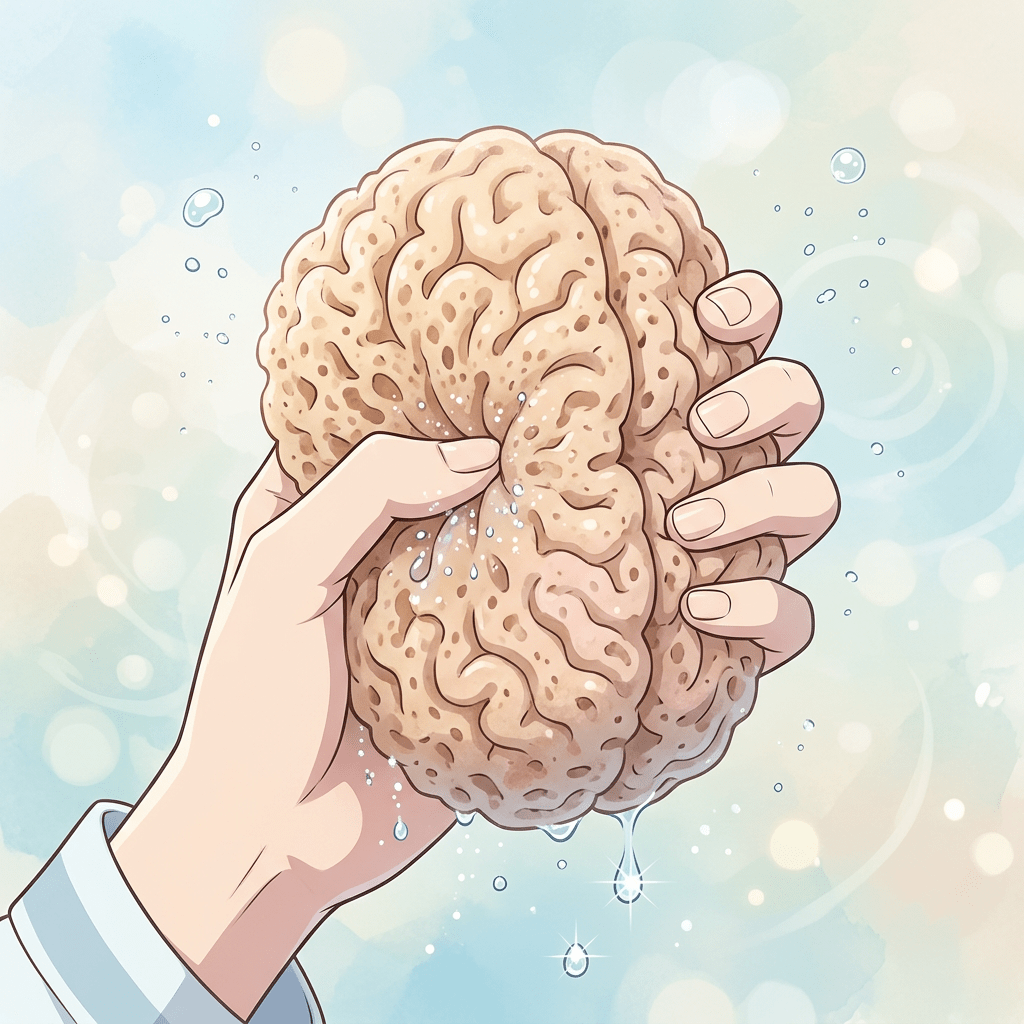
“If you want to protect your brain, use your hands. Start by washing dishes every day.”
At first, it may sound almost too simple—perhaps even surprising. But both ancient wisdom and modern science seem to gently point in the same direction.
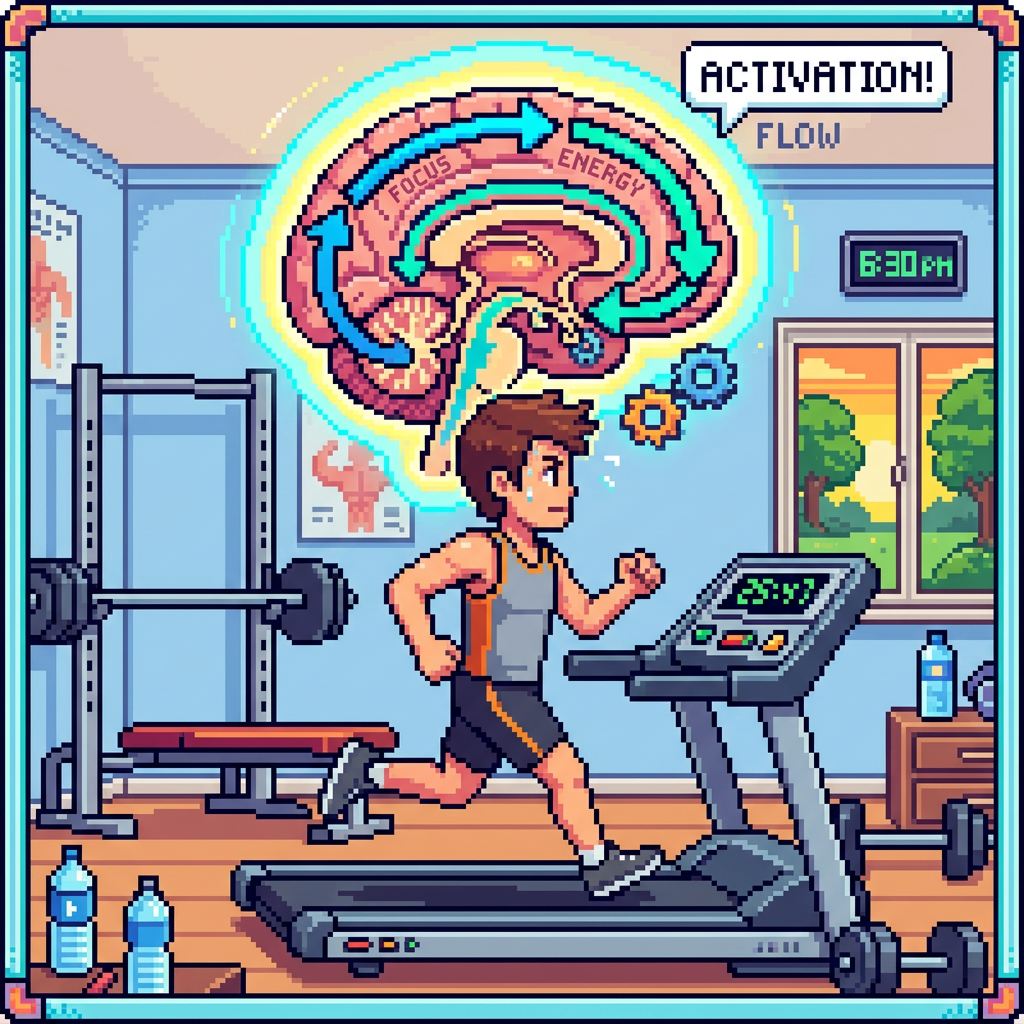
Neuroscience reveals that within our brain lies a remarkable structure known as the cortical homunculus—a “map” of the body drawn across the surface of the brain. Discovered by Wilder Penfield, this map shows that not all parts of the body are represented equally. The hands—especially the fingers and thumbs—occupy an unusually large area, as do the lips and mouth. These are the parts we use most delicately, most precisely, and most meaningfully to interact with the world.
Every time we use our hands—washing dishes, preparing food, writing, gardening—we are not just completing a task. We are activating the brain. We are strengthening neural pathways. We are maintaining coordination, attention, and awareness. In a very real sense, we are keeping the mind alive through the body.
And yet, in modern life, much of our time is spent swiping screens. Our hands move, but only in the smallest, most repetitive ways. Our eyes are active, but our bodies remain still. Our minds are filled, but not always nourished. Convenience has brought comfort, but it has also quietly taken away many opportunities to truly use ourselves. And when we stop using what we were given, we slowly lose it.
In Chinese wisdom, there is a simple yet profound saying: “大道至简”—the Great Way is simple. The path to health, clarity, and longevity is often not hidden in complexity, but revealed in the ordinary. Perhaps the protection we seek for our memory is not only found in medicine, but in movement; not only in supplements, but in simple, mindful actions.
To wash a dish. To knead dough. To tend a garden. To write a note by hand.
These are not small things. They are quiet acts of preservation.
Our body is not just a vessel—it is an extraordinary, living system designed for engagement. When we use it fully, it supports us. When we neglect it, it slowly fades.
So perhaps we can begin, not with something grand, but with something simple: use your hands, move your body, and be present in small actions. Because sometimes, the most profound care we can offer ourselves… is already within reach.
Daniel Fusch Contributor March 13, 2026, 2:03 p.m. ET
Audra and Matt Karam have spent many years listening to families and observing how children grow within their everyday environments. Through this work, they began to notice subtle gaps between what parents hoped to nurture in their children and the types of guidance available to support that growth in daily life. Their shared response eventually took shape as Karam’s Little Leaders, a family-centered initiative designed to help parents bring leadership principles into early childhood in a way that feels engaging and supportive.
As they continued these conversations with families, a clearer picture emerged. “We’ve been noticing how childhood development is evolving as family routines change, parents juggle more on their plates, and awareness grows around how early experiences may shape later behavior. So many parents tell us they want to raise thoughtful, capable kids, and they’re often looking for guidance that doesn’t feel overwhelming,” Audra says.
This need becomes even more apparent when viewed within the broader landscape. A KPMG report shows that many parents experience significant work disruptions due to childcare challenges, often forcing them to miss work or reduce their hours. “Families are looking for guidance that fits into real life, something that honors their limited time while still supporting healthy development,” Matt states. He adds that it’s a reminder of how valuable it is to have programs that bring parents and children together, strengthening skills through shared moments rather than separate activities.
It was within this context that Karam’s Little Leaders took shape. The program integrates leadership principles into short animated stories, hands-on activities, and guided family conversations. By using Black Belt Bruce, a friendly character as a narrative guide, the curriculum aligns with research showing that storytelling and imaginative play help young children internalize abstract ideas. Audra explains, “Children connect deeply with stories. When a lesson feels like an adventure, it becomes something they want to revisit, not something they feel directed to complete.”
Building on this foundation, the Karams’ approach also reflects insights from developmental psychology that introduce concepts in manageable ways that gradually expand as children grow. Their curriculum introduces core character skills early and revisits them through different lenses over time, allowing understanding to mature alongside the child.
Alongside developmental considerations, the Karams also paid close attention to the emotional needs of parents themselves. They recognized that many parents, especially during the early childhood years, look for reassurance that their choices align with their values and long‑term hopes for their children.
This theme reflects not only what families express today but also what longstanding national guidance has underscored for years. The Karams note that leaders have emphasized that strong early‑childhood programs must be built on meaningful partnerships with families. For instance, a joint policy statement from the U.S. Departments of Health and Human Services (HHS) and Education (ED) reaffirms this long‑held position, noting that effective programs consistently honor parents’ beliefs, cultural values, and aspirations for their children. The guidance stresses that families thrive when they feel supported, not judged, and when they receive clear, practical tools that strengthen their confidence during periods of rapid developmental change. This enduring perspective reinforces the importance of approaches that meet families where they are and offer tools that feel both respectful and manageable.
Amid this landscape, Karam’s Little Leaders positions itself as a supportive partner, offering parents language and routines that encourage reflection without judgment. The program’s design acknowledges that children observe adult behavior closely, reinforcing the idea that leadership habits develop through shared modeling.
The Karams note that group participation and gentle, positive feedback may help young children feel more engaged. At the same time, a supportive parental community might contribute to a sense of accountability and encouragement. With this in mind, they are exploring ways for families to feel more connected, aiming for an experience that could extend beyond individual lessons and nurture a shared sense of purpose.
Another influence on the program comes from the Karams’ background in martial arts. By translating core martial arts principles into a home‑based format, the Karams preserved the spirit of mentorship while adapting it to the rhythms of contemporary family life. Matt explains, “Discipline often grows through consistency and encouragement. When children feel respected, they tend to mirror that respect in meaningful ways.”
As national discussions around early learning increasingly highlight the importance of intentional parenting, Karam’s Little Leaders occupies a thoughtful place within that dialogue. The program does not position leadership as a fixed trait but as a collection of habits nurtured over time through patience, structure, and shared experiences. Its emphasis on parental involvement aligns with insights suggesting that engaged caregiving contributes to positive developmental outcomes across social and emotional domains.
This article is for informational purposes only and does not substitute for professional medical advice. If you are seeking medical advice, diagnosis or treatment, please consult a medical professional or healthcare provider.
What if your risk of heart disease isn’t just about diet or exercise—but about that small light you leave on at night?
A recent study published in JAMA Network Open, conducted by researchers from Harvard Medical School and Flinders University, has uncovered a striking connection between nighttime light exposure and cardiovascular health.
Their findings are both surprising—and a little unsettling.
According to the study, being exposed to light while sleeping can increase the risk of cardiovascular diseases—such as heart disease and stroke—by nearly 50%.
What’s even more important is this:
The risk isn’t simply due to “not getting enough sleep.”
Instead, the real issue lies deeper—in the disruption of your circadian rhythm, the internal biological clock that quietly regulates nearly every function in your body.
For most of human history, our bodies evolved in a simple rhythm:
Bright sunlight during the day
Complete darkness at night
But modern life has turned that pattern upside down.
During the day, many of us work indoors under lighting as dim as 400 lux—far less than even a cloudy outdoor day, which can reach 10,000 lux or more.
At night, instead of darkness, we surround ourselves with:
Streetlights filtering through windows
Glowing phone screens
The soft flicker of televisions
This constant, low-level light may seem harmless. But between midnight and early morning, it quietly sends confusing signals to your brain, effectively resetting your internal clock at the worst possible time.
The research team analyzed wearable device data from nearly 90,000 participants in the UK Biobank and followed them for up to 9.5 years.
The results showed a clear and concerning pattern:
Compared to those who slept in the darkest environments, people exposed to even small amounts of light at night had a 20% higher risk of heart disease
Those in the top 10% of nighttime light exposure saw their risk rise by a staggering 47%
This wasn’t a vague trend—it was a consistent, step-by-step increase in risk.
Perhaps the most striking finding is that this risk appears to be independent of other lifestyle factors.
That means:
Even if you don’t smoke
Even if you exercise regularly
Even if you eat a healthy diet
…sleeping in a room that isn’t truly dark may still place additional strain on your heart.
The good news?
This is one of the easiest health risks to fix.
You don’t need expensive treatments or drastic lifestyle changes. Sometimes, protecting your heart begins with something incredibly simple:
Turn off unnecessary lights
Reduce screen exposure before bed
Invest in blackout curtains
Create a sleep environment as close to complete darkness as possible
In fact, buying a proper set of blackout curtains might be one of the most cost-effective investments you make for your health this year.
Because compared to changing your genetics or giving up every unhealthy craving…
Flipping a switch is surprisingly easy.
In a world full of complex health advice, it’s easy to overlook the small things.
But sometimes, it’s the quietest habits—the unnoticed glow in the corner of your room—that carry the greatest impact.
Tonight, before you go to sleep, take a moment to look around.
In our culture, success is often seen as the ultimate destination—the long-awaited moment when effort finally blossoms into happiness. We are taught to dream, to strive, and to believe that once we reach our goals, fulfillment will naturally follow. Yet, both modern science and lived experience are beginning to tell a more nuanced story.
In recent years, research in neuroscience and psychology has revealed a quiet paradox: achieving our most cherished goals does not always bring lasting happiness. The brain’s reward system, driven by dopamine, is designed primarily for anticipation rather than arrival. It fuels the excitement of pursuit—the late nights, the hopeful striving, the vision of what could be. But once the goal is reached, that surge of motivation fades, and the emotional intensity often drops.
At the same time, psychologists describe a phenomenon known as hedonic adaptation—our tendency to quickly return to a baseline level of happiness even after major positive events. The dream job becomes routine. The long-awaited achievement becomes part of everyday life. What once felt extraordinary quietly becomes ordinary.
For some, this transition is subtle. For others, it can feel like an unexpected emptiness—a sense of “What now?” after the finish line has been crossed.
But this discovery is not discouraging. In fact, it is deeply illuminating.
It reminds us that the human mind is intricate, and happiness is more than just accomplishment. Success, by itself, is not designed to sustain joy—it is only one part of a much larger inner landscape.
True fulfillment begins when we understand this hidden pattern and learn to work with it, rather than against it.
A meaningful life is not built solely on reaching goals, but on what those goals serve. When ambition is guided by purpose—when our efforts contribute to something beyond personal gain—success no longer feels like an ending. Instead, it becomes a doorway.
This is why acts of kindness, compassion, and contribution carry such enduring power. Unlike fleeting achievements, they create a sense of connection and meaning that the mind does not easily adapt away from. They anchor us in something deeper than momentary reward.
Imagine a different way of living:
A life where ambition and inner well-being are not in conflict, but in harmony. A life where achieving a dream does not leave a void, but opens a new horizon of purpose. A life where each success is not a final destination, but a step toward greater understanding, compassion, and joy.
By understanding the brain’s hidden responses, we gain the ability to design such a life. We begin to see that fulfillment is not something waiting at the end of achievement—it is something woven into the journey itself.
In this light, success becomes more than personal victory. It becomes an opportunity to deepen meaning, to expand the heart, and to align our outer accomplishments with our inner growth.
Perhaps lasting happiness has never been about reaching the summit.
Perhaps it is about learning how to walk the path—with awareness, purpose, and a quiet, enduring sense of joy.
In the rush of daily life, it’s easy for the mind to gravitate toward what is missing, stressful, or unresolved. Our attention naturally scans for problems—an ability that once helped our ancestors survive. Yet this same tendency can also make modern life feel heavier than it needs to be.
What if something as simple as practicing gratitude could gently reshape the way our minds experience the world?
Psychological research suggests that it can.
One influential study by Robert A. Emmons and Michael E. McCullough, published in the Journal of Personality and Social Psychology, explored exactly this question in their paper “Counting Blessings Versus Burdens: An Experimental Investigation of Gratitude and Subjective Well-Being in Daily Life.”
Their findings offer a fascinating glimpse into how small shifts in attention can create meaningful changes in emotional well-being.
In their study, participants were divided into different groups and asked to keep brief weekly records:
One group listed things they were grateful for.
Another group recorded daily hassles or difficulties.
A third group tracked neutral life events.
After several weeks, a clear pattern emerged.
Those who regularly wrote down what they were grateful for reported:
Higher levels of optimism
Greater life satisfaction
More positive emotional states
Even better physical well-being, including fewer physical complaints
Interestingly, participants in the gratitude group were also more likely to help others and engage in prosocial behavior.
The practice did not eliminate life’s difficulties. Instead, it subtly shifted the mind’s orientation—from scanning for burdens to noticing sources of support, meaning, and connection.
In other words, gratitude works not by denying reality, but by expanding what we notice within it.
The brain is remarkably adaptive. Neuroscience often refers to this capacity as neuroplasticity—the ability of neural pathways to strengthen through repeated patterns of thought and attention.
When we repeatedly focus on worries, the brain becomes efficient at worrying.
When we repeatedly notice blessings, the brain becomes better at recognizing goodness in everyday life.
Gratitude, then, can be understood as a kind of mental training. It gradually teaches the mind to hold a wider view of experience—one that includes not only challenges, but also resources, kindness, beauty, and moments of quiet grace.
The research suggests that gratitude does not require elaborate rituals. Even small, consistent practices can make a difference.
Here are a few simple ways to begin.
1. Keep a “Three Blessings” Journal
At the end of the day, write down three things you are grateful for.
They don’t have to be dramatic or extraordinary.
They might be:
A helpful conversation
A good meal
A quiet moment of rest
A problem that turned out better than expected
The key is consistency. Over time, this practice gently trains attention toward appreciation.
2. Ask “What Went Well Today?”
Instead of ending the day reviewing only unfinished tasks, pause and reflect:
What went well today?
This small shift reframes the day from a list of obligations into a landscape that also contains successes and kindness.
3. Express Gratitude to Someone
Research on gratitude often finds that expressing appreciation strengthens relationships.
Send a message, write a note, or simply say thank you in a sincere way.
Gratitude is not only an internal experience—it is also a social emotion that deepens connection.
4. Notice the Ordinary
Some of the most powerful gratitude moments come from ordinary experiences:
Warm sunlight through a window
The taste of morning tea
The reliability of a friend
When we slow down enough to notice these small gifts, everyday life begins to feel richer.
It’s important to emphasize that gratitude is not about pretending life is perfect.
Difficulties, uncertainty, and loss are part of the human experience.
Gratitude simply invites us to widen the frame of attention—to see that even within imperfect circumstances, moments of goodness continue to exist.
By learning to notice them, we cultivate a more balanced and resilient inner life.
The idea behind “counting blessings” may sound simple, even old-fashioned.
Yet research continues to show that this small shift in attention can ripple outward—affecting mood, relationships, and overall well-being.
Perhaps the most beautiful part of gratitude is its accessibility.
It requires no special equipment, no complicated training.
Just a moment of pause… and a willingness to notice what is already here.
In a world that often feels fragmented and fast-paced, many of us are searching for a compass—a way to live that feels both grounded and deeply ethical. Thich Nhat Hanh, the beloved Zen Master and founder of the Plum Village tradition, offered exactly that through the Five Mindfulness Trainings.
These aren’t rigid “commandments” or a list of “don’ts.” Instead, they are a modern, proactive framework for cultivating peace, protecting life, and nurturing happiness within ourselves and the world.
At their core, the trainings are a reinterpretation of traditional Buddhist precepts, designed for our modern, interconnected lives.
Reverence for Life This training is an invitation to cultivate compassion. It’s about more than just avoiding harm; it’s about actively protecting life and practicing nonviolence toward ourselves, our neighbors, and the natural world.
True Happiness We often chase wealth or fame, thinking they are the keys to joy. This training reminds us that true happiness is found in generosity and the ability to be content in the present moment. It encourages us to live simply and avoid exploiting others.
True Love In our relationships, integrity is everything. This training emphasizes responsibility and ensures that our most intimate connections are grounded in deep love, commitment, and respect for the harmony of families.
Loving Speech and Deep Listening Communication is a powerful tool for healing. By practicing deep listening without judgment and using speech that inspires hope and reconciliation, we can move mountains of misunderstanding and alleviate the suffering of those around us.
Nourishment and Healing What we “consume” isn’t just food. It’s the media we watch, the conversations we have, and the substances we use. This training focuses on mindful consumption to protect our mental and physical well-being from toxins and despair.
The beauty of the Five Mindfulness Trainings lies in how they address the complexities of the 21st century.
Interbeing: They are rooted in the understanding that we are not separate entities. What happens to the Earth happens to us. When we heal ourselves, we heal the world.
Universal Ethics: While born from Buddhist wisdom, these trainings are non-sectarian. They are accessible to anyone, regardless of their religious or spiritual background.
Transformation over Rules: This is an ongoing practice. The goal isn’t “perfection” but a continuous, mindful process of shifting our focus from self-interest to collective well-being.
Sangha (Community) Support: We don’t have to do this alone. These trainings are often practiced within a Sangha, a community of friends who support each other in staying mindful and compassionate.
The Five Mindfulness Trainings are a gift—a map that leads us back to our best selves. By embracing these guidelines, we contribute to a collective awakening, one mindful breath and one compassionate action at a time.
“The Five Mindfulness Trainings are the most concrete way to practice mindfulness. They show us how to live our lives in a way that brings peace and happiness to ourselves and to others.” — Thich Nhat Hanh
Creating Your Own “Micro Forest Bathing” in the City
Not everyone lives in a place like Santa Cruz, surrounded by forests and winding mountain trails. Most of us live in cities—enclosed by traffic, fast-paced workdays, concrete buildings, and endless schedules. It can feel as though nature is far away, almost out of reach.
But the truth is, we don’t need to escape deep into the mountains to reconnect with nature. Even in the heart of the city, we can create our own “Micro Forest Bathing” moments.
At its core, forest bathing has never been about a specific location. It is about slowing down and reconnecting with nature through all our senses. When we shift our attention, the city reveals many small places where we can breathe again and feel gently held by the natural world.
Here are a few simple and practical ways to experience the healing presence of nature—right where you are.
1. Find a Small Green Oasis
Even the busiest city has pockets of quiet greenery: a neighborhood park, a cluster of trees, a riverside path, a campus corner, or a small community garden.
The place doesn’t need to be grand. A couple of trees, a patch of grass, or a few flowering bushes are enough to soften the heart.
What matters is not the size of the space—but whether you allow yourself to pause.
2. Walk in the Spirit of Forest Bathing
Whether you’re in a city park or walking along a tree-lined street, you can bring the rhythm of forest bathing into your steps:
Slow your pace
Notice the color of the leaves
Feel the temperature of the wind against your face
Watch how sunlight filters through branches and falls on the ground
Listen for birds, even if there are only one or two
Gently touch the bark of a tree
When you do this, the city softens—and your mind grows quiet.
3. Create Your Own “Green Route”
You can weave nature into your daily routine in small, intentional ways:
Choose a street with more trees on your commute
Take a five-minute walk in a nearby park during breaks
Stroll through your neighborhood after dinner and notice changes in plants and seasons
With time, this route becomes your personal path of restoration—a place where your mind learns to rest.
4. Bring a Mini Forest Into Your Home
Even without stepping outside, you can invite nature indoors:
Keep a few easy-to-care-for plants (ferns, ivy, or monstera work beautifully)
Open your windows to let in light, air, and natural sounds
Light a wood-based scent such as sandalwood or cedar
Play gentle forest soundscapes in the background, sip a cup of tea, imagine yourself being embraced by the forest—the steady presence of trees around you, the earthy scent of soil, the calm rhythm of nature moving without urgency. Let your shoulders soften. Let your breath deepen.
Even a small touch of green can soften emotions and calm the nervous system.
5. Practice “Green Meditation”
Sit near a plant or by a window. Do nothing except observe:
The sheen of leaves
The movement of light and shadow
The patterns in stems and veins
Breathe slowly.
Five minutes of this will calm your mind far more deeply than ten minutes of scrolling on your phone.
6. Let Nature Become a Habit
Forest bathing is not something we do once in a while—it is a way of staying connected to life itself. You might:
Take a weekly green walk
Spend three minutes a day looking at the sky
Touch a tree when you feel overwhelmed
Sit quietly in a park when stress builds
Even a few minutes of this mindful pause can soothe the nervous system, quiet the mind, and restore inner balance. Sometimes, the forest we need most is the one we allow ourselves to enter inwardly.
These small acts, repeated gently, become powerful sources of renewal.
Whether you live near a forest, by the ocean, or in the center of a city, nature is always there, patiently waiting—for you to breathe, to slow down, and to be healed.
And when you finally grow still enough, you may discover this quiet truth:
Even within the city, the forest is never truly absent. 🌿
It is fairly easy to see that society defines us by our relationship status, with those being in committed relationships having more status than those who are single. Friends, family, culture, society, TV, and, even Facebook posts, all tell us that we should be part of a couple.
If I’m honest, I have to admit that I bought into this hook, line and sinker; from the age of fourteen on, there was always a guy in my life. Like most people, having a relationship was of utmost importance, and, as a result, I often compromised other areas of my life. If I wasn’t in some sort of relationship, I felt empty inside, which only reinforced the hunt for Mr. Right.
I was on a perpetual roller coaster ride of seeking, finding, questioning and ultimately, letting go. There was a great deal of heartache and pain on the downside of this endless relationship ride, resulting in two failed marriages, and I don’t know how many “dead-end” relationships.
Sacred Singlehood
Biologically, we need partnership in order to procreate and keep the species going, but with 7 billion people on the planet, I don’t believe this is still the motivation for “needing to be” in a relationship. If we are truthful, our drive to be in relationships is more about personal habit, societal pressure and, yes, the dreaded fear of being alone topping this list.
Many of us even stay in relationships, well past their expiration date, because we think that we won’t find someone “better” and because we are growing older, we are even more afraid to risk being alone.
About ten years ago, I did something I thought I would never do. After a tumultuous break-up, I made a conscious choice to be single. At first, it was quite difficult being single; my relationship-addicted mind still searched for potential partners, but the greater part of me said, “No, not now.” It took me about a year to make peace with being single but even longer to discover the treasures of what I have come to call “Sacred Singlehood.”
Now, this isn’t an advertisement to choose singlehood over couple-hood. I certainly don’t know what is best for anyone, other than myself, but, this is an invitation to give yourself permission to consider who you might be (or become) all by yourself – without a partner.
What if it was okay to be alone, and, at least, for a little while, you gave up the search?
Whether you are experiencing a break-up, thinking about ending a relationship, or searching for that new one, consider that the relationship that you most desire, and the one that can bring you the most joy and fulfillment is with yourself.
Maybe you want a good reason for being single; well, how about two?
Being Single: Reason #1
Become Empowered, Explore Opportunities and Create an Amazing Life!
If you go from being in a relationship to mourning the end of a relationship to looking for a new relationship, where is the time and space for self-exploration?
Having the courage to be single allows you to create sacred space where you get to know yourself and you become your own best friend; from this space of growing confidence and security, you can go past your comfort zone, explore new ideas, travel to interesting places, create masterpieces, develop spiritual connection, take care of your body and mind, and maybe, even heal or strengthen relationships with your children, siblings, parents or friends.
Imagine giving yourself the time and space for emotional, mental, physical and spiritual healing or alignment. This might mean healing beliefs that don’t support you, claiming your unconditional worth and stepping into your intrinsic power. How wise and powerful might you become on a solo journey?
I can’t tell you what would have unfolded in these past ten years, if I had been in a relationship, but, I can tell you that during these sacred years, I experienced tremendous personal growth, spiritual awakening and creative inspiration that resulted in the publishing of several books. As I uncovered who I really am, and I discovered my self-made place in the world, I fell in love with me. Equally as important, my relationship with each of children drastically improved; because there was no longer someone else in the mix trying to influence my radical parenting style, I was free to parent in my own unique way. For this reason alone, my choice to be single was phenomenal.
When you give yourself the gift of being single, it can be the most sacred experience of your life.
Being Single: Reason #2
Meet Your Soul Mate by becoming the perfect partner for your perfect partner.
What if you took the time to really get to know yourself in order to become the person who can attract your ideal mate? Consider that any partner that you attract before you grow into your best self is very different than the partner you will attract from your highest and best self. Mr. Right can’t show up, if you are not yet Ms. Right and vice versa.
Law of Attraction Maybe we keep meeting the “wrong person” because we don’t measure up to our wants and desires in a partner. In other words, if you desire a partner who is open, honest and communicative, you must be open, honest and communicative. If you desire a partner who is in great shape, spontaneous and adventurous, you must be in great shape, spontaneous and adventurous.
In the quest for your perfect partner, you must be his/her perfect partner. This means that in order to attract your ideal mate, you must really know yourself and be true to your dreams and desires.
It is helpful to make a list of the qualities and attributes that you desire in a partner and rate yourself accordingly. If you don’t score high in each of those same qualities/attributes, according to the law of attraction, you are not yet a perfect match.
In order for the law of attraction to work in relationships, you must become that which you desire in another. Instead of jumping into a new relationship, imagine taking the time to develop these desired qualities and attributes, so that you can become the perfect partner for your perfect partner.
Heal Emotional Wounds If you keep ending up in relationships where you feel abandoned, misunderstood or unappreciated, chances are, there are some emotional wounds that require healing. If you want to be in an emotionally healthy relationship, you must be emotionally healthy. Being single offers you the time and energy required to heal past wounds, allowing you to align with an emotionally healthy partner.
Afraid of Being Alone I am going to guess that your perfect partner isn’t afraid of being alone, so, if you want to meet him/her, it is probably necessary to heal any fears of being alone – because, no doubt, you will attract potential partners who align with your fears. This means that if you are afraid of being alone, you will attract someone who is also afraid of being alone, or you will attract someone who will trigger your fear of being alone. If you do not want to attract a relationship based on this fear, it is essential that you fearlessly embrace singlehood.
Filling that Empty Space Many of us desire a partner to fill the empty space, but it never works because the only one who can ever fill your empty space is you. Being single allows you the opportunity to find yourself and experience fulfillment. Once you fill that space with yourself, you will be a perfect match for a man/woman who is whole, conscious and empowered.
The Desire for Love Okay, it’s normal to desire a relationship so that we feel loved, but, oftentimes, our relationships leave us feeling unloved. If you want to experience love in a relationship, it is important to take time alone in order to learn to love yourself unconditionally. Your unconditional self-love has the power to attract a partner who also loves him/herself unconditionally and together you can experience unconditional love for each other. This is the foundation for the loving relationship you seek.
Whether you are looking to find yourself or you are seeking a soul mate, being single may hold the answers.
The Point of Sacred Singlehood
The point of Sacred Singlehood is not to be single forever, unless that is what you choose, but, rather to become the highest version of you, who is emotionally secure, confident and free to express uninhibited authenticity, and, then, if you choose to share your life with another, you can attract your ideal partner, who is also consciously authentic, and together you can experience an enlightened paradigm of partnership that is truly amazing.
There is something so beautiful and transformative about being single, and, if I had missed it, I might have missed myself entirely. I am so grateful to my past self for making the courageous decision, and sticking to it.
Whatever your reasons to explore being single, Sacred Singlehood offers a Golden Opportunity where you can become the Real You and create the life you most desire.
About the Author:
As a Conscious Creation Coach since 1997, Nanice teaches mastery level manifestation skills, and, as a result, her powerful coaching style is often referred to as the “Nanice Effect.” Bridging the gap from imagination to realization, Nanice coaches people to live their true dreams. Nanice is the author of several inspirational books including, “Is There a White Elephant in Your Way? – a comprehensive guidebook to awakening and self-empowerment.” Sign up for Nanice’s Free 7 Part Awakening Series. To find out more, please visit www.Nanice.com.