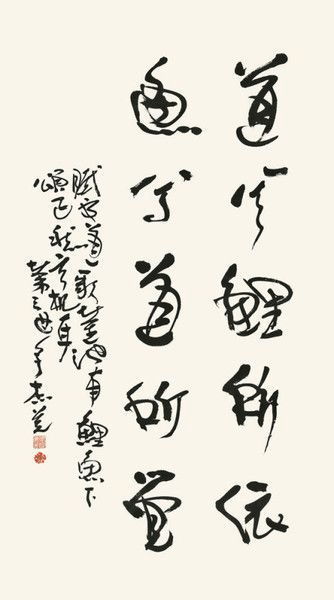
Calligraphy Artwork :《格高》Lofty Virtue

In the art of calligraphy, elegance and style are the two pillars that define a work’s greatness. Elegance (格) refers to the depth and quality of a piece, embodying its refinement and profoundness. Style (調), on the other hand, captures its unique rhythm, flavor, and aesthetic character. These two elements are inseparable, for elegance without style lacks charm, while style without elegance lacks depth and significance. Together, they form the soul of a calligraphic masterpiece.

Every artistic creation—whether it leans toward the refined or the mundane—reflects the inner cultivation and moral integrity of its creator. Particularly in calligraphy, the harmonious blend of elegance and style is a mirror of the artist’s breadth of knowledge and depth of character. A calligrapher’s scholarly cultivation and virtuous practice are indispensable, as they directly influence the work’s final presentation and enduring value.
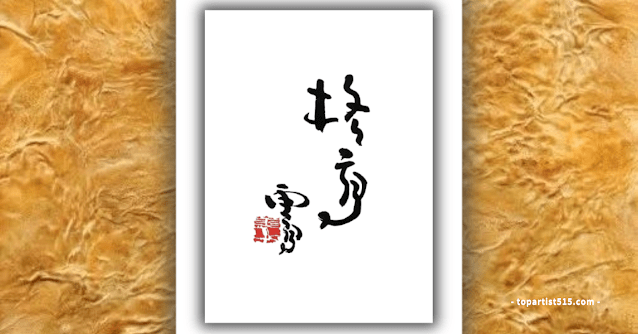
The piece Lofty Virtue (格高) exemplifies this union of strength and grace. Its bold and vigorous brushstrokes radiate immense inner power while maintaining an outward lightness and agility. The work captures the grandeur of commanding mountains and rivers, coupled with the serene qualities of introspection and tranquility. Strength and flexibility coexist harmoniously, creating a presence that is both majestic and gracefully refined. Floating clouds seem to glide effortlessly, and cranes soar gracefully between pines. This is artistry at its zenith—a realm of understated brilliance, silent dignity, and profound essence.

The calligraphy of H.H. Dorje Chang Buddha III transcends the boundaries of traditional artistry. Each work embodies the pinnacle of calligraphic achievement, uniting profound thought with unparalleled elegance. The pieces flow naturally, free of constraint, exuding majestic momentum and subtle charm. Their beauty is unadorned yet extraordinary, merging the strengths of various schools into a singular, masterful expression.

  • If one seeks the soaring of dragons and the dancing of phoenixes, it is present.
  • If one desires the piercing power to shatter gold and stone, it is evident.
  • If one yearns for the interplay of gentleness and strength, it is there.
  • If one wishes for the innocent spirit of a child within the heart of an elder, it is expressed.
  • If one demands a unique elegance and distinct charm, it is inherent.
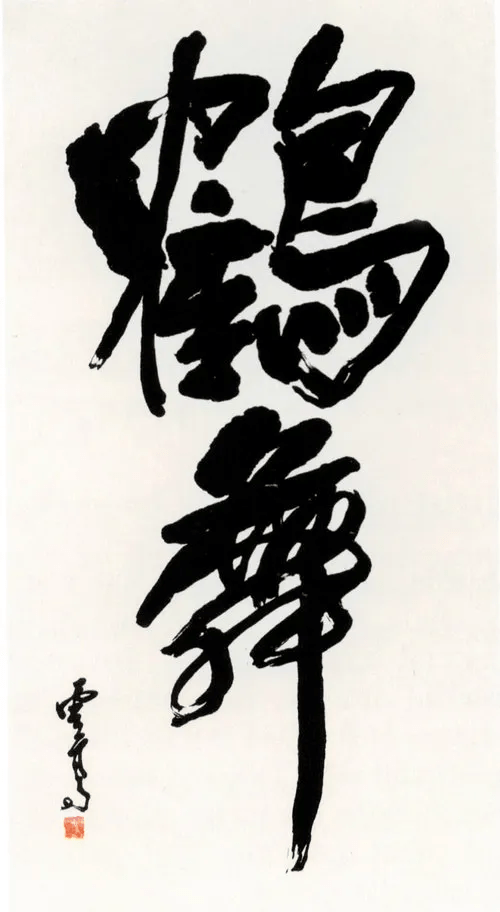
Crane Dance 
Tiny (Xiao bu dian)
Holy (Sheng)

In summary, these works epitomize perfection, returning to simplicity and authenticity—the calligraphy of the Buddha!

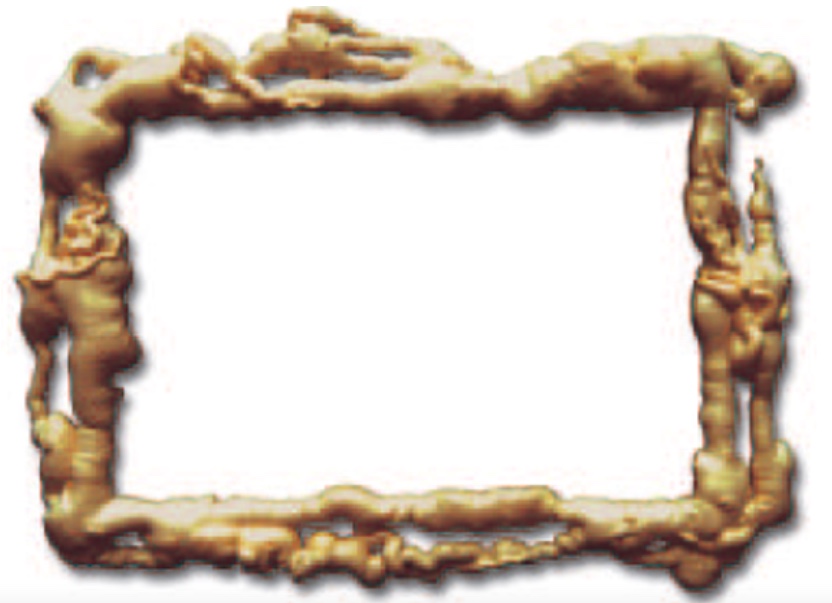
A distinguishing feature of H.H. Dorje Chang Buddha III’s calligraphy is the extraordinary frame that accompanies the work Lofty Virtue. The frame is crafted from the artist’s “White Jade Ginkgo Root” sculptures. Beyond showcasing the natural patterns, colors, and textures of ginkgo roots, the frame possess the pure and crystalline qualities of genuine white jade. The harmonious union of art and sculpture elevates the calligraphy to an unparalleled realm of aesthetic and spiritual resonance.

The calligraphy of H.H. Dorje Chang Buddha III is more than art; it is a testament to the unity of profound thought, moral integrity, and artistic mastery. It invites us to experience the boundless elegance and style that can only emerge from a heart imbued with wisdom and compassion—a true reflection of the Buddha’s teachings. Visit the International Art Museum of America to immerse yourself in the extraordinary artworks of H.H. Dorje Chang Buddha III.

Link:https://peacelilysite.com/2025/01/21/calligraphy-artwork-%ef%bc%9a%e3%80%8a%e6%a0%bc%e9%ab%98%e3%80%8blofty-virtue/

Art Frames that Truly Complement Paintings

Art Frames that Truly Complement Paintings

From ancient times to the present, the art of making frames has existed in the East, the West, regions of different nationalities, among the general population and within imperial palaces. There have been many kinds of frames for pictures, paintings, and other forms of art. There are truly unique, beautiful, and elegant art frames displayed in International Art Museum of America, located in San Francisco downtown, that I never seen at anywhere else before.

H.H. Dorje Chang Buddha III, the artist created sculpted art frames in the style of various natural elements. Examples of this include frames made in the style of ganoderma lucidum (a type of hard dark brown fungus supposed to possess supernatural powers), tropical plants that wind around trees, coral, ancient-looking unearthed cultural relics, white and green jade, and winding vines, faux withered vines, faux tree roots, faux white jade, faux old wood, faux spotted jade, faux ganoderma lucidum, faux red coral, etc. All frames there are artistic fascinating.

The ganoderma lucidum art frames are formed by putting together many of those hard mushroom-type fungi. Of course, such frames are not composed of real ganoderma lucidum. Rather, the ganoderma lucidum in such frames are created from carving and application of colors. The shapes of the Ganoderma lucidum are connected together on the wooden frame to form an exquisite, integrated shape. Those ganoderma lucidum have the same color, air, and shape of real ganoderma lucidum. Furthermore, rare thousand-year-old ganoderma lucidum, old hundred-year-old ganoderma lucidum, and new tender Ganoderma lucidum are interconnected to form an elegant and charming appearance. Many ganoderma lucidum mushroom caps and mushroom stems are interconnected in a beautifully rhythmic manner. The interchange between substance and emptiness, highness and lowness, largeness and smallness, and thickness and thinness creates a highly elegant appearance. 

Reishi Mushroom art frame was sculpted and painted with oil colors. It captures the form and texture of reishi mushrooms and has the gracefulness of an aged cultural relic.

The faux green jade art frames have an ancient-looking green jade color to them that is steady and elegant. This color is not stale or old-fashioned in the least. Rather, it is a natural combination of refined blackish green and sprightly verdant, although there is not much verdant hue. This color expresses the essence of old jade that has slowly matured over thousands of years, with a vigorous and spirited quality that is clearly seen. This refined green jade color will every now and again reveal a lustrous white, like the color of the feathers of immortal cranes. Such a mixture of hues truly transcends all traces of the mundane. The color green alone could be further divided into many different types based upon its various hues. There is aged green, light green, blackish green, glossy dark green, pastel green, verdant, fresh green, deep green, translucent green, etc. There actually are countless gradations of green in these art frames, all of which are natural looking. All of these various shades of green interconnect and interact so naturally there is not the slightest sign they were created by man. Therefore, it is difficult to fathom how the creator of these frames could harmonize these colors so masterfully, fittingly, flawlessly, and beautifully.

Faux emerald-jade art frame has the pattern, color watery tone, and texture of real jade

This is a faux natural tree-root art frame, has the pattern, color, and texture of real tree roots

Each and every detail of the frames in the museum, expresses an extremely natural quality in both form and spirit. Some frames are devoid of the dark spots or broken parts that natural objects have after being exposed to wind, frost, rain, and snow. His Holiness has developed to a perfect degree the depiction of the fleeting beauty that natural treasures display during their growth process. Simply put, the worth and prestige of any painting mounted to those frames will increase tremendously.

Art Frames that Truly Complement Paintings

Link: https://peacelilysite.com/2022/03/18/art-frames-that-complement-the-paintings/

#MasterWanKoYee #DorjeChangBuddhaIII #HHDorjeChangBuddhaIII#DorjeChangBuddha#IAMA#InternationalArtMuseumofAmerica#ArtFrame#Art

Source: https://thebodhiwish.com/art-frames-by-h-h-dorje-chang-buddha-iii/