Gratitude as a Quiet Brain Practice: How Counting Blessings Can Change Our Inner World

Connect the science to human experience

In the rush of daily life, it’s easy for the mind to gravitate toward what is missing, stressful, or unresolved. Our attention naturally scans for problems—an ability that once helped our ancestors survive. Yet this same tendency can also make modern life feel heavier than it needs to be.

What if something as simple as practicing gratitude could gently reshape the way our minds experience the world?

Psychological research suggests that it can.

One influential study by Robert A. Emmons and Michael E. McCullough, published in the Journal of Personality and Social Psychology, explored exactly this question in their paper “Counting Blessings Versus Burdens: An Experimental Investigation of Gratitude and Subjective Well-Being in Daily Life.”

Their findings offer a fascinating glimpse into how small shifts in attention can create meaningful changes in emotional well-being.
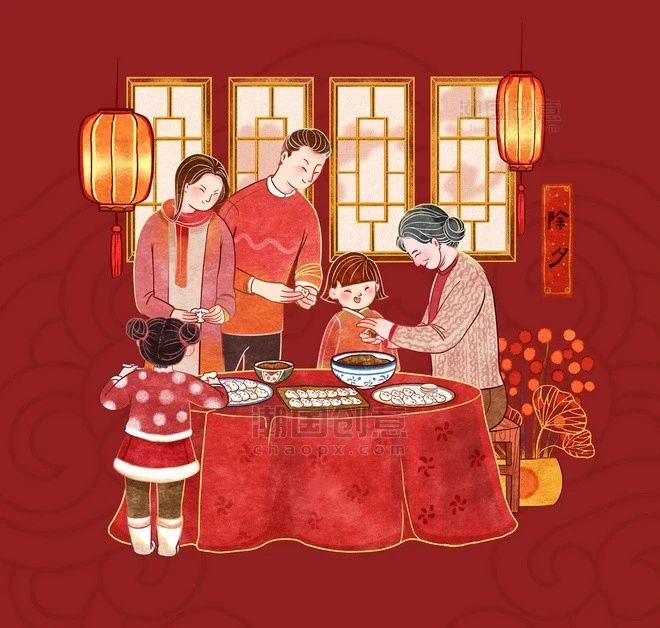
In their study, participants were divided into different groups and asked to keep brief weekly records:

  • One group listed things they were grateful for.
  • Another group recorded daily hassles or difficulties.
  • A third group tracked neutral life events.

After several weeks, a clear pattern emerged.

Those who regularly wrote down what they were grateful for reported:

  • Higher levels of optimism
  • Greater life satisfaction
  • More positive emotional states
  • Even better physical well-being, including fewer physical complaints

Interestingly, participants in the gratitude group were also more likely to help others and engage in prosocial behavior.

The practice did not eliminate life’s difficulties. Instead, it subtly shifted the mind’s orientation—from scanning for burdens to noticing sources of support, meaning, and connection.

In other words, gratitude works not by denying reality, but by expanding what we notice within it.

The brain is remarkably adaptive. Neuroscience often refers to this capacity as neuroplasticity—the ability of neural pathways to strengthen through repeated patterns of thought and attention.

When we repeatedly focus on worries, the brain becomes efficient at worrying.

When we repeatedly notice blessings, the brain becomes better at recognizing goodness in everyday life.

Gratitude, then, can be understood as a kind of mental training. It gradually teaches the mind to hold a wider view of experience—one that includes not only challenges, but also resources, kindness, beauty, and moments of quiet grace.

The research suggests that gratitude does not require elaborate rituals. Even small, consistent practices can make a difference.

Here are a few simple ways to begin.

1. Keep a “Three Blessings” Journal

At the end of the day, write down three things you are grateful for.

They don’t have to be dramatic or extraordinary.

They might be:

  • A helpful conversation
  • A good meal
  • A quiet moment of rest
  • A problem that turned out better than expected

The key is consistency. Over time, this practice gently trains attention toward appreciation.

2. Ask “What Went Well Today?”

Instead of ending the day reviewing only unfinished tasks, pause and reflect:

What went well today?

This small shift reframes the day from a list of obligations into a landscape that also contains successes and kindness.

3. Express Gratitude to Someone

Research on gratitude often finds that expressing appreciation strengthens relationships.

Send a message, write a note, or simply say thank you in a sincere way.

Gratitude is not only an internal experience—it is also a social emotion that deepens connection.

4. Notice the Ordinary

Some of the most powerful gratitude moments come from ordinary experiences:

  • Warm sunlight through a window
  • The taste of morning tea
  • The reliability of a friend

When we slow down enough to notice these small gifts, everyday life begins to feel richer.
It’s important to emphasize that gratitude is not about pretending life is perfect.

Difficulties, uncertainty, and loss are part of the human experience.

Gratitude simply invites us to widen the frame of attention—to see that even within imperfect circumstances, moments of goodness continue to exist.

By learning to notice them, we cultivate a more balanced and resilient inner life.

The idea behind “counting blessings” may sound simple, even old-fashioned.

Yet research continues to show that this small shift in attention can ripple outward—affecting mood, relationships, and overall well-being.

Perhaps the most beautiful part of gratitude is its accessibility.

It requires no special equipment, no complicated training.

Just a moment of pause…
and a willingness to notice what is already here.
Link: https://peacelilysite.com/2026/03/05/gratitude-as-a-quiet-brain-practice-how-counting-blessings-can-change-our-inner-world/

The Blessings of Faith: A Daughter’s Journey Through Her Mother’s Illness

My name is Li Xueping, and this is a story about love, faith, and the incredible blessings that come from practicing true Buddhism. It is a story that centers around my mother, Yang Yanshu, a gentle and kind-hearted woman who is now over ninety years old. Despite her age, she continues to inspire us with her warmth, frugality, and deep devotion to her family.

My mother has been a Buddhist for many years. Though she is illiterate, she memorized and recites the Heart Sutra daily with great sincerity. In our home, we’ve always honored Namo Guanshiyin Bodhisattva, and her faith has been a quiet but powerful force in our lives.

In October 2003, my sister and I accompanied our mother to listen to the Dharma discourses of Namo Dorje Chang Buddha III for fourteen consecutive days. During that time, my mother experienced a profound transformation—both physically and mentally. She was radiant with Dharma joy and gained deep faith in the supreme teachings. From then on, she diligently listened to discourses, practiced Buddhism daily, and her health remained remarkably stable. It was clear to us: the blessings of true Dharma had uplifted her life.

In June 2017, our lives were shaken when my mother was diagnosed with cervical cancer at a reputable hospital. She was in her eighties at the time, and the news was devastating. We decided against surgery and opted for conservative treatment with traditional Chinese medicine to minimize her suffering.

My siblings and I turned entirely to Buddhist practice. We recited The Supreme and Unsurpassable Mahamudra of Liberation, performed lamp offerings, and conducted life-releasing ceremonies. My mother, too, chanted Buddha’s names with devotion and repented for past wrongdoings. She often reflected with remorse: “I regret killing so many chickens in the past just for food. I committed great wrongs by taking lives.”

We knew from the Buddha’s teachings that killing brings severe karmic consequences, and while our efforts could not undo the past, we hoped to ease her suffering through sincere repentance and practice.

Wanting to seek deeper help, I applied for a U.S. visa and, in September 2017, traveled to the United States to personally report my mother’s situation to the great Namo Dorje Chang Buddha III. The Buddha responded with immense compassion: “I will perform a Dharma practice to bless her.”

I will never forget that moment. The Buddha, who treats all beings with equal kindness regardless of wealth or status, blessed my mother. Monastic disciples also provided her with precious Black Treasure Pills. Miraculously, her pain vanished, her complexion became rosy, and she regained peace and strength. The power of true Dharma had once again revealed itself.

An Unexpected Crisis and a Miraculous Return

In June 2018, while I was visiting my daughter in Belgium, I received an urgent call—my mother was critically ill. We feared I might not see her again. I flew back as quickly as possible, praying for blessings throughout the journey.
When I arrived home, I was astonished—my mother had survived.

My sister later told me that just before losing consciousness, my mother cried out:

“Namo Guanshiyin Bodhisattva, save me!”

Soon after, the ambulance arrived and took her to the hospital. After seven days of treatment, she was miraculously revived.

Shortly after, I faced a difficult decision. I had already planned to attend the Dharma Assembly Honoring the Holy Birthday of Namo Dorje Chang Buddha III in the United States. With my mother still recovering, and family responsibilities weighing on me, I hesitated. My husband even called me “unfilial” for wanting to leave.

But deep in my heart, I knew: this was the most important aspiration of my life. I prayed silently, asking for the Buddha’s blessings to keep my mother safe during my absence.

I attended the Great Life-Releasing Dharma Assembly at the H.H. Dorje Chang Buddha III Culture and Art Museum on June 21, 2018, and the next day, the rare and magnificent Holy Heavenly Lake Dharma Assembly. Surrounded by thousands of disciples from around the world, we chanted the holy name of the Buddha in unison. It was a moment of unimaginable spiritual joy.

On June 25, I had the honor of meeting Namo Dorje Chang Buddha III once again. I tearfully reported my mother’s condition, and the Buddha, in His great compassion, smiled and said, “Haha, good!”
That moment filled me with peace and hope.

When I returned home, I found my mother in excellent condition. Despite her diagnosis, she had never experienced unbearable pain, never lost her spirit, and continued her daily Buddhist recitations as usual. During Chinese New Year, even our relatives remarked in amazement: “She doesn’t look like someone with cancer at all!”

Her strength, peace, and recovery were nothing short of miraculous. We owe everything to the compassionate blessings of Namo Dorje Chang Buddha III, the Buddhas and Bodhisattvas of the ten directions, and the authentic Tathagata Dharma.

Through this journey, I have come to understand the impermanence of life, the inescapability of karma, and the painful cycle of birth, aging, sickness, and death. No one can escape their karmic debts. But through true Buddhist practice—guided by the teachings of Namo Dorje Chang Buddha III—we can walk a path toward healing, liberation, and lasting peace.

May all beings awaken to the true Dharma, cherish the opportunity to learn from a living Buddha, and attain the freedom of body and mind through genuine practice.

Link:https://peacelilysite.com/2025/07/15/the-blessings-of-faith-a-daughters-journey-through-her-mothers-illness/

Source: https://dharma-hhdorjechangbuddhaiii.org/a-mother-in-her-nineties-overcomes-the-pain-of-cancer-through-the-blessings-of-the-h-h-dorje-chang-buddha-iii/

#DorjeChangBuddhaIII #HHDorjeChangBuddhaIII #Buddha #Dharma

Embracing Buddha’s Grace: Bathing Ritual and Blessings at Hua Zang Si Temple

Photo Courtesy: Catherine Song | Hua Zang Si temple‘s serene atmosphere fostered reverence as attendees honored Shakyamuni Buddha’s Holy Birthday.

San Francisco, CA – On Sunday, May 4, 2025 (Sunday) – Hua Zang Si, a renowned Buddhist temple in San Francisco, solemnly hosted the Bathing the Buddha Dharma Assembly, welcoming local residents and visitors from diverse cultural and religious backgrounds. This sacred gathering commemorated the Holy Birthday of Shakyamuni Buddha, the World-Honored One, offering attendees a profound spiritual experience.

Organized by the World Buddhism Association Headquarters (W.B.A.H.), Hua Zang Si, and Sanger Mission, the event offered profound spiritual enrichment and served as a harmonious celebration that united the community in shared reverence and joy.

Under the guidance of Abbess of Hua Zang Si Temple, Ruzun Ruohui, the ceremony commenced in the temple’s majestic Grand Hall, where attendees chanted “The Heart Sutra” and the “Bathing the Buddha Verse” in unison, seeking blessings, wisdom, and spiritual purification. At the Bathing the Buddha Pavilion, participants held ritual ladles and poured fragrant water over the statue of the infant Prince Siddharta Gautama — later known as Shakyamuni Buddha —accompanied by heartfelt prayers: 

“Today, I bathe the Buddha with a wholeheartedly pious, seeking blessings and wisdom from the Buddha. May I and all sentient beings be free from obstacles and together attain the realization of the Pure Land.”

The rituals serve as a reminder of Buddha’s profound teachings on mindfulness and self-cultivation, inspiring all individuals—regardless of their beliefs—to cultivate compassion, reflect on their actions, and strive for a harmonious and meaningful life. Blessings were offered for all sentient beings to be freed from defilements and burdens, fostering a compassionate force to bring harmony and stability to society. The merit of this ceremony was dedicated to alleviating global disasters and pandemics, ending conflicts, bringing happiness to all living beings, and a prosperous and peaceful nation.

Attendees poured fragrant water over the infant Prince Siddhartha Gautama statue with ritual ladles, seeking blessings and wisdom from the Buddha.

Photo Courtesy: Catherine Song | Attendees poured fragrant water over the infant Prince Siddhartha Gautama statue with ritual ladles, seeking blessings and wisdom from the Buddha.

According to Buddhist scriptures, following the birth of Prince Siddhartha Gautama, nine dragons poured streams of fragrant water to bathe Him—which later became a tradition upheld globally in commemoration of His holy birth. The “Sutra on the Merits Accrued from Bathing the Buddha” details the blessings associated with this sacred practice, including health, longevity, spiritual fulfillment, and familial harmony. The ceremony concluded with the distribution of fragrant water to devotees, filling them with immense joy and spiritual bliss.

Founded on December 26, 2004, in San Francisco’s Mission District, Hua Zang Si has become a prominent center for authentic Buddhist teachings, guided by the teachings of H.H. Dorje Chang Buddha III and Shakyamuni Buddha. Throughout the year, the temple hosts Blessing Dharma Assemblies, providing a welcoming and inclusive space for individuals to engage with the profound teachings of Buddhism.

In addition to its spiritual mission, Hua Zang Si remains deeply committed to humanitarian efforts. Over the years, the temple has organized Lunar New Year celebrations at nursing homes, assisted with hospital relocations, provided meals to those affected by disasters, and conducted charity sales to support underserved populations. Recent initiatives have included fundraising for animal rescue centers, assisting low-income families, donating to local food banks, and delivering essential supplies to wildfire-affected areas. Hua Zang Si continues to embody the principles of compassion, unity, and service, fostering hope and harmony throughout the community.

Published by Steven S.

Source: https://sanfranciscopost.com/embracing-buddhas-grace-bathing-ritual-and-blessings-at-hua-zang-si-temple/?fbclid=IwY2xjawKPV_NleHRuA2FlbQIxMQBicmlkETFQNWRCRTBnOWhjWUV1b0tXAR54_T2CfqiC7ESWyBMWYopxXjWgyDB4grJBTJJgDtVF_VQUWoJJfOaVvGqKNA_aem_vVRFOtQI45KmXlNOVZNkSw