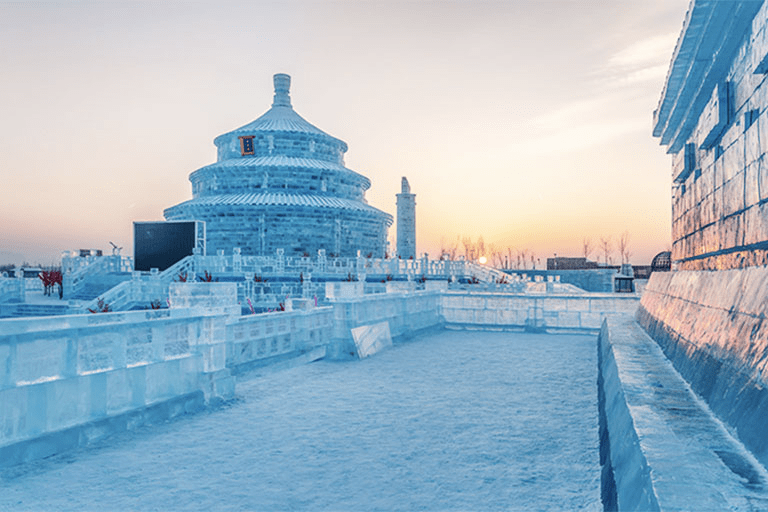
Harbin Ice and Snow World – A Colorful Ice Disneyland

Steve222_11 2019

The Harbin Ice and Snow World stands as one of the largest ice and snow theme parks globally, encompassing an expansive area of 600,000 square meters. It not only serves as an irreplaceable landmark for Harbin City but has also become a renowned international ice and snow tourism brand. Boasting over 2,000 ice sculptures, landscapes, ice castles, rides, and stage shows, this man-made winter wonderland is often referred to as the “Disneyland of Ice and Snow.”

Aligned with the International Ice and Snow Festival of Harbin, the Harbin Ice and Snow World recently celebrated its 20th consecutive year. Unlike traditional construction materials, the park is crafted entirely from ice each winter, featuring delicate and intricate ice and snow sculptures designed under different themes annually. The night view of the park, adorned with vibrant lights accentuating the sculptures, is a mesmerizing spectacle.

The winter experience in Harbin is not limited to visual delights; it encompasses various cultural activities and winter sports. For those seeking relief from summer heat, an indoor ice and snow paradise awaits exploration.

Entering the Ice and Snow World, visitors are greeted by awe-inspiring sculptures, some towering over three stories high, showcasing intricate designs. The park transforms into a magical realm at night, as multicolored lights embedded in the ground illuminate the ice structures, creating a surreal kaleidoscope of colors against the dark night sky.

The exhibition within the park is a display of international ice engraving competitions, ice and snow LED lighting competitions, photography shows, oil painting exhibitions, and other forms of art themed around ice and snow. Marvel at award-winning works and iconic structures, such as those depicting scenes from popular games like Arena of Valor.

A visit to Harbin Ice and Snow World offers not only a feast for the eyes with illuminated sculptures and performances but also a chance to partake in diverse cultural activities and winter sports. The recreation area, spanning over 200,000 square meters, provides more than 20 options, including ice sports like skating, curling, sleighing, ice biking, and the thrilling 320-meter long ice slide. Snow sports enthusiasts can engage in skiing, snow football, snow circling, and the classic snowman and snowball-making activities.

Families can enjoy quality time together in the Parent-kid Paradise, fostering close contact with nature. Furthermore, the dazzling shows presented by skilled actors, combining dancing, acrobatics, and various art forms themed around ice and snow, promise to leave a lasting impression. Don’t miss the opportunity to dance with the actors at the Dream Stage, adding an interactive element to your visit. The Harbin Ice and Snow World is not merely a destination; it’s an immersive experience that seamlessly blends artistic excellence and technological marvels for visitors of all ages.

Harbin Ice and Snow World – A Colorful Ice Disneyland

Link:https://peacelilysite.com/2023/12/22/harbin-ice-and-snow-world-a-colorful-ice-disneyland/

#SnowIceFestival #TravelChina#Harbin#IceDisneyland#ChinaDiscovery #WinterWonderland

Source: https://www.chinadiscovery.com/heilongjiang/harbin/harbin-ice-snow-world.html

Embracing the Spirit of Christmas

A Reflection on the 1914 Christmas Truce

In the midst of the First World War, a remarkable event occurred that transcended the boundaries of conflict and highlighted the true essence of Christmas – the Christmas Truce of 1914. As we celebrate this joyous season, it’s essential to reflect on the lessons of compassion, love, and humanity that emerged during that extraordinary moment in history.

“It will be over by Christmas.” This false assurance echoed among the 60 million soldiers sent to the battlefront, exposing the grim reality that war does not adhere to predetermined timelines. The soldiers found themselves entrenched along the Western Front, living in harsh conditions, mere meters away from their adversaries.

Despite the hostility of war, the spirit of Christmas prevailed on that fateful Christmas Eve. German troops, unwrapping gifts from home and lighting lanterns along their trenches, initiated a surprising turn of events. Carol singing broke out, and soon British and French troops joined in, bridging the gap between enemies.

As Christmas morning dawned, a temporary ceasefire was proposed, and soldiers from both sides cautiously ventured into no man’s land. Greetings, well wishes, and even gifts were exchanged. Spontaneous football matches broke out, demonstrating a shared humanity that transcended the barriers of war.

The Truce of 1914 was not an isolated incident; it was a series of truces involving over 100,000 soldiers across the British-held area of the Western Front. The scale of these impromptu ceasefires is a testament to the universal longing for peace, even in the midst of one of the deadliest conflicts in history. Spontaneous football matches broke out, transforming caps and jackets into makeshift goal posts. Corporal John Ferguson vividly described the scene: “What a sight – little groups of Germans and British extending almost the length of our front! Out of the darkness we could hear laughter and see lighted matches, a German lighting a Scotchman’s cigarette and vice versa, exchanging cigarettes and souvenirs.”

Reflecting on the teachings of Jesus, who implored his disciples to love their neighbors, it becomes apparent that the message transcends religious boundaries. In times of war fueled by religious differences, it is crucial to remember that faith should serve as a source of inspiration for compassion, love, and kindness, irrespective of one’s beliefs.

Similarly, the teachings of Shakyamuni Buddha echo through time, emphasizing the compatibility and mutual respect among religions. The contemporary Buddha, H.H. Dorje Chang Buddha III, extends this ethos by acknowledging figures like Jesus Christ as great holy beings. In his Dharma discourses, His Holiness emphasizes the imperative for all Buddhist disciples: “When encountering living beings, regardless of whether they are handicapped, deficient, sick, or healthy, treat them all equally as family members…” His Holiness further calls for global cooperation, transcending religious, cultural, and national boundaries. He underscores the importance of treating each other as dear relatives, emphasizing a collective effort necessary for the peace and auspiciousness of the world.

As we celebrate Christmas today, let us draw inspiration from the Christmas Truce of 1914. In a world where conflicts persist, particularly in places like Gaza, may we strive for peace, understanding, and empathy. Let the spirit of Christmas be a beacon of hope, guiding us towards a future where love triumphs over hatred, and unity prevails over division.

The Christmas Truce of 1914 serves as a timeless reminder that even in the darkest of times, the light of humanity can shine through. As we gather with loved ones during this festive season, may we carry the spirit of Christmas within our hearts and work towards a world where the message of love and peace prevails.

Embracing the Spirit of Christmas: A Reflection on the 1914 Christmas Truce

Link:https://peacelilysite.com/2023/12/20/embracing-the-spirit-of-christmas/

#SpiritofChristmas #Christmas #ChristmasTruce #WorldWarI #Peace#Compassion #Religion #History

Source: https://www.visionofhumanity.org/the-christmas-truce/#:~:text=As%20the%20German%20soldiers%20lit,were%20communicated%20between%20the%20trenches.

True Meaning of Christmas: Celebrating the Savior

True Meaning of Christmas: Celebrating the Savior

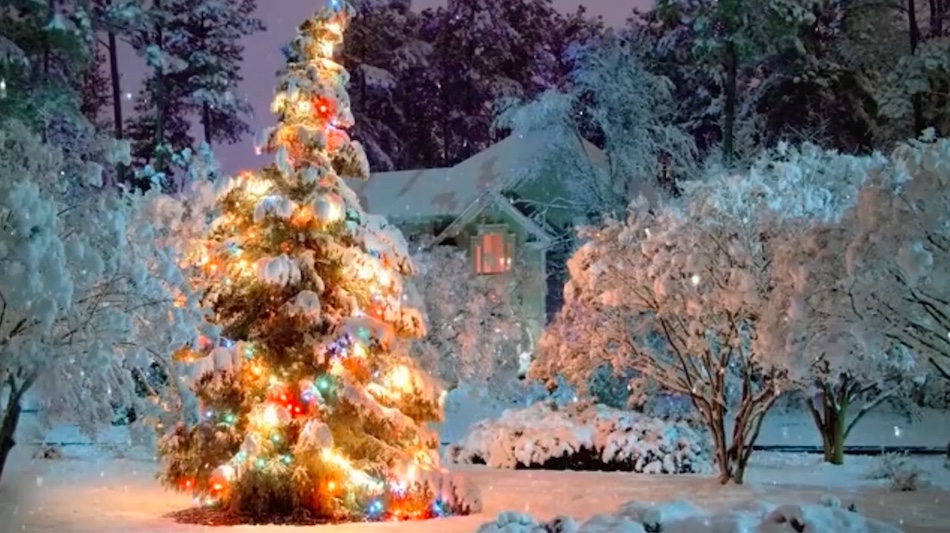
When fall has given way to winter and snow covers the ground while lights twinkle from house to house, you know Christmas is coming. Decorated Christmas trees are everywhere you look. Presents crowd for space under the tree and families come together for a turkey feast. Christmas is one of the most important Christian and cultural holidays of the year, but what is the true meaning of Christmas? Is it the gifts? Is it the annual economic boost?

The Christmas season, especially in the West, is a mix of pre-Christian, Christian, and secular traditions. What’s interesting is the etymology of the word Christmas. It literally means Christian Mass. It’s a shortened form of Christ’s Mass.

Christmas is a time of spiritual reflection on the important foundations of the Christian faith. It’s also a celebration. It’s when Christians celebrate God’s love for the world through the birth of the Christ child: Jesus. The Bible tells of his birth hundreds of years before, fulfilling prophecies.

Photo by Juan Carlos Leva on Pexels.com

Christmas is one of the most important Christian and cultural holidays of the year, but what is the true meaning of Christmas? For Christians, the true meaning of Christmas is the celebration of the Savior, Jesus Christ.

Jesus was born in order to pay the price for the things we have done wrong: sin. God sent his only son to be the atonement for all our sins so that we would not be separated from God. Without Jesus, we would all die for our sins. We inherited our sinful nature from the first human beings God created, Adam and Eve. While being fully God and yet fully man, Jesus came into the world as an infant to save us all.

Most Christmas traditions vary in significance and symbolic meaning. For example, we exchange gifts because God sent us the most precious gift: his only Son. Also, three Wisemen visited Jesus and brought gifts as well. A poem titled A Visit from St. Nicholas penned in 1822 popularized the tradition of exchanging gifts too.

Although people worldwide celebrate Christ’s birth on December 25th, it was likely that he was born on a different month and date. The church in the 4th century chose December 25th as it coordinated with the Solstice on the Roman Calendar.

For Christians, the true meaning of Christmas is the celebration of the Savior, Jesus Christ. We know that through belief in Christ we are daughters and sons of God. Heaven will one day be our home. Perhaps this will help you look at the Christmas season differently this year. A chance to truly take in the wonder and awe of the season.

True Meaning of Christmas: Celebrating the Savior

Link: https://peacelilysite.com/2022/12/23/true-meaning-of-christmas-celebrating-the-savior/

Source: https://www.christianity.com/wiki/holidays/what-is-the-meaning-of-christmas.html

Why are holidays so hard? A Guide for Coping

Photo by Irina Iriser on Pexels.com

Why are holidays so hard? A Guide for Coping

By: Rochelle Perper, Ph.D. | November 25, 2022

If the holidays don’t feel like the often quoted ‘most wonderful time of the year,’ you aren’t alone in that feeling. At an early age, we learn that the holidays are times for festivity, a time for the entire family to come together in perfect joy. Social media shows idyllic images of beautiful families together, flawlessly cultivated dinner tables, and impeccably wrapped gifts that make us believe this is what the holidays should look like.

When the expectation of a joyful and peaceful holiday season doesn’t match the reality of our experiences, we feel disappointed and sorrowful.

For many, the holidays are a dreaded, painful time of year. The days are shorter, the nights are colder, and when you add financial burden, travel, or visits with sometimes difficult family members to the mix, the stress piles up quickly. The holidays constitute a special difficulty for those who have lost friends or family members, and for those having experienced significant change or trauma in their lives.

The following describes some common holiday stressors and guidance for coping:

Stressor: Pressure for the “perfect” holiday gathering

The holidays are certainly a busy time of year! We shop, cook, bake, attend parties, wrap gifts, prepare meals, decorate, make plans, travel, connect with friends, and all while we try to find some time for ourselves. It’s exhausting! Attempting to do it all is not only impractical, but it also takes a toll on our mental and emotional health.

How to Cope:

Focus on what really matters

Reflect on what is most important to you, then align your activities and actions with this value. For example, you may value making meaningful connections. If you spend most of the evening preparing the perfect meal while missing out on time spent with family and friends, then perfect meal prep does not align with your values. Remember: the holidays don’t have to be perfect or look a certain way to be memorable and special.

Set realistic expectations

As families change and grow, traditions and rituals often change as well. For example, adult children or other relatives may not be able to gather when you want them to, or there isn’t a budget for top-end gifts on your kid’s wish-list. Make sure your expectations are realistic. For example, if you expect too much from yourself or someone else, brainstorm what you can give up aligning the reality of the situation to what you expect the holidays to look like.

Be gentle with yourself

You are human, and there’s only so much you can do each day or a given holiday. Respond to your human limits by setting boundaries and finding ways to Have the Courage to Say No. Learn How to Be Gentle with Yourself and How to Practice Self-Compassion. Give yourself permission to feel whatever emotions may arise during this stressful and sometimes difficult time of year.

Stressor: Anxiety about family gatherings

For some, family gatherings result in an enjoyable time. For many, family gatherings provoke only stress and anxiety. You may feel self-conscious or feel pressured to keep up the conversation. You may dread the inevitable fights or need help Surviving the Holidays with a Narcissistic Family Member.

How to Cope:

Set boundaries

Although you may feel pressured to attend a holiday party or gathering, check-in first with your wants and needs to identify your readiness. If you decide to attend, remind yourself that you don’t have to stay the entire time. Read How to Deal with Your (difficult) Family this Holiday Season for more boundary-setting tips.

Be prepared

Anticipate challenging circumstances, people, or situations and develop a plan to manage the difficult emotions that may arise. You may find it tempting to “numb out” with alcohol but opt instead to challenge yourself to stay present, even in the presence of negative emotions. Plan ahead by getting a good night’s rest, staying sober, and identifying your coping strategies (like taking a walk, deep breathing, or affirmations). Have an exit strategy. It will help make your experience more enjoyable.

Assume good intent

Try to accept family members and friends as they are, even if they have different views and opinions. Set aside grievances for a more appropriate time for discussion. Show understanding if others get upset or distressed when something goes awry; they likely feel the effects of holiday stress too. Be proactive in preventing and resolving conflicts and pay attention to your internal cues that suggest you risk losing your cool. Stay calm and take a breath before you speak. Prepare a rehearsed statement that you can use such as “let’s put a hold on this for another time.”

Stressor: Grieving a loss

The holiday season may look different this year because of the changes that took place over the past few years. This may mean foregoing parties, visits with family and friends, and participating in community activities and celebrations. We face the difficult task of readjusting our expectations for the holidays, which means Grieving the Loss of the Holidays as we know it. If you have lost a loved one or will be missing someone’s presence during the festivities, you are likely to feel this grief more intensely.

How to Cope:

Make plans and get the support you need

Give yourself the permission to develop new holiday rituals and traditions. Ask what traditions comfort you and allow yourself to participate in whatever feels right to you, or not. Share your plans with family and friends ahead of time and inform them what is helpful, and what is not helpful. Avoid the circumstances that you don’t feel ready to handle, but don’t isolate yourself. Make time for quiet reflection and grieving but balance it with activities with loved ones who accept and love you amidst your sorrow. And remember it is okay to accept offers from others to cook, shop, or decorate!

Allow yourself to grieve

There is no one “right” way to grieve, and no correct timeline. Allow yourself to feel what you feel, whether that’s joy or sadness, anger, or relief. Experiencing joy and laughter during the holidays honors the person who died and does not mean that you have forgotten them. Be gentle with yourself and others while recognizing that each family member may stand at a different stage of healing than you.

Honor your loved one

It may comfort you to incorporate a new tradition or ritual that honors the person who died. For example: create a memory box filled with photos or love notes from family members and friends, light a candle, say a prayer, or share a memory, write a poem, play your loved one’s favorite music or game, invite a moment of silence or toast at mealtime, make a donation or volunteer for a cause that your loved one found meaningful. Read Coping with Loss During the Holidays for more suggestions and inspiration for healing.

Stressor: The physical toll of stress

Stress affects all systems of the body including physical, mental, and emotional. When we encounter increased stress around the holidays, we notice its effects even more. For example, stress can make you more susceptible to illness, cause headaches, disrupt sleep, or contribute to feeling depressed or anxious.

How to Cope:

Increase self-care

Protect your health by prioritizing activities that reduce stress and help you recharge. It is not selfish to spend time on yourself with mindfulness meditation, yoga, spending time with friends or family, taking a bath or watching a movie. If you feel especially overwhelmed, focus on the basics: proper nutrition, healthy movement, and good sleep hygiene. Read Mindfulness for Holiday Stress to inspire other ways of finding calm moments amidst the hustle and bustle.

Spend time outdoors

As the days get shorter and daylight fades much earlier, you may start to feel “down.” What many people refer to as the “winter blues” could be a lack of Vitamin D, the important nutrient that helps boost our immune system and plays an important role in mental health. Increase your levels of Vitamin D with 8 to 15 minutes of sun exposure per day. So, take a little break and soak up the rays!

Why are holidays so hard? A Guide for Coping

Link: https://peacelilysite.com/2022/12/14/why-are-holidays-so-hard-a-guide-for-coping/

#Holiday#JoyfulPeaceful#Christmas#Family#HealthandWellness