Sometimes, the most unforgettable travel experiences begin with the simplest reasons.
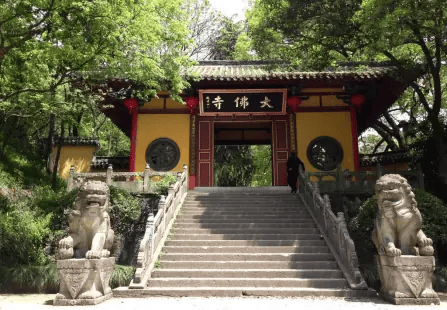
I first became interested in visiting the Grand Buddha Temple in Xinchang (新昌大佛寺), Zhejiang Province, after watching several popular Chinese costume dramas, including Ninefold Purple (《九重紫》), Chasing Jade (《逐玉》), One and Only (《周生如故》), and Mysterious Lotus Casebook (《莲花楼》).
I was curious to see the beautiful locations where these dramas were filmed. But when I finally arrived, I was completely blown away!
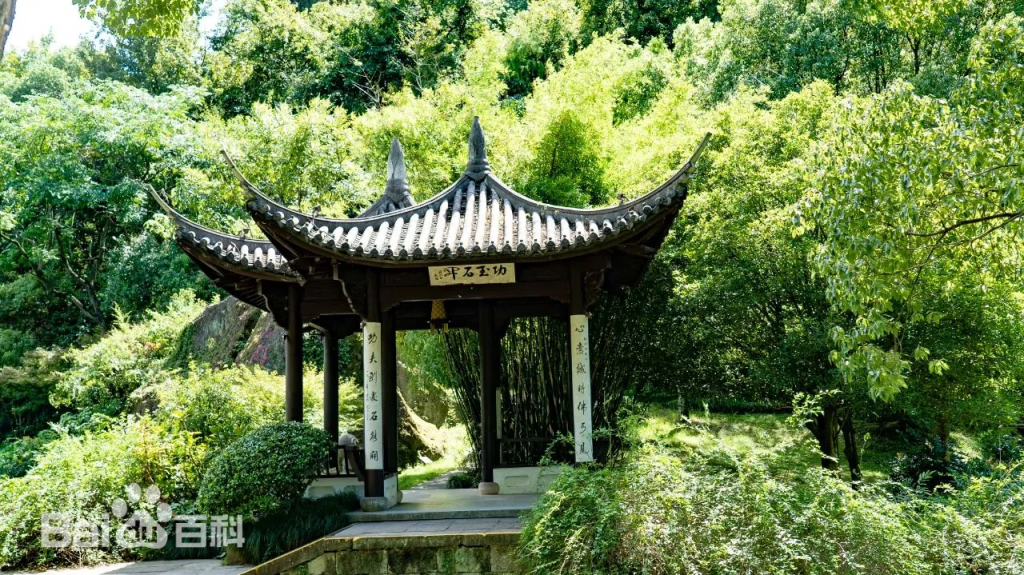
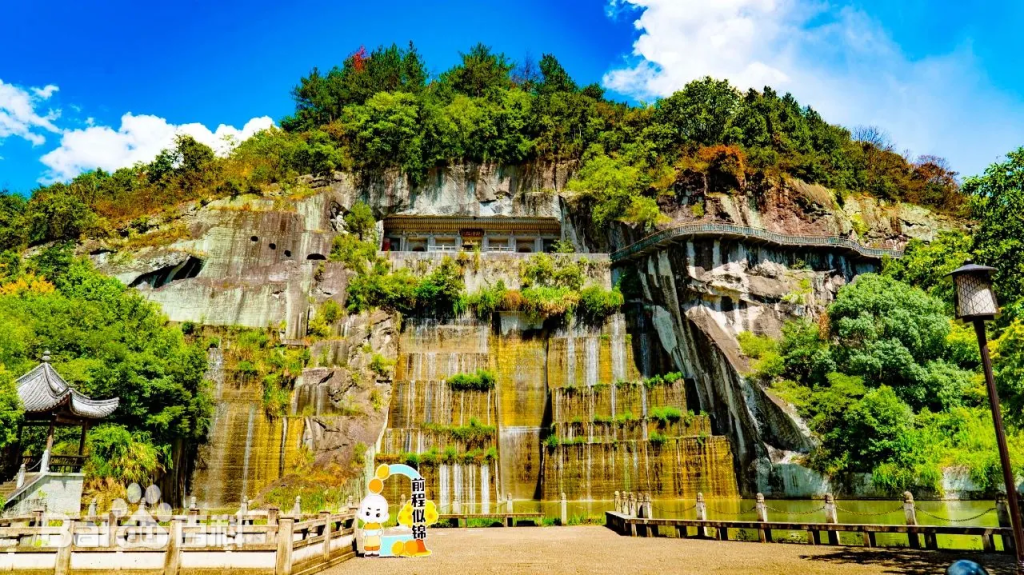
I had expected to see some beautiful ancient buildings and filming locations. Instead, I discovered an extraordinary world of ancient Buddhist sculptures, mysterious caves, magnificent rock formations, waterfalls, peaceful gardens, and towering pagodas.
This was not simply an ancient temple. It felt like stepping into another world.
A Temple With More Than 1,600 Years of History
Located in Xinchang County, Shaoxing, Zhejiang Province, the Grand Buddha Temple dates back to the Eastern Jin Dynasty, around 345 AD. With a history spanning more than sixteen centuries, it is one of the important centers of Buddhist culture in the Jiangnan region of southeastern China.
According to historical accounts, an eminent monk named Tanguang (昙光) came to this beautiful mountainous area in the fourth century and established a small monastery. Over the centuries, the temple developed into an important center for Buddhist practice and scholarship.
The surrounding landscape is particularly beautiful. Ancient trees, green hills, rocky cliffs, winding pathways, and quiet valleys create an atmosphere that feels both peaceful and mysterious.
The temple is also famous for its extraordinary rock-carved Buddhist sculptures, earning it the nickname “The Dunhuang of Yue.” This comparison reflects the remarkable artistic and historical value of its Buddhist carvings.
Four Highlights You Should Not Miss
1. The Grand Buddha of Jiangnan – A Masterpiece Carved Into the Mountain
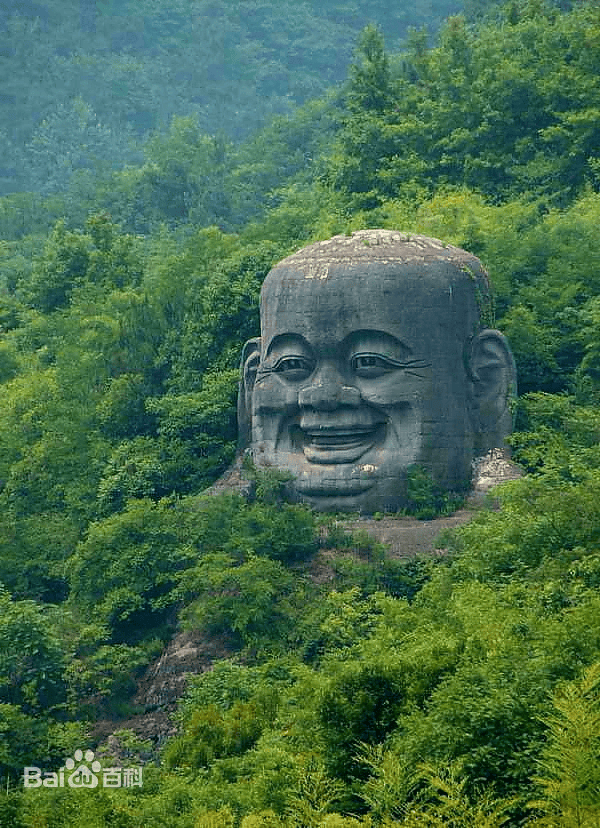
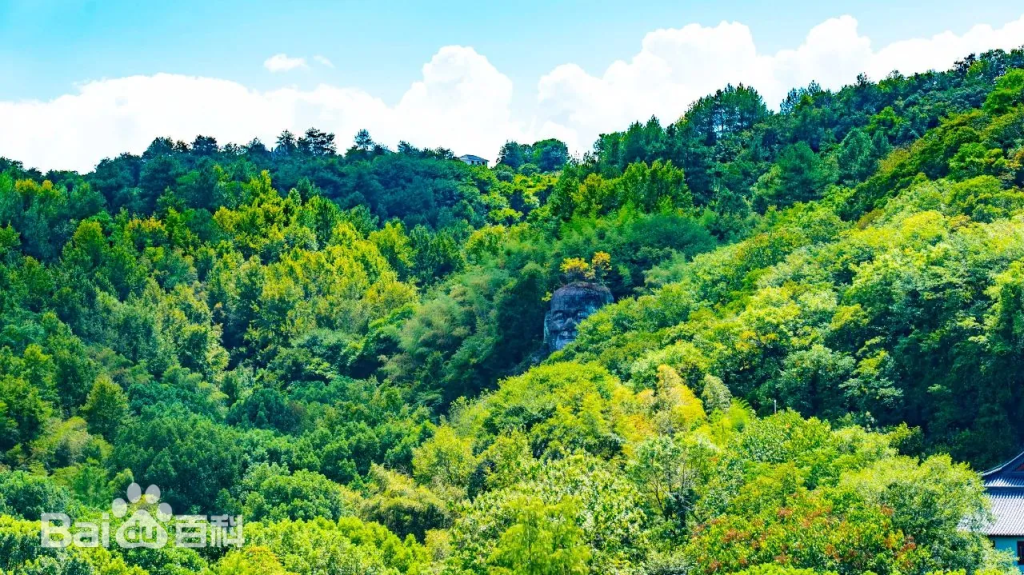
The most famous treasure of the temple is its magnificent stone Maitreya Buddha.
Carved directly into a natural rock cliff during the Southern Qi and Liang dynasties, between approximately 486 and 516 AD, this enormous statue stands about 16.3 meters tall.
The remarkable project took three generations of Buddhist monks and approximately thirty years to complete.
What makes this sculpture so extraordinary is not simply its size. Its serene expression, elegant proportions, and gentle smile convey a remarkable sense of compassion and wisdom.
Standing before this ancient Buddha, one cannot help but feel a sense of reverence. It is amazing to realize that this masterpiece was created more than 1,500 years ago, long before modern construction equipment and technology existed.
2. The Reclining Buddha – A Majestic Image of Nirvana
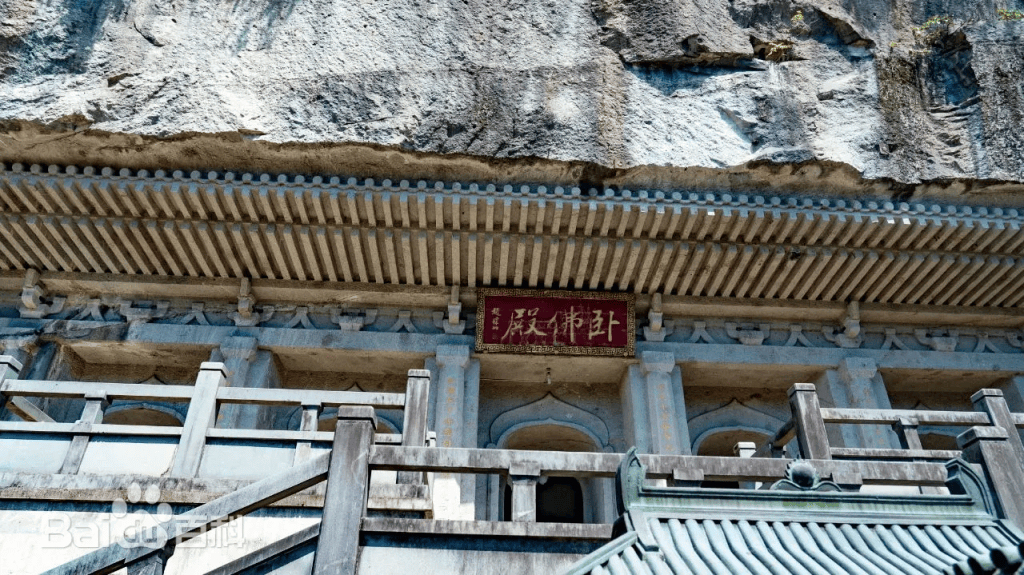
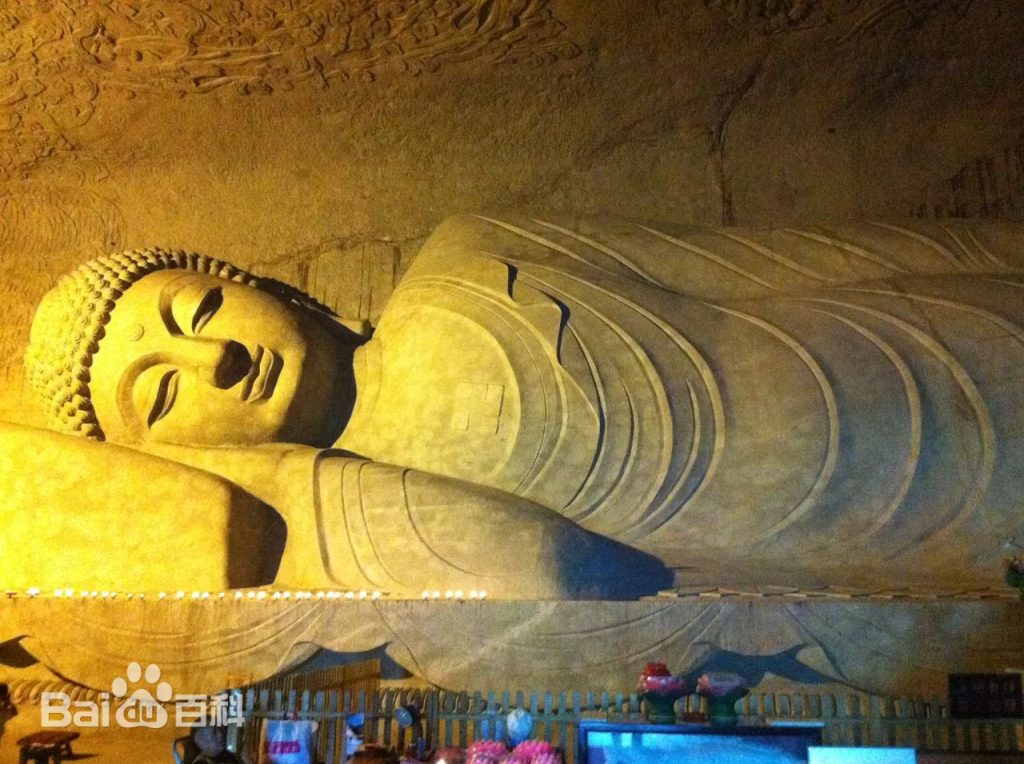
Another breathtaking attraction is the Reclining Buddha inside the Twin Pines Grottoes (双林石窟).
At approximately 37 meters long and 9 meters high, it is described as Asia’s largest indoor reclining Buddha.
Unlike the ancient rock-carved Maitreya Buddha, this impressive sculpture was created in modern times, using the natural cave environment as its setting.
The Buddha rests peacefully in the traditional reclining posture, representing the Buddha’s entry into Parinirvana.
The surrounding rock formations, stone carvings, pools, and waterfalls create an atmosphere that feels almost otherworldly.
It is easy to understand why filmmakers are attracted to this location. The combination of natural rock architecture, Buddhist imagery, and dramatic lighting makes the entire space feel like a scene from a fantasy world.
3. Buddha Heart Square and the Beautiful Jiangnan Corridor
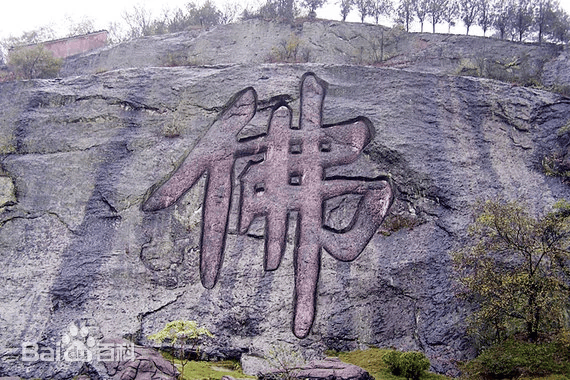
Buddha Heart Square (佛心广场) is another popular destination.
Here, visitors can see a magnificent large Chinese character “佛” (Buddha), created by the renowned monk and artist Master Hongyi.
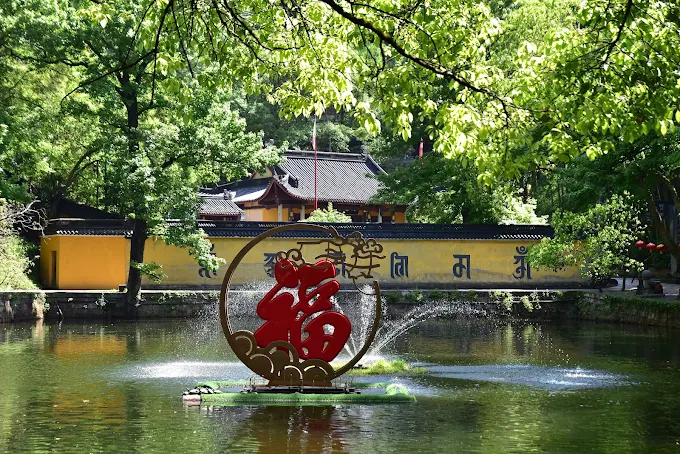
The nearby corridor, with its traditional yellow walls, dark tiled roofs, and beautiful “福” (fortune and blessings) character, is especially photogenic.
Walking through this corridor feels like stepping into an ancient Chinese painting.
It is also a wonderful place to photograph traditional Chinese clothing, especially Hanfu. The combination of yellow walls, traditional architecture, and surrounding greenery creates an elegant and timeless atmosphere.
4. The Ten Thousand Buddhas Pagoda – A Landmark in the Sky
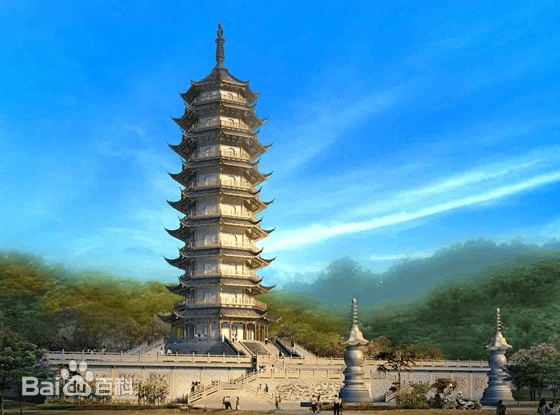
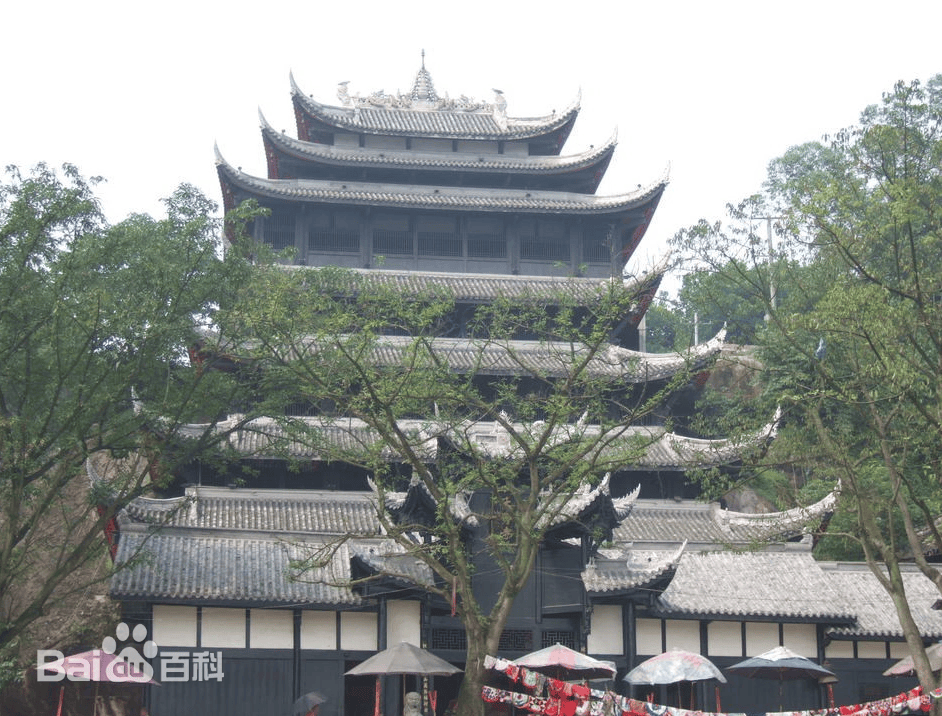
The Ten Thousand Buddhas Pagoda (万佛宝塔), standing approximately 73 meters tall, is another spectacular landmark.
Its nine stories, traditional Chinese rooflines, and impressive height make it one of the most recognizable structures in the scenic area.
The pagoda has also appeared in several popular costume dramas, including Mysterious Lotus Casebook and Ninefold Purple.
Looking up at this magnificent structure, surrounded by mountains and traditional buildings, I could understand why filmmakers love this location.
If climbing the pagoda is permitted during your visit, it is worth checking whether you can enjoy the views from above.
5. Prajna Valley – A Mysterious Underground Buddhist World
One of the most surprising attractions is Prajna Valley (般若谷).
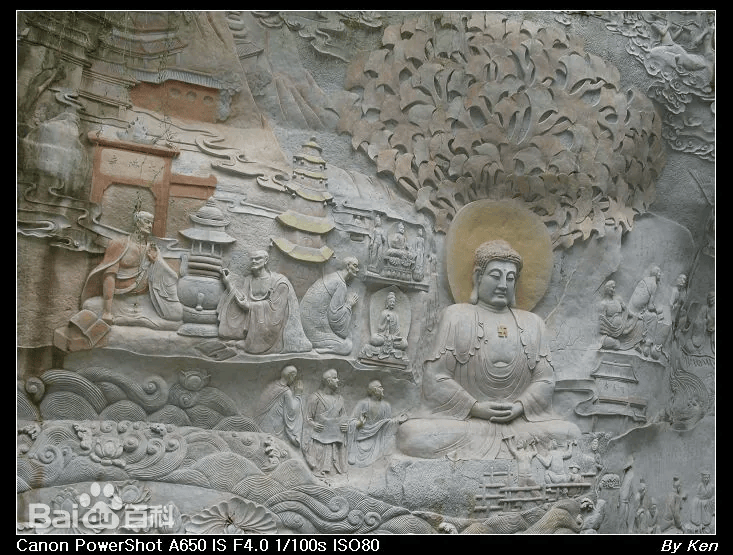
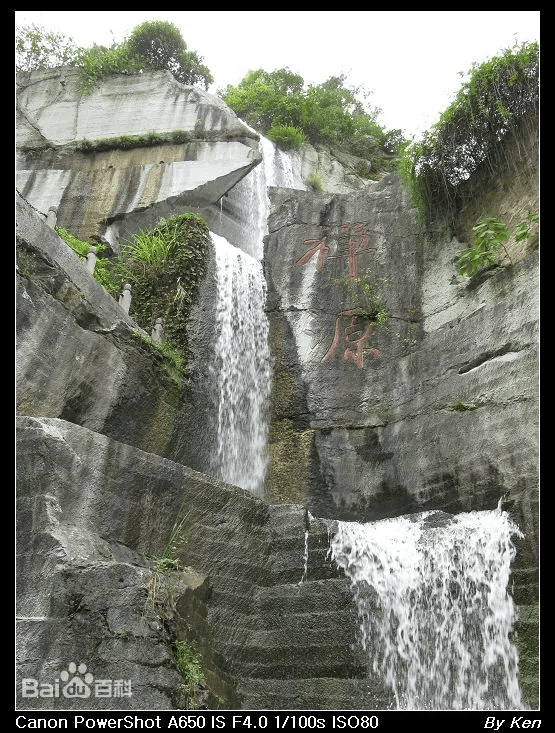
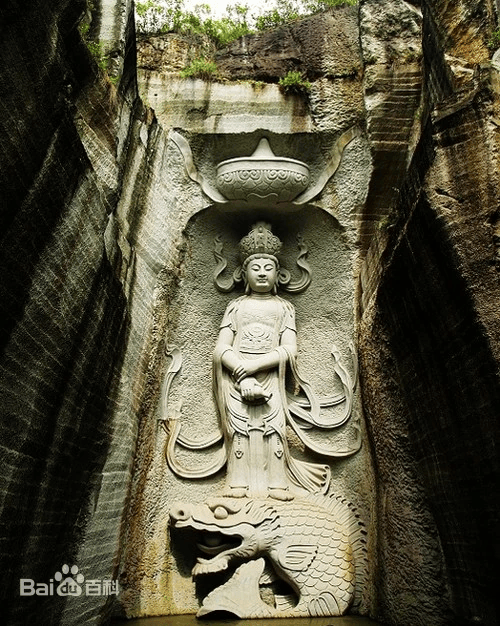
Unlike the traditional temple halls, this area was developed from an old Ming Dynasty quarry. Its dramatic rock walls, caves, waterfalls, and elaborate Buddhist sculptures create a fascinating underground-like landscape.
There are colorful relief sculptures depicting Buddhist history and important figures, as well as an impressive Guanyin statue.
Walking through the valley, surrounded by towering rock walls and flowing water, feels like entering a hidden Buddhist kingdom.
This is also one of the filming locations associated with Ninefold Purple. For fans of Chinese historical dramas, recognizing familiar scenes here makes the visit even more exciting.
Travel Tips: How to Make the Most of Your Visit
The scenic area is quite large, so I recommend allowing at least three to four hours. If you enjoy photography, exploring Buddhist art, or simply taking your time, you may want to spend half a day here.
A suggested sightseeing route is:
Buddha Heart Square → Release Pond (放生池) → Grand Buddha of Jiangnan → Thousand Buddha Zen Temple → Twin Pines Reclining Buddha → Prajna Valley.
You can also explore the Ten Thousand Buddhas Pagoda and other scenic spots along the way. Since the attractions cover a large area, wear comfortable walking shoes and be prepared for stairs and uphill paths.
Best Time to Visit
Spring and autumn are particularly pleasant seasons, when the weather is generally comfortable for walking and exploring.
Early morning is a wonderful time to arrive. There are usually fewer visitors, and the soft natural light makes the ancient buildings and mountain scenery especially beautiful.
If you enjoy photography, allow extra time to explore the corridors, gardens, and mountain pathways.
Getting There
The temple is located in Xinchang County, Shaoxing City, Zhejiang Province.
Visitors can travel by high-speed train to Shengzhou-Xinchang Railway Station (嵊州新昌站), then take a taxi or local public transportation to the temple.
If traveling from Hangzhou or Shaoxing, you can also consider a private car or a local tour.
Tickets and Opening Hours
Admission has been listed at approximately RMB 80 per adult, although prices and promotional policies may change.
The scenic area generally opens around 6:00 a.m. and closes between 5:00 and 5:30 p.m., depending on the season. Check the official scenic area’s latest announcements before visiting, especially if you plan to climb the pagoda.
What to Eat
You can enjoy vegetarian noodles inside the temple. When I visited, a bowl cost RMB 28. It was a simple, light, and refreshing meal.
Afterward, consider exploring Wozhou Street and trying some of Xinchang’s local specialties:
- Xinchang fried rice cakes – a delicious local specialty.
- Taro dumplings (芋饺) – chewy dumplings made with taro and filled with savory ingredients.
- Guolatou (锅拉头) – a traditional local snack made with glutinous rice dough.


These local foods are a wonderful way to experience the culinary culture of the region.
More Than a Filming Location
What impressed me most about the Grand Buddha Temple was that its beauty went far beyond the scenes I had watched on television.
Popular dramas may bring people here, but the real treasures are the centuries of history, the extraordinary Buddhist sculptures, and the peaceful atmosphere that has been preserved through generations.
The ancient Maitreya Buddha, carved patiently into the mountain more than 1,500 years ago, reminds us of the devotion, determination, and artistic talent of those who came before us.
In our modern world, where everything moves so quickly, places like this invite us to slow down, look more carefully, and appreciate the beauty of history, art, nature, and spiritual culture.
I came here because of a television drama, but I left with something much more meaningful: a deeper appreciation of China’s remarkable Buddhist heritage.
Sometimes, a journey that begins with curiosity leads us to discover something truly extraordinary.
If you ever travel to Zhejiang, don’t miss the Grand Buddha Temple of Xinchang. It may surprise you, just as it surprised me.

