How to Eat Healthy as a Vegetarian: A Complete Guide to Balanced Plant-Based Nutrition
Choosing a vegetarian lifestyle can be deeply meaningful — whether for health, compassion, the environment, or spiritual reasons. But simply cutting out meat does not automatically make a diet healthy. To feel energized, strong, and nourished, vegetarians need to understand how to balance nutrients, diversify foods, and support the body with wholesome meals.
This guide explains exactly how to eat healthy as a vegetarian, whether you are new to this lifestyle or wanting to improve your current eating habits.
1. Focus on Whole, Minimally Processed Foods
A healthy vegetarian diet begins with whole foods that deliver essential nutrients without excess sugar or artificial additives.
Include plenty of:
Tofu, tempeh, or other soy products
Fresh fruits
Vegetables of all colors
Whole grains (brown rice, quinoa, oats, barley)
Beans, lentils, and legumes
Nuts and seeds
Whole foods provide fiber, vitamins, minerals, and plant compounds that support long-term health.
2. Prioritize Plant-Based Protein
Protein is essential for muscles, energy, hormones, and immune function. Vegetarians can easily meet their needs by mixing different protein sources throughout the day.
Healthy vegetarian proteins include:
Eggs* (*for ovo-lacto vegetarians)
Lentils
Chickpeas
Black beans and kidney beans
Tofu and tempeh
Edamame
Greek yogurt*
Combining proteins with whole grains, such as beans with brown rice, creates a complete amino acid profile.
3. Ensure Adequate Iron Intake
Vegetarians need to be mindful of iron because plant-based iron (non-heme iron) is absorbed less efficiently.
Great vegetarian iron sources:
Iron-fortified cereals
Spinach, kale, and dark leafy greens
Lentils and chickpeas
Pumpkin seeds
Blackstrap molasses
Tip: Eat iron-rich foods with vitamin C (citrus, tomatoes, berries) to boost absorption naturally.
4. Don’t Forget Vitamin B12
Vitamin B12 is critical for nerve health and energy, but it is mainly found in animal products. Most vegetarians should include:
B12-fortified plant milks
Nutritional yeast with added B12
B12 supplements (if needed)
Even small deficiencies can cause fatigue, so this nutrient is important.
5. Get Enough Calcium and Vitamin D
Healthy bones require a steady supply of both.
Vegetarian sources of calcium:
Bok choy
Fortified plant milks
Tofu made with calcium sulfate
Almonds
Broccoli
Sources of vitamin D:
Sunshine exposure
Fortified plant milks
Supplements if recommended
6. Include Healthy Fats
Healthy fats support brain function, hormones, and skin health.
Add these into your meals:
Avocado
Nuts (walnuts, almonds, cashews)
Seeds (chia, flax, hemp)
Olive oil
These also help your body absorb fat-soluble vitamins like A, D, E, and K.
7. Build Balanced Meals
To eat healthy as a vegetarian, structure your plate for optimal nutrition:
½ vegetables (raw or cooked)
¼ plant protein (lentils, tofu, beans)
¼ whole grains (quinoa, brown rice, whole wheat pasta)
Add a portion of healthy fats on the side
This offers the perfect balance of fiber, protein, and energy.
8. Limit Highly Processed Vegetarian Foods
Just because a food is “vegetarian” does not mean it’s healthy.
Limit:
Fake meats with long ingredient lists
Fried foods
Sugary cereals
Instant noodles
Vegetarian junk food
Choose naturally nutritious options most of the time.
9. Stay Hydrated
Vegetarians often consume more fiber, so hydration becomes even more important for digestion and energy.
Aim for: 6–8 cups of water a day
Herbal tea or fruit-infused water as alternatives
10. Listen to Your Body
Every person’s digestive system and nutrient needs are different. Pay attention to how specific foods make you feel.
Ask yourself:
Does this meal give me energy?
Am I eating enough protein?
Do I feel satisfied after eating?
Mindful eating helps you adjust your diet to your body’s needs.
Eating Healthy as a Vegetarian Is Simple and Rewarding
Eating healthy as a vegetarian becomes effortless when you focus on whole foods, balanced meals, and key nutrients like protein, iron, B12, and healthy fats. With a mindful approach, a vegetarian lifestyle can provide excellent energy, vitality, and long-term wellness, while reflecting compassion and sustainability.
Lately, I’ve noticed how many people — friends, colleagues, even myself at times — feel drained and uninspired. We wake up tired, scroll through our phones for quick hits of excitement, yet still feel empty inside. It’s as if our inner engine has lost its spark. But according to a 2025 review published in Trends in Neurosciences, there’s a scientific reason behind this: our brain’s dopamine release system may be getting stuck.
That could explain why so many of us today feel unmotivated or emotionally flat, even when life seems to be “going fine.”
Dopamine: Not Just the “Happy Chemical”
We often call dopamine the molecule of happiness, but that’s only part of the story. In reality, dopamine isn’t what makes you happy — it’s what gets you moving toward happiness.
Dopamine creates a sense of anticipation — that spark of “I want to try,” the energy that propels us to start something new. Whether you’re preparing for an exam, signing up for a new class, cleaning your room, or going for a run — it’s not satisfaction that moves you, but dopamine giving you direction and desire.
Think of dopamine as your internal GPS, guiding you toward what feels meaningful, hopeful, and worth pursuing.
Dopamine doesn’t just “fire” from one neuron to another like a light switch. Recent discoveries show that the brain also uses something called “volume transmission” — a gradual release process, more like a sprinkler or diffuser that spreads dopamine through nearby areas, affecting your overall state of mind.
This helps explain a familiar modern phenomenon: why short videos or instant rewards feel thrilling for a second — yet leave us empty moments later. Meanwhile, the slow joys — exercising regularly, nurturing a hobby, cooking, gardening, or spending time with loved ones — bring calm, sustainable satisfaction.
Fast stimulation burns us out. Slow joy builds us up.
When the System Breaks Down, The Brain “Runs Out of FuelSeveral key proteins, such as VMAT2, SV2C, and α-synuclein, regulate how dopamine is stored and released. They work like the warehouse managers of your brain, deciding when and how much dopamine to release, and whether there’s enough supply to restock.
When this system falters, it doesn’t just cause movement issues like Parkinson’s disease — it also leads to emotional flatness, loss of motivation, chronic fatigue, and social withdrawal.
This isn’t weakness or laziness. It’s your brain signaling that it’s running low on essential fuel.
Three Ways to Help Your Brain’s Motivation System Restart
1. Practice “Slow Joy” — Reconnect with Steady Dopamine Flow Reduce dependence on instant stimuli like scrolling through social media or bingeing short videos. These quick hits train your brain to expect constant flashes of excitement.
Instead, rediscover activities that bring gentle, lasting satisfaction: cooking, reading, painting, walking, gardening. These are the true dopamine recharge stations of life.
2. Move Regularly — Activate Your Natural Dopamine Circuit Moderate exercise — brisk walking, jogging, squats — done three times a week for 10–30 minutes can powerfully stimulate healthy dopamine pathways. You don’t have to push to exhaustion; what matters is rhythm and consistency. Your brain thrives on the expectation of movement, not punishment.
3. Nourish the System — Sleep, Nutrition, and Antioxidants Sleep is when your brain restores neurotransmitters and regenerates vesicles for dopamine storage. A lack of rest is like leaving your mental warehouse in chaos.
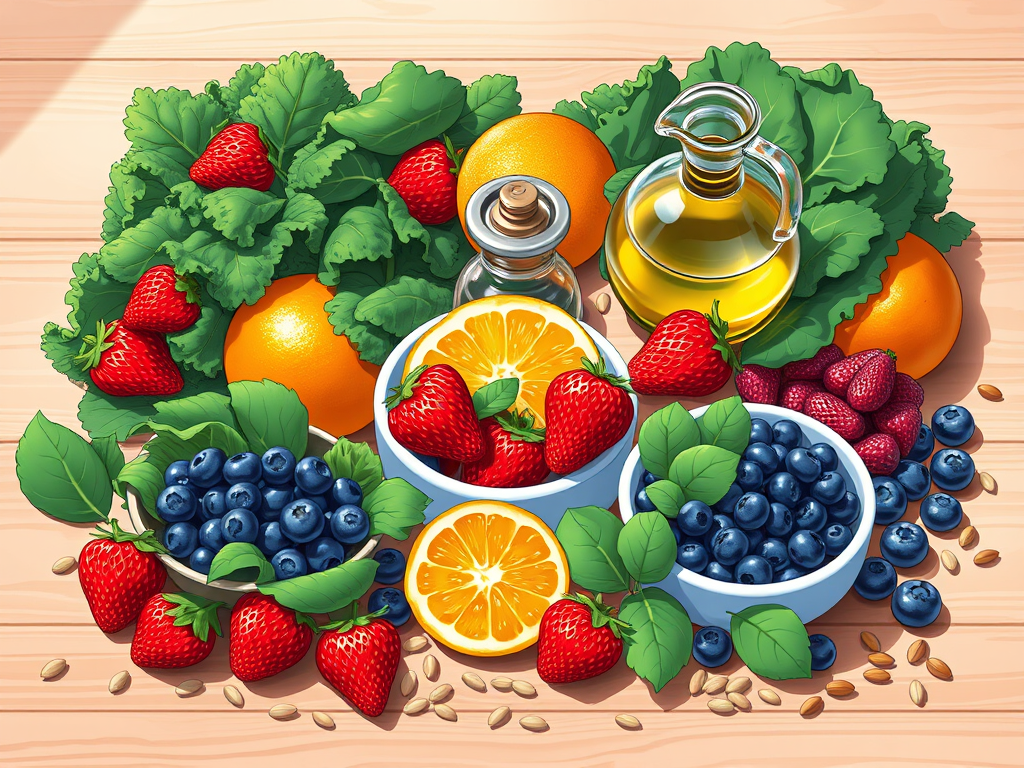
Eating antioxidant-rich foods such as berries, dark leafy greens, olive oil, and omega-3s helps reduce oxidative stress and support brain health. Simple, consistent habits are the quiet repair crew your dopamine system needs.
Real vitality isn’t a burst of fireworks — it’s a steady inner light that guides us through our days. Dopamine’s true gift isn’t the thrill of reward, but the strength to keep going.
When we gently adjust our daily rhythm, we can regain focus and energy without needing excessive caffeine or quick fixes. We can once again feel that grounded sense of, I’m back on my path. From “Chasing Highs” to “Finding Rhythm.”
The Truth About Drugs and False Freedom
Recently, we’ve seen more tragic news about drug-related crimes. This makes it even more urgent to talk about dopamine honestly.
Drugs artificially force the brain’s “stimulation gate” wide open — creating a short-lived high while devastating the system meant to sustain real joy. People chasing that artificial rush often lose direction, harming themselves and others.
Drugs don’t create happiness — they destroy the very system that makes it possible. That’s not freedom; it’s captivity disguised as pleasure.
When you feel tired, unmotivated, or emotionally numb, remember this: You’re not lazy. You’re not broken. Your brain simply needs care, rhythm, and nourishment.
We don’t need to be blinding LED lights burning out too soon. We can be warm, steady lamps — quietly lighting our own path and bringing comfort to those around us.
Reference: Redefining dopaminergic synapses beyond the classical paradigm, Trends in Neurosciences, 2025
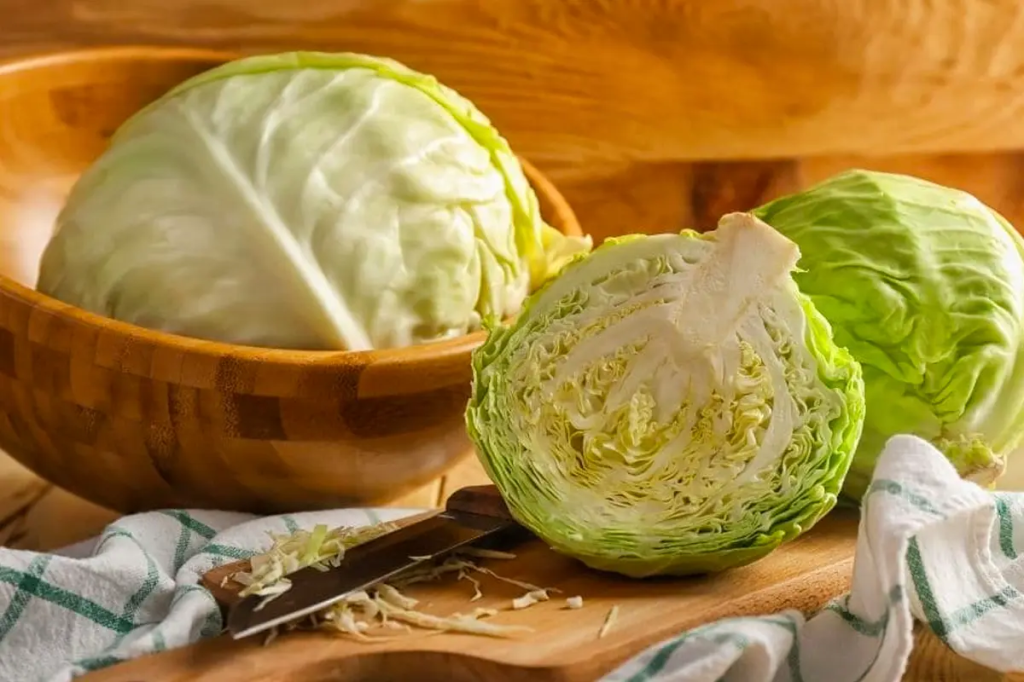
Cabbage is one of the most common vegetables in our daily lives. Because it is so ordinary, many people tend to overlook its remarkable health benefits. While people often say “rarity makes things precious,” the truth is that some of the simplest, most affordable foods are also the most nourishing — and cabbage is one of them.
Once considered “the food of the poor,” cabbage has long been underestimated. In the 15th century, a Parisian writer even remarked that the poor ate cabbages and turnips instead of bread. Perhaps that old prejudice lingers today — many still see cabbage as plain and unrefined. Yet, with rising grocery costs and a renewed interest in wholesome eating, it’s time to rediscover this modest, versatile vegetable and bring it back to our tables.
A Traditional View: Cabbage in Chinese Medicine
According to Traditional Chinese Medicine (TCM), cabbage has a neutral nature and a sweet flavor. It nourishes the stomach and intestines, promoting healthy digestion and balanced energy.
Let’s explore some of its wonderful health benefits:
1. Anti-Aging Properties
Cabbage is rich in antioxidants that combat cellular oxidation and delay the aging process. For those seeking to maintain youthful vitality, a simple bowl of cabbage may hold more power than any expensive serum.
2. Boosts Immunity
Packed with vitamin C, cabbage strengthens the immune system, helping the body fend off colds and infections while enhancing overall energy and resilience.
3. Supports Healthy Blood Pressure
Cabbage contains high levels of potassium, which helps regulate blood pressure by balancing sodium levels and supporting cardiovascular health.
4. Prevents Osteoporosis
Abundant in vitamin K, cabbage aids in blood clotting and calcium absorption, strengthening bones and teeth while preventing osteoporosis.
5. Promotes Digestive Health
Cabbage contains vitamin U, known as the “anti-ulcer factor.” It helps regulate stomach acid, heal ulcers, and soothe the digestive tract. Japanese studies have found that cabbage’s glucosinolates can inhibit Helicobacter pylori, the bacteria linked to gastritis and ulcers.
6. Cancer Prevention
The sulfur-containing compound isothiocyanate gives cabbage its distinctive aroma — and its powerful anti-cancer properties. This compound helps neutralize toxins, protect cells, and reduce cancer risk.
7. Rich in Folic Acid
Folic acid in cabbage is essential for pregnant women, helping prevent fetal malformations and supporting healthy red blood cell production.
8. Anti-Bacterial and Anti-Inflammatory Effects
Cabbage contains natural phytoncides — plant-based antibacterial compounds — that reduce inflammation, fight infections, and even soothe sore throats or small wounds.
Culinary Versatility
Cabbage’s mild flavor and satisfying crunch make it a versatile kitchen staple:
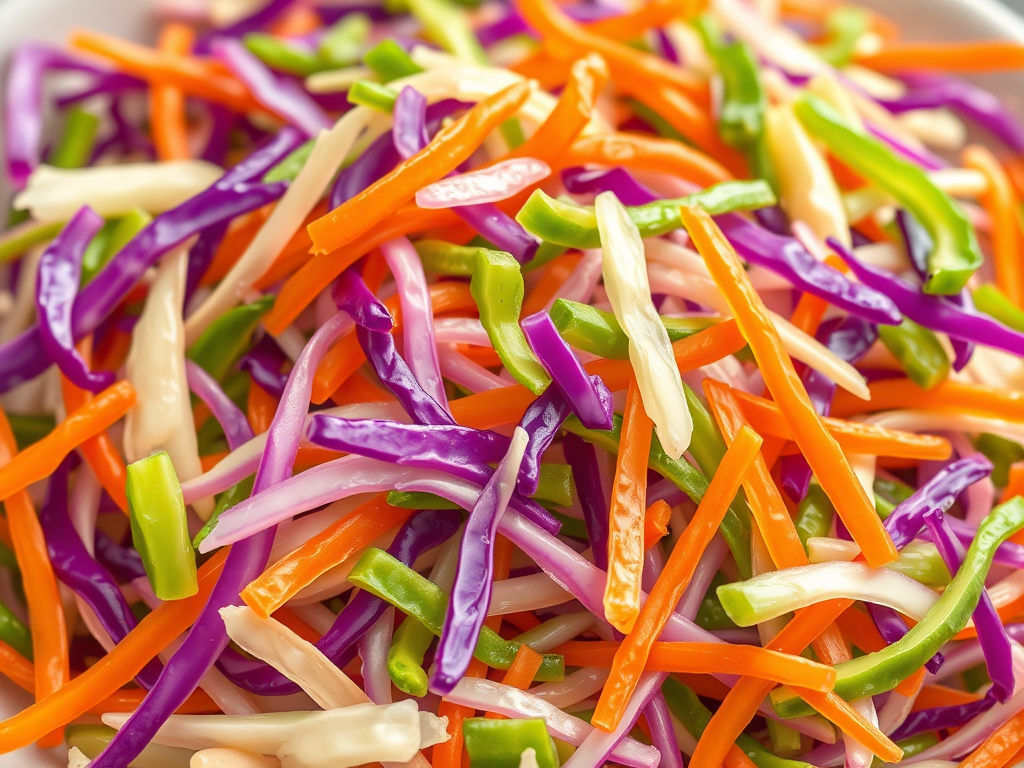
Salads and Slaws: Shred cabbage with carrots, apples, or nuts for a refreshing, colorful slaw.
Stir-Fry: Sauté with garlic and soy sauce for a simple yet delicious side.
Soups and Stews: Add chopped cabbage for extra nutrition and heartiness.
Fermented Foods: The star ingredient in sauerkraut and kimchi — both rich in probiotics and flavor.
Stuffed Dishes: Use cabbage leaves to wrap rice, lentils, or meats for comforting stuffed rolls.
Lightly Pickled Cabbage: A Liver Cleanser and Detox Aid
Cabbage contains indoles, anti-cancer nutrients that also protect the liver and enhance detoxification. When cabbage is lightly pickled, its benefits multiply.
In Traditional Chinese Medicine, sour flavors are believed to nourish the liver. Lightly pickled cabbage helps detoxify the body, strengthen immunity, beautify the skin, and support cardiovascular and digestive health.
Fermented cabbage is also a powerful probiotic food. Lactobacillus plantarum, a beneficial bacteria from fermented cabbage like kimchi, supports the gut microbiome — the foundation of our immune system and overall well-being.
Easy Recipe: Lightly Pickled Cabbage
Ingredients
500 g cabbage
2 teaspoons salt
1 teaspoon sugar
Instructions
Wash and drain the cabbage, then slice it finely.
Divide into two portions. Place half in a bowl, sprinkle with 1 teaspoon of salt, and gently knead until softened.
Add the remaining half, the rest of the salt, and sugar. Continue kneading until juicy.
Pack into a clean glass jar with its liquid.
Seal and leave in a cool place for half a day to lightly ferment, then refrigerate. Serve chilled.
Shutterstock
Cabbage may not have the glamour of kale or the trendiness of arugula, but it carries quiet strength and wisdom — a reminder that simplicity often hides great value. In a world obsessed with novelty and luxury, perhaps we can learn from this humble vegetable: to nourish deeply, give generously, and thrive quietly.
As spring arrives, Yang energy begins to rise, nature awakens, and the world bursts into vibrant life. This season of renewal is the perfect time to focus on rejuvenation—not just for nature but for our own bodies as well. According to Traditional Chinese Medicine (TCM), the liver is closely linked to spring, making this the ideal time to nourish and support this vital organ.
TCM emphasizes the deep connection between human health and the changing seasons, a concept known as “unity of heaven and man” (天人合一). Spring corresponds to the liver, which governs the body’s ability to detoxify, regulate energy flow, and promote smooth circulation. Just as trees sprout new leaves and flowers bloom, the liver thrives in this season of growth and renewal. Supporting liver health during spring can enhance digestion, boost energy levels, and improve overall well-being.
What you eat plays a significant role in keeping your liver happy. By incorporating the right foods into your diet, you can naturally support your liver’s detoxification processes, reduce inflammation, and promote overall vitality. Here are some of the best foods for liver health, along with easy and delicious ways to prepare them:
🌿 Why? Leafy greens are packed with chlorophyll, a natural detoxifier that helps remove toxins and heavy metals from the liver. They also contain compounds that aid in bile production, which is essential for digestion and detoxification.
🍽 How to Enjoy: ✔️ Sautéed Greens: Lightly cook with garlic and olive oil to enhance flavor while retaining nutrients. ✔️ Green Detox Smoothie: Blend with lemon, apple, and ginger for a refreshing and cleansing drink. ✔️ Spring Salad: Toss with olive oil, lemon juice, and nuts for a crunchy, nutritious meal.
💡 Tip: Bitter greens like dandelion and arugula are especially powerful for liver health. Try adding them to your salads or lightly steaming them to tone down their bitterness.
2. Turmeric
✨ Why? This golden spice is a superstar for liver health. It contains curcumin, which helps reduce liver inflammation, aids in detoxification, and enhances bile production for better digestion.
🍽 How to Enjoy: ✔️ Golden Milk: Mix turmeric with warm almond milk, honey, and black pepper for a soothing anti-inflammatory drink. ✔️ Turmeric Rice: Cook rice with a pinch of turmeric, garlic, and a bit of coconut oil for a flavorful, healing dish. ✔️ Turmeric Tea: Simmer turmeric with ginger and lemon for a warm, cleansing tea.
💡 Tip: Always pair turmeric with black pepper or healthy fats (like coconut oil or olive oil) to enhance its absorption.
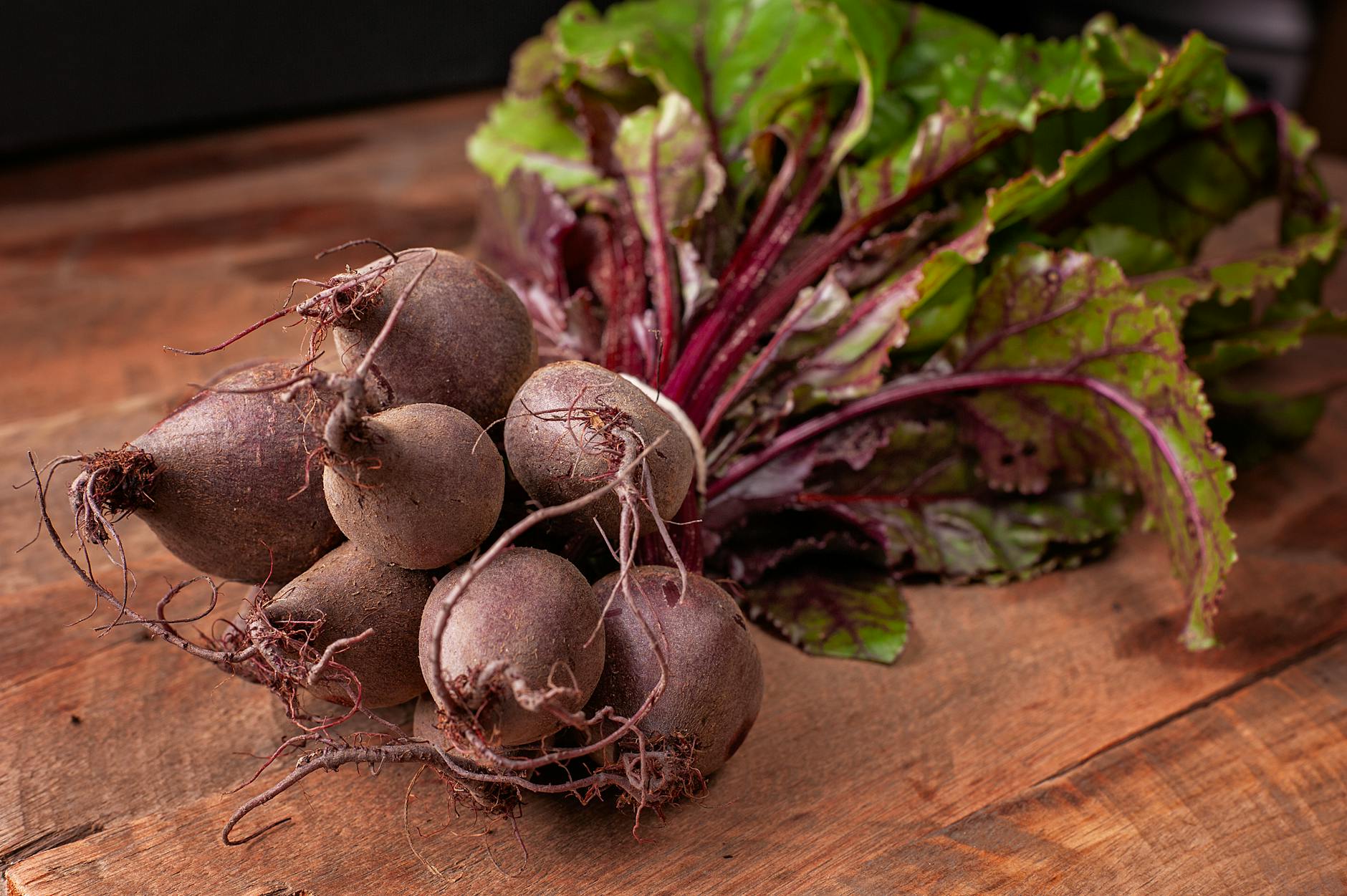
❤️ Why? Beets are rich in betalains, powerful antioxidants that support liver detoxification and reduce inflammation. They also boost bile flow, helping the liver break down fats and eliminate toxins more efficiently.
🍽 How to Enjoy: ✔️ Roasted Beets: Slice and roast with olive oil, rosemary, and sea salt for a sweet, earthy side dish. ✔️ Beet Detox Juice: Blend beets with carrots, ginger, and lemon for a vibrant, liver-cleansing drink. ✔️ Beet & Goat Cheese Salad: Toss roasted beets with arugula, walnuts, and goat cheese for a delicious and nutritious salad.
💡 Tip: Beets can stain your hands and cutting board—rub them with lemon juice to remove the color easily!
4. Garlic
🧄 Why? Garlic contains sulfur compounds that activate liver enzymes responsible for flushing out toxins. It also supports immune function and helps reduce fatty buildup in the liver.
🍽 How to Enjoy: ✔️ Garlic Stir-fry: Add minced garlic to sautéed vegetables or meats for extra flavor and health benefits. ✔️ Garlic Soup: Simmer garlic with bone broth, onions, and herbs for a comforting, healing meal. ✔️ Garlic Honey Remedy: Crush fresh garlic and mix with honey for an immune-boosting, liver-friendly tonic.
💡 Tip: To maximize garlic’s health benefits, let chopped garlic sit for 10 minutes before cooking—this enhances its beneficial compounds.
5. Fatty Fish (Salmon, Mackerel, Sardines)
🐟 Why? Fatty fish are packed with omega-3 fatty acids, which help reduce liver fat, fight inflammation, and promote overall liver health. They also support healthy cholesterol levels and brain function.
🍽 How to Enjoy: ✔️ Grilled Lemon-Garlic Salmon: Marinate with olive oil, garlic, and lemon juice before grilling. ✔️ Miso-Glazed Mackerel: Bake with miso paste, ginger, and a touch of honey for a flavorful dish. ✔️ Sardine Avocado Toast: Mash sardines with avocado and lemon juice, then spread on whole-grain toast.
💡 Tip: Aim to eat fatty fish at least twice a week for optimal liver benefits.
6. Walnuts
🥜 Why? Walnuts are rich in glutathione, an essential antioxidant that helps detox the liver. They also provide omega-3 fatty acids, which reduce liver inflammation and support brain health.
🍽 How to Enjoy: ✔️ Walnut Pesto: Blend walnuts with basil, garlic, and olive oil for a delicious sauce. ✔️ Walnut Oatmeal: Sprinkle crushed walnuts over oatmeal with honey and cinnamon for a nutritious breakfast. ✔️ Roasted Walnut Snack: Lightly toast walnuts with a sprinkle of cinnamon and sea salt for a crunchy, liver-loving snack.
💡 Tip: Soaking walnuts overnight can improve digestion and nutrient absorption.
7. Lemon & Citrus Fruits
🍋 Why? Citrus fruits are packed with vitamin C and antioxidants, which support liver detoxification and boost the immune system. They also help stimulate bile production, which aids in digestion.
🍽 How to Enjoy: ✔️ Morning Lemon Water: Start your day with warm lemon water to flush out toxins and boost digestion. Add some honey to make it taste better. ✔️ Citrus Salad: Mix orange slices with fennel, pomegranate seeds, and olive oil for a refreshing dish. ✔️ Homemade Citrus Dressing: Blend lemon juice, olive oil, and honey for a flavorful salad dressing.
💡 Tip: Drinking lemon water before meals can help stimulate digestion and improve nutrient absorption.
There are several other foods that are also beneficial for your liver, such as carrots, apples, cabbage, and goji berries. Incorporating them into your diet regularly can help support liver health.
As nature awakens in spring, so too should our approach to health. Since the liver plays a crucial role in detoxification, metabolism, and emotional balance, it’s essential to nurture it during this season of renewal. Along with a nutrient-rich diet, mindful lifestyle choices such as regular exercise, restful sleep, and emotional well-being can help maintain liver vitality and overall harmony.
By embracing optimism, managing stress, and supporting the liver with wholesome foods, we align ourselves with the natural rhythms of spring. Let this season be a time of nourishment, balance, and rejuvenation. May we all welcome the warmth and energy of spring with a strong, healthy liver and a joyful heart! 🌿✨
Written By Olivia Sarkar| Last Updated: Jan 06, 2025, 04:52 PM IST|Source: Bureau
After enjoying a hearty meal, it’s not uncommon to feel uncomfortable or sluggish. Digestive issues like bloating, indigestion, or an uneasy feeling can linger long after the last bite. Fortunately, there are simple after-dinner rituals that can support your digestion and help prevent bloating, leaving you feeling lighter and more at ease. Below are eight effective practices that can make a world of difference to your digestive health.
1. Take a Gentle Walk After a meal, taking a light walk can be one of the most beneficial things for your digestive system. A short 10-15 minute stroll helps stimulate the digestive process by encouraging the stomach to empty more quickly, reducing bloating and discomfort. It also promotes the movement of food through the intestines, preventing constipation.
2. Sip Warm Water or Herbal Tea Drinking warm water or herbal tea, such as peppermint, ginger, or chamomile, can greatly improve digestion. These teas have natural properties that soothe the stomach, reduce bloating, and promote the movement of food through your digestive system. Ginger, in particular, can help reduce nausea and gas, while chamomile works as a calming agent to relax your stomach muscles.
3. Avoid Lying Down Immediately Though it might feel tempting to lounge on the couch after a large meal, lying down too soon can actually slow down the digestive process. Gravity helps food and acid stay in the stomach, and lying flat can increase the risk of acid reflux and bloating. Wait at least 30 minutes to an hour before reclining to allow your body time to process the food.
4. Practice Deep Breathing After eating, try engaging in deep breathing exercises. This helps stimulate the parasympathetic nervous system (also known as the “rest and digest” system), encouraging optimal digestion. Deep breathing can also reduce stress, which can otherwise impair digestion and cause bloating or discomfort.
5. Massage Your Abdomen Gentle self-massage can aid in digestion by stimulating the movement of food through the intestines. Use your fingertips to massage your stomach in a clockwise motion (the direction of digestion) for a few minutes. This simple act can help ease bloating, relieve gas, and promote digestion.
6. Incorporate Probiotics Probiotics are beneficial bacteria that support gut health and digestion. After dinner, consider consuming foods rich in probiotics, such as yogurt, kefir, or fermented vegetables. Alternatively, a probiotic supplement may help maintain a healthy balance of gut bacteria, reducing bloating and improving overall digestion.
7. Stay Hydrated, But Avoid Over Drinking Drinking water throughout the day aids digestion, but drinking too much water immediately after a meal can dilute stomach acid, impairing your body’s ability to break down food. Try sipping water in moderation after dinner, but avoid excessive consumption right away. This ensures proper digestive function without overwhelming your stomach.
8. Avoid Carbonated Drinks Carbonated drinks, including sodas and sparkling water, introduce gas into your stomach, which can lead to bloating. After dinner, it’s best to skip the bubbles. Stick to still water or herbal teas, which are far more conducive to smooth digestion.
Fennel seeds are a natural remedy for boosting digestion. Try chewing some after your meal to see if they work for you. From taking a short walk to sipping herbal tea and massaging your abdomen, these habits can make a significant difference in how you feel after dinner. Your digestive health is a reflection of your lifestyle, so taking small, consistent steps can lead to long-term benefits, allowing you to enjoy your meals without the aftermath of discomfort.
In recent years, nutrigenomics—the scientific study of how genes influence our body’s response to food—has gained significant attention. As research in genetics and nutrition continues to advance, this field is paving the way for more personalized health strategies, particularly in the areas of diet and weight management. Understanding how genes affect our reactions to specific foods provides deeper insights into individual health needs, driving the development of personalized wellness approaches.
At the core of nutrigenomics lies the principle that our genetic makeup plays a crucial role in food metabolism. For instance, some individuals may be genetically predisposed to metabolize carbohydrates more efficiently, while others tend to store fat more easily. These insights empower health professionals to design customized dietary plans based on genetic testing rather than relying on generalized nutritional recommendations.
Recent studies have shown that genetic variations can influence how nutrients are absorbed, how efficiently the body burns calories, and even how hunger is experienced. For example, specific variations in the FTO gene have been linked to a higher risk of obesity, as some individuals gain weight more easily due to the way their bodies process food. Similarly, variations in genes like PPARG can impact fat metabolism, further emphasizing the potential of personalized nutrition strategies based on genetic data.
Nutrigenomics introduces a revolutionary approach to weight management. Traditional diets often follow a “one-size-fits-all” model, which may not be effective for everyone. By using genetic data, nutritionists and health experts can develop personalized dietary plans tailored to an individual’s metabolic needs, resulting in more effective weight management.
For example, genetic testing can reveal a person’s sensitivity to fats or carbohydrates, guiding the ideal macronutrient balance for their body. If someone’s genetic profile indicates a higher risk of insulin resistance, a low-glycemic diet may be recommended to help prevent blood sugar spikes and support weight loss. This tailored strategy often proves more effective than generic diets that overlook individual differences.
The Advantages of Personalized Diet Plans
Nutrigenomics brings a significant advantage to dietary planning: personalization. Rather than relying on generalized advice or fleeting diet trends, nutrigenomics empowers individuals to approach health management scientifically. By integrating genetic testing with dietary adjustments, people can achieve better health outcomes and a deeper understanding of their own bodies.
Key benefits of personalized diets include:
Improved Metabolic Health: Tailored diets help optimize the body’s ability to process food and maintain a healthy weight.
Precise Nutrient Recommendations: Instead of guessing which foods are most beneficial, personalized nutrition ensures individuals receive the nutrients their body specifically needs.
Sustainable Weight Management: Nutrigenomics-based diets promote long-term healthy habits by aligning with genetic predispositions rather than short-term trends.
Additionally, nutrigenomics may support preventive health strategies. Genetic testing can identify predispositions to conditions such as heart disease, diabetes, or nutrient deficiencies, allowing individuals to make proactive dietary changes for long-term wellness.
The future of health management is becoming increasingly personalized, with nutrigenomics at the forefront of this transformation. As the field continues to evolve, more health centers are likely to offer genetic testing services to help individuals create personalized nutrition and wellness plans. This data-driven approach reflects a broader trend where people are empowered to take greater control of their health through scientific insights.
While the potential of nutrigenomics is promising, it remains a developing science. Experts emphasize the need for further research to fully understand the complex relationship between genes and diet. Additionally, as the field matures, ethical considerations and privacy concerns must be carefully addressed to ensure individuals are fully informed and protected when sharing their genetic data.
Nutrigenomics represents a powerful fusion of genetic science and nutrition, offering the potential for health strategies tailored to individual genetic profiles. This emerging science can help design diets that promote optimal weight loss, improve metabolic health, and prevent chronic illnesses.
Though still in its early stages, nutrigenomics has the potential to revolutionize health management, making weight control and wellness strategies more effective and sustainable. As research continues to expand, genetic testing could become a key tool in unlocking healthier, more personalized lifestyles for everyone.
Recently, I visited the Holy Vajrasana Temple in Fresno, CA, and was deeply impressed by their delicious vegetarian meals. The flavors were unforgettable, and I’m thrilled to share some of these favorite healthy, vegetarian recipes with you to bring extra joy and flavor to your Thanksgiving holiday!
The temple offers retreat sessions, providing a nurturing experience for both body and spirit. With a garden on-site, the monastery uses the freshest organic vegetables for meal preparation, resulting in incredibly tasty dishes. For anyone interested in learning more about their retreats, you can find details here.
Stay tuned for some of the delightful recipes inspired by this visit, perfect for a healthy, delicious holiday spread!
Grilled Slaw With Mint
Cabbage is one of the most useful vegetables. I love it in slaw, in stews, in mashed potatoes, etc., and here we have a recipe that grills it. I think you could serve this hot for the cold days we are now having, although the recipe cools the cabbage to serve as salad. Enjoy!
Ingredients for 4 Servings
1 1/2 Tbsp cider or rice vinegar, plus more to taste
1 1/2 Tbsp maple syrup, plus more to taste
1 1/2 Tbsp avocado or grape seed oil
1 1/2 tsp Dijon-style mustard
1/2 tsp caraway seeds
Kosher salt and freshly ground black pepper to taste
1/2 head savoy or other green cabbage quartered, lengthwise through core
2 Tbsp thinly sliced fresh mint
Directions
Light a charcoal or wood-burning grill and let the coals burn down to glowing embers. May also be grilled in an iron skillet or indoor grill.
Meanwhile, make the dressing: In a large bowl, whisk the vinegar and maple syrup. Whisk in the oil, followed by the mustard and caraway seeds. Season to taste with salt and pepper.
Lay the cabbage quarter(s) directly on the grill and roast until all sides are charred, turning with tongs, about 2 minutes per side. Transfer to a sheet pan and let cool.
Discard the tough core of the cabbage then thinly slice the cabbage crosswise. Add the sliced cabbage to the dressing and toss to coat. Season with more salt, maple syrup, and vinegar to taste. Refrigerate until serving and serve within a couple hours of mixing. Just before serving, stir in the mint.
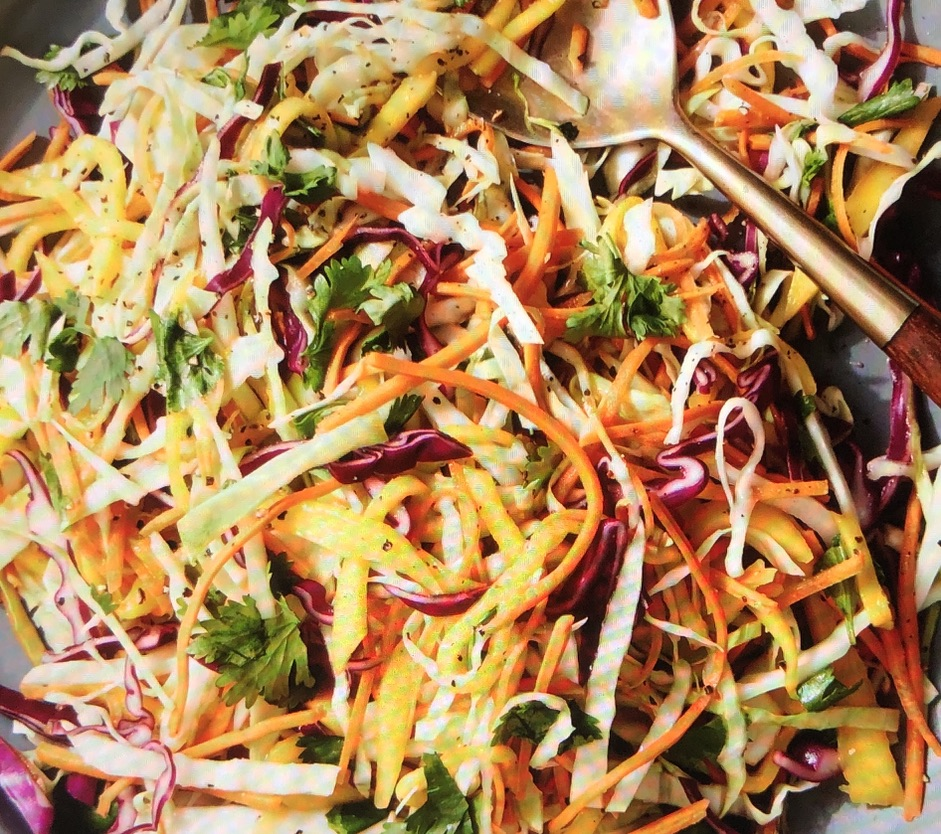
Broccoli Slaw
This is a very easy, colorful and delicious salad or slaw that uses shredded raw broccoli stalks instead of cabbage and usually carrots and red cabbage or radicchio for color. You can find packaged broccoli slaw at most markets now or make your own.
3 cups broccoli slaw (shredded broccoli stalks, carrots, red cabbage)
finely chopped green onions (optional)
¼ cup dried figs, dates, unsweetened cranberries or other dried fruit; cjopped mang, apple, pears also good
1/3 cup chopped roasted macadamia or hazel nuts
5 radishes, thinly sliced
½ chopped red, green, and/or yellow chopped bell peppers
chopped avocado
chopped parsley, cilantro, mint, dill, or other herbs
hemp, flax, or poppy seeds
Dressing
¼ cup red wine vinegar
2 Tablespoons olive or avocado oil
1-2 dates, chopped or seasonal fruit like pears or apples, but most fruit would work
salt & black pepper to taste
1/2 tsp turmeric power
toasted sesame seeds, grated ginger (optional)
Blend dressing, if dates or other fruits are used, otherwise, just mix ingredients.
Toss all ingredients, except nuts, and refrigerate for several hours to blend flavors. Add nuts and serve. Nuts may be served separately as some may have nut allergy.
NON-VEGAN: Add can of drained chicken or tuna or grated cheese or other leftover protein. Tofu also may be marinated in dressing to give it more flavor.
DRESSING OPTIONS: Lemon juice and zest good with avocado oil mayo, black pepper, turmeric, curry, chimichurri, or za’atar spices. Korean gochujang would also be good.
Carrot Cake Paleo Waffles
These delicious breakfast (or any time) treats are healthy and nutrient dense. They can be fried as pancakes, if you don’t have a waffle iron and you can make a big batch and freeze them to be reheated in your toaster or oven. Enjoy!
Toppings
Butter, sour cream, maple syrup, coconut butter
Yogurt, applesauce, more pecans or walnuts
Waffles
2 Eggs
1/3 Cup Plain yogurt
1/2 Cup Almond or coconut milk
1 tsp Vanilla
1 Cup Almond meal or flour
2 Tbsp Coconut sugar or maple syrup
1 1/2 tsp Cinnamon
1/2 tsp Nutmeg
1/2 tsp Grated ginger
1/2 Baking powder
1/4 tsp Salt
1/2 Cup Grated carrot
1/4 Cup chopped walnuts or pecans
1/4 Cup chopped dates or raisins
2 Tbsp Coconut, shredded
Oil spray
Whisk the eggs, yogurt, milk and vanilla together. Mix the dry ingredients in a separate bowl, add to egg mixture, and whisk until smooth. Fold in the carrots, walnuts, dates and coconut. If batter is still very thick add a few splashes of milk. Spray waffle iron with oil. Place 1/4-1/2 cup of the batter (depends on size of waffle iron) into hot waffles iron and cook according to waffle iron instructions. Top with toppings of choice and serve warm.
4 waffles. Can also be cooked as pancakes.
Bombay Frittata
This is a spicy Indian omelette with herbs and cheese that would be good for breakfast or any meal.
12 large eggs
½ cup crème fraiche or sour cream
½ cup finely chopped red onion or celery
2 scallions, white and green parts, thinly sliced (optional or serve as condiment)
2 garlic cloves, thinly sliced (optional)
¼ cup tightly packed fresh cilantro or parsley leaves
½ teaspoon garam masala
½ teaspoon fine sea salt
½ teaspoon black pepper
½ teaspoon ground turmeric
¼ teaspoon red-pepper flakes
2 tablespoons ghee, butter, or coconut oil
¼cup crumbled paneer or feta cheese
Position a rack in the upper third of the oven and heat the oven to 350 degrees.
In a large bowl, combine the eggs, crème fraiche or sour cream, onion or celery, scallions & garlic (if used), cilantro, garam masala, salt, pepper, turmeric and red-pepper flakes and beat with a whisk or fork until just combined.
Heat the ghee or oil in a 12-inch ovenproof skillet, such as cast iron, over medium-high heat, tilting the skillet to coat it evenly. When the ghee bubbles, pour the eggs into the center of the skillet, shaking to distribute evenly. Cook, undisturbed, until the frittata starts to firm up on the bottom and along the sides but is still slightly jiggly on top, about 5 minutes. Sprinkle with the paneer and transfer the skillet to the oven. Cook until frittata is golden brown and has reached desired doneness, 15 to 25 minutes. Serve warm with toast, rice, or salad.
Serves 6.
Sweet Potato and Kale Soup
It is a Caribbean treat that can be cooked and served several ways. It could be a great soup for Thanksgiving dinner.
INGREDIENTS:
3 Tbsp olive oil 2 Tbsp brewers yeast 2 minced carrots 3 Tbsp minced ginger 2 large garlic cloves, minced 4 medium sweet potatoes, peeled and cubed 1 Tbsp fresh (or 1/2 that dried ) thyme 2 tsp allspice 1 tsp nutmeg 1 tsp cinnamon 1 tsp chili sauce or Korean chili powder or flakes 1 tsp turmeric black pepper 2 cans diced tomatoes 5 cups water or broth 14 oz coconut milk 19 oz white or garbanzo kidney beans or cauliflower florets Stevia or maple syrup to taste 9 cups kale 2 Tbsp lime juice and zest
Fresh thyme for garnish
DIRECTIONS:
In a large saucepan or stockpot, heat olive oil over medium-low heat. Add brewer’s yeast, minced carrots, minced garlic, and minced ginger. Sauté for 4 to 5 minutes, stirring often.
Add the peeled and cubed sweet potatoes, thyme, allspice (if not available use more nutmeg, cinnamon, and mace), nutmeg, cinnamon, and chili sauce or flakes. Cook, stirring often, for another 3 or 4 minutes.
Stir in the diced tomatoes, salt, black pepper, vegetable broth or water. Turn heat to high and bring to a boil. Once boiling, immediately turn heat to low, cover and let simmer for about 25 to 30 minutes, or until the sweet potatoes are tender. Can be cooked in a large crock pot on high for 3-4 hours.
Add the coconut milk, cauliflower florets (or beans-drained & rinsed, and sweetener to taste) to soup. Turn heat up a little bit to medium-low. When soup returns to boil, add chopped kale (thick stems removed & washed) and let cook uncovered for another 5 minutes or until the kale is limp and tender.
Remove from heat and stir in the 2 Tablespoons lime juice and zest. If needed, season to taste with extra salt, pepper, sugar, or chili sauce or flakes. Garnish with fresh thyme leaves. Half batch fills 6 cup cooker.
Gochujang and Maple Syrup Glazed Roasted Brussels Sprouts
Here’s an easy and quick way to cook Brussels sprouts that the whole family will enjoy!
INGREDIENTS:
1 lb Brussels sprouts uniform size ½ teaspoon onion powder* ½ teaspoon garlic powder* ¼ teaspoon black pepper powder 1 tablespoon olive oil vegetable olive oil 1 tablespoon soy sauce or coconut aminos 1 tablespoon honey or maple syrup or to taste ½ teaspoon sriracha or Gochujang sauce. more. used 1 Tablespoon. 1 fresh lime optional
DIRECTIONS:
Wash, rinse, and dry the Brussels sprouts. Trim off the ends and cut them in half or quarters. Try and keep all pieces the same size. You can also include the individual leaves off of the sprouts. Mix together onion, garlic and pepper powders, soy sauce, sriracha, honey and oil in a small bowl. Transfer the Brussels sprouts to a medium bowl and coat them with some of the seasonings, making sure all surfaces are covered.
Spray pan with oil. Air-fry 14 minutes at 375F or roast in conventional oven at 400F for 16 minutes. Watch closely as they may burn.
Squeeze lime juice in sprouts and serve.
Cranberry-Orange-Date Relish
This is the best cranberry relish I have found. No cooking, easy. Makes about eight generous servings and freezes well.
INGREDIENTS:
12 oz Raw cranberries 1 Navel orange 1/4 Cup Vegan sugar or dates OPTIONAL: chopped pecans
DIRECTIONS:
Process cleaned and sorted cranberries and one navel orange (include peel) that has been cut into eighths in food processor. Add vegan sugar or dates. Toasted pecans are good added just before serving.
Study is first to track people at different time points in life and finds close link between nutrition and cognitive ability
A healthy diet in childhood can help protect mental sharpness into old age. Photograph: Katarzyna Bialasiewicz/Alamy
A healthy diet earlier in life could help keep you mentally sharp into your 70s, and even ward off dementia, according to research that followed thousands of Britons for seven decades.
While most studies on diet and cognitive ability have focused on people already in or reaching old age, the new review was the first to track people throughout their life – from the age of four to 70 – and suggests the links may start much earlier than previously recognised.
The research adds to a growing body of evidence that a healthy diet could reduce the risk of Alzheimer’s disease and slow age-related cognitive decline. The findings were presented at the annual meeting of the American Society for Nutrition.
“These initial findings generally support current public health guidance that it is important to establish healthy dietary patterns early in life in order to support and maintain health throughout life,” said Kelly Cara, of Tufts University in Massachusetts.
Our findings also provide new evidence suggesting that improvements to dietary patterns up to midlife may influence cognitive performance and help mitigate, or lessen, cognitive decline in later years.”
Cognitive performance can still improve well into middle age, but typically begins to decline after age 65, the researchers said. More serious conditions such as dementia can also develop alongside age-related decline.
For the new research, scientists studied 3,059 adults from the UK who were enrolled as children in a study called the National Survey of Health and Development. Members of the cohort, called the 1946 British Birth Cohort, have provided data on dietary intakes, cognitive outcomes and other factors via questionnaires and tests over more than 75 years.
Researchers analysed participants’ diet at five time points in relation to their cognitive ability at seven time points. Dietary quality was closely linked with trends in cognitive ability, they found.
For example, only 8% of people with low-quality diets sustained high cognitive ability and only 7% of those with high-quality diets sustained low cognitive ability over time compared with their peers.
Cognitive ability can have a significant impact on quality of life and independence as people age, the researchers said. For example, by the age of 70, participants in the highest cognitive group showed a much higher retention of working memory, processing speed and general cognitive performance compared with those in the lowest cognitive group.
In addition, nearly a quarter of participants in the lowest cognitive group showed signs of dementia at that time point, while none of those in the highest cognitive group showed signs of dementia.
While most people saw steady improvements in their diet throughout adulthood, the researchers noted that slight differences in diet quality in childhood seemed to set the tone for later life dietary patterns, for better or worse.
“This suggests that early life dietary intakes may influence our dietary decisions later in life, and the cumulative effects of diet over time are linked with the progression of our global cognitive abilities,” Cara said.
Study participants who sustained the highest cognitive abilities over time relative to their peers tended to eat more recommended foods such as vegetables, fruits, legumes and whole grains, and less sodium, added sugars and refined grains.
“Dietary patterns that are high in whole or less processed plant-food groups including leafy green vegetables, beans, whole fruits and whole grains may be most protective,” said Cara.
“Adjusting one’s dietary intake at any age to incorporate more of these foods and to align more closely with current dietary recommendations is likely to improve our health in many ways, including our cognitive health.”