
Ancient Wisdom Meets Modern Fluid Dynamics: How Abdominal Breathing Literally Washes Waste From Your Brain

Remove extra people, keep only one person

Have you ever experienced that mid-afternoon wall? You’ve been sitting at your desk for three hours. You haven’t done any heavy lifting, yet your head feels like it’s filled with lead, your thinking slows to a crawl, and your focus completely evaporates.

We used to think the worst side effects of prolonged sitting were just weight gain, bad posture, or a sluggish metabolism. But a groundbreaking study published in the prestigious journal Nature Neuroscience has shattered that assumption, revealing a silent, terrifying reality: When you slump in an office chair with your core disengaged, your brain is quite literally marinating in its own cellular waste.

The human brain is an energy-hogging powerhouse. As long as you are alive, your neurons are firing wildly, producing vast amounts of metabolic waste—including amyloid-beta proteins, the primary culprits linked to Alzheimer’s disease.

But here is the catch: while every other organ in your body relies on the lymphatic system to flush out waste, the brain is sealed tight inside a rigid skull. It has no traditional lymphatic vessels. For decades, scientists believed the brain only did its heavy cleaning during deep sleep, when cerebrospinal fluid (CSF) rushes through like an automatic car wash. But this left a massive blind spot in medical science: If sleep is the only cleaning cycle, why do active people who exercise regularly have a drastically lower risk of cognitive decline and dementia—even if they get the exact same amount of sleep?

A cross-disciplinary team at Penn State University just found the missing puzzle piece.

Using high-resolution, two-photon microscopes focused on live mice, researchers witnessed something extraordinary.

They noticed that right before an animal moves—even if it is just preparing to stand up or take a single step—its core muscles, specifically the abdominal muscles, instinctively contract.

This seemingly minor “belly squeeze” is actually the trigger for a highly precise hydraulic clearing system.

When your abdominal muscles contract, they act like a powerful manual pump. They instantly force abdominal blood upward into the spinal venous plexus. That sudden pressure wave travels all the way up into the sealed skull. At that exact micro-second, the brain physically moves. With every single squeeze of your abdomen, the brain undergoes a tiny but distinct displacement inside the skull.
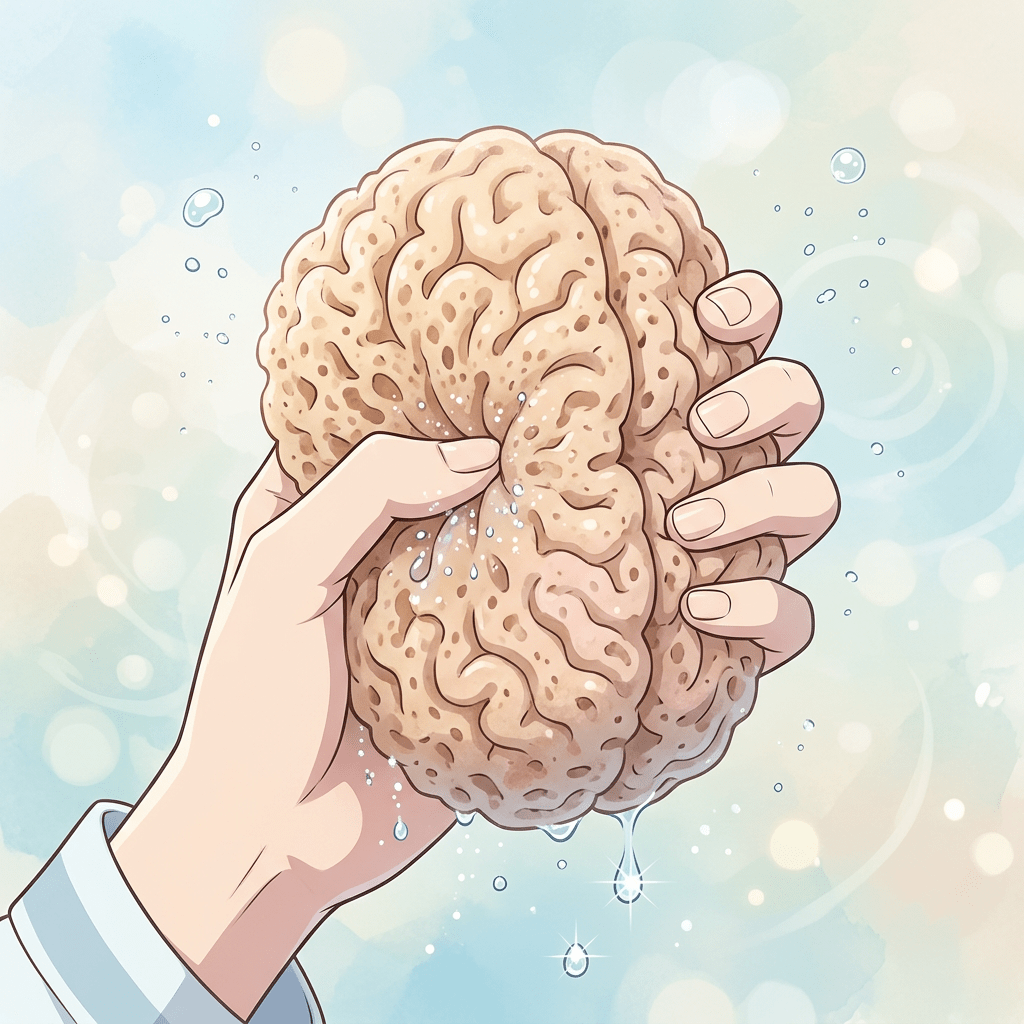
Brain as sponge being gently squeezed

Professor Francesco Costanzo, an expert in fluid mechanics involved in the study, offered a brilliant analogy:

“The structure of the brain is actually like a soft sponge soaked in water. How do you clean a dirty sponge? You don’t just let it sit in a bucket of water. You have to gently squeeze it.”

Every time your core contracts, it gently squeezes that “brain sponge.” This physical shift forces cerebrospinal fluid to rush through the brain’s intricate folds and crevices, flushing out the toxic metabolic waste that disrupts your neurons.

☯️ Ancient Mindfulness Meets Modern Science: The Power of the Belly

Reading this study, I got absolute goosebumps.

For thousands of years, Eastern traditional medicine and mindfulness practices (like Qi Gong and Tai Chi) have passionately advocated for “Abdominal Breathing” (diaphragmatic breathing) and centering one’s energy in the core (the Dan Tian).

Ancient masters didn’t have high-resolution microscopes or computer fluid modeling, yet they deeply understood the body’s mechanics. They knew that rhythmic, deep belly breathing regulates the body’s internal pressure and vital energy. Today, Western peak science has finally validated this ancient wisdom: Changes in abdominal pressure are the literal engine driving your brain’s daily cleaning cycle.

When we slouch in a chair for hours, our core muscles fall completely asleep. The hydraulic pump shuts down. The brain sponge just sits there, trapped in its own debris, quietly accumulating the tiny cellular triggers of neurodegeneration.

The best news from this research? You don’t need to run a ultramarathon or become an Olympic weightlifter to clear your head. The study emphasizes that even the slight core engagement required to stand up from a chair, or the natural core activation of walking, fires up the pump.

💡 My Quick Health Hack for Digital Workers: The next time you’ve been at your computer for too long and your brain feels foggy, don’t reach for another espresso. Try this Brain Reboot Routine:

  1. Get Up and Move: Walk to grab a glass of water. As you walk, consciously engage your core and feel your abdomen lightly pull inward.
  2. Do 3-5 Deep Abdominal Breaths: Inhale deeply, allowing your belly to expand outward. As you exhale, intentionally pull your lower abdomen tightly back toward your spine.
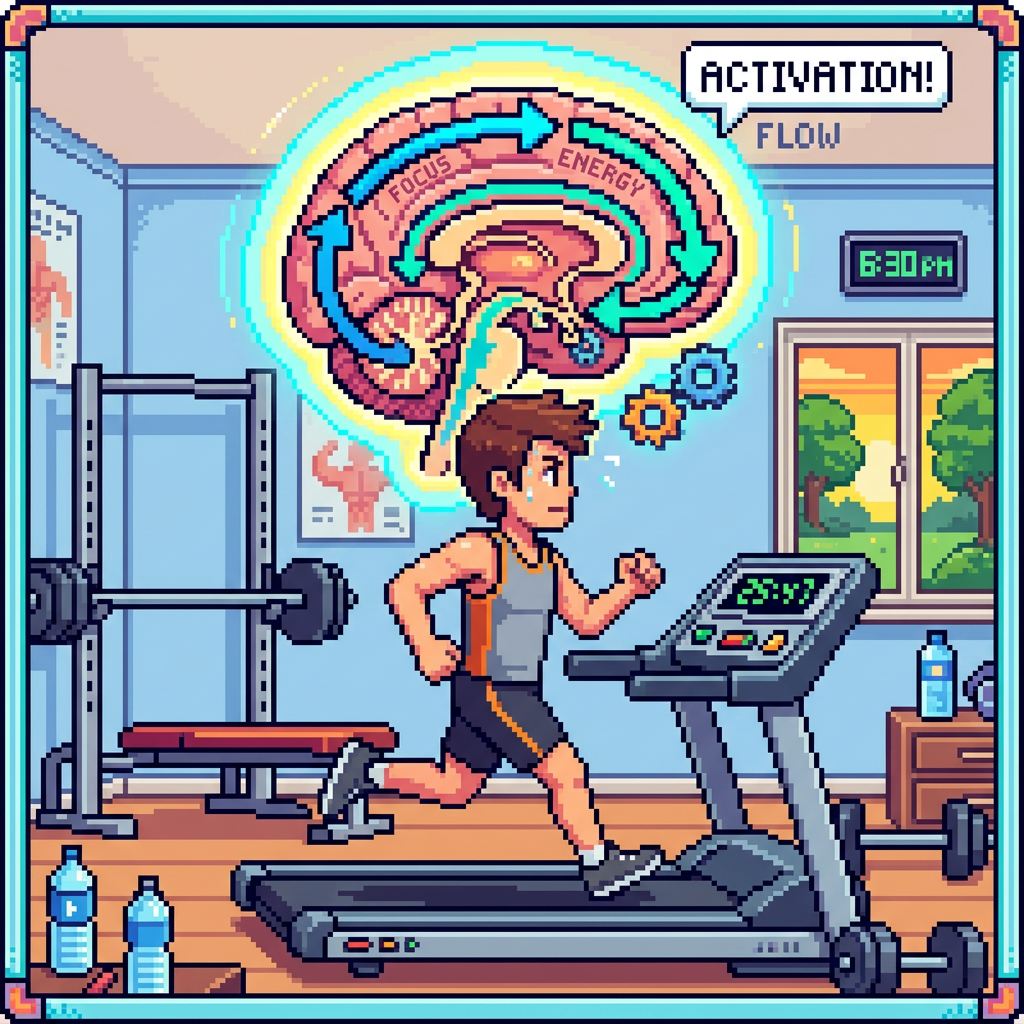
Person running on treadmill inside gym with brain activation and flow diagram

You aren’t doing this to sculpt six-pack abs; you are doing it to activate your internal hydraulic pump, gently shifting your brain inside your skull and flushing away hours of accumulated neurological fog.

True movement isn’t just about the muscles we can see in the mirror—it’s about driving the invisible cleaning pumps that keep our minds sharp.

Listen closely. Your brain is waiting for you to stand up. The next time you catch yourself staring blankly at your monitor, remind yourself: Time to get up and stretch—your brain is waiting for its shower.

Link:https://peacelilysite.com/2026/05/21/ancient-wisdom-meets-modern-fluid-dynamics-how-abdominal-breathing-literally-washes-waste-from-your-brain/

#BrainHealth #Neuroscience #Mindfulness #DiaphragmaticBreathing #HealthyLifestyle #NatureResearch #Biohacking #DeskJobHealth #BrainFog #AlzheimersPrevention

Your Brain Needs You to Take a Walk—Even More Than You Think

Did you know that your brain may need you to take a walk even more than your body does?

We often think of walking as something we do for physical fitness—burning calories, loosening stiff muscles. Yet neuroscience now confirms something ancient wisdom has always known: when the body moves gently and steadily, the mind awakens.

Regular walking—nothing intense, just consistent and mindful steps—nourishes the hippocampus, the part of the brain responsible for memory and learning. With increased blood flow and oxygen, this delicate region doesn’t merely function better; over time, it can actually grow stronger, softening the slow erosion of age.

Decades of MRI research reveal that people who engage in moderate movement—brisk walking, cycling, climbing stairs—experience measurable growth in the hippocampus. An average increase of just two percent may sound small, but in the language of the brain, it is profound. It can offset one to two years of natural cognitive aging.

In simple terms: thirty minutes of walking a day gently turns back the clock for the mind.

But beyond the science, something quieter is taking place.

When we walk, the brain relaxes its grip. A subtle nourishment—BDNF, often called the brain’s “fertilizer”—is released, protecting existing neural pathways and encouraging new connections to form. Thoughts become clearer. Memory steadies. Emotions settle into a more balanced rhythm.

This is why walking feels different from sitting.

As the body moves, the mind loosens.
As the breath finds its rhythm, thoughts begin to untangle.

Walking brings the brain into a rare state—awake, yet unforced.
It is here that insights arise without being pursued,
where worries soften and lose their sharp edges.

Many people sense this intuitively, without knowing the science. They think more clearly when they walk. They feel calmer. They see situations with greater perspective.

Stillness has its place.
But too much stillness, without movement, becomes stagnation.

Long hours of sitting dull not only the body, but also memory, emotional resilience, and mental clarity. The mind grows heavy, foggy, restless. Gentle movement restores what stillness alone cannot.

And the beauty of walking is its simplicity.

No gym.
No equipment.
No performance.

Just steps.

A short walk in the morning light.
A few mindful minutes between tasks.
A slow walk beneath trees.
Choosing stairs over elevators.
Sun on the face.
Breath in motion.

These small, ordinary moments—when repeated—quietly care for the brain and the heart.

Walking is not exercise in the usual sense.
It is a form of listening.

With each step, the mind is gently awakened.
With each step, inner noise softens.

You may not be going anywhere special.
Yet something within you becomes clearer, lighter, more alive.

So today, walk.

Not to achieve.
Not to improve.

Just to return—
to the simple intelligence of movement,
and to a mind that remembers how to be at ease.

Link:https://peacelilysite.com/2025/12/19/your-brain-needs-you-to-take-a-walk-even-more-than-you-think/

How to Eat Healthy as a Vegetarian

How to Eat Healthy as a Vegetarian: A Complete Guide to Balanced Plant-Based Nutrition

Choosing a vegetarian lifestyle can be deeply meaningful — whether for health, compassion, the environment, or spiritual reasons. But simply cutting out meat does not automatically make a diet healthy. To feel energized, strong, and nourished, vegetarians need to understand how to balance nutrients, diversify foods, and support the body with wholesome meals.

This guide explains exactly how to eat healthy as a vegetarian, whether you are new to this lifestyle or wanting to improve your current eating habits.

1. Focus on Whole, Minimally Processed Foods

A healthy vegetarian diet begins with whole foods that deliver essential nutrients without excess sugar or artificial additives.

Include plenty of:

Tofu, tempeh, or other soy products

Fresh fruits

Vegetables of all colors

Whole grains (brown rice, quinoa, oats, barley)

Beans, lentils, and legumes

Nuts and seeds

Focus on Whole, Minimally Processed Foods

Whole foods provide fiber, vitamins, minerals, and plant compounds that support long-term health.

2. Prioritize Plant-Based Protein

Protein is essential for muscles, energy, hormones, and immune function. Vegetarians can easily meet their needs by mixing different protein sources throughout the day.

Healthy vegetarian proteins include:

Eggs*
(*for ovo-lacto vegetarians)

Lentils

Chickpeas

Black beans and kidney beans

Tofu and tempeh

Edamame

Greek yogurt*

Prioritize Plant-Based Protein

Combining proteins with whole grains, such as beans with brown rice, creates a complete amino acid profile.

3. Ensure Adequate Iron Intake

Vegetarians need to be mindful of iron because plant-based iron (non-heme iron) is absorbed less efficiently.

Adequate Iron Intake

Great vegetarian iron sources:

Iron-fortified cereals

Spinach, kale, and dark leafy greens

Lentils and chickpeas

Pumpkin seeds

Blackstrap molasses

Tip: Eat iron-rich foods with vitamin C (citrus, tomatoes, berries) to boost absorption naturally.

4. Don’t Forget Vitamin B12

Vitamin B12 is critical for nerve health and energy, but it is mainly found in animal products. Most vegetarians should include:

Vitamin B12

B12-fortified plant milks

Nutritional yeast with added B12

B12 supplements (if needed)

Even small deficiencies can cause fatigue, so this nutrient is important.

5. Get Enough Calcium and Vitamin D

Healthy bones require a steady supply of both.

Calcium and Vitamin D

Vegetarian sources of calcium:

Bok choy

Fortified plant milks

Tofu made with calcium sulfate

Almonds

Broccoli

Sources of vitamin D

Sources of vitamin D:

Sunshine exposure

Fortified plant milks

Supplements if recommended

6. Include Healthy Fats

Healthy fats support brain function, hormones, and skin health.

Add these into your meals:

Avocado

Nuts (walnuts, almonds, cashews)

Seeds (chia, flax, hemp)

Olive oil

These also help your body absorb fat-soluble vitamins like A, D, E, and K.

7. Build Balanced Meals

To eat healthy as a vegetarian, structure your plate for optimal nutrition:

½ vegetables (raw or cooked)

¼ plant protein (lentils, tofu, beans)

¼ whole grains (quinoa, brown rice, whole wheat pasta)

Add a portion of healthy fats on the side

This offers the perfect balance of fiber, protein, and energy.

8. Limit Highly Processed Vegetarian Foods

Limit Highly Processed Vegetarian Foods

Just because a food is “vegetarian” does not mean it’s healthy.

Limit:

  • Fake meats with long ingredient lists
  • Fried foods
  • Sugary cereals
  • Instant noodles
  • Vegetarian junk food

Choose naturally nutritious options most of the time.

9. Stay Hydrated

Vegetarians often consume more fiber, so hydration becomes even more important for digestion and energy.

Stay Hydrated

Aim for: 6–8 cups of water a day

Herbal tea or fruit-infused water as alternatives

10. Listen to Your Body

Every person’s digestive system and nutrient needs are different. Pay attention to how specific foods make you feel.

Ask yourself:

  • Does this meal give me energy?
  • Am I eating enough protein?
  • Do I feel satisfied after eating?

Mindful eating helps you adjust your diet to your body’s needs.

Eating Healthy as a Vegetarian Is Simple and Rewarding

Eating healthy as a vegetarian becomes effortless when you focus on whole foods, balanced meals, and key nutrients like protein, iron, B12, and healthy fats. With a mindful approach, a vegetarian lifestyle can provide excellent energy, vitality, and long-term wellness, while reflecting compassion and sustainability.

#VegetarianDiet #HealthyEating #PlantBased #VegetarianTips #NutritionGuide #HealthyLifestyle #MindfulEating #BalancedDiet #VegetarianMeals #Wellness

How the United States Strongman (USS) Built a National Community of Everyday Athletes Through Shared Purpose

Lyssanoel Frater Contributor

United States Strongman (USS) began in 2014 with a simple but powerful vision: create opportunities for athletes to test their strength in an environment that feels fair, safe, and genuinely supportive. President and Owner Willie Wessels has shaped the organization around a philosophy he repeats often: “for athletes, by athletes.” It is the principle that guides every decision, from event approvals to gym affiliations to the culture athletes encounter when they show up on competition day.

With various events held annually across the country, USS has grown into a national platform for competitors of all levels. “The mission has remained the same from day one,” Wessels says. “We want people to have a place where they can work toward their goals and know the event has been organized with their best interests in mind.” Each competition is required to meet safety and quality standards that Wessels personally reviews, giving athletes confidence that every show has been thoughtfully planned.

According to Wessels, Strongman itself is a diverse sport, blending both functional and traditional strength movements. USS events showcase everything from tire flips and stone lifts to sandbag carries and log presses. Each venue brings its own personality; some competitions take place at independent gyms, some at community centers, and others at local businesses that open their doors for a day of strength, cheering crowds, and grassroots community spirit. “You might see an event in a gym parking lot one week and then a full setup inside a large venue the next,” Wessels says. “What matters is that athletes walk in and feel excited and safe.”

Willie Wessels, Founder and CEO of USS
(Image Credit: William Wessels)

USS also supports athletes through its membership structure, which provides access to certified events and ensures the competitions they enter meet established standards. The membership system also connects competitors to pathways leading toward national and international opportunities. 

Under his leadership, the organization has become known for celebrating participation as much as podium finishes. Athletes within USS come from every background imaginable: teachers, healthcare workers, factory workers, engineers, and even complete beginners who discovered the sport by chance. “Strongman is not just for a certain type of person,” Wessels says. “It’s for anyone who wants to challenge themselves.” For many, it can become a place where physical strength intersects with self-confidence, camaraderie, and discipline.

This community-first mindset reflects Wessels’ personal history. At 62, he has spent more than three decades coaching, teaching, and supporting athletes. Before launching USS, he was a longtime health and physical education teacher, a career he describes with warmth. “Working with students taught me patience, humility, and how to meet people where they are,” he says. His passion for building strength, physical and personal, was shaped early on by his mother, whose commitment to education left a lasting mark. “She went back to school at 39 and earned her bachelor’s, two master’s degrees, and her PhD,” he says. “She showed me what persistence looks like.”

Wessels earned the title of North American Strongman in 2002, a moment that inspired many and deepened his belief in giving athletes a place to pursue their potential. Wessels’ own perseverance was profoundly tested when he was diagnosed with leukemia in 2003. Despite a prognosis that offered only a brief window of survival, he continued coaching and competing while undergoing years of treatment. “I just kept showing up,” he says. “Coaching kept me grounded.” 

His personal journey is woven into the foundation of USS. What began as a vision to make the sport more accessible has grown into a movement supported by hundreds of competitions and a network of affiliated gyms across the U.S. Looking ahead, Wessels sees continuous expansion as a natural progression of the sport’s momentum. He noted that participation is rising among both men and women, and the spectrum of athletes continues to widen. 

Wessels says the future of USS will always be guided by the same principles that shaped it from the beginning: fairness, safety, and genuine support. What drives him now is the same thing that drove him as a teacher, a coach, and an athlete: watching people discover what they are capable of.

“At the end of the day, this is not just about lifting weights,” Wessels says. “It’s about showing people they are stronger than they think, on the field and in life.” It’s a belief that has helped build United States Strongman into a national community grounded in resilience, respect, and purpose, and one that continues to grow with every athlete who steps onto the competition floor.

Link:https://www.usatoday.com/story/special/contributor-content/2025/11/20/how-the-united-states-strongman-uss-built-a-national-community-of-everyday-athletes-through-shared-p/87373169007/

Unlocking Wellness: The Power of the Gallbladder Meridian in Traditional Chinese Medicine

In Traditional Chinese Medicine (TCM), the gallbladder plays a crucial role in maintaining overall health. While often overlooked, its function affects various aspects of well-being, from digestion to hair health and even fat distribution. By understanding the gallbladder meridian and learning simple techniques to stimulate it, you can enhance your body’s natural healing processes and promote long-term vitality.

The gallbladder meridian runs along both sides of the body, starting from the outer corner of the eye at the pupil’s ridge point and ending at the outer side of the tip of the fourth toe at the foot’s yin point. There are a total of 44 acupuncture points from head to toe.

Gallbladder Meridian(大纪元制图)

Signs of Poor Gallbladder Function

One of the most noticeable signs of poor gallbladder function is premature graying of hair. According to TCM wisdom, “Hair is the extension of blood,” meaning that when the body lacks sufficient nutrients and energy, hair health deteriorates. Without proper nourishment, hair may turn gray earlier than expected.

Another common indicator is excessively oily hair. This occurs when bile secretion is insufficient, preventing the body from effectively breaking down fats. Combined with excessive liver heat, this imbalance can result in an oily scalp and other digestive disturbances.

Poor gallbladder function can also manifest in fat accumulation, particularly along the outer thighs. When the gallbladder meridian becomes blocked, toxins and waste accumulate in this area, making weight loss more difficult. For those who exercise regularly, these “waste” deposits may shift downward, leading to thickened calves, also known as “radish legs”—a common concern for both men and physically active women.

One of the simplest and most effective ways to support gallbladder health is through tapping the gallbladder meridian. This practice helps stimulate bile secretion, improve nutrient absorption, and remove blockages along the meridian. Many people who consistently tap their gallbladder meridian for one to two months notice their pants fitting more loosely, making it a great natural approach to slimming the thighs and supporting digestion.

How to Tap the Gallbladder Meridian

The best part: You don’t need any special equipment—just your hands. Since the gallbladder meridian runs along both sides of the body, you can simply use your fists to tap along its path. Here’s a step-by-step guide:

  1. Find a Comfortable Position – The best position is to stand up and rest your leg on a bench so that your thigh is parallel to the ground, or sit down on a chair while keeping your body relaxed.
  2. Start from the Hip – Using your fist, gently but firmly tap along the outer thigh, working your way down to the knee.
  3. Maintain a Steady Rhythm – Aim for about two taps per second with moderate pressure.
  4. Repeat for 3-5 Minutes – Perform around 200 ot 300 taps per side, adjusting the intensity based on your body’s comfort level.
  5. Be Consistent – For best results, practice daily and gradually increase the duration as needed.

Since the outer thigh is the only section where the gallbladder meridian runs alone, it is the most accessible and effective area for tapping. With consistent practice, you may notice improved digestion, increased energy, and a reduction in fat accumulation.

Consistency is key. In TCM, true healing doesn’t come from quick fixes but from nurturing the body over time. While medications and dietary changes can help, activating the body’s natural self-healing abilities is the most sustainable path to wellness. By regularly tapping the gallbladder meridian, you not only improve gallbladder function but also support overall circulation, detoxification, and vitality.

Take Charge of Your Health

Tapping the gallbladder meridian is a simple yet powerful wellness practice suitable for people of all ages. Whether you seek to improve digestion, promote liver health, or achieve a leaner physique, this ancient technique can help you reconnect with your body’s natural rhythm.

Remember: your health is in your hands. Start today and experience the transformative benefits of tapping the gallbladder meridian!

Link:https://peacelilysite.com/2025/03/21/unlocking-wellness-the-power-of-the-gallbladder-meridian-in-traditional-chinese-medicine/

Nutrigenomics: Exploring the Science of Genes and Diet

In recent years, nutrigenomics—the scientific study of how genes influence our body’s response to food—has gained significant attention. As research in genetics and nutrition continues to advance, this field is paving the way for more personalized health strategies, particularly in the areas of diet and weight management. Understanding how genes affect our reactions to specific foods provides deeper insights into individual health needs, driving the development of personalized wellness approaches.

At the core of nutrigenomics lies the principle that our genetic makeup plays a crucial role in food metabolism. For instance, some individuals may be genetically predisposed to metabolize carbohydrates more efficiently, while others tend to store fat more easily. These insights empower health professionals to design customized dietary plans based on genetic testing rather than relying on generalized nutritional recommendations.

Recent studies have shown that genetic variations can influence how nutrients are absorbed, how efficiently the body burns calories, and even how hunger is experienced. For example, specific variations in the FTO gene have been linked to a higher risk of obesity, as some individuals gain weight more easily due to the way their bodies process food. Similarly, variations in genes like PPARG can impact fat metabolism, further emphasizing the potential of personalized nutrition strategies based on genetic data.

Nutrigenomics introduces a revolutionary approach to weight management. Traditional diets often follow a “one-size-fits-all” model, which may not be effective for everyone. By using genetic data, nutritionists and health experts can develop personalized dietary plans tailored to an individual’s metabolic needs, resulting in more effective weight management.

For example, genetic testing can reveal a person’s sensitivity to fats or carbohydrates, guiding the ideal macronutrient balance for their body. If someone’s genetic profile indicates a higher risk of insulin resistance, a low-glycemic diet may be recommended to help prevent blood sugar spikes and support weight loss. This tailored strategy often proves more effective than generic diets that overlook individual differences.

The Advantages of Personalized Diet Plans

Nutrigenomics brings a significant advantage to dietary planning: personalization. Rather than relying on generalized advice or fleeting diet trends, nutrigenomics empowers individuals to approach health management scientifically. By integrating genetic testing with dietary adjustments, people can achieve better health outcomes and a deeper understanding of their own bodies.

Key benefits of personalized diets include:

  • Improved Metabolic Health: Tailored diets help optimize the body’s ability to process food and maintain a healthy weight.
  • Precise Nutrient Recommendations: Instead of guessing which foods are most beneficial, personalized nutrition ensures individuals receive the nutrients their body specifically needs.
  • Sustainable Weight Management: Nutrigenomics-based diets promote long-term healthy habits by aligning with genetic predispositions rather than short-term trends.

Additionally, nutrigenomics may support preventive health strategies. Genetic testing can identify predispositions to conditions such as heart disease, diabetes, or nutrient deficiencies, allowing individuals to make proactive dietary changes for long-term wellness.

The future of health management is becoming increasingly personalized, with nutrigenomics at the forefront of this transformation. As the field continues to evolve, more health centers are likely to offer genetic testing services to help individuals create personalized nutrition and wellness plans. This data-driven approach reflects a broader trend where people are empowered to take greater control of their health through scientific insights.

While the potential of nutrigenomics is promising, it remains a developing science. Experts emphasize the need for further research to fully understand the complex relationship between genes and diet. Additionally, as the field matures, ethical considerations and privacy concerns must be carefully addressed to ensure individuals are fully informed and protected when sharing their genetic data.

Nutrigenomics represents a powerful fusion of genetic science and nutrition, offering the potential for health strategies tailored to individual genetic profiles. This emerging science can help design diets that promote optimal weight loss, improve metabolic health, and prevent chronic illnesses.

Though still in its early stages, nutrigenomics has the potential to revolutionize health management, making weight control and wellness strategies more effective and sustainable. As research continues to expand, genetic testing could become a key tool in unlocking healthier, more personalized lifestyles for everyone.

Link:https://peacelilysite.com/2025/01/07/nutrigenomics-exploring-the-science-of-genes-and-diet/

Source: https://worldreporter.com/nutrigenomics-tailoring-health-based-on-genes/?fbclid=IwZXh0bgNhZW0CMTAAAR3NXfx9dzeIsmcSiP248IMGxMkppa2gMAEtjuZOgMr7pyU1EaMqk5e5Aio_aem_eY5AmQ5X9nw8JxIaQeZaBg