There are lives in this world that support us in ways we rarely see, rarely think about, and almost never repay.
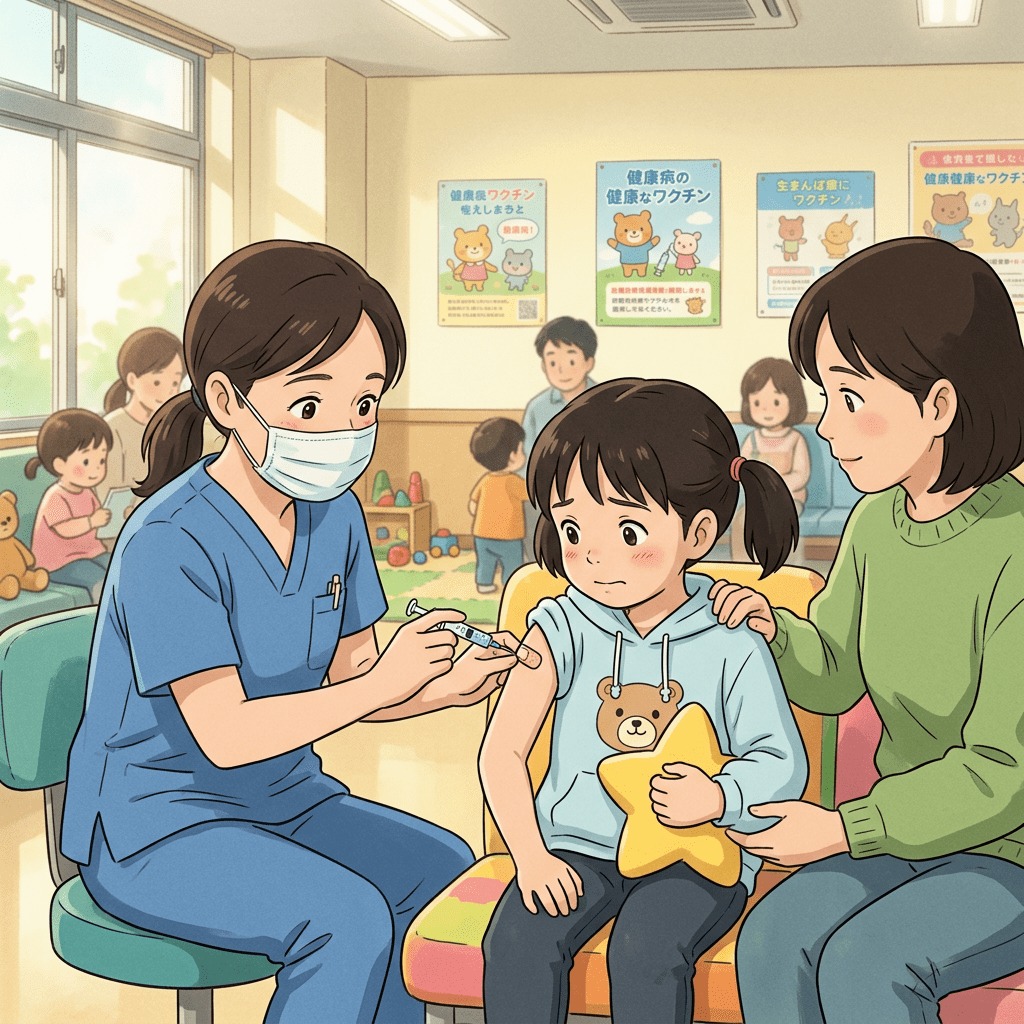
Each time we receive a vaccine, an IV drip, or undergo surgery safely, free from dangerous infection, we often feel gratitude toward medicine, toward doctors, toward science. Yet behind all of this, there has long been a silent contributor—ancient, resilient, and unknown to most.
The horseshoe crab.
Older than the dinosaurs by more than two hundred million years, these humble creatures have lived quietly along the shores of our planet, long before human beings ever appeared. While civilizations rose and fell, while continents shifted and climates changed, they endured—unchanged, steady, almost timeless.
And yet, in modern times, their lives became deeply intertwined with ours.
Their blue blood, colored by copper instead of iron, carries within it a remarkable biological defense system. Scientists discovered that the blood of horseshoe crabs contains a substance known as Limulus Amebocyte Lysate (LAL). What makes LAL extraordinary is its ability to detect bacterial endotoxins—harmful components from certain bacteria that can cause severe, even life-threatening reactions in humans.
When LAL encounters these toxins, it immediately forms a clot. This rapid response acts like a natural alarm system. In laboratories, even the tiniest trace of contamination in vaccines, injectable drugs, or medical equipment can be detected using this reaction. Before any medicine enters the human body, it must pass this test.
In this way, the horseshoe crab’s blood has quietly protected millions of lives. It has helped ensure that what is meant to heal does not instead harm.
They have been, in a very real sense, silent guardians of human health.
And yet, how often have we paused to thank them?
For decades, countless horseshoe crabs have been taken from the ocean, their blood carefully drawn, and then returned. Though efforts are made to minimize harm, the process is stressful, and not all survive. Their contribution has been largely unseen, unrecognized, and without voice.
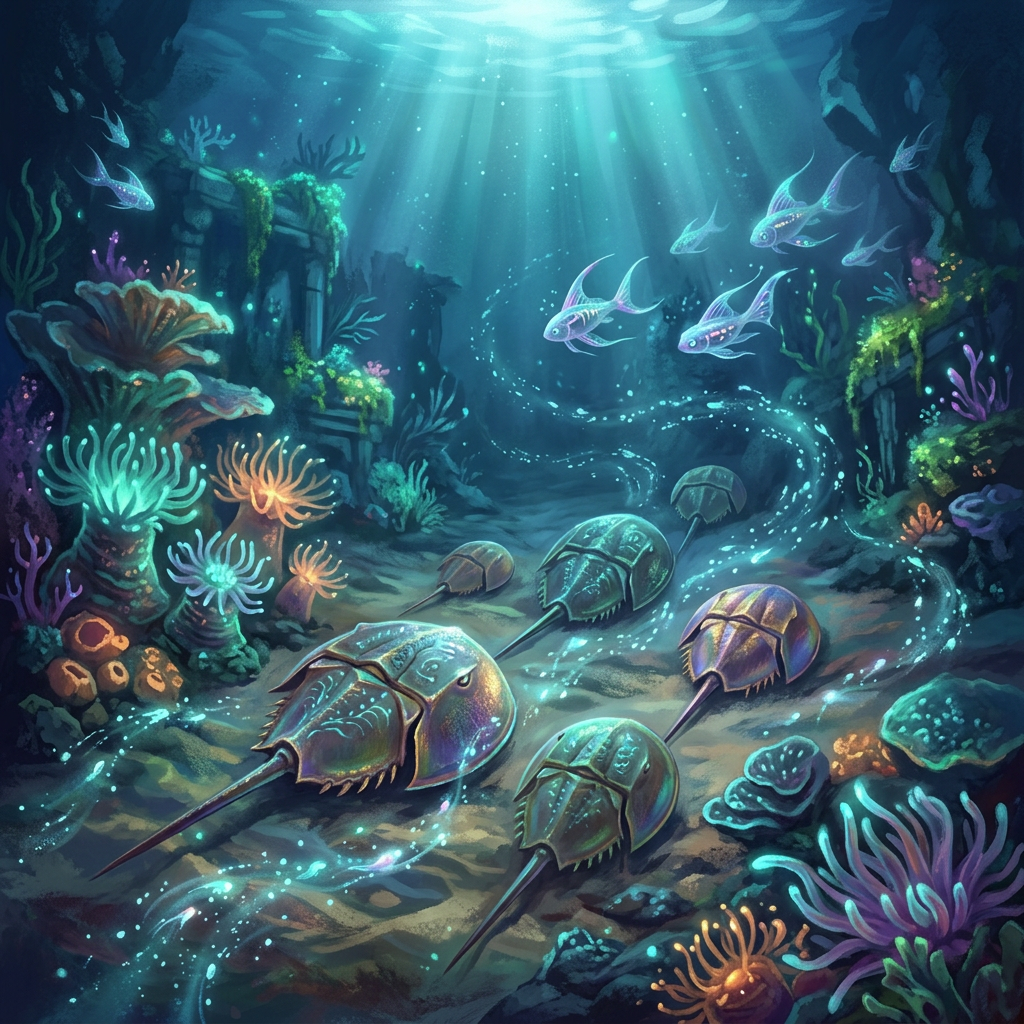
Only in recent years has science developed synthetic alternatives, allowing this ancient species a chance to rest, to recover, and perhaps to continue their long journey on Earth with less human burden.
But beyond science, this story invites us into something deeper.
In Buddhist teaching, we are reminded that all beings are not separate from us. Across beginningless time, every living being has, in one way or another, been our parent, our relative, our companion in the vast cycle of existence. Though forms change, though appearances differ, the essence of life remains interconnected.
When we look at a small, unfamiliar creature, we may see something distant, something unrelated to ourselves. But in truth, the web of life is far more intimate than we imagine.
Who can say, in the endless turning of time, how many lives have supported ours?
Who can know how many unseen acts have allowed us to live safely, to grow, to continue?
The horseshoe crab does not know our names. It does not act with intention to help us as we understand it. And yet, through the natural unfolding of causes and conditions, it has become a protector of human life.
This alone is enough to awaken a quiet sense of gratitude.
Perhaps the deeper lesson is not only about one species, but about how we see the world itself.
If even a creature we rarely notice can play such an essential role in our survival, then how many other beings—seen and unseen—are supporting us at every moment?
The food we eat.
The air we breathe.
The countless forms of life that sustain ecosystems and maintain balance.

When we begin to reflect in this way, something within us softens.
Indifference becomes awareness.
Awareness deepens into respect.
And respect quietly transforms into gratitude.
To live with this understanding is to walk more gently upon this Earth.
It is to recognize that we are not isolated individuals, but participants in a vast and living network of interdependence.
And perhaps, in this recognition, a simple aspiration arises:
To harm less.
To care more.
To honor life in all its forms.
Because we never truly know—
which life is supporting ours,
which being is protecting us,
which silent presence is helping us continue on our path.
And in that not knowing, there is something profoundly beautiful.
A reason to be humble.
A reason to be grateful.
A reason to treat every life… with reverence.