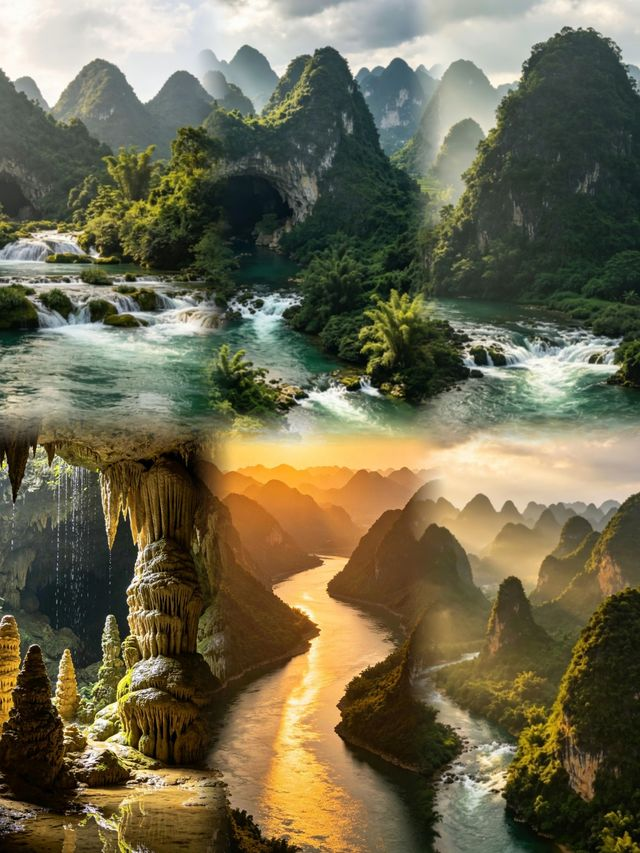
When people think of traveling to Guangxi, world-famous destinations like Guilin and Yangshuo immediately come to mind. But tucked away in the northwest of the province lies a hidden, crowd-free water wonderland that is about to become your next obsession: Hechi!
This isn’t Semporna or the Maldives—this is Hechi, a pristine paradise that brings together majestic karst mountains, emerald-green waters, mystical caves, and swirling schools of fish.
If you are looking to escape the summer heat and discover a side of China that most international tourists have never seen, bookmark this ultimate guide to Hechi’s three “divine hidden realms” and start packing!👇
🗺️ Deep Dive: The Three Mystical Water Spots of Hechi
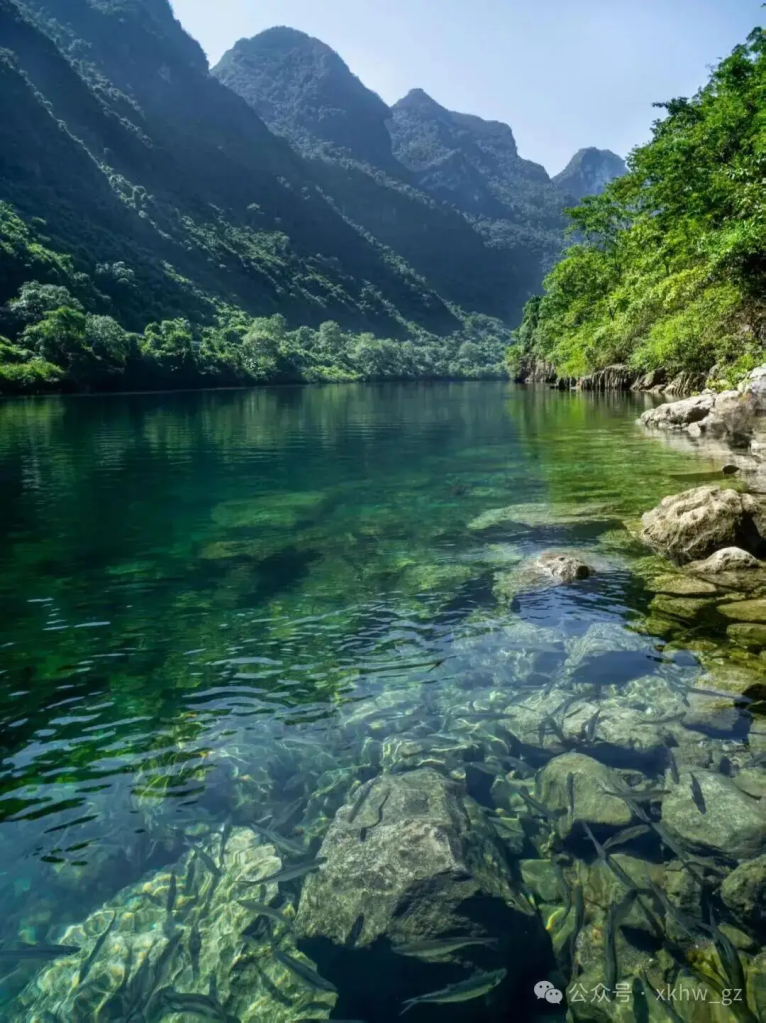
1️⃣ Tian’er: The “Blue Blade” Fish Paddleboarding Drift 🐟
- The Vibe: Stepping Into an Animated Fantasy World
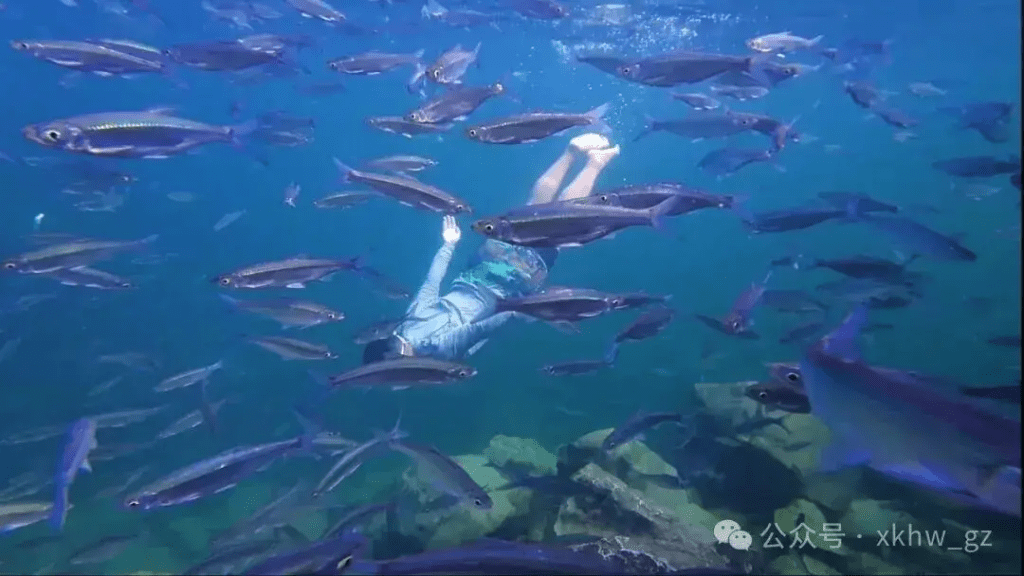
- The Experience: Imagine paddling down a river nestled between towering karst cliffs, where the water is so still it looks like a sheet of flawless green jade. This is the Hongshui River section in Tian’er. Rent a paddleboard at “Guizhiyuan Mountain Villa” and embark on a breathtaking 12-kilometer drift downstream to the old town pier.The absolute highlight of this journey is crossing the “Blue Blade Fish Storm” point. The Blue Blade fish (Hemiculter leucisculus) is incredibly sensitive to environment and only thrives in ultra-pure, wild waters. When you crumble some bread into the water, the river instantly “comes alive.” Hundreds of shimmering, silver-blue fish will swirl around your paddleboard in a mesmerizing underwater vortex. With the morning sun reflecting off their scales, it genuinely feels like stepping straight into a scene from a fantasy movie.
- 💰 Cost: Around 150 RMB/day for paddleboard rental (convenient pick-up and drop-off services are available at both the start and end points).
- ⏰ Best Time: April to October, when the fish are most active. Aim for early morning or just after a rain shower when the water is at its most transparent.
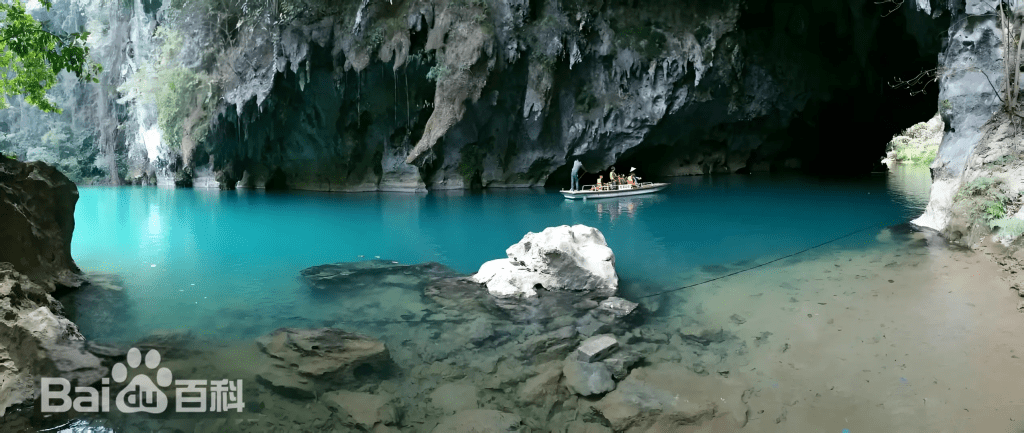
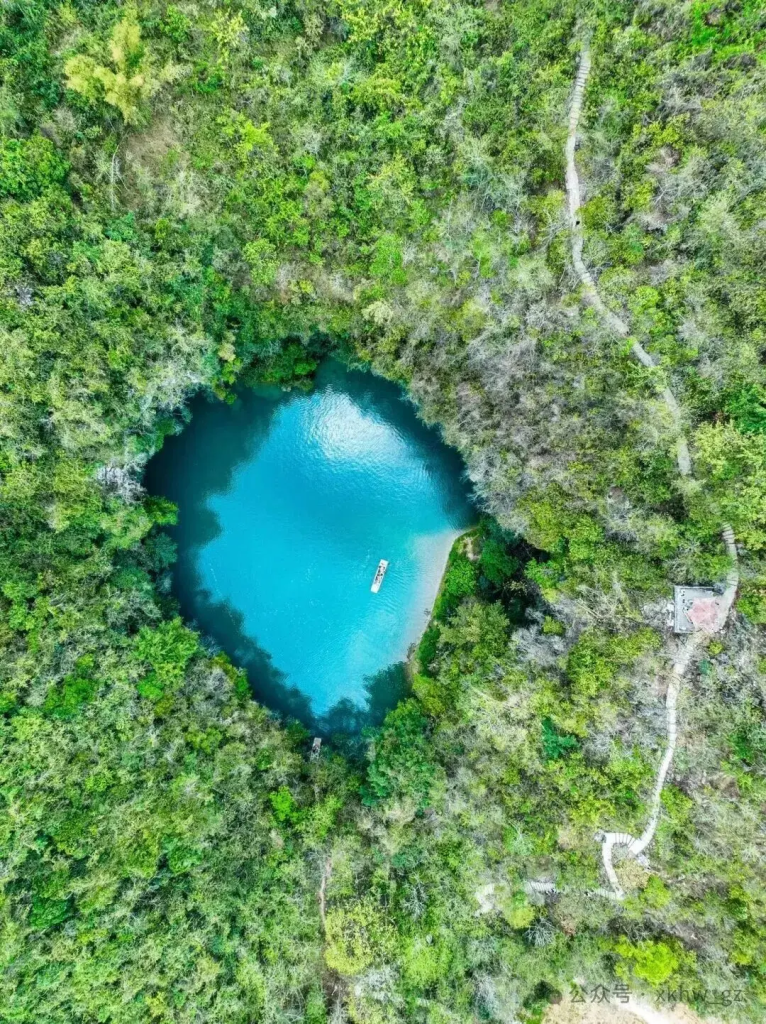
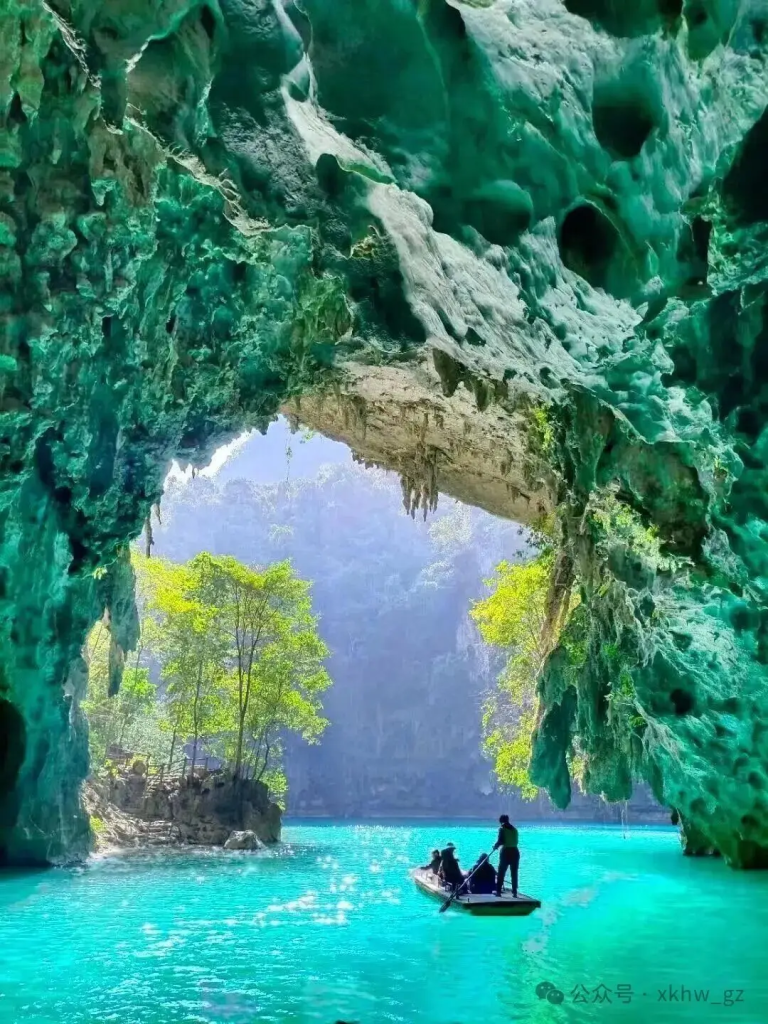
2️⃣ Fengshan: Cruising the Underground “Sea” of Sanmenhai ⛵
- The Vibe: A Journey to the Center of the Earth
- The Experience: Don’t let the name fool you—while “Hai” means sea, Sanmenhai is actually a spectacular, world-class geological wonder featuring a cluster of massive karst “heavenly windows” (sinkholes formed by the collapse of underground river ceilings). It is the only place in the world where you can board a traditional manual wooden boat and slide through interconnected caves into hidden tiankengs.As your boat glides from the pitch-black cavern into the light, you will be struck by an otherworldly sight. A beam of natural sunlight pierces through the open roof, illuminating the deep subterranean river into a surreal, glowing Tiffany Blue and deep sapphire. Local residents describe it as “a sea within the mountains, with gates upon the sea.” The jaw-dropping contrast of emerging from a dark cave into a hidden world of vibrant turquoise waters and hanging vines is a visual shock you will never forget.
- 🎫 Tickets: Around 60 RMB (Group rate/Online booking recommended for independent travelers).
- ⏰ Hours: 08:30 – 17:30 (Last entry at 17:00).
3️⃣ Du’an: Floating on the “Jelly Water” of Jiudun Tianchuang 💧
- The Vibe: The Everest of Cave Diving Meets a Healing Crystal Palace
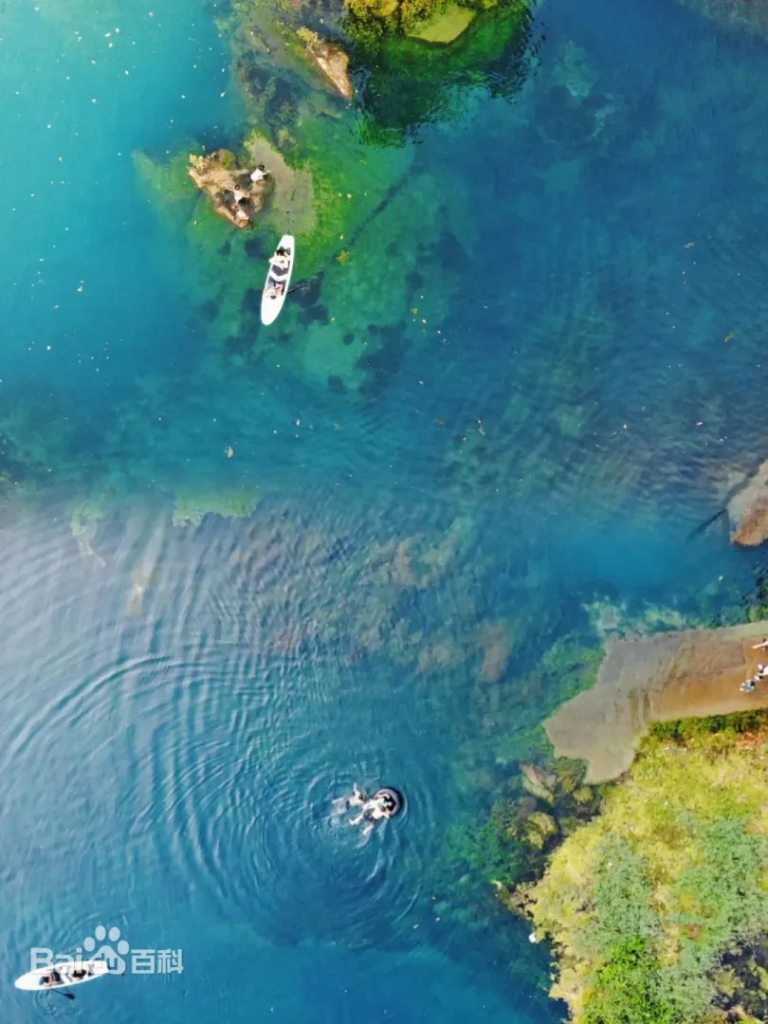
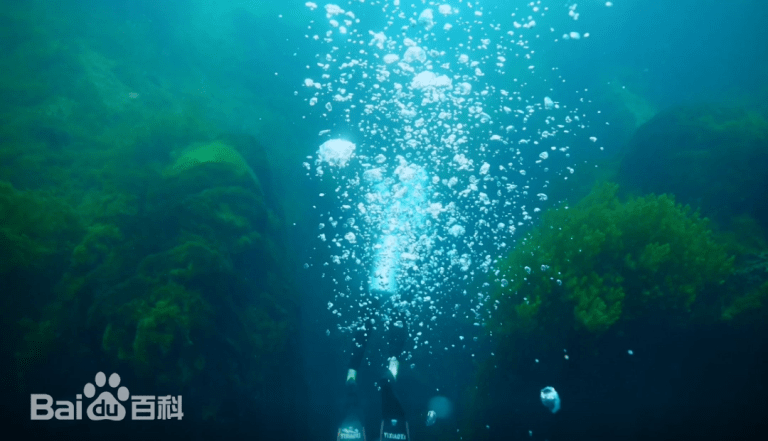
- The Experience: Du’an county is home to hundreds of underground river sinkholes, but the Jiudun Tianchuang (Jiudun Heavenly Window) is the crown jewel. Serving as the source of the Chengjiang River, this spot is legendary among global diving communities. Its underwater caves drop down hundreds of meters into a complex, mysterious labyrinth, earning it the title of “The Mount Everest of Underwater Cave Diving.” In fact, global cave diving depth records have been smashed right here.While the depths are a thrilling challenge for professionals, the surface is a gentle, healing fairy tale. The water here possesses an astonishing, glass-like transparency. It looks exactly like a giant bowl of shimmering green jelly. The best way to experience this is by renting a completely transparent paddleboard. As you float, it feels as though you are suspended in mid-air. Looking down, you can see dozens of meters straight to the bottom where lush river weeds wave like silk ribbons in the current. It requires absolutely zero photo filters—any snapshot here is an instant masterpiece.
- 🎫 Tickets: FREE entry to the area!
- 💰 Paddleboard Rental: Around 30 RMB/hour, or 50 RMB for 2 hours.
- 📸 Pro-Tip: Make sure to request a clear/transparent paddleboard for those stunning, weightless aerial-style photos!
🚗 【Essential Travel Tips】
- 📅 Best Season: May to October. This is the prime time for water activities, and you will also get the chance to see the beautiful, rare Ottelia acuminata (sea-cake flowers) blooming on the water’s surface.
- 🚘 Getting Around: Self-driving or renting a car is highly recommended. The highways and national roads connecting Tian’er, Fengshan, and Du’an are well-maintained, and the driving routes wind through some of the most stunning, dramatic karst landscapes in China.
- 🎒 What to Pack: High-SPF sunscreen, quick-dry clothing, and a reliable waterproof bag for your electronics. Keep in mind that the caves can get quite chilly, so bring a light jacket.
- 🕶️ Secret Weapon: Bring a pair of polarized sunglasses! They cut the glare on the water’s surface entirely, allowing you to see the fish and underwater plants with perfect clarity.
- ⚠️ Safety First: Always wear your life jacket when paddleboarding! No matter how good of a swimmer you are, safety makes the trip enjoyable.
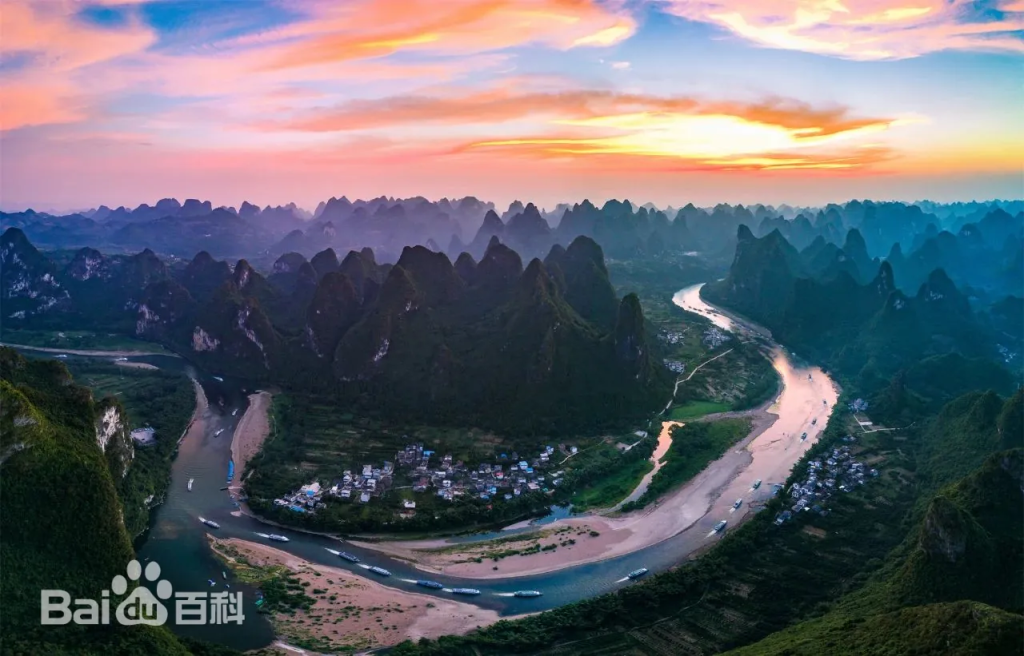
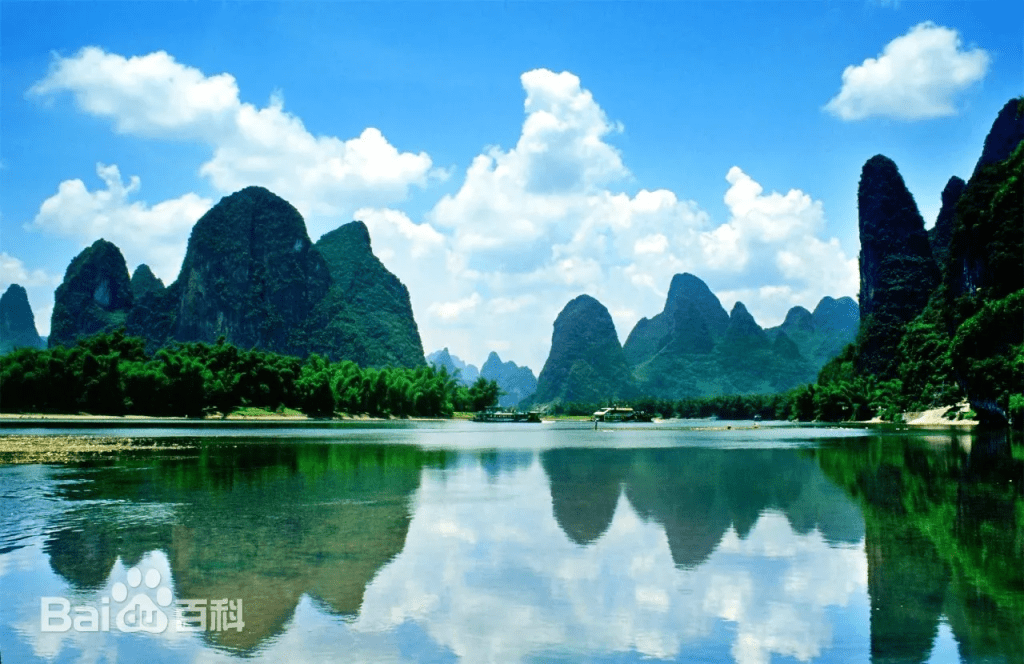
The beauty of Guangxi goes so much deeper than its famous postcards. Hechi offers a raw, wild, and incredibly pure escape that is hard to find in today’s crowded world. If you want to beat the summer heat, dive into crystal waters, and explore the mysteries of the earth without the crowds—Hechi is calling. 🎒🌿