When a Runner Met a Stray: A Friendship That Crossed Deserts and Hearts

You would never imagine that an ordinary stray dog from China could become a spiritual icon for people all over the world. Its story was written into a book, translated into 20 languages, and sold globally. Hollywood even bought the film rights, and one day it will be made into a movie. Countless celebrities and business leaders have posed for photos with it, and even the Queen of England once held it in her arms.

So what made this little dog so extraordinary? Everything began with what seemed like a random “accident.”

It was the summer of 2016 in Xinjiang, during a grueling ultra-marathon held once every three years. The main character of the story, British athlete Dion Leonard, was among the participants. Under the scorching sun—temperatures soaring above 40°C—runners had to trek 300 kilometers across desert and Gobi terrain. It was a challenge that tested both physical strength and willpower.

To conserve energy, Dion carried only a little bread and water. After walking all day, he finally stopped to rest for the night. That’s when a starving stray dog approached him, wagging its tail with all its might. Moved by the little dog’s cuteness, Dion shared some of his precious food.

He didn’t know it then, but that small act of kindness tied their destinies together. From the next day onward, the dog refused to leave his side. That’s when Dion realized it had no owner. Since the race was long and lonely, he welcomed this unexpected companion.

Day after day, the dog kept up with Dion. Whenever exhaustion hit him, just looking at the panting, tail-wagging little dog filled him with strength again. “If this tiny creature has the endurance to keep going, then so must I,” Dion thought. He named the dog Gobi, after the desert where they met. They shared food by day and huddled together by night. Through hardship, man and dog forged a bond of deep friendship.

Can you imagine—a stray dog becoming a global hero, its story turned into a bestselling book and a movie? That’s exactly what happened.

But during the race, Gobi could only run 150 kilometers before collapsing from exhaustion in the scorching desert. The organizers rescued and treated the little dog, who then waited faithfully at the finish line each day for Dion to return. Without Gobi, Dion felt alone again—but now he had something to fight for. His longing to see his companion pushed him to finish the final 150 kilometers in just three days, earning him a silver medal—the best result of his career. But instead of basking in the honor, his first joy was reuniting with Gobi.

The race organizers were so moved by their bond that they even awarded Gobi her own silver medal. Dion, who had once lost a beloved dog years earlier, felt this meeting was destiny. He resolved to adopt Gobi and bring her home to the UK.

From a stray with no future, Gobi suddenly became a beloved star dog, cherished by a marathon champion. Dion spared a lot of effort and about several thousand dollars to secure the adoption, leaving Gobi in a friend’s care in Xinjiang while he flew back to the UK to handle the paperwork. But just when everything was ready and Dion was eagerly awaiting Gobi’s arrival, disaster struck—Gobi went missing.

Panicked, Dion flew back to China and printed thousands of flyers to search for his companion. By then, their story had already gone viral. Media outlets reported it widely, and Gobi became a symbol of hope, inspiring people everywhere. When word spread that the famous little dog was lost, locals poured into the streets to help search, forming teams day and night, while countless netizens spread the news online.

Dion chased down every lead, refusing to give up. Finally, following a clue that others thought worthless, he found Gobi—injured and weary, but alive. The little dog had clearly suffered, but this time, Dion promised, she would never be alone again.

This reunion made Gobi even more famous. After full medical care and recovery, Dion finally brought her home to Scotland.

To honor their extraordinary bond, Dion turned from athlete to author, writing Finding Gobi. The book became an international sensation, translated into 20 languages and sold worldwide. Hollywood bought the rights to make it into a film. Together, Dion and Gobi traveled the globe, giving talks, meeting celebrities, and even winning the “Most Inspiring Animal Award.” Gobi’s journey reached its peak when the Queen of England herself held her in her arms.

What began with a stray dog’s trust and loyalty turned into a man’s promise and responsibility—together creating a heartwarming story that touched the whole world. Gobi found a loving home, Dion discovered renewed strength and joy, and both became better versions of themselves.

Link: https://peacelilysite.com/2025/09/11/when-a-runner-met-a-stray-a-friendship-that-crossed-deserts-and-hearts/

Turpan’s Hidden Lifelines: The Ingenious Karez Irrigation System of Xinjiang

Nestled in the heart of Xinjiang, the Turpan Basin holds several extraordinary records: it’s the lowest geographical point in China, and during summer, it’s the hottest place in the country. With scorching sunlight, relentless winds, and almost no rainfall, Turpan earns its title as the “Land of Fire.”

In the peak of summer, the surface temperature in the surrounding Gobi Desert can soar to 82.3°C (180.1°F), while the air temperature often exceeds 49°C (120°F). Rain is almost nonexistent—Turpan receives an average of just 16.4 mm of rainfall annually, and in some years, as little as 4.3 mm. Yet, amidst this harsh, parched environment, an ancient miracle has quietly sustained life for over two thousand years: the Karez irrigation system.


A Miracle Beneath the Earth

While nature was unforgiving above ground, it hid a gift below. Meltwater from the distant Tianshan Mountains seeps underground through coarse gravel and sand, eventually blocked by the Flaming Mountains and surfacing as springs. Ingenious local people found a way to capture and guide this underground treasure—thus, the Karez was born.

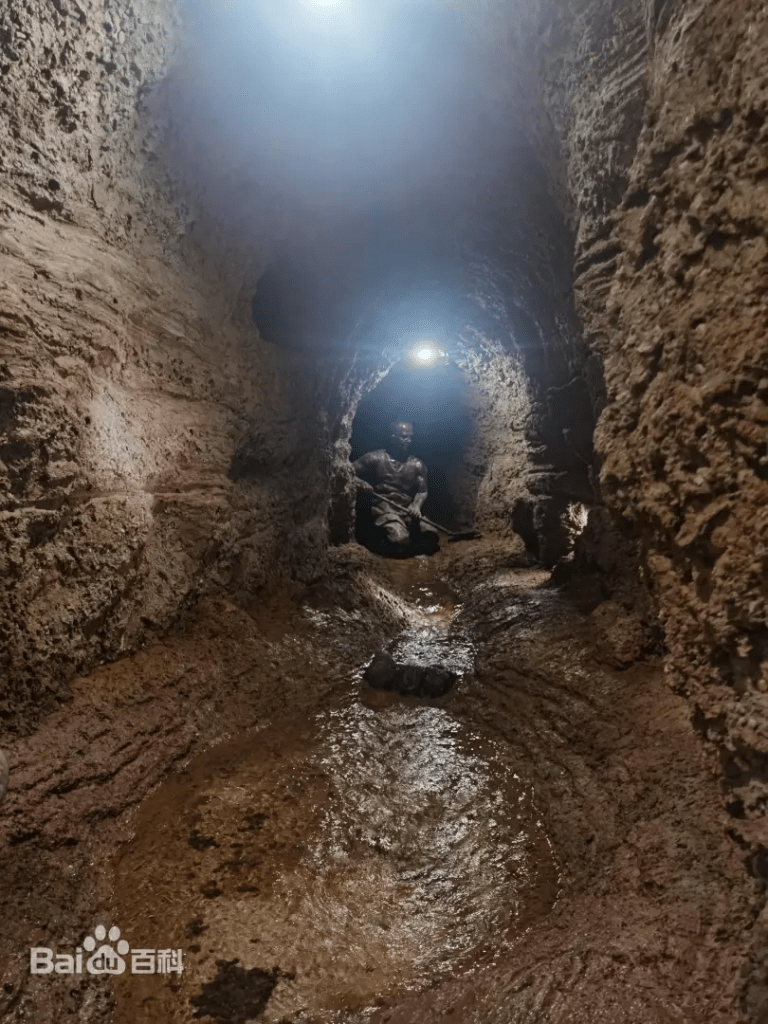
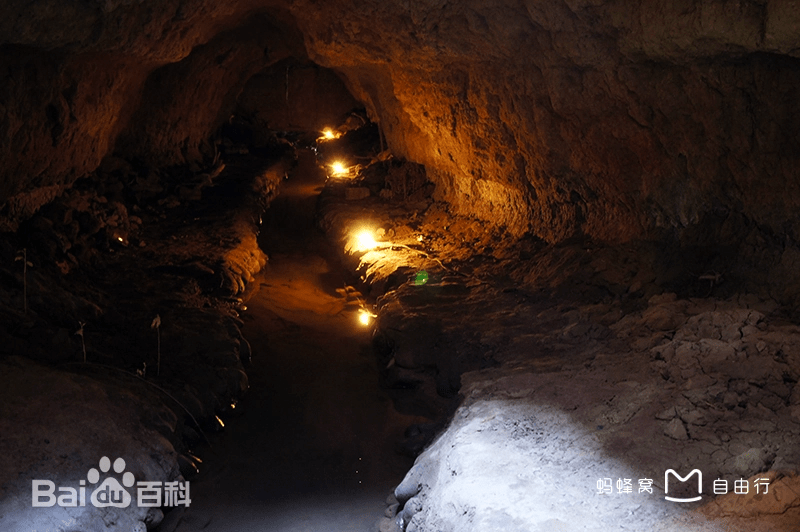
The Karez system channels water from mountain sources through a network of underground tunnels and vertical shafts, delivering it to the arid land without evaporation loss. Remarkably, this ancient system operates entirely without pumps, relying solely on gravity and terrain.

A complete Karez includes:

  • Vertical shafts for ventilation and maintenance
  • Underground tunnels to carry water
  • Open canals to distribute it
  • Storage ponds to hold it

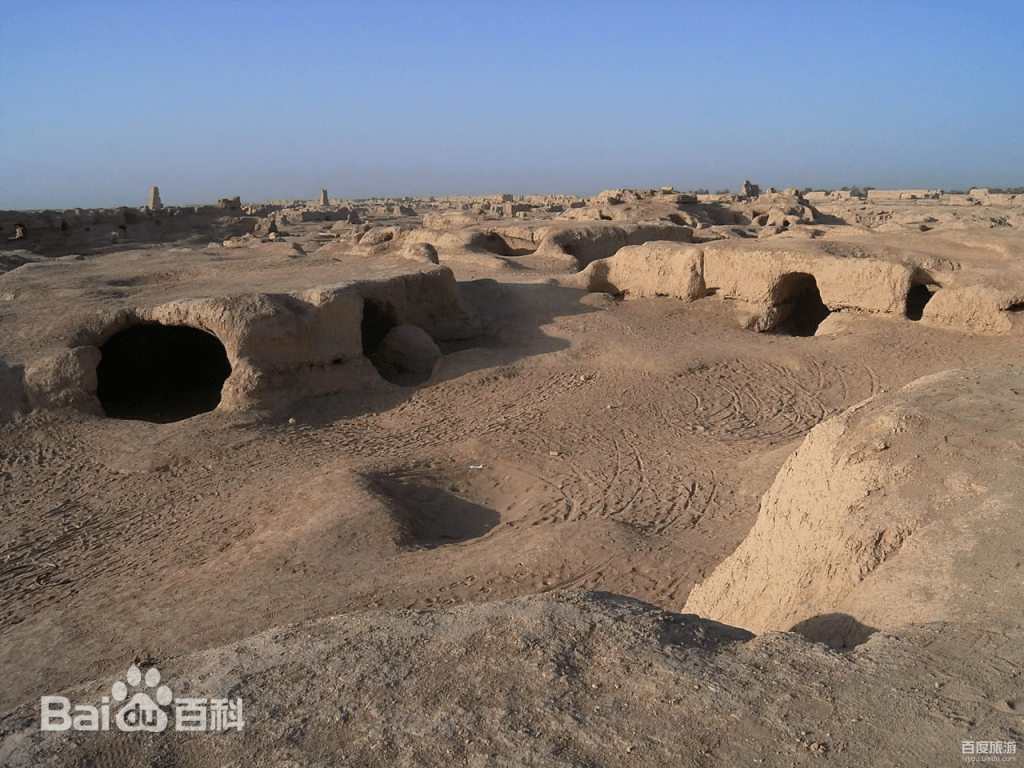
Across Turpan’s landscape, you can still see long rows of small mounds—each one marking a shaft, a glimpse into the remarkable infrastructure below.


A Testament to Ingenuity and Endurance

The origins of the Karez can be traced back to the Han Dynasty, over 2,000 years ago. Most of the surviving systems were built during the Qing Dynasty, including during historical moments like Lin Zexu’s fourth inspection of Turpan, when over 300 new Karez channels were added, and Zuo Zongtang’s campaigns, which saw nearly 200 more constructed.

At its peak in the 1950s, there were about 1,700 Karez systems in Turpan, stretching over 3,000 kilometers. Today, about 725 remain, a number slowly dwindling due to modernization, drought, and human impact.

The construction of each Karez was no small feat. Generations of laborers worked in dark, narrow tunnels, often barefoot in icy water, chiseling stone with simple tools and oil lamps. They carried earth and rock out by hand, surviving on dry flatbread and enduring brutal conditions.


A Culture of Water, Wisdom, and Survival

More than just a hydraulic system, the Karez represents a culture—a story of human resilience, harmony with nature, and intergenerational wisdom. In this water-scarce land, the Karez has nurtured lush vineyards, fertile fields, and diverse communities, offering life where none should thrive.

Today, many of these systems are dry or abandoned, relics of a past shaped by necessity and brilliance. But for those who walk among them, they are still very much alive—whispers from the earth, reminding us of what is possible when people respect and work with nature.


If you ever find yourself in Turpan, do not miss the chance to explore the Karez wells. They are more than ancient engineering marvels—they are monuments of perseverance, and living echoes of a civilization that made the desert bloom.

Link:https://peacelilysite.com/2025/06/18/turpans-hidden-lifelines-the-ingenious-karez-irrigation-system-of-xinjiang/

Xinjiang’s Golden Tapestry: Exploring the Stunning Autumn Landscapes of China’s Northwest

As autumn quietly arrives on the vast land of Xinjiang, a stunning visual feast also begins. Autumn in Xinjiang is like a vivid, colorful painting, with every scene exuding its own unique charm.

If Tibet offers people a spiritual shock, then Xinjiang provides a visual impact.

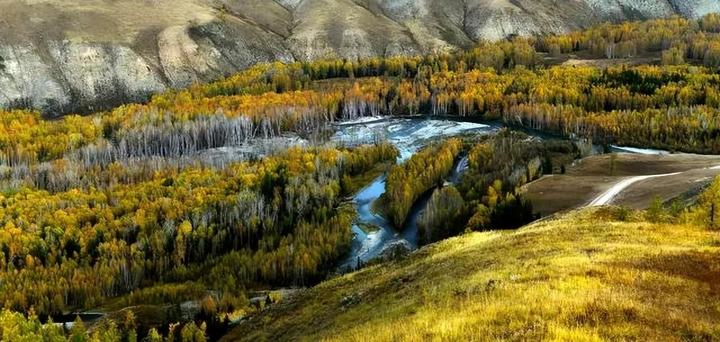
This is the place in China where autumn’s colors are the richest, with vibrant hues blooming amidst alternating poplar forests, lakes, rivers, and deserts.

If you missed the lush greenery of summer, you definitely cannot miss the splendid autumn of Xinjiang. Below is a suggested itinerary for Northern Xinjiang.

Day 1: Arrive in Urumqi, which can be reached via Urumqi International Airport. Upon arrival, explore the city with key places such as the Erdaoqiao International Bazaar, Hongshan Park, and the Xinjiang Uygur Autonomous Region Museum.

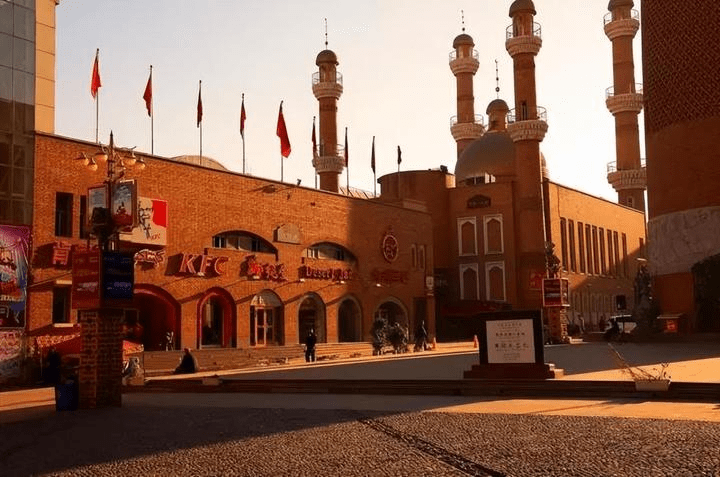
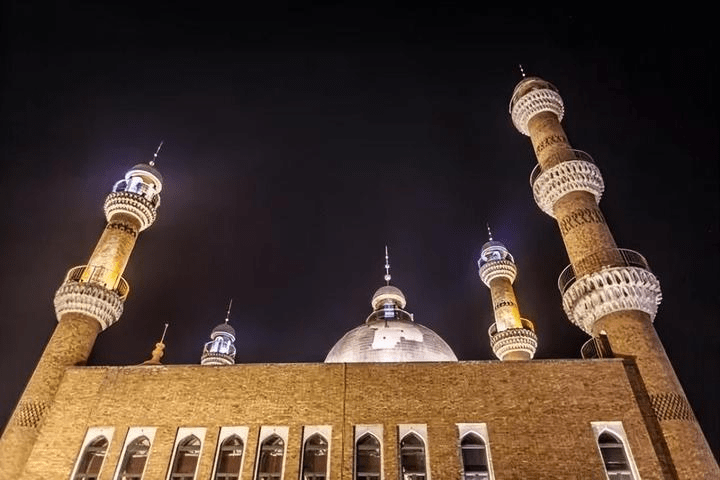
The International Bazaar is the largest bazaar in the world, combining Islamic culture, architecture, ethnic commerce, entertainment, and dining. It is known as the “Window to Xinjiang,” “Window to Central Asia,” and “Window to the World.” It symbolizes the prosperity of commerce and tourism in Xinjiang and serves as a scenic landmark in Urumqi, a city rich in ethnic diversity.

The architecture reflects a strong Islamic style, and while fulfilling modern functionality, it also recreates the historical glory of the ancient Silk Road. The bazaar showcases the deep ethnic characteristics and regional culture of Western China.

You can take Urumqi’s city rapid bus or BRT line 3 and get off at Erdaoqiao Station.Try Big Plate Chicken, baked buns, lamb kebabs, and hand-pulled rice to ignite your taste buds.

Day 2: Urumqi to Urho Ghost City, exploring the wind-eroded landscapes. Ghost City is also known as Urho Wind City.

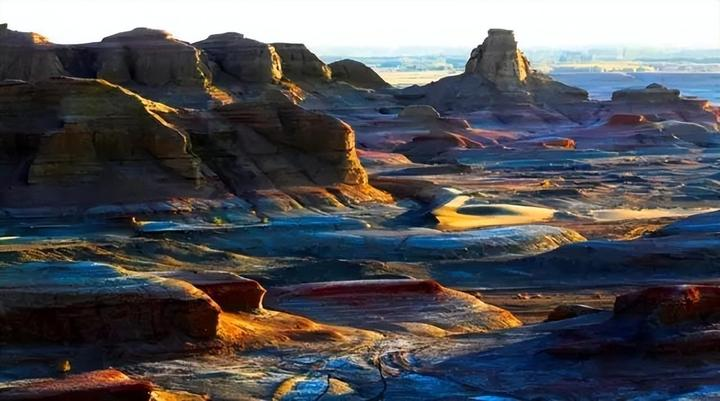
It is a unique wind-eroded landform with bizarre shapes. The local Mongolian people call this place “Sulumuhaque,” and the Uygur people refer to it as “Shaytankarshi,” which means Ghost City. The Ghost City stands like a mighty castle in the vast Gobi desert.

This castle-like formation resembles pavilions, towers, corridors, streets, and even a demon’s treasure hall. On the western side of the city gate, there is a rock formation called the “Stone Monkey Gazing at the Sea,” and within the city, you’ll find the towering “Mount Fuji,” the temple-strewn “Angkor Wat,” the magnificent “Potala Palace,” and shapes that resemble a cobra, a roc, and other creatures. These scenes are incredibly varied and dazzling, forming a dreamlike maze.

From a distance, you’ll marvel at its grandeur and magnificence, praising nature’s incredible craftsmanship. Bathed in the glow of the setting sun, the Ghost City becomes a kaleidoscope of colors, resembling a medieval castle with uneven heights and intricate layers, creating a unique spectacle in the Gobi desert.

Day 3: Hemu Village, the most beautiful secluded village – Experience the traditional life of the Tuva people.

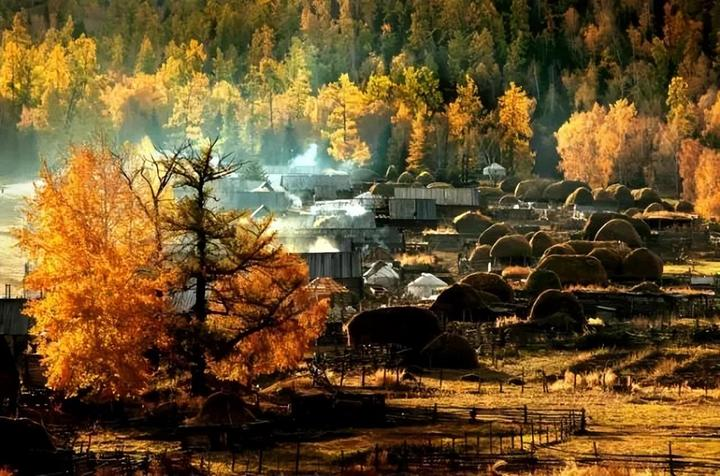
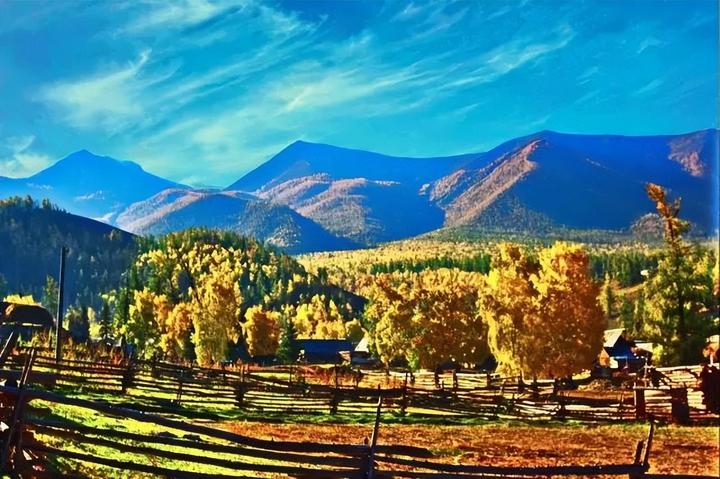
In autumn, the golden leaves of Hemu Village contrast beautifully with the rustic wooden houses. Walking along the village’s paths, the rustling of fallen leaves underfoot seems to whisper stories of the passing years. This is a great place to experience the life of the Tuva people. You can taste local delicacies, enjoy traditional singing and dancing, and immerse yourself in the charm of their unique culture.

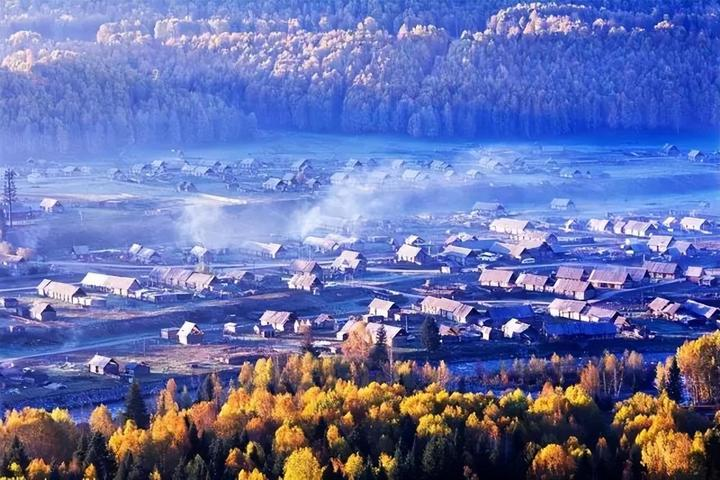
Nestled in a vast open area surrounded by mountains, Hemu Village lies quietly, with the Tuva people’s pointed wooden houses and livestock pens scattered casually throughout the village.

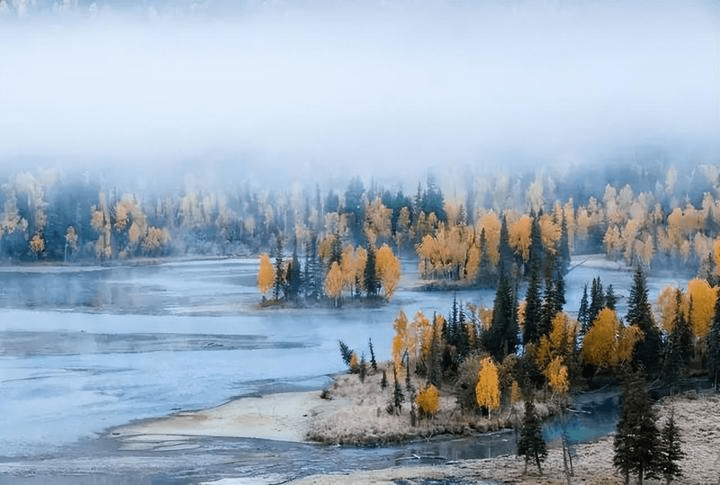
A faint mist forms a winding white ribbon above the forest, drifting between the village and the mountains. The most captivating aspect of Hemu Village is its stunning autumn scenery, where mountains covered in red foliage are breathtaking. Smoke rises slowly through the autumn colors, forming a dreamy mist that makes the village look like a fairyland.

Day 4: Kanas – Immersing in the breathtaking scenery of lakes and mountains.

Kanas is one of the world’s rare “earthly paradises.” Its unparalleled beauty is something that even the best photography skills cannot fully capture.

Kanas combines the grandeur of northern landscapes with the delicate charm of southern waters. Additionally, there are other breathtaking spectacles such as the “Sea of Clouds with Buddha’s Light,” the “Color-Changing Lake,” the “Floating Wood Dyke,” and the “Lake Monster,” making it a true wonderland of the Western regions.

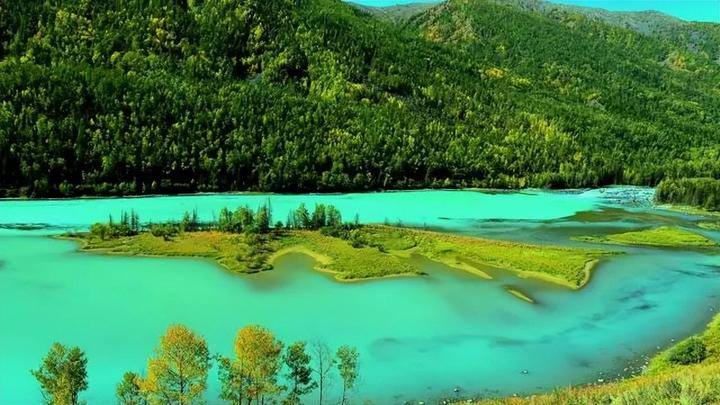
Kanas Lake: This lake, known as the “Earthly Fairyland,” reveals a unique charm in autumn. The lake’s water remains as emerald green as a gemstone, while the surrounding forests are transformed by autumn frost into a dazzling array of colors—fiery reds, golden yellows, and sunset oranges. These hues, set against the backdrop of a bright blue sky, form a breathtaking painting, as if nature itself had painted it with the finest brushstrokes.

Kanas Lake is an alpine lake nestled deep in the Altai Mountains’ dense forests. In 2009, it was named the “Most Beautiful Lake in China” by Chinese National Geography magazine.

Best time to visit: From June to early October.

Transportation: The Kanas Scenic Area has its own airport, and you can fly directly from Urumqi to Kanas. The flight takes about 50 minutes.

Day 5: From Baihaba to the Rainbow Beach, admire the colorful rocks and rivers.

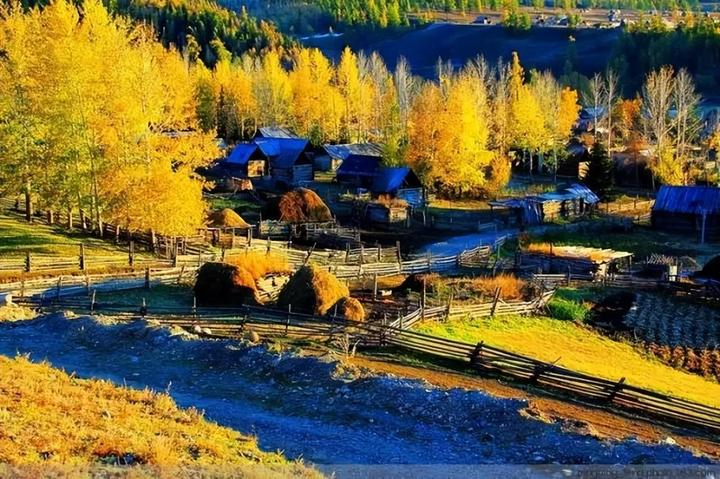
Baihaba Village, known as “the first village in the northwest,” faces the towering mountains of Kazakhstan in the distance. The dense golden pine forests of the Altai Mountains stretch all the way to Baihaba, where the villagers’ wooden houses and livestock pens are scattered harmoniously among the pine and birch forests, creating a peaceful and serene atmosphere. All of the village’s buildings are made of raw wood, with rustic log cabins as its signature feature, giving it the feel of a European-style village.

Baihaba Village: This place, known as “one of the eight most beautiful towns in China,” is especially breathtaking in autumn. The entire village is surrounded by golden birch forests, making it look like a golden fairy-tale world. The old wooden houses are scattered harmoniously among the trees, with smoke gently rising from the chimneys, creating a strong sense of rustic life.

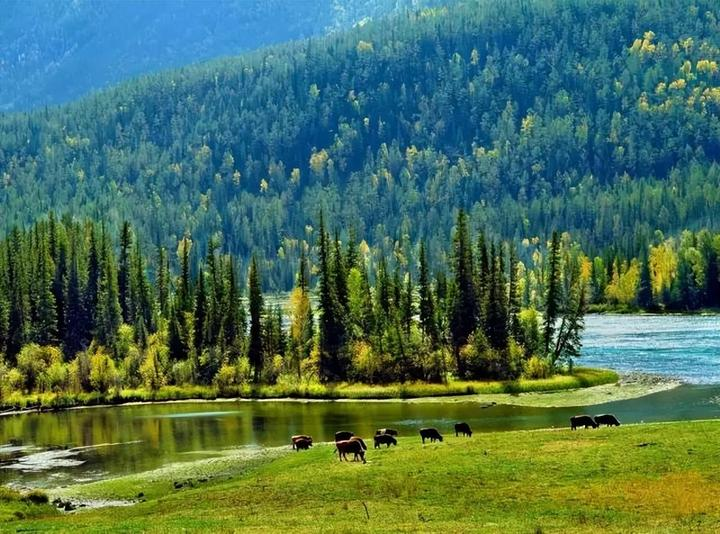
At sunset and in the misty mornings, the smoke drifts lazily, while cows and sheep graze on the hills, painting a picture of harmony between humans and nature. If Kanas is a secluded, ancient paradise, then Baihaba is a fairy-tale world nestled in an untouched natural environment.

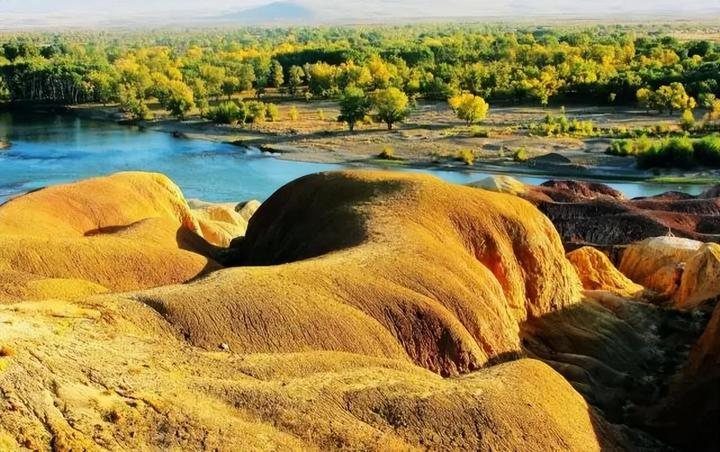
In the morning, immerse yourself in the rustic atmosphere on the grasslands of Baihaba. In the afternoon, head to the spectacular Rainbow Beach to admire Xinjiang’s most beautiful Yardang landforms. The hills here have unique geological features and display a variety of colors. At sunset, under the sunlight, the rocks primarily glow red, with shades of green, purple, yellow, white, black, and transitional hues, creating a vibrant and mesmerizing palette, which is why it’s called “Rainbow Beach.”

Whenever the wind blows, strange sounds of varying lengths and pitches echo from the gullies and beneath the rocks, adding a mysterious and otherworldly feel to the place.

Day 6: Keketohai – Enjoy the tranquility of lakes and forests.

Keketohai Town is located 48 kilometers northeast of Fuyun County in the Altai Mountains, in northern Xinjiang Uygur Autonomous Region. In Kazakh, “Keketohai” means “green forest,” and in Mongolian, it means “blue river bend.”

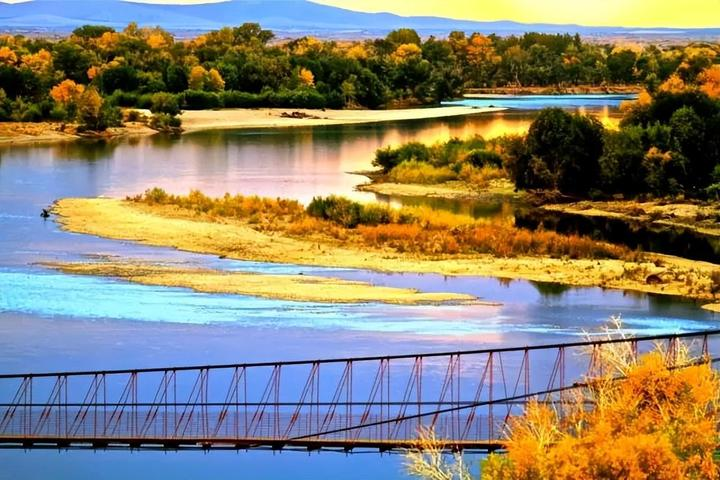
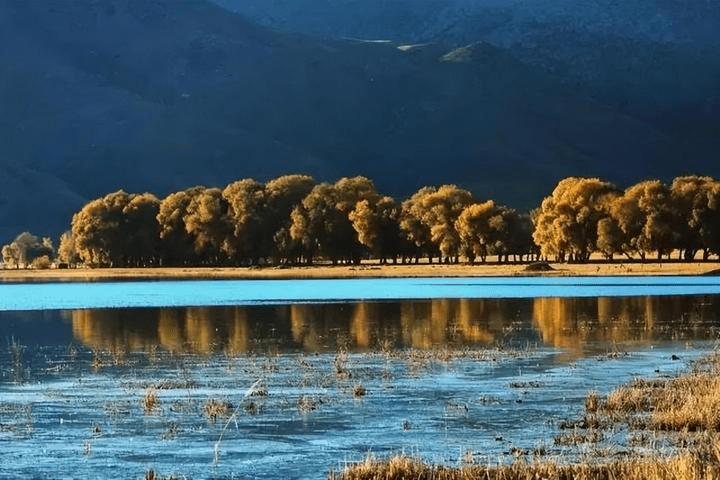
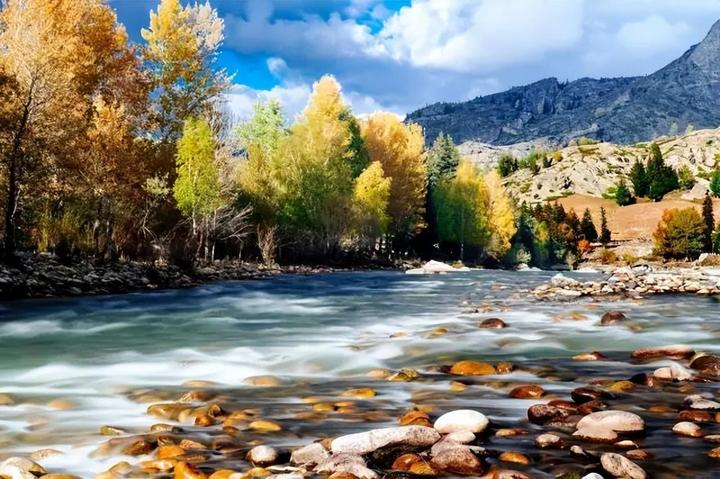
In autumn, the golden birch forests of Keketohai beautifully complement the clear river waters. The river flows gently, reflecting the stunning scenery on both banks, like a giant mirror. Strolling along the river, feeling the breeze and listening to the birds sing, fills one with a sense of peace and serenity.

From here, you will have seen most of the beautiful autumn scenery in northern Xinjiang, and you can return to Urumqi to end your trip. If you have more time, you can visit Heavenly Lake (Tianchi) to admire the snowy mountains and emerald waters.

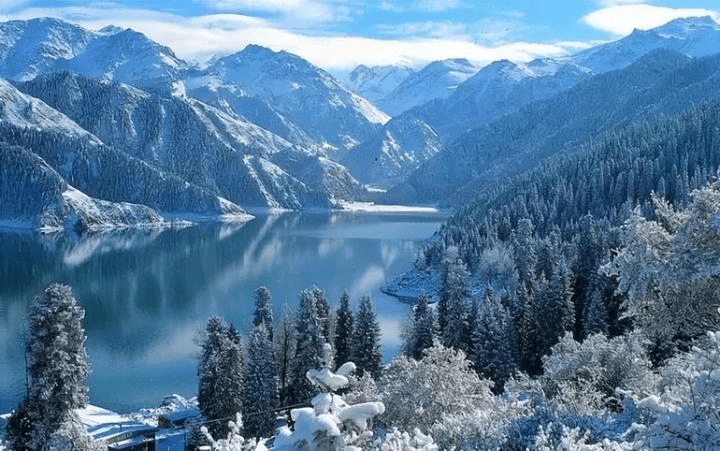
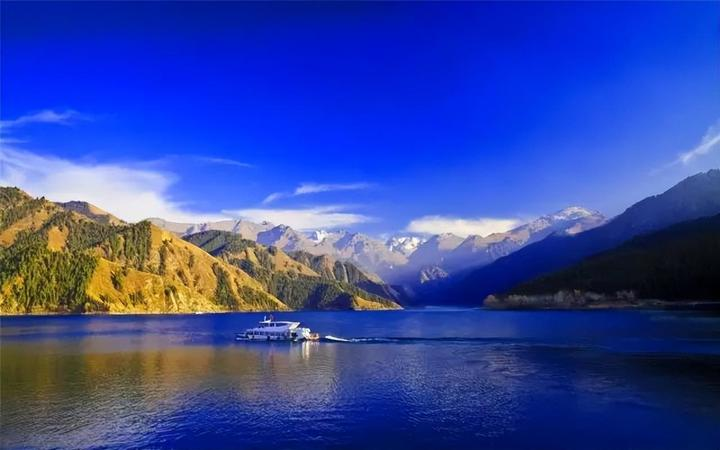
Heavenly Lake: A fairyland amidst the surrounding mountains.

Over the course of history, in the vast wilderness of China’s western regions, a place of extraordinary beauty emerged—Heavenly Lake in the Tianshan Mountains.

Historically known as “Jade Pool,” legend has it that King Mu of the Zhou dynasty traveled west and held a feast with the Queen Mother of the West here. In the Qing dynasty, during the reign of Emperor Qianlong, it was named “Tianchi,” meaning “Heavenly Mirror” or “Divine Lake.”

Heavenly Lake is an extraordinary and mesmerizing sacred site.

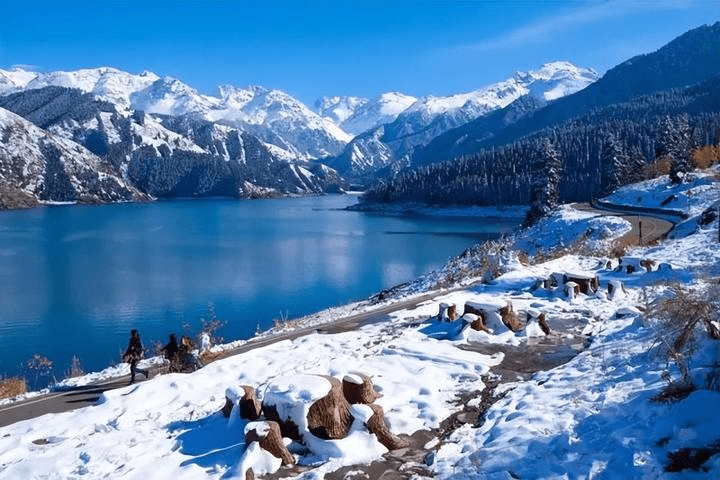
Its fame not only comes from the beautiful and mysterious legends associated with it throughout history, but also from its unique natural and cultural landscapes, renowned both domestically and internationally! The Bogda Peak of the Tianshan Mountains rises to 5,445 meters above sea level, its snow-covered glaciers extending throughout the year. The snowy mountains and the blue lake complement each other, creating breathtaking scenery. The surface of the lake is crescent-shaped, and the water is crystal clear, as pure as jade.

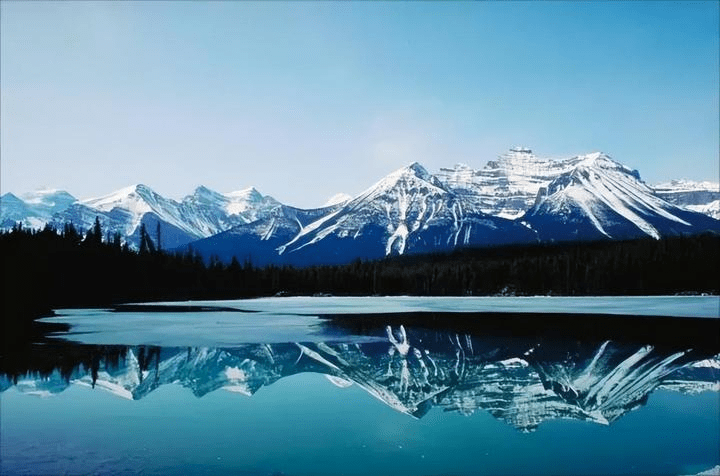
The snow-capped peaks reflect in the lake, surrounded by towering spruce trees, with the emerald waters as smooth as a mirror, forming a picturesque landscape. Encircled by mountains, the area is lush with green grass and vibrant wildflowers, earning it the title “Pearl of the Tianshan Mountains.” Tall, verdant spruce and pine trees cover the mountains and ridges, creating a dense forest canopy.

Link:https://peacelilysite.com/2024/10/18/xinjiangs-golden-tapestry-exploring-the-stunning-autumn-landscapes-of-chinas-northwest/

Source : photos from https://www.52hrtt.com/br/n/w/info/F1665986705929
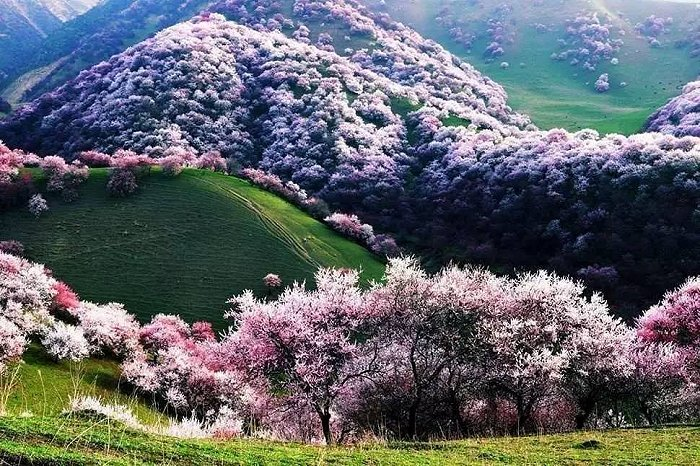
The most Beautiful Spring in YiLi XinJiang

Every year in March and April, the most beautiful season arrives in Yili, Xinjiang!

This is a legacy from the fifteenth and sixteenth Centuries,

The largest primitive apricot forest,

Concentrated on the north bank of the GongJiShi river,

Covering an area of ​​over 30,000 mu.

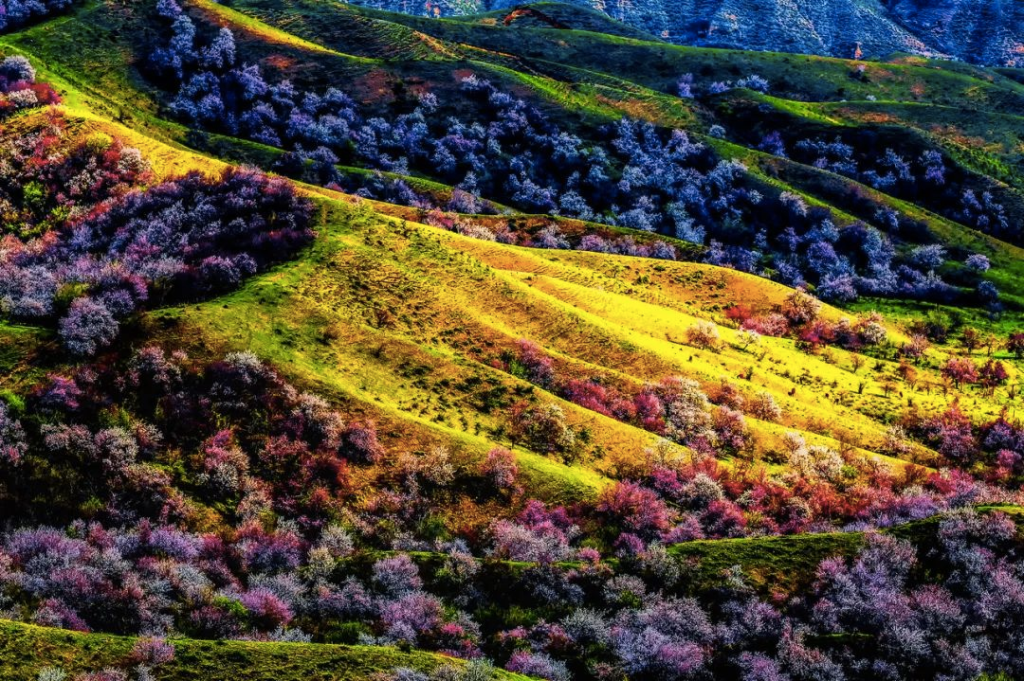
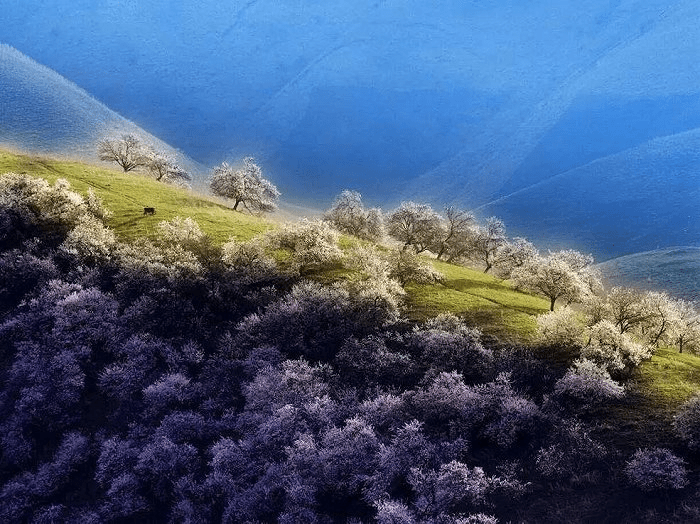
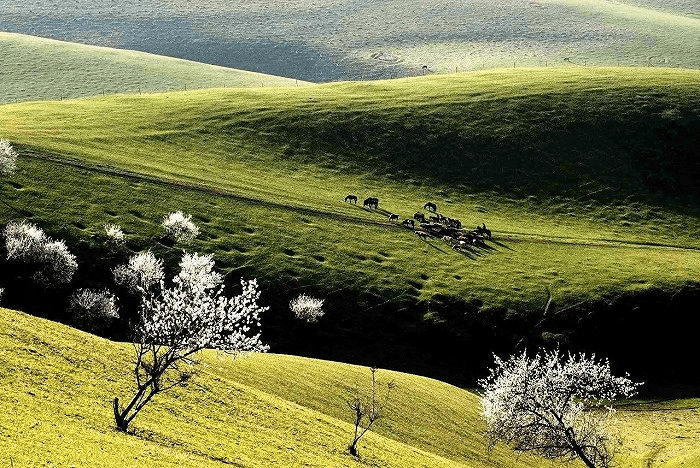
The beauty of Yili’s apricot blossom gully is not the deliberate beauty of artificial planting and processing, but the natural beauty of “natural and unadorned”. On the rolling hillsides covered with layers of grass, there are apricot blossom forests in purple, red, and pink, magnificent and dreamlike, which makes people feel excited at first sight. Mentioning Yili, the vast image of the grassland with the words “the sky is vast, the wilderness is vast, and the wind blows the grass low to see the cattle and sheep” comes to mind. Little do people know, here also has the beautiful scenery of “apricot blossoms fill the gully, and the spring scenery intoxicates people”. The apricot blossoms covering the mountains and plains make people indulge in the sea of flowers, lingering and forgetting to return. Most of the visitors who come here all year round are photographers, painters, poets, and so on, who come for fame.

Yili has picturesque grassland, sacred snow-capped mountains, and a splendid sea of ​​flowers… Any one of them is enough to conquer you!

Apricot Blossom Valley, naturally formed,

Becomes a paradise every spring.

The air is filled with the fragrance of apricot blossoms,

The valley is adorned in the robe of spring.

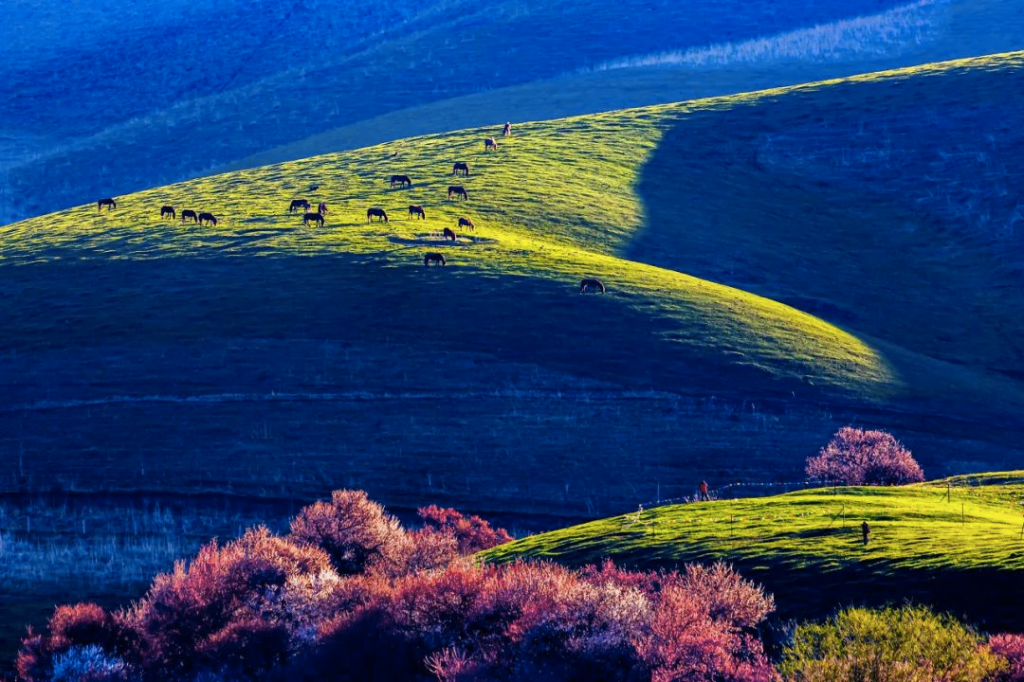
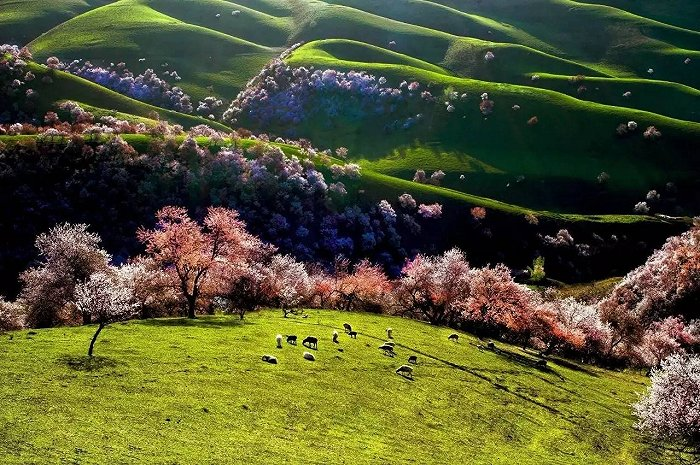
On both sides of the Yili River Valley in the foothills of the Tianshan Mountains, various ancient wild fruit trees are distributed. As April arrives and the weather warms up, wild apricots are the first to sense the temperature change, eagerly adorning their branches with blossoms, heralding the beginning of the entire apricot blossom season in the Yili Valley. In the northern part of Tuge Township in Xinyuan County, the scene of apricot blossoms in full bloom is the most spectacular in the Yili River Valley. The apricot blossoms surge like a torrential tide, climbing up the hillsides and deep into the valleys. The fresh green of the grasslands, coupled with the delicate pink of the apricot blossoms, adorned with the pastoral huts and leisurely cattle and sheep, depicts spring in an exaggerated yet perfect manner.

Entering April marks the most beautiful and romantic season in the Yili River Valley. The first to bloom are the pink apricot blossoms. In Xinyuan County, April is full of spring vitality, with willows budding and hillsides covered in green carpets. Most striking are the rolling hillsides on the north bank of the Gongjisi River, where wild apricot blossoms compete to bloom. The flowering wild apricot trees are snow-white or pink, exuding a bright and fresh fragrance that can be smelled several kilometers away.

Thanks to the influence of the humid climate of the Yili Basin and the nourishment from the abundant glacial meltwater from the Tianshan Mountains, the tens of thousands of mu of primitive apricot trees in the Apricot Blossom Valley have grown wild for hundreds of years, flourishing endlessly.

In April, the Yili region experiences frequent spring rains, gentle like silk. Under the rendering of the rain, the Apricot Blossom Valley appears even more like a hidden paradise, fresh and mysterious. Standing on a hillside and looking out, in the undulating valleys, wild apricot trees dot the landscape between the valleys and hillsides. The lush green of the valleys clashes with the purple-red of the apricot blossoms, creating a visually striking scene! The undulating lines of the valleys amidst the vast expanse of sky and earth present a majestic spectacle, with beautiful light and shadows refracted by the sunlight, creating a rare visual feast.

In spring, the Narat Grassland is a subalpine meadow plant area, renowned as a famous pasture since ancient times. The picturesque grassland scenery combines with the local Kazakh folk customs, with valleys, peaks, deep gorges, and forests complementing each other in harmony!

Link:https://peacelilysite.com/2024/03/22/the-most-beautiful-spring-in-yili-xinjiang/

Source: https://m.thepaper.cn/newsDetail_forward_21850081http://grassland.china.com.cn/2018-03/26/content_40265248.htm, https://www.jiemian.com/article/1213329.html