Between Instinct and Grace: A Moment the Ocean Remembered

Diver embracing a large whale surrounded by colorful fish and coral underwater

There are stories that belong not only to science, but also to wonder—stories that unfold in that quiet space where facts end and meaning begins.

One such moment took place in 2017, in the warm, crystalline waters off Rarotonga, part of the serene islands of the Cook Islands.

Marine biologist Nan Hauser had spent nearly three decades studying humpback whales in these waters. She knew their rhythms, their migrations, their presence. The ocean, to her, was not unfamiliar—it was home.

And yet, on that day, something happened that she herself would later struggle to fully explain.

As she swam, a massive humpback whale approached her—directly, powerfully, and without warning. It nudged her. Lifted her. Pressed her gently yet insistently through the water. Again and again, it positioned its enormous body around hers, guiding her in a direction she did not understand.

There was fear. How could there not be?
To be moved by a creature weighing tens of thousands of pounds is to feel the fragile nature of one’s own body. Every movement carried the possibility of harm.

For several long minutes, the whale would not leave her.

Then, beneath the surface, a shadow revealed itself.

A tiger shark moved through the deep—silent, powerful, and unmistakably dangerous.

Only later did the pieces begin to align.

The whale’s circling.
The persistent nudging.
The careful positioning.

It had remained between her and something she had not yet seen.

Whether the whale intended to protect her is something science cannot say with certainty. Researchers, including experts like Robert Pitman, have long documented how humpback whales sometimes intervene when predators such as killer whales threaten other marine life. They have been seen shielding seals, escorting injured animals, even disrupting hunts.

But a human?

That question remains open—resting quietly in the unknown.

And perhaps that is where the true beauty of this story lies.

Because not everything meaningful can be measured.

What we know is this:
A woman entered the ocean alone.
A powerful creature stayed beside her.
A danger passed.
And she returned safely.

Between those simple facts lives a mystery—one that invites not certainty, but reflection.

Was it instinct?
Was it coincidence?
Or was it something that gently echoes what we, as humans, might call care?

Standing at the edge of such a moment, we are reminded of how little we truly understand about the inner lives of the beings who share this world with us. The ocean, vast and ancient, holds countless stories like this—unwritten, unproven, yet deeply felt.

Perhaps what matters most is not defining the whale’s intention, but recognizing the invitation within the encounter.

An invitation to humility.
To reverence.
To a quieter way of seeing.

In a world where we often place ourselves at the center, moments like this shift the perspective. They remind us that we are participants, not masters—threads woven into a much larger, living tapestry.

And sometimes, in ways we cannot fully explain, that tapestry seems to respond.

Gently.
Powerfully.
And just when it is needed most.

Link:https://peacelilysite.com/2026/04/13/between-instinct-and-grace-a-moment-the-ocean-remembered/

The Woman Who Planted Hope: How Wangari Maathai Changed the World One Tree at a Time

In a world often driven by ambition and material success, it is easy to overlook the quiet, transformative power of compassion. Yet history reminds us that lasting change is often born not from grand gestures, but from simple, sincere actions. The life of Wangari Maathai is a profound example of this truth. With unwavering courage and a heart rooted in service, she transformed the act of planting trees into a movement that restored both the land and the dignity of countless lives.

Born in rural Kenya, Wangari Maathai grew up closely connected to nature. She witnessed the gradual disappearance of forests, the drying of rivers, and the increasing hardship faced by local communities. Among those most affected were women, who depended on the land to sustain their families. Rather than accepting this decline, she chose to act. In 1977, she founded the Green Belt Movement, a grassroots initiative that encouraged women to plant trees in their communities.

What seemed like a simple solution carried deep wisdom. As trees took root, they began to restore the environment, protect water sources, and provide essential resources such as firewood. At the same time, the women who nurtured these seedlings gained a source of income and a renewed sense of independence. Through this work, Wangari Maathai did more than address environmental issues—she empowered women to reclaim their strength, their voices, and their place in society.

Yet her path was far from easy. As her movement grew, it began to challenge powerful interests tied to land exploitation and political control. Speaking out against injustice, she faced harsh resistance. She was arrested, harassed, and even subjected to violence. In the eyes of the authorities, her actions were seen as a threat. But in truth, she stood as a symbol of integrity and moral courage. She remained steadfast, guided not by anger, but by a deep commitment to what was right.

Her perseverance did not go unnoticed. In 2004, she was awarded the Nobel Peace Prize, becoming the first African woman to receive this honor. The recognition reflected more than her environmental achievements; it affirmed her vision that peace is deeply connected to justice, human dignity, and harmony with the Earth. Her life demonstrated that caring for the environment is not separate from caring for humanity—it is, in fact, an essential part of it.

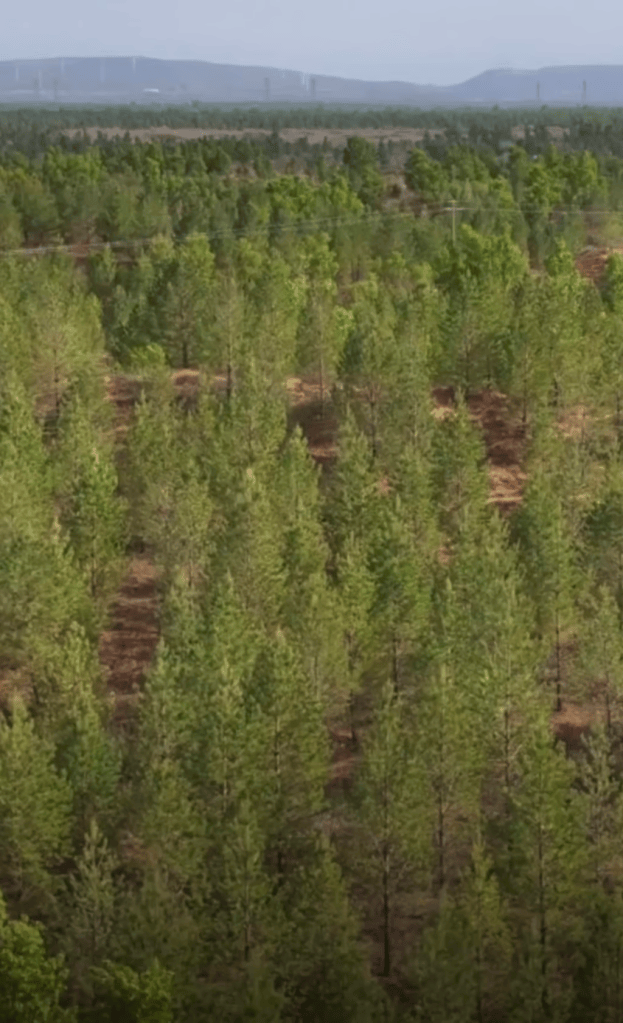
Beautiful aerial forest on Earth, vibrant

There is a quiet spiritual resonance in her journey. In many traditions, we are reminded that every action plants a seed, and every seed will one day bear fruit. Wangari Maathai understood this deeply. Each tree she planted was also an offering of hope, a gesture of compassion, and a step toward a more balanced and just world. Over time, these small acts grew into something far greater than anyone could have imagined.
Her legacy invites us to reflect on our own lives. In a world that often feels overwhelming, it is easy to doubt the impact of our individual efforts. Yet her story gently reminds us that meaningful change does not require perfection or power—it begins with intention. A single act of kindness, a moment of courage, or a commitment to do what is right can ripple outward in ways we may never fully see.

Wangari Maathai planted trees, but more importantly, she planted hope. And that hope continues to grow, quietly and steadily, in the hearts of those who are willing to care, to act, and to believe that even the smallest seed can change the world.

Link:https://peacelilysite.com/2026/04/06/the-woman-who-planted-hope-how-wangari-maathai-changed-the-world-one-tree-at-a-time/

When Love Lifts Life: A Remarkable Story from the Ocean

Mystical sperm whales with golden runes and a bioluminescent calf in a deep-sea environment.
Ancient whales adorned with golden runes protect a bioluminescent calf in this mystical deep-sea scene.

July, 2023. Out on the open sea.

A group of marine biologists was tracking a pod of sperm whales. At first, something felt strange. Eleven whales floated motionless at the surface, as if time itself had paused. The ocean was eerily quiet.

Then, about an hour later, the stillness shattered. The water suddenly turned red.

Hearts racing, the scientists braced themselves for the harsh reality of nature.
Was this a hunt? A death? A moment of survival at another creature’s expense?

But as a drone camera moved closer, the truth revealed something entirely different.

There was no violence. No tragedy.

A mother whale—named Rounder—was giving birth.

In a rare and breathtaking moment, the scientists witnessed a new life entering the world. A tiny tail emerged first, as sperm whale calves are born tail-first, and slowly, a newborn began its journey into the vast ocean.

It should have been a moment of pure joy.

But in the ocean, birth is only the beginning of the struggle to survive.

A newborn sperm whale faces an immediate danger. Unlike adults, it has not yet developed the specialized organ in its head that helps regulate buoyancy. In simple terms, the baby cannot stay afloat on its own.

Without help, it would sink.

And sinking, in the open ocean, means death.

But what happened next was something no one could have predicted.

The ten other whales surrounding Rounder moved into action.

One by one, they swam beneath the newborn calf, using their massive bodies to gently push it upward—lifting it to the surface so it could take its first breaths. Again and again, they repeated this act, forming a living cradle beneath the fragile life.

This was not a brief effort.

For three hours, the whales took turns, tirelessly supporting the newborn, ensuring it did not sink. Each whale became a living buoy, offering strength, patience, and care.

It was a relay of compassion.

What makes this story even more extraordinary is what scientists later discovered: nearly half of the whales helping that day were not directly related to the mother or the calf.

They were not bound by blood.

And yet, they stayed. They helped. They gave their strength to protect a life that was not “their own.”

In the world of sperm whale, this is part of a deeper truth. These whales live in close-knit, matriarchal societies—grandmothers, mothers, aunts, and daughters supporting one another. But their care goes beyond family ties. It extends into a culture of mutual aid, a shared understanding:

Today I help you. Tomorrow, someone will help me.

In a world where nature is often described as ruthless and unforgiving, this moment tells a different story.

Survival is not driven by strength alone.
It is sustained by connection.

Even in the vast, indifferent ocean, life finds a way through cooperation, through presence, through something that looks very much like love.

Perhaps there is something for us to learn here.

In our own lives, we all face moments when we feel like we are sinking—overwhelmed, alone, unable to stay afloat. And sometimes, the help that lifts us does not come from those closest to us, but from unexpected kindness, from strangers, from quiet acts of support.

Like those whales in the open sea, we, too, are part of a larger web of life.

In Buddhism, there is a teaching that all beings are interconnected, bound together through causes and conditions. The kindness we offer today becomes the support we receive tomorrow. This is the quiet working of karma—not as fate, but as the natural unfolding of our actions.

The whales did not calculate reward or recognition. They simply responded to suffering with care.

In the same way, when we act with compassion, we become part of a greater flow of life—one that uplifts, protects, and sustains all beings.

Perhaps awakening does not begin with grand realizations, but with small, sincere acts:

To notice when another is sinking.
And to gently help them rise.

Link:

The Bird That Turns Into Ice to Survive the Night

If you think leaving your warm bed on a winter morning is painful, wait until you meet this bird. Every night, to save energy, it follows a routine that sounds almost unbelievable—it turns itself into what can only be described as a “heartbeat-equipped ice cube.”

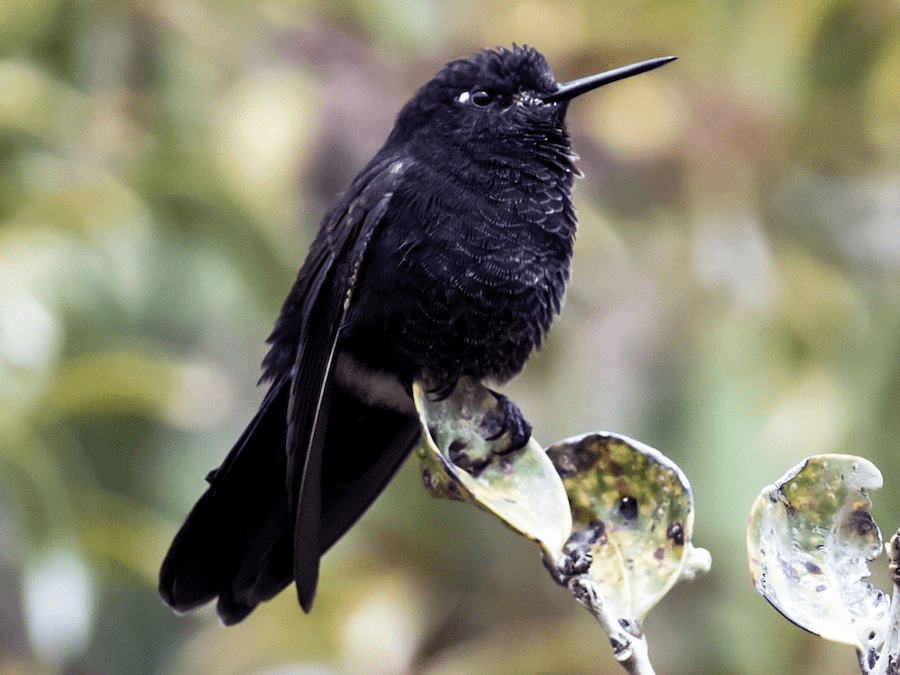
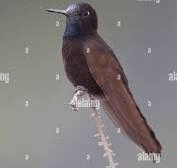
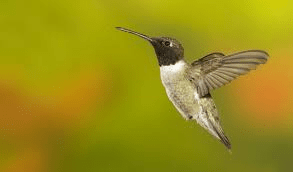
High in the Andes Mountains of Peru, life for hummingbirds is a tale of extremes. By day, the mountains burst into color, with wildflowers blooming everywhere—a seemingly endless, all-you-can-eat buffet of nectar. But when night falls, temperatures plunge below freezing.

Most birds would fight the cold by burning massive amounts of energy to stay warm. But our tiny protagonist—the Black Metaltail, weighing about as much as a coin—takes a radically different approach.

Its philosophy? If staying warm costs too much energy… then don’t stay warm at all.

As the sun sets and the cold creeps in, the hummingbird perches quietly on a branch. It tilts its beak upward, fluffs its feathers—and then, quite literally, begins to shut down.

Scientists call this state torpor, but in plain terms, it’s almost like logging out of life.

During the day, this tiny creature lives at full speed. Its heart can beat up to 1,200 times per minute as it darts from flower to flower. But once it enters torpor, that number plummets dramatically—to about 40 beats per minute.

Yes… from 1,200 down to 40. It’s almost unimaginable.

And it doesn’t stop there.

Its body temperature, normally around 104°F (40°C), drops to a staggering 37.9°F (3.26°C)—one of the lowest body temperatures ever recorded in any bird or non-hibernating mammal. When scientists first observed this phenomenon, they were stunned.

“They feel like cold stones,” one researcher noted. “If you didn’t know better, you’d think the bird was dead.”

And honestly, who wouldn’t? A tiny bird, motionless, ice-cold, barely breathing—it’s nature’s version of suspended animation.

Because survival demands it.

A hummingbird needs to visit around 500 flowers a day just to get enough nectar to live. If it spent the freezing night burning energy to stay warm, it simply wouldn’t make it to the next day.

By lowering its body temperature to near-death levels, the bird can conserve up to 95% of its energy. It’s a high-risk strategy—but an incredibly effective one.

Survive the night, and morning brings another chance.

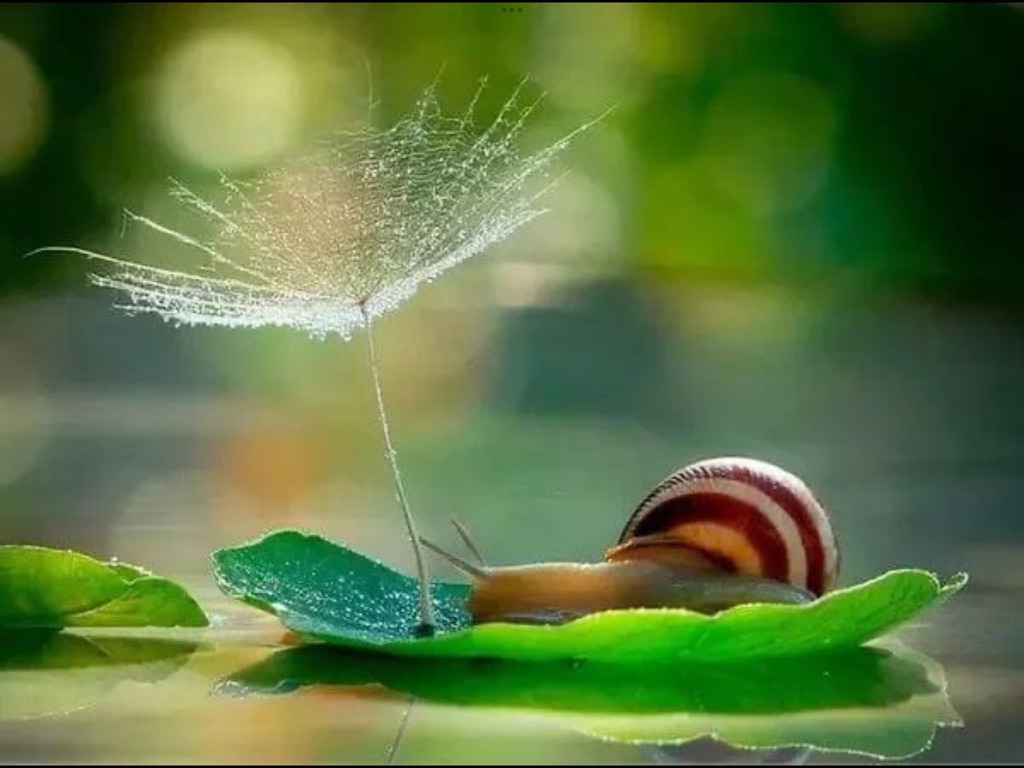
At dawn, as sunlight returns, the bird begins its astonishing revival.

Its body starts to tremble—rapid, intense muscle vibrations, like a phone buzzing on silent. This shivering generates heat, raising its body temperature at about 1°C per minute.
Then, suddenly—

Its eyes open.

It’s alive again.

Fully restored, it takes off into the sky, heading straight back to its daily feast of flowers.

A Lesson from a Tiny Survivor

The next time life feels overwhelming—when challenges pile up, or when you feel exhausted and stuck—think of this tiny hummingbird.

Sometimes, the most powerful survival strategy isn’t to push harder, but to conserve, to pause, to endure.

To rest.

To wait.

To simply make it through the night.

Because if you can do that… tomorrow is another day.

Good night. ❤️

Link:https://peacelilysite.com/2026/03/25/the-bird-that-turns-into-ice-to-survive-the-night/

The Ancient Marvel That Still Breathes: Understanding Dujiangyan

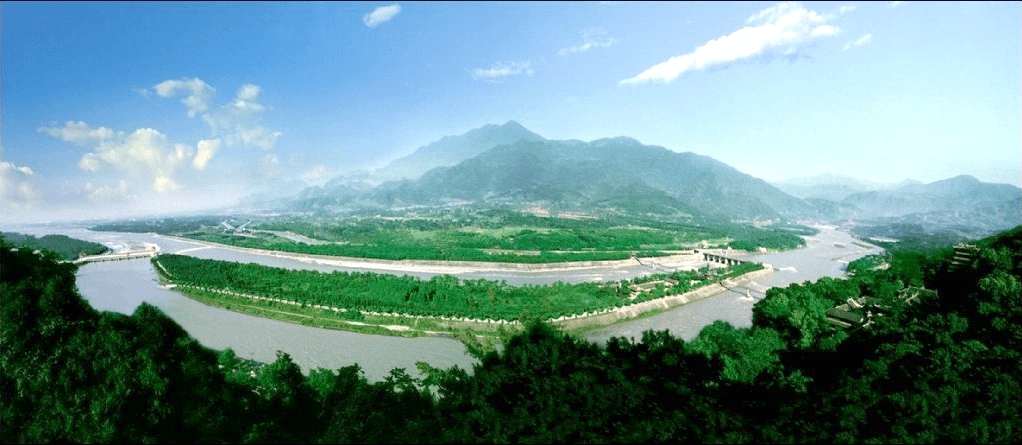
While many ancient wonders exist only as weathered ruins—silent witnesses to lost civilizations—Dujiangyan Irrigation System is something entirely different. It is not a relic of the past, but a living, breathing masterpiece.

Built around 256 BC by the visionary engineer Li Bing, this extraordinary irrigation system continues to do exactly what it was designed to do over two millennia ago: tame the waters of the Min River, prevent catastrophic floods, and nourish vast stretches of fertile land across the Chengdu Plain.

What makes Dujiangyan truly astonishing is not just its longevity—but its philosophy. It achieves perfect water control without a single dam.

Modern engineering often seeks to conquer nature with towering concrete barriers. Dujiangyan, by contrast, embodies a radically different idea: harmony over control.

Rather than blocking the river, the system gently guides it—using the river’s own energy to regulate itself through three elegantly designed components:

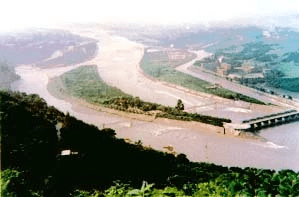
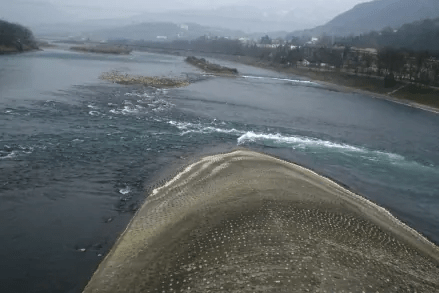
  • Yuzui (Fish’s Mouth Levee): A natural divider that splits the river into inner and outer channels.
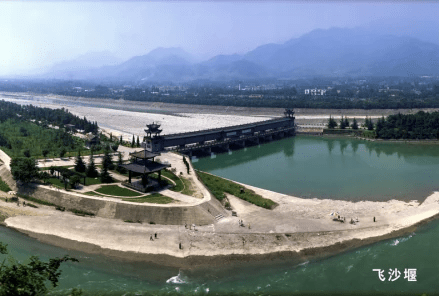
  • Feishayan (Flying Sands Weir): A clever spillway that uses the river’s force to flush away excess water and sediment.
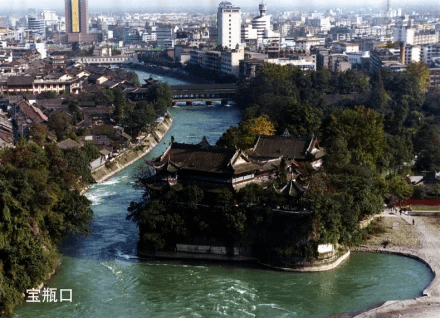
  • Baopingkou (Precious Bottle Neck): A narrow opening carved through the mountain, acting like a natural valve to control water flow.
Fish’s Mouth Levee

Flying Sands Weir

Baopingkou

Together, these elements form a system that feels less like machinery and more like a living organism—responsive, adaptive, and enduring.

The “Four-Six” Rule: Nature’s Invisible Hand

At the heart of Dujiangyan lies one of its most brilliant innovations: the Four-Six Divide (四六分水)—a subtle yet powerful hydraulic principle.

Through careful shaping of the riverbed, Li Bing created an automatic system that adjusts itself with the seasons:

  • In the dry spring months, the deeper Inner River naturally draws in about 60% of the water, ensuring that farmlands receive the nourishment they need.
  • During the summer floods, the wider Outer River takes over, diverting roughly 60% of the surging waters away from populated areas.

No gates. No sensors. No human intervention.

Just the quiet intelligence of design aligned with nature.

The result is nothing short of extraordinary: a self-regulating system that protects against both drought and disaster.

Why It Still Thrives After 2,200 Years

It is rare—almost unimaginable—for a piece of infrastructure this ancient to remain central to modern life. Yet Dujiangyan continues to serve as the lifeline of the Chengdu Plain.

Its enduring relevance lies in principles that feel strikingly modern:

  • Sustainability: Instead of fighting sediment buildup, the system uses the “Flying Sands” technique to naturally flush out the majority of silt, keeping waterways clear.
  • Ecological Harmony: Without a massive dam or reservoir, the river remains alive—fish migrate freely, and ecosystems flourish undisturbed.
  • Living Tradition: The annual practice of Zhuoshui—a deep cleaning of the riverbed—continues today, blending ancient ritual with contemporary science.

Li Bing’s guiding philosophy was deceptively simple:
“Deepen the channel, keep the dykes low.”

Yet within these words lies a profound truth—one that extends far beyond water management.

By respecting the natural flow rather than resisting it, he created a system that has outlasted kingdoms, revolutions, and the passage of time itself.

Recognized today as a UNESCO World Heritage Site, Dujiangyan stands as a quiet but powerful reminder:

Sometimes, the most advanced solutions are not those that overpower nature—but those that understand it.

And perhaps, in a world still learning to balance progress with sustainability, this ancient marvel is not just a story of the past—but a guide for the future.

Link:https://peacelilysite.com/2026/03/19/the-ancient-marvel-that-still-breathes-understanding-dujiangyan/

Creating Your Own “Micro Forest Bathing” in the City

Creating Your Own “Micro Forest Bathing” in the City

Not everyone lives in a place like Santa Cruz, surrounded by forests and winding mountain trails. Most of us live in cities—enclosed by traffic, fast-paced workdays, concrete buildings, and endless schedules. It can feel as though nature is far away, almost out of reach.

But the truth is, we don’t need to escape deep into the mountains to reconnect with nature. Even in the heart of the city, we can create our own “Micro Forest Bathing” moments.

At its core, forest bathing has never been about a specific location. It is about slowing down and reconnecting with nature through all our senses. When we shift our attention, the city reveals many small places where we can breathe again and feel gently held by the natural world.

Here are a few simple and practical ways to experience the healing presence of nature—right where you are.

1. Find a Small Green Oasis

Even the busiest city has pockets of quiet greenery: a neighborhood park, a cluster of trees, a riverside path, a campus corner, or a small community garden.

The place doesn’t need to be grand. A couple of trees, a patch of grass, or a few flowering bushes are enough to soften the heart.

What matters is not the size of the space—but whether you allow yourself to pause.


2. Walk in the Spirit of Forest Bathing

Whether you’re in a city park or walking along a tree-lined street, you can bring the rhythm of forest bathing into your steps:

  • Slow your pace
  • Notice the color of the leaves
  • Feel the temperature of the wind against your face
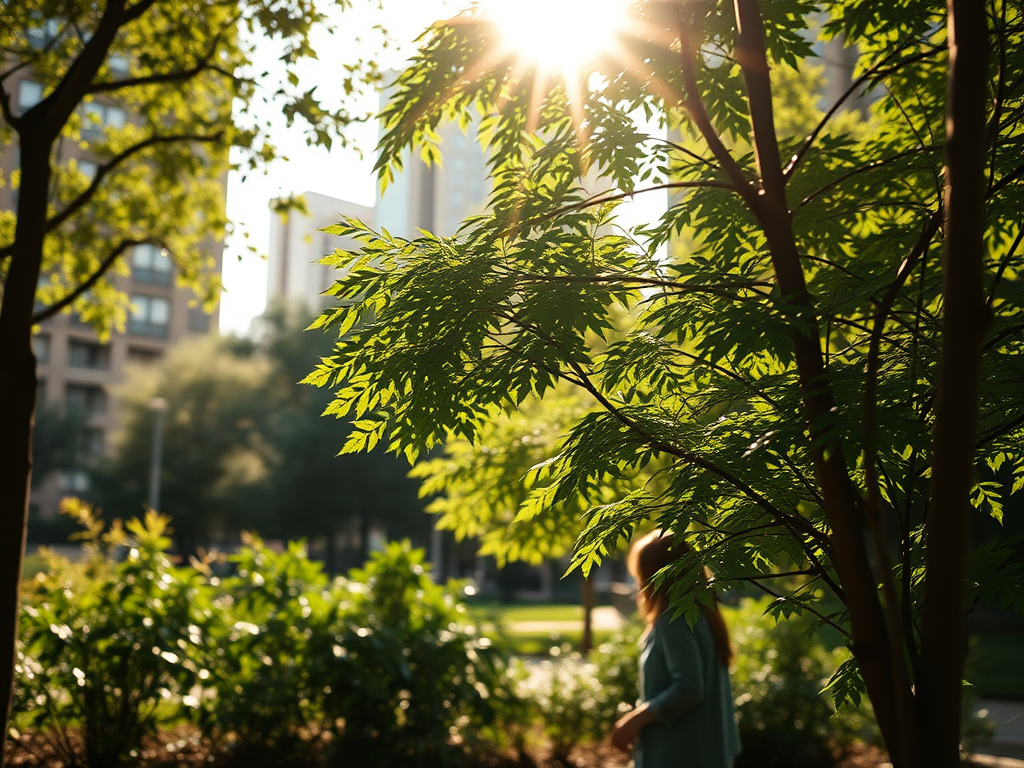
  • Watch how sunlight filters through branches and falls on the ground
  • Listen for birds, even if there are only one or two
  • Gently touch the bark of a tree

When you do this, the city softens—and your mind grows quiet.

3. Create Your Own “Green Route”

You can weave nature into your daily routine in small, intentional ways:

  • Choose a street with more trees on your commute
  • Take a five-minute walk in a nearby park during breaks
  • Stroll through your neighborhood after dinner and notice changes in plants and seasons

With time, this route becomes your personal path of restoration—a place where your mind learns to rest.

4. Bring a Mini Forest Into Your Home

Even without stepping outside, you can invite nature indoors:

  • Keep a few easy-to-care-for plants (ferns, ivy, or monstera work beautifully)
  • Open your windows to let in light, air, and natural sounds
  • Light a wood-based scent such as sandalwood or cedar
  • Play gentle forest soundscapes in the background, sip a cup of tea, imagine yourself being embraced by the forest—the steady presence of trees around you, the earthy scent of soil, the calm rhythm of nature moving without urgency. Let your shoulders soften. Let your breath deepen.

Even a small touch of green can soften emotions and calm the nervous system.

5. Practice “Green Meditation”

Sit near a plant or by a window. Do nothing except observe:

  • The sheen of leaves
  • The movement of light and shadow
  • The patterns in stems and veins

Breathe slowly.

Five minutes of this will calm your mind far more deeply than ten minutes of scrolling on your phone.

6. Let Nature Become a Habit

Forest bathing is not something we do once in a while—it is a way of staying connected to life itself. You might:

  • Take a weekly green walk
  • Spend three minutes a day looking at the sky
  • Touch a tree when you feel overwhelmed
  • Sit quietly in a park when stress builds

Even a few minutes of this mindful pause can soothe the nervous system, quiet the mind, and restore inner balance. Sometimes, the forest we need most is the one we allow ourselves to enter inwardly.

These small acts, repeated gently, become powerful sources of renewal.

Whether you live near a forest, by the ocean, or in the center of a city, nature is always there, patiently waiting—for you to breathe, to slow down, and to be healed.

And when you finally grow still enough, you may discover this quiet truth:

Even within the city,
the forest is never truly absent.
🌿

Link: https://peacelilysite.com/2026/02/06/creating-your-own-micro-forest-bathing-in-the-city/

Biosphere 2: A 1991 Experiment That Reminds Us to Be Humble Tenants on Earth

In 1991, deep in the Arizona desert, an unprecedented experiment quietly began—one that captured the imagination of the world and, in time, revealed a powerful lesson about humanity’s relationship with nature.

Eight people—four men and four women—were sealed inside a massive glass-and-steel structure known as Biosphere 2. Inside this enclosed world were recreated ecosystems meant to mirror Earth itself: a tropical rainforest, an ocean with coral reef, a desert, savanna, wetlands, farmland, and living quarters. For two full years, the inhabitants were to live completely self-sufficiently, growing their own food, recycling their air and water, and surviving without outside assistance.

The ambition was breathtaking. Biosphere 2 was envisioned as a blueprint for the future—an experiment to test whether humans could survive in closed ecosystems, potentially paving the way for space travel and the colonization of other planets. Behind this vision stood oil tycoon Edward Bass, who invested nearly $200 million into the project. It was, at once, a serious scientific endeavor and a meticulously choreographed public spectacle, drawing intense global attention from scientists, media, and the public alike.

Yet as the months passed, the experiment revealed something far more profound than plans for Mars.

Despite advanced engineering, cutting-edge technology, and idealistic human determination, the biosphere began to falter. Oxygen levels dropped unexpectedly. Crops failed. Certain species flourished too aggressively while others vanished. Tiny imbalances multiplied into serious problems. Even the soil—something often overlooked—absorbed oxygen in ways scientists had not fully anticipated.

What became clear was this: Earth’s ecological system is far more complex, delicate, and interconnected than human intelligence can fully replicate or control.

Biosphere 2 did not fail because of a lack of effort or intelligence. It faltered because nature is not a machine that can be perfectly engineered. It is a living, breathing system shaped by countless relationships that have evolved over billions of years. When humans attempt to dominate or redesign nature without deep humility, unforeseen consequences inevitably arise.

Looking back today, Biosphere 2 feels less like a rehearsal for escaping Earth and more like a gentle warning.

Rather than asking how we can leave this planet, perhaps the deeper question is how we can live more respectfully upon it. The experiment reminds us that technology, no matter how advanced, cannot replace the wisdom embedded in natural laws. Human ambition, when detached from reverence, can easily turn into overconfidence.

We are not masters of Earth—we are tenants.

To live well on this planet requires humility: listening to nature rather than overriding it, cooperating with ecological rhythms rather than forcing outcomes, and recognizing that every action ripples through an intricate web of life. True progress is not measured by how much we can control, but by how well we can coexist.

More than three decades later, Biosphere 2 still stands in the Arizona desert, now used for research and education. Its greatest contribution may not be scientific data alone, but the quiet reminder it offers to humanity:

Respect nature.
Honor complexity.
Live humbly.
And follow the laws of the Earth that has always sustained us.

Link:https://peacelilysite.com/2026/02/02/biosphere-2-a-1991-experiment-that-reminds-us-to-be-humble-tenants-on-earth/

Healing in the Mountains: How Hiking and Forest Bathing Restore the Soul

I have always loved being close to nature, and one of my greatest joys is walking through the forest. Living in Santa Cruz, I am surrounded by beautiful woods and mountain trails. Each time I wander beneath the trees and along winding paths, I arrive at the end feeling lighter, calmer, and deeply refreshed—as if my body and mind have been fully recharged.

I once came across an interesting idea:
Mountains are places where we gain energy, which is why after hiking, we often feel alert and invigorated. Water, on the other hand, carries energy away. This may explain why spending long hours by the ocean or a lake can leave us feeling tired. Yet water also washes away emotional heaviness. When we feel sad, restless, or overwhelmed, a walk by the sea often brings a sense of release and ease.

Energy is constantly flowing through nature. We are simply quiet participants, allowing the natural world to gently adjust our inner frequency.

Discovering “Forest Bathing”

Recently, I was delighted to learn that the Japanese have a word that perfectly describes this healing experience: forest bathing.

In Japanese, it is called shinrin-yoku:

  • Shinrin means forest
  • Yoku means bathing

Together, shinrin-yoku means “bathing in the forest,” or allowing our entire being to absorb the atmosphere of the woods. As early as 1982, Japan officially incorporated forest bathing into its national public health program as a form of preventive and therapeutic care.

Suddenly, I realized that every breath I took in the forest had always been quietly nourishing me.

Japanese researchers have conducted extensive studies on forest bathing and found remarkable benefits for overall well-being. Research shows that forest bathing can:

  • Reduce stress
  • Strengthen the immune system
  • Lower blood pressure
  • Support recovery after illness or injury
  • Improve mood and concentration

For me personally, its most immediate effect is simple yet profound—it quickly lowers stress and brings my heart back to a place of calm.

Forest bathing is very different from running or brisk walking. It is not about exercise or distance; it is about presence. The key is to slow down and fully engage all your senses:

  • Touch the bark of trees—rough or smooth
  • Watch sunlight dance through layers of leaves
  • Breathe in the scent of earth and greenery
  • Listen to the wind moving through branches
  • Find a place to sit and feel your connection with the ground

In the past, most of my hikes were intense, goal-driven, almost like completing a task. Since practicing forest bathing, I now schedule at least one slow, mindful walk each week. By slowing down, I have discovered beauty I once overlooked—and I can’t help but smile at how much I missed before.

There is a subtle yet powerful presence in the forest. It does not announce itself, yet it gently soothes the heart.

Perhaps it is the oxygen released by the trees.
Perhaps it is the steady, unhurried rhythm of the forest.
Or perhaps it is simply that, among the trees, we can finally hear our own breath again.

When we walk in the forest, there is nothing we need to accomplish. Nothing to force. Nature naturally helps our hearts soften, open, and grow brighter.

If you feel tired, anxious, or lost in the busyness of everyday life, I invite you to find a nearby mountain trail and give yourself the gift of forest bathing.

Let nature, in its quiet way, remind you:
You are doing your best—and you deserve to be healed. 🌲

Link:https://peacelilysite.com/2025/12/12/healing-in-the-mountains-how-hiking-and-forest-bathing-restore-the-soul/

The Most Beautiful and Magical Desert on Earth — Brazil’s Lençóis Maranhenses Desert

The world is vast and full of wonders—astonishing and rare phenomena that defy the imagination. One such marvel lies in Brazil: a desert with white sand dunes, turquoise and blue-green lagoons so clear you can see the bottom, filled with fish and shrimp, and set against the backdrop of breathtaking sunsets. This place seems like a paradise on Earth. It’s called Lençóis Maranhenses National Park, often hailed as “the most beautiful desert in the world.”

Unlike typical deserts, this one is dotted with thousands of lagoons formed during the rainy season, creating an extraordinary landscape of white dunes and vivid blue lakes—a natural masterpiece that amazes all who see it. You may have been lucky enough to visit, or perhaps not, and maybe you’ll never get the chance to go. But today, I’m bringing this distant beauty to you. Even if you never travel 80,000 miles around the globe, you can still enjoy the most spectacular visual experience.


A Celestial Land on Earth — The Desert of a Thousand Lakes

When people think of deserts, they often picture vast, lifeless stretches of yellow sand under a scorching sun. Water is scarce in deserts, and the sight of numerous lakes teeming with aquatic life is almost unheard of. Yet, such a magical place does exist on Earth—a place where endless deserts and crystal-clear water coexist. In this desolate land, fish and shrimp thrive. Aptly named the “Desert of a Thousand Lakes,” it is the wettest desert in the world and will completely change your perception of what a desert can be.

Located in Maranhão state in northern Brazil, just east of São José Bay and bordering the Atlantic Ocean, this desert spans 1,500 square kilometers. Despite its abundant rainfall, it has little vegetation, making it a rare desert landscape in northern South America. Scattered across the white sea of sand are countless lagoons of various sizes and colors. Fish and crabs can be seen swimming in the water, and the location is perfect for watching the sunset. Immersed in this surreal landscape, one visitor said: “So eerily beautiful, it’s breathtaking.”


How the Desert Lakes Are Formed

During the rainy season, valleys between dunes fill with rainwater, creating temporary lagoons that can reach depths of up to 3 meters. Every year, thousands of tourists from around the world flock here to witness this rare phenomenon. The white dunes and turquoise lagoons interlace like a massive piece of emerald from afar. Sparkling fish swim in the clear waters, while shepherds lead flocks over tall dunes and fishermen head out to sea under star-filled skies.

As the rainy season ends, the equatorial heat begins to evaporate the water. The lagoons can lose up to a meter of water per month, and during the dry season, they vanish completely, leaving only dry sand. Yet the dry season has its own unique beauty, with shimmering white waves of sand stretching to the horizon. From above, the crescent-shaped dunes resemble giant, sun-bleached linen sheets—hence the name “Lençóis Maranhenses,” meaning “sheets of Maranhão” in Portuguese.

This unique landscape is the result of geography and weather. With an annual rainfall of 1,600 mm—300 times more than the Sahara—rainwater is trapped beneath the sand by an impermeable rock layer, forming lagoons in shades of blue, green, and black. Nearby rivers carry heavy sediment, which is deposited at their mouths. In the dry season, strong coastal winds blow the dry sand inland, gradually creating this desert over time.


Situated along Brazil’s northeastern coast, Lençóis Maranhenses benefits from the country’s high rainfall, thanks to the world’s largest tropical rainforest. This abundance of water gives rise to the unique scenery that makes it the most beautiful desert on Earth.

Originally called Lençóis Maranhenses, the desert is now more popularly known as the “Desert of a Thousand Lakes” and has been designated as a national park. Covering over 1,500 square kilometers, it stretches 50 kilometers inland from the dunes to the beach. The landscape is so striking that it captivates every visitor. In this place, where you would expect lifeless sand, there is water, fish, and thriving life. It’s a dream for photographers—every snapshot is like a cinematic masterpiece. You can hike with a backpack, camp, and swim in the lake that catches your eye. As the sun sets, the colorful clouds create a scene of pure magic.

A popular way to explore is by helicopter, which offers a 35-minute aerial tour across the desert. However, this misses the chance for a close-up experience. The best way is still to go in person.

From the state capital São Luís, it takes about 5 hours by car to reach Barreirinhas, the town closest to the desert. There are four daily bus services despite the high number of tourists. Barreirinhas is the main gateway into the heart of the desert.

We chose to enter the desert by water and exit by land. Riding a speedboat, we stopped at various scenic spots along the way. At a small town dock, we sampled a local fruit wine made from simply fermented mixed fruits—refreshing and unique, only $2 per glass.

At the desert’s edge, mangroves thrive, home to crabs, clams, and birds. The white sand dunes and blue lagoons make this place seem like paradise. It’s perhaps the world’s most surreal desert—where extremes meet: desert and lake, dry and wet. From afar, the landscape looks like a massive jade in white and green.


Nature’s Secrets of the Desert

From January to June, heavy rainstorms occur almost daily. Instead of soaking into the sand, the rainwater collects in valleys between the dunes. These clear, sky-colored lagoons can appear bright blue, turquoise, or even golden at sunset. Teeming with fish and shrimp, people come here to fish, swim, or just enjoy the view.

Vegetation is sparse, as the sand has buried most of it over millennia. Under intense sun, surface temperatures can reach 80°C. The local name “Lençóis Maranhenses” captures the look of the dunes—like stretched, sun-dried linen sheets.


A Paradise of Adventure and Beauty

Thousands of lakes with different shapes and depths dot the desert, each reflecting a different color—deep blue, light green, or even reddish-brown when covered in algae. Locals give the lakes poetic names like Blue Lake, Love Lake, and Lake of Hope, reflecting their dreams and sentiments.

The most popular lakes, Blue Lake and Green Lake, are near Barreirinhas. Known locally as the “big sheet” and “small sheet,” Blue Lake is the largest, deepest, and most vibrant—and full of fish and crabs. Swimming here is not only refreshing but also offers a playful interaction with the aquatic life.

By day, the desert becomes a massive water park. You can pose for stunning photos, go on desert hikes, ride off-road jeeps with guides, or climb a dune and race down for thrills. You can even enjoy natural water slides and rafting in lake channels.

At peak water levels, adrenaline-seekers come here for kite surfing—an extreme sport powered by large kites that’s challenging but exhilarating. As dusk falls, the desert becomes a living oil painting.


Aerial Views and Jungle Adventures

For a different perspective, take a helicopter tour (about $130 USD per person) to see the lunar landscape of crescent dunes from the sky. It truly looks like linen sheets blowing in the wind.

Besides the lakes and dunes, you can explore nearby rainforests by boat, visit playful monkeys, climb lighthouses for panoramic views, or ride ATVs across the dunes, sip fresh coconuts, and savor uniquely flavored Brazilian grilled shrimp.


Final Thoughts

The Desert of a Thousand Lakes is a once-in-a-lifetime experience. During the rainy season, it transforms into an otherworldly wonder, where desert and water form a surreal harmony. But this miracle lasts only a few months each year—June and July are the best times to visit, as the lagoons are at their fullest before they begin to evaporate with the arrival of the dry season.

This desert defies logic and reshapes your understanding of the Earth. If you ever have the chance to go, don’t hesitate. It’s not just a journey—it’s a revelation.

Link: https://peacelilysite.com/2025/05/12/the-most-beautiful-and-magical-desert-on-earth-brazils-lencois-maranhenses-desert/

Source: http://m.cntgol.com/article/25758

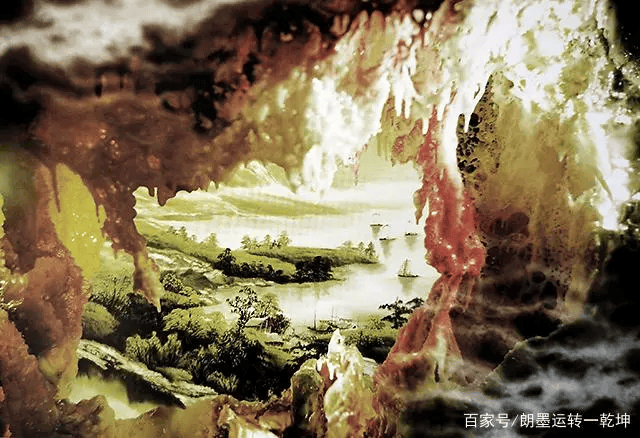
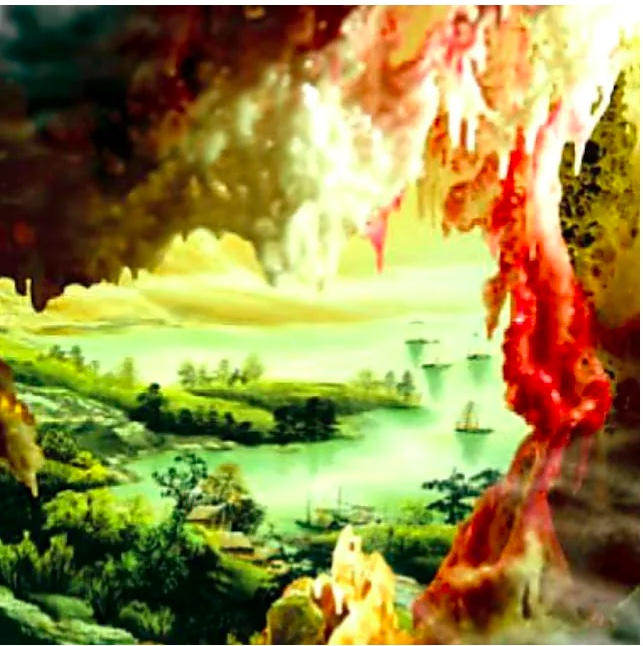
Beyond Form: The Pure Expression of Color in H.H. Dorje Chang Buddha III’s Art

H.H. Dorje Chang Buddha III‘s Abstract Color Paintings create a perfect world shaped entirely by color. Free from concrete worldly forms, this realm exists purely through the interplay of hues—defining, expressing, and embodying itself in vibrant harmony. Here, color is both form and essence, radiating a mesmerizing aura.

Under the masterful hand of H.H. Dorje Chang Buddha III, these colors seamlessly merge into a breathtakingly enchanting spectrum. The atmosphere is dynamic, with scenes that bloom like flowers and surge with the power of the roaring sea. Yet, upon closer reflection, they reveal delicate nuances, refined in their intricate details.

Flower of Life

This painting depicts a unique flower, with delicate white petals gently unfolding and a striking red pistil at its center. Growing irregularly against a dark background, it seems to challenge its surroundings. Though unusual in appearance, this flower carries a profound meaning of life, symbolizing resilience and beauty in adversity. It is not only a miracle of nature but also a representation of vitality, showcasing the brilliance and diversity of life. Each petal tells a story, drawing the viewer into the emotions and strength conveyed by the artwork.

Flower of Life (2)

In this painting, intricate patterns and clear details intertwine, portraying the harmonious growth of various living beings. Each element seems to narrate the origins of life, allowing viewers to deeply sense the evolutionary process of all things.

This artwork is not merely a depiction of nature but also a contemplation of the essence of life. It serves as a reminder that life is in a constant state of growth and transformation, just like our own journeys. Every challenge and breakthrough we experience is an essential part of our personal development.

Through this piece, we are invited to reflect on our own lives and feel a profound connection with nature.

You can discover a selection of the exceptionally charming paintings in the permanent exhibition at The International Art Museum of America, situated in downtown San Francisco.