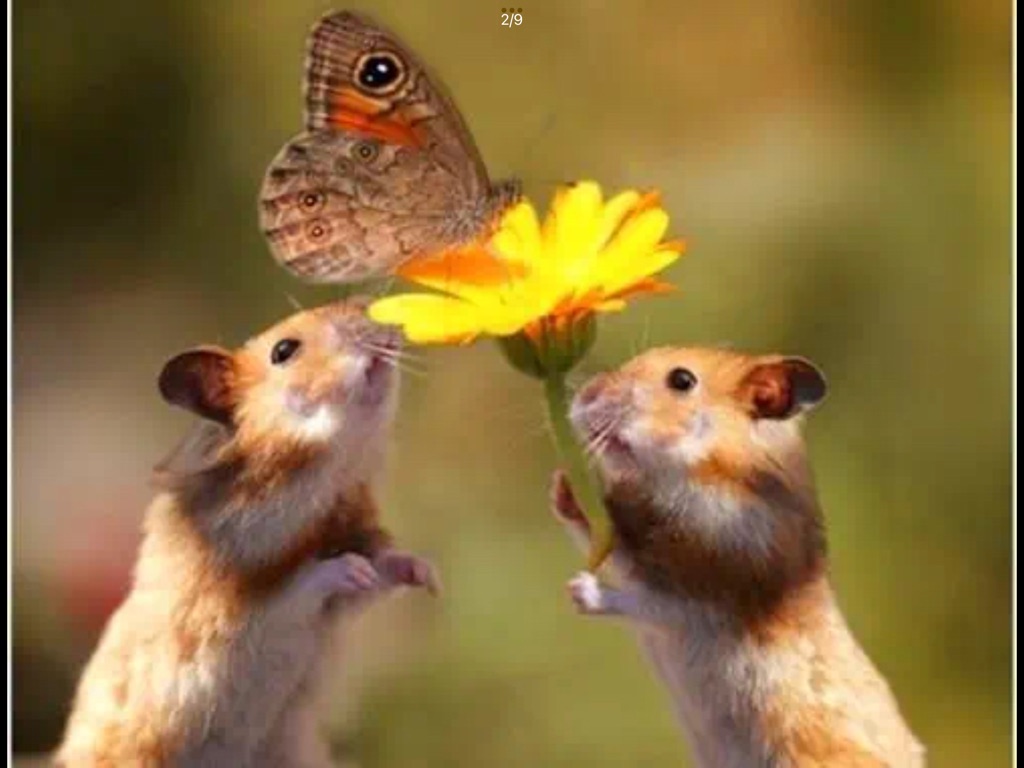
What if we already have many of the things we spend our lives searching for—but simply fail to recognize them as blessings?
There is a beautiful story from the Ming Dynasty about a man named Hu Jiushao.
Hu was a farmer who also taught his son to read and study. His family lived simply, with enough to meet their basic needs. Every day, however, Hu would burn incense and offer prayers, thanking Heaven for blessing his family with another day of peace and contentment.
His wife found this amusing.
“We eat vegetable porridge for all three meals,” she said. “How can you call this a blessed life?”
Hu smiled and replied:
“First, we live in a time of peace. We do not have to suffer through war.
Second, our family has food to eat and clothes to wear. We are neither hungry nor cold.
Third, everyone in our family is healthy, and none of us has suffered the misfortune of imprisonment.
“Aren’t these blessings?”
His simple words carry a profound lesson.
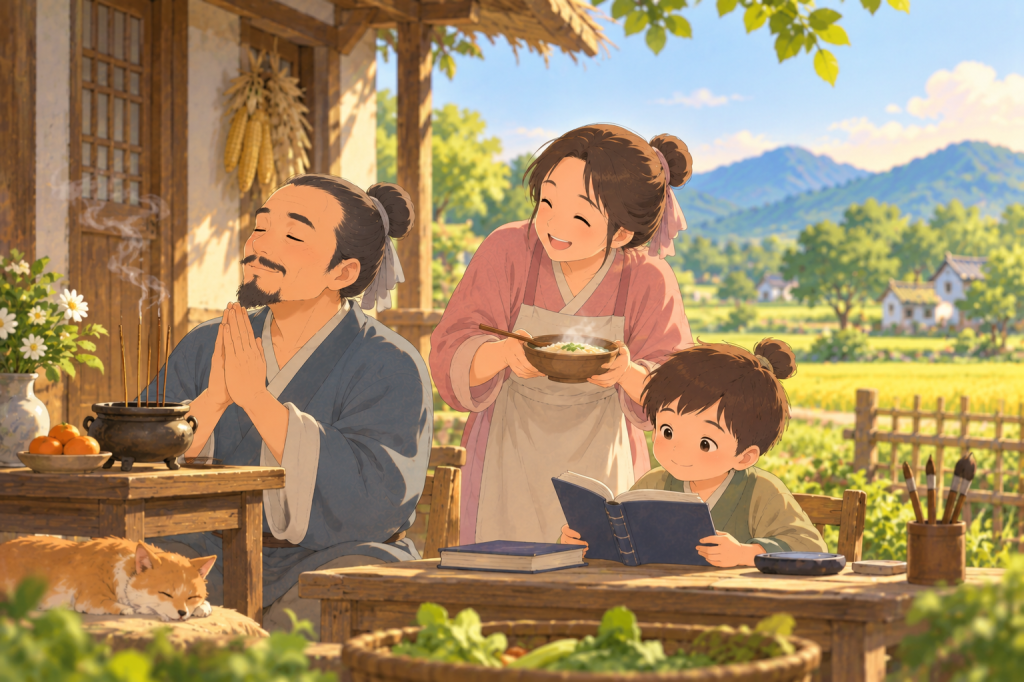
We often think happiness comes from having more—more money, a bigger house, greater success, better possessions, or fewer problems. Yet when we constantly focus on what we lack, we can easily overlook the blessings already present in our lives.
This wisdom can also be found in the ancient teachings of Laozi. In Chapter 46 of the Tao Te Ching, he wrote:
“There is no greater calamity than not knowing what is enough. Therefore, knowing that enough is enough is always enough.”
These words beautifully echo the wisdom of Hu Jiushao.
Knowing what is enough does not mean that we should stop learning, growing, or improving ourselves. Rather, it means recognizing the value of what we already have instead of allowing endless desire to prevent us from experiencing gratitude.
As Namo H.H. Dorje Chang Buddha III has taught:
“A person not appreciative of the good life he is living is one who has forgotten his past miseries. A person in good health is not aware of its blessings until he loses it.”
How true this can be.
When we are healthy, we may hardly think about what a precious gift good health is. We go about our daily lives without giving it much attention. But when illness comes, something as simple as getting out of bed, walking freely, enjoying a meal, or sleeping peacefully can suddenly become deeply precious.
The same is true of many other things.
When we have peace, we may take it for granted. When we have enough food, a safe home, family, friends, and the freedom to live our daily lives, these things can seem ordinary simply because they are always there.
But ordinary does not mean insignificant.
Sometimes, we only recognize a blessing after it is gone.
Perhaps true happiness does not always require us to acquire something new. Sometimes it begins by seeing what we already have with a grateful heart.
Peace. Health. Food. Shelter. Family. The ability to wake up each morning and live another day.
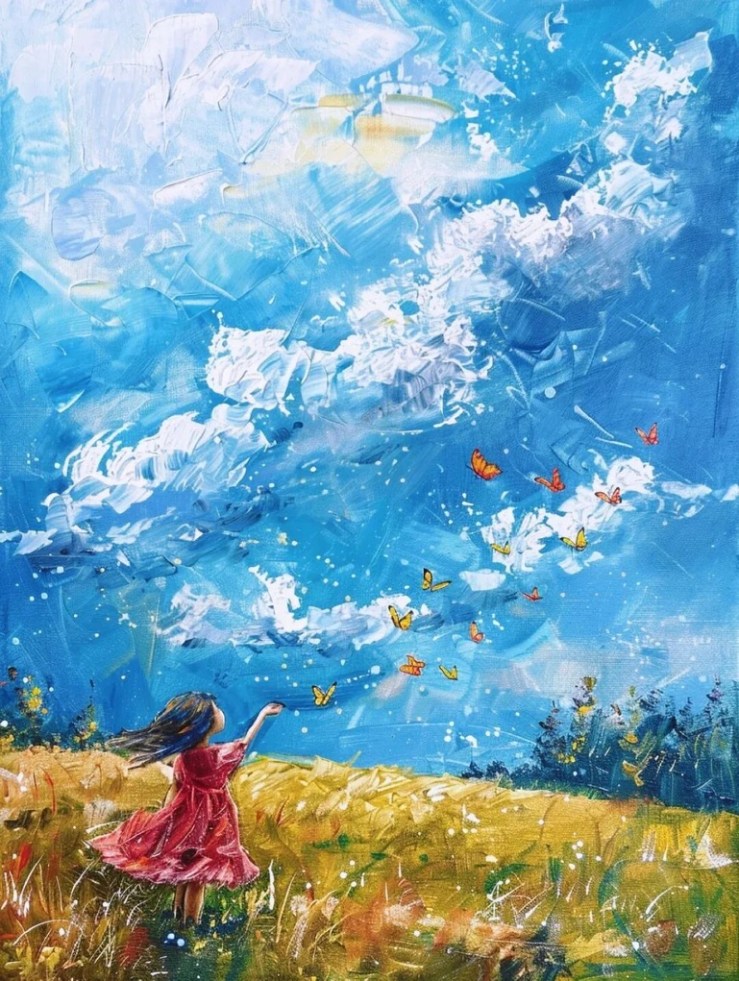
These may sound like simple things, but they are among life’s greatest treasures.
Hu Jiushao’s story, together with Laozi’s ancient wisdom, reminds us to pause and ask ourselves:
What blessings am I enjoying today that I have stopped noticing?
Contentment does not mean giving up our dreams or never seeking a better life. It means learning to appreciate the life we have while continuing to grow.
When we learn to cherish what is already in our hands, we may discover that happiness was never as far away as we thought.
Perhaps the secret to a happier life is not always having more, but learning to recognize, appreciate, and cherish what we already have.
As Laozi reminds us, when we truly know what is enough, we may discover that we already have enough to be grateful for.
Link: https://peacelilysite.com/2026/10/02/are-we-already-happier-than-we-think-a-lesson-in-contentment/

