The Mystical Cat: A Masterpiece of Chinese Ink Painting

Among the finest expressions of Chinese ink artistry stands the extraordinary masterpiece, The Mystical Cat. This enchanting work features a mystical cat rendered in soft gray tones, brought to life with just a few expressive strokes. Its piercing eyes radiate spirit and depth, while a mysterious, subtle smile lingers—captivating and thought-provoking.

The cat’s fur, depicted with delicate and fluid brushwork, dances between the forms of flowing water and drifting clouds. The texture appears so soft and inviting that one feels compelled to reach out and touch it. Yet, upon closer examination, the illusion reveals itself—those masterful brushstrokes are undeniably the cat’s fur. The intricate variations and richness of detail make this artwork a visual marvel, leaving one to wonder: What extraordinary technique could produce such brilliance?

In terms of artistic style, this piece is truly unparalleled, belonging to the “Fangfa School” style created by the esteemed master H.H. Dorje Chang Buddha III. The fluid strokes around the cat’s neck echo the elegance of cursive calligraphy, with each brushstroke flowing like clouds and water—graceful, yet powerful. Perched steadily on a tree trunk, the cat exudes a sense of calm and quiet dignity, drawing the viewer into a state of serene contemplation.

The tree trunk itself, rendered with bold, sweeping strokes and vibrant hues, pulses with energy and rhythm, reminiscent of the stirring notes of a cello performance—uplifting and profound. Behind the cat, two slender branches interlace gracefully, adorned with delicate flower buds. They seem to sway like young maidens dancing in spring, infusing the composition with poetic charm.

The most captivating feature, however, remains the cat’s eyes. With just two elegantly curved strokes, the artist has infused the cat’s gaze with a sense of life and spiritual depth. When meeting the cat’s eyes, one feels as though the feline is speaking directly to the soul, its wisdom and elegance unmistakable. It transcends the ordinary, radiating a sense of profound spirituality rarely captured in art.

This small yet profound piece not only showcases extraordinary technical mastery but also offers a transformative visual and spiritual experience. It transports the viewer beyond the material world, leaving an indelible impression on the heart and mind. Many are left to wonder—who could create such an extraordinary work of art?

The Mystical Cat is the work of the revered artistic master H.H. Dorje Chang Buddha III. Created in 1991, it belongs to the “Fangfa School” style, one of sixteen unique painting styles founded by the Buddha Himself. This technique, blending profound wisdom and artistic expression, remains unmatched in the art world. Apart from Him, no artist has been able to replicate such divine craftsmanship.

What sets this piece apart is its miraculous charm within a two-dimensional form—impossible to replicate through mere technical skill. The art emerges from a realm of wisdom and enlightenment, far surpassing the ordinary. The minimalistic background, created with a few well-placed strokes, echoes the elegance of ancient inscriptions while preserving a harmonious balance between form and spirit. It represents the pinnacle of ink conservation and calligraphic mastery—a true summit of artistic achievement.

The rarity of The Mystical Cat is beyond comparison. Since creating this piece, H.H. Dorje Chang Buddha III has sealed this divine style, ensuring that such masterpieces will not be produced again. This fact alone transforms the artwork into a priceless, limited edition treasure of the highest order.

The painting’s extraordinary value was confirmed at the Christie’s Chinese Treasures Christmas and New Year Auction hosted by the New York GianGuan International Auction Company on December 9, 2012. A reproduction of The Mystical Cat sold for an astonishing $253,000 USD, achieving the highest recorded price for a reproduction painting per square foot.

The Mystical Cat is not just a painting—it is a gateway to a realm where art, wisdom, and spiritual depth converge. A true testament to the artistic genius of H.H. Dorje Chang Buddha III, this masterpiece stands as an eternal symbol of artistic perfection and spiritual transcendence.

This beautiful artwork is part of the permanent exhibition at the International Art Museum of America, located in downtown San Francisco.

Link:https://peacelilysite.com/2025/01/17/the-mystical-lynx-a-masterpiece-of-chinese-ink-painting/

“Dragon Carp Frolicking in the Lotus Pond”: A Masterpiece Beyond Time

Art has the power to transcend boundaries, evoke emotions, and stir the soul. One such masterpiece is “Dragon Carp Frolicking in the Lotus Pond”, created by H.H. Dorje Chang Buddha III. This extraordinary painting, executed with ink and color on paper, seamlessly blends freehand brushwork with meticulous detail. It has been rightfully hailed as a world-class “treasure of unparalleled excellence” and a “divine masterpiece.” Experts agree that this work surpasses conventional artistic techniques, reaching a level of spiritual depth that few can replicate.

At first glance, the painting’s lotus leaves and carp, rendered with freehand techniques, captivate the viewer with their delicate yet vibrant forms. The wide, majestic leaves appear to breathe, their veins subtly flowing and shifting in unpredictable ways. Bold strokes define the water grasses, infusing the scene with a palpable sense of movement. This is a world that feels “drawn from life, yet elevated above it.”

The lotus pods are painted with a playful, almost fantastical touch, while the decaying lotus stems evoke a vivid realism. The carp glide effortlessly through varying depths of water, with natural ripples enhancing the impression of life in motion.

What makes “Dragon Carp Frolicking in the Lotus Pond” so compelling is the swirling energy that permeates the entire composition. Fish, water, lotus leaves, flowers, ripples, mist, and lotus roots all come together as one. Every element is in harmony, creating a profound sense of vitality. The interplay between stillness and motion is masterfully orchestrated, with tension and fluidity imbuing the painting with a life of its own. The spiritual resonance of the ink and brushstrokes is so powerful that it touches the soul, offering a rare glimpse into the artist’s mastery.

H.H. Dorje Chang Buddha III’s ability to manipulate ink and water produces endless visual effects, creating an atmosphere where life itself seems to flow through the brush. The dragon carp, swimming through the water with ease, symbolize the very essence of vitality.

Compared to past masters, who captured the beauty of carp but failed to unite the fish with the water, H.H. Dorje Chang Buddha III elevates his work to a higher realm. His brushwork achieves perfect harmony between the fish and water, with the two becoming one in a symbiotic relationship that enhances both their liveliness and texture.

Traditional Chinese ink painting often uses blank spaces to represent water’s stillness, while lines suggest movement. “Dragon Carp Frolicking in the Lotus Pond” takes this concept even further, incorporating the refraction of light through the water’s surface and depths.

The dynamic light waves, combined with the seamless interaction of the carp and the ever-changing water, create a breathtaking depiction of the concept “fish finding their element.”

The true brilliance of this work lies in its extraordinary attention to detail and the artist’s mastery of brush techniques. From the texture of the carp’s scales to the intricate interplay between fish and water, every detail contributes to the painting’s vibrant spirit. This level of craftsmanship goes beyond what other media, such as oil painting, can achieve, making “Dragon Carp Frolicking in the Lotus Pond” a unique artistic treasure. Its spiritual resonance and profound beauty leave a lasting impression.

This painting is not just a visual masterpiece; it is a profound experience that speaks to the heart, a testament to the transformative power of art.

In 2016, there was already an offer of 60 million USD to purchase this painting. However, H.H. Dorje Chang Buddha III declined the sale, considering that once it was owned by a private collector, the public would have little opportunity to appreciate it. Currently, “Dragon Carp Frolicking in the Lotus Pond” is permanently displayed in the Master Artist Fish Hall at the  H.H. Dorje Chang Buddha III Cultural And Art Museum in Covina, California.

Link:https://peacelilysite.com/2024/10/10/dragon-carp-frolicking-in-the-lotus-pond-a-masterpiece-beyond-time/

#DorjeChangBuddhaIII # HHDorjeChangBuddhaIII#DorjeChangBuddha#Art# Artist #H.H.DorjeChangBuddhaIIICulturalAndArtMuseum#YunSculpture #Craftsmanship
#Dragon #Carp #Lotus

Scene of Xishuang Banna Life: A Timeless Masterpiece by H.H. Dorje Chang Buddha III

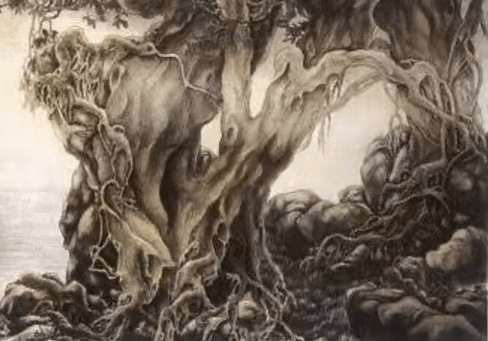
“Scene of Xishuang Banna Life” is a Chinese ink-and-wash painting with a three-dimensional quality reminiscent of oil paintings, created by the renowned artist H.H. Dorje Chang Buddha III. The moment I laid eyes on it, I felt a profound sense of comfort and tranquility. The painting’s primary hue is light brown, and the varying depths of this color vividly depict the fresh, clear water and misty air weaving between the trees. A few girls are making waves, chatting, and enjoying themselves as they wash clothes by the riverside. The elegant and beautiful banyan trees stand majestically, with cobblestones naturally scattered around them.

The old banyan tree, with its peeling bark and exposed roots, stands as a silent testament to the passage of time. The raised roots extend in all directions, seemingly spreading the pulse of life to distant places, using their vitality to nurture the earth and rivers. The roots nestle against the smooth, round pebbles like inseparable companions. Over time, they have become so intertwined that no one notices whether they are roots or stones, much like an elderly couple who depend on each other and cannot be separated.

Around the tree roots, a misty white space, activated by detailed depictions, brings boundless imagination to people. In the white mist, there is a vast expanse of water, with soft sunlight illuminating the surrounding forest. The endless lakes and rivers nourish the sturdy old roots, supporting them through countless hardships and weathering the elements, ultimately creating a world of their own. The intertwined and winding roots, twisting and coiling across the scene, form the main structure of the composition along with the variously shaped stones, the sculptural massive trunk, and the other responding trees. The sparse leaves hanging from the old tree are adorned in light green, contrasting with the large brown trunk, evoking the philosophical sentiment of “the true essence remains after all embellishments fade, gold emerges after being sifted by great waves.”

Beneath the tree are three graceful women in different postures, enjoying the flowing stream under the water-colored sky. Some are combing their freshly washed hair, some are holding a delicate veil, and some are drawing clear water from the stream.

The banyan tree, the stream, and the sunlight, along with the beautiful women in traditional attire, compose a symphony of southern charm, making one feel as if they can hear the whispers of the gentle breeze: “My enchanting homeland is where my heart belongs…” The setting resembles the sweet childhood memories buried in my heart.

About fifty years ago, my family lived in a small village in the mountains. There were no cars, TVs, toys, phones, or any other modern luxuries. We lived a very simple and modest life. All the mothers washed vegetables and rice in the clean creek and cooked meals. Very often, they washed clothes in the river for the whole family while the kids played in the water, on the trees, or along the riverbanks. School was far away, and we could only go there when we were old enough. But we had the biggest classroom—nature itself. We studied everything we could find: trees, flowers, insects, stones, etc. Twigs were our pens, and tree trunks were our tables. The chirping of the birds and the rushing of the stream were our music. We had physical education class all day long. We went to bed when the sun set. What a simple, happy life!

This is the beautiful and pure spiritual space created by the great artist, H.H. Dorje Chang Buddha III. This painting, “Scene of Xishuang Banna Life,” opens a window to another dimension, allowing people to experience the joy of living in a paradise. People in cities increasingly yearn for natural landscapes akin to an earthly utopia. Fortunately, noble artists create pure lands for people’s hearts, showing us wonderful scenery, evoking warm emotions, and deeply touching us.

The pure land in our hearts is like a secluded utopia, free from the noise and disturbances of the mundane world. It carries the dreams of people. When darkness descends, the pure land within can emit a serene fragrance, helping people discard the suffering brought by worries, gently wipe away the dust, and infuse a bit of brightness.

The paintings of H.H. Dorje Chang Buddha III are like wordless songs, containing endless stories, ancient calls, and boundless compassion for all sentient beings.

This painting is in permanent collection of The International Art Museum of America.

Link:https://peacelilysite.com/2024/06/07/scene-of-xishuang-banna-life-a-timeless-masterpiece-by-h-h-dorje-chang-buddha-iii/

#DorjeChangBuddhaIII #HHDorjeChangBuddhaIII#DorjeChangBuddha#IAMA#InternationalArtMuseumofAmerica#Xishuangbanna #ChineseInkPainting#Art#Artist

Harmony in Brushstrokes: Exploring the Subtleties of H.H. Dorje Chang Buddha III’s ‘Old Tree’

H.H.  Dorje Chang Buddha III ‘s traditional Chinese painting, “Old Tree,” stands as a masterpiece adorned with vibrant red plum blossoms. The depiction of a weathered old plum tree in a sea of ink unfolds a narrative of transformations—dense, light, dry, wet—unveiling the radiant beauty of its once youthful charm. The myriad red plum blossoms, seemingly engaged in a dance, cluster and clamor upon the branches, invoking an immediate sense of lively springtime. This painting is a testament to the profound artistic prowess encapsulated in H.H.  Dorje Chang Buddha III ‘s work.

Embedded within the Chinese cultural tradition is the notion of the common origin of calligraphy and painting. H.H.  Dorje Chang Buddha III  seamlessly incorporates calligraphic brushstrokes into painting, preserving the interconnected signs of brush and ink on the canvas. This approach transforms the expressive painting into a visual symphony, akin to calligraphy music. The technique of “flying white” in calligraphy, where white spaces delicately appear amidst smooth brushstrokes, takes on a purposeful role in painting. Originating as an imprint left by the speed of the brush, “flying white” becomes a unique brush and ink technique through profound aesthetic reflections.

“Flying white” becomes a vivid recorder of authentic emotions during the writing process. The brush swiftly glides over the paper, conveying passion and resonating with the engraving sensation found in seal carving. The depiction of the main trunk of the old plum tree in “Old Tree” superbly utilizes this technique. The contrast between subdued flying white and rich ink creates a musical and vivid rhythm of black, white, and gray within the composition.

The essence of a good painting lies in its “subtlety,” an intricate quality that goes beyond precision or meticulousness. For H.H.  Dorje Chang Buddha III , the process of painting is akin to flowing clouds and water—an expression of natural improvisation and delicate arrangement. As the ancients wisely said, “Add a little to Pan An’s beauty, and it becomes more; subtract a little, and it becomes less.” The subtle artistry in “Old Tree” showcases the artist’s profound insight into the delicate nuances of expression.

The quality of a work is deeply intertwined with the artist’s inherent cultivation, reaching a high realm based on the principle of “selflessness.” This term, often misunderstood, refers to losing oneself entirely in the painting process—where both mind and hand are forgotten. Artworks created in this state possess a power that transcends philosophical texts, offering a simple and clear depiction of inherent reality.

In real life, each person has unique perceptions and emotions, yet lacking rationality makes it challenging to transform these into creativity. True masters of art, exemplified by H.H.  Dorje Chang Buddha III , possess not only a sublime inner world and rationality but also the ability to keenly grasp fleeting sensations and transform them into robust vitality. Their ability to endure solitude, maintain genuine nobility, and leave traces of distinctive qualities results in the creation of genuinely original works of art. The great art masters, with a spiritual realm surpassing ordinary individuals, exhibit an otherworldly and extraordinary noble quality that defines their artistic genius. In “Old Tree,” we witness not just a painting but a symphony of artistry, capturing the essence of H.H.  Dorje Chang Buddha III ‘s profound mastery.

Harmony in Brushstrokes: Exploring the Subtleties of H.H. Dorje Chang Buddha III’s ‘Old Tree’

Link:https://peacelilysite.com/2023/12/29/harmony-in-brushstrokes-exploring-the-subtleties-of-h-h-dorje-chang-buddha-iiis-old-tree/

#DorjeChangBuddhaIII #HHDorjeChangBuddhaIII#DorjeChangBuddha#Art #ChinesePainting #InkPainting