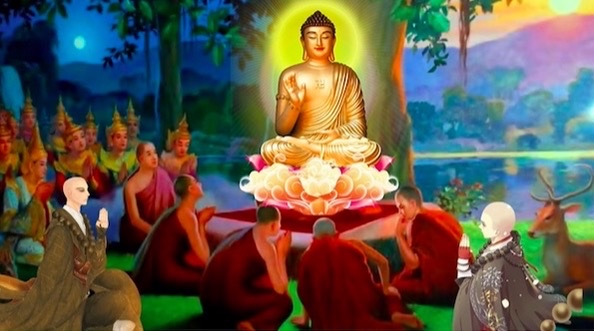
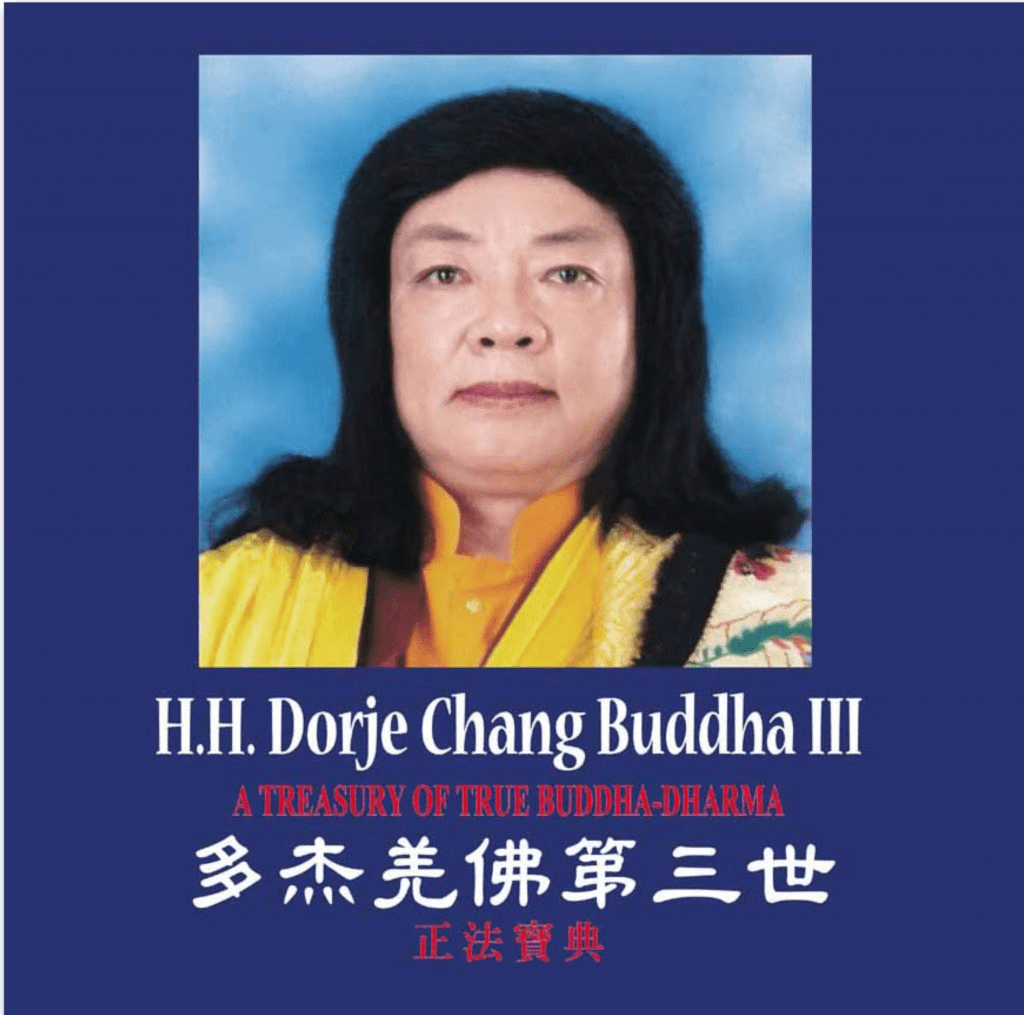
In a recent episode of “Expounding the Absolute True Through the Heart Sutra,” a longtime disciple, Layman Qi, shared his personal experiences of serving and accompanying H.H.Dorje Chang Buddha III for more than twenty years. What he described was not merely a teacher’s routine—it was a life of tireless, wholehearted service to all living beings.
Layman Qi has followed H.H.Dorje Chang Buddha III for over two decades, often driving for Him and staying close to Him in daily life. Through these years, he witnessed something that left a deep impression on his heart:
“In all these twenty-plus years,” he said, “I have never truly seen the Buddha rest. I do not even know when He rests.”
From early dawn, instructions are already being given. Throughout the day, the Buddha meets disciples, expounds the Dharma, grants empowerments, and resolves spiritual questions. Frequently, these activities continue until one, two, or even three o’clock in the morning.
Some may assume that after leaving the temple, He returns home to rest. According to Layman Qi, this is not so. Even when returning late—sometimes at three or four in the morning—His Holiness still carefully instructs disciples to ensure that even the dogs have been fed, water prepared, and that animals, including wildlife, are properly cared for.
Layman Qi describes H.H. Dorje Chang Buddha III as the most hardworking person he has ever encountered. Not only does the Buddha care for disciples, but He also performs Dharma services, dedications of merit, and liberative practices for countless sentient beings—including beings of the Six Realms whom ordinary eyes cannot see.
Meals are simple and often delayed. Breakfast is typically just a small bowl of porridge with a bit of pickled vegetables. Many days, even by seven or eight in the evening, lunch has still not been taken.
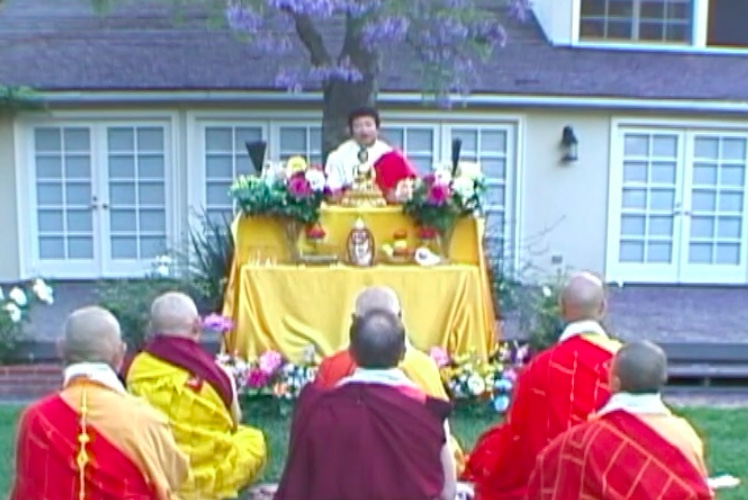
Disciples sometimes travel thousands of miles to seek an audience. Layman Qi understands their sincerity. Yet he gently reminds fellow practitioners: if one truly seeks the Buddha, the purpose should be to learn how to cultivate, how to transcend birth and death, and how to receive authentic Dharma teachings—not to occupy time with mundane disputes or worldly concerns.
Layman Qi reflects deeply on this point. In worldly life, one may seek employment for financial gain. But a Buddhist disciple seeking the Buddha should seek liberation, wisdom, and genuine cultivation.
Worldly difficulties—business setbacks, family discord—arise from karma. As the Buddha teaches, even a cool breeze in summer or the loss of a single hair operates within cause and effect. Understanding this principle, disciples should focus on transforming their karma through practice, rather than burdening the Buddha with worldly entanglements.
When countless disciples seek meetings daily, even a few minutes of casual worldly conversation multiplied many times over would prevent the Buddha from guiding those sincerely seeking liberation. For Layman Qi, this understanding has become an essential lesson in cultivation itself.
Perhaps the most moving detail is what happens after disciples finally rest for the night.
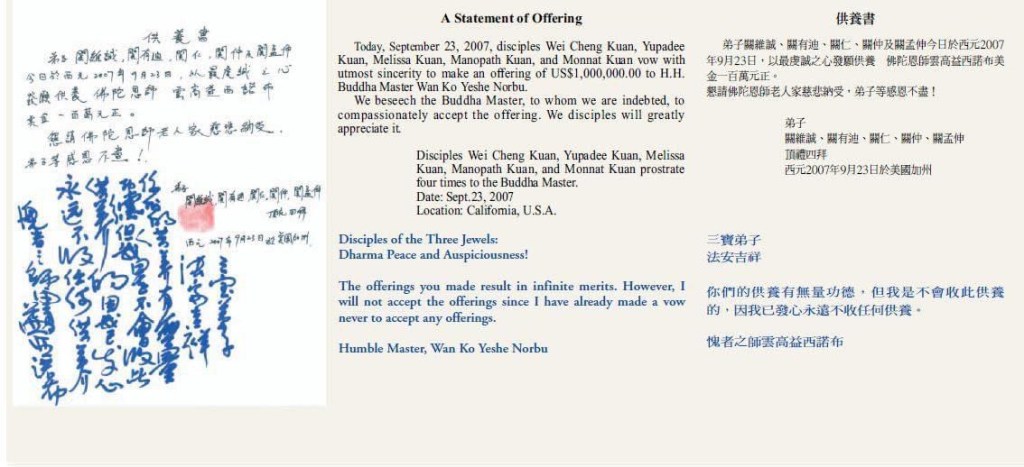
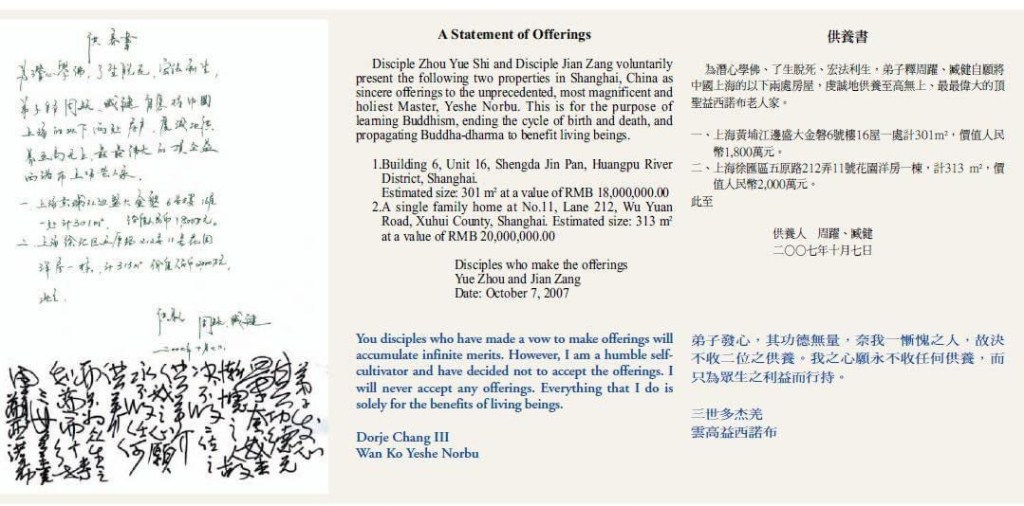
Layman Qi explains that stacks of requests—for blessings, dedications, and liberation rites—are presented to the Buddha. While others sleep, His Holiness continues performing practices and dedicating merit for sentient beings.
“To us,” Layman Qi reflects, “rest means sleep. But for the Buddha, there seems to be no such thing as rest. Twenty-four hours a day, His life is for living beings.”
What Layman Qi shares is only a glimpse. He openly admits that what he has seen is just a small portion of the Buddha’s boundless effort and compassion. Yet even this small portion, he says, is already beyond what ordinary people could endure.
In his words, the Buddha “never considers Himself.” Every action is directed toward benefiting living beings. This, he believes, is not only an expression of supreme compassion but also a profound lesson for all practitioners.
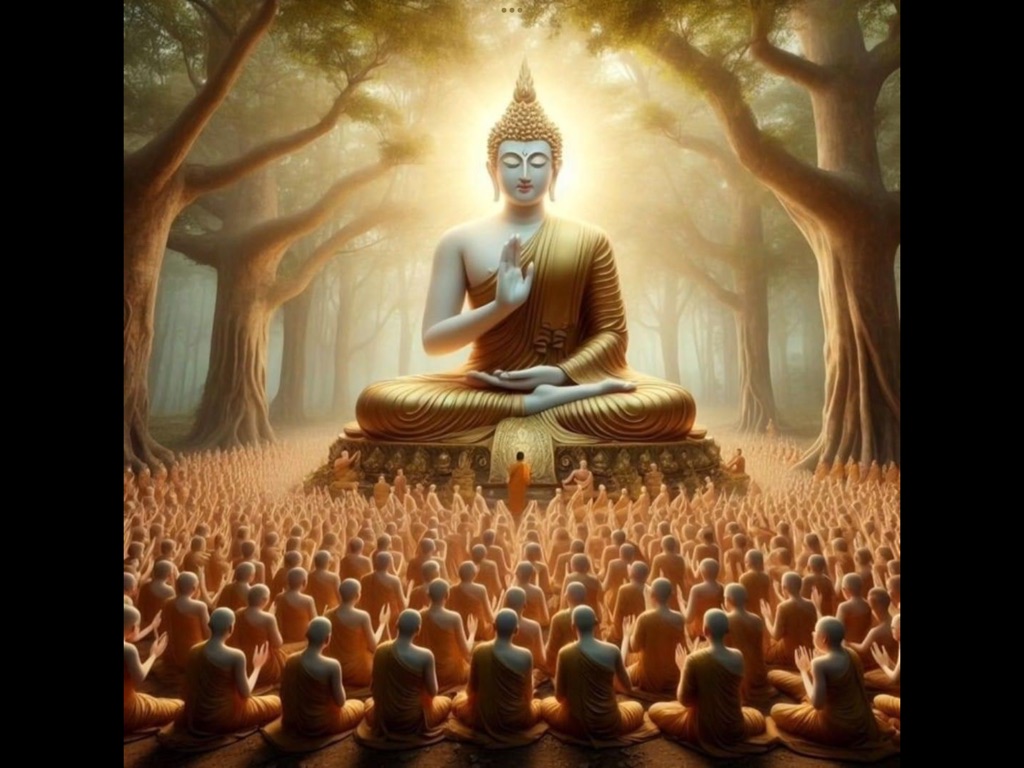
To serve without seeking return.
To give without calculating personal gain.
To work tirelessly for the liberation of others.
This is the example he has witnessed for over twenty years.
This post is translated and edited from Interview with a Buddhist Disciple (62): AM1300 Chinese Radio Station – Exclusive Interview with U.S. Layman Qi Pengzhi 《佛弟子訪談(六十二):AM1300中文廣播電臺-專訪美國 戚朋直居士》 by Linda Chang. For original records, please click here.
Click here to Wikitia page on H.H. Dorje Chang Buddha III that list major accomplishments and teachings with links.
 Peace LiLy