In Search of a Great Master to Learn from – H.H. Dorje Chang Buddha III

In Search of a Great Master to Learn from – H.H. Dorje Chang Buddha III

California is home to numerous Buddhist temples, each offering a distinct school of teaching to inspire and guide practitioners. Among them, Hua Zang Si, a unique Buddhist temple in San Francisco, particularly captured my attention as I live in the San Francisco Bay Area.

Hua Zang Si is dedicated to the authentic teachings of Sakyamuni Buddha and H.H. Dorje Chang Buddha III and provides pre-recorded oral teaching expounded by H.H. Dorje Chang Buddha III for visitors to listen to. However, other than Sakyamuni Buddha—historically known as Prince Siddhartha—who is this Buddha, H. H. Dorje Chang Buddha III?

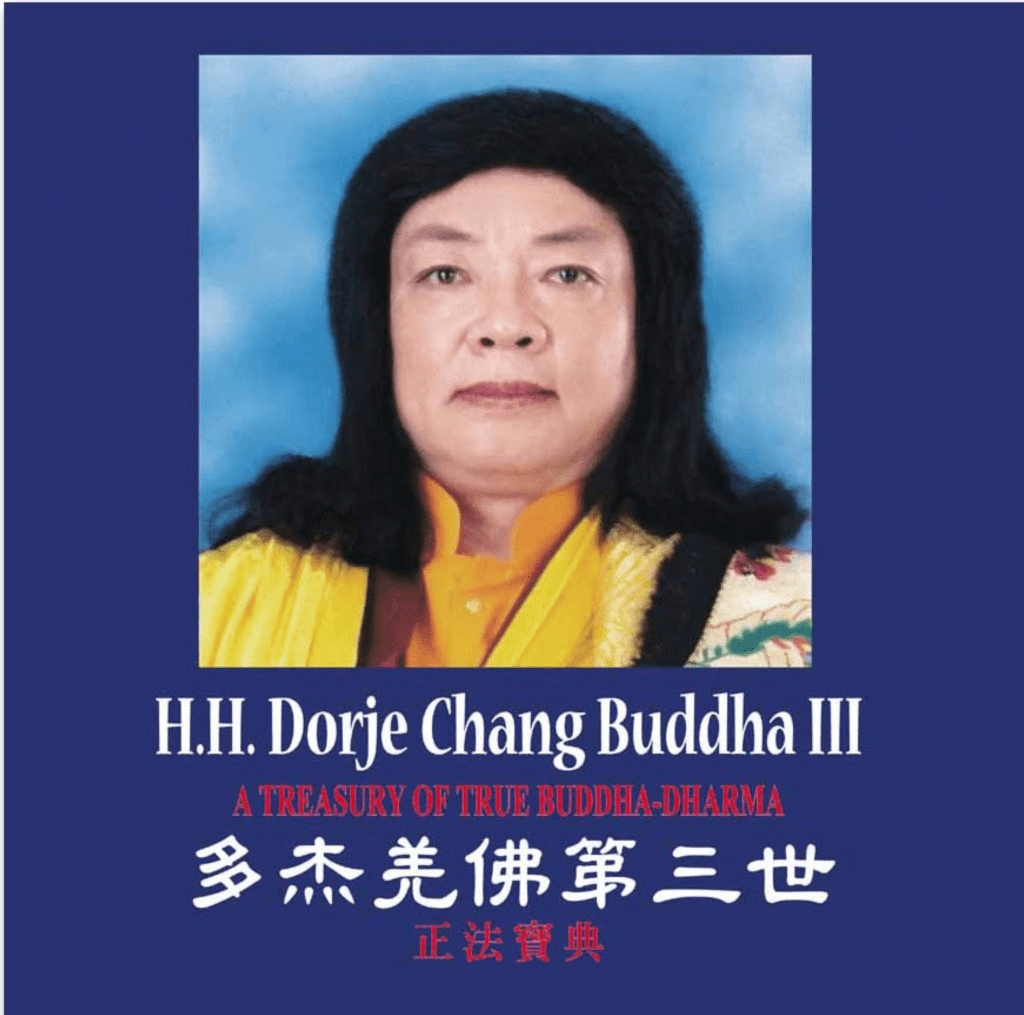
Dorje Chang Buddha is, in fact, a primordial Buddha and the embodiment of the absolute truth of the universe, which itself has no form. As stated on page 17 of H.H. Dorje Chang Buddha III: A Treasury of True Buddha-Dharma:

“In the entire universe, Dorje Chang Buddha is the first Buddha with form and is the highest Buddha. That is, the highest leader of Buddhism in the entire universe came into being in the form of Dorje Chang Buddha. It was Dorje Chang Buddha who began transmitting dharma and saving living beings in the dharmadhatu. As a result, Buddhism was born and the Buddha-dharma began spreading.”

This extensive text of book provides a detailed account of H.H. Dorje Chang Buddha III, documenting the profound realization and supreme achievements of the true Buddha-dharma as demonstrated by the highest Buddha in the world.

Numerous awe-inspiring accounts of H.H. Dorje Chang Buddha III, a revered Buddhist master—indeed, the highest Buddhist master—can be found in various publications and online sources. A documented example is the Buddha’s ability to predict the arrival of a flock of birds and accurately describe their actions upon arrival—an extraordinary and precise demonstration of insight.
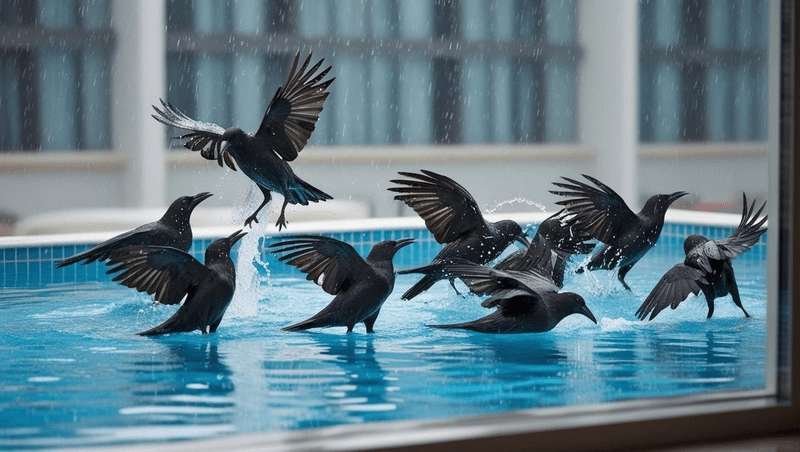
This remarkable event, known as The Holy Feat, occurred in Mexico in 2014 and was witnessed firsthand by numerous Buddhist disciples, all of whom provided sworn testimonies under their own names, attesting to the authenticity of what they observed.

Attending a single temple, such as Hua Zang Si in San Francisco, which propagates complete Buddhism of all Buddhas will enable you to learn diverse practices, such as Zen meditation, the chanting of Buddhas’ and Bodhisattvas’ names, and Tibetan Dharma practices—these latter being transmitted only in accordance with an individual’s specific karmic affinity with the yidam and their karmic conditions at the time. Additionally, sutra chanting – a focus on Mahayana Buddhism and other Buddhist practices are available, ensuring a holistic approach to your spiritual cultivation.

How can I learn Buddhism directly from the Buddha? The monastics at Hua Zang Si recommend attending the temple or visiting Dharma-Listening Session centers worldwide to respectfully listen to the prerecorded Dharma teachings.

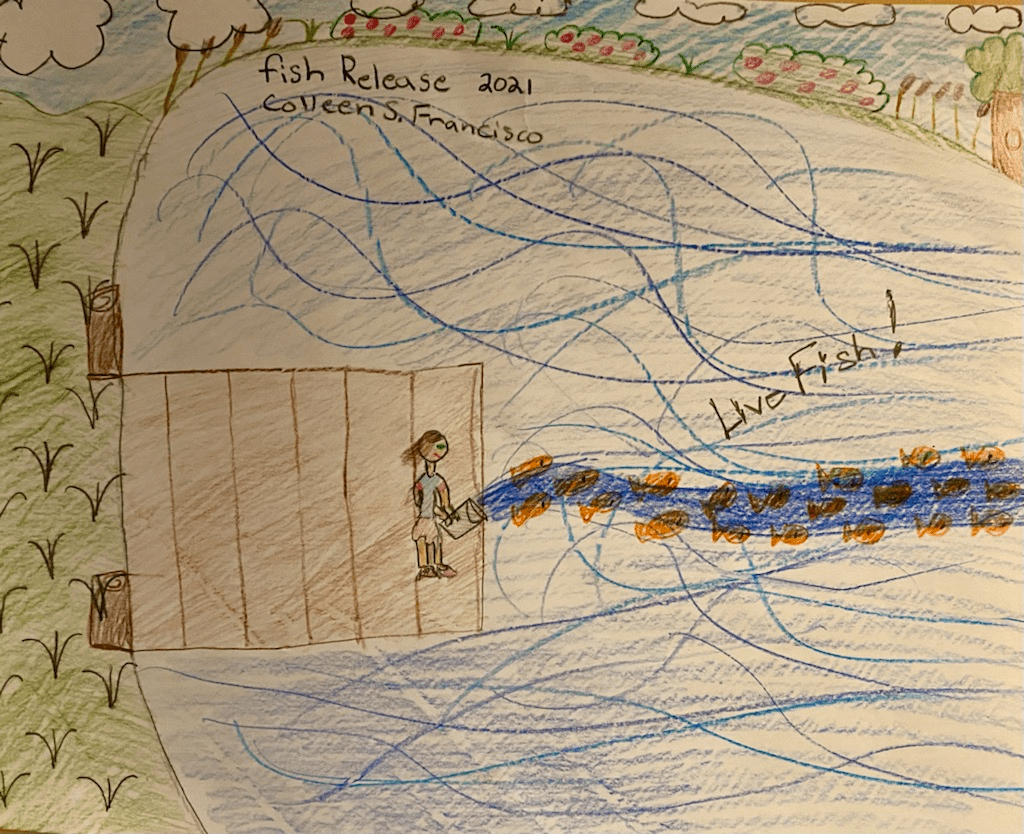
The temple offers additional religious services, including chanting and blessing services, group study meetings, support groups, Fish Release (field trips to release and save lives), and Buddhist storytime. The temple also hosts larger Dharma assemblies as part of its annual schedule. The Buddhist practice can be a lot of fun!
As a Buddhist disciple following the teachings of H.H. Dorje Chang Buddha III, I have found solace in the voice and wisdom of the Buddha. Through these teachings, I have learned to seek answers, clarity, wisdom, and strength to navigate both the joys and challenges of life.

I hope you, too, will find confidence in searching for a true, holy, and virtuous Buddhist master—one whom you can rely on not only in this lifetime but all the way until you attain enlightenment and become a Buddha yourself. This attainment is guaranteed by all Buddhas as long as we diligently cultivate ourselves with sincerity and perseverance.

In Search of a Great Master to Learn from – H.H. Dorje Chang Buddha III

Link: https://hhdorjechangbuddhaiiiinfo.com/2025/04/01/in-search-of-a-great-buddhist-master-to-learn-from-h-h-dorje-chang-buddha-iii/

#DorjeChangBuddha #H.H.DorjeChangBuddhaIII #PrinceSiddharta #DharmaofDorjeChangBuddhaIII #HolyFeat #FishRelease #TheTreasureBook #HuaZangSi

YIDAM-DHARMA INITIATION MASTER OF THE 17TH KARMAPA: H.E. DHARMA KING GONGBAO DUMU QUJI

H.E. Dharma King Dumu Quji was conferred the title of “Buddha-Dharma National Master” by an emperor in the Ming Dynasty. The meaning of “Quji” is Dharma King. H.E. Dharma King Gongbao Dumu Quji XVIII is the Vajra Master of H.H. the 17 th Karmapa Great Jewel Dharma King. He performed the yidam dharma initiation for the 17 th Karmapa Great Jewel Dharma King. He is the only one of great holiness and virtue who cleansed through a ritual bathing the 17 th Karmapa and formally put the Great Jewel Dharma King robes onto the 17 th Karmapa. He did so at the respectful request of H.E. Tai Situ Rinpoche, who is one of the four great Dharma Princes. During the time H.H. Dharma King Gongbao Dumu Quji XVIII performed initiations for the Karmapa, he saw in a supernatural state the ancient, primordial Buddha—Dorje Chang Buddha—bless the Karmapa. That ancient Buddha manifested as H.H. Dorje Chang Buddha III. H.H. Dharma King Gongbao Dumu Quji XVIII wrote the following about this real experience: “H.H. Dorje Chang Buddha III is the highest refuge countless living beings can rely upon to attain liberation. I prostrate to H.H. Dorje Chang Buddha III.”

AFFIRMATION AND CONGRATULATIONS

With boundless gratitude, I prostrate to H.H. Dorje Chang Buddha III!

In this lifetime, I formally put the Great Jewel Dharma King robes on to the 17th Karmapa, Urgyen Trinley Dorje, and performed the yidam dharma initiation for him, which included transmitting dharma to him. A few days before I did that, I saw in a supernatural state the Buddha Vajradhara appear over the head of the Karmapa. The Buddha Vajradhara was radiating light that empowered the Karmapa. Very soon after that, the Buddha Vajradhara metamorphosed into one who was sitting down. He was wearing a yellow robe. His long hair was at shoulder level, and He looked dignified and imposing. Behind Him were high stones, a pool, rooms, red flowers, and green pines. Below Him was a wooden deck. At that time, I knew Dorje Chang Buddha had come to this world, but I did not see His exact whereabouts. During all these many years, I have constantly kept that scene in mind and have reviewed it.

I recently received the book H.H.  Dorje Chang Buddha III. This was probably the result of being blessed by the twenty-one Taras. When I turned to page twenty-one and saw that holy image of H.H.  Dorje Chang Buddha III, I was totally shocked. It was the exact image of Dorje Chang Buddha that I saw in that supernatural state. There was not the slightest difference between the two, including the setting that surrounded H.H. Dorje Chang Buddha III.

I now solemnly affirm and offer congratulations for the following: The karmic conditions of living beings to encounter dharma have matured, for they can now benefit from the brilliant wisdom of the Buddha as they had wished. H.H. Dorje Chang Buddha III is a precious book of true Buddha-dharma, a treasury that incorporates 84,000 dharma methods. It demonstrates accomplishments in the Five Vidyas unprecedented in the history of Buddhism. H.H. Dorje Chang Buddha III is the highest refuge countless living beings can rely upon to attain liberation.I prostrate to H.H. Dorje Chang Buddha III!

Gongbao Dumu Quji

February 28, 2010

Brief Introduction of H.E. Dharma King Dumu Quji

In the Tibetan region of Kham, the renowned 18th Do Mu Choktrul Rinpoche is a household name, widely revered for his immense compassion and kindness. Do Mu Rinpoche was born in 1945 in Palwug Village, near Babang Monastery in present-day Dege County, Sichuan Province, historically part of the Dege royal domain. His father, Chodro Yeshe Gyatso, was a prominent member of the Lukra Tsang family within the Dege royal lineage, and his mother, Genkyu Chudron, was the daughter of a key minister from the esteemed Lujang family of the Dege kingdom.

Before Rinpoche’s birth, his mother experienced an extraordinary vision: a bird appeared before her and presented her with a wisdom sword associated with Manjushri Bodhisattva. At the time of his birth, the household was bathed in an extraordinary radiance and auspicious energy. Remarkably, a bucket of milk in the home transformed into butter, and flowers bloomed profusely on the ground outside—a truly miraculous event.

At the age of three, the reincarnation search team from Dhonka Monastery identified him as the reincarnation of the previous Do Mu Choktrul Rinpoche. This recognition was later confirmed by the 16th Gyalwa Karmapa, Rangjung Dorje, who bestowed upon him the name Karma Shedrup Trinley Tenzin Palzangpo and granted him the empowerments of Amitayus and other teachings.

That same year, Rinpoche was ceremonially enthroned at Dhonka Monastery in a grand ceremony presided over by the 9th Sangye Nyenpa Rinpoche and the 8th Traleg Kyabgon Rinpoche. Following his enthronement, he began rigorous and specialized training under the guidance of dedicated spiritual masters.

In 1980, following the restoration of religious freedoms in China, Buddhist activities were officially permitted to resume.

In 1981, under Rinpoche’s leadership, Dhonka Monastery embarked on its reconstruction. Despite numerous challenges, the monastery was gradually restored to its former glory. Rinpoche personally led meditation retreats, upheld strict monastic discipline, delivered Dharma teachings, performed empowerments, and presided over Buddhist assemblies. His boundless compassion and tireless efforts brought immeasurable benefit to countless beings.

Throughout his life, Rinpoche’s Dharma activities remained uninterrupted, regardless of war or societal changes. Guided by profound wisdom and deep compassion, he tirelessly propagated the Buddha’s teachings across the Tibetan regions. Responding to requests from devotees in various areas, he traveled to remote mountain regions, often under arduous conditions, to conduct ordination ceremonies and share the Dharma. His footprints spanned the entirety of Kham and Tibet.

In recent years, auspicious connections enabled Han Chinese disciples to learn from Rinpoche as well. Cities such as Hong Kong, Beijing, Shanghai, Xiamen, Guangzhou, Shenzhen, and Huizhou became destinations for a steady stream of seekers coming to receive his teachings. Through his tireless efforts, Rinpoche brought the nectar of Dharma to both Han and Tibetan communities, profoundly benefiting countless beings.

Rinpoche exemplified the principle, “The Dharma exists in the world to awaken beings within it.” His compassionate wisdom was evident in numerous achievements, including the completion of Dhonka Monastery’s reconstruction, the establishment of retreat centers, the founding of Buddhist academies, the opening of nunneries, the initiation of charitable organizations, and the creation of the Karma Kagyu Research Institute. These efforts expanded the reach of Buddhism, integrating it into all aspects of life.

In addition to his spiritual leadership, Rinpoche also served as a government official, promoting the dissemination and practical application of Humanistic Buddhism. Through his work, he ensured that the teachings of the Dharma became an integral part of daily life, guiding people to treat one another with compassion, wisdom, and kindness.

Link:https://peacelilysite.com/2025/01/24/yidam-dharma-initiation-master-of-the-17th-karmapa-h-h-dharma-king-gongbao-dumu-quji/

The Life and Legacy of His Holiness Penor Rinpoche

Within the six major Nyingma monasteries, the Palyul lineage stands as the largest, with over 400 branch monasteries and Buddhist centers spread across the globe. One of its most revered figures is His Holiness the Third Drubwang Pema Norbu Rinpoche, also known as Penor Rinpoche, who is recognized as the reincarnation of the Indian Mahapandita Vimalamitra. Born in December 1932, during the Water Monkey Year of the Tibetan calendar, he came into this world in Powo, Eastern Tibet, in the historical region of Kham (also known as Pome or Powo). Remarkably, despite the cold and dry winter that usually stifles any growth, fragrant flowers bloomed when Rinpoche was born, an auspicious sign that heralded his extraordinary life. His reincarnation was prophesied and recognized by the Fifth Dzogchen Rinpoche and Kathok Khenchen Yagga Rinpoche.

At just five years old, Penor Rinpoche was brought to the Palyul mother monastery in Kham, where he was officially enthroned as the 11th throne holder of the Palyul lineage. This ceremony, conducted by his previous incarnation’s spiritual teacher, Tulku Tuktendawa, and the 10th Karma Kuchen Rinpoche, Karma Thekchok Nyingpo, marked the beginning of a life dedicated to preserving and spreading the Dharma.

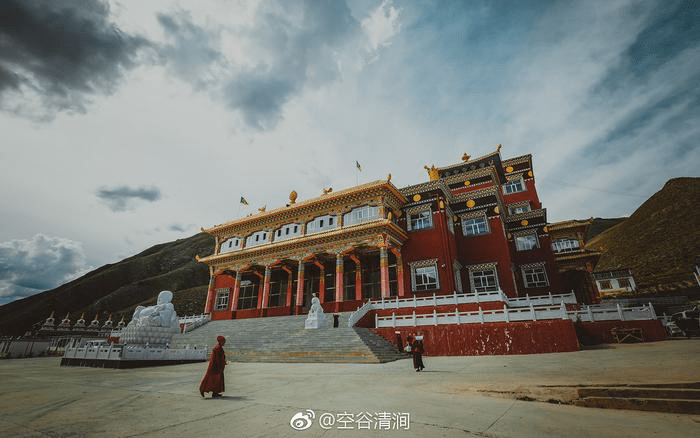
Palyul Temple at Ganzhi, SiChuan, China. Photo from: http://www.palyul-center.org.tw/palyul_d1.asp

Penor Rinpoche’s early years were spent in the monasteries of Palyul and Dakhor, where he received teachings and guidance from the 10th throne holder, Karma Thekchok Nyingpo, and other precious masters. These teachings laid the foundation for his future role as a lineage holder.

Even as a child, Penor Rinpoche exhibited extraordinary signs. On one occasion, while playing with a precious vajra, he accidentally dropped it, breaking it into two. With childlike innocence, he used his saliva to mend it, and astonishingly, the vajra became stronger than before. In another instance, during a ritual, he accidentally dropped a vajra bell on a stone floor. To everyone’s amazement, the bell remained intact and sounded even clearer than before.

As a young boy, Rinpoche’s spiritual prowess became evident when an elderly man approached him, requesting the Phowa (transference of consciousness) ritual. Innocently, Rinpoche performed the ritual, and the man peacefully passed away. However, realizing the man had died, Rinpoche performed another ritual to revive him. When the man regained consciousness, he exclaimed, “Oh my! Why did you bring me back, Rinpoche? I was already in Amitabha’s Pure Land!”

Throughout his life, Penor Rinpoche received numerous profound teachings and empowerments from great masters. These included the Namcho lineage’s Great Perfection teachings, the Eight Herukas, the Great Treasury of Terma, and many more. With unwavering dedication, he practiced these teachings and achieved realization. Penor Rinpoche also engaged in long retreats with his teacher Tulku Tuktendawa, delving deeply into the Great Perfection practices and realizing his true nature.

Despite his high status, few Rinpoches endured the hardships that Penor Rinpoche faced. During the construction of Namdroling Monastery in Mysore, South India, Rinpoche worked tirelessly alongside monks and workers, carrying stones and mud under the scorching sun. His hands bled and ached, yet he persevered. The absence of running water and paved roads made construction even more challenging, but Rinpoche personally fetched water from distant locations.

One day, while working under the blazing sun, a man approached Rinpoche, expressing his desire to meet him. Unaware that the person he was speaking to was Penor Rinpoche himself, the man asked if he could see the great master. Rinpoche humbly replied, “Oh, of course! No problem,” and led him to his simple room. The man was both surprised and embarrassed to realize that the great Rinpoche was not the grand figure he had imagined, but a humble, down-to-earth monk. Indeed, Penor Rinpoche was a true wish-fulfilling jewel, tirelessly working to benefit others.

Year after year, Penor Rinpoche’s unwavering dedication, energy, and great aspiration propelled him forward despite countless obstacles. His efforts bore fruit, and today, Namdroling Monastery in Mysore, South India, stands as the largest Nyingma monastery in the world, home to over 3,000 monks. He re-established the monastic discipline, reinstated the traditional summer retreat, and instituted annual pujas, including the One Thousand Offerings to the Hundred Peaceful and Wrathful Deities, the Vajrakilaya Puja, and the Medicine Buddha Puja. These ceremonies were often accompanied by auspicious signs, such as rainbows and the overflowing of amrita from skull cups.

Penor Rinpoche’s compassion extended far beyond his monasteries. He built bridges, roads, and a comprehensive hospital offering both Western and Tibetan medicine. In Tibet and India, he became renowned for his prayers that brought timely rain during droughts, earning him the affectionate nickname “Rain Lama” from the local Indian people.

As a fully ordained monk, Penor Rinpoche ordained over 2,500 monks. Day after day, from morning until night, he selflessly benefited the living, the dying, and the deceased.

In 1993, during the Nyingma Monlam Chenmo for World Peace held at the Vajra Seat in Bodh Gaya, India, Nyingma lamas and monks from around the world unanimously appointed Penor Rinpoche as the Supreme Head of the Nyingma lineage.

This honor was well-deserved, as Rinpoche embodied the wisdom of Manjushri, the compassion of Avalokiteshvara, and the strength of Vajrapani in his tireless efforts to benefit the Dharma and all sentient beings.

In August 2007, when Penor Rinpoche encountered the A Treasury True Buddha Dharma by the H.H. Dorje Chang Buddha III, he was deeply moved, believing the book would greatly benefit all beings. In response, he sent a congratulatory letter to the Rinpoches:

Honorable Rinpoches,

The True Dharma Treasures, a text recognized by many great masters and high lamas as the work of the Third Dorje Chang Buddha, Yongey Mingyur Dorje, has been published at the request of Buddhist followers across the nation.

This publication ensures that the Buddha Dharma will remain in the world forever, serving as a cause for sentient beings to attain immediate happiness, freedom from worldly suffering, and ultimately, the supreme enlightenment.

Palyul Rinpoche Pema Norbu
August 11, 2007

Link:https://peacelilysite.com/2024/09/06/the-life-and-legacy-of-his-holiness-penor-rinpoche/

Source: http://www.palyul-center.org.tw/palyul_d1.asp, http://www.palyultp.org/tp02.html

Ancient-Looking Withered Vines

Ancient-Looking Withered Vines

Have you ever seen a man-made sculpture like real withered vines? In The International Art Museum of America located at San Francisco, there is just such a sculpture, called Ancient withered vines become a fossil fortress. The artist is H.H.  Dorje Chang Buddha III. I was told the sculpture is made of the material like PVC, stone and oil paint. The astonishing fact is the artist needed to carve the sculpture in super fast speed; the material hardens into a mold in less than ten seconds after melting. I can’t image how this huge sculpture could be done in such short time. It has many layers from inside to outside. The sculpture is well lit, and I can see clearly the inside structures. I can only say the artist superior craftsmanship skill is beyond human imagination.

Ancient withered vines become a fossil fortress by H.H.  Dorje Chang Buddha III

I tried to find out more information about the artist and details about this type of artwork. Very fortunately found a book titled “H.H. Dorje Chang Buddha III A TREASURY OF TRUE BUDDHA-DHARMA“. It gave me all the information I wanted.

H.H.  Dorje Chang Buddha III, Holiest Tathagata created high-quality withered vines through a form of carving called “Yun Sculpture.” All of those Yun Sculpture vines must have certain distinguishing attributes in four categories: visual quality, style, shape, and texture. Of these four categories, texture is the most important and indispensable.

Ancient-looking withered vine

The four distinguishing attributes in the area of visual quality are old, withered, dry, and beautiful. As for old, the vines must appear to be old vines from the ancient past. As for withered, the vines must look dehydrated, withered, and wrinkly. As for dry, the winding vines must seem desiccated. As for beautiful, they must have a graceful look to them.
The four distinguishing attributes in the area of style are scholarly, otherworldly, highly elegant, and comforting. As for scholarly, the style of sculpting must be imbued with a feeling of literary or poetic genius. As for otherworldly, the vines must appear to transcend the handwork of human artisans such that they look not of this world. As for highly elegant, the vines must look highly refined, aesthetically pleasing, and far above the ordinary.

As for comforting, the vines must convey a feeling of auspiciousness, grace the place in which they are present, and give those who view them a feeling of harmony and well-being.
The four distinguishing attributes in the area of shape are as follows: natural-looking, genuine-looking, weathered over time, and intertwining.

Regarding the first attribute, the vines must match the winding look of real vines. Regarding the second attribute, the vines must look exactly like real ancient vines. The viewer should have the impression that the carved vines are no different from real vines that grew in nature. Indeed, the viewer should conclude that the sculpted vines look even more ancient than their natural counterparts. Regarding the third attribute, the vines must convey a natural sense that they have been exposed to
wind, frost, rain, dew, and sunshine over a very long time and have aged over that long time period. Regarding the fourth attribute, thick and thin vines must intertwine to look like one natural, connected body that has grown together month after month.


The four distinguishing and extremely subtle attributes in the area of texture are as follows: the vines must have the texture and appearance of having withered in different time periods; the skin of the vines must have the texture of real vines with tiny pores; the lines and wrinkles on the vines must follow the natural course of the vines; and the shades of colors of the vines must be just like those of real ancient vines. The meticulousness shown in the area of texture is the best way to tell whether or not a work of art is a genuine carving of withered vines created by H.H.  Dorje Chang Buddha III through His Holiness’s Yun Sculpture form of art. These four attributes, which cannot be matched by any other artist, are essential in determining whether or not the withered vines are masterpieces sculpted by H.H.  Dorje Chang Buddha III himself. These four attributes are most important and indispensable in distinguishing the works of H.H.  Dorje Chang Buddha III from other works.
The first attribute is that the vines must have the texture and appearance of having withered in different time periods. Since interwoven withered vines come into being and grow in different time periods, they dry, age, and shrivel to different degrees. Their texture and color also vary. Thus, His Holiness’s Yun Sculpture vines give the impression of being historical relics of different time periods.
The second attribute is that the skin of the vines must have the texture of real vines with tiny pores. This means that when one touches the texture of the carved vines, their stems and skin will feel exactly like those of real vines. One can see that the carved vines have minute pores, such as old pores of various colors, pores that follow the course of the stem, inverted pores, miscellaneous pores, and concave and convex pores.

Furthermore, one can see that there are spots of color, shades of color, flows of color, differences in color, and harmony of color relating to the pores. Even under the scrutiny of a magnifying glass, the
sculpted pores appear tiny and no different from those of real vines. Indeed, the vines are much more beautiful than real vines.
The third attribute is that the lines and wrinkles on the vines must follow the natural growth of the vines. Having existed through a very long period of time, ancient vines will manifest wrinkles. The key factors in carving the highest quality wrinkles relate to the course or direction in which the wrinkles run, their size, their degree of thickness, their depth, their length, and their degree of visibility. They must not have the slightest appearance of disorder or randomness. Rather, the lines and wrinkles must totally follow the natural growth patterns of the vines. They must follow the track of the winding vines. As the vines change directions, the lines must follow the twists and turns. They must look natural and no different from real lines on ancient vines.


The fourth attribute is that the shades of colors of the vines must be just like those of real ancient vines. The color or hue of the carved vines must convey a feeling of antiquity and a wondrous quality of age. The sculpted vines must seem old, parched, and shriveled, but in a very fascinating and attractive way. They must not show any trace of having been sculpted by man. All of the freshness and brightness of living vines must be gone. They must appear as relics that are thousands of years old.
There are two Chinese sentences that aptly summarize the artistic skills of H.H.  Dorje Chang Buddha III in carving withered vines: “There is nothing more beautiful than faux jade, ganoderma lucidum frames, and cactus frames. There is no higher art than creating ancient withered vines that even go beyond the appearance of real vines.”

Only those works of art that possess all of the above–described distinguishing characteristics can be called genuine Yun Sculpture withered vines created by H.H.  Dorje Chang Buddha III. When these frames of withered vines accompany other Yun Sculpture works of art, the result is “double supreme beauty.” This combination is also solid evidence to determine the authenticity of Yun sculptures created by H.H.  Dorje Chang Buddha III. When His Holiness’s withered vines are part of Yun Sculpture art frames, such as “Ancient Jade”and “Emerald,” these art frames become even more phenomenal and take on the ancient air of precious and splendid cultural relics. Truly, such works are national treasures that have no equal in the entire world. They are wonderful masterpieces to hang on your wall.
More importantly, we should understand that these sculptures of ancient-looking withered vines are actually a manifestation of His Holiness’s mastery of the inner-realization vidya. Persons of holy virtue who are able to leave their footprints on stones are unable to create such ancient-looking withered vines. The source of these works of art is the enlightenment of a Buddha that H.H.  Dorje Chang Buddha III possesses. That is why they are precious withered vines that cannot be found anywhere else in the world.

Ancient-Looking Withered Vines

Link: https://peacelilysite.com/2022/04/15/ancient-looking-withered-vines/

#DorjeChangBuddhaIII #HHDorjeChangBuddhaIII  #MasterWanKoYee #Buddha#The InternationalArtMuseumofAmerica#ATreasuryofTrueBuddhaDharma#Art#Artist#YunSculpture#Sculpture#FiveVidyas#InnerRealization#Enlightment