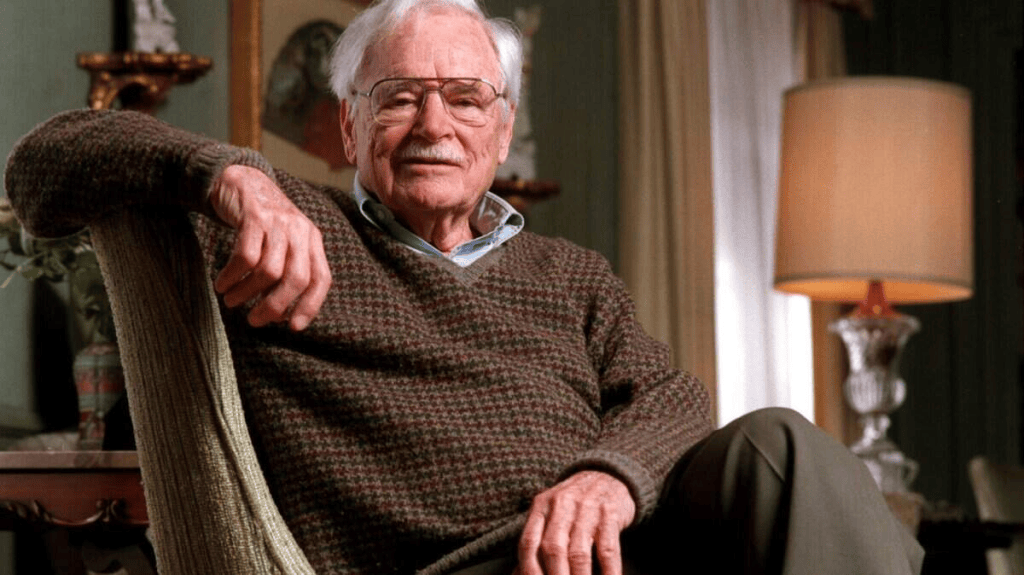
The remarkable story of Dr. Charlie White and the courage to keep moving forward
What does it take to live well—not simply to live a long life, but to remain hopeful, curious, and strong through difficult times?
Dr. Charlie White lived to be 109 years old. He experienced more than a century of enormous changes, but what fascinates me most about his life is not his age. It is how he faced adversity.
When Charlie was only eight years old, his father died suddenly in a tragic elevator accident. His father was just 42. Charlie’s mother was left a widow with five children and no job or obvious means of support. Charlie’s mother turned their home into a boardinghouse to make ends meet. She expected her children to help and gradually taught them to become independent and responsible for their own lives. Charlie later remembered that his mother had essentially put “the responsibility of life” on them. Because she believed they could manage, they learned to believe in themselves.
Something else important happened during those difficult years. Among the people who stayed in their home were medical missionaries. Meeting them helped inspire Charlie to become a doctor.
He did not allow the loss of his father to become the definition of his life.
Instead, he continued his education, entered medicine, and eventually built not one but two medical careers. He lived through the Great Depression, two world wars, enormous changes in medicine, personal losses, and many other challenges.
What strikes me most about Charlie’s story is that resilience did not mean that life stopped hurting. It meant that he continued to participate in life after the hurt.
He learned to adapt.
When medicine changed, he changed with it. When opportunities were lost, he looked for new ones. When he made mistakes, he did not seem to spend his life regretting them. He remained curious about what could come next. His biographer, David Von Drehle, described him not simply as a survivor, but as someone who learned how to thrive through change.
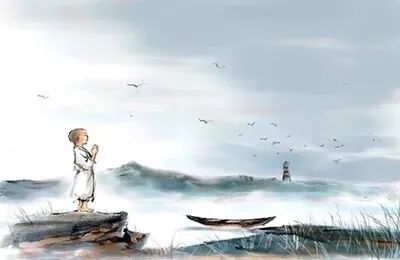
Sometimes we misunderstand resilience.
Being resilient does not mean that we never feel sad, afraid, or discouraged. It means that pain does not have to become the end of our story.
We may lose someone we love.
We may fail.
Our plans may suddenly change.
Someone may disappoint us.
Life may take us in a direction we never expected.
We cannot always choose the circumstances. But we can ask:
What can I do now?
That simple question can give us the strength to take the next step.
Adaptability Is a Form of Wisdom
Charlie lived through a world that changed almost beyond recognition.
Yet he continued to learn and adapt.
This is something we all need today.
The world changes quickly. Technology changes. Our circumstances change. Our bodies change. Relationships change. Sometimes even our dreams change.
Adaptability does not mean abandoning our values.
It means learning how to carry our values into new circumstances.
We can remain kind while adapting.
We can remain honest while adapting.

We can remain hopeful while adapting.
Charlie lived for 109 years, but longevity itself was not his greatest lesson.
A meaningful life is not measured only by the number of years we receive.
It is measured by how we use those years.
Can we continue learning?
Can we forgive?
Can we help others?
Can we remain curious?
Can we appreciate what we have?
Can we face uncertainty without giving up hope?
Charlie understood that life would never be perfect. Yet he continued to meet it with optimism and openness.
Perhaps that is why his story speaks to me.
When something painful happens, we can allow ourselves to grieve—but still move forward.
When circumstances change, we can adapt without losing ourselves.
When we make mistakes, we can learn rather than remain trapped in regret.
When tomorrow is uncertain, we can still choose hope.
Dr. Charlie White could not choose what happened to him when he was eight years old.
But he could choose what he did with the life that followed.
And perhaps that is the deepest lesson of his 109 years:
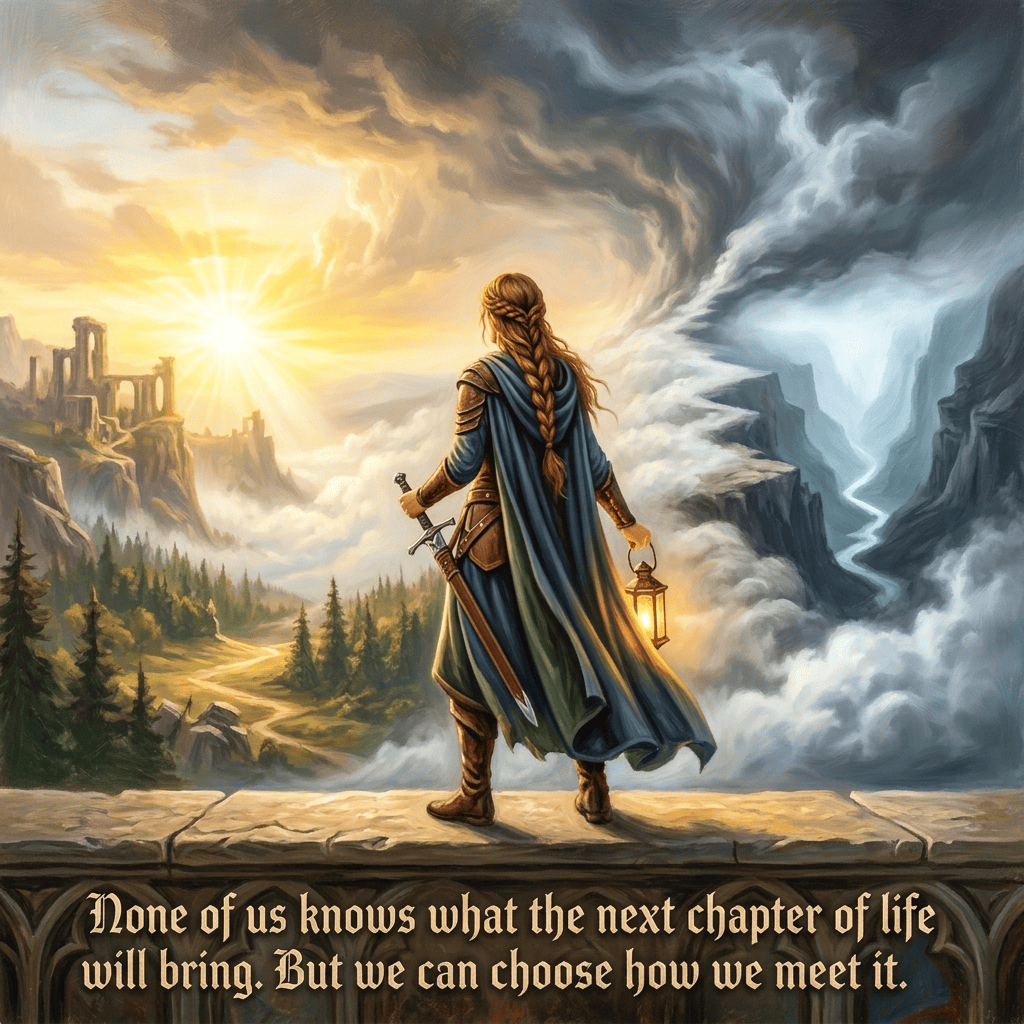
We cannot always choose what happens to us.
But we can choose how we meet what happens.
Sometimes, that choice becomes the beginning of our greatest strength.
Source: https://www.kansascity.com/news/local/article275107916.html
 Peace LiLy