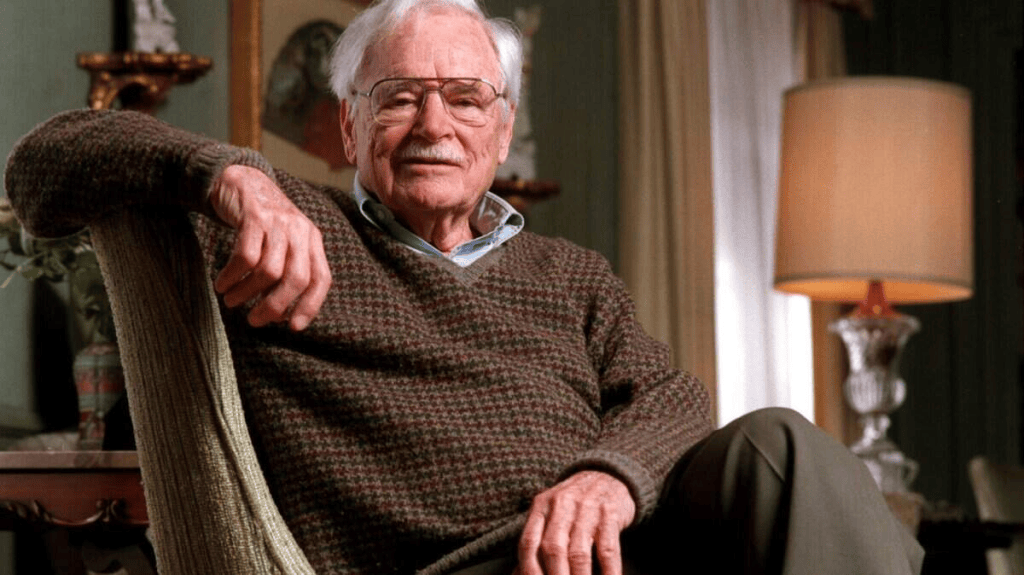
He Lost His Father at 8. What a 109-Year-Old Doctor Taught Us About Life

Charlie White was retired in 1997 when this photo was taken, but he still practiced medicine a bit, flying to Haiti on a medical mission. “It’s a doctor’s fundamental dedication to take care of people whether we get paid or not,” he told The Star at the time. Jeff Roberson The Kansas City Star


The remarkable story of Dr. Charlie White and the courage to keep moving forward

What does it take to live well—not simply to live a long life, but to remain hopeful, curious, and strong through difficult times?

Dr. Charlie White lived to be 109 years old. He experienced more than a century of enormous changes, but what fascinates me most about his life is not his age. It is how he faced adversity.

When Charlie was only eight years old, his father died suddenly in a tragic elevator accident. His father was just 42. Charlie’s mother was left a widow with five children and no job or obvious means of support. Charlie’s mother turned their home into a boardinghouse to make ends meet. She expected her children to help and gradually taught them to become independent and responsible for their own lives. Charlie later remembered that his mother had essentially put “the responsibility of life” on them. Because she believed they could manage, they learned to believe in themselves.

Something else important happened during those difficult years. Among the people who stayed in their home were medical missionaries. Meeting them helped inspire Charlie to become a doctor.

He did not allow the loss of his father to become the definition of his life.

Instead, he continued his education, entered medicine, and eventually built not one but two medical careers. He lived through the Great Depression, two world wars, enormous changes in medicine, personal losses, and many other challenges.

What strikes me most about Charlie’s story is that resilience did not mean that life stopped hurting. It meant that he continued to participate in life after the hurt.

He learned to adapt.

When medicine changed, he changed with it. When opportunities were lost, he looked for new ones. When he made mistakes, he did not seem to spend his life regretting them. He remained curious about what could come next. His biographer, David Von Drehle, described him not simply as a survivor, but as someone who learned how to thrive through change.

Sometimes we misunderstand resilience.

Being resilient does not mean that we never feel sad, afraid, or discouraged. It means that pain does not have to become the end of our story.

We may lose someone we love.

We may fail.

Our plans may suddenly change.

Someone may disappoint us.

Life may take us in a direction we never expected.

We cannot always choose the circumstances. But we can ask:

What can I do now?

That simple question can give us the strength to take the next step.

Adaptability Is a Form of Wisdom

Charlie lived through a world that changed almost beyond recognition.

Yet he continued to learn and adapt.

This is something we all need today.

The world changes quickly. Technology changes. Our circumstances change. Our bodies change. Relationships change. Sometimes even our dreams change.

Adaptability does not mean abandoning our values.

It means learning how to carry our values into new circumstances.

We can remain kind while adapting.

We can remain honest while adapting.

We can remain hopeful while adapting.

Charlie lived for 109 years, but longevity itself was not his greatest lesson.

A meaningful life is not measured only by the number of years we receive.

It is measured by how we use those years.

Can we continue learning?

Can we forgive?

Can we help others?

Can we remain curious?

Can we appreciate what we have?

Can we face uncertainty without giving up hope?

Charlie understood that life would never be perfect. Yet he continued to meet it with optimism and openness.

Perhaps that is why his story speaks to me.

When something painful happens, we can allow ourselves to grieve—but still move forward.

When circumstances change, we can adapt without losing ourselves.
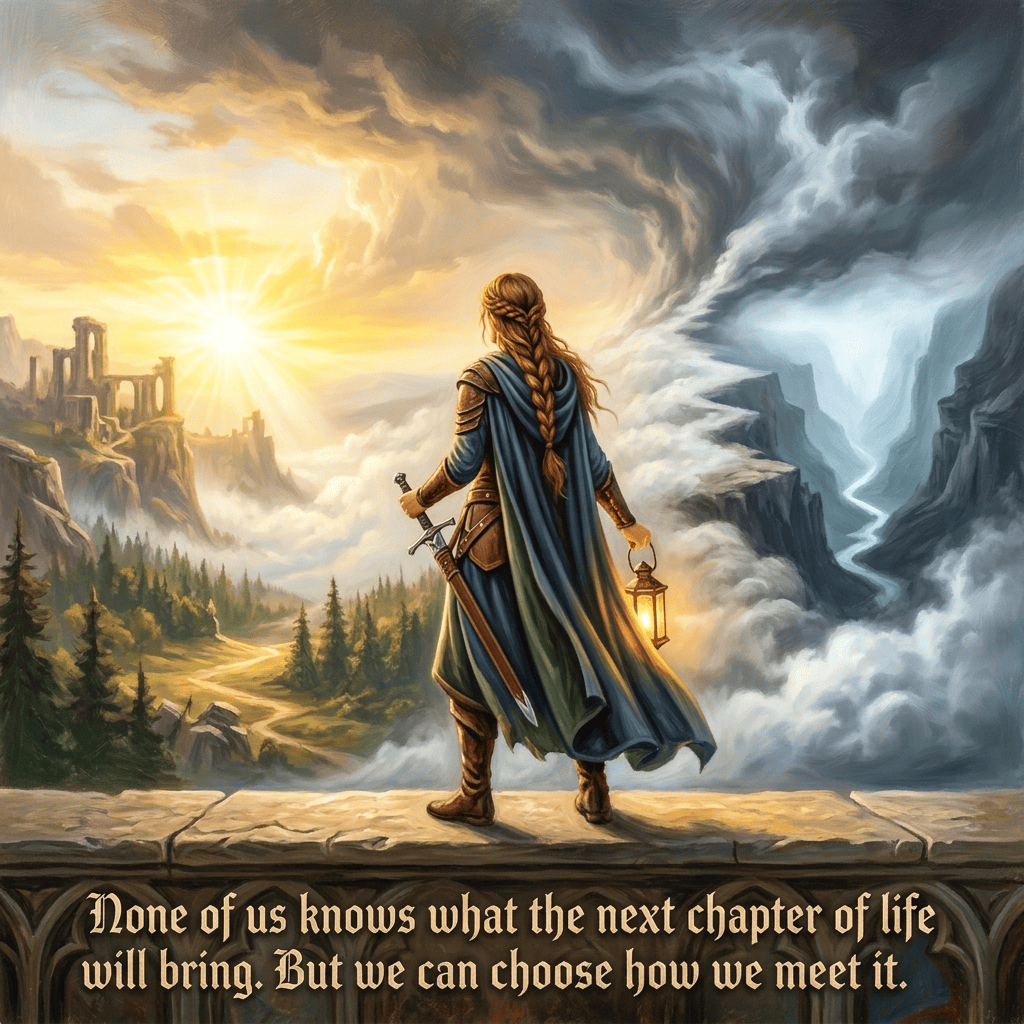
Braided warrior with sword and lantern overlooking ruins beneath storm clouds; text: "None of us knows what the next chapter of life will bring. But we can choose how we meet it."

When we make mistakes, we can learn rather than remain trapped in regret.

When tomorrow is uncertain, we can still choose hope.

Dr. Charlie White could not choose what happened to him when he was eight years old.

But he could choose what he did with the life that followed.

And perhaps that is the deepest lesson of his 109 years:

We cannot always choose what happens to us.
But we can choose how we meet what happens.

Sometimes, that choice becomes the beginning of our greatest strength.

Link:https://peacelilysite.com/2026/09/16/he-lost-his-father-at-8-what-a-109-year-old-doctor-taught-us-about-life/

Source: https://www.kansascity.com/news/local/article275107916.html
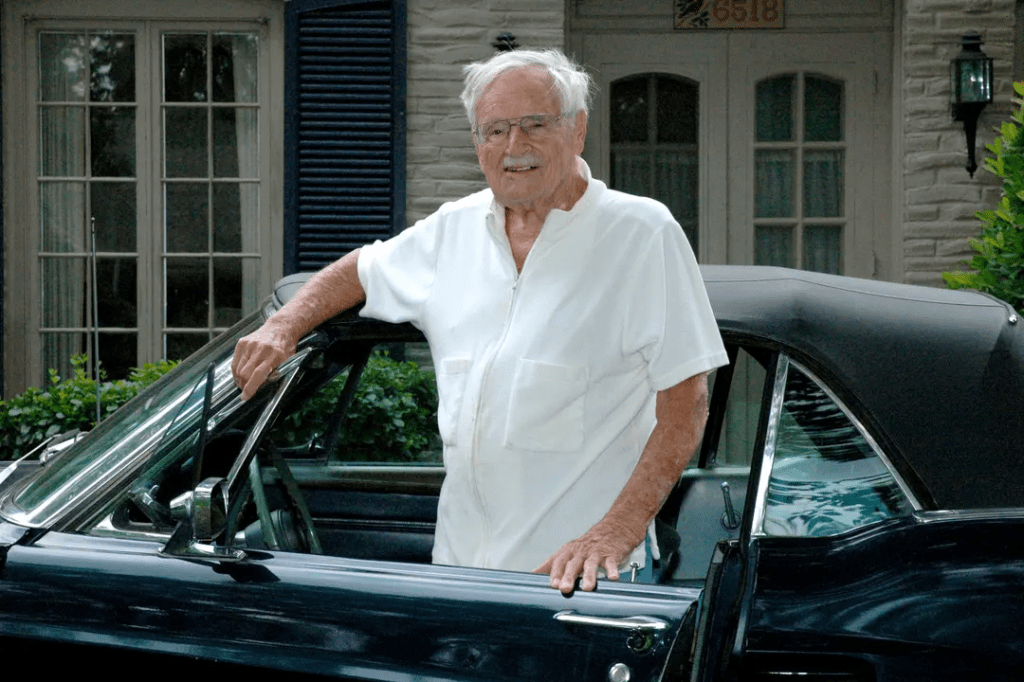
How to Master Change and Grief: A 109-Year-Old’s Blueprint for Life

Charlie White, photographed in 2008 at age 103.Doug Dalgleish

Real-Life Lessons from The Book of Charlie

Have you ever wondered what it takes to navigate over a century of life with grace, joy, and unfailing strength?

In his remarkable book, The Book of Charlie: Wisdom from the Remarkable American Life of a 109-Year-Old Doctor, journalist David Von Drehle shares the story of his neighbor across the street, Dr. Charlie White. Born in 1905, Charlie lived through 109 years of rapid global transformation—from horse-drawn buggies to smartphones, through two world wars, the Great Depression, and personal heartbreak.

Yet, what makes Charlie’s story truly unforgettable isn’t just that he lived so long, but how he lived. His life was filled with dramatic, almost movie-like moments that show us what true grit looks like.

Here are timeless lessons from Charlie’s life, grounded in the incredible true stories that shaped him:

1. Resilience Starts with Taking Ownership

When Charlie was just eight years old, a sudden tragedy shattered his childhood: his father died unexpectedly in a freak nine-story elevator accident, leaving his mother with five children to raise.

Pixel-art character breaking through a stone wall with sunrise and landscape beyond

Instead of being crushed by grief, young Charlie learned to be resourceful. Shortly after, when he found himself stuck at an ill-fated summer camp run by a questionable director, eight-year-old Charlie didn’t wait to be saved—he darted away from a train and walked the final miles home by himself. By sixteen, he was driving across rutted dirt roads and hopping freight trains across the country.

The Lesson: Charlie learned early on that while we can’t choose what happens to us, we are always in charge of our response. Resilience begins when we stop waiting for circumstances to change and choose to take the wheel ourselves.

2. Adaptability Means Swimming with the Current

Charlie’s early adulthood unfolded during the roaring 1920s and the turbulent 1930s. To fund his medical education during the Great Depression, Charlie taught himself to play saxophone by listening to the radio, eventually joining a Jazz Age band and performing across bandstands.

Later, as a young doctor riding ambulances through Depression-era gangster wars, he faced life-or-death situations daily—even once pumping his own blood directly into a wounded patient on the fly.

The Lesson: Charlie didn’t fight the shifts of his era; he rode them. Whether adapting to new technologies, career demands, or sudden crises, survival isn’t about resisting change—it’s about staying flexible without losing your core values.

3. Optimism is Courage in Action

As medicine rapidly evolved throughout the 20th century, Charlie became a pioneering anesthesiologist, even improvising early techniques for open-heart surgeries when formal procedures didn’t yet exist. His adventurous spirit took him from Midwest operating rooms to cruising the Amazon River as a guest of Peru’s president.

Despite encountering immense suffering and loss throughout his medical career and personal life, Charlie never grew cynical. He believed that optimism isn’t a passive mood, but a active decision to look for hope, purpose, and beauty in every day.

The Lesson: “Why cling to pain? There is nothing you can do about the wrongs of yesterday.” True optimism is having the courage to forgive the past and show up wholeheartedly for the present.

Across his 109 years, Charlie’s constant anchor was his deep commitment to serving others. Whether delivering babies in rural homes, treating patients in high-stakes operating rooms, or simply sitting on his porch in Kansas sharing stories with a neighbor, Charlie made people feel seen and valued.

Even in his 100s, living independently across the street from Von Drehle, Charlie remained curious about the people around him rather than focused on his own age or limitations.

Looking back at Dr. Charlie White’s journey reminds us that human beings are remarkably durable. By the time Charlie finished high school, he was already tested by adversity and seasoned by experience, yet he carried a lighthearted, joyful spirit all the way to his 109th birthday.

Whenever life feels overwhelming, remember Charlie’s simple formula: do the right thing, embrace change with curiosity, and keep moving forward step by ste.

Link:https://peacelilysite.com/2026/08/13/how-to-master-change-and-grief-a-109-year-olds-blueprint-for-life/