He Lost His Father at 8. What a 109-Year-Old Doctor Taught Us About Life

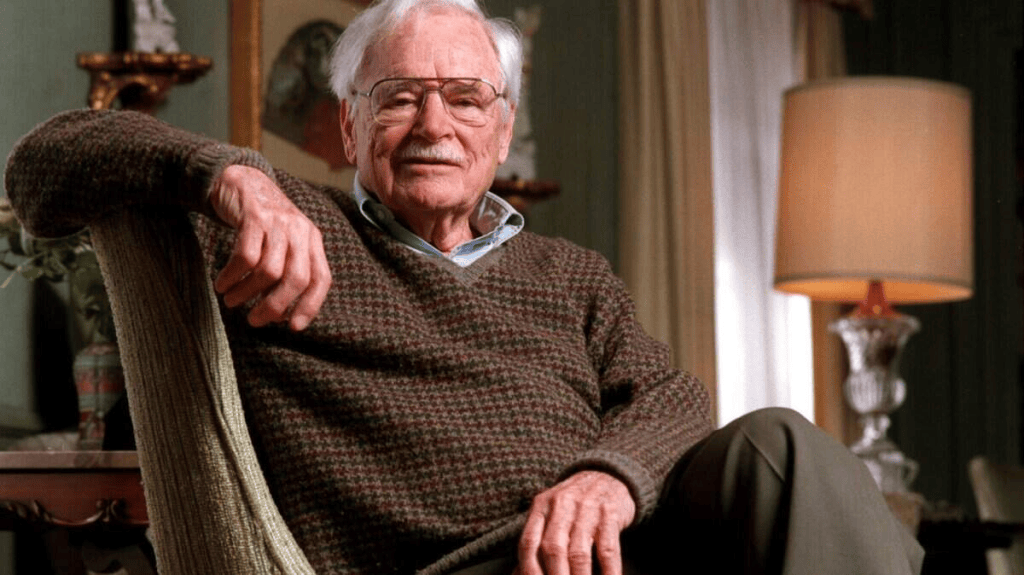
Charlie White was retired in 1997 when this photo was taken, but he still practiced medicine a bit, flying to Haiti on a medical mission. “It’s a doctor’s fundamental dedication to take care of people whether we get paid or not,” he told The Star at the time. Jeff Roberson The Kansas City Star


The remarkable story of Dr. Charlie White and the courage to keep moving forward

What does it take to live well—not simply to live a long life, but to remain hopeful, curious, and strong through difficult times?

Dr. Charlie White lived to be 109 years old. He experienced more than a century of enormous changes, but what fascinates me most about his life is not his age. It is how he faced adversity.

When Charlie was only eight years old, his father died suddenly in a tragic elevator accident. His father was just 42. Charlie’s mother was left a widow with five children and no job or obvious means of support. Charlie’s mother turned their home into a boardinghouse to make ends meet. She expected her children to help and gradually taught them to become independent and responsible for their own lives. Charlie later remembered that his mother had essentially put “the responsibility of life” on them. Because she believed they could manage, they learned to believe in themselves.

Something else important happened during those difficult years. Among the people who stayed in their home were medical missionaries. Meeting them helped inspire Charlie to become a doctor.

He did not allow the loss of his father to become the definition of his life.

Instead, he continued his education, entered medicine, and eventually built not one but two medical careers. He lived through the Great Depression, two world wars, enormous changes in medicine, personal losses, and many other challenges.

What strikes me most about Charlie’s story is that resilience did not mean that life stopped hurting. It meant that he continued to participate in life after the hurt.

He learned to adapt.

When medicine changed, he changed with it. When opportunities were lost, he looked for new ones. When he made mistakes, he did not seem to spend his life regretting them. He remained curious about what could come next. His biographer, David Von Drehle, described him not simply as a survivor, but as someone who learned how to thrive through change.
Sometimes we misunderstand resilience.

Being resilient does not mean that we never feel sad, afraid, or discouraged. It means that pain does not have to become the end of our story.

We may lose someone we love.

We may fail.

Our plans may suddenly change.

Someone may disappoint us.

Life may take us in a direction we never expected.

We cannot always choose the circumstances. But we can ask:

What can I do now?

That simple question can give us the strength to take the next step.

Adaptability Is a Form of Wisdom

Charlie lived through a world that changed almost beyond recognition.

Yet he continued to learn and adapt.

This is something we all need today.

The world changes quickly. Technology changes. Our circumstances change. Our bodies change. Relationships change. Sometimes even our dreams change.

Adaptability does not mean abandoning our values.

It means learning how to carry our values into new circumstances.

We can remain kind while adapting.

We can remain honest while adapting.

We can remain hopeful while adapting.

Charlie lived for 109 years, but longevity itself was not his greatest lesson.

A meaningful life is not measured only by the number of years we receive.

It is measured by how we use those years.

Can we continue learning?

Can we forgive?

Can we help others?

Can we remain curious?

Can we appreciate what we have?

Can we face uncertainty without giving up hope?

Charlie understood that life would never be perfect. Yet he continued to meet it with optimism and openness.

Perhaps that is why his story speaks to me.

When something painful happens, we can allow ourselves to grieve—but still move forward.

When circumstances change, we can adapt without losing ourselves.
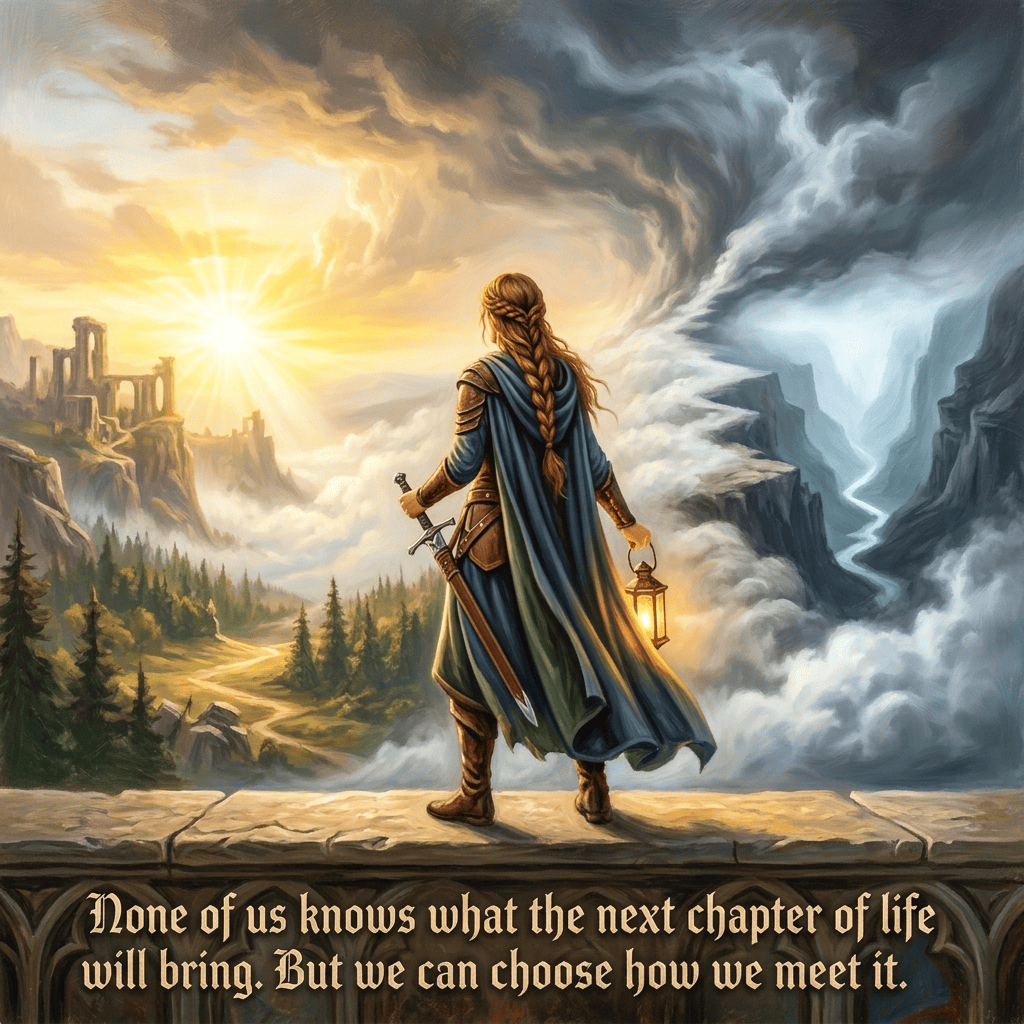
Braided warrior with sword and lantern overlooking ruins beneath storm clouds; text: "None of us knows what the next chapter of life will bring. But we can choose how we meet it."

When we make mistakes, we can learn rather than remain trapped in regret.

When tomorrow is uncertain, we can still choose hope.

Dr. Charlie White could not choose what happened to him when he was eight years old.

But he could choose what he did with the life that followed.

And perhaps that is the deepest lesson of his 109 years:

We cannot always choose what happens to us.
But we can choose how we meet what happens.

Sometimes, that choice becomes the beginning of our greatest strength.

Link:https://peacelilysite.com/2026/09/16/he-lost-his-father-at-8-what-a-109-year-old-doctor-taught-us-about-life/

Source: https://www.kansascity.com/news/local/article275107916.html

Virginia Satir: A Master of Family Therapy and the Healing Power of Her Words

When I Am Strong Enough Inside

Virginia Satir (1916–1988) was a trailblazer in the field of family therapy, earning worldwide recognition as a distinguished psychotherapist and one of America’s most influential family therapists. Dubbed “everybody’s family therapist” by Human Behavior magazine, Satir devoted her life to uncovering the complexities of human relationships and exploring the essence of what it means to be human. Her groundbreaking principles for fostering effective family communication continue to be revered and applied by professionals across the globe.

Satir’s legacy extends beyond therapy rooms. Her poetic insights capture the depth of her understanding of human nature and emotions. One of her most touching poems, “When I Am Strong Enough Inside,” serves as a mirror reflecting our inner strength and vulnerability. These verses remind us that the negative voices within us can often overshadow our resilience. However, by engaging with empowering words like hers, we can nurture psychological flexibility and cultivate a more compassionate perspective toward ourselves and others. Here is an excerpt from her poem that encapsulates her profound messag.

When I Am Strong Enough Inside

When I’m strong enough inside,
You blame me,
I feel your pain;
You flatter me,
I see you need approval;
You’re crazy,
I understand your vulnerability and fear;
You interrupt,
I know how much you want to be seen.

When I’m strong enough inside,
I no longer defend,
All the forces,
Free flow between us.
Grievance, depression, guilt, sadness, anger, pain,
When they flow freely.
I feel warm in sorrow,
Find strength in anger,
See hope in pain.

Screenshot

When I’m strong enough inside,
I will not attack.
I know,
When I stop hurting myself,
Then no one can hurt me.
I lay down my arms,
Open heart,
When my heart softens,
In love and compassion,
Meet you bright and warm.

Originally, let the heart strong,
All I need is,
Seeing myself,
Accept what I can’t do,
Appreciate what I’ve done.
And believe,
Through this journey,
Can live out their own, bloom their own.

In these lines, Satir masterfully conveys her belief in the transformative power of understanding the reasons behind others’ actions. Instead of reacting with judgment, she calls on us to see the humanity in others, even when their behavior is challenging.

Her poem continues with a heartfelt reminder that by releasing our own emotions—be it anger, sadness, or guilt—we can uncover strength, warmth, and hope. She encourages us to let go of self-defensiveness, to embrace compassion, and to see ourselves and others with clarity and acceptance.

When I encountered this poem, I was struck by Satir’s tender view of humanity. It eloquently sheds light on behaviors we often judge harshly—blaming, seeking approval, over-rationalizing, or interrupting. Yet, rather than condemning these actions, she invites us to see the vulnerability and pain behind them. This perspective challenged me to think: if my heart were stronger, if I could move beyond my own wounds, perhaps I too could approach the world with such gentle understanding.

Satir’s poem inspires a transformative journey of self-awareness and growth. To build inner strength, she suggests we:

  • See ourselves as we truly are, without judgment.
  • Accept our imperfections with kindness.
  • Appreciate our progress and achievements.
  • Trust in our ability to live authentically and bloom fully.

Her words serve as both a reminder and an invitation—to embrace our humanity, nurture our resilience, and extend the same understanding to others.

Even today, Virginia Satir’s work continues to inspire people to heal, connect, and thrive. Through her profound poetry and her legacy as a master therapist, she reminds us that inner strength and compassion are at the heart of meaningful relationships and a fulfilling life.

Link:https://peacelilysite.com/2024/11/12/virginia-satir-a-master-of-family-therapy-and-the-healing-power-of-her-words/

Live Life With No Regrets

Photo by Pixabay on Pexels.com

The Inspiring Story of Jim Thorpe

Life often presents us with challenges and setbacks that can seem insurmountable. It’s easy to get caught up in excuses and let these obstacles hold us back. However, the story of Jim Thorpe, a Native American athlete who overcame tremendous adversity, serves as a powerful reminder that we have the ability to rise above any circumstance and achieve greatness.

In the early morning hours of his competitions at the 1912 Olympics, Jim Thorpe faced a daunting setback – his shoes were stolen. Left with no other options, he scoured the area and stumbled upon two discarded shoes in a garbage can. However, fate seemed determined to test his resolve as one of the shoes was too big. Undeterred, Jim wore an extra sock to compensate for the ill-fitting shoe. This incident alone showcases Jim’s unwavering determination and refusal to let circumstances dictate his success.

Jim Thorpe at the 1912 Olympics. Note the mismatched track shoes. Thorpe’s shoes went missing from his duffel before his track events, and he had to scrounge replacements. One was lent by a fellow competitor, and one he found in the trash. Photo courtesy of Robert Wheeler and Flo Ridlon

Despite the odds stacked against him, Jim Thorpe refused to succumb to self-pity or give in to excuses. He understood that life doesn’t always play fair, but it is our response to these challenges that truly defines us. With a steely resolve, he stepped onto the track and field, determined to give his best despite the circumstances. And that’s precisely what he did.

Against all expectations, Jim Thorpe not only competed but excelled in the 1912 Olympics. He won two gold medals that day, showcasing his exceptional athletic prowess and mental fortitude. Jim’s story resonates deeply as a symbol of resilience, inspiring us to look beyond our own limitations and strive for greatness, no matter the obstacles we face.

Jim Thorpe’s journey teaches us an invaluable lesson – we have the power to choose our response to life’s challenges. It’s easy to make excuses and let setbacks define us, but true growth and success come from pushing past those excuses. Whether it’s stolen shoes, failed relationships, or health issues, we can choose to rise above them and keep moving forward.

We often find ourselves caught between reasons and results. Jim Thorpe’s story emphasizes that we cannot have both. By embracing a results-oriented mindset, we shift our focus from dwelling on the reasons why things aren’t going our way to actively pursuing the outcomes we desire. It’s through action and perseverance that we create our own opportunities for success.

As we face the challenges that life throws at us, let us remember the incredible story of Jim Thorpe. His resilience, determination, and refusal to be held back by excuses serve as a powerful reminder that we have the ability to overcome any obstacle and achieve our goals. Instead of resigning ourselves to the unfairness of life, let’s choose to live with no regrets, push through our limitations, and continue running our race. Embrace the spirit of Jim Thorpe and strive for the gold in all aspects of your life.

The Inspiring Story of Jim Thorpe

Link:https://peacelilysite.com/2023/06/07/live-life-with-no-regrets/

#JimThorpe #Olympics #GoldMedal #Challenges #Resilience #determination#Regrets