San Francisco Hua Zang Si Temple Celebrates 20th Anniversary with Charity Event: “Love Without Limits” Donation Drive


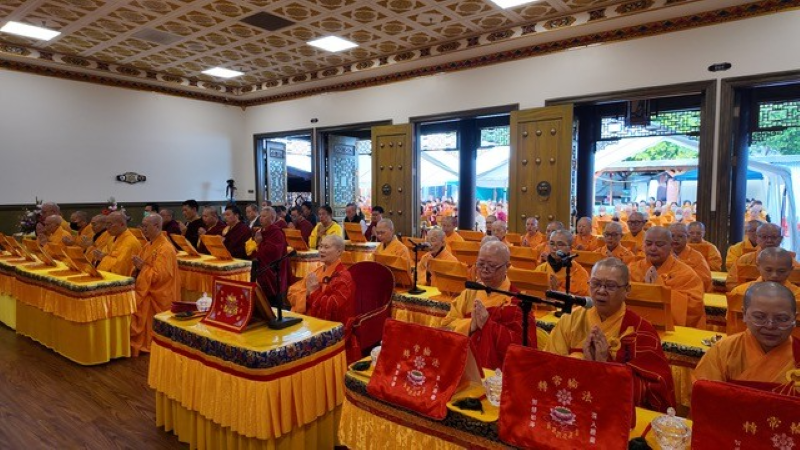
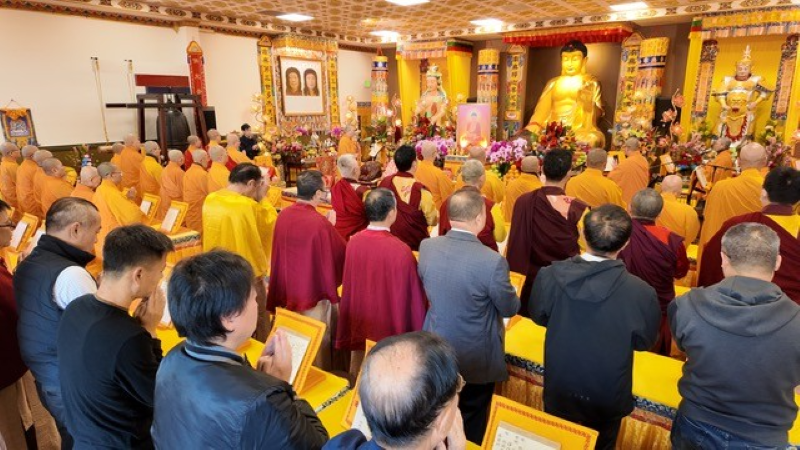
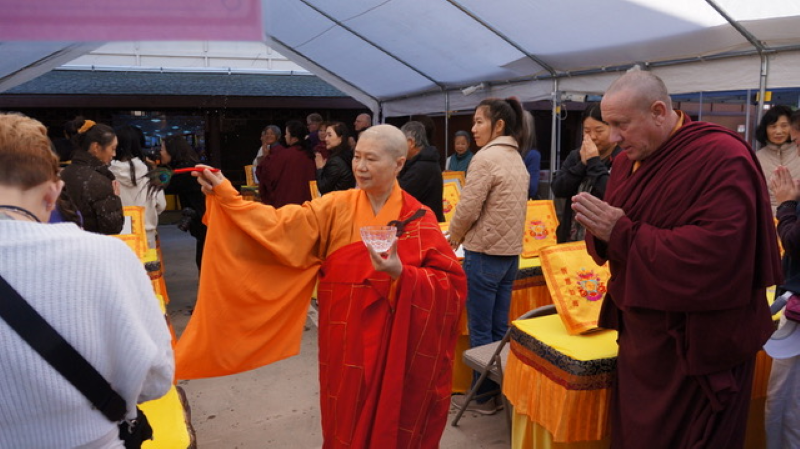
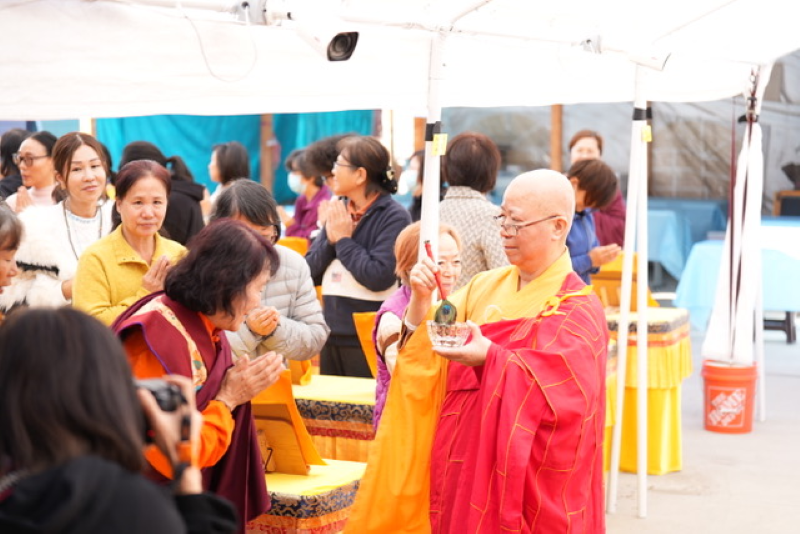
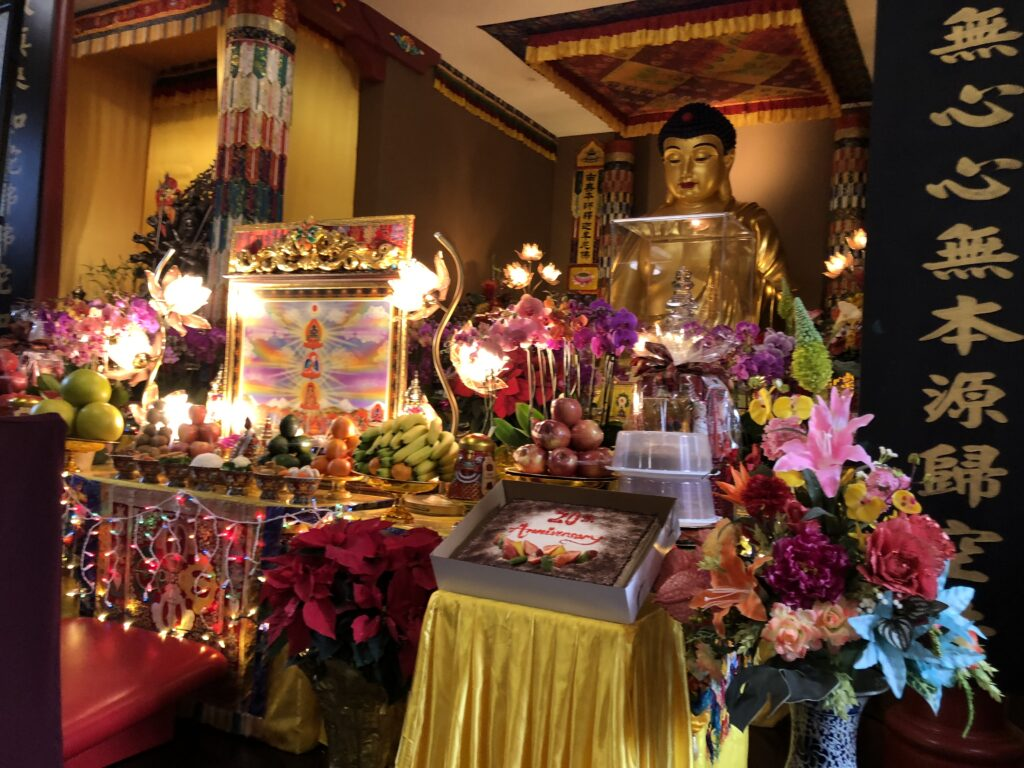
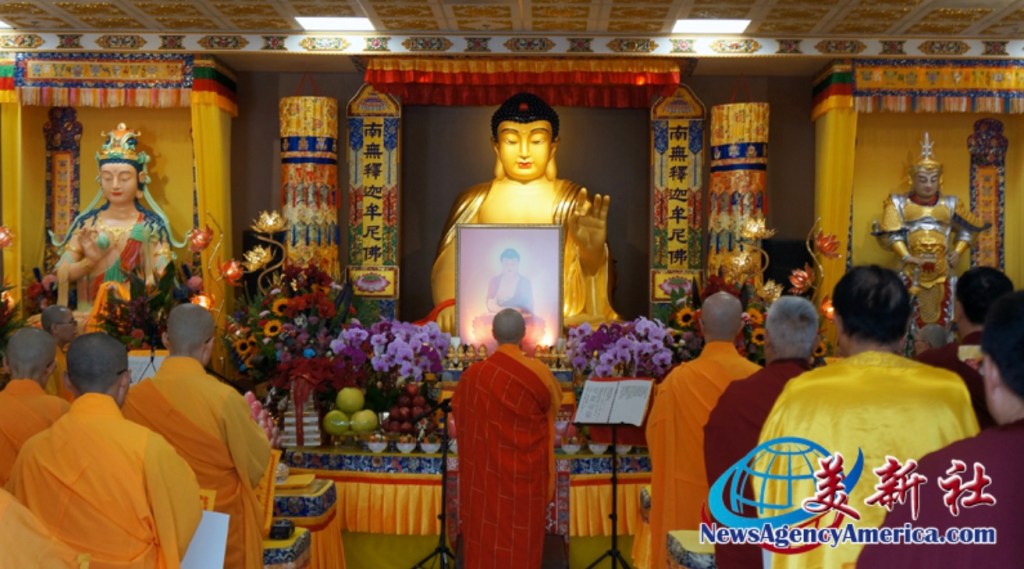
San Francisco Hua Zang Si Temple Celebrates 20th Anniversary with Charity Event: “Love Without Limits” Donation Drive Photo Courtesy: Joyce Lee (The Hua Zang Si Temple held a Dharma Assembly to celebrate the Holy Birthday of Amitabha Buddha)

The San Francisco Hua Zang Si Temple, inaugurated on December 26, 2004, upholds and promotes the genuine teachings of H.H. Dorje Chang Buddha III, the incarnation of the primordial Buddha, and the World-Honored Shakyamuni Buddha, extending boundless compassion and kindness to all beings. 

Guided by the teachings of H.H. Dorje Chang Buddha III, Hua Zang Si Temple has actively participated in various charitable activities for many years, including organizing New Year entertainment events in nursing homes, assisting with hospital relocations, providing food relief to disaster-affected areas, and holding garage sales, with all proceeds donated to vulnerable groups. The temple expressed their hope that this spirit of helping others will continue to flourish: “In acts of kindness, seeds of virtue grow, a family that sows goodness finds happiness in full flow.”

San Francisco Hua Zang Si Temple Celebrates 20th Anniversary with Charity Event: "Love Without Limits” Donation Drive
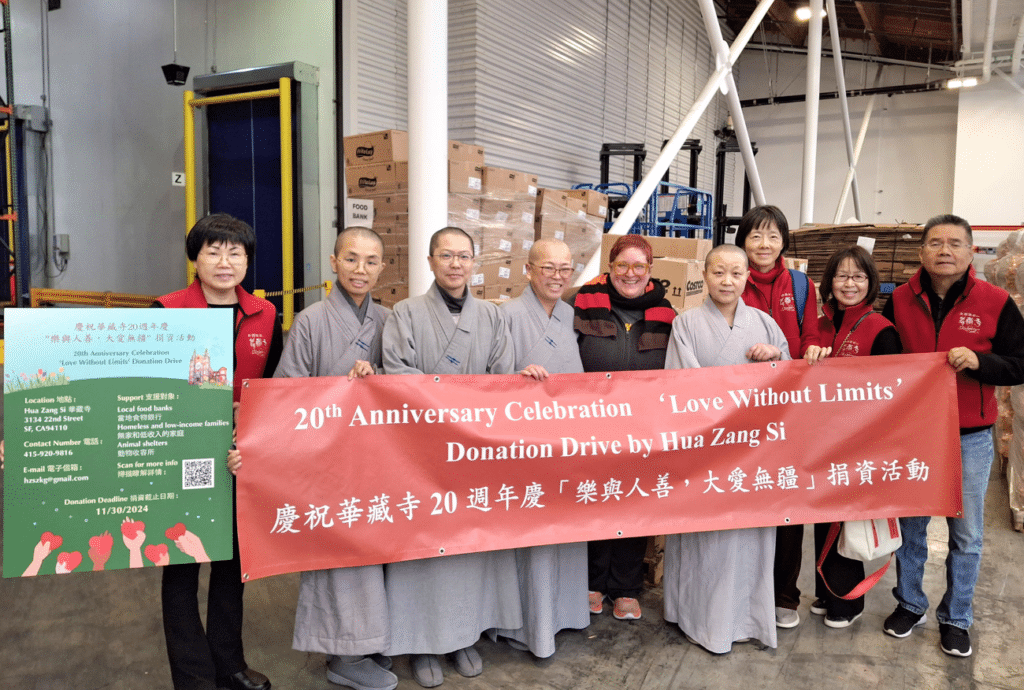
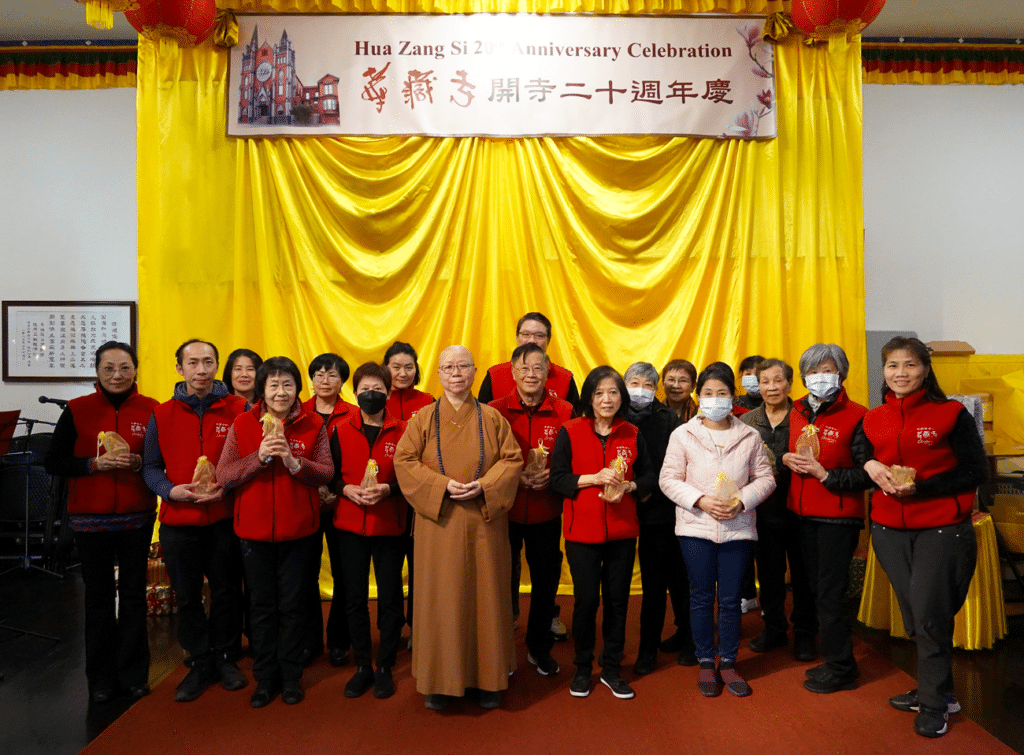
Photo Courtesy: Natty Kao (Nuns from Hua Zang Si Temple and volunteers from the Dharma-Protecting Fellowship of Hua Zang Si donated items to San Francisco Marin Food Bank.)

To commemorate its 20th anniversary, Hua Zang Si launched a month-long charity drive titled “Love Without Limits” in November, supporting animal rescue centers, homeless and low-income families, and local food banks. On the morning of December 15, a Dharma Assembly was held to celebrate the Holy Birthday of Amitabha Buddha, praying for world peace and the well-being of all people. The afternoon featured a 20th-anniversary performance and raffle, attended by nearly 300 people.

By December, Hua Zang Si had collected a total of 812 items, categorized into three main types: 241 animal supplies, including dog collars, walking harnesses, pet carriers, and disposable puppy pads; 211 baby and cookware items, including baby bottle drying racks, baby bodysuits, air fryers, and cookware sets; and a total of 2,265 pounds of food, including rice, pasta, and other food items. On December 11, nuns from Hua Zang Si Temple and volunteers from the Dharma-Protecting Fellowship of Hua Zang Si delivered these items to Muttville Senior Dog Rescue, the Homeless Prenatal Program (HPP), and the San Francisco Marin Food Bank.

San Francisco Hua Zang Si Temple Celebrates 20th Anniversary with Charity Event: "Love Without Limits” Donation Drive
Photo Courtesy: Joyce Lee 
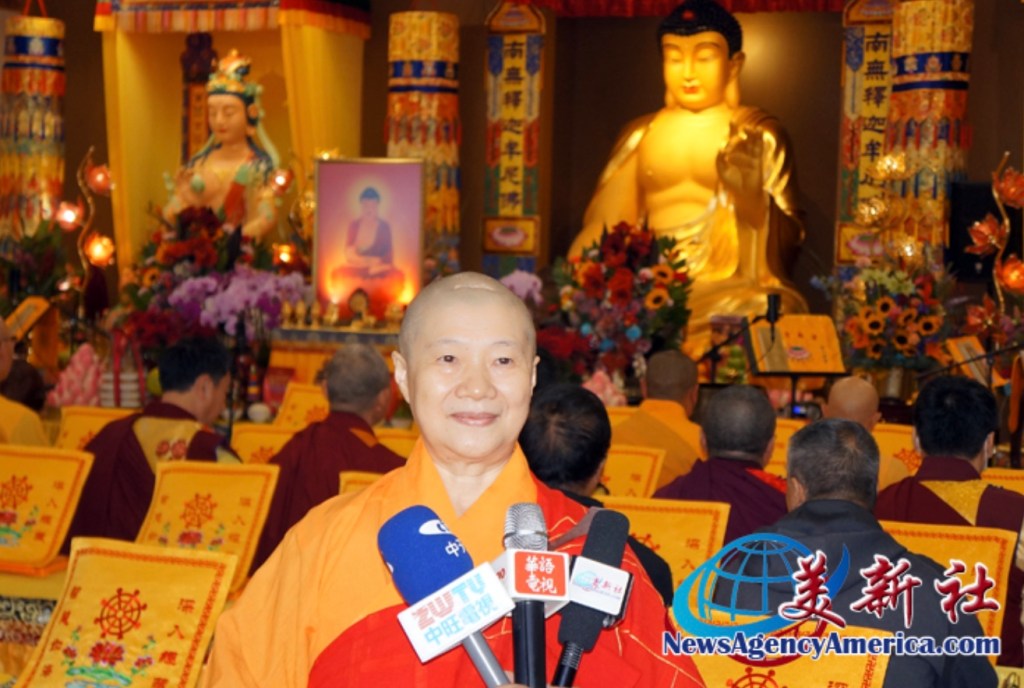
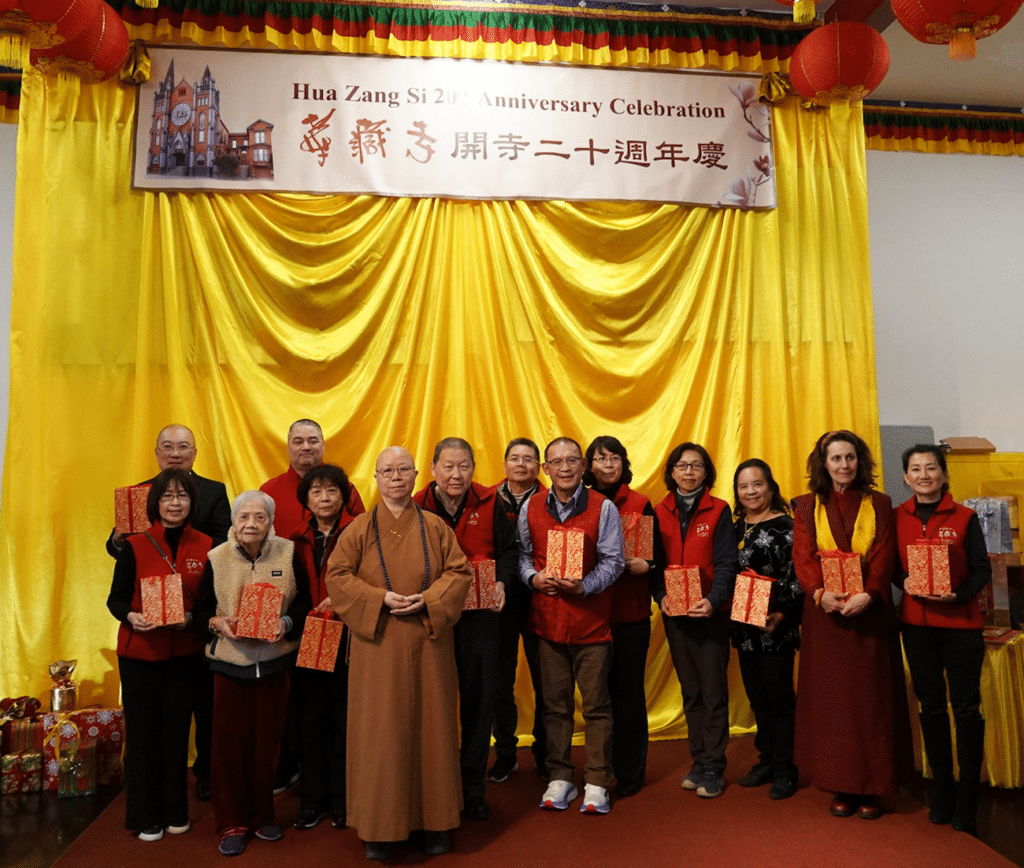
(The abbess of Hua Zang Si Temple awarded 20 years’ service awards to volunteers.)
Photo Courtesy: Joyce Lee (The abbess of Hua Zang Si Temple awarded 20 years’ service awards to volunteers.)

As the first cage-free rescue organization in the U.S. and California’s first nonprofit dedicated to rescuing senior dogs, Muttville has rescued nearly 13,000 senior dogs over the past 17 years, providing support for about 100 senior dogs each month. The generous donations from Hua Zang Si were gratefully received, greatly aiding in the care and rehoming efforts for these senior dogs.

The San Francisco Marin Food Bank, a nonprofit organization dedicated to addressing hunger in San Francisco and Marin counties, distributed over 60 million pounds of food this year, thanks in part to Hua Zang Si’s year-end support. In these regions, one in five people faces food insecurity, and the temple’s contributions have significantly bolstered the food bank’s efforts. The donated food from the temple will be utilized in various community programs, including after-school programs, Boy and Girl Scouts, ensuring that nutritious meals reach those in need.

San Francisco Hua Zang Si Temple Celebrates 20th Anniversary with Charity Event: "Love Without Limits” Donation Drive
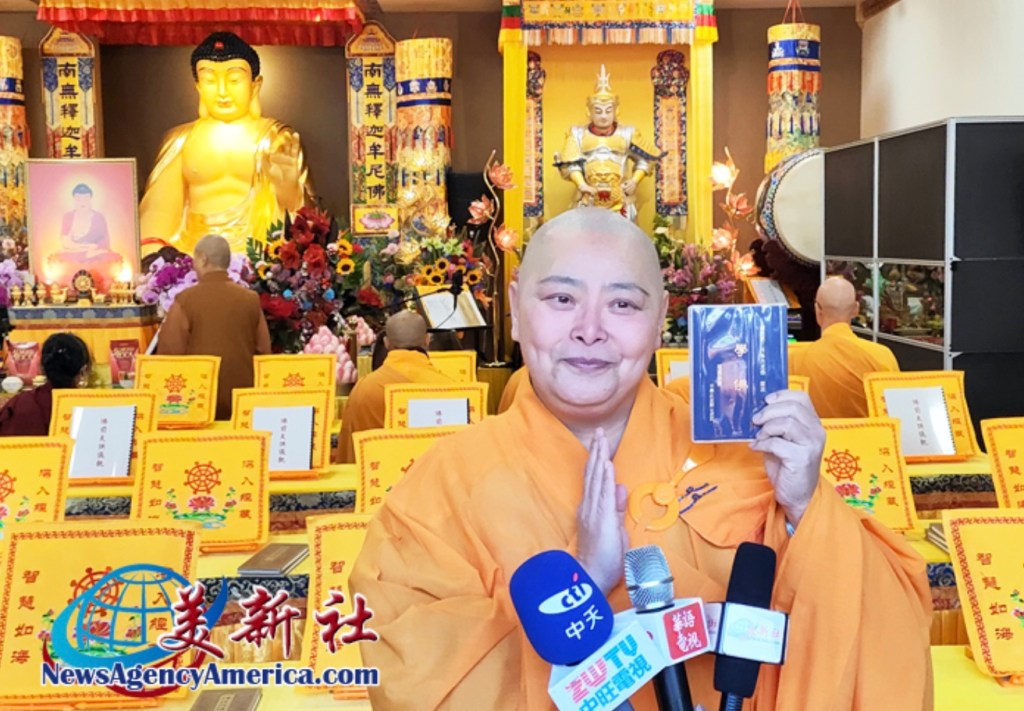
Photo Courtesy: Joyce Lee
(The abbess of Hua Zang Si Temple awarded 10 years’ service awards to volunteers.)

The Homeless Prenatal Program (HPP), a renowned family support center in the U.S, serves over 4,000 vulnerable families each year, particularly aiding mothers seeking assistance during pregnancy and parenting. The temple’s donations have significantly enhanced HPP’s ability to support mothers and children facing life challenges.

On the afternoon of December 15, the 20th-anniversary celebration was held in the main shrine of Hua Zang Si, featuring live performances of several classic philosophical songs with lyrics written by H.H. Dorje Chang Buddha III, cello performances of various songs, a mesmerizing Tibetan dance, and an exciting raffle with numerous prizes. The event provided a visual and auditory feast for nearly 300 attendees. The celebration concluded with a heartfelt group sing-along of “Buddha Holding My Hand,” bringing the 20th-anniversary festivities to a perfect close.

Looking ahead, Hua Zang Si will continue to serve as a beacon of love and care within the community. They hope more people will join in these acts of kindness, creating a warm, loving, and harmonious society together.


The above article is from the World Reporter, December 23, 2024.

Link:https://peacelilysite.com/2025/01/08/san-francisco-hua-zang-si-temple-celebrates-20th-anniversary-with-charity-event-love-without-limits-donation-drive/

Relatives of Western Disciple of H.H. Dorje Chang Buddha III Wan Ko Yeshe Norbu Go to Western Paradise of Ultimate Bliss

When Zhaxi Zhuoma’s close relative died, she asked H.H. Dorje Chang Buddha III, “What should I do?” As a result of her sincere request, H.H. Dorje Chang Buddha III performed a very wonderful and amazing ceremony that enabled her to see her relative, actually go to the Western Paradise of Ultimate Bliss (Sukhavati). This is a very high ritual of the Supreme Yoga Vajra Division, which cannot be discussed in detail with those who have not received initiation. However, she was able to report that she actually witnessed with her own eyes the miraculous scene where this person was transported to the sixth level of this Buddha-land that is beyond the worldly realms of suffering and sorrow. There are nine levels all together in the Western Paradise of Ultimate Bliss. This is the highest tier of the middle level, known as the Zhong Pin Shang Sheng in Chinese.

The picture of this person quivered in her hands as the ceremony began. It seemed that he could hardly wait. Or was this in response to the extraordinary dharma powers of the H.H. Dorje Chang Buddha III? It was a glorious and marvelous sight! There are no words that can express the joy she experienced when this event took place. His Holiness explained that this was because she was able to obtain a “glimpse” of the bliss that occurs in the Western Paradise. There is no other Dharma King or master who can do this! It was incredible!

Earlier H.H.Dorje Chang Buddha III  allowed Zhaxi Zhuoma to see the sufferings of Hell. Now she was able to experience the bliss of the Western Paradise. The Petitioning the Western Paradise of Ultimate Bliss Dharma is a very high and special dharma that is rarely practiced in this world. Many people want to go to the Western Paradise, but can’t. They would like to receive this dharma or have it performed for their loved ones, but can’t. Zhaxi Zhuoma said, “I have been with H.H.Dorje Chang Buddha III  for six years and seen him perform very many forms of inner tantric initiations and received some, but this is the first time that I have seen him perform this particular dharma. It was only through the maturing of certain causes and conditions that this ritual was successfully performed.“

“My dear relative, who was ninety when he died, had been a good Christian man, but knew nothing of Buddhism. His only contact with Buddhism had been through knowing me, although he had also met my younger vajra sister, Ven. Akou Lamo Rinpoche, in 2003 when we briefly visited him while on tour of the U.S.. Ven. Akou Lamo Rinpoche is a great rinpoche from Tibet and also a close disciple of H.H.Dorje Chang Buddha III . I am sure we were the only Buddhists he had ever even heard of, let alone met. “ This person had lived a good life and was very kind and generous, being willing to go to great lengths to help those who needed help. His immediate family, who are all also good Christians, were quite certain that he would go to the Christian heaven, but who would have thought that he would have had the good fortune to escape the realm of reincarnation altogether?

He had, after all, also been an avid hunter and fisherman and had killed many living beings in his life. With such negative karma, how could he be reborn in heaven? Needless to say, it would be even more impossible for him to go to the Western Paradise. But H.H. Dorje Chang Buddha III’s Buddha-dharma is so magnificent! I could actually witness my relative going to this superb Buddha-land and enjoying the incomparable happiness one finds there. His Holiness told me, ‘You are a rinpoche. That is why you can see this.’

“I was horrified when the minister giving the eulogy at my relative’s funeral praised him for teaching his grandchildren how to fish. I wanted to cry out “How can you praise someone for teaching children how to kill?” but I held my tongue and remained silent. In this rural community and this culture, hunting and fishing are very important, both for food and for pleasure. They do not understand the principles of either reincarnation or karma. It is only through the incredible merit, dharma skills, and great compassion of the H.H.Dorje Chang Buddha III  that this could happen.

“Just eleven days after my relative left this world, his wife also left. She was also ninety. H.H. Dorje Chang Buddha III was also able to raise her consciousness so that she could join her husband in the Western Paradise. I saw the Buddhas and Bodhisattvas come to the sacred mandala to receive her and witnessed their acceptance of her into the Western Paradise. This was a different ceremony held at a different mandala. At first it looked as though she might not be able to make it. H.H. Dorje Chang Buddha III went back and practiced the dharma a second time. This time he was able to send her to this paradise of eternal joy and happiness.

She, too, had been a good Christian, but knew nothing about Buddhism. She also did not have the good fortune to meet Ven. Akou Lamo Rinpoche. However, she was still able to go to the Western Paradise. It was so amazing. This was because of the incredible compassion and Buddha-dharma powers of H.H. Dorje Chang Buddha III Wan Ko Yeshe Norbu Holiest Tathagata. The Buddha-dharma is magnificent!”

In 2004 H.H.Dorje Chang Buddha III  performed another ceremony to raise the consciousness of Zhaxi Zhuoma’s non-Buddhist parents, Carl and Elsie Welker, to a higher realm as well. At that time she saw the Dharma Protecting Deities come to perform this rite. She was very, very grateful to her vajra master for his kindness and compassion in blessing her dear relatives. These miraculous Buddha-dharma events, performed for those who had not practiced or known anything about Buddhism, were all due to the amazing merit and compassion of H.H. Dorje Chang Buddha III Wan Ko Yeshe Norbu. He was willing and able to share his boundless merit with these non-Buddhist to enable them to enjoy the blessings of Amitabha Buddha’s Western Paradise. This was a great teaching on compassion and true equanimity.

REINCARNATION:

H.H. Dorje Chang Buddha III reminded us that we must realize that reincarnation is not something that just exists for Buddhists or easterners. It existed before the coming of the Buddha or before Jesus and continues to exist even after they have left this realm. It is a fact based on the principles of cause and effect. It does not exist because people believe in it or talk about it—it just exists. Nor does reincarnation cease to exist just because people do not accept it or believe in it. Only the Buddha was able to see how the cycle of reincarnation worked and to realize the method for escaping the suffering that is inherent in continual rebirth in the six realms of existence. Only a Buddha is capable of understanding the workings of karma.

Some concept of “heaven” or a “happy hunting ground” or “paradise” is held by most religions. Buddhism recognizes these realms as well, but does not hold the various heavens or abodes of the gods (devas or angels) and other celestial beings to be the goal of spiritual practice. They could be viewed as a “rest stop” or a nice vacation site, as one can surely go to these wonderful places if one lives a good life, avoids evil, and accumulates sufficient “merit.” However, even in heaven, when one’s merit is used up (and it is very hard to accumulate more merit while in those realms—the pleasures are just too great), one must still be reborn and repay one’s karmic debts.

There is even no guarantee that living a good life is enough to enable you to have a good next life, for your karma from past lives may catch up with you on your next round. Only by becoming a holy or enlightened being (or saint), can one escape the cycle of reincarnation and the suffering of existence. The early Christians also believed in reincarnation, as do many Christians today, but it is not accepted as Christian dogma. There are two dharmas whereby one can go to the Western Paradise. One dharma involves repeatedly reciting Amitabha Buddha’s name. The other is Petitioning the Western Paradise of Ultimate Bliss Dharma, which is a very high and special dharma that very few people who have lived in this world could perform. Shakyamuni Buddha and the Ugyen Second Buddha, Great Dharma King Padmasambhava, could do it, as could great holy dharma kings after them. H.H. Dorje Chang Buddha III Wan Ko Yeshe Norbu, however, is more accomplished than any of these dharma kings.

No wonder H.E. Tangtong Gyalpo Great Bodhisattva, who was once the leader of the four main sects of esoteric Buddhism, wrote a congratulatory letter highly praising H.H. Dorje Chang Buddha III Wan Ko Yeshe Norbu’s proficiency in both esoteric and exoteric Buddhism and his wonderful mastery of the five vidyas. That letter also praised His Holiness as being the first person in history to accomplish this. Zhaxi Zhuoma said that “to my knowledge, His Holiness is the only living vajra master who can perform such a ceremony involving great dharma and have the Buddhas and Bodhisattvas come to the sacred altar to help the deceased reach this high level of achievement. We are very fortunate to have such a holy one with us here in America.”

Link:https://peacelilysite.com/2024/04/12/relatives-of-western-disciple-of-h-h-dorje-chang-buddha-iii-wan-ko-yeshe-norbu-go-to-western-paradise-of-ultimate-bliss/

#DorjeChangBuddhaIII #HHDorjeChangBuddhaIII#DorjeChangBuddha#WesternParadise #Buddhism

Buddha Speaks of Amitabha

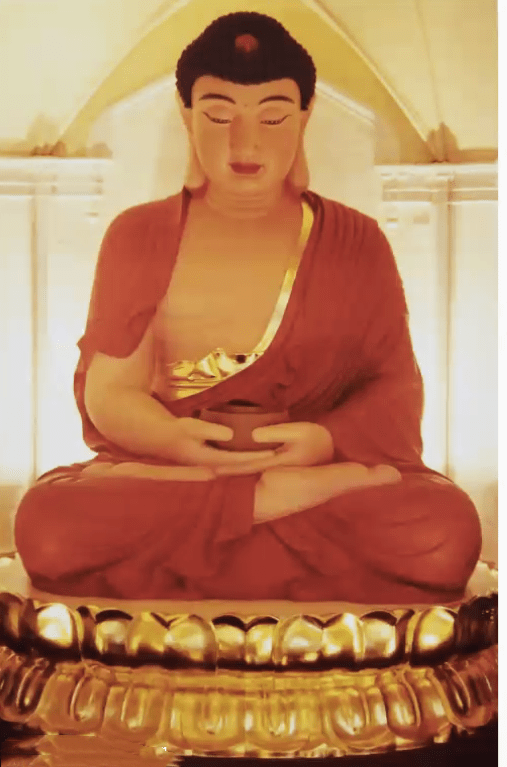
Solemn Amitabha Statue in Hua Zang Si Temple at San Francisco

Buddha Speaks of Amitabha

Once upon a time, it is said that the Buddha resided in Shravasti, within the Jeta Grove, situated in the garden of the Benefactor of Orphans and the Solitary. Accompanying him were a congregation of twelve hundred fifty great Bhiksus, all esteemed arhats whom the assembly recognized, including Elders Sariputra, Mahamaudgalyayana, Mahakasyapa, Hahakatyayana, Mahakaushtila, Revata, Suddhipanthaka, Nanda, Ananda, Rahula, Gavampati, Pindolabharadvaja, Kalodayin, Mahakaphina, Vaddujla, Aniruddha, and others. Additionally, numerous Bodhisattvas and celestial beings, including Ajita Bodhisattva, Gandhastin Bodhisattva, Nityodyukta Bodhisattva, and the chief of gods, Shakra, were present, along with countless beings from various heavens.

During that time, the Buddha addressed Elder Sariputra, saying, “Travel westward across hundreds of thousands of millions of Buddhalands, and you will reach a realm known as Ultimate Bliss. In this land, a Buddha named Amitabha currently imparts the teachings.”

“Sariputra, why is it called Ultimate Bliss? Because every being in this country is free from suffering and enjoys unbounded bliss, hence the name Ultimate Bliss.”

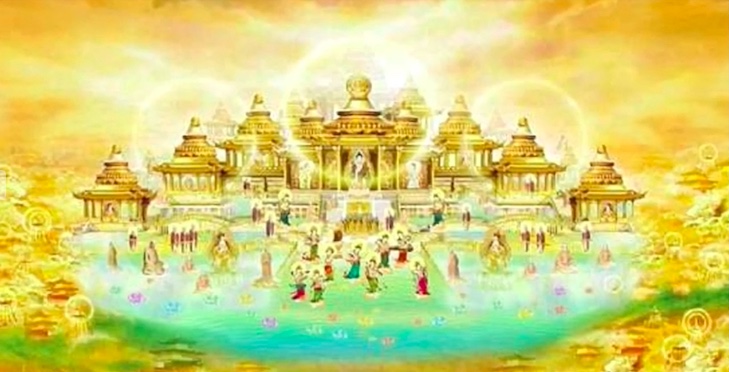
Furthermore, Sariputra, the land of Ultimate Bliss is enclosed by seven tiers of railing, crafted from the four treasures, thus earning its name. Pools of the seven jewels, filled with the eight waters of merit and virtue, grace this land. The pools boast pure bottoms covered in golden sand, with stairs of gold, silver, lapis lazuli, and crystal on each side. Raised pavilions, adorned with precious materials like gold, silver, lapis lazuli, crystal, mother-of-pearl, red pearls, and carnelian, grace the surroundings. Within these pools, lotuses with hues resembling carriage wheels bloom, emitting subtle, wonderfully fragrant, and pure scents.

“The realization of the land of Ultimate Bliss is thus adorned with merit,” Sariputra, the Buddha continued.

Moreover, in this Buddhaland, harmonious heavenly music perpetually resonates, and the ground is composed of yellow gold. During the six periods of day and night, a rain of mandarava flowers descends, and each morning, the inhabitants of this land offer myriad wonderful flowers to countless Buddhas in all directions. After their meals, they leisurely stroll through their homeland.

Sariputra, the land of Ultimate Bliss is abundantly adorned in this way.

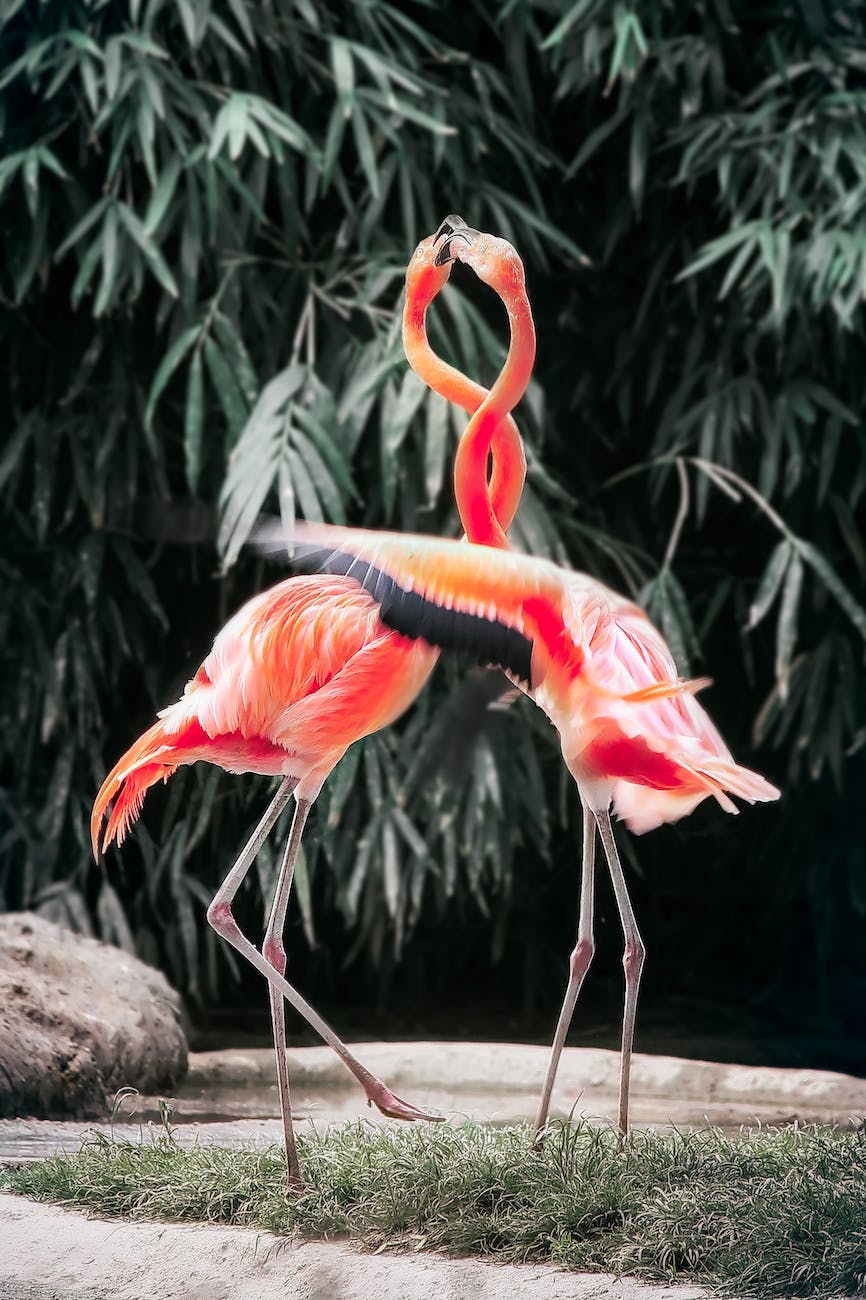
Furthermore, rare and exquisite varicolored birds, including white cranes, peacocks, parrots, egrets, kalavinkas, and two-headed birds, inhabit this land. In the six periods of the day and night, these flocks produce melodious and elegant sounds, proclaiming profound teachings such as the five roots, the five powers, the seven Bodhi shares, and the eight sagely way shares. When the inhabitants hear these sounds, they become mindful of the Buddha, the Dharma, and the Sangha.“Sariputra, do not assume these birds are karmic retribution. In this Buddhaland, there are no three evil ways of rebirth; in fact, not even the names of these ways exist. Amitabha Buddha, desiring to widely spread the Dharma sound, created this multitude of birds through transformation.”

The Buddha continued to describe the enchanting features of the land of Ultimate Bliss, its jeweled trees producing subtle and wonderful sounds when the soft wind blows. As these descriptions unfolded, Sariputra listened attentively, absorbing the profound beauty of this Buddhaland.

After detailing the splendors of the land, the Buddha turned to Sariputra and asked, “Why do you think this Buddha is called Amitabha?”

“The brilliance of Amitabha Buddha’s light is immeasurable, illuminating the lands of the ten directions without hindrance. He is called Amitabha for this reason. Furthermore, the lifespan of Amitabha Buddha and his people extends for countless kalpas, making him worthy of the name ‘Amitabha.’ Ten kalpas have passed since Amitabha attained Buddhahood.”

As the Buddha spoke, Sariputra gained deeper insights into the infinite virtues of Amitabha Buddha and the extraordinary qualities of the land of Ultimate Bliss.

The text continues to explore the presence and teachings of other Buddhas in different directions, emphasizing their encouragement for all living beings to believe, praise, and hold in reverence the inconceivable merit and virtue of the sutra.

Finally, the Buddha urged Sariputra and all present to have faith and make the vow to be born in Amitabha’s country, emphasizing the profound benefits and the irreversible attainment of anuttara-samyak-sambodhi for those who make this vow.

Upon concluding his teachings, the Buddha witnessed Sariputra, the bhiksus, gods, humans, and other celestial beings joyously receiving his words. The assembly, filled with reverence, bowed and withdrew, having absorbed the wisdom imparted by the Buddha.

Buddha Speaks of Amitabha

Link: https://peacelilysite.com/2023/12/06/buddha-speaks-of-amitabha/

#Amitabha

Source: wisdomtea.org/2023/11/30/buddha-speaks-of-amitabha/

Amitabha Pureland Practice and Amituofo Chanting

Amitabha Pureland Practice and Amituofo Chanting

Pure Land Buddhism (Chinese: 淨土宗) is a broad branch of Mahayana Buddhism focused on achieving rebirth in a Buddha’s Buddha-field or Pure Land. It is one of the most widely practiced traditions of Buddhism in East Asia. 

Pure Land is a tradition which is primarily focused on achieving rebirth in a Buddha’s “pure land” or buddha-field (Sanskrit: buddhakṣetra), which generally speaking is a Buddha’s field of influence. Some Buddha-fields are considered to be superior places to spiritually train for full Buddhahood, since a Buddha has compassionately “purified” it for this purpose and since in these realms, one can meet a Buddha face to face and study under them. The most common pure land today is that of Amitābha, called Sukhavati, “Land of Bliss”.

For many Buddhists, simply chanting the name of Amitabha Buddha, the Buddha of Infinite Light, is a complete mindfulness and devotional practice. Taking refuge in this way brings a feeling of immediate peace. Shakyamuni Buddha taught this method in the Amitabha Sutra. This simple, yet divinely rich practice combines devotion with mindfulness, of the sacred name of the Buddha.

The Buddha taught us many ways to practice in decades of teaching the Buddha Dharma, mapped out in 80,000 discourses and Sutras. Some of these are “learning practices” such as “Sutra recitation.” Others are vastly intricate and beautiful, such as Vajrayana visualization Sadhanas. Yet, for most of us, the sublimely simple practices are the best way to approach the Dharma, from mindfulness practice, to the most misunderstood of practices, chanting Amituofo. Ten Benefits of Chanting Namo Amituofo Practice Shakyamuni Buddha taught the 10 great benefits of chanting the name of Amitabha Buddha, as a complete practice, in the Amitabha Sutra. This is a devotional mindfulness practice. Single-Pointed focus and mindfulness is the ultimate goal, and can be achieved a number of ways.

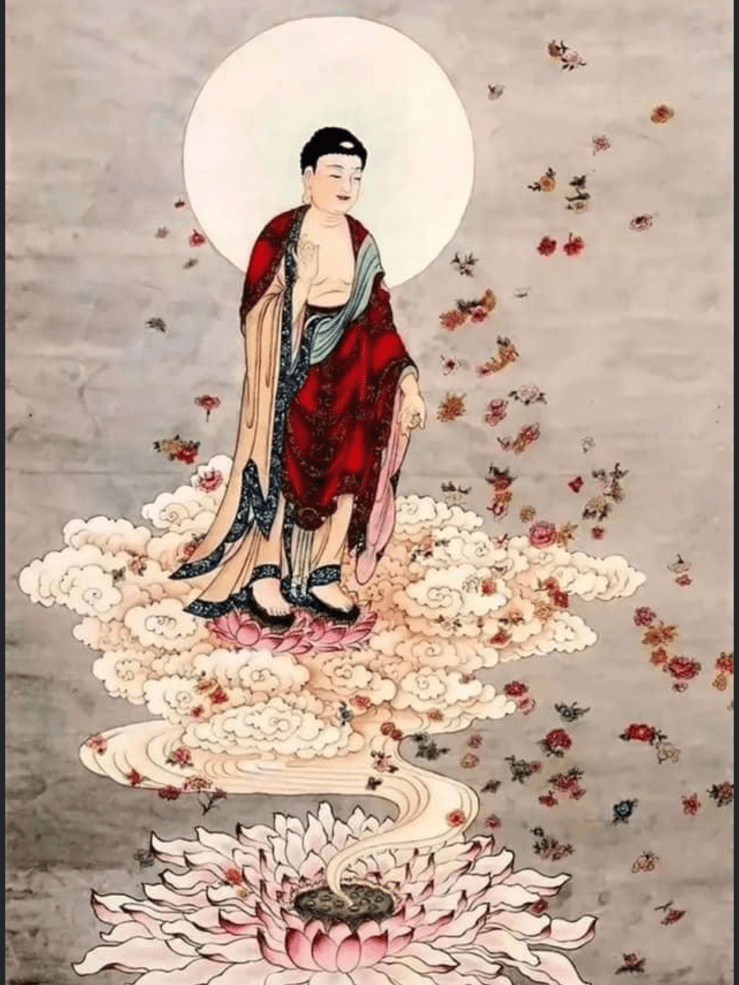
Three Holy Beings in Western Pure Land

Zen Koans are blissfully challenging. Watching the breath is a relaxing mindfulness practice. Chanting the Name or Name Praise of Amitabha is another quintessentially simple — yet penetratingly deep — practice. It makes the focus of our mindfulness, the Perfect Buddha. These ten great benefits of chanting Amitabha, as taught in sutra, include protection, support of all the Buddhas and Bodhisattvas, purification of negative karmas, restful sleep, a peaceful mind, and rebirth in Amitabha’s Pure Land. When you participate in this elegant and powerful practice, you feel immediate peace and comfort.

The entire practice is to mindfully chant the name — sometimes just the name, sometimes as a praise — of the Buddha of Infinite Light, Amitabha. Often this is embellished with the wondrous sound of the hypnotic fish drum, or the regular gong of a bell. Sometimes it is chanted musically; sometimes spoken; sometimes whispered. The immediate reward: a feeling of peace and protection. Many Buddhists — in Non-Pureland traditions — tend to think the practice is too simple, too reliant on faith and praise. If we think this way, we are missing the point. Single-Pointed Focus on Amitabha Like other traditions with single-focus meditation methods, Pureland Buddhist’s chant the name of Amitabha over and over. Mindfulness of the name of Amitabha is a powerful and profound practice. Instead of remaining mindful of something mundane, such as breath, or your walk in the park, Amituofo chanting keeps our mind focused in the present moment on the Enlightened Perfection of Amitabha Buddha. The entire practice is to simply chant, or say, with mindfulness: Amitabha, Amitabha, Amitabha… nothing else. Or using the Chinese version of the name Amituofo, Amituofo, Amituofo. Fo translates as Buddha. Keep the mind focused, in the present moment, on just the sound of your own voice: Amituofo, Amituofo, Amituofo.

Amitabha Pureland Practice and Amituofo Chanting

Link: https://peacelilysite.com/2022/12/16/amitabha-pureland-practice-and-amituofo-chanting/

#AmitabhaBuddha#WesternParadise#BuddhaStatue#BuddhaNameChanting#PureLand#BuddhistSutra#AmituofoChanting

Amitabha Holy Birthday Assembly at Hua Zang Si

Amitabha Holy Birthday Assembly at Hua Zang Si

This December 4th, a Dharma Assembly for the Holy Birthday of Amitabha Buddha was held at Hua Zang Si, located at San Francisco. About two hundred people attended the assembly. The weather was very sunny, clean and fresh after heavy rain the day before. It was a very happy time. Ever since the pandemic period started, Hua Zang Si has been closed to the public. This was a precious opportunity for buddhist disciples to get together.

The main venue was held at the second floor of the temple, the Amitabha Buddha Hall. The twenty-one foot tall statue of Amitabha Buddha (designed by H.H. Dorje Chang Buddha III) has been generally recognized as the most majestic Buddhist statue in the world. It is an extremely solemn sight. The Buddha’s eyes seem alive, looking down at all beings full of compassion and love.

First we chanted Buddha Expounding Amitabha Sutra,then we made the meal offering to the Buddhas and Buddhisattvas, at the end Master RuoHui RuZun gave us a short Dharm speech and we all prayed to the Buddhas and Bodhisattvas to grant blessings and protections to all beings in the world.

Amitabha Holy Birthday Assembly at Hua Zang Si

I greatly enjoyed the assembly, so much so that after it ended I still didn’t want to leave. I stayed and helped to clean up the site. I also prostrated to the Amitabha Buddha and kneel down and pray wholeheartedly: Please Buddha save me from the birth-death cycle, please take me to the western paradise. 

I always wondered how this magnificent Amitabha Statue was installed in the hall. I found out an amazing story behind it. The sitting statue of Amitabha Buddha is inside the grand hall on the second floor. The statue of Amitabha Buddha was paid for with H.H. Dorje Chang Buddha III‘s money from selling his paintings. The molding of the statue was also based on the blueprint drawn by the Buddha. During the process of molding,  H.H. Dorje Chang Buddha III modified the model eight times in person. All places that did not conform to the stipulation of the dharma were corrected and re-molded. After the completion, this statue was judged to be the most solemn Buddha statue in the world. The height of the statue of Amitabha Buddha was 6.7 meters (22 feet) and two narrow stairways with 180-degree turns have to be passed to go upstairs, the manufactured Buddha statue had to be first cut into several pieces and reassembled together after moving onto the second floor. Therefore, this statue was divided into seven parts and shipped in three containers to Hua Zang Si (the temple).

After the Buddha statue was unloaded, everyone in the temple were participating in carrying each part of the statue respectfully and carefully to the second floor. We were surprised to find that the sizes of the seven components all fit correctly into the narrow space in the stairway and all turns were made smoothly on the way to the second floor. In addition, there was no damage to the surface paint coating or any other place of the Buddha statue, thanks to the blessings from all Buddhas and Bodhisattvas, as well as dharma protectors.

The process of installing the Buddha statues into seats and surface gold-gilding went very smoothly. There were no signs of reassembly. We all happily stood in front of the Buddha statues with unlimited reverence in our minds. Such solemn grand Buddha statue can only be seen at Hua Zang Si in San Francisco of America, because it was made under the personal guidance from  H.H. Dorje Chang Buddha III!

Namo H.H. Dorje Chang Buddha III !

Namo Amitabha !

Amitabha Holy Birthday Assembly at Hua Zang Si

Link: https://peacelilysite.com/2022/12/15/amitabha-holy-birthday-assembly-at-hua-zang-si/

#DorjeChangBuddhaIII #HHDorjeChangBuddhaIII #HuaZangSi#SanFrancisco#AmitabhaBuddha#WesternParadise#BuddhaStatue#BuddhaAssembly

Legends of One thousand-armed and one thousand-eyed Avalokiteshvara Bodhisattva

Legends of One thousand-armed and one thousand-eyed Avalokiteshvara Bodhisattva 


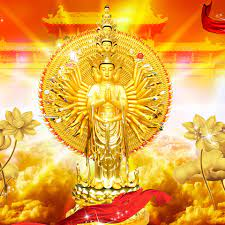
GuanShiYin (Avalokiteshvara) Bodhisattva is a well-known Buddhism figure in China and southeastern Asian. There are many different kinds of status and portraits of Guan Shi Yin Bodhisattva in the world. The most legendary one is one thousand-armed and one thousand-eyed form.

The Bodhisattva is personified as the symbol of compassion, and is frequently mentioned as the god of mercy who will help anybody who finds himself in trouble mentally or physically. He can infallibly eradicate all mundale sufferings. In order to achieve his ends, he can assume various forms, According to the text Karandavyuha Sutra he manifests all possible forms of life for the sake of ignorant and to bring liberation to living. It says: “As different people belonged to different faiths, this compassionate Bodhisattva was obliged to assume the shape of all gods of all faiths.”

Avalokiteshvara, the Bodhisattva of compassion, in front of Buddha Amitabha made to commitment to intentionally manifest into the three realms of Samsara in order to harrow the depths; that is to say, in order to stir from depths and completely liberate all sentient beings from samsara, and to be their supreme guide. Thus in the presence of Buddha Amitabha, Avalokiteshvara made this promise. Also he vowed that if by chance his compassion and his courageous mind of mercy for sentient beings were to decrease, then may his head and his body just completely crack and fall into one thousand pieces.

When Buddha was residing at the Veluvana garden he was surrounded by Arahats. There were five different divine rays coming out of his circle of hair between the eyebrows in the middle of the forehead and gradually it formed itself into a rainbow. Thereafter it went to the north in the direction of the Himalaya country of Tibet. At that time Buddha looked and smiled, then immediately Bodhisattva Sarvanivarana Viskambhi asked Buddha, What is the reason of your smiling, Lord? Buddha answered, “Noble boy! In the future there will be a pure Dharma through which one can be delivered to the path of liberation in the barbarian country of Tibet where there has never been a single Buddha for three junctions of time and there are uncountable demons and ghosts yet to time. “Therefore, Avalokiteshvara will tame those wild men, because once upon a time when he was a Bodhisattva he prayed to One thousand Buddhas Saying,” May all the transcendent bless me to be able to time those beings who are into barbarian country. May you bless that barbarian country through my taming, May you bless me to become the parent of those ghosts and demons;. May you bless me to free all those beings.

Once Amitabha Buddha placed his hand on the head of Avalokiteshvara and commanded that noble son, “Now you be the one who can tame the animated beings of the barbarian snow land whereas not a singly Buddha of the Three times has been there. This is the fruit of your sincere prayer for the purpose you have wished. Those suffering beings will be emancipated from the three lower realms as soon as they see your young holy body and hear the sound of the six mystic syllables, Om mani padme Hum. May your Bodhimind be manifested to the minds of ghosts, demons, evil spirits and hobgoblins and may they be striving with their minds for the benefit of others like Bodhisattvas, instead, of harming others. May all carnivorous animals-such as tigers, leopards, bears and snow bears abandon the mind of eating others and turn into the love of parents for each other, seeing your holy body and hearing the sound of the six syllables.

After making such commitments and blessings from Buddha Amitabha, Avalokiteshvara went by way of international manifestations into the three realms of samsara to be the supreme guide for all sentient beings.

Thereby he went to Hell and emancipated them from both the hot and cold hells by teaching the On mani padme hum. Then he went to ghost realms and emancipated from hunger and thirst after giving a discourse on the same. After that he went to the animal realms and emancipated them from hardship in labour. Then he came to the human realms and emancipated them from the intense suffering of birth, old age, sickness and death by a discourse on the same, Thus he also went to Asura realm and Deva realm to free them from their respective sufferings. 


So Avalokiteshvara went into of these realms of Samsara, and he absolutely emptied the ocean of sufferings. Following which he went back to Buddha Amitabha and he declared that the liberation had been affected.

Buddha Amitabha said to him,” You should look back again into world!” And as he did, there he saw that once again sentient beings were in samsara and in sorrow, he became so discouraged as he saw that his “awakening mind (Bodhicitta) decreased in the moment he lost his courage. When he became discouraged, in that moment, the promise that he had made earlier declined.

The three realms of Samsara are Kamadhatu, the desire realm, the Rupa dhatu, the Form realm and the Arupya dhaty, the formless realm,. These three reams are so vast and so are the different types of suffering that sentient beings must experience in these realms. When Avalokiteshvara beheld that still sentient beings were in this type of suffering condition in these three realms respectively, he become overcome with sorrow, he become discouraged in the very presence of Buddha Amitabha. He felt how could the time come to ever liberate all sentient beings from this type of promise that he had made before, his head and body just cracked and fell apart into one thousand prices, and he fainted.

Avalokiteshvara, thus fainted, and Buddha Amitabha said to his “My son, where has your courage, your mental strength gone? He picked up all the pieces of his head and the body. At the same time he said,” this happened because of your prayer. You deserve the praise of all Buddhas since your prayer was efficacious. However, Noble son Don’t worry! Thereby he blessed his broken head into eleven faces and he sat upon those heads, and his broken body into one thousand hands like one thousand petals. Thereafter he said,” I bow to you because your one thousand hands are the hands of the thousand universal emperors and those eyes in each of the hand palms are eyes of one thousand Buddhas who will appear in this fortunate aeon.  

Legends of One thousand-armed and one thousand-eyed Avalokiteshvara Bodhisattva

Link:  https://peacelilysite.com/2022/11/03/legends-of-one-thousand-armed-and-one-thousand-eyed-avalokiteshvara-bodhisattva/

#GuanShiYinBodhisattva#Buddhism#Buddha#BuddhaAmitabha#Onethousand-armedandone thousand-eyed#legend#Samsara#Mercy#Compassion

(Saddharmapundarika Sutra)

Source: https://buddhism.lib.ntu.edu.tw/FULLTEXT/JR-BH/bh117498.htm Min Bahadur ShakyaBuddhist Himalaya: A Journal of Nagarjuna Institute of Exact MethodsVol. No. I & II  (1989) Copyright 1989 by Nagarjuna Institute of Exact Methods