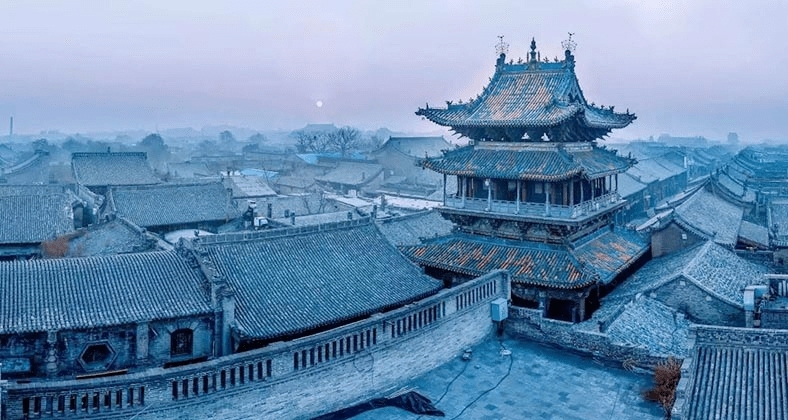
Pingyao Ancient City – The Best-preserved Ancient City in China
Pingyao Ancient City, with over 2,700 years of history, remains one of China’s best-preserved ancient cities. Its authentic layout features long, ancient city walls, elegant residences, courtyards, and a maze of streets and alleys that evoke the bustling county life of the Ming and Qing Dynasties. Designated a UNESCO World Cultural Heritage Site in 1997 alongside Shuanglin and Zhenguo Temples, Pingyao is one of the Four Most-Preserved Ancient Cities in China, making it a must-visit for those keen on history and culture.
A Journey Through Time
Pingyao was founded during the Western Zhou Dynasty in the 8th century BC, and it grew significantly during the Ming and Qing Dynasties. Unlike many ancient cities, it has survived wars and modernization, making it even older and more intact than famous counterparts like Lijiang Old Town, Huizhou Ancient City, and Langzhong Ancient City.
As the seat of county government since the Qin Dynasty (221 BC), Pingyao’s prominence only increased when its city walls were rebuilt and expanded in 1370. With over 400 ancient residential houses, government offices, shops, banks, and temples still standing, the city offers visitors a glimpse into traditional Chinese life, commerce, and religion.
Pingyao’s Unique Architecture
The architecture of Pingyao is one of its greatest treasures. Beyond its famous city walls and financial institutions, the city’s homes and structures reveal traditional design principles of the Ming and Qing Dynasties. Constructed using ancient techniques and materials, Pingyao’s buildings retain exquisite details in layout, decorations, and craftsmanship. When viewed from above, the city’s layout resembles a turtle, with the Southern Gate as its head, the Northern Gate as its tail, and the east and west gates representing its limbs.
Must-See Highlights in Pingyao
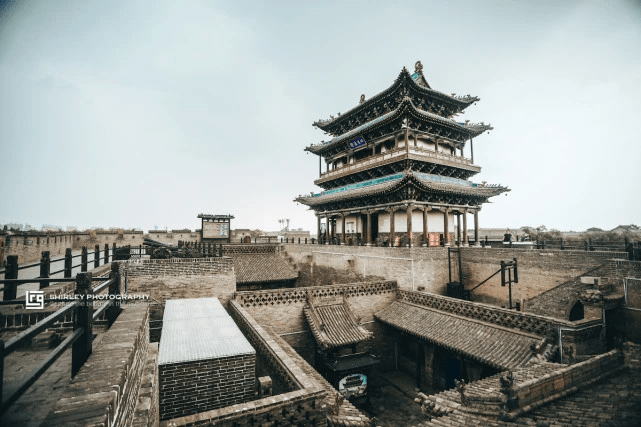
Ancient City Wall
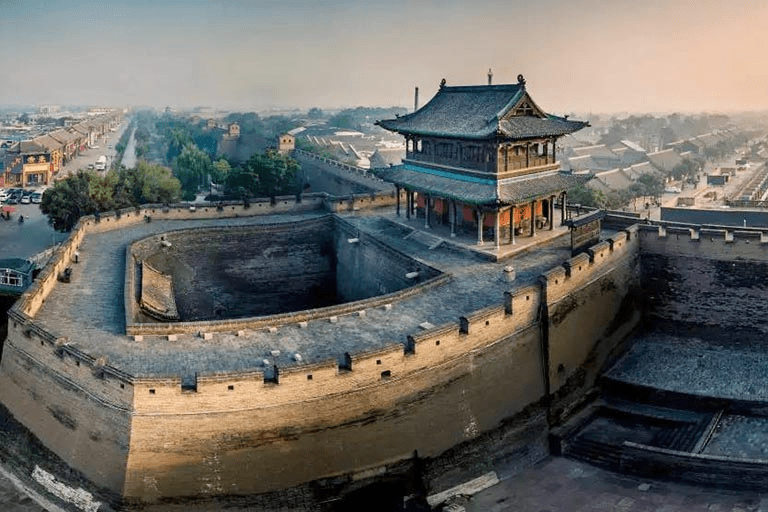
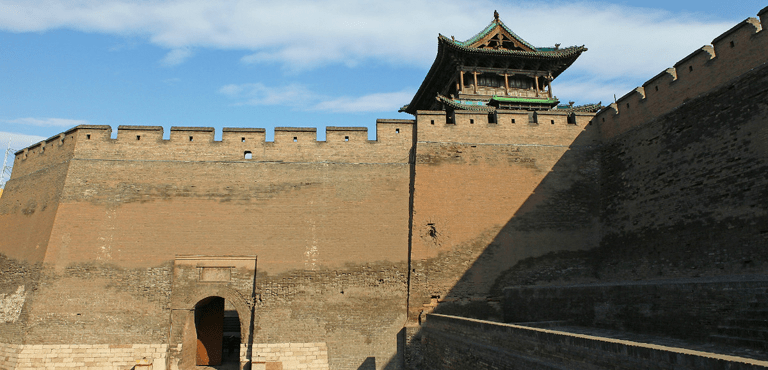
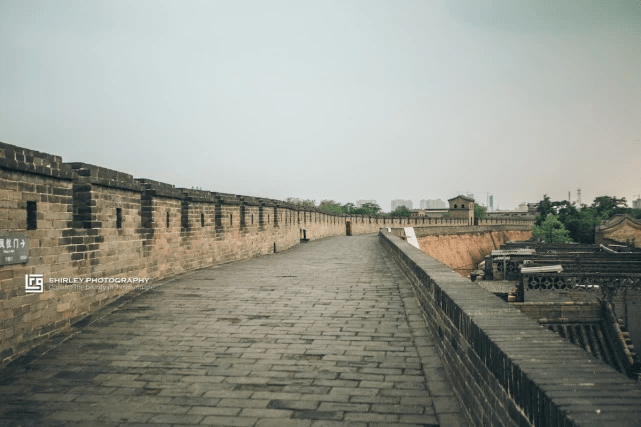
Built in 1370, Pingyao’s city walls stretch over 6,163 meters and are considered among the best-preserved in China. The walls stand 12 meters high, and at the top, you can explore 72 watchtowers, said to symbolize the 72 disciples of Confucius. Walking along the walls offers breathtaking views of the city below, the surrounding countryside, and the ancient military equipment once used to defend this historic town.

Rishengchang Former Bank
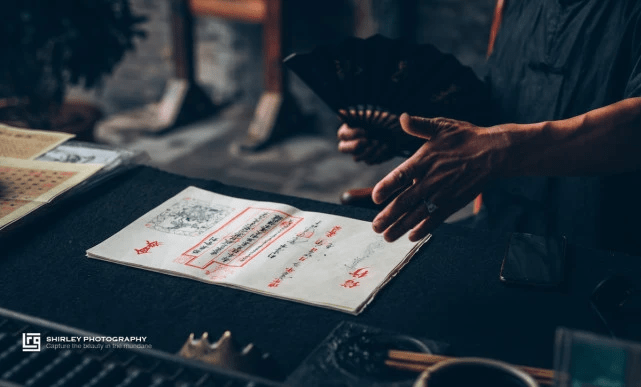
As China’s first modern bank, established in 1823, Rishengchang revolutionized financial operations in the Qing Dynasty. The museum here offers a fascinating look at China’s banking history, with exhibits on ancient financial tools, account books, and original working scenes.


North China First Escort Agency
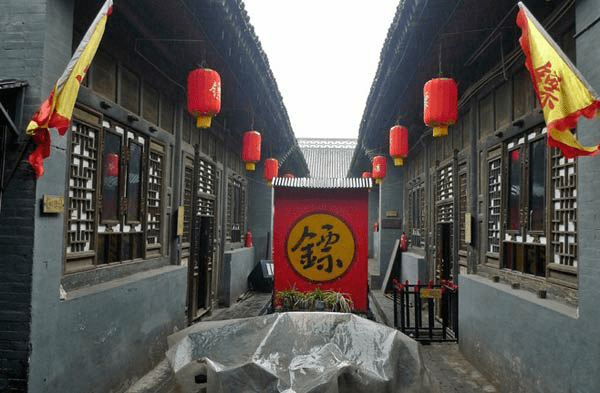
Known for its armed escorts protecting valuables, this agency thrived during the Qing Dynasty. Today, it’s a museum that tells the history of these brave escorts, showcasing the tools and techniques they used to safeguard goods during China’s bustling commercial era.

Pingyao Ancient Government Office
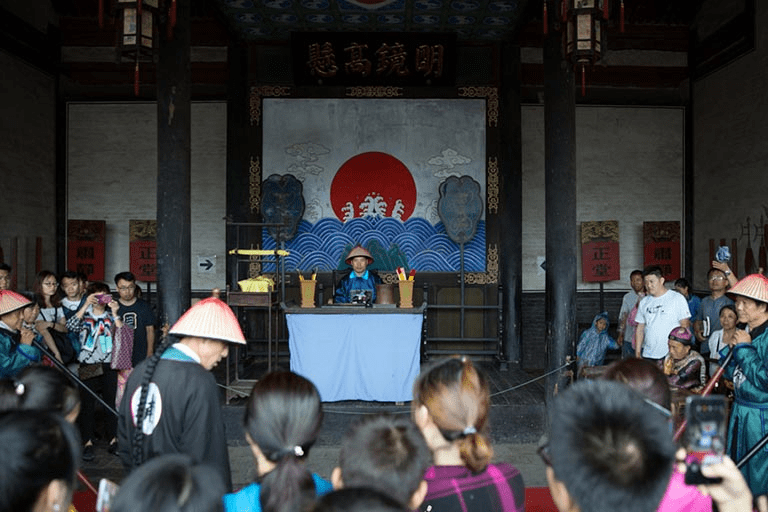
Dating back over 600 years, this grand office complex served as the seat of government in feudal China. Visitors can tour its judicial halls, ancient jails, and living quarters, and even watch performances of ancient court proceedings.



Temple of the City God
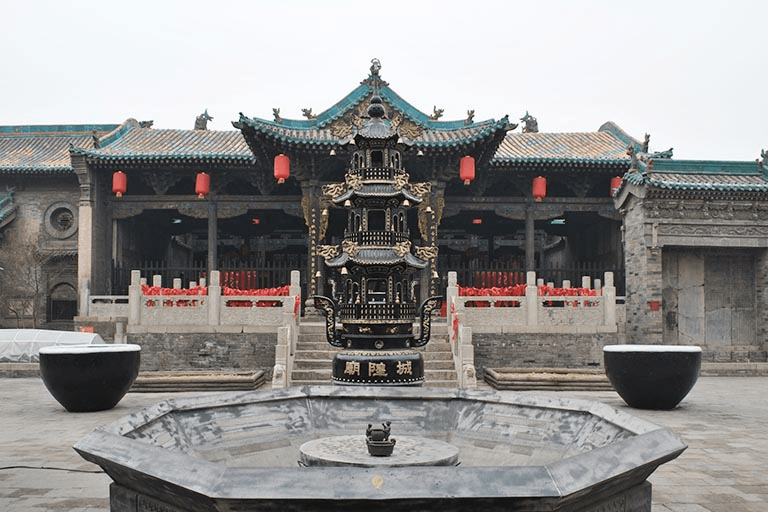
One of the most well-preserved City God temples in China, this Ming Dynasty complex is located in the eastern part of the city. With stunning wooden architecture, colored glazes, and vibrant frescoes, it’s a peaceful spot to take in the spiritual atmosphere while admiring the craftsmanship of centuries past.
Exploring Beyond the City
Pingyao Ancient City is part of a UNESCO-listed trio that includes the nearby Shuanglin and Zhenguo Temples, each rich with history and cultural significance.
- Zhenguo Temple
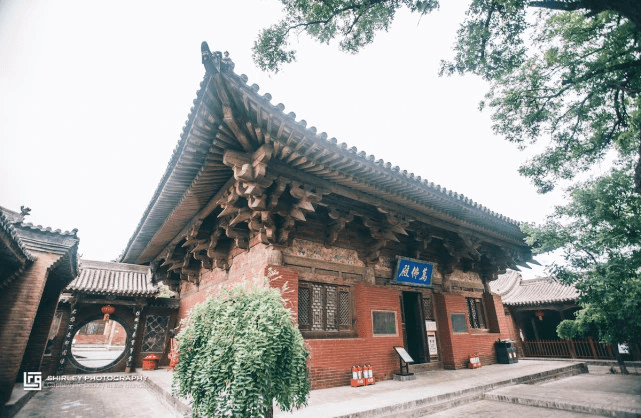
Although less known, Zhenguo Temple is a hidden gem, offering an impressive array of ancient painted sculptures from the Five Dynasties period. The Ten Thousand Buddha Hall houses statues with a powerful presence, showcasing techniques that date back to the Tang Dynasty.


- Shuanglin Temple
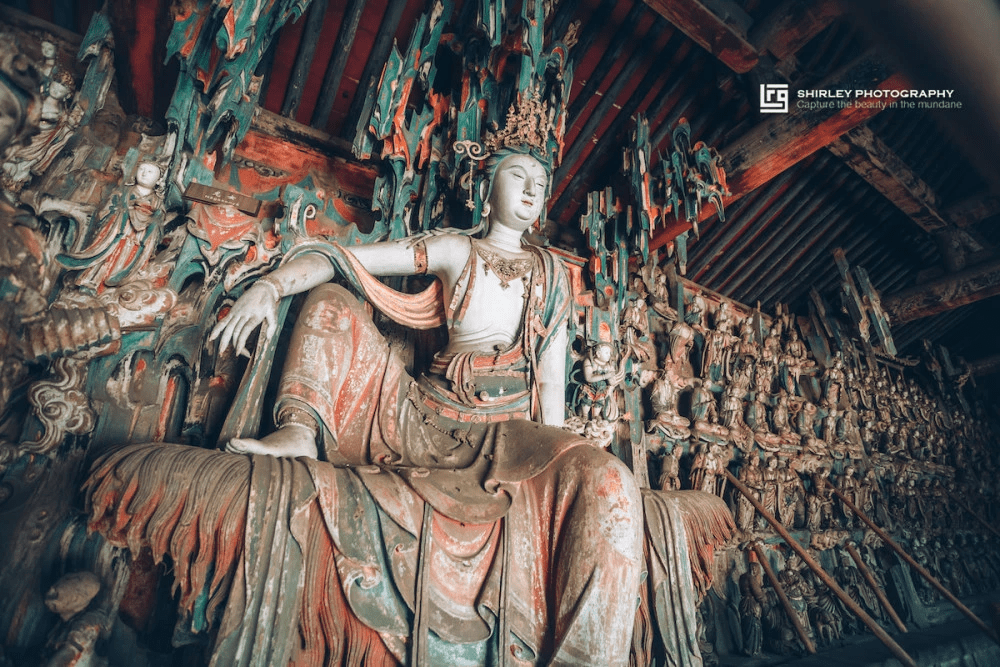
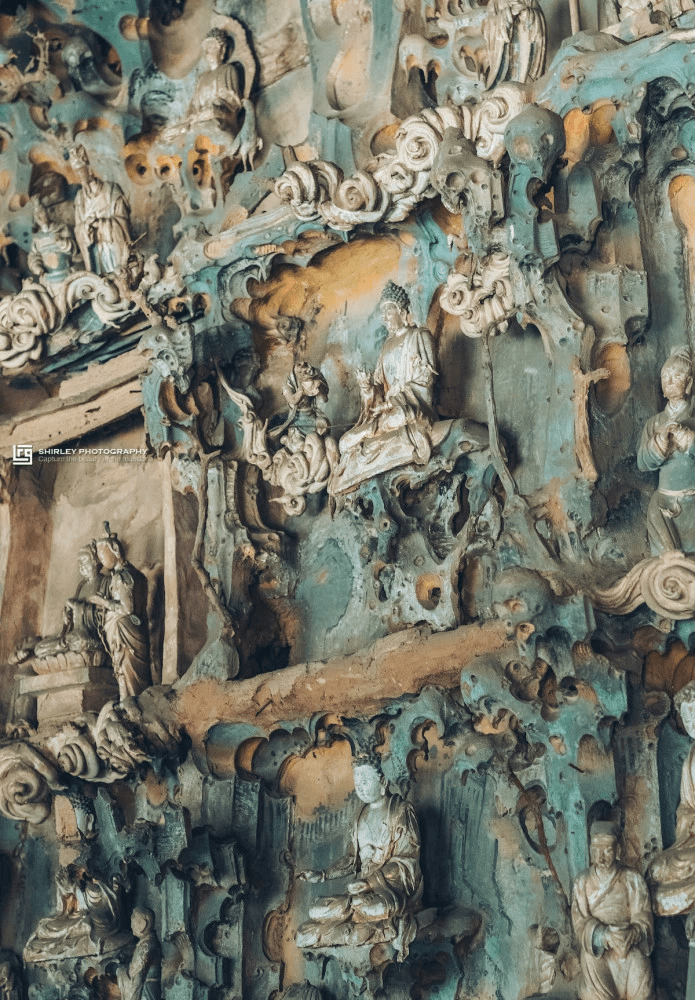
Located just 6 kilometers from Pingyao, Shuanglin Temple is a masterpiece of Chinese painted sculpture, with over 2,000 Ming Dynasty statues that appear lifelike, capturing human emotions and worldly charm.




A Culinary Adventure in Pingyao
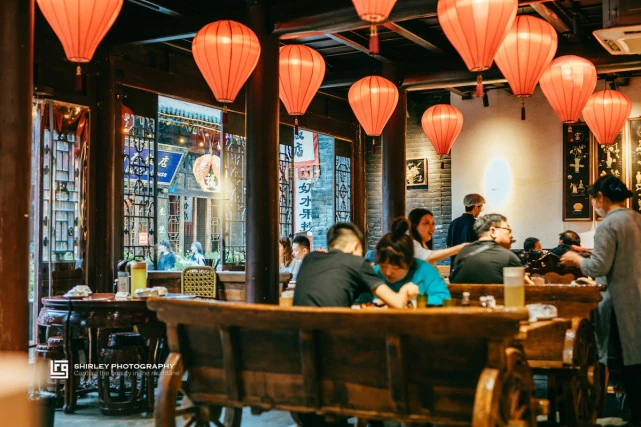
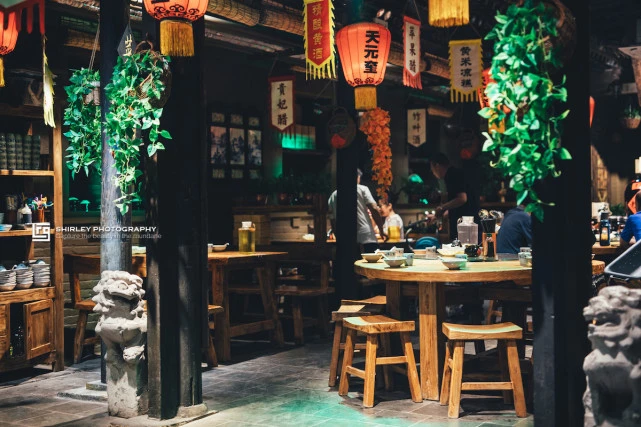
Pingyao boasts 108 types of local snacks and dishes, with noodles being the star. The city’s famous Pingyao Beef is a must-try, thinly sliced and bursting with flavor. Another local favorite is Pingyao Wantuo, a buckwheat dish with a chewy texture that’s perfect for summer, known for its cooling and detoxifying properties.


Tips for a Budget-Friendly Trip
Many tourist traps in Pingyao are located near the city’s outer entrances. Avoid being lured in by promotions outside and head straight into the ancient city for an authentic experience. Once inside, you can explore freely, with many areas open to the public.
- Ancient City Pass: The ¥125 pass includes access to 22 attractions, such as the city walls, government offices, and temples. If you’re just looking to wander the streets and grab a bite, entry to the ancient city itself is free. The pass is valid for three days and can be purchased via the official “Pingyao Ancient City Scenic Area” mini-program. Discounts are available for students, military personnel, and seniors.
Where to Stay: Accommodations in Pingyao

Staying inside the ancient city is the best way to fully immerse yourself in Pingyao’s charm. Not only is it convenient for sightseeing, but it also allows you to enjoy the beautiful night views and avoid the peak tourist times. Homestays within the city are affordable, ranging from ¥100-200+ per night, with some offering traditional heated beds that add a touch of historical authenticity to your stay.
However, be sure to check the reviews and photos before booking, as the quality of accommodations can vary. Some rooms may be small or lack private bathrooms, so it’s essential to do a little research beforehand.
Pingyao Ancient City is vast, so if your time is limited, focus on exploring the main attractions around South Street and East Street. For those staying longer, take the time to wander the quieter alleys to experience local life and discover hidden gems beyond the tourist hotspots.
Pingyao Ancient City offers a unique window into China’s rich history and cultural heritage. With its well-preserved architecture, vibrant temples, and fascinating museums, it’s a destination that promises to transport you back in time, offering unforgettable experiences at every turn.
Link:https://peacelilysite.com/2024/09/20/exploring-the-timeless-charm-of-pingyao-ancient-city/
Source: https://www.chinadiscovery.com/shanxi/pingyao/pingyao-ancient-city.html, https://new.qq.com/rain/a/20210825A00UZJ00




 Peace LiLy