How to Eat Healthy as a Vegetarian

How to Eat Healthy as a Vegetarian: A Complete Guide to Balanced Plant-Based Nutrition

Choosing a vegetarian lifestyle can be deeply meaningful — whether for health, compassion, the environment, or spiritual reasons. But simply cutting out meat does not automatically make a diet healthy. To feel energized, strong, and nourished, vegetarians need to understand how to balance nutrients, diversify foods, and support the body with wholesome meals.

This guide explains exactly how to eat healthy as a vegetarian, whether you are new to this lifestyle or wanting to improve your current eating habits.

1. Focus on Whole, Minimally Processed Foods

A healthy vegetarian diet begins with whole foods that deliver essential nutrients without excess sugar or artificial additives.

Include plenty of:

Tofu, tempeh, or other soy products

Fresh fruits

Vegetables of all colors

Whole grains (brown rice, quinoa, oats, barley)

Beans, lentils, and legumes

Nuts and seeds

Focus on Whole, Minimally Processed Foods

Whole foods provide fiber, vitamins, minerals, and plant compounds that support long-term health.

2. Prioritize Plant-Based Protein

Protein is essential for muscles, energy, hormones, and immune function. Vegetarians can easily meet their needs by mixing different protein sources throughout the day.

Healthy vegetarian proteins include:

Eggs*
(*for ovo-lacto vegetarians)

Lentils

Chickpeas

Black beans and kidney beans

Tofu and tempeh

Edamame

Greek yogurt*

Prioritize Plant-Based Protein

Combining proteins with whole grains, such as beans with brown rice, creates a complete amino acid profile.

3. Ensure Adequate Iron Intake

Vegetarians need to be mindful of iron because plant-based iron (non-heme iron) is absorbed less efficiently.

Adequate Iron Intake

Great vegetarian iron sources:

Iron-fortified cereals

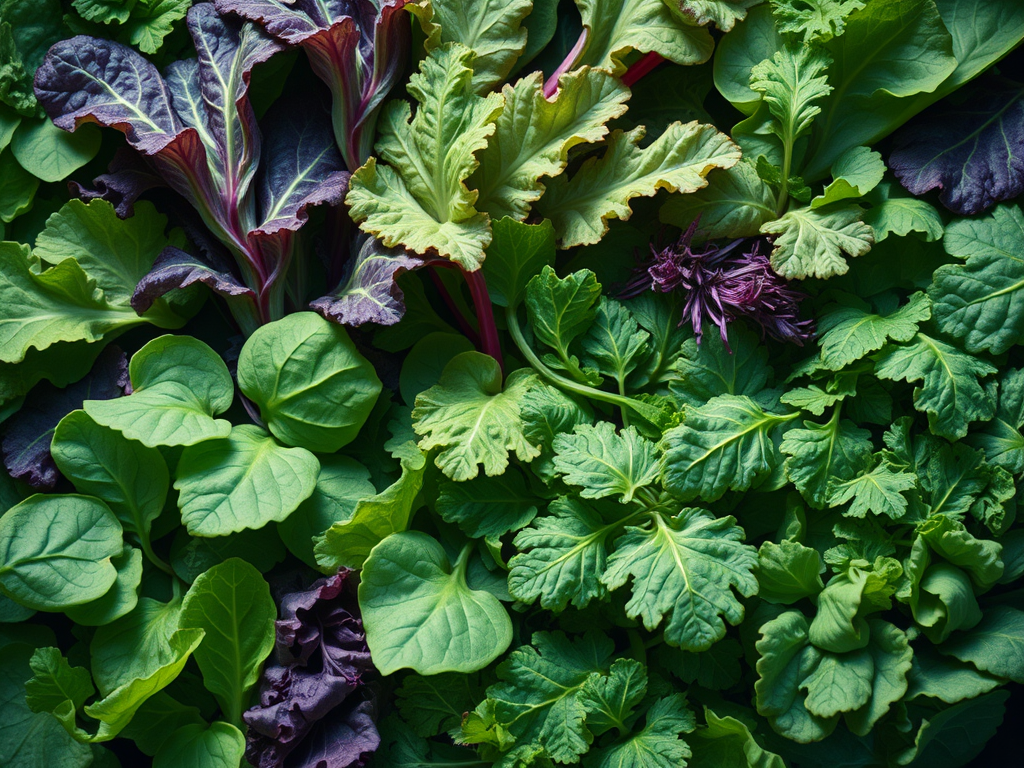
Spinach, kale, and dark leafy greens

Lentils and chickpeas

Pumpkin seeds

Blackstrap molasses

Tip: Eat iron-rich foods with vitamin C (citrus, tomatoes, berries) to boost absorption naturally.

4. Don’t Forget Vitamin B12

Vitamin B12 is critical for nerve health and energy, but it is mainly found in animal products. Most vegetarians should include:

Vitamin B12

B12-fortified plant milks

Nutritional yeast with added B12

B12 supplements (if needed)

Even small deficiencies can cause fatigue, so this nutrient is important.

5. Get Enough Calcium and Vitamin D

Healthy bones require a steady supply of both.

Calcium and Vitamin D

Vegetarian sources of calcium:

Bok choy

Fortified plant milks

Tofu made with calcium sulfate

Almonds

Broccoli

Sources of vitamin D

Sources of vitamin D:

Sunshine exposure

Fortified plant milks

Supplements if recommended

6. Include Healthy Fats

Healthy fats support brain function, hormones, and skin health.

Add these into your meals:

Avocado

Nuts (walnuts, almonds, cashews)

Seeds (chia, flax, hemp)

Olive oil

These also help your body absorb fat-soluble vitamins like A, D, E, and K.

7. Build Balanced Meals

To eat healthy as a vegetarian, structure your plate for optimal nutrition:

½ vegetables (raw or cooked)

¼ plant protein (lentils, tofu, beans)

¼ whole grains (quinoa, brown rice, whole wheat pasta)

Add a portion of healthy fats on the side

This offers the perfect balance of fiber, protein, and energy.

8. Limit Highly Processed Vegetarian Foods

Limit Highly Processed Vegetarian Foods

Just because a food is “vegetarian” does not mean it’s healthy.

Limit:

  • Fake meats with long ingredient lists
  • Fried foods
  • Sugary cereals
  • Instant noodles
  • Vegetarian junk food

Choose naturally nutritious options most of the time.

9. Stay Hydrated

Vegetarians often consume more fiber, so hydration becomes even more important for digestion and energy.

Stay Hydrated

Aim for: 6–8 cups of water a day

Herbal tea or fruit-infused water as alternatives

10. Listen to Your Body

Every person’s digestive system and nutrient needs are different. Pay attention to how specific foods make you feel.

Ask yourself:

  • Does this meal give me energy?
  • Am I eating enough protein?
  • Do I feel satisfied after eating?

Mindful eating helps you adjust your diet to your body’s needs.

Eating Healthy as a Vegetarian Is Simple and Rewarding

Eating healthy as a vegetarian becomes effortless when you focus on whole foods, balanced meals, and key nutrients like protein, iron, B12, and healthy fats. With a mindful approach, a vegetarian lifestyle can provide excellent energy, vitality, and long-term wellness, while reflecting compassion and sustainability.

#VegetarianDiet #HealthyEating #PlantBased #VegetarianTips #NutritionGuide #HealthyLifestyle #MindfulEating #BalancedDiet #VegetarianMeals #Wellness

When the Flu Is Gone but Fatigue Remains: How to Help Your Immune System Truly Recover

“Healing doesn’t end when the symptoms disappear — it ends when the body finally feels safe to rest.”

As the weather cools and flu season approaches, I came across some fascinating medical insights online that I felt were worth sharing with everyone reading my blog. Many of us have experienced this: the cold or flu seems gone, yet fatigue, throat irritation, or strange discomforts linger. Why does this happen, and how can we truly recover?


🧠 The Immune System Has a Memory—And Sometimes a Grudge

Doctors often hear this kind of complaint:

“My cold is gone, but I’m still exhausted. My throat feels weird, I get dizzy, and my stomach’s off…”

This isn’t because the virus remains—it’s because your immune system hasn’t fully stood down.

According to a 2025 review published in Cell Research, our immune system possesses something called trained immunity. That means it “remembers” past infections, stress, or inflammation. This helps it react faster next time—but sometimes, it overreacts.

It’s like your body has fought a war, and though the battle is over, the soldiers are still gripping their weapons, ready to defend at the slightest sound.

That’s why after you’ve “recovered,” you may still feel fatigued, have a scratchy throat, dry skin, or stomach issues. Your immune system is still in battle mode.


🦴 Memory Hidden in the Bone Marrow

This “memory” lives deep in your bone marrow stem cells, which remember intense inflammation and produce more reactive immune cells afterward.

In moderation, this keeps you alert to future threats. But under constant stress—lack of sleep, oily food, pollution, or anxiety—your immune system becomes overly vigilant.

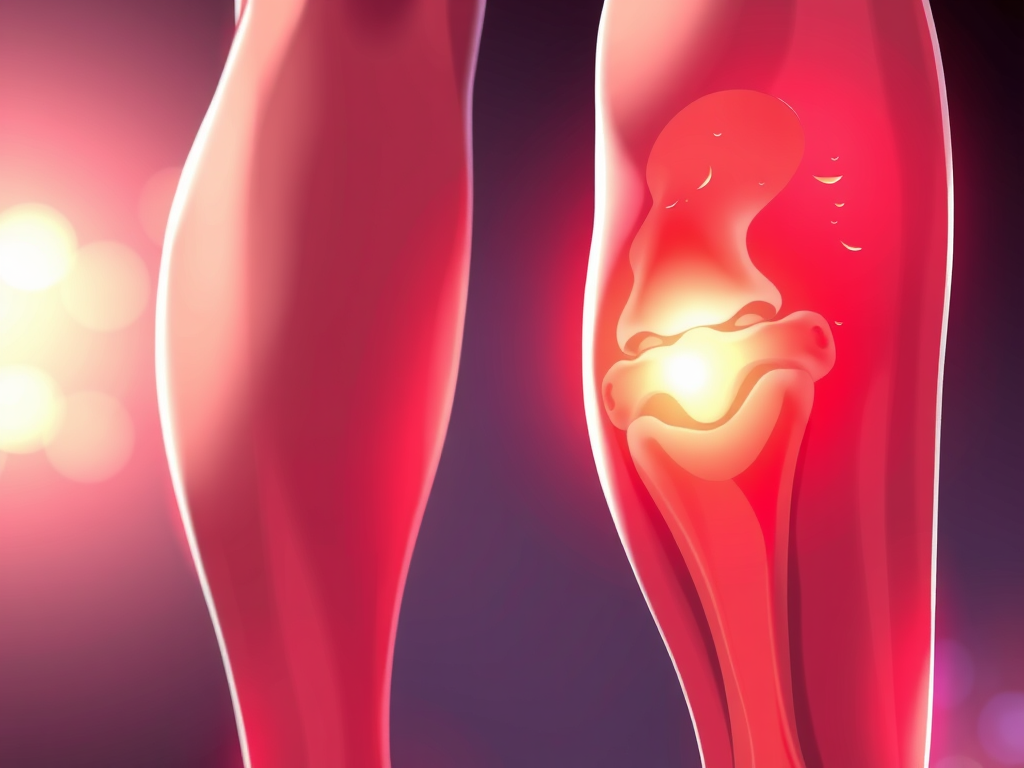
Over time, this can cause chronic low-grade inflammation, leading to lingering tiredness, allergies, digestive issues, and even chronic diseases like diabetes or heart problems.


⚠️ When the Immune System Is Too Vigilant

The immune system is meant to react swiftly and then reset. But when it forgets how to relax, it starts misidentifying harmless things as threats.

You might notice:

  • Sore throats that flare up with stress
  • Headaches or bloating after emotional tension
  • Skin or gut reactions after eating sweets or processed food

These are signs of an overtrained immune system—one that’s too loyal for its own good.


🌼 How to Help Your Immune System “Let Go”

The best medicine isn’t a pill—it’s how you live every day. Here are four gentle ways to guide your immune system back to balance:

1. Eat for Calm, Not Chaos

Skip high-fat, high-sugar, and processed foods that fuel inflammation.
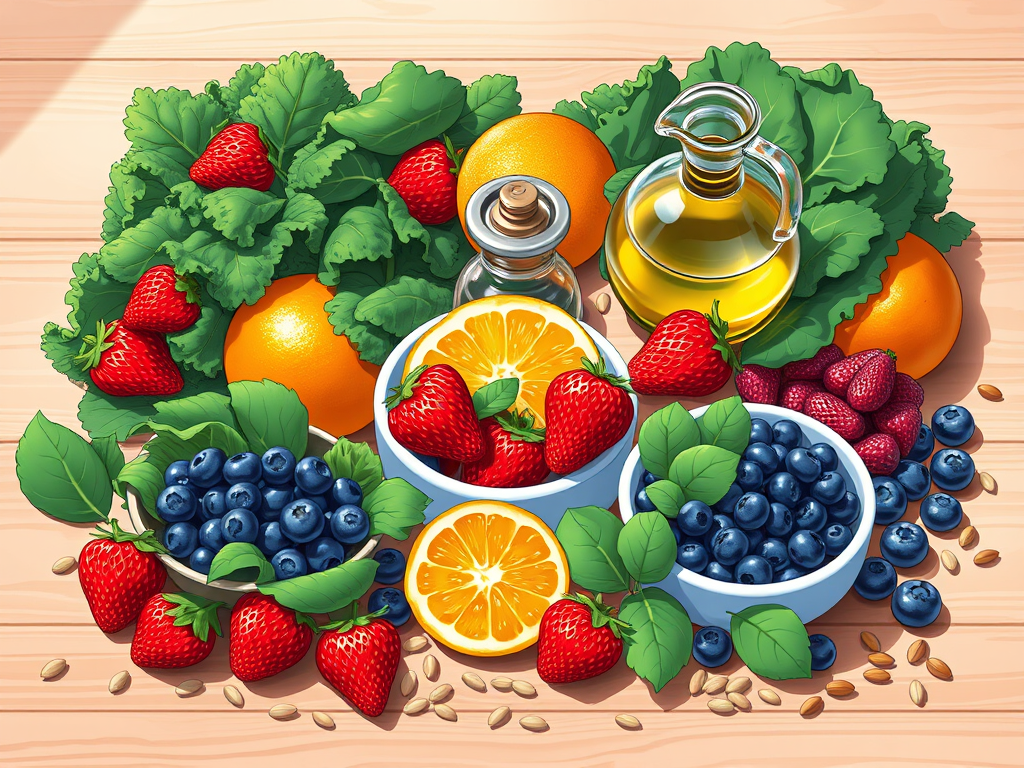
Instead, try a Mediterranean-style diet—fresh vegetables, fruits, olive oil, nuts, fish, and whole grains.
These nourish your immune cells and teach them to stay calm.

2. Sleep: The Reset Button

Sleep resets immune memory. Without enough rest, bone marrow cells stay in high-alert mode.
A regular sleep schedule is like a classroom where your body learns order and recovery.

3. Manage Stress Gently

Emotions like anxiety, anger, and loneliness all affect immunity.
Take time for deep breathing, sunlight, music, or quiet moments. Even doing nothing helps your body hear the message: “It’s safe now.”

4. Move, Don’t Push

Moderate aerobic exercise trains your immune system to respond wisely.
Studies show that people who move regularly—three to five times a week—have stronger, steadier immunity and less fatigue.


🌸 True Health Is Intelligent Immunity

Many believe “strong immunity” means “never getting sick.”
But true health means having an intelligent immune system—one that knows when to fight and when to rest.

So if you’ve recently recovered from a cold but still feel drained, don’t worry. Your body isn’t weak—it’s simply learning how to relax after the storm.

Be patient and kind to yourself.
Eat well, sleep deeply, breathe freely, and move with ease.
That heavy, lingering fatigue will soon melt away.

Because your body remembers not just pain—it also remembers peace.

Your body’s memory is a diary of your life.
When you fill your days with calm, warmth, and balance, your immune system learns to trust again.
And in that trust, you don’t just recover from illness—you truly return to health.

Link:https://peacelilysite.com/2025/10/24/when-the-flu-is-gone-but-fatigue-remains-how-to-help-your-immune-system-truly-recover/

Unlocking Wellness: The Power of the Gallbladder Meridian in Traditional Chinese Medicine

In Traditional Chinese Medicine (TCM), the gallbladder plays a crucial role in maintaining overall health. While often overlooked, its function affects various aspects of well-being, from digestion to hair health and even fat distribution. By understanding the gallbladder meridian and learning simple techniques to stimulate it, you can enhance your body’s natural healing processes and promote long-term vitality.

The gallbladder meridian runs along both sides of the body, starting from the outer corner of the eye at the pupil’s ridge point and ending at the outer side of the tip of the fourth toe at the foot’s yin point. There are a total of 44 acupuncture points from head to toe.

Gallbladder Meridian(大纪元制图)

Signs of Poor Gallbladder Function

One of the most noticeable signs of poor gallbladder function is premature graying of hair. According to TCM wisdom, “Hair is the extension of blood,” meaning that when the body lacks sufficient nutrients and energy, hair health deteriorates. Without proper nourishment, hair may turn gray earlier than expected.

Another common indicator is excessively oily hair. This occurs when bile secretion is insufficient, preventing the body from effectively breaking down fats. Combined with excessive liver heat, this imbalance can result in an oily scalp and other digestive disturbances.

Poor gallbladder function can also manifest in fat accumulation, particularly along the outer thighs. When the gallbladder meridian becomes blocked, toxins and waste accumulate in this area, making weight loss more difficult. For those who exercise regularly, these “waste” deposits may shift downward, leading to thickened calves, also known as “radish legs”—a common concern for both men and physically active women.

One of the simplest and most effective ways to support gallbladder health is through tapping the gallbladder meridian. This practice helps stimulate bile secretion, improve nutrient absorption, and remove blockages along the meridian. Many people who consistently tap their gallbladder meridian for one to two months notice their pants fitting more loosely, making it a great natural approach to slimming the thighs and supporting digestion.

How to Tap the Gallbladder Meridian

The best part: You don’t need any special equipment—just your hands. Since the gallbladder meridian runs along both sides of the body, you can simply use your fists to tap along its path. Here’s a step-by-step guide:

  1. Find a Comfortable Position – The best position is to stand up and rest your leg on a bench so that your thigh is parallel to the ground, or sit down on a chair while keeping your body relaxed.
  2. Start from the Hip – Using your fist, gently but firmly tap along the outer thigh, working your way down to the knee.
  3. Maintain a Steady Rhythm – Aim for about two taps per second with moderate pressure.
  4. Repeat for 3-5 Minutes – Perform around 200 ot 300 taps per side, adjusting the intensity based on your body’s comfort level.
  5. Be Consistent – For best results, practice daily and gradually increase the duration as needed.

Since the outer thigh is the only section where the gallbladder meridian runs alone, it is the most accessible and effective area for tapping. With consistent practice, you may notice improved digestion, increased energy, and a reduction in fat accumulation.

Consistency is key. In TCM, true healing doesn’t come from quick fixes but from nurturing the body over time. While medications and dietary changes can help, activating the body’s natural self-healing abilities is the most sustainable path to wellness. By regularly tapping the gallbladder meridian, you not only improve gallbladder function but also support overall circulation, detoxification, and vitality.

Take Charge of Your Health

Tapping the gallbladder meridian is a simple yet powerful wellness practice suitable for people of all ages. Whether you seek to improve digestion, promote liver health, or achieve a leaner physique, this ancient technique can help you reconnect with your body’s natural rhythm.

Remember: your health is in your hands. Start today and experience the transformative benefits of tapping the gallbladder meridian!

Link:https://peacelilysite.com/2025/03/21/unlocking-wellness-the-power-of-the-gallbladder-meridian-in-traditional-chinese-medicine/

Spring Liver Care: Nourishing Your Body in the Season of Renewal

As spring arrives, Yang energy begins to rise, nature awakens, and the world bursts into vibrant life. This season of renewal is the perfect time to focus on rejuvenation—not just for nature but for our own bodies as well. According to Traditional Chinese Medicine (TCM), the liver is closely linked to spring, making this the ideal time to nourish and support this vital organ.

TCM emphasizes the deep connection between human health and the changing seasons, a concept known as “unity of heaven and man” (天人合一). Spring corresponds to the liver, which governs the body’s ability to detoxify, regulate energy flow, and promote smooth circulation. Just as trees sprout new leaves and flowers bloom, the liver thrives in this season of growth and renewal. Supporting liver health during spring can enhance digestion, boost energy levels, and improve overall well-being.


What you eat plays a significant role in keeping your liver happy. By incorporating the right foods into your diet, you can naturally support your liver’s detoxification processes, reduce inflammation, and promote overall vitality. Here are some of the best foods for liver health, along with easy and delicious ways to prepare them:


1. Leafy Greens (Spinach, Kale, Dandelion Greens, Arugula)

🌿 Why? Leafy greens are packed with chlorophyll, a natural detoxifier that helps remove toxins and heavy metals from the liver. They also contain compounds that aid in bile production, which is essential for digestion and detoxification.

🍽 How to Enjoy:
✔️ Sautéed Greens: Lightly cook with garlic and olive oil to enhance flavor while retaining nutrients.
✔️ Green Detox Smoothie: Blend with lemon, apple, and ginger for a refreshing and cleansing drink.
✔️ Spring Salad: Toss with olive oil, lemon juice, and nuts for a crunchy, nutritious meal.

💡 Tip: Bitter greens like dandelion and arugula are especially powerful for liver health. Try adding them to your salads or lightly steaming them to tone down their bitterness.


2. Turmeric

Why? This golden spice is a superstar for liver health. It contains curcumin, which helps reduce liver inflammation, aids in detoxification, and enhances bile production for better digestion.

🍽 How to Enjoy:
✔️ Golden Milk: Mix turmeric with warm almond milk, honey, and black pepper for a soothing anti-inflammatory drink.
✔️ Turmeric Rice: Cook rice with a pinch of turmeric, garlic, and a bit of coconut oil for a flavorful, healing dish.
✔️ Turmeric Tea: Simmer turmeric with ginger and lemon for a warm, cleansing tea.

💡 Tip: Always pair turmeric with black pepper or healthy fats (like coconut oil or olive oil) to enhance its absorption.


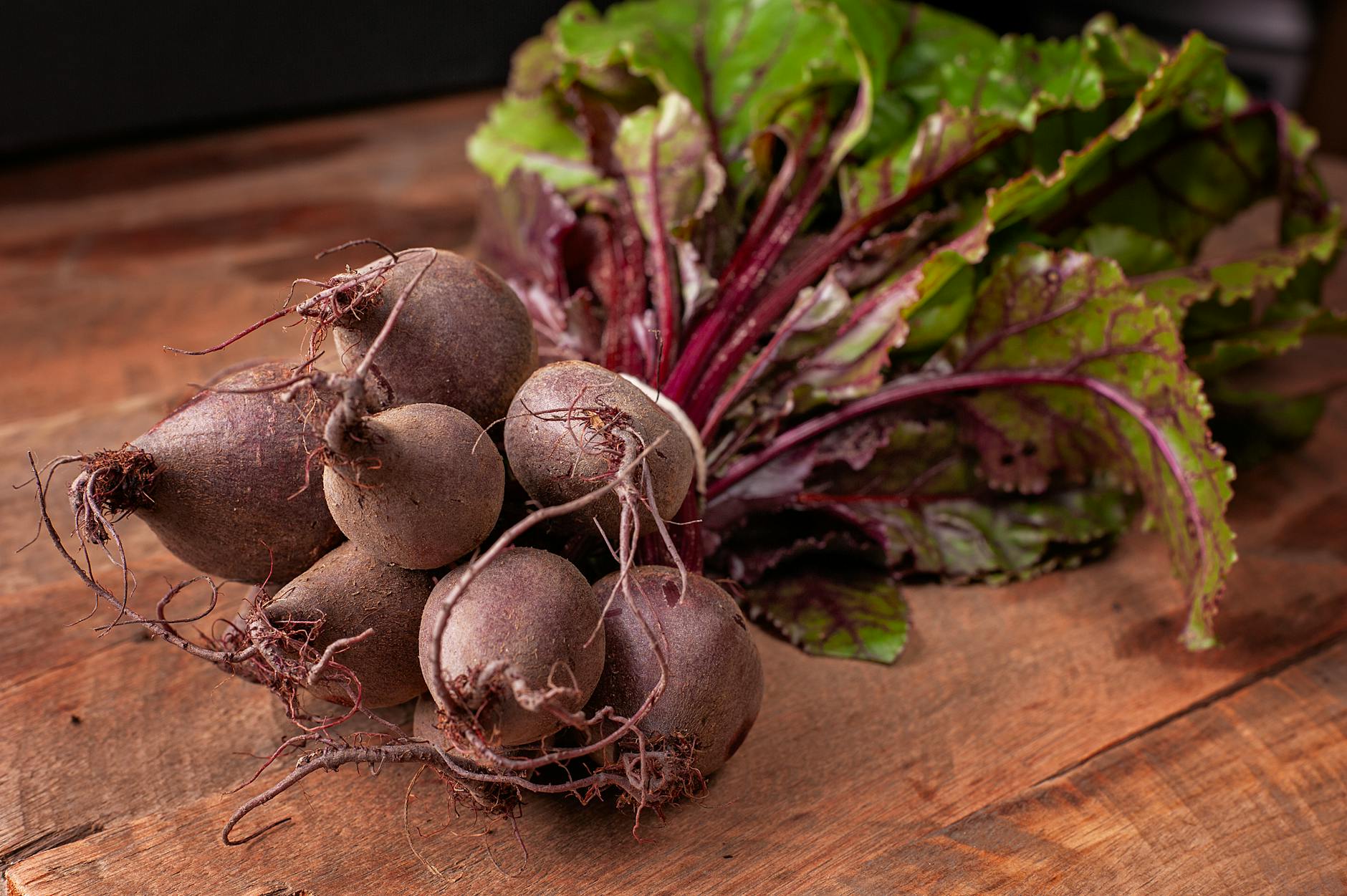
Photo by Marcelo Verfe on Pexels.com

3. Beets

❤️ Why? Beets are rich in betalains, powerful antioxidants that support liver detoxification and reduce inflammation. They also boost bile flow, helping the liver break down fats and eliminate toxins more efficiently.

🍽 How to Enjoy:
✔️ Roasted Beets: Slice and roast with olive oil, rosemary, and sea salt for a sweet, earthy side dish.
✔️ Beet Detox Juice: Blend beets with carrots, ginger, and lemon for a vibrant, liver-cleansing drink.
✔️ Beet & Goat Cheese Salad: Toss roasted beets with arugula, walnuts, and goat cheese for a delicious and nutritious salad.

💡 Tip: Beets can stain your hands and cutting board—rub them with lemon juice to remove the color easily!


4. Garlic

🧄 Why? Garlic contains sulfur compounds that activate liver enzymes responsible for flushing out toxins. It also supports immune function and helps reduce fatty buildup in the liver.

🍽 How to Enjoy:
✔️ Garlic Stir-fry: Add minced garlic to sautéed vegetables or meats for extra flavor and health benefits.
✔️ Garlic Soup: Simmer garlic with bone broth, onions, and herbs for a comforting, healing meal.
✔️ Garlic Honey Remedy: Crush fresh garlic and mix with honey for an immune-boosting, liver-friendly tonic.

💡 Tip: To maximize garlic’s health benefits, let chopped garlic sit for 10 minutes before cooking—this enhances its beneficial compounds.


5. Fatty Fish (Salmon, Mackerel, Sardines)

🐟 Why? Fatty fish are packed with omega-3 fatty acids, which help reduce liver fat, fight inflammation, and promote overall liver health. They also support healthy cholesterol levels and brain function.

🍽 How to Enjoy:
✔️ Grilled Lemon-Garlic Salmon: Marinate with olive oil, garlic, and lemon juice before grilling.
✔️ Miso-Glazed Mackerel: Bake with miso paste, ginger, and a touch of honey for a flavorful dish.
✔️ Sardine Avocado Toast: Mash sardines with avocado and lemon juice, then spread on whole-grain toast.

💡 Tip: Aim to eat fatty fish at least twice a week for optimal liver benefits.


6. Walnuts

🥜 Why? Walnuts are rich in glutathione, an essential antioxidant that helps detox the liver. They also provide omega-3 fatty acids, which reduce liver inflammation and support brain health.

🍽 How to Enjoy:
✔️ Walnut Pesto: Blend walnuts with basil, garlic, and olive oil for a delicious sauce.
✔️ Walnut Oatmeal: Sprinkle crushed walnuts over oatmeal with honey and cinnamon for a nutritious breakfast.
✔️ Roasted Walnut Snack: Lightly toast walnuts with a sprinkle of cinnamon and sea salt for a crunchy, liver-loving snack.

💡 Tip: Soaking walnuts overnight can improve digestion and nutrient absorption.


7. Lemon & Citrus Fruits

🍋 Why? Citrus fruits are packed with vitamin C and antioxidants, which support liver detoxification and boost the immune system. They also help stimulate bile production, which aids in digestion.

🍽 How to Enjoy:
✔️ Morning Lemon Water: Start your day with warm lemon water to flush out toxins and boost digestion. Add some honey to make it taste better.
✔️ Citrus Salad: Mix orange slices with fennel, pomegranate seeds, and olive oil for a refreshing dish.
✔️ Homemade Citrus Dressing: Blend lemon juice, olive oil, and honey for a flavorful salad dressing.

💡 Tip: Drinking lemon water before meals can help stimulate digestion and improve nutrient absorption.

There are several other foods that are also beneficial for your liver, such as carrots, apples, cabbage, and goji berries. Incorporating them into your diet regularly can help support liver health.


As nature awakens in spring, so too should our approach to health. Since the liver plays a crucial role in detoxification, metabolism, and emotional balance, it’s essential to nurture it during this season of renewal. Along with a nutrient-rich diet, mindful lifestyle choices such as regular exercise, restful sleep, and emotional well-being can help maintain liver vitality and overall harmony.

By embracing optimism, managing stress, and supporting the liver with wholesome foods, we align ourselves with the natural rhythms of spring. Let this season be a time of nourishment, balance, and rejuvenation. May we all welcome the warmth and energy of spring with a strong, healthy liver and a joyful heart! 🌿✨

Link:https://peacelilysite.com/2025/03/13/spring-liver-care-nourishing-your-body-in-the-season-of-renewal/

Unlocking the Secrets of Fasting: How Autophagy Can Slow Aging and Promote Cell Renewal

In recent years, the scientific community has made significant strides in understanding the intricate processes that govern our health and longevity. One such breakthrough is the discovery of autophagy, a natural cellular process that plays a crucial role in maintaining our body’s health and vitality. This fascinating mechanism was brought to light by Japanese cell biologist Yoshinori Ohsumi, who was awarded the Nobel Prize in Medicine in 2016 for his groundbreaking research on how cells recycle and renew their contents.

What is Autophagy?

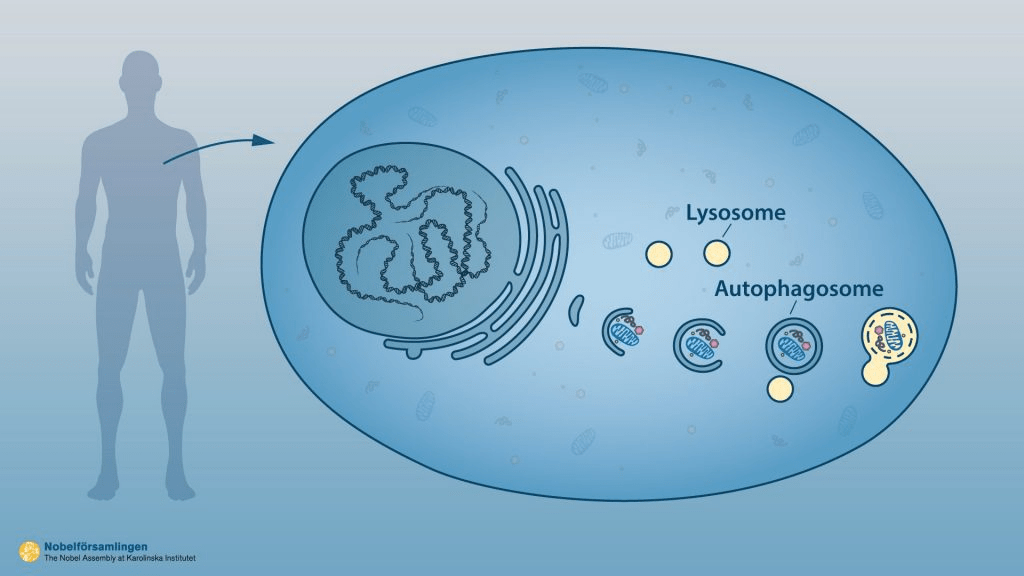
Autophagy, which literally means “self-eating,” is a process by which cells break down and remove damaged components, thereby promoting cell renewal and overall health. This self-cleansing mechanism allows cells to adapt to stress, eliminate dysfunctional proteins, and recycle cellular components for energy and repair. In essence, autophagy is vital for maintaining cellular homeostasis and preventing diseases, including cancer, neurodegenerative disorders, and metabolic conditions.

The Connection Between Fasting and Autophagy

One of the most effective ways to stimulate autophagy is through fasting. When we abstain from food for a certain period, our body shifts its focus from digestion to repair and regeneration. During fasting, the levels of insulin drop, and the body begins to utilize stored fat for energy, leading to a state of ketosis. This metabolic shift not only promotes fat loss but also triggers autophagy, allowing cells to clean out damaged components and rejuvenate themselves.

Research suggests that intermittent fasting or time-restricted eating can enhance the autophagic process, leading to improved cellular function and longevity. By engaging in these fasting practices, we can harness the power of autophagy to slow down the aging process and support overall health.

The Wisdom of Traditional Chinese Medicine

Interestingly, the principles of fasting and moderation in eating are not new concepts. Traditional Chinese Medicine (TCM) has long emphasized the importance of mindful eating and maintaining balance in our diets. One common guideline in TCM is to eat until we are about 70% full, rather than 100%. This practice encourages moderation and helps prevent overeating, which can lead to a host of health issues, including obesity, diabetes, and cardiovascular diseases.

The scientific foundation behind this advice is becoming increasingly clear. Overeating can lead to chronic inflammation, insulin resistance, and metabolic dysfunction, all of which can undermine our health and accelerate the aging process. By adopting a more mindful approach to eating, we can support our body’s natural processes, including autophagy, and promote better health outcomes.

As we continue to uncover the complexities of human biology, the relationship between fasting, autophagy, and aging becomes increasingly evident. The research by Yoshinori Ohsumi has opened new avenues for understanding how our cells function and how we can optimize our health through dietary practices. By embracing the wisdom of traditional teachings and incorporating fasting into our lives, we can take proactive steps toward enhancing our well-being and longevity.

In a world where the temptation to overindulge is ever-present, let us remember the power of moderation. Eating mindfully and allowing our bodies the time to repair and regenerate can lead to a healthier, more vibrant life. So, the next time you sit down for a meal, consider the age-old advice of eating until you’re 70% full, and give your body the chance to thrive.

Link:https://peacelilysite.com/2025/02/11/unlocking-the-secrets-of-fasting-how-autophagy-can-slow-aging-and-promote-cell-renewal/

Nutrigenomics: Exploring the Science of Genes and Diet

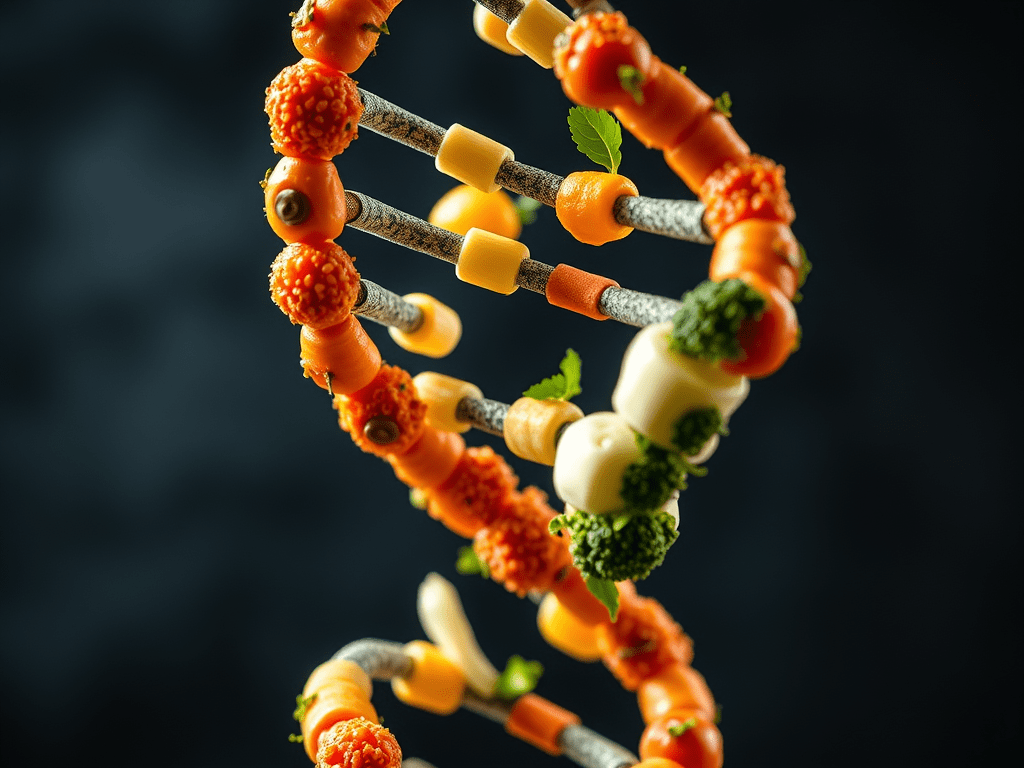
In recent years, nutrigenomics—the scientific study of how genes influence our body’s response to food—has gained significant attention. As research in genetics and nutrition continues to advance, this field is paving the way for more personalized health strategies, particularly in the areas of diet and weight management. Understanding how genes affect our reactions to specific foods provides deeper insights into individual health needs, driving the development of personalized wellness approaches.

At the core of nutrigenomics lies the principle that our genetic makeup plays a crucial role in food metabolism. For instance, some individuals may be genetically predisposed to metabolize carbohydrates more efficiently, while others tend to store fat more easily. These insights empower health professionals to design customized dietary plans based on genetic testing rather than relying on generalized nutritional recommendations.

Recent studies have shown that genetic variations can influence how nutrients are absorbed, how efficiently the body burns calories, and even how hunger is experienced. For example, specific variations in the FTO gene have been linked to a higher risk of obesity, as some individuals gain weight more easily due to the way their bodies process food. Similarly, variations in genes like PPARG can impact fat metabolism, further emphasizing the potential of personalized nutrition strategies based on genetic data.

Nutrigenomics introduces a revolutionary approach to weight management. Traditional diets often follow a “one-size-fits-all” model, which may not be effective for everyone. By using genetic data, nutritionists and health experts can develop personalized dietary plans tailored to an individual’s metabolic needs, resulting in more effective weight management.

For example, genetic testing can reveal a person’s sensitivity to fats or carbohydrates, guiding the ideal macronutrient balance for their body. If someone’s genetic profile indicates a higher risk of insulin resistance, a low-glycemic diet may be recommended to help prevent blood sugar spikes and support weight loss. This tailored strategy often proves more effective than generic diets that overlook individual differences.

The Advantages of Personalized Diet Plans

Nutrigenomics brings a significant advantage to dietary planning: personalization. Rather than relying on generalized advice or fleeting diet trends, nutrigenomics empowers individuals to approach health management scientifically. By integrating genetic testing with dietary adjustments, people can achieve better health outcomes and a deeper understanding of their own bodies.

Key benefits of personalized diets include:

  • Improved Metabolic Health: Tailored diets help optimize the body’s ability to process food and maintain a healthy weight.
  • Precise Nutrient Recommendations: Instead of guessing which foods are most beneficial, personalized nutrition ensures individuals receive the nutrients their body specifically needs.
  • Sustainable Weight Management: Nutrigenomics-based diets promote long-term healthy habits by aligning with genetic predispositions rather than short-term trends.

Additionally, nutrigenomics may support preventive health strategies. Genetic testing can identify predispositions to conditions such as heart disease, diabetes, or nutrient deficiencies, allowing individuals to make proactive dietary changes for long-term wellness.

The future of health management is becoming increasingly personalized, with nutrigenomics at the forefront of this transformation. As the field continues to evolve, more health centers are likely to offer genetic testing services to help individuals create personalized nutrition and wellness plans. This data-driven approach reflects a broader trend where people are empowered to take greater control of their health through scientific insights.

While the potential of nutrigenomics is promising, it remains a developing science. Experts emphasize the need for further research to fully understand the complex relationship between genes and diet. Additionally, as the field matures, ethical considerations and privacy concerns must be carefully addressed to ensure individuals are fully informed and protected when sharing their genetic data.

Nutrigenomics represents a powerful fusion of genetic science and nutrition, offering the potential for health strategies tailored to individual genetic profiles. This emerging science can help design diets that promote optimal weight loss, improve metabolic health, and prevent chronic illnesses.

Though still in its early stages, nutrigenomics has the potential to revolutionize health management, making weight control and wellness strategies more effective and sustainable. As research continues to expand, genetic testing could become a key tool in unlocking healthier, more personalized lifestyles for everyone.

Link:https://peacelilysite.com/2025/01/07/nutrigenomics-exploring-the-science-of-genes-and-diet/

Source: https://worldreporter.com/nutrigenomics-tailoring-health-based-on-genes/?fbclid=IwZXh0bgNhZW0CMTAAAR3NXfx9dzeIsmcSiP248IMGxMkppa2gMAEtjuZOgMr7pyU1EaMqk5e5Aio_aem_eY5AmQ5X9nw8JxIaQeZaBg

The Double Ninth Festival: A Celebration of Longevity, Family, and Filial Piety

The Double Ninth Festival, also known as Chongyang Festival, falls on the ninth day of the ninth lunar month each year. In 2024, this special day is observed on October 10th. In ancient Chinese philosophy, as referenced in the I Ching, the number “nine” is considered a yang number, symbolizing strength and vitality. The festival’s name, “Double Ninth” or “Chongyang,” refers to the doubling of this powerful number, representing longevity and blessings.

The pronunciation of “九九” (jiǔ jiǔ) sounds similar to “久久,” which means “long-lasting.” On this day, as autumn unfolds with its vivid hues, people gather to hike, enjoy the red cornelian cherries in bloom, eat Chongyang cakes, and drink Chongyang wine, all while offering prayers for well-being and longevity. The number nine, being the highest single-digit odd number, is symbolic of long life, carrying with it the wishes of good health and longevity for the elderly. As time passes and human lives inevitably age, nature remains timeless, and we all must face the farewells that are a part of life.

Chongyang Festival is one of China’s most significant traditional holidays, and over the centuries, its customs have continued to thrive. People climb to high places to seek blessings, enjoy autumn scenery, appreciate chrysanthemums, and wear cornelian cherry (茱萸) as part of the ancient traditions. The festival has also become China’s officially designated Senior Citizens’ Day, a reflection of the nation’s cultural emphasis on honoring the elderly, with filial piety at the heart of the celebrations. The deep respect for elders, a core Chinese value, is encapsulated in the tradition of (xiào), which has remained unchanged through the ages.

Historical records of Chongyang customs date back to Lüshi Chunqiu, and by the Han dynasty, it became common for people to wear cornelian cherries and drink chrysanthemum wine during the festival in hopes of promoting longevity. The chrysanthemum, admired for its elegance and resilience to frost, has long symbolized the virtuous gentleman in Chinese culture. During Chongyang, chrysanthemums bloom in abundance, and the festival would be incomplete without them. As the saying goes, “Without chrysanthemums, there is no Chongyang.” Ancient people lit chrysanthemum lanterns, decorated the streets with flower displays, and gathered to admire the blossoms in the evening, adding a special charm to the festival.

Tao Yuanming, one of China’s most beloved poets, wrote in the preface to Leisure at the Ninth Day: “In my leisure, I cherish the name of the Double Ninth Festival. With the garden full of chrysanthemums, I long for the wine but find none; so I simply sip the nine flowers in their essence.”

This imagery beautifully captures the festival spirit of sipping wine infused with chrysanthemum petals, a practice believed to preserve health and vitality. Wine has always been a key part of festive celebrations, and during Chongyang, chrysanthemum wine is essential. This traditional drink is believed to ward off misfortune and bring longevity.

The festival’s atmosphere is enhanced by the vibrant scenery of autumn. As the hills are covered in yellow flowers, one can imagine the joy of gathering with friends, sharing a drink, and admiring the beauty of chrysanthemums. This sense of togetherness is echoed in the works of Tang dynasty poet Meng Haoran, who described the simple pleasures of sitting with old friends by the window, drinking wine, and chatting while watching the lush vegetable garden outside. Such moments, rich in warmth and simplicity, remind us of the importance of human connection and the passage of time.

A key custom during Chongyang is wearing cornelian cherry. This tradition was especially popular during the Tang dynasty, as people believed that wearing these fruits could protect them from misfortune.

Cornelian cherries were worn on the head, the arm, or carried in sachets, serving as symbols of protection and unity among family and friends. The poet Wang Wei famously captured this sentiment in his poem Thinking of My Brothers on the Double Ninth:

“Alone, a stranger in a foreign land,
I long for my kin on every holiday.
I know my brothers are climbing high with cornelian cherries,
But there is one less person among them.”

His words reflect the deep homesickness and yearning for family, feelings that resonate with many who are far from home during important festivals.

Flower Cakes

Another significant tradition is eating flower cakes during Chongyang. The word “糕” (cake) sounds like “高” (high), and eating these cakes symbolizes the desire for life to “rise to new heights.” On the morning of Chongyang, mothers place small cakes on their children’s foreheads while whispering prayers for their health and safety, a heartwarming expression of parental love.

As autumn progresses and the white dew turns to frost, people celebrate the Double Ninth Festival by eating flower cakes, climbing to high places, and admiring the red leaves that blanket the hills. These simple yet profound traditions deepen the connection to nature and soften the heart’s longing for home.

The Chongyang Festival is not just a time to honor the elderly but also a celebration of the timeless values of family, respect, and filial piety. As families gather to enjoy the view from high hills and savor these precious moments together, they strengthen the bonds of kinship, appreciating the blessings of health, longevity, and the beauty of life’s passing seasons.

Link: https://peacelilysite.com/2024/10/11/the-double-ninth-festival-a-celebration-of-longevity-family-and-filial-piety/

Photos From: https://news.qq.com/rain/a/20241011A03NUI00

Healthy childhood diet can ‘keep mind sharp into 70s’ and ward off dementia

From The Guardian

Study is first to track people at different time points in life and finds close link between nutrition and cognitive ability

A healthy diet in childhood can help protect mental sharpness into old age. Photograph: Katarzyna Bialasiewicz/Alamy


A healthy diet earlier in life could help keep you mentally sharp into your 70s, and even ward off dementia, according to research that followed thousands of Britons for seven decades.

While most studies on diet and cognitive ability have focused on people already in or reaching old age, the new review was the first to track people throughout their life – from the age of four to 70 – and suggests the links may start much earlier than previously recognised.

The research adds to a growing body of evidence that a healthy diet could reduce the risk of Alzheimer’s disease and slow age-related cognitive decline. The findings were presented at the annual meeting of the American Society for Nutrition.

“These initial findings generally support current public health guidance that it is important to establish healthy dietary patterns early in life in order to support and maintain health throughout life,” said Kelly Cara, of Tufts University in Massachusetts.

Our findings also provide new evidence suggesting that improvements to dietary patterns up to midlife may influence cognitive performance and help mitigate, or lessen, cognitive decline in later years.”

Cognitive performance can still improve well into middle age, but typically begins to decline after age 65, the researchers said. More serious conditions such as dementia can also develop alongside age-related decline.

For the new research, scientists studied 3,059 adults from the UK who were enrolled as children in a study called the National Survey of Health and Development. Members of the cohort, called the 1946 British Birth Cohort, have provided data on dietary intakes, cognitive outcomes and other factors via questionnaires and tests over more than 75 years.

Researchers analysed participants’ diet at five time points in relation to their cognitive ability at seven time points. Dietary quality was closely linked with trends in cognitive ability, they found.

For example, only 8% of people with low-quality diets sustained high cognitive ability and only 7% of those with high-quality diets sustained low cognitive ability over time compared with their peers.

Cognitive ability can have a significant impact on quality of life and independence as people age, the researchers said. For example, by the age of 70, participants in the highest cognitive group showed a much higher retention of working memory, processing speed and general cognitive performance compared with those in the lowest cognitive group.

In addition, nearly a quarter of participants in the lowest cognitive group showed signs of dementia at that time point, while none of those in the highest cognitive group showed signs of dementia.

While most people saw steady improvements in their diet throughout adulthood, the researchers noted that slight differences in diet quality in childhood seemed to set the tone for later life dietary patterns, for better or worse.

“This suggests that early life dietary intakes may influence our dietary decisions later in life, and the cumulative effects of diet over time are linked with the progression of our global cognitive abilities,” Cara said.

Photo by furkanfdemir on Pexels.com

Study participants who sustained the highest cognitive abilities over time relative to their peers tended to eat more recommended foods such as vegetables, fruits, legumes and whole grains, and less sodium, added sugars and refined grains.

“Dietary patterns that are high in whole or less processed plant-food groups including leafy green vegetables, beans, whole fruits and whole grains may be most protective,” said Cara.

“Adjusting one’s dietary intake at any age to incorporate more of these foods and to align more closely with current dietary recommendations is likely to improve our health in many ways, including our cognitive health.”

Link:https://peacelilysite.com/2024/07/05/healthy-childhood-diet-can-keep-mind-sharp-into-70s-and-ward-off-dementia/

Source: https://www.theguardian.com/society/article/2024/jul/01/healthy-diet-in-childhood-keeps-mind-sharp-into-70s-and-wards-off-dementia