We Spend So Much Time Trying to Live Longer—But Are We Learning How to Live Better?

Modern people are fascinated by longevity.

We study nutrition, exercise, sleep, supplements, medical treatments, and the latest science of aging. We count our steps, monitor our heart rate, change our diets, and search for new ways to add more years to our lives.

But there is another kind of nourishment that is easy to overlook: the nourishment of the heart and spirit.

A Buddhist story from the Treasury of Miscellaneous Treasures (Za Bao Zang Jing) offers a beautiful perspective on this.

During the time of the Buddha, there was a wealthy elder whose young son was deeply loved.

According to the Buddhist scripture, when the child was about five or six years old, a fortune-teller examined him and said that the child had great blessings—but one serious weakness: his life would be short.
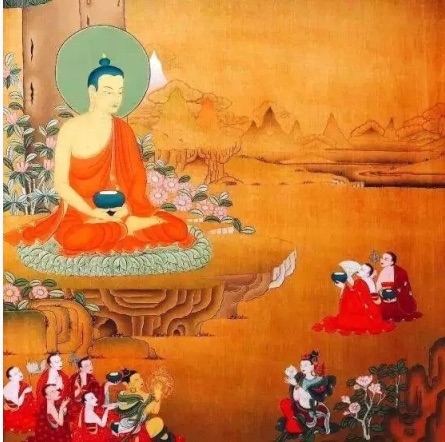
The father was devastated. He searched for ways to help his son live longer and eventually brought him to the Buddha.

The Buddha did not give him a special medicine or promise that death could simply be defeated.

Instead, the Buddha taught the child to cultivate humility, patience, and respect.

The child was instructed to respectfully bow to people entering and leaving the city.

One day, a being who had intended to take the child’s life appeared in the form of a Brahmin. When the child respectfully bowed to him, the being instinctively blessed him, saying, in essence, “May you have a long life.”

Because he had spoken those words, he could no longer go against them.

The scripture concludes that through the child’s humility, patience, and respectful conduct, his life was extended.

The story is recorded in Za Bao Zang Jing(杂宝藏经), Volume Four, in the story known as “The Elder’s Son Seeks Long Life from the Buddha.”

What If Longevity Is More Than Taking Care of the Body?

This ancient story makes me think about how differently we sometimes approach longevity today.

We are very concerned about what we put into our bodies, but perhaps we should also ask:

What are we putting into our hearts?

We carefully consider food, but what about anger?

We worry about toxins in the environment, but what about resentment?

We exercise our bodies, but do we exercise patience?

We try to strengthen our immune systems, but do we strengthen compassion?

We may spend years searching for ways to extend our physical lives while forgetting that the quality of those years also matters.

Many years ago, I heard an elderly Chinese doctor say something that stayed with me:

“Medicine nourishes the body, food nourishes the body better, movement nourishes it even more—but while nourishing the body, never forget to nourish the heart. Wherever you do good, there is nourishment.”

I have always loved the wisdom behind these simple words.

Taking care of our bodies is important. Eating well, exercising, sleeping properly, and receiving appropriate medical care all matter.

But perhaps taking care of the heart is another form of longevity practice.

What Are We Nourishing Every Day?

Every act leaves something behind in us.

When we constantly become angry, anger becomes easier.

When we hold on to resentment, resentment becomes heavier.

When we practice kindness, kindness becomes more natural.

When we help someone, we may discover that our own heart becomes lighter.

When we forgive, we release something that we have been carrying.

When we sincerely help others, perhaps we are not only giving something away—we are also nourishing something within ourselves.

This is one reason Buddhist teachings place such importance on compassion, generosity, patience, and wholesome actions.

The goal is not simply to have a longer life.

It is to cultivate a better life.

Of course, doing good should not be viewed as a transaction: “If I help others, I will definitely live longer.”

The deeper lesson is about how we live.

We can take care of our bodies while also taking care of our minds and hearts.

We can eat nutritious food and also “feed” ourselves with kindness.

We can exercise our bodies and also practice patience.

We can seek medical treatment when we are ill and, at the same time, work on releasing anger, jealousy, resentment, and fear.

Perhaps true wellness requires both.

Nourish the body, but do not forget to nourish the heart.

And perhaps the simplest nourishment is kindness.

What Kind of Life Are We Trying to Extend?

The Buddhist story of the young child does not tell us that we can control the length of our lives simply by doing good deeds. Life and death involve causes and conditions far beyond our understanding.

But the story reminds us of something important:

While we cannot completely control how long we live, we can pay attention to how we live.

Perhaps the question is not only:

“How can I live longer?”

but also:

“How can I make the years I have more compassionate, meaningful, and beneficial to others?”

Maybe that is another kind of longevity—one measured not only in years, but in the goodness we leave behind.

We spend so much time trying to add years to life.

Perhaps we should also spend some time adding life to our years.

Because sometimes, the best way to nourish ourselves is to nourish someone else.
Link:https://peacelilysite.com/2026/09/22/we-spend-so-much-time-trying-to-live-longer-but-are-we-learning-how-to-live-better/

Unlocking the Secrets of Fasting: How Autophagy Can Slow Aging and Promote Cell Renewal

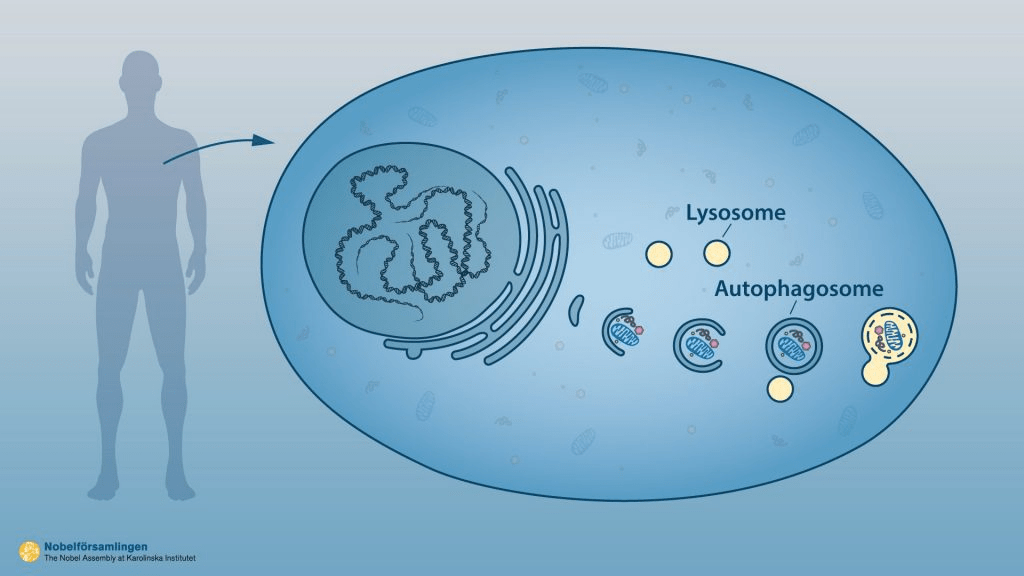
In recent years, the scientific community has made significant strides in understanding the intricate processes that govern our health and longevity. One such breakthrough is the discovery of autophagy, a natural cellular process that plays a crucial role in maintaining our body’s health and vitality. This fascinating mechanism was brought to light by Japanese cell biologist Yoshinori Ohsumi, who was awarded the Nobel Prize in Medicine in 2016 for his groundbreaking research on how cells recycle and renew their contents.

What is Autophagy?

Autophagy, which literally means “self-eating,” is a process by which cells break down and remove damaged components, thereby promoting cell renewal and overall health. This self-cleansing mechanism allows cells to adapt to stress, eliminate dysfunctional proteins, and recycle cellular components for energy and repair. In essence, autophagy is vital for maintaining cellular homeostasis and preventing diseases, including cancer, neurodegenerative disorders, and metabolic conditions.

The Connection Between Fasting and Autophagy

One of the most effective ways to stimulate autophagy is through fasting. When we abstain from food for a certain period, our body shifts its focus from digestion to repair and regeneration. During fasting, the levels of insulin drop, and the body begins to utilize stored fat for energy, leading to a state of ketosis. This metabolic shift not only promotes fat loss but also triggers autophagy, allowing cells to clean out damaged components and rejuvenate themselves.

Research suggests that intermittent fasting or time-restricted eating can enhance the autophagic process, leading to improved cellular function and longevity. By engaging in these fasting practices, we can harness the power of autophagy to slow down the aging process and support overall health.

The Wisdom of Traditional Chinese Medicine

Interestingly, the principles of fasting and moderation in eating are not new concepts. Traditional Chinese Medicine (TCM) has long emphasized the importance of mindful eating and maintaining balance in our diets. One common guideline in TCM is to eat until we are about 70% full, rather than 100%. This practice encourages moderation and helps prevent overeating, which can lead to a host of health issues, including obesity, diabetes, and cardiovascular diseases.

The scientific foundation behind this advice is becoming increasingly clear. Overeating can lead to chronic inflammation, insulin resistance, and metabolic dysfunction, all of which can undermine our health and accelerate the aging process. By adopting a more mindful approach to eating, we can support our body’s natural processes, including autophagy, and promote better health outcomes.

As we continue to uncover the complexities of human biology, the relationship between fasting, autophagy, and aging becomes increasingly evident. The research by Yoshinori Ohsumi has opened new avenues for understanding how our cells function and how we can optimize our health through dietary practices. By embracing the wisdom of traditional teachings and incorporating fasting into our lives, we can take proactive steps toward enhancing our well-being and longevity.

In a world where the temptation to overindulge is ever-present, let us remember the power of moderation. Eating mindfully and allowing our bodies the time to repair and regenerate can lead to a healthier, more vibrant life. So, the next time you sit down for a meal, consider the age-old advice of eating until you’re 70% full, and give your body the chance to thrive.

Link:https://peacelilysite.com/2025/02/11/unlocking-the-secrets-of-fasting-how-autophagy-can-slow-aging-and-promote-cell-renewal/

The Double Ninth Festival: A Celebration of Longevity, Family, and Filial Piety

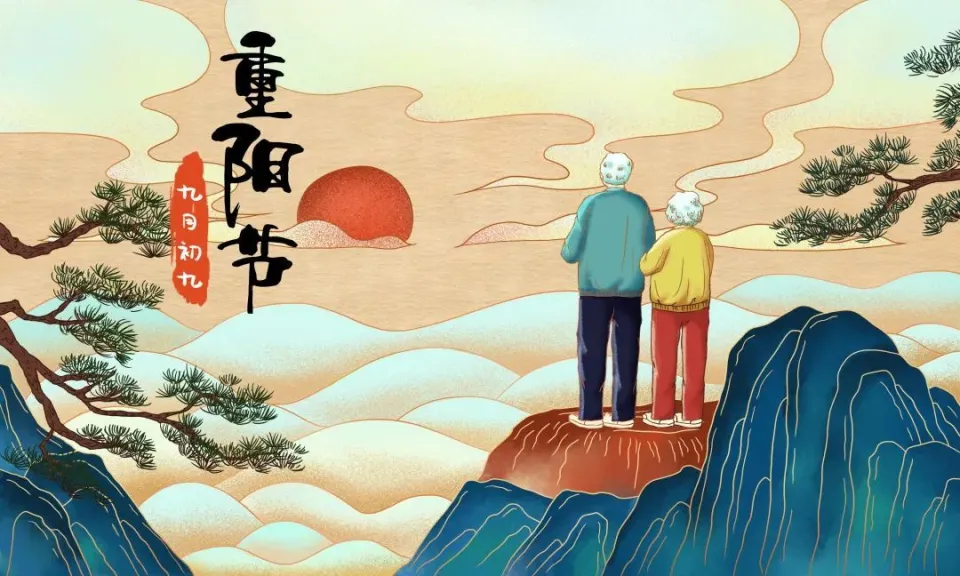
The Double Ninth Festival, also known as Chongyang Festival, falls on the ninth day of the ninth lunar month each year. In 2024, this special day is observed on October 10th. In ancient Chinese philosophy, as referenced in the I Ching, the number “nine” is considered a yang number, symbolizing strength and vitality. The festival’s name, “Double Ninth” or “Chongyang,” refers to the doubling of this powerful number, representing longevity and blessings.

The pronunciation of “九九” (jiǔ jiǔ) sounds similar to “久久,” which means “long-lasting.” On this day, as autumn unfolds with its vivid hues, people gather to hike, enjoy the red cornelian cherries in bloom, eat Chongyang cakes, and drink Chongyang wine, all while offering prayers for well-being and longevity. The number nine, being the highest single-digit odd number, is symbolic of long life, carrying with it the wishes of good health and longevity for the elderly. As time passes and human lives inevitably age, nature remains timeless, and we all must face the farewells that are a part of life.

Chongyang Festival is one of China’s most significant traditional holidays, and over the centuries, its customs have continued to thrive. People climb to high places to seek blessings, enjoy autumn scenery, appreciate chrysanthemums, and wear cornelian cherry (茱萸) as part of the ancient traditions. The festival has also become China’s officially designated Senior Citizens’ Day, a reflection of the nation’s cultural emphasis on honoring the elderly, with filial piety at the heart of the celebrations. The deep respect for elders, a core Chinese value, is encapsulated in the tradition of 孝 (xiào), which has remained unchanged through the ages.

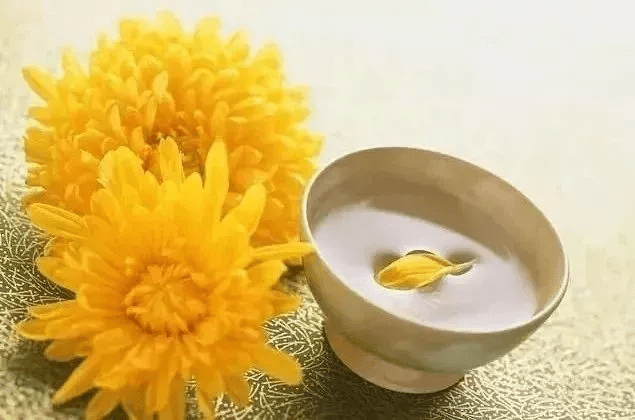
Historical records of Chongyang customs date back to Lüshi Chunqiu, and by the Han dynasty, it became common for people to wear cornelian cherries and drink chrysanthemum wine during the festival in hopes of promoting longevity. The chrysanthemum, admired for its elegance and resilience to frost, has long symbolized the virtuous gentleman in Chinese culture. During Chongyang, chrysanthemums bloom in abundance, and the festival would be incomplete without them. As the saying goes, “Without chrysanthemums, there is no Chongyang.” Ancient people lit chrysanthemum lanterns, decorated the streets with flower displays, and gathered to admire the blossoms in the evening, adding a special charm to the festival.

Tao Yuanming, one of China’s most beloved poets, wrote in the preface to Leisure at the Ninth Day: “In my leisure, I cherish the name of the Double Ninth Festival. With the garden full of chrysanthemums, I long for the wine but find none; so I simply sip the nine flowers in their essence.”

This imagery beautifully captures the festival spirit of sipping wine infused with chrysanthemum petals, a practice believed to preserve health and vitality. Wine has always been a key part of festive celebrations, and during Chongyang, chrysanthemum wine is essential. This traditional drink is believed to ward off misfortune and bring longevity.

The festival’s atmosphere is enhanced by the vibrant scenery of autumn. As the hills are covered in yellow flowers, one can imagine the joy of gathering with friends, sharing a drink, and admiring the beauty of chrysanthemums. This sense of togetherness is echoed in the works of Tang dynasty poet Meng Haoran, who described the simple pleasures of sitting with old friends by the window, drinking wine, and chatting while watching the lush vegetable garden outside. Such moments, rich in warmth and simplicity, remind us of the importance of human connection and the passage of time.

A key custom during Chongyang is wearing cornelian cherry. This tradition was especially popular during the Tang dynasty, as people believed that wearing these fruits could protect them from misfortune.

Cornelian cherries were worn on the head, the arm, or carried in sachets, serving as symbols of protection and unity among family and friends. The poet Wang Wei famously captured this sentiment in his poem Thinking of My Brothers on the Double Ninth:

“Alone, a stranger in a foreign land,
I long for my kin on every holiday.
I know my brothers are climbing high with cornelian cherries,
But there is one less person among them.”

His words reflect the deep homesickness and yearning for family, feelings that resonate with many who are far from home during important festivals.

Flower Cakes

Another significant tradition is eating flower cakes during Chongyang. The word “糕” (cake) sounds like “高” (high), and eating these cakes symbolizes the desire for life to “rise to new heights.” On the morning of Chongyang, mothers place small cakes on their children’s foreheads while whispering prayers for their health and safety, a heartwarming expression of parental love.

As autumn progresses and the white dew turns to frost, people celebrate the Double Ninth Festival by eating flower cakes, climbing to high places, and admiring the red leaves that blanket the hills. These simple yet profound traditions deepen the connection to nature and soften the heart’s longing for home.

The Chongyang Festival is not just a time to honor the elderly but also a celebration of the timeless values of family, respect, and filial piety. As families gather to enjoy the view from high hills and savor these precious moments together, they strengthen the bonds of kinship, appreciating the blessings of health, longevity, and the beauty of life’s passing seasons.

Link: https://peacelilysite.com/2024/10/11/the-double-ninth-festival-a-celebration-of-longevity-family-and-filial-piety/

Photos From: https://news.qq.com/rain/a/20241011A03NUI00