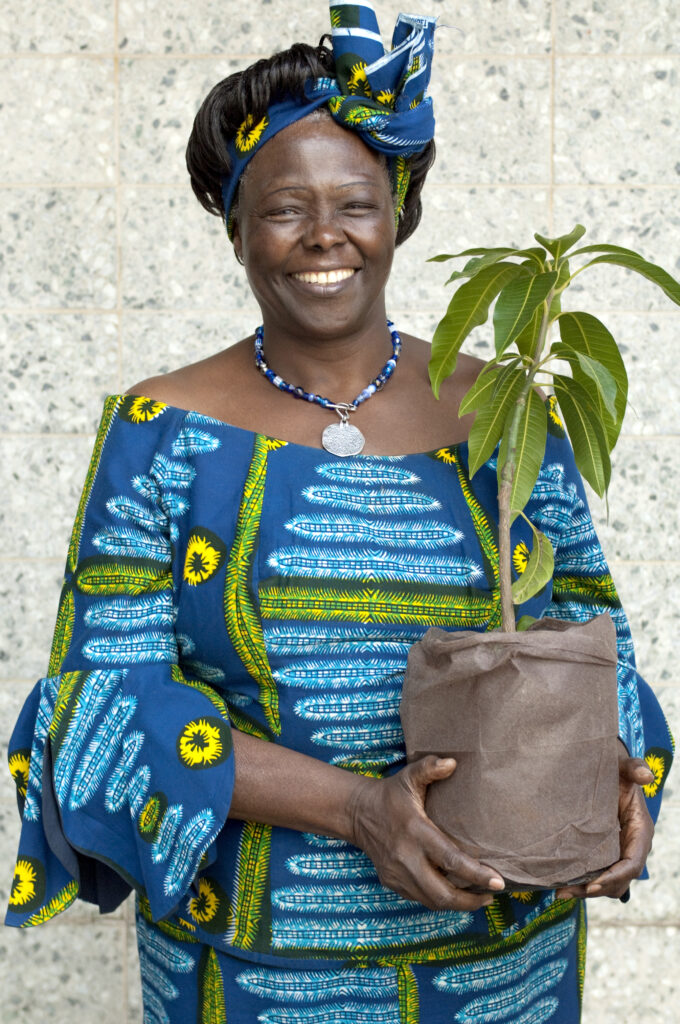
The Woman Who Planted Hope: How Wangari Maathai Changed the World One Tree at a Time

In a world often driven by ambition and material success, it is easy to overlook the quiet, transformative power of compassion. Yet history reminds us that lasting change is often born not from grand gestures, but from simple, sincere actions. The life of Wangari Maathai is a profound example of this truth. With unwavering courage and a heart rooted in service, she transformed the act of planting trees into a movement that restored both the land and the dignity of countless lives.

Born in rural Kenya, Wangari Maathai grew up closely connected to nature. She witnessed the gradual disappearance of forests, the drying of rivers, and the increasing hardship faced by local communities. Among those most affected were women, who depended on the land to sustain their families. Rather than accepting this decline, she chose to act. In 1977, she founded the Green Belt Movement, a grassroots initiative that encouraged women to plant trees in their communities.

What seemed like a simple solution carried deep wisdom. As trees took root, they began to restore the environment, protect water sources, and provide essential resources such as firewood. At the same time, the women who nurtured these seedlings gained a source of income and a renewed sense of independence. Through this work, Wangari Maathai did more than address environmental issues—she empowered women to reclaim their strength, their voices, and their place in society.

Yet her path was far from easy. As her movement grew, it began to challenge powerful interests tied to land exploitation and political control. Speaking out against injustice, she faced harsh resistance. She was arrested, harassed, and even subjected to violence. In the eyes of the authorities, her actions were seen as a threat. But in truth, she stood as a symbol of integrity and moral courage. She remained steadfast, guided not by anger, but by a deep commitment to what was right.

Her perseverance did not go unnoticed. In 2004, she was awarded the Nobel Peace Prize, becoming the first African woman to receive this honor. The recognition reflected more than her environmental achievements; it affirmed her vision that peace is deeply connected to justice, human dignity, and harmony with the Earth. Her life demonstrated that caring for the environment is not separate from caring for humanity—it is, in fact, an essential part of it.

Beautiful aerial forest on Earth, vibrant

There is a quiet spiritual resonance in her journey. In many traditions, we are reminded that every action plants a seed, and every seed will one day bear fruit. Wangari Maathai understood this deeply. Each tree she planted was also an offering of hope, a gesture of compassion, and a step toward a more balanced and just world. Over time, these small acts grew into something far greater than anyone could have imagined.

Her legacy invites us to reflect on our own lives. In a world that often feels overwhelming, it is easy to doubt the impact of our individual efforts. Yet her story gently reminds us that meaningful change does not require perfection or power—it begins with intention. A single act of kindness, a moment of courage, or a commitment to do what is right can ripple outward in ways we may never fully see.

Wangari Maathai planted trees, but more importantly, she planted hope. And that hope continues to grow, quietly and steadily, in the hearts of those who are willing to care, to act, and to believe that even the smallest seed can change the world.

Link:https://peacelilysite.com/2026/04/06/the-woman-who-planted-hope-how-wangari-maathai-changed-the-world-one-tree-at-a-time/

Creating Your Own “Micro Forest Bathing” in the City

Creating Your Own “Micro Forest Bathing” in the City

Not everyone lives in a place like Santa Cruz, surrounded by forests and winding mountain trails. Most of us live in cities—enclosed by traffic, fast-paced workdays, concrete buildings, and endless schedules. It can feel as though nature is far away, almost out of reach.

But the truth is, we don’t need to escape deep into the mountains to reconnect with nature. Even in the heart of the city, we can create our own “Micro Forest Bathing” moments.

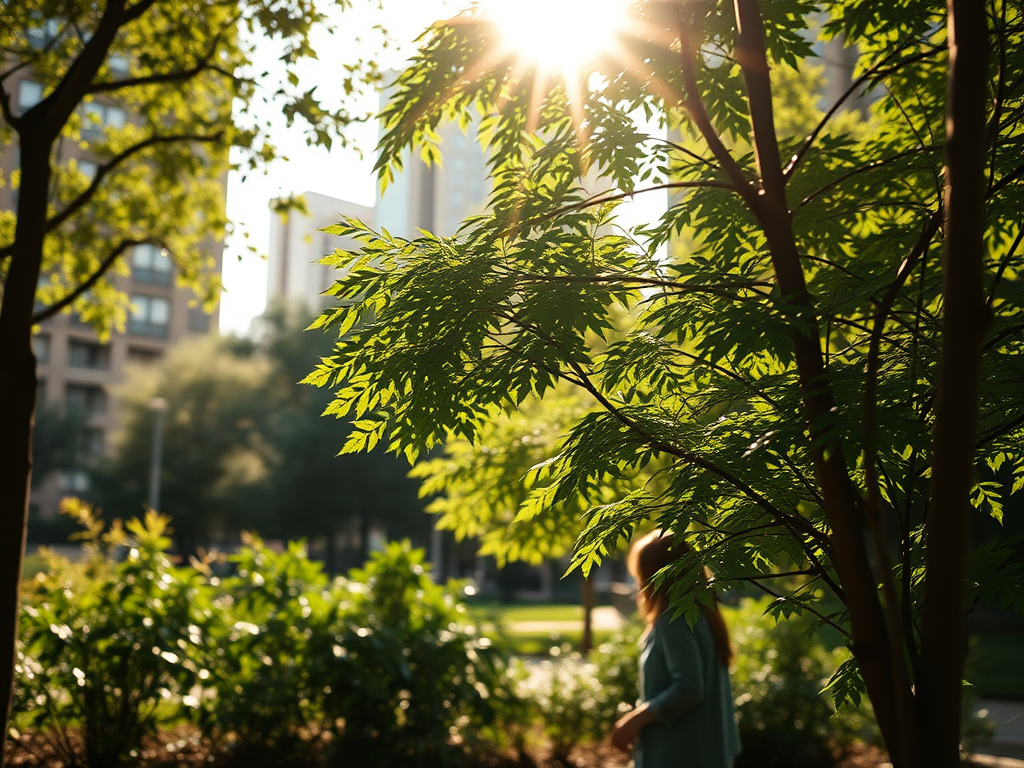
At its core, forest bathing has never been about a specific location. It is about slowing down and reconnecting with nature through all our senses. When we shift our attention, the city reveals many small places where we can breathe again and feel gently held by the natural world.

Here are a few simple and practical ways to experience the healing presence of nature—right where you are.

1. Find a Small Green Oasis

Even the busiest city has pockets of quiet greenery: a neighborhood park, a cluster of trees, a riverside path, a campus corner, or a small community garden.

The place doesn’t need to be grand. A couple of trees, a patch of grass, or a few flowering bushes are enough to soften the heart.

What matters is not the size of the space—but whether you allow yourself to pause.


2. Walk in the Spirit of Forest Bathing

Whether you’re in a city park or walking along a tree-lined street, you can bring the rhythm of forest bathing into your steps:

  • Slow your pace
  • Notice the color of the leaves
  • Feel the temperature of the wind against your face
  • Watch how sunlight filters through branches and falls on the ground
  • Listen for birds, even if there are only one or two
  • Gently touch the bark of a tree

When you do this, the city softens—and your mind grows quiet.

3. Create Your Own “Green Route”

You can weave nature into your daily routine in small, intentional ways:

  • Choose a street with more trees on your commute
  • Take a five-minute walk in a nearby park during breaks
  • Stroll through your neighborhood after dinner and notice changes in plants and seasons

With time, this route becomes your personal path of restoration—a place where your mind learns to rest.

4. Bring a Mini Forest Into Your Home

Even without stepping outside, you can invite nature indoors:

  • Keep a few easy-to-care-for plants (ferns, ivy, or monstera work beautifully)
  • Open your windows to let in light, air, and natural sounds
  • Light a wood-based scent such as sandalwood or cedar
  • Play gentle forest soundscapes in the background, sip a cup of tea, imagine yourself being embraced by the forest—the steady presence of trees around you, the earthy scent of soil, the calm rhythm of nature moving without urgency. Let your shoulders soften. Let your breath deepen.

Even a small touch of green can soften emotions and calm the nervous system.

5. Practice “Green Meditation”

Sit near a plant or by a window. Do nothing except observe:

  • The sheen of leaves
  • The movement of light and shadow
  • The patterns in stems and veins

Breathe slowly.

Five minutes of this will calm your mind far more deeply than ten minutes of scrolling on your phone.

6. Let Nature Become a Habit

Forest bathing is not something we do once in a while—it is a way of staying connected to life itself. You might:

  • Take a weekly green walk
  • Spend three minutes a day looking at the sky
  • Touch a tree when you feel overwhelmed
  • Sit quietly in a park when stress builds

Even a few minutes of this mindful pause can soothe the nervous system, quiet the mind, and restore inner balance. Sometimes, the forest we need most is the one we allow ourselves to enter inwardly.

These small acts, repeated gently, become powerful sources of renewal.

Whether you live near a forest, by the ocean, or in the center of a city, nature is always there, patiently waiting—for you to breathe, to slow down, and to be healed.

And when you finally grow still enough, you may discover this quiet truth:

Even within the city,
the forest is never truly absent.
🌿

Link: https://peacelilysite.com/2026/02/06/creating-your-own-micro-forest-bathing-in-the-city/