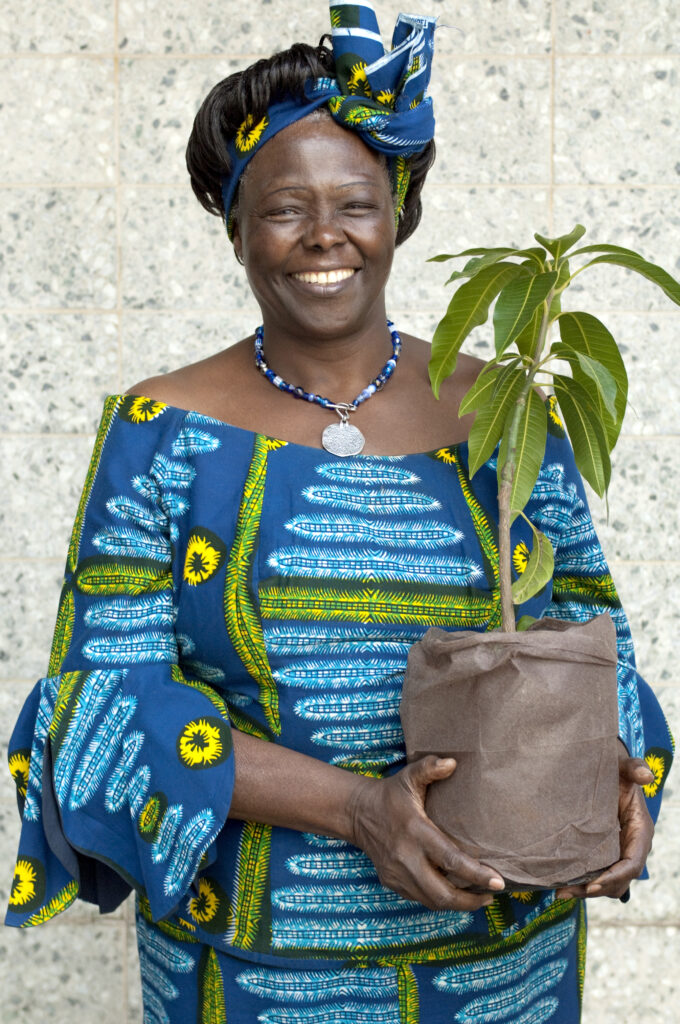
The Woman Who Planted Hope: How Wangari Maathai Changed the World One Tree at a Time

In a world often driven by ambition and material success, it is easy to overlook the quiet, transformative power of compassion. Yet history reminds us that lasting change is often born not from grand gestures, but from simple, sincere actions. The life of Wangari Maathai is a profound example of this truth. With unwavering courage and a heart rooted in service, she transformed the act of planting trees into a movement that restored both the land and the dignity of countless lives.

Born in rural Kenya, Wangari Maathai grew up closely connected to nature. She witnessed the gradual disappearance of forests, the drying of rivers, and the increasing hardship faced by local communities. Among those most affected were women, who depended on the land to sustain their families. Rather than accepting this decline, she chose to act. In 1977, she founded the Green Belt Movement, a grassroots initiative that encouraged women to plant trees in their communities.

What seemed like a simple solution carried deep wisdom. As trees took root, they began to restore the environment, protect water sources, and provide essential resources such as firewood. At the same time, the women who nurtured these seedlings gained a source of income and a renewed sense of independence. Through this work, Wangari Maathai did more than address environmental issues—she empowered women to reclaim their strength, their voices, and their place in society.

Yet her path was far from easy. As her movement grew, it began to challenge powerful interests tied to land exploitation and political control. Speaking out against injustice, she faced harsh resistance. She was arrested, harassed, and even subjected to violence. In the eyes of the authorities, her actions were seen as a threat. But in truth, she stood as a symbol of integrity and moral courage. She remained steadfast, guided not by anger, but by a deep commitment to what was right.

Her perseverance did not go unnoticed. In 2004, she was awarded the Nobel Peace Prize, becoming the first African woman to receive this honor. The recognition reflected more than her environmental achievements; it affirmed her vision that peace is deeply connected to justice, human dignity, and harmony with the Earth. Her life demonstrated that caring for the environment is not separate from caring for humanity—it is, in fact, an essential part of it.

Beautiful aerial forest on Earth, vibrant

There is a quiet spiritual resonance in her journey. In many traditions, we are reminded that every action plants a seed, and every seed will one day bear fruit. Wangari Maathai understood this deeply. Each tree she planted was also an offering of hope, a gesture of compassion, and a step toward a more balanced and just world. Over time, these small acts grew into something far greater than anyone could have imagined.

Her legacy invites us to reflect on our own lives. In a world that often feels overwhelming, it is easy to doubt the impact of our individual efforts. Yet her story gently reminds us that meaningful change does not require perfection or power—it begins with intention. A single act of kindness, a moment of courage, or a commitment to do what is right can ripple outward in ways we may never fully see.

Wangari Maathai planted trees, but more importantly, she planted hope. And that hope continues to grow, quietly and steadily, in the hearts of those who are willing to care, to act, and to believe that even the smallest seed can change the world.

Link:https://peacelilysite.com/2026/04/06/the-woman-who-planted-hope-how-wangari-maathai-changed-the-world-one-tree-at-a-time/

From Tragedy to Hope: A Nobel Peace Laureate’s Journey

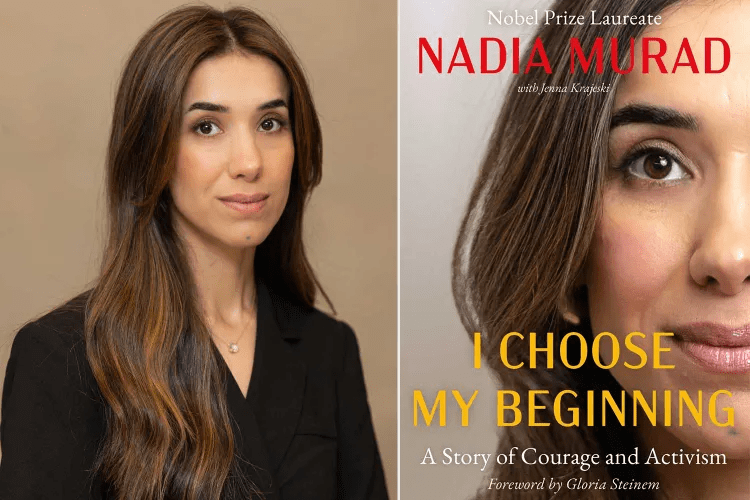
Nadia Murad: One Woman’s Courage Can Change the World

In a world often shaken by violence and injustice, the story of Nadia Murad reminds us that even in the darkest moments, the human spirit can rise with extraordinary courage.

Murad was born in a small Yazidi village in northern Iraq. Like many young women, she once dreamed of living a quiet and simple life. She hoped to open a beauty salon in her hometown and build a peaceful future with her family.

But in 2014, her life was shattered when the extremist group Islamic State of Iraq and Syria (ISIS) attacked her village. Many members of her family were killed, and she, along with thousands of Yazidi women and girls, was captured and subjected to unspeakable violence.

After months of captivity, Murad managed to escape. Her survival alone was extraordinary, but what she chose to do next required even greater courage.

Rather than remain silent, she decided to tell the world what had happened. Speaking before global leaders at the United Nations, she courageously shared her story and spoke on behalf of thousands of victims who could not speak for themselves.

As she once said:

“I want to be the last girl in the world with a story like mine.”

These simple but powerful words express her deepest mission—to ensure that no other woman or girl must endure the suffering she experienced.

Murad continued her advocacy for survivors of human trafficking and wartime sexual violence, calling on the world to pursue justice and accountability. Her bravery and determination were recognized globally when she was awarded the Nobel Peace Prize in 2018.

Yet Murad’s work has never been about personal recognition. Her goal has always been to restore dignity and hope to those whose lives have been torn apart by violence.

In another moving statement, she said:

“There is no greater honor than being able to speak on behalf of those who have been silenced.”

Her life demonstrates how even the deepest suffering can be transformed into compassion and purpose. Instead of allowing pain to define her, she chose to turn her experience into a force for justice and healing.

Murad also reminds the world that silence allows injustice to continue:

“If the world had listened earlier, perhaps this tragedy could have been avoided.”

Her words challenge us all—not only to listen, but to act.

Today, Nadia Murad’s voice has become a symbol of resilience, courage, and hope. From a small village in Iraq to the global stage, she has shown that one person’s courage can awaken the conscience of humanity. Her story is not only a testimony of survival—it is a call for compassion.

From a deeper spiritual perspective, her journey also reminds us of the universal law of cause and effect—what many traditions call karma. Violence, hatred, and cruelty create suffering that ripples across generations, while compassion, courage, and moral responsibility create healing and hope. When individuals like Nadia Murad choose truth over silence and compassion over hatred, they help restore moral balance in the world. Her courage encourages each of us to cultivate kindness, protect the vulnerable, and act with integrity in our own lives. In this way, even small acts of compassion can become powerful seeds of positive karma, helping to guide humanity toward a more peaceful and just future.

Link:https://peacelilysite.com/2026/03/08/from-tragedy-to-hope-a-nobel-peace-laureates-journey/