When One Heart Becomes a River: A Story of Quiet Compassion in Kenya

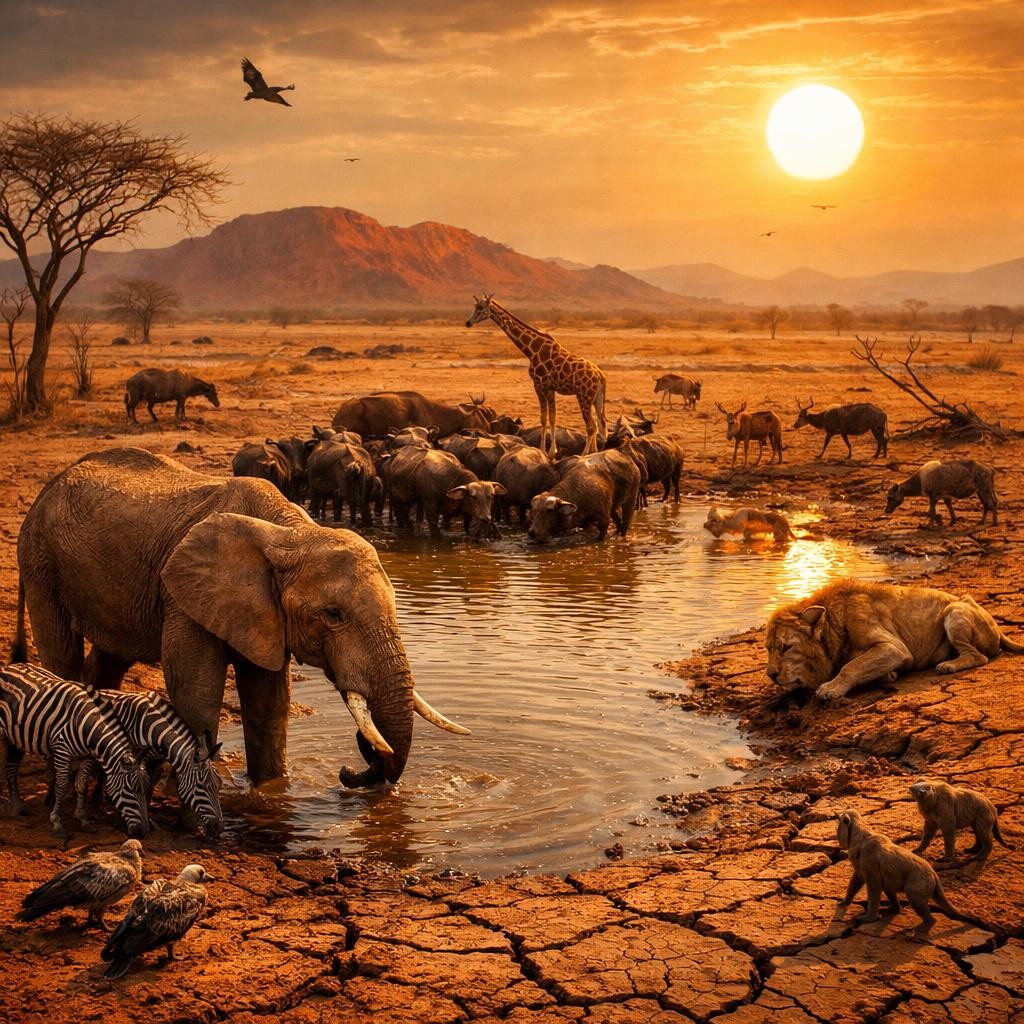
Elephant, zebras, giraffe, lions, buffaloes, and other animals drinking at a watering hole in a dry savannah

In the vast wilderness of Tsavo West National Park at Kenya, drought once tightened its grip on the land. Rivers disappeared. Waterholes turned to dust. Under the relentless sun, the earth cracked open, and the animals—elephants, zebras, buffalo, and antelope—wandered in search of something that no longer existed: water.

Amid this silent crisis, there was a man named Patrick Kilonzo Mwalua.

He was not wealthy, nor powerful. He was an ordinary farmer. But sometimes, it is the most ordinary people who carry the most extraordinary hearts.

Each day, after tending to his own responsibilities, he made a choice—a choice that would quietly change the fate of countless lives. He filled a truck with water and drove for hours across dusty, rugged terrain. The journey was long, the heat unforgiving, and the road uncertain. Yet he returned again and again, carrying thousands of gallons of water into the parched wilderness.

He did not do this once.
He did not do this for recognition.
He did this every day.

And then, something remarkable happened.

The animals began to recognize him.

At the distant sound of his truck engine, elephants would slowly emerge from the horizon. Zebras and antelope gathered nearby. Buffalo stood waiting near the dry waterholes. There was no fear in their eyes—only a quiet trust.

They knew.

This man was bringing life.
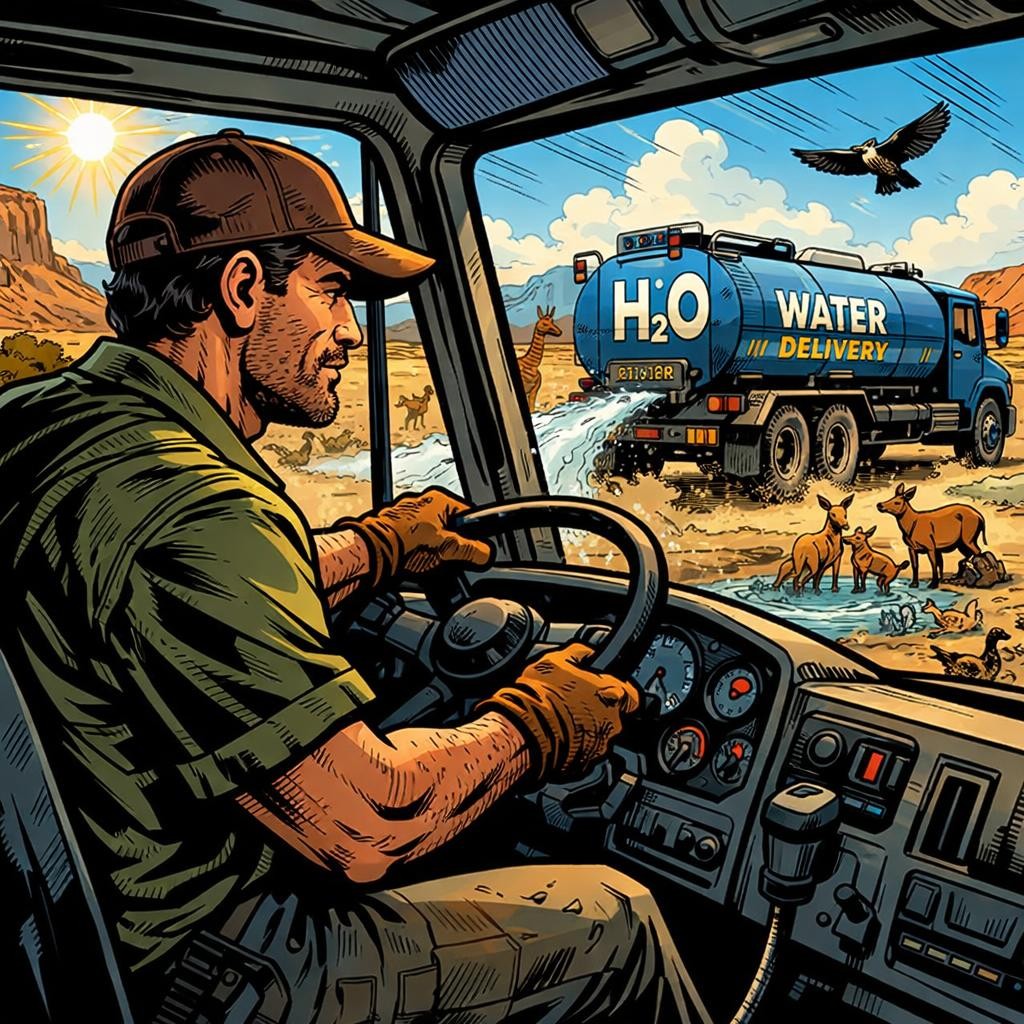
Man driving water truck delivering water to animals in desert

In a world where humans often take from nature, here was someone who simply gave back. No speeches, no grand declarations—just the steady rhythm of compassion in action.

When asked why he did it, his answer was simple:
“If I don’t do it, they will die.”

There is a profound truth in those words. Compassion does not always arrive with ceremony. Sometimes, it appears as a single person who sees suffering and refuses to turn away.

This story brings to mind the spirit of Rabindranath Tagore, whose words remind us that a life can gently illuminate another life:

Live yourself as a light,
Because you don’t know
Who, by your light,
May walk out of the darkness.

Keep kindness in your heart,
Because you don’t know
Who, through your kindness,
May walk out of despair.

Though often shared in his name, whether these lines are directly his or inspired by his spirit, their meaning echoes here with quiet truth.

This story reminds us that kindness does not require abundance. It does not wait for perfect conditions. It begins in the heart, in that quiet moment when we choose to care.

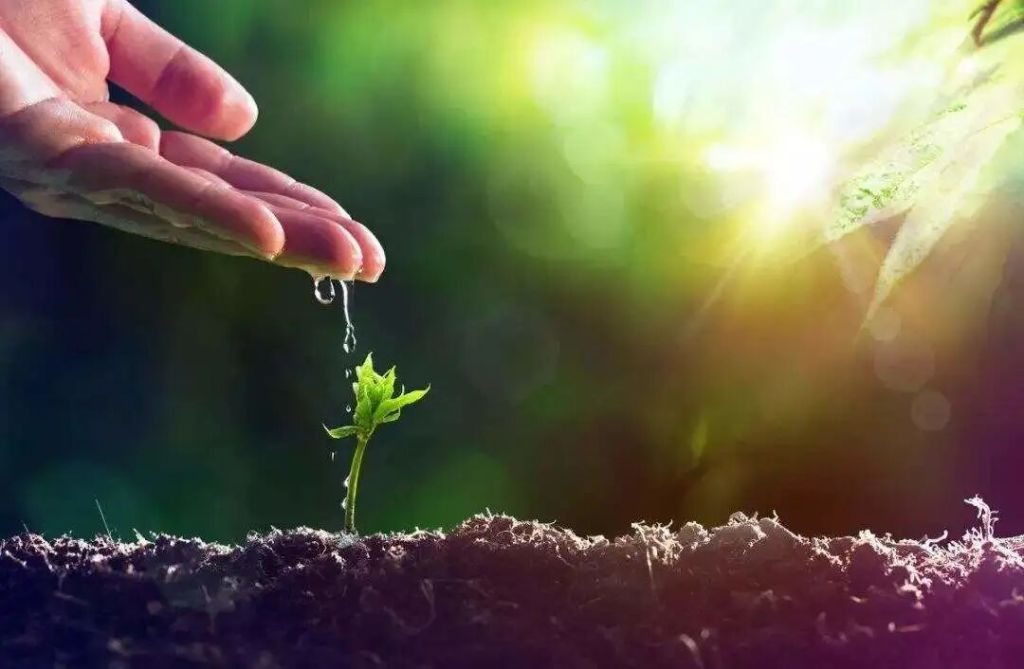
Like a drop of water falling into dry soil, one act of goodness can bring life where there was none. And just as water sustains the body, compassion sustains the spirit of the world.

Perhaps we may not all drive water trucks across deserts. But in our own lives, there are always thirsty places—moments, people, and hearts in need of care.

And perhaps, like him, we can choose to become a small river.

Flowing quietly.
Giving steadily.
Nourishing life, one drop at a time. 🌿
Link:https://peacelilysite.com/2026/04/08/when-one-heart-becomes-a-river-a-story-of-quiet-compassion-in-kenya/

The Woman Who Planted Hope: How Wangari Maathai Changed the World One Tree at a Time

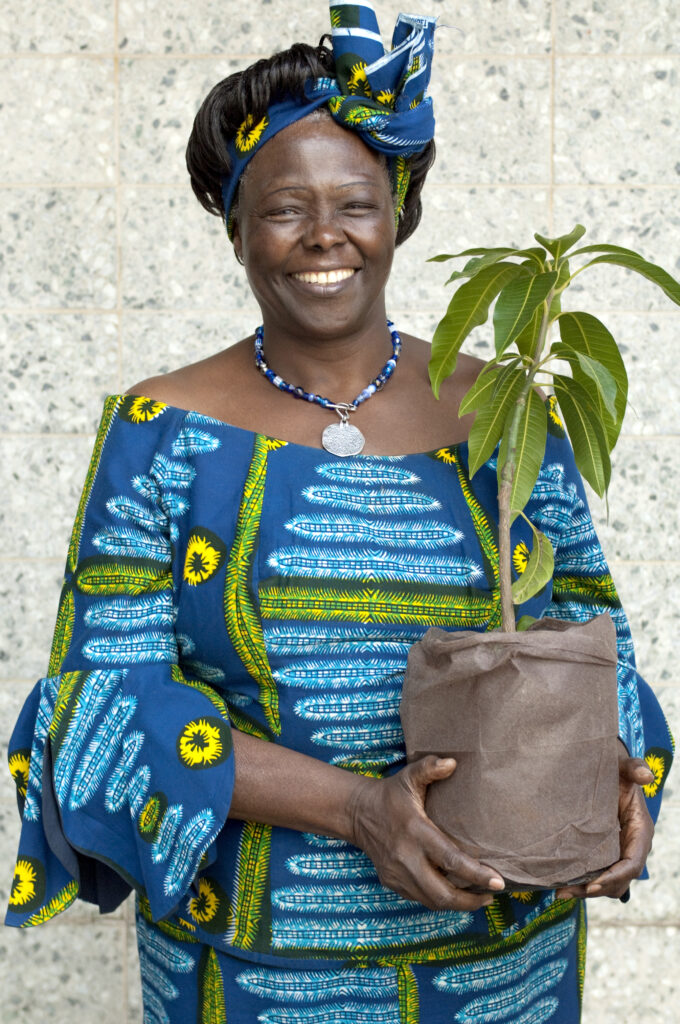
In a world often driven by ambition and material success, it is easy to overlook the quiet, transformative power of compassion. Yet history reminds us that lasting change is often born not from grand gestures, but from simple, sincere actions. The life of Wangari Maathai is a profound example of this truth. With unwavering courage and a heart rooted in service, she transformed the act of planting trees into a movement that restored both the land and the dignity of countless lives.

Born in rural Kenya, Wangari Maathai grew up closely connected to nature. She witnessed the gradual disappearance of forests, the drying of rivers, and the increasing hardship faced by local communities. Among those most affected were women, who depended on the land to sustain their families. Rather than accepting this decline, she chose to act. In 1977, she founded the Green Belt Movement, a grassroots initiative that encouraged women to plant trees in their communities.

What seemed like a simple solution carried deep wisdom. As trees took root, they began to restore the environment, protect water sources, and provide essential resources such as firewood. At the same time, the women who nurtured these seedlings gained a source of income and a renewed sense of independence. Through this work, Wangari Maathai did more than address environmental issues—she empowered women to reclaim their strength, their voices, and their place in society.

Yet her path was far from easy. As her movement grew, it began to challenge powerful interests tied to land exploitation and political control. Speaking out against injustice, she faced harsh resistance. She was arrested, harassed, and even subjected to violence. In the eyes of the authorities, her actions were seen as a threat. But in truth, she stood as a symbol of integrity and moral courage. She remained steadfast, guided not by anger, but by a deep commitment to what was right.

Her perseverance did not go unnoticed. In 2004, she was awarded the Nobel Peace Prize, becoming the first African woman to receive this honor. The recognition reflected more than her environmental achievements; it affirmed her vision that peace is deeply connected to justice, human dignity, and harmony with the Earth. Her life demonstrated that caring for the environment is not separate from caring for humanity—it is, in fact, an essential part of it.

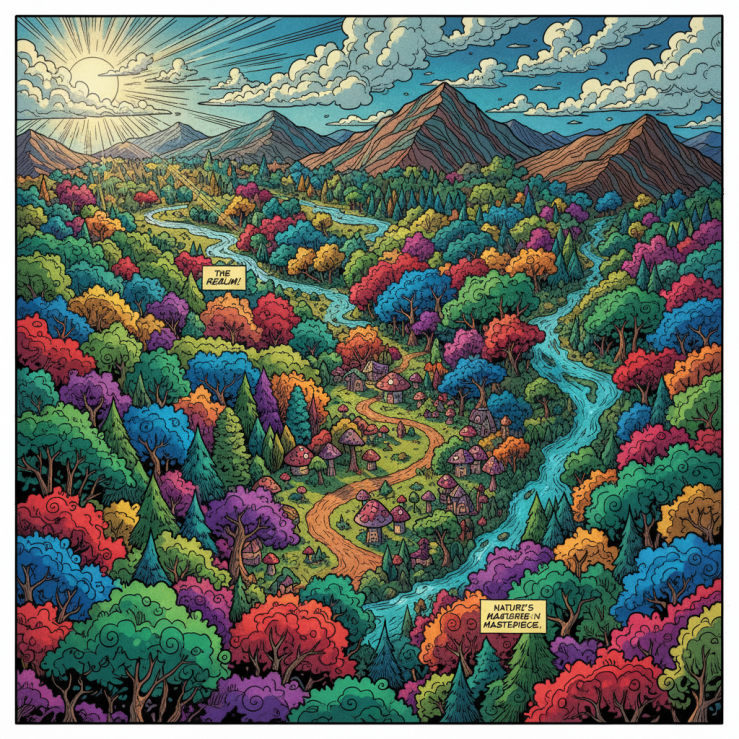
Beautiful aerial forest on Earth, vibrant

There is a quiet spiritual resonance in her journey. In many traditions, we are reminded that every action plants a seed, and every seed will one day bear fruit. Wangari Maathai understood this deeply. Each tree she planted was also an offering of hope, a gesture of compassion, and a step toward a more balanced and just world. Over time, these small acts grew into something far greater than anyone could have imagined.

Her legacy invites us to reflect on our own lives. In a world that often feels overwhelming, it is easy to doubt the impact of our individual efforts. Yet her story gently reminds us that meaningful change does not require perfection or power—it begins with intention. A single act of kindness, a moment of courage, or a commitment to do what is right can ripple outward in ways we may never fully see.

Wangari Maathai planted trees, but more importantly, she planted hope. And that hope continues to grow, quietly and steadily, in the hearts of those who are willing to care, to act, and to believe that even the smallest seed can change the world.

Link:https://peacelilysite.com/2026/04/06/the-woman-who-planted-hope-how-wangari-maathai-changed-the-world-one-tree-at-a-time/