The Majestic Ginkgo Tree: A Symbol of Beauty and Spiritual Significance

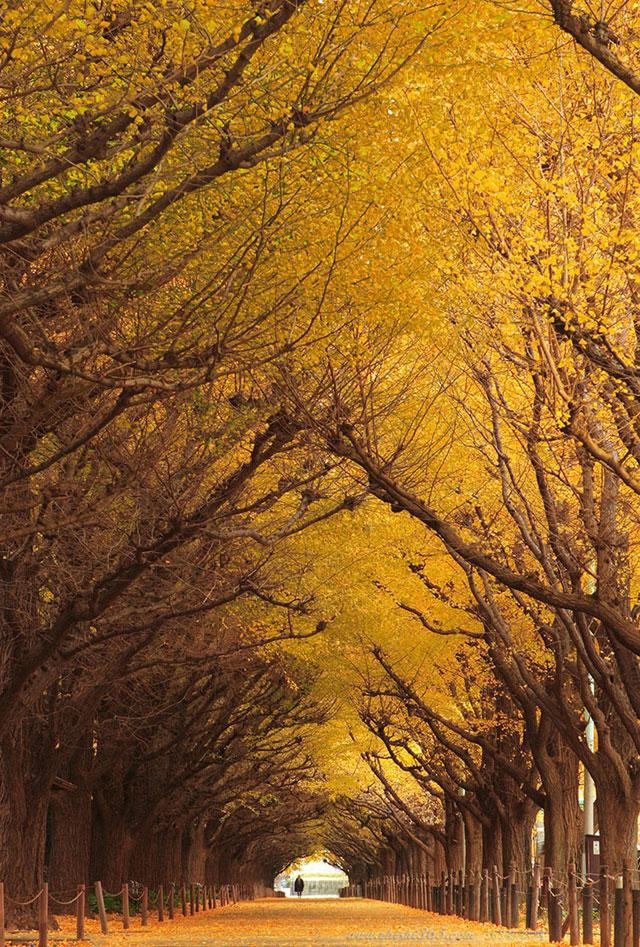
Autumn is often called “Golden Autumn,” a name inspired by the vibrant yellow hues of trees and plants that adorn the season. Among them, the ginkgo tree stands out, its radiant golden leaves creating a spectacle often described as “magnificent” and “resplendent.” This season marks the peak of the ginkgo tree’s beauty, transforming landscapes into breathtaking golden vistas.

A Living Fossil of Resilience

The ginkgo tree, also known as Ginkgo biloba or the “maidenhair tree,” is a living fossil, dating back over 150 million years. It is the sole survivor of an ancient plant lineage, standing tall as a testament to nature’s endurance. With its unique fan-shaped, two-lobed leaves that turn brilliant yellow in fall, the ginkgo has earned its place as a symbol of both beauty and longevity.

This ancient tree boasts remarkable regenerative powers. Mature ginkgo trees often give rise to thriving saplings, symbolizing vitality and the continuation of life. In Chinese culture, this resilience is likened to familial prosperity, embodying aspirations for blessings and generational success.

Medicinal Value and Modern Research

Beyond its aesthetic appeal, the ginkgo has significant medicinal properties. Traditional Chinese Medicine (TCM) uses its leaves and seeds for various remedies. Today, modern science highlights ginkgo leaf extract for its rich antioxidant content and potential benefits for brain function, circulation, and overall well-being.

A Sacred Symbol in Buddhism

In Chinese tradition, the ginkgo tree holds deep cultural and spiritual meaning. It symbolizes purity, endurance, and good fortune. Within Buddhism, the ginkgo is revered as the “Buddha tree,” representing enlightenment and spiritual resilience. Its longevity and abundant fruit make it a substitute for the sacred Bodhi tree in many temples.

During autumn, the ginkgo’s golden canopy creates a serene atmosphere in temple grounds, harmonizing with the red walls and golden roofs. This visual splendor evokes reverence and awe, inspiring mindfulness and devotion among practitioners.

ws.cc/zh-my/travel/3jqb9gy.html

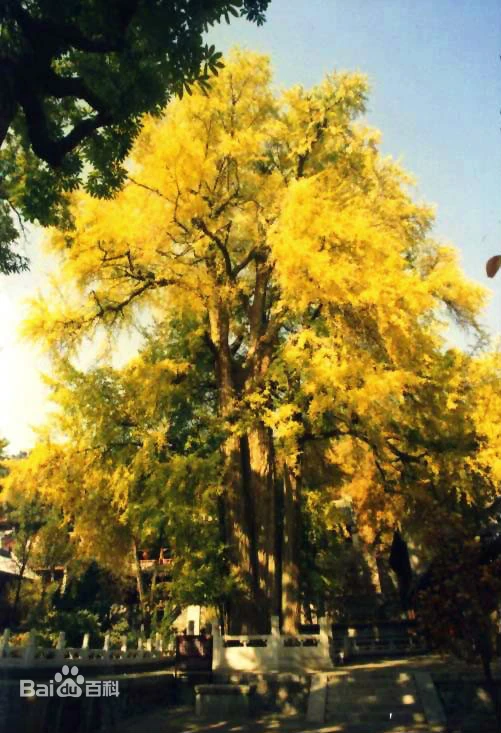
Ginkgo Tree at Xi’an’s Guanyin Zen Temple: A 1,400-Year-Old Beauty

The Thousand-Year-Old Ginkgo Tree at Tanzhe Temple, titled the “Emperor Tree” by Emperor Qianlong of the Qing Dynasty, is an extraordinary natural treasure. Standing over 24 meters tall with a trunk diameter exceeding 4 meters, it takes six or seven people joining hands to encircle its massive base. The tree’s canopy spans an area of more than 600 square meters, providing ample shade. Estimated to be over 1,300 years old, this tree is a testament to resilience and history.

Ginkgo Tree at Tanzhe Temple

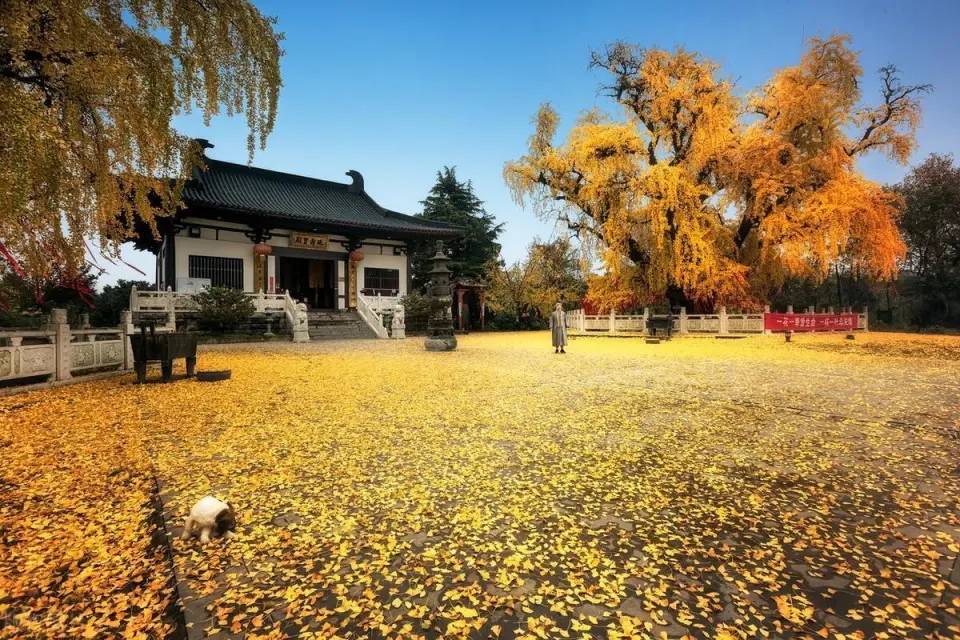
Dinghui Temple, a favorite spot for Suzhou residents to photograph ginkgo trees, is home to two towering, century-old ginkgo trees standing prominently in front of the main hall. In autumn, their golden leaves cascade to the ground, creating a dazzling and picturesque scene. (photos from https://news.qq.com/rain/a/20231105A07FBH00)

Suzhou City: DingHui Temple

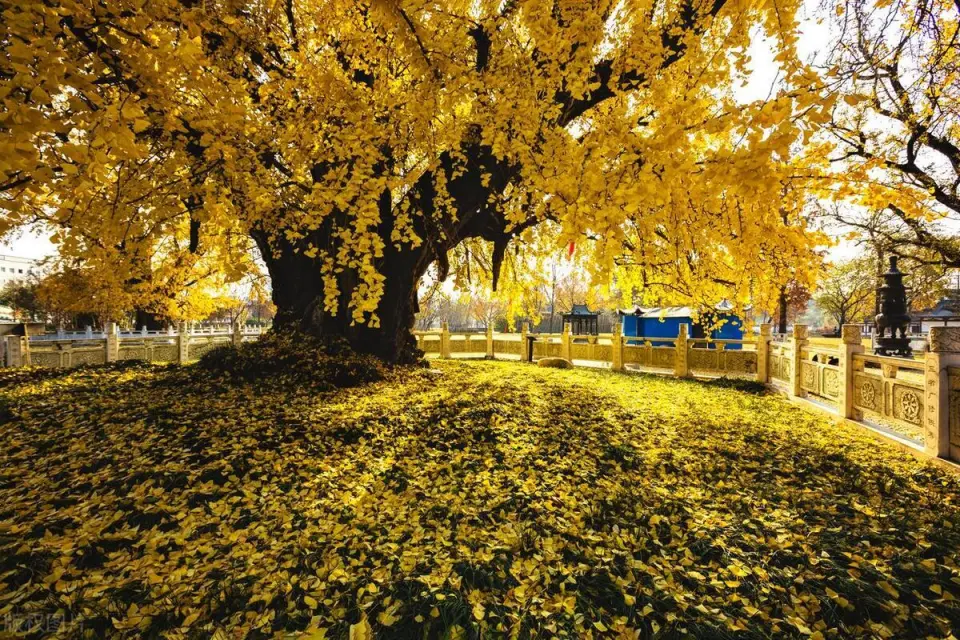
At the ancient Huiji Temple, Nanjing City, three venerable ginkgo trees, each over 1,500 years old, grace the temple grounds. As autumn arrives, their golden leaves blanket the treetops, creating a breathtaking contrast against the temple’s white walls and dark-tiled roofs. The scene resembles a magnificent ink-wash painting, captivating visitors with its timeless beauty. (photos from https://news.qq.com/rain/a/20231105A07FBH00)

Artistic and Symbolic Significance

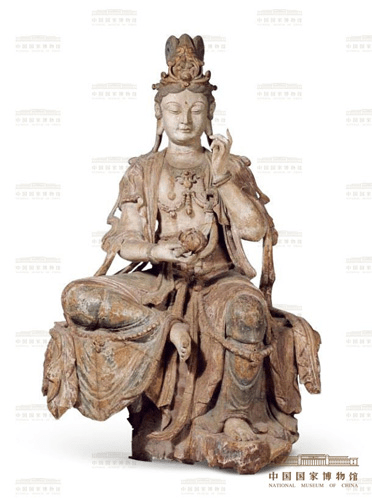
The ginkgo tree’s durable and fine-grained wood is prized for carving Buddha statues, earning it the moniker “Buddha’s fingernail.” Its leaves, resembling flames, symbolize light and warmth. In Buddhist tradition, the golden hue of ginkgo leaves reflects the nobility and purity of the Buddha’s body, which represents eternal light and wisdom.

The Buddha’s golden body, seen as untainted and impervious to worldly suffering, mirrors the ginkgo’s enduring nature. Similarly, the Buddha’s radiance is believed to dispel darkness, illuminate ignorance, and guide all beings toward compassion and enlightenment.

A Tree of Light and Legacy

The ginkgo tree, with its awe-inspiring beauty and profound cultural significance, is more than just a tree—it is a symbol of life, hope, and spiritual awakening. Its golden leaves remind us of the light within, inspiring resilience and reverence for nature’s timeless wisdom.

As we marvel at the ginkgo tree’s breathtaking beauty and the profound symbolism it holds, let it also serve as a gentle reminder of our responsibility to protect the natural world. These ancient trees, along with the countless wonders of nature, depend on our collective efforts to preserve their existence. By cherishing and safeguarding our planet, we ensure that future generations can continue to experience and draw inspiration from the harmonious balance and enduring wisdom of nature.

Link:https://peacelilysite.com/2024/11/20/the-majestic-ginkgo-tree-a-symbol-of-beauty-and-spiritual-significance/

Source:https://fo.china.com/fostory/20001207/20231214/25824463.html

Xinjiang’s Golden Tapestry: Exploring the Stunning Autumn Landscapes of China’s Northwest

As autumn quietly arrives on the vast land of Xinjiang, a stunning visual feast also begins. Autumn in Xinjiang is like a vivid, colorful painting, with every scene exuding its own unique charm.

If Tibet offers people a spiritual shock, then Xinjiang provides a visual impact.

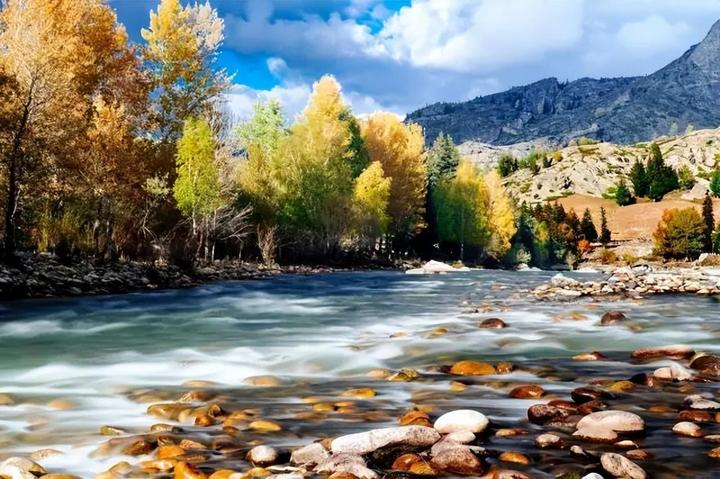
This is the place in China where autumn’s colors are the richest, with vibrant hues blooming amidst alternating poplar forests, lakes, rivers, and deserts.

If you missed the lush greenery of summer, you definitely cannot miss the splendid autumn of Xinjiang. Below is a suggested itinerary for Northern Xinjiang.

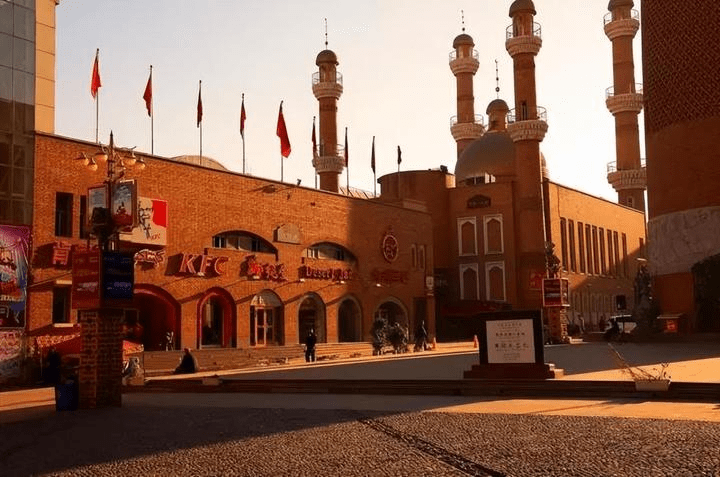
Day 1: Arrive in Urumqi, which can be reached via Urumqi International Airport. Upon arrival, explore the city with key places such as the Erdaoqiao International Bazaar, Hongshan Park, and the Xinjiang Uygur Autonomous Region Museum.

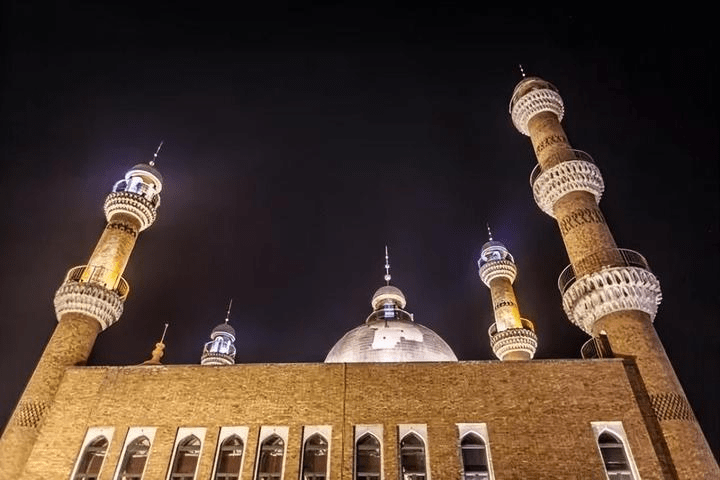
The International Bazaar is the largest bazaar in the world, combining Islamic culture, architecture, ethnic commerce, entertainment, and dining. It is known as the “Window to Xinjiang,” “Window to Central Asia,” and “Window to the World.” It symbolizes the prosperity of commerce and tourism in Xinjiang and serves as a scenic landmark in Urumqi, a city rich in ethnic diversity.

The architecture reflects a strong Islamic style, and while fulfilling modern functionality, it also recreates the historical glory of the ancient Silk Road. The bazaar showcases the deep ethnic characteristics and regional culture of Western China.

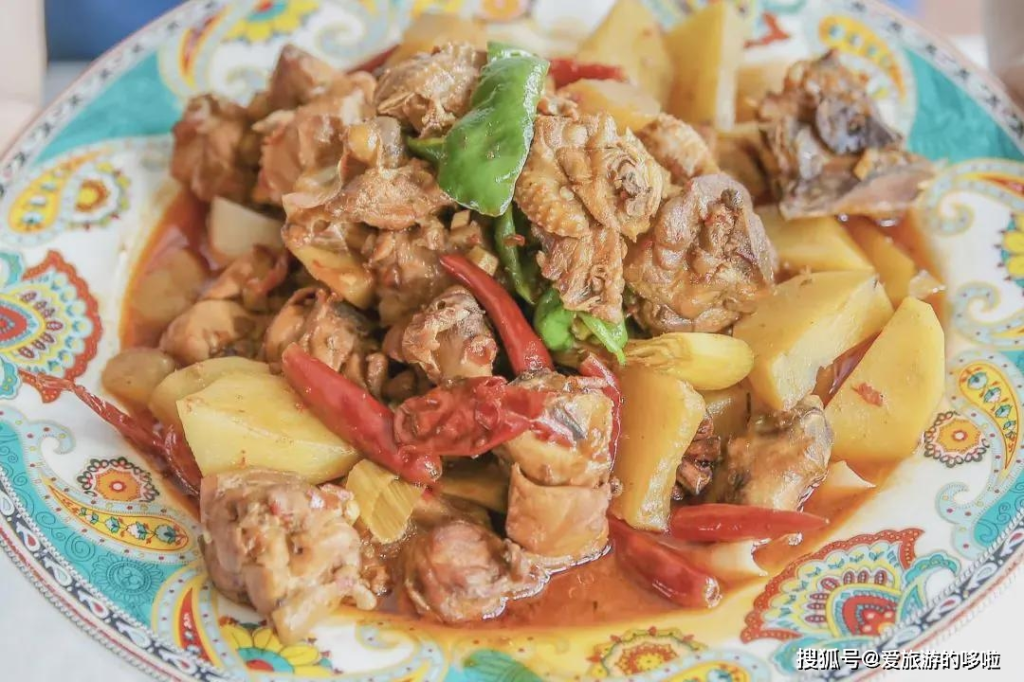
You can take Urumqi’s city rapid bus or BRT line 3 and get off at Erdaoqiao Station.Try Big Plate Chicken, baked buns, lamb kebabs, and hand-pulled rice to ignite your taste buds.

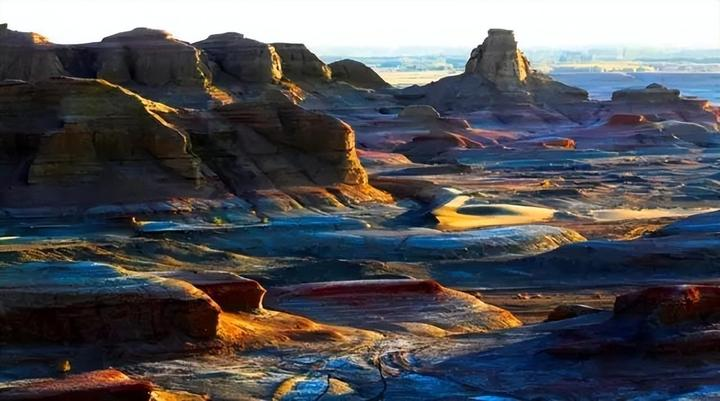
Day 2: Urumqi to Urho Ghost City, exploring the wind-eroded landscapes. Ghost City is also known as Urho Wind City.

It is a unique wind-eroded landform with bizarre shapes. The local Mongolian people call this place “Sulumuhaque,” and the Uygur people refer to it as “Shaytankarshi,” which means Ghost City. The Ghost City stands like a mighty castle in the vast Gobi desert.

This castle-like formation resembles pavilions, towers, corridors, streets, and even a demon’s treasure hall. On the western side of the city gate, there is a rock formation called the “Stone Monkey Gazing at the Sea,” and within the city, you’ll find the towering “Mount Fuji,” the temple-strewn “Angkor Wat,” the magnificent “Potala Palace,” and shapes that resemble a cobra, a roc, and other creatures. These scenes are incredibly varied and dazzling, forming a dreamlike maze.

From a distance, you’ll marvel at its grandeur and magnificence, praising nature’s incredible craftsmanship. Bathed in the glow of the setting sun, the Ghost City becomes a kaleidoscope of colors, resembling a medieval castle with uneven heights and intricate layers, creating a unique spectacle in the Gobi desert.

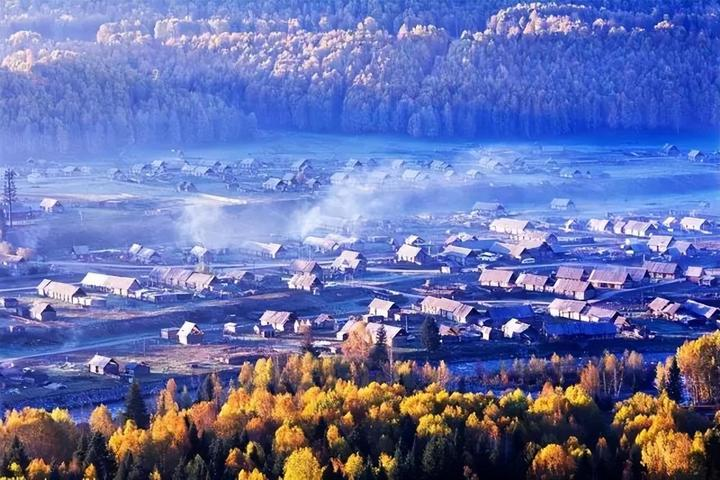
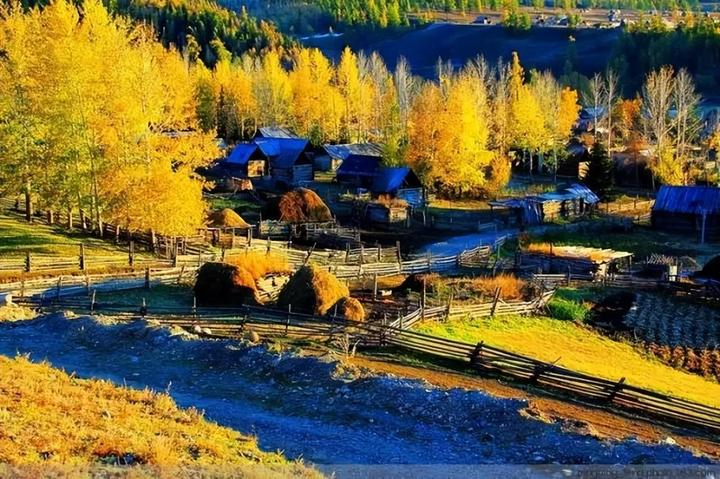
Day 3: Hemu Village, the most beautiful secluded village – Experience the traditional life of the Tuva people.

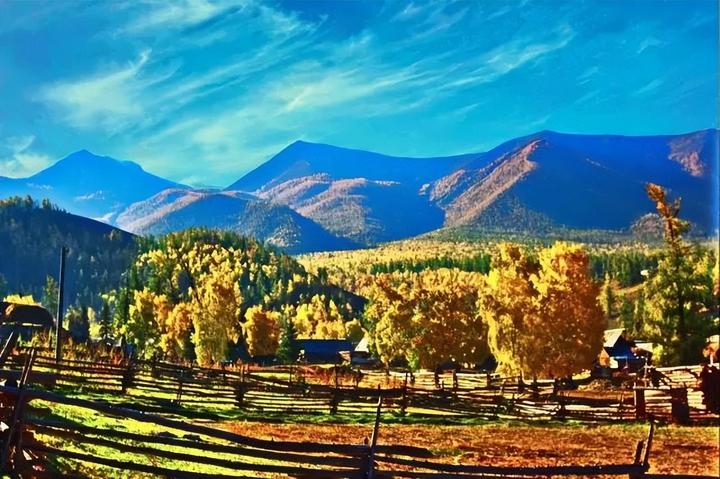
In autumn, the golden leaves of Hemu Village contrast beautifully with the rustic wooden houses. Walking along the village’s paths, the rustling of fallen leaves underfoot seems to whisper stories of the passing years. This is a great place to experience the life of the Tuva people. You can taste local delicacies, enjoy traditional singing and dancing, and immerse yourself in the charm of their unique culture.

Nestled in a vast open area surrounded by mountains, Hemu Village lies quietly, with the Tuva people’s pointed wooden houses and livestock pens scattered casually throughout the village.

A faint mist forms a winding white ribbon above the forest, drifting between the village and the mountains. The most captivating aspect of Hemu Village is its stunning autumn scenery, where mountains covered in red foliage are breathtaking. Smoke rises slowly through the autumn colors, forming a dreamy mist that makes the village look like a fairyland.

Day 4: Kanas – Immersing in the breathtaking scenery of lakes and mountains.

Kanas is one of the world’s rare “earthly paradises.” Its unparalleled beauty is something that even the best photography skills cannot fully capture.

Kanas combines the grandeur of northern landscapes with the delicate charm of southern waters. Additionally, there are other breathtaking spectacles such as the “Sea of Clouds with Buddha’s Light,” the “Color-Changing Lake,” the “Floating Wood Dyke,” and the “Lake Monster,” making it a true wonderland of the Western regions.

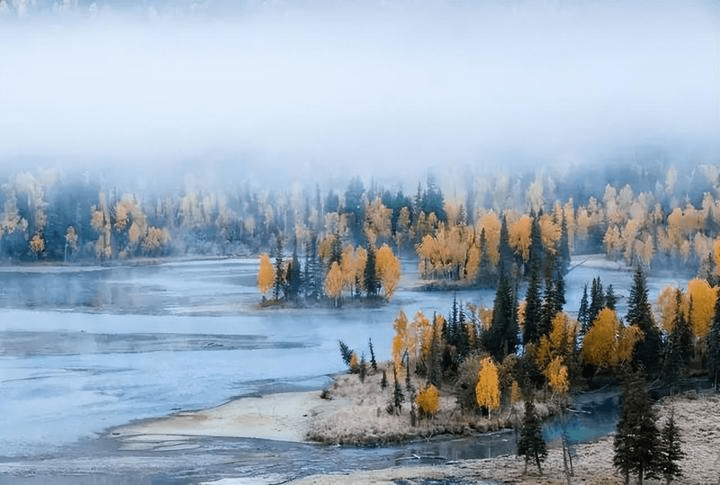
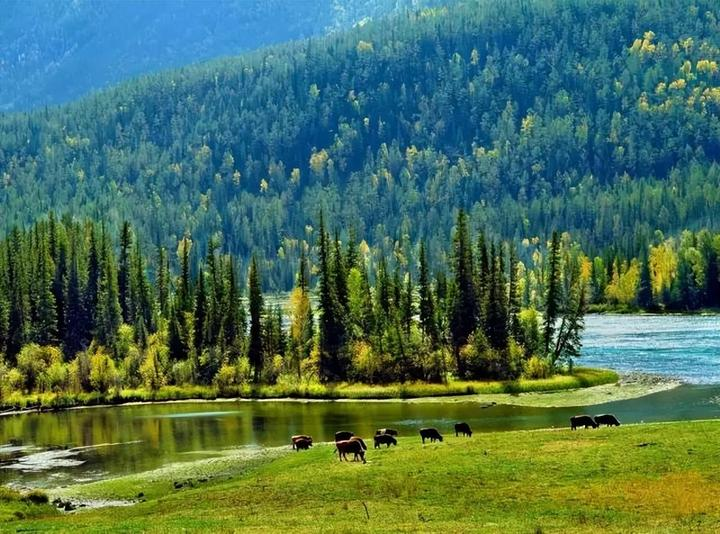
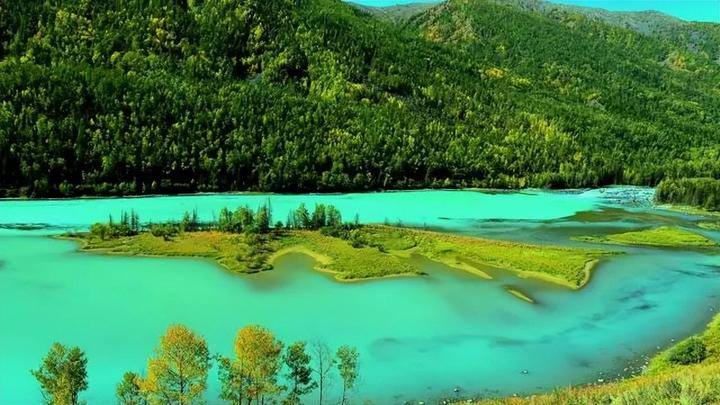
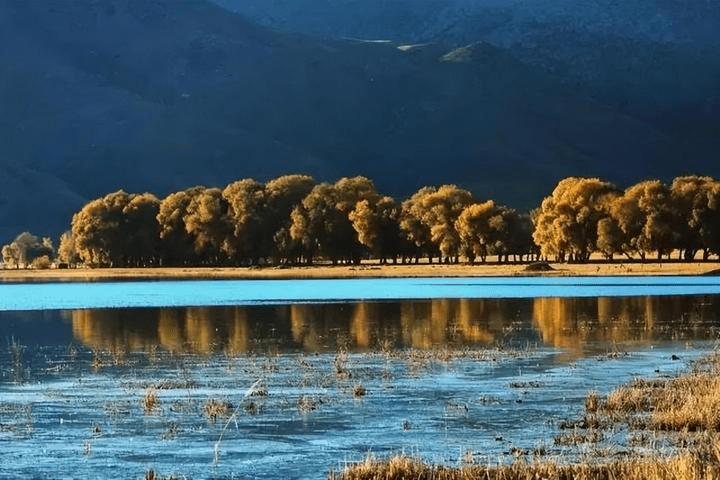
Kanas Lake: This lake, known as the “Earthly Fairyland,” reveals a unique charm in autumn. The lake’s water remains as emerald green as a gemstone, while the surrounding forests are transformed by autumn frost into a dazzling array of colors—fiery reds, golden yellows, and sunset oranges. These hues, set against the backdrop of a bright blue sky, form a breathtaking painting, as if nature itself had painted it with the finest brushstrokes.

Kanas Lake is an alpine lake nestled deep in the Altai Mountains’ dense forests. In 2009, it was named the “Most Beautiful Lake in China” by Chinese National Geography magazine.

Best time to visit: From June to early October.

Transportation: The Kanas Scenic Area has its own airport, and you can fly directly from Urumqi to Kanas. The flight takes about 50 minutes.

Day 5: From Baihaba to the Rainbow Beach, admire the colorful rocks and rivers.

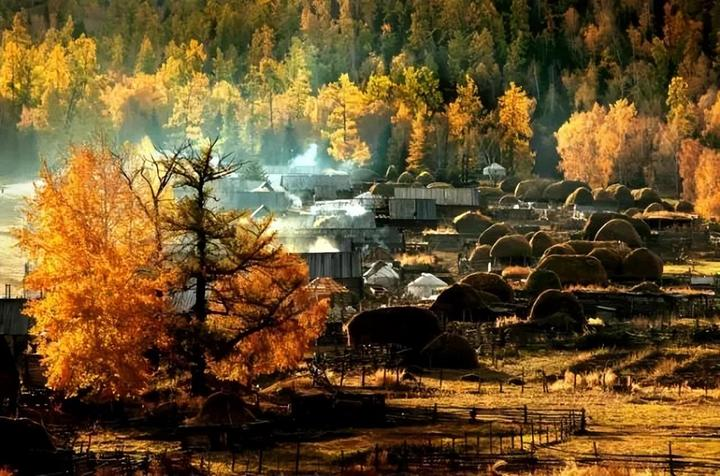
Baihaba Village, known as “the first village in the northwest,” faces the towering mountains of Kazakhstan in the distance. The dense golden pine forests of the Altai Mountains stretch all the way to Baihaba, where the villagers’ wooden houses and livestock pens are scattered harmoniously among the pine and birch forests, creating a peaceful and serene atmosphere. All of the village’s buildings are made of raw wood, with rustic log cabins as its signature feature, giving it the feel of a European-style village.

Baihaba Village: This place, known as “one of the eight most beautiful towns in China,” is especially breathtaking in autumn. The entire village is surrounded by golden birch forests, making it look like a golden fairy-tale world. The old wooden houses are scattered harmoniously among the trees, with smoke gently rising from the chimneys, creating a strong sense of rustic life.

At sunset and in the misty mornings, the smoke drifts lazily, while cows and sheep graze on the hills, painting a picture of harmony between humans and nature. If Kanas is a secluded, ancient paradise, then Baihaba is a fairy-tale world nestled in an untouched natural environment.

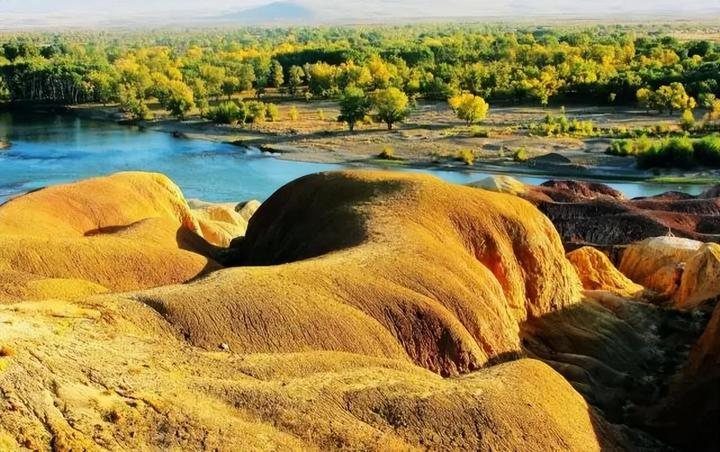
In the morning, immerse yourself in the rustic atmosphere on the grasslands of Baihaba. In the afternoon, head to the spectacular Rainbow Beach to admire Xinjiang’s most beautiful Yardang landforms. The hills here have unique geological features and display a variety of colors. At sunset, under the sunlight, the rocks primarily glow red, with shades of green, purple, yellow, white, black, and transitional hues, creating a vibrant and mesmerizing palette, which is why it’s called “Rainbow Beach.”

Whenever the wind blows, strange sounds of varying lengths and pitches echo from the gullies and beneath the rocks, adding a mysterious and otherworldly feel to the place.

Day 6: Keketohai – Enjoy the tranquility of lakes and forests.

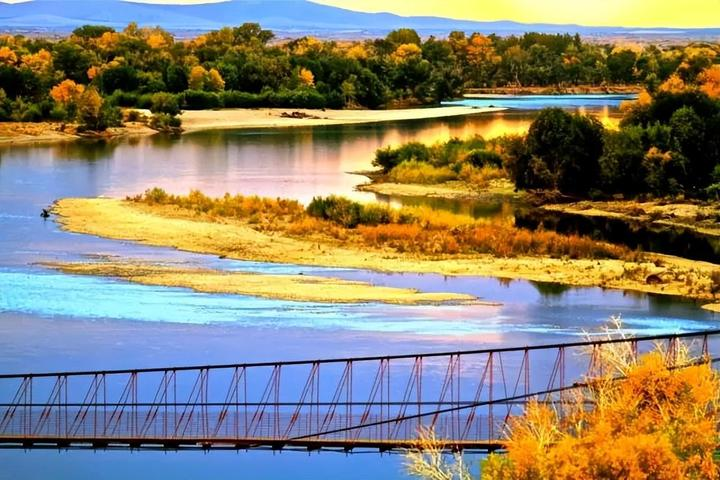
Keketohai Town is located 48 kilometers northeast of Fuyun County in the Altai Mountains, in northern Xinjiang Uygur Autonomous Region. In Kazakh, “Keketohai” means “green forest,” and in Mongolian, it means “blue river bend.”

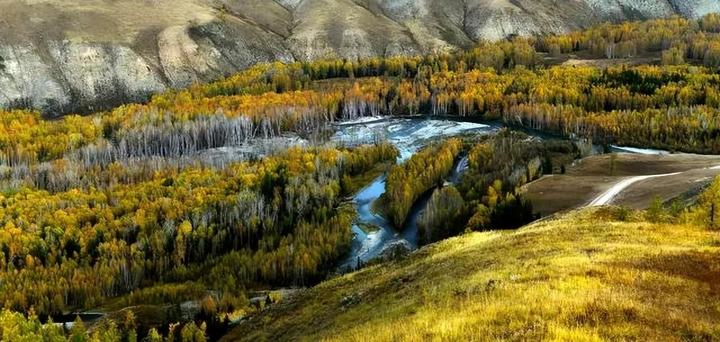
In autumn, the golden birch forests of Keketohai beautifully complement the clear river waters. The river flows gently, reflecting the stunning scenery on both banks, like a giant mirror. Strolling along the river, feeling the breeze and listening to the birds sing, fills one with a sense of peace and serenity.

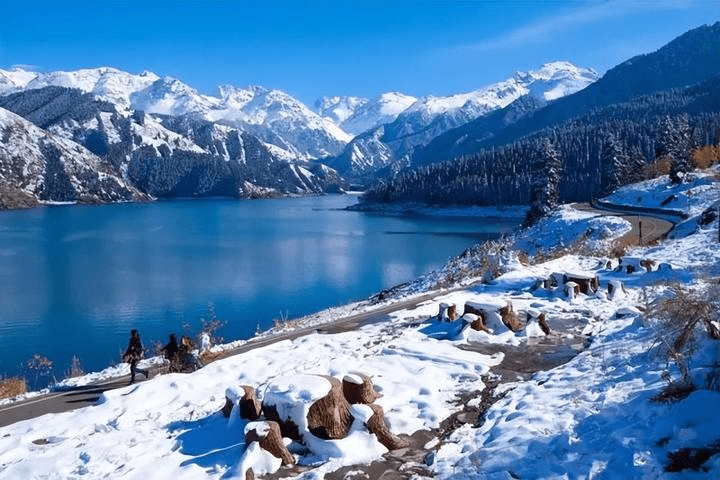
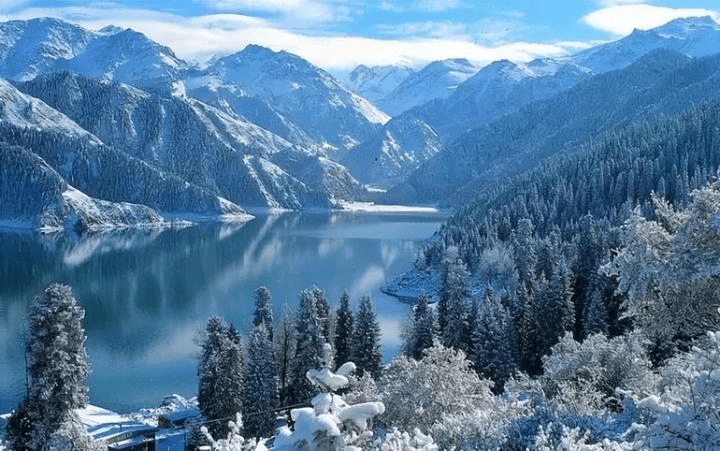
From here, you will have seen most of the beautiful autumn scenery in northern Xinjiang, and you can return to Urumqi to end your trip. If you have more time, you can visit Heavenly Lake (Tianchi) to admire the snowy mountains and emerald waters.

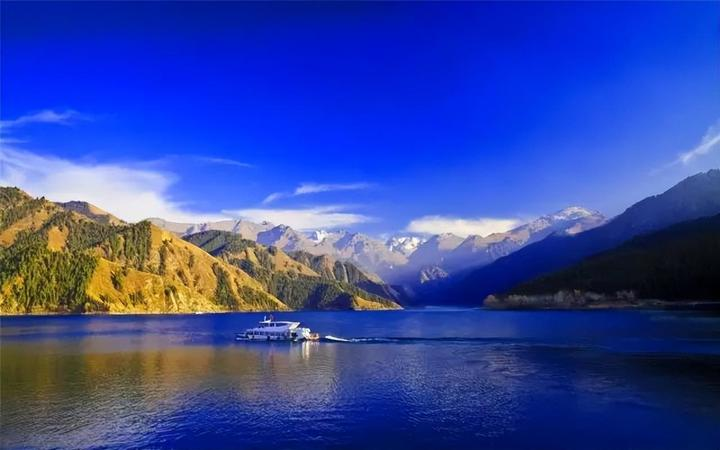
Heavenly Lake: A fairyland amidst the surrounding mountains.

Over the course of history, in the vast wilderness of China’s western regions, a place of extraordinary beauty emerged—Heavenly Lake in the Tianshan Mountains.

Historically known as “Jade Pool,” legend has it that King Mu of the Zhou dynasty traveled west and held a feast with the Queen Mother of the West here. In the Qing dynasty, during the reign of Emperor Qianlong, it was named “Tianchi,” meaning “Heavenly Mirror” or “Divine Lake.”

Heavenly Lake is an extraordinary and mesmerizing sacred site.

Its fame not only comes from the beautiful and mysterious legends associated with it throughout history, but also from its unique natural and cultural landscapes, renowned both domestically and internationally! The Bogda Peak of the Tianshan Mountains rises to 5,445 meters above sea level, its snow-covered glaciers extending throughout the year. The snowy mountains and the blue lake complement each other, creating breathtaking scenery. The surface of the lake is crescent-shaped, and the water is crystal clear, as pure as jade.

The snow-capped peaks reflect in the lake, surrounded by towering spruce trees, with the emerald waters as smooth as a mirror, forming a picturesque landscape. Encircled by mountains, the area is lush with green grass and vibrant wildflowers, earning it the title “Pearl of the Tianshan Mountains.” Tall, verdant spruce and pine trees cover the mountains and ridges, creating a dense forest canopy.

Link:https://peacelilysite.com/2024/10/18/xinjiangs-golden-tapestry-exploring-the-stunning-autumn-landscapes-of-chinas-northwest/

Source : photos from https://www.52hrtt.com/br/n/w/info/F1665986705929

Autumn in Jiuzhaigou: A Colorful Paradise

Jiuzhaigou National Park is located in southwestern China in the north part of the Sichuan Province. The park covers an area of 280 square miles (720 sq km). It is a UNESCO World Heritage Site and a World Biosphere Reserve.

The elevation varies from 6,600 to 14,800 feet (2,000 to 4,500 m). The Jiuzhaigou valley falls within the Min Mountains and serves as the heart of the national park. The national park is renowned for its beautifully colored lakes, the numerous layered waterfalls, and peaks that are frequently snow-capped.

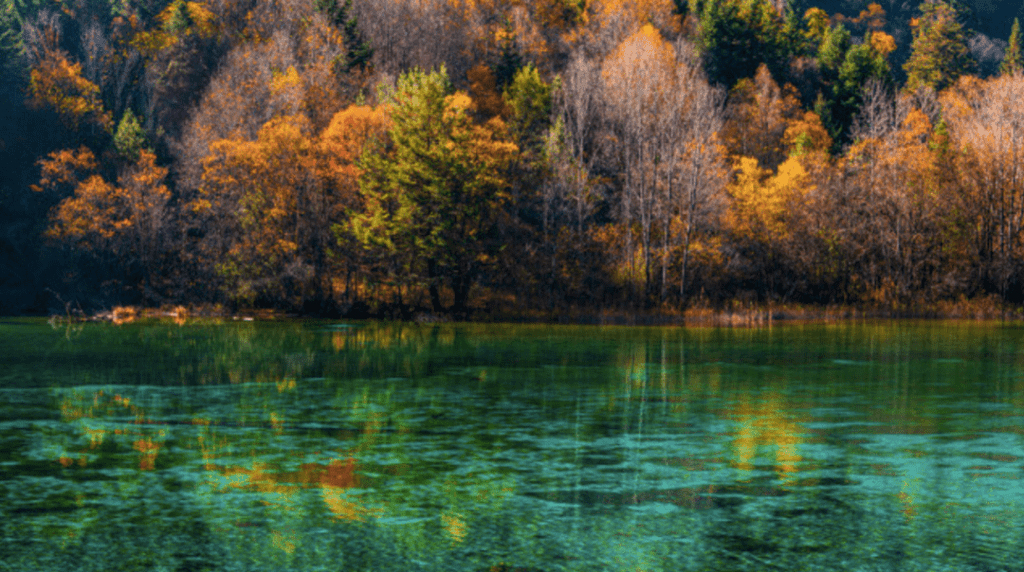
The autumn season in Jiuzhaigou is nothing short of a masterpiece, painted with a palette of vibrant colors. As mid-to-late October arrives, the transformation of the trees in Jiuzhaigou nears completion. The leaves change from a lush green to a brilliant gold, while others take on a stunning red hue that blankets the mountains.

The forest is ablaze with shades of red and yellow, creating a dazzling display that is reflected in the tranquil waters of the lake. The backdrop of a clear, clean blue sky enhances the refreshing atmosphere. Standing amidst this natural wonder, you can’t help but feel like you’ve stepped into a colorful paradise.

When autumn graces Jiuzhaigou, it feels as if you’ve entered a fairy tale world. The leaves compete in a brilliant display, reminiscent of flowers vying to bloom. But Jiuzhaigou is not just about the autumn leaves; it’s also about the countless streams that flow gracefully between the red and yellow leaves. These streams create a spectacular scene that is a rare sight to behold. In that moment, it feels as if all your worries and troubles simply melt away. In Jiuzhaigou, there is also the Five Flower Sea, which offers a 360-degree unobstructed view of breathtaking beauty.

Autumn in Jiuzhaigou is akin to a pot of warm and soothing wine that makes the earth’s cheeks blush and the eyes sparkle. As you stroll along the winding walkways, the warm sunlight bathes your face and body, gently warming your body and soul. The light dances through the valleys, casting a dazzling glow on the bright colors of the forest. The colorful mountains reflect in the calm water, creating a harmonious display of colors between the mountains and the water. It feels as if you’ve stepped into a dreamlike world. Every glance is met with stunning scenery, capturing your heart and leaving you in awe. The water’s surface, stirred by the autumn wind, shimmers with sparkling light and patchy colors, creating a captivating display of colorful rays of light cascading across the water.

If you wish to witness the sunrise in Jiuzhaigou during autumn, the best time is after 8:30 AM and before 5:00 PM for sunset. For those looking to capture the beauty of the “seas” (lakes) in Jiuzhaigou, the lighting is optimal during these times, ensuring that you can showcase the captivating colors of Jiuzhaigou’s “seas”.

Autumn in Jiuzhaigou: A Colorful Paradise

Link:https://peacelilysite.com/2023/11/03/autumn-in-jiuzhaigou-a-colorful-paradise/

#Autumn #Jiuzhaigou #NationalPark #ColorfulParadise #UNESCOWorldHeritageSite

Source: https://national-parks.org/china/jiuzhaigou all photos from website https://www.sohu.com/a/423494066_120065322, https://www.expatsholidays.com/14-unique-places-to-see-autumn-foliage-in-china

Mist, Clouds, and Autumnal Color

Artist: H.H. Dorje Chang Buddha III 

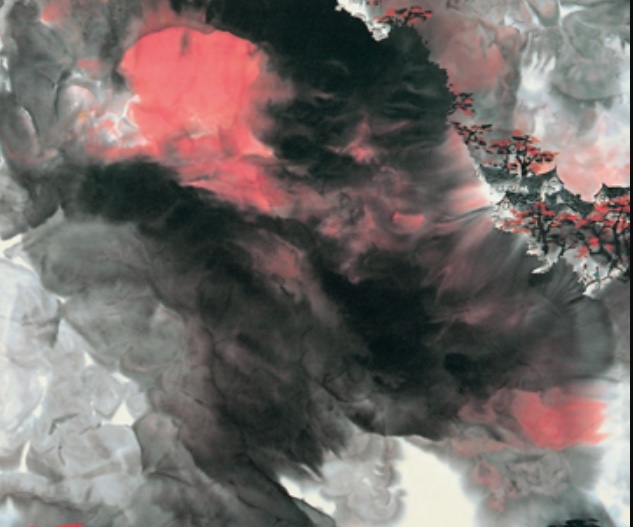
Mist, Clouds, and Autumnal Color – A Splash-ink Painting

I love all four seasons, but Autumn is my favorite. Autumn is an artist, painting the world in vibrant hues of red and gold. The sunshine is warm and soft, and the sweet joy of the harvest season fills the air. And to top it all off, the weather is just about perfect. There is truly no better time to just sit down and take in the beauty of nature.

Many artists aspire to capture this beauty in brush and ink, to keep a souvenir of Fall’s charm. When I saw the painting Qiu She Yan Yun (Mist, Clouds, and Autumnal Color) for the first time, I felt as if I had melted into the distinct autumnal colors and mist.

“Mist, Clouds, and Autumnal Color” is a splash-color painting that conveys a very strong sense of flowing watery ink and colors. An air of power and grandeur expressed through clouds that seem to swallow mountains and waters pervades the entire painting. The natural captivating charm of this scene is similar to the charm of a scene on the ground after a long, flowing river has just rolled by. This setting is embellished with red maple leaves and houses amid autumnal, cloudy mountains, presenting a wonderful image distinctly characteristic of fall.

When carefully examining the watery ink that produced such charm, one can see beautiful areas that are themselves paintings within a painting and details that are hidden within rough brushwork. Even within small areas are subtle variations of darkness and light, of the surreal and the real, all the while embodying splendid charm.

The artist highly preserves traditional painting skills, large-scale splash-ink technique, freehand brush work and fine brush stroke. Very tiny signs of charm can be seen amid this large-scale splash-ink painting. Soaring charm and exceptional beauty are words that aptly describe this art work.

This painting is in permanent collection of The International Art Museum of America located in downtown San Francisco.

Mist, Clouds, and Autumnal Color – A Splash-ink Painting

Link: https://peacelilysite.com/2022/09/22/mist-clouds-and-autumnal-color/

#SplashinkPainting#ChinesePainting #DorjeChangBuddhaIII #HHDorjeChangBuddhaIII#DorjeChangBuddha#IAMA#InternationalArtMuseumofAmerica#Art#Artist