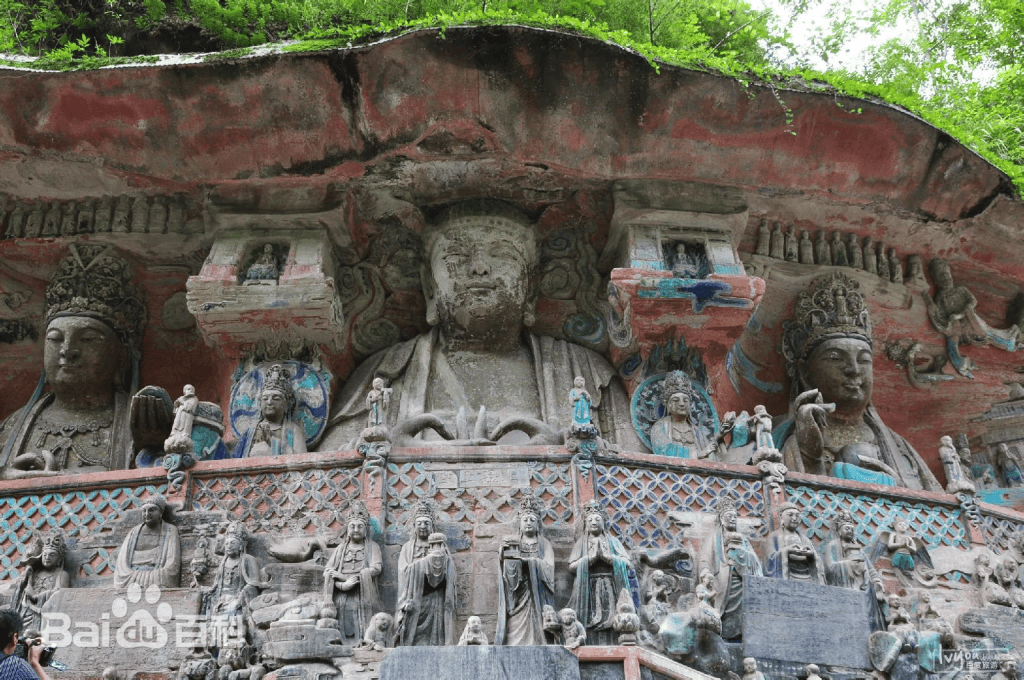
Beyond Chongqing’s dazzling skyline lies an extraordinary world of ancient Buddhist art, spiritual wisdom, and forgotten stories carved into stone.
When people visit Chongqing, China, they often come for its spectacular mountain cityscape, glowing skyscrapers, and famous spicy hot pot. But about a journey away in Dazu lies a treasure that deserves far more international attention: the Dazu Rock Carvings, one of China’s most remarkable collections of ancient religious art.
Here, along the cliffs of Baodingshan, thousands of figures tell stories of the Buddha, compassion, karma, filial devotion, and the consequences of our actions. Created mainly during the Song Dynasty, these remarkable sculptures have survived for centuries, preserving not only religious teachings but also glimpses of everyday Chinese life.
The Dazu Rock Carvings were inscribed on the UNESCO World Heritage List in 1999. Their artistic beauty lies not only in their scale and craftsmanship, but also in the way Buddhist, Taoist, and Confucian ideas come together in a uniquely Chinese expression of spiritual life.
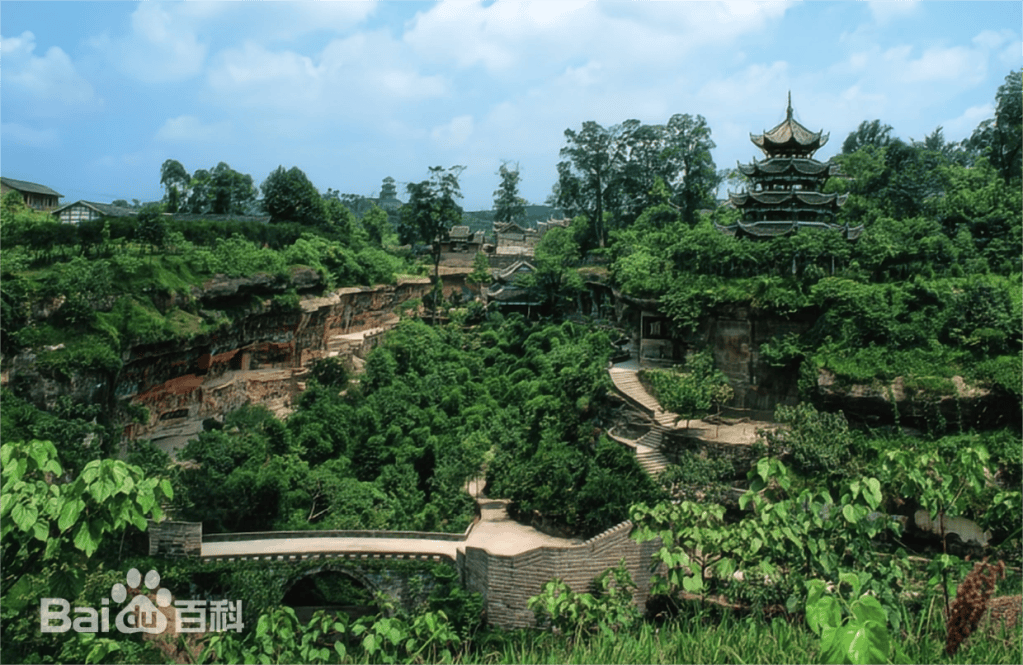
The Dazu Rock Carvings are not a single cave or monument. They comprise more than 70 protected sites, with five principal groups: Baodingshan, Beishan, Nanshan, Shizhuanshan, and Shimenshan.
The carvings date mainly from the late ninth through the thirteenth century. Baodingshan, the focus of this visit, reached its artistic height during the Southern Song Dynasty, particularly under the direction of the Buddhist monk Zhao Zhifeng.
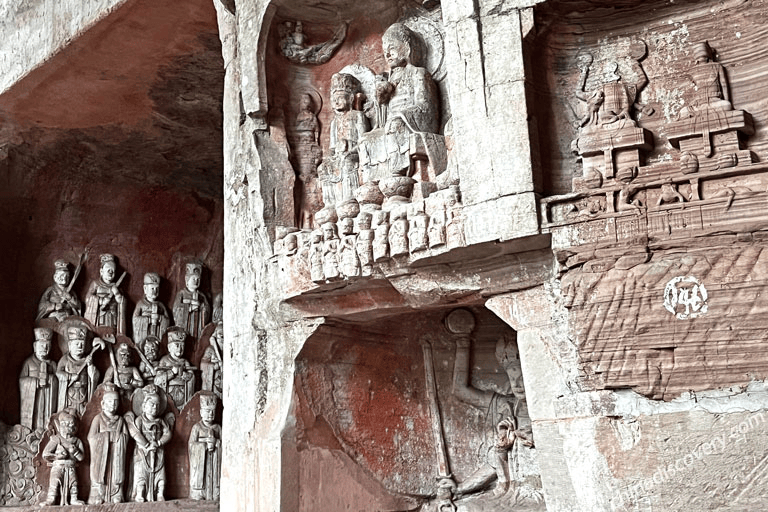
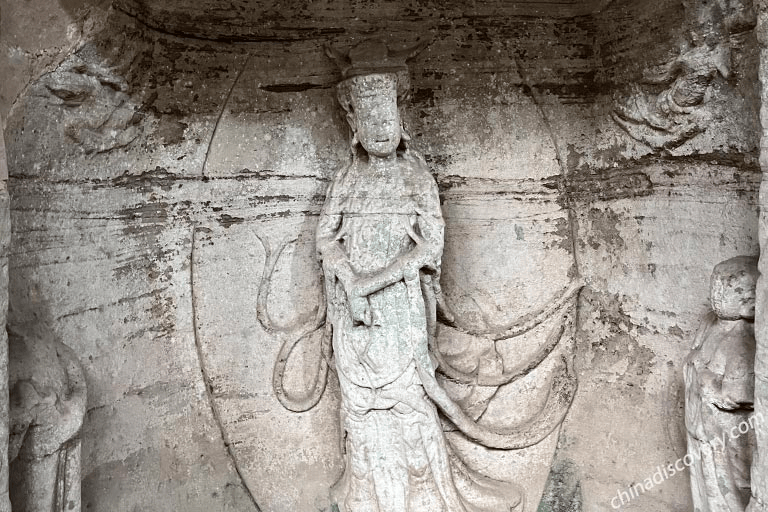
Walking along the great cliff at Baodingshan, visitors encounter an astonishing procession of sculpted figures. Buddhas sit in meditation, bodhisattvas offer protection, and heavenly beings fill elaborate niches. Some figures are monumental, while others are small details that reward a closer look.
Unlike a collection of isolated statues, the carvings form a connected visual narrative. Each scene has a purpose, inviting visitors to contemplate the Buddha’s teachings through images rather than words alone.
For people who love Buddhist history, this is a place where ancient stone seems to speak.
The Giant Reclining Buddha: A Vision of Peace
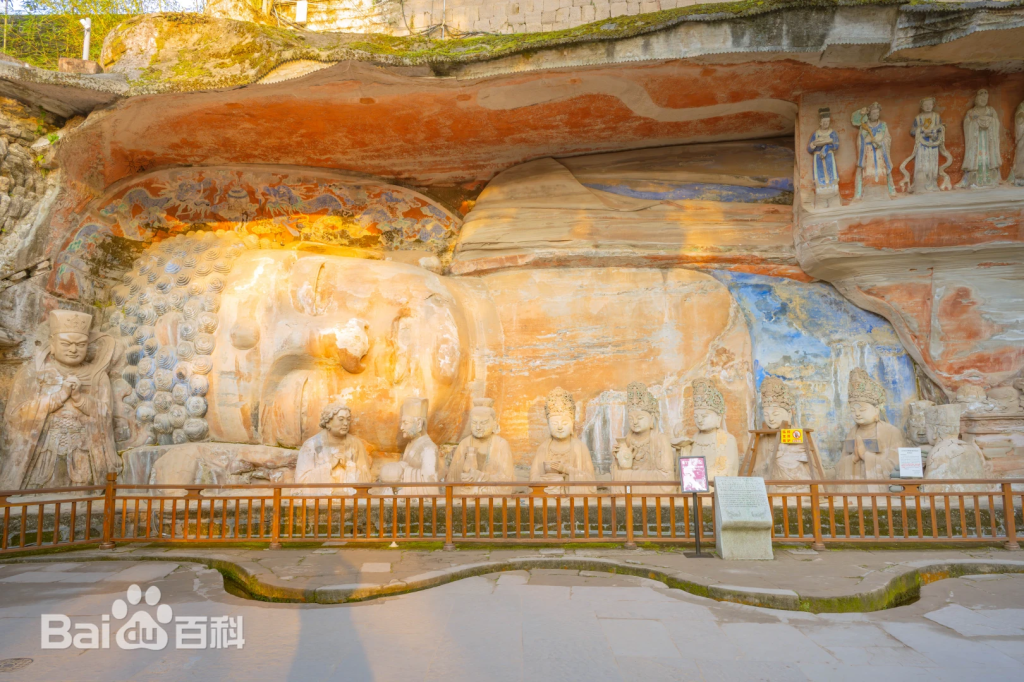
One of Baodingshan’s most extraordinary masterpieces is the monumental image of Shakyamuni Buddha entering parinirvana, the final passing of a fully enlightened Buddha beyond the cycle of rebirth.
The reclining Buddha measures approximately 31 meters in length. Yet one of the most ingenious features of the sculpture is that much of the figure remains concealed within the cliff. Only part of the Buddha’s body is visible, suggesting a vastness that extends beyond what the eye can see.
This is more than an impressive feat of ancient engineering. The image carries a profound spiritual meaning.
The Buddha lies peacefully on his side, his expression calm and composed. Around him, figures gather in response to his final passing. The scene invites us to reflect on impermanence: everything that comes into being will eventually change.
In Buddhist teaching, death is not simply an ending to be feared. It is a reminder to understand the nature of existence and to use the precious time we have wisely.
Standing before this enormous figure, we may find ourselves thinking less about how long we will live and more about how we choose to live.
Can we be kinder while we have the opportunity? Can we let go of unnecessary resentment? Can we bring more peace to the people around us?
Perhaps the Buddha’s quiet presence offers a lesson that no words could express more clearly.
The Thousand-Hand Guanyin: A Thousand Ways to Help
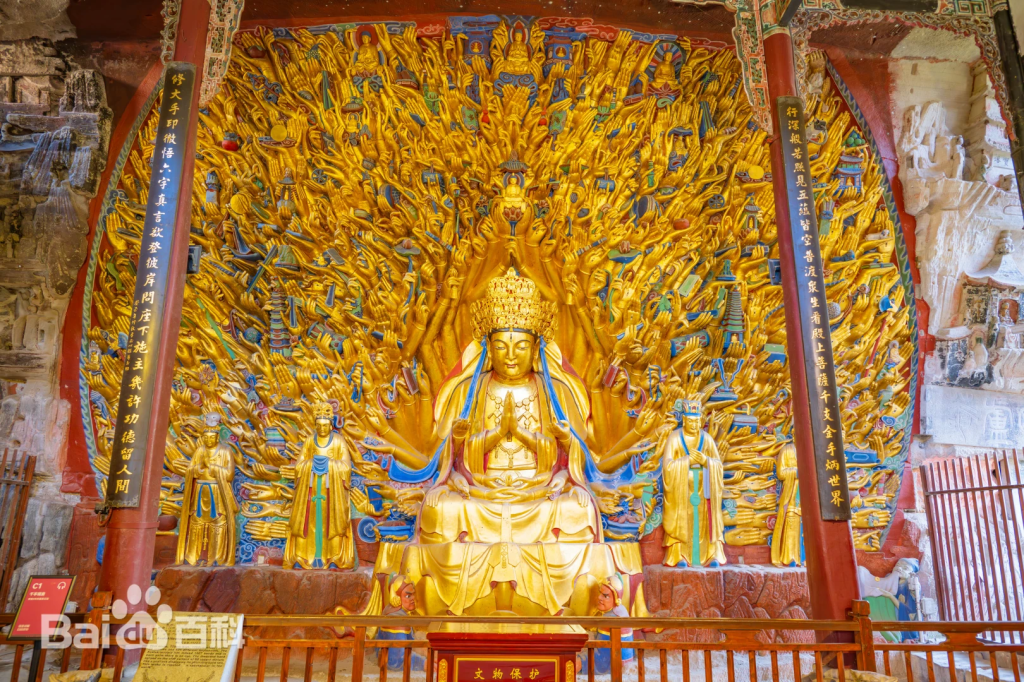
Another masterpiece at Baodingshan is the magnificent Thousand-Hand, Thousand-Eye Guanyin, the bodhisattva of compassion.
In Buddhist tradition, Guanyin (Avalokiteshvara) represents compassionate awareness of the suffering of sentient beings. The many hands symbolize the ability to reach out in countless ways, while the eyes represent the wisdom to recognize where help is needed.
The Baodingshan sculpture is especially remarkable. Its carved composition covers approximately 88 square meters and includes 1,007 hands and eyes. The gilded image, with its intricate details and radiant appearance, demonstrates the extraordinary skill of the artisans who created it.
Imagine the patience required to shape and decorate so many delicate details into a cliff face centuries ago, without modern machinery.
The work has also required care across generations. Because of its delicate condition, the sculpture underwent a major restoration completed in 2015, helping preserve this irreplaceable treasure for future visitors.
But its deepest beauty lies in its message.
Compassion is not merely feeling sorry for someone. It is recognizing suffering and responding when we can. Sometimes help means giving money; sometimes it means offering food, listening without judgment, or protecting a vulnerable being.
We may not possess a thousand hands, but we can each find small ways to make life easier for others.
Ancient Stone Tells Stories About How We Should Live
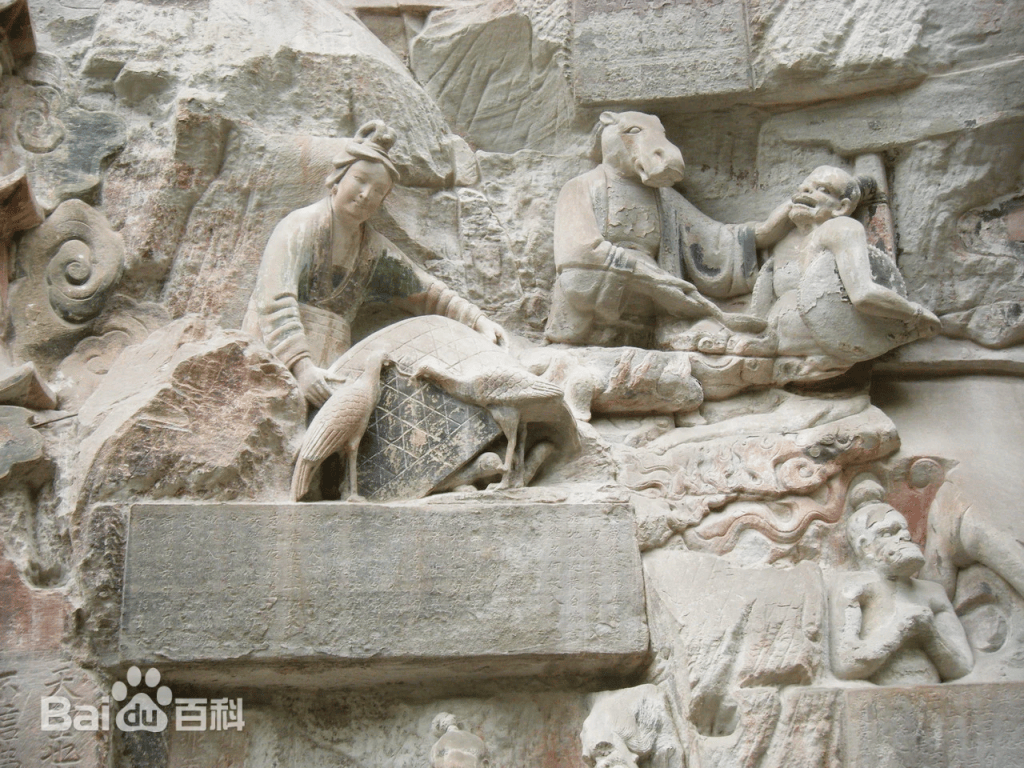
What makes Baodingshan especially fascinating is that its sculptures do not focus exclusively on Buddhas and heavenly beings. They also portray ordinary human experiences, making the teachings relevant to everyday life.
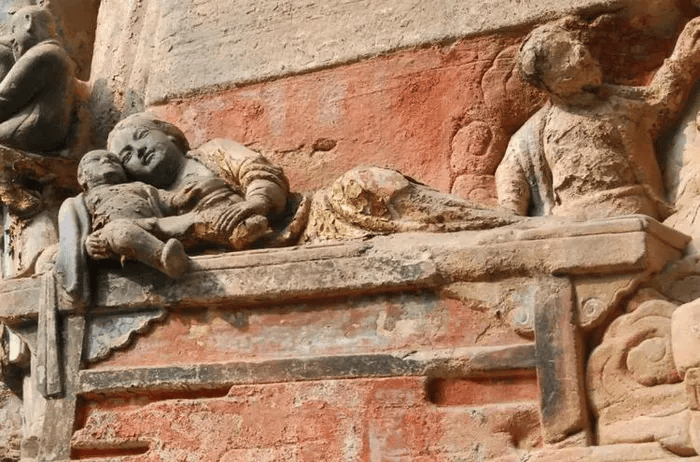
Some panels illustrate filial devotion and the sacrifices parents make for their children. Others portray farmers, herders, animals, and scenes from ordinary life.
The famous scenes associated with the Sutra on Parental Love remind viewers of the immense care and sacrifice involved in raising a child. These images invite reflection on gratitude toward our parents and the responsibilities we have toward those who have cared for us.
Other carvings illustrate Buddhist teachings about karma and the Wheel of Life. They show how actions have consequences and how ignorance, attachment, and harmful behavior can perpetuate suffering.
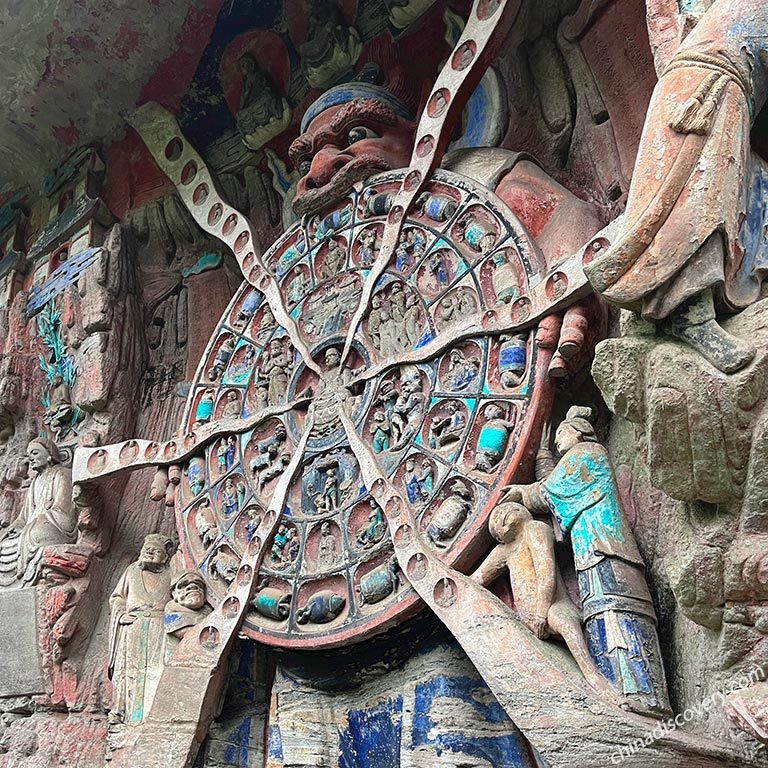
In traditional Buddhist depictions of the realms of suffering, the consequences of harmful actions are portrayed vividly. Such images were not simply intended to frighten people. They offered moral instruction to communities in which many people could learn through visual storytelling.
The cliffs function almost like an ancient illustrated book. Each carving presents a lesson about cause and effect, compassion, family responsibility, and the choices that shape our lives.
There is something remarkable about this approach to teaching. The artists transformed abstract philosophy into images that people could see, contemplate, and remember.
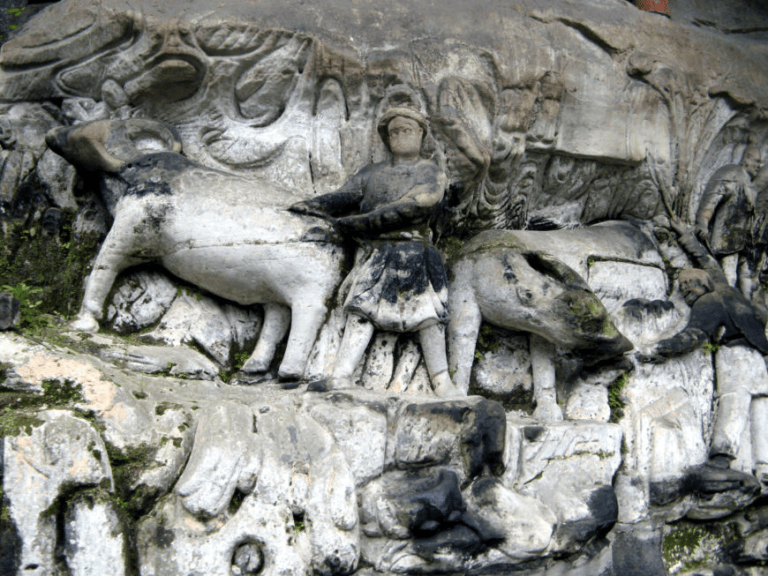
Centuries later, the questions remain relevant. How do our actions affect others? How should we treat our parents, our neighbors, and animals? What kind of world are we helping to create through our daily choices?
A Quiet Encounter with History
One of the pleasures of visiting Baodingshan is the opportunity to experience the carvings at a slower pace.
Although the site can attract tour groups, it may feel quieter than China’s most famous grotto destinations, particularly outside peak travel periods. The path follows the sculpted cliff, allowing visitors to examine the works in sequence.
Instead of rushing from one photo opportunity to another, take time to notice the expressions on the statues’ faces, the folds of their robes, and the relationships between the figures in each scene.
Look for the small details. A single gesture may communicate reverence, compassion, fear, or devotion. A group of ordinary people carved into stone can reveal as much about the society that created the monument as a grand Buddha does.
Photography rules and access restrictions may vary around individual carvings, so follow the site’s instructions and avoid touching the sculptures.
For visitors interested in Buddhism, art, or Chinese history, Baodingshan offers a rare chance to experience these subjects together.
What to Eat in Dazu: A Taste of Local Chongqing
A visit to Dazu would not be complete without exploring the region’s food culture. Chongqing is famous for bold flavors, chili peppers, and the numbing fragrance of Sichuan peppercorns, but Dazu also has specialties of its own.
Dazu winter-preserved vegetables (Dazu dongcai)

If you try only one local specialty, consider Dazu dongcai. Made from local mustard greens and traditionally fermented for years, these preserved vegetables have a distinctive savory fragrance and deep flavor. They appear in dishes such as fried rice, noodles, steamed buns, and braised pork.
The traditional preparation is a recognized part of Dazu’s food heritage. It is a wonderful example of how local ingredients and preservation techniques can become part of a region’s identity.
Chongqing noodles
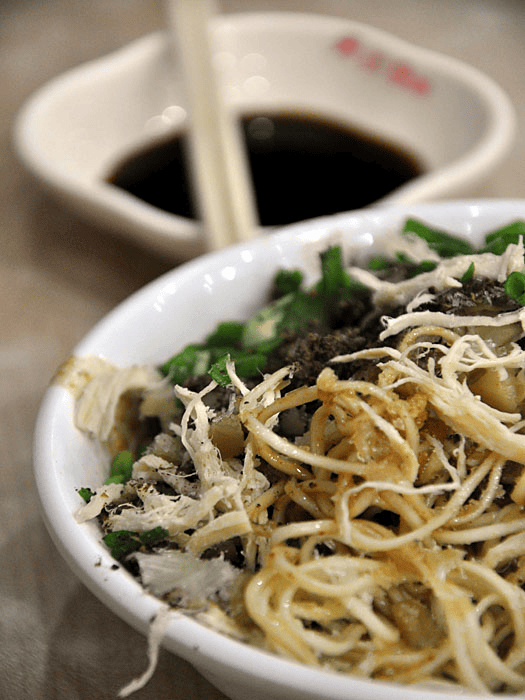
For a quick, satisfying meal, try xiaomian, Chongqing-style noodles commonly served with chili oil, garlic, scallions, and other seasonings. They are especially popular for breakfast, though they can be enjoyed at any time of day.
If you prefer less spice, ask for a mild version. The chili oil and Sichuan peppercorns can be surprisingly intense for first-time visitors.
Youting crucian carp
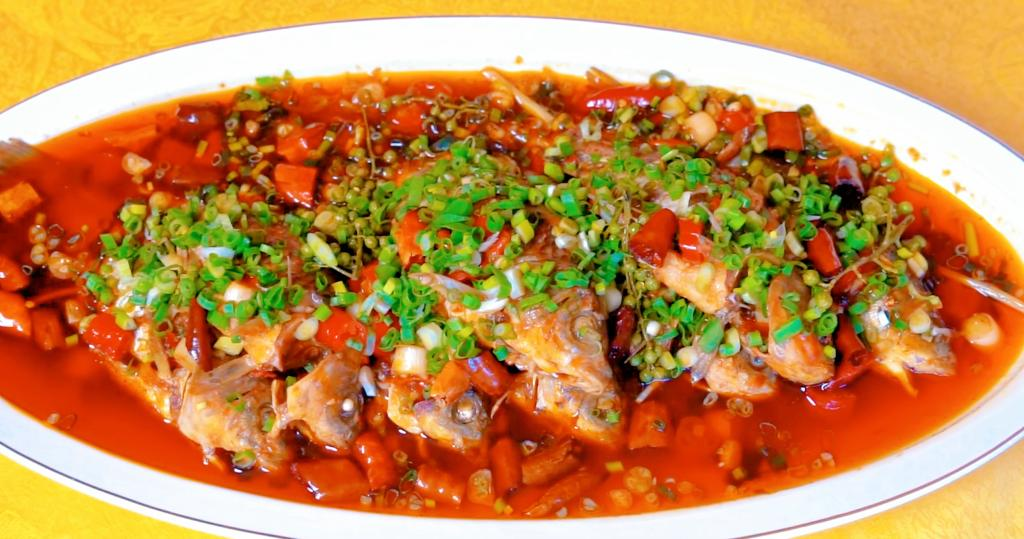
For travelers who enjoy fish, Youting crucian carp is another regional specialty, often prepared with pickled ginger, chili, and fermented black beans. Its flavor combines freshness, spice, and the characteristic numbing sensation of Sichuan-style cooking. Hot pot and local street food
If you are continuing to Chongqing, save time for the city’s famous hot pot. Diners cook ingredients in a bubbling broth at the table, often choosing between a fiery spicy broth and a milder one.
One practical tip: many local dishes contain meat, fish, animal broth, or lard, even when vegetables are prominent. Vegetarian travelers should ask clearly about ingredients and request a vegetable-based broth when available.
Food is another way to understand a place. The ingredients, flavors, and cooking methods of Dazu tell a story of local agriculture, tradition, and the creativity of generations of cooks.
Travel Tips: Planning Your Visit
How much time should you allow?
Allow at least half a day for Baodingshan, including time to appreciate the major carvings without rushing. If you are particularly interested in Buddhist art, consider spending a full day in Dazu or adding another major carving site, such as Beishan.
How do you get there?
Dazu is part of Chongqing Municipality, but it lies outside the central urban area. From downtown Chongqing, the journey commonly takes around 1.5–2 hours by road, depending on traffic and your starting point.
You can travel by intercity bus or arrange a private car. High-speed rail services to the Dazu area may also be useful, but check the station and onward transportation carefully: a train station serving the district is not necessarily close to the rock-carving entrance. A taxi or prearranged transfer may be needed.
When is the best time to visit?
Spring and autumn are generally comfortable seasons for walking and sightseeing. Summer can be hot and humid, so bring water, sun protection, and comfortable shoes.
Arriving early can help you enjoy the main carvings before the busiest hours, although visitor numbers vary by day and season. Check the official opening hours and ticket arrangements before traveling.
Can you combine Dazu with Chongqing?
Absolutely. A two-day itinerary is a practical option:
- Day 1: Explore Chongqing’s mountain-city streets, river views, Hongyadong, and local food.
- Day 2: Travel to Dazu and spend the day discovering Baodingshan’s cliff carvings. If time permits, consider visiting Beishan as well.
If you have a deeper interest in Chinese Buddhist art, an overnight stay near Dazu can make the experience more relaxed.
A Treasure Worth Discovering
The Dazu Rock Carvings remind us that great works of art can be much more than beautiful objects. They can preserve a civilization’s beliefs, record the lives of ordinary people, and communicate moral lessons across centuries.
The 31-meter reclining Buddha invites us to contemplate impermanence. The Thousand-Hand Guanyin reminds us that compassion must find expression in action. The scenes of family life and everyday labor encourage us to consider gratitude, responsibility, and the consequences of our choices.
These teachings remain meaningful regardless of where we come from or what faith we follow.
If your travels take you to Chongqing, consider setting aside time for Dazu. Beyond the city’s dazzling skyline lies a quieter world where stone preserves the wisdom, artistry, and aspirations of generations long gone.
Some treasures are not discovered by looking up at the tallest buildings. They are found by slowing down, looking closely, and listening to the stories history has left behind.


