When Your Brain’s Motivation System Gets Stuck — Rediscovering Energy Through “Slow Joy”

Lately, I’ve noticed how many people — friends, colleagues, even myself at times — feel drained and uninspired.
We wake up tired, scroll through our phones for quick hits of excitement, yet still feel empty inside.
It’s as if our inner engine has lost its spark.
But according to a 2025 review published in Trends in Neurosciences, there’s a scientific reason behind this: our brain’s dopamine release system may be getting stuck.

That could explain why so many of us today feel unmotivated or emotionally flat, even when life seems to be “going fine.”

Dopamine: Not Just the “Happy Chemical”

We often call dopamine the molecule of happiness, but that’s only part of the story.
In reality, dopamine isn’t what makes you happy — it’s what gets you moving toward happiness.

Dopamine creates a sense of anticipation — that spark of “I want to try,” the energy that propels us to start something new.
Whether you’re preparing for an exam, signing up for a new class, cleaning your room, or going for a run — it’s not satisfaction that moves you, but dopamine giving you direction and desire.

Think of dopamine as your internal GPS, guiding you toward what feels meaningful, hopeful, and worth pursuing.

Dopamine doesn’t just “fire” from one neuron to another like a light switch.
Recent discoveries show that the brain also uses something called “volume transmission” — a gradual release process, more like a sprinkler or diffuser that spreads dopamine through nearby areas, affecting your overall state of mind.

This helps explain a familiar modern phenomenon:
why short videos or instant rewards feel thrilling for a second — yet leave us empty moments later.
Meanwhile, the slow joys — exercising regularly, nurturing a hobby, cooking, gardening, or spending time with loved ones — bring calm, sustainable satisfaction.

Fast stimulation burns us out. Slow joy builds us up.

When the System Breaks Down, The Brain “Runs Out of FuelSeveral key proteins, such as VMAT2, SV2C, and α-synuclein, regulate how dopamine is stored and released.
They work like the warehouse managers of your brain, deciding when and how much dopamine to release, and whether there’s enough supply to restock.

When this system falters, it doesn’t just cause movement issues like Parkinson’s disease — it also leads to emotional flatness, loss of motivation, chronic fatigue, and social withdrawal.

This isn’t weakness or laziness. It’s your brain signaling that it’s running low on essential fuel.

Three Ways to Help Your Brain’s Motivation System Restart

1. Practice “Slow Joy” — Reconnect with Steady Dopamine Flow
Reduce dependence on instant stimuli like scrolling through social media or bingeing short videos.
These quick hits train your brain to expect constant flashes of excitement.

Instead, rediscover activities that bring gentle, lasting satisfaction: cooking, reading, painting, walking, gardening.
These are the true dopamine recharge stations of life.

2. Move Regularly — Activate Your Natural Dopamine Circuit
Moderate exercise — brisk walking, jogging, squats — done three times a week for 10–30 minutes can powerfully stimulate healthy dopamine pathways.
You don’t have to push to exhaustion; what matters is rhythm and consistency.
Your brain thrives on the expectation of movement, not punishment.

3. Nourish the System — Sleep, Nutrition, and Antioxidants
Sleep is when your brain restores neurotransmitters and regenerates vesicles for dopamine storage.
A lack of rest is like leaving your mental warehouse in chaos.

Eating antioxidant-rich foods such as berries, dark leafy greens, olive oil, and omega-3s helps reduce oxidative stress and support brain health.
Simple, consistent habits are the quiet repair crew your dopamine system needs.

Real vitality isn’t a burst of fireworks — it’s a steady inner light that guides us through our days.
Dopamine’s true gift isn’t the thrill of reward, but the strength to keep going.

When we gently adjust our daily rhythm, we can regain focus and energy without needing excessive caffeine or quick fixes.
We can once again feel that grounded sense of, I’m back on my path. From “Chasing Highs” to “Finding Rhythm.”

The Truth About Drugs and False Freedom

Recently, we’ve seen more tragic news about drug-related crimes.
This makes it even more urgent to talk about dopamine honestly.

Drugs artificially force the brain’s “stimulation gate” wide open — creating a short-lived high while devastating the system meant to sustain real joy.
People chasing that artificial rush often lose direction, harming themselves and others.

Drugs don’t create happiness — they destroy the very system that makes it possible.
That’s not freedom; it’s captivity disguised as pleasure.

When you feel tired, unmotivated, or emotionally numb, remember this:
You’re not lazy. You’re not broken.
Your brain simply needs care, rhythm, and nourishment.

We don’t need to be blinding LED lights burning out too soon.
We can be warm, steady lamps — quietly lighting our own path and bringing comfort to those around us.

Reference:
Redefining dopaminergic synapses beyond the classical paradigm, Trends in Neurosciences, 2025
Link:https://peacelilysite.com/2025/11/11/when-your-brains-motivation-system-gets-stuck-rediscovering-energy-through-slow-joy/

The Humble Cabbage: An Overlooked Treasure of Health and Simplicity

Shutterstock

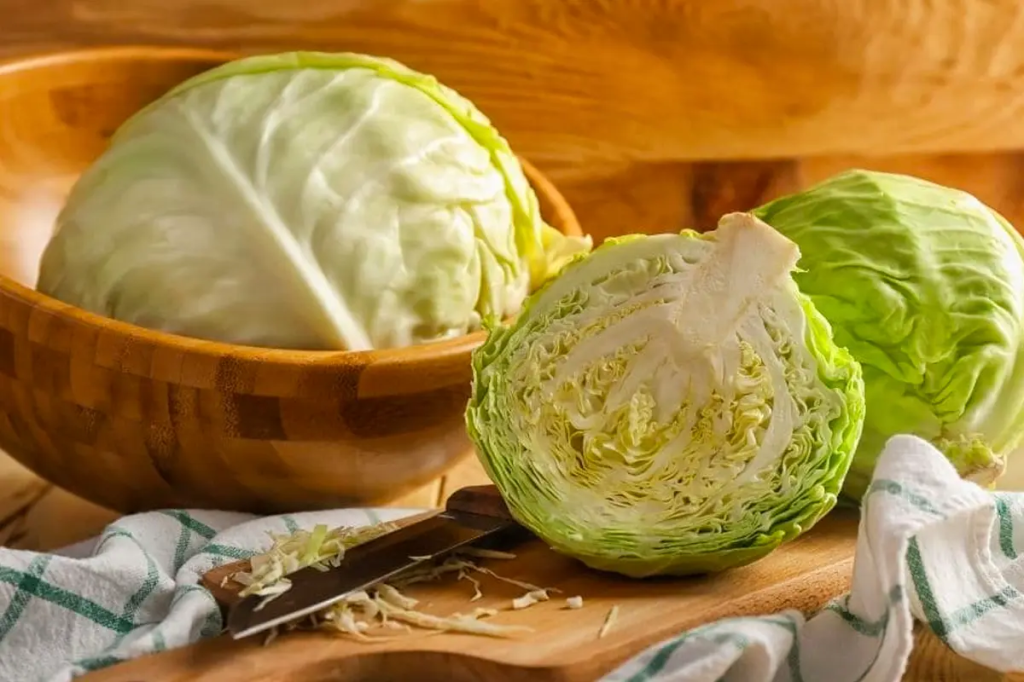
Cabbage is one of the most common vegetables in our daily lives. Because it is so ordinary, many people tend to overlook its remarkable health benefits. While people often say “rarity makes things precious,” the truth is that some of the simplest, most affordable foods are also the most nourishing — and cabbage is one of them.

Once considered “the food of the poor,” cabbage has long been underestimated. In the 15th century, a Parisian writer even remarked that the poor ate cabbages and turnips instead of bread. Perhaps that old prejudice lingers today — many still see cabbage as plain and unrefined. Yet, with rising grocery costs and a renewed interest in wholesome eating, it’s time to rediscover this modest, versatile vegetable and bring it back to our tables.

A Traditional View: Cabbage in Chinese Medicine

According to Traditional Chinese Medicine (TCM), cabbage has a neutral nature and a sweet flavor. It nourishes the stomach and intestines, promoting healthy digestion and balanced energy.

Let’s explore some of its wonderful health benefits:

1. Anti-Aging Properties

Cabbage is rich in antioxidants that combat cellular oxidation and delay the aging process. For those seeking to maintain youthful vitality, a simple bowl of cabbage may hold more power than any expensive serum.

2. Boosts Immunity

Packed with vitamin C, cabbage strengthens the immune system, helping the body fend off colds and infections while enhancing overall energy and resilience.

3. Supports Healthy Blood Pressure

Cabbage contains high levels of potassium, which helps regulate blood pressure by balancing sodium levels and supporting cardiovascular health.

4. Prevents Osteoporosis

Abundant in vitamin K, cabbage aids in blood clotting and calcium absorption, strengthening bones and teeth while preventing osteoporosis.

5. Promotes Digestive Health

Cabbage contains vitamin U, known as the “anti-ulcer factor.” It helps regulate stomach acid, heal ulcers, and soothe the digestive tract. Japanese studies have found that cabbage’s glucosinolates can inhibit Helicobacter pylori, the bacteria linked to gastritis and ulcers.

6. Cancer Prevention

The sulfur-containing compound isothiocyanate gives cabbage its distinctive aroma — and its powerful anti-cancer properties. This compound helps neutralize toxins, protect cells, and reduce cancer risk.

7. Rich in Folic Acid

Folic acid in cabbage is essential for pregnant women, helping prevent fetal malformations and supporting healthy red blood cell production.

8. Anti-Bacterial and Anti-Inflammatory Effects

Cabbage contains natural phytoncides — plant-based antibacterial compounds — that reduce inflammation, fight infections, and even soothe sore throats or small wounds.

Culinary Versatility

Cabbage’s mild flavor and satisfying crunch make it a versatile kitchen staple:

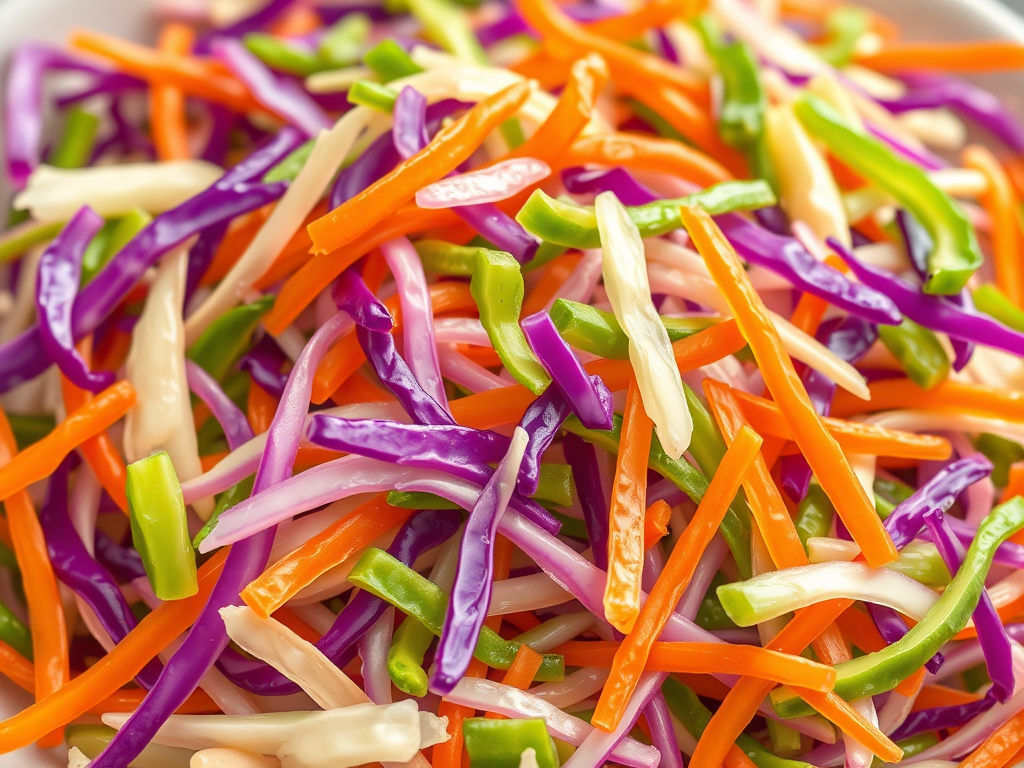
  • Salads and Slaws: Shred cabbage with carrots, apples, or nuts for a refreshing, colorful slaw.
  • Stir-Fry: Sauté with garlic and soy sauce for a simple yet delicious side.
  • Soups and Stews: Add chopped cabbage for extra nutrition and heartiness.
  • Fermented Foods: The star ingredient in sauerkraut and kimchi — both rich in probiotics and flavor.
  • Stuffed Dishes: Use cabbage leaves to wrap rice, lentils, or meats for comforting stuffed rolls.

Lightly Pickled Cabbage: A Liver Cleanser and Detox Aid

Cabbage contains indoles, anti-cancer nutrients that also protect the liver and enhance detoxification. When cabbage is lightly pickled, its benefits multiply.

In Traditional Chinese Medicine, sour flavors are believed to nourish the liver. Lightly pickled cabbage helps detoxify the body, strengthen immunity, beautify the skin, and support cardiovascular and digestive health.

Fermented cabbage is also a powerful probiotic food. Lactobacillus plantarum, a beneficial bacteria from fermented cabbage like kimchi, supports the gut microbiome — the foundation of our immune system and overall well-being.

Easy Recipe: Lightly Pickled Cabbage

Ingredients

  • 500 g cabbage
  • 2 teaspoons salt
  • 1 teaspoon sugar

Instructions

  1. Wash and drain the cabbage, then slice it finely.
  2. Divide into two portions. Place half in a bowl, sprinkle with 1 teaspoon of salt, and gently knead until softened.
  3. Add the remaining half, the rest of the salt, and sugar. Continue kneading until juicy.
  4. Pack into a clean glass jar with its liquid.
  5. Seal and leave in a cool place for half a day to lightly ferment, then refrigerate. Serve chilled.
Shutterstock

Cabbage may not have the glamour of kale or the trendiness of arugula, but it carries quiet strength and wisdom — a reminder that simplicity often hides great value. In a world obsessed with novelty and luxury, perhaps we can learn from this humble vegetable: to nourish deeply, give generously, and thrive quietly.

Link:https://peacelilysite.com/2025/11/06/the-humble-cabbage-an-overlooked-treasure-of-health-and-simplicity/

When the Flu Is Gone but Fatigue Remains: How to Help Your Immune System Truly Recover

“Healing doesn’t end when the symptoms disappear — it ends when the body finally feels safe to rest.”

As the weather cools and flu season approaches, I came across some fascinating medical insights online that I felt were worth sharing with everyone reading my blog. Many of us have experienced this: the cold or flu seems gone, yet fatigue, throat irritation, or strange discomforts linger. Why does this happen, and how can we truly recover?


🧠 The Immune System Has a Memory—And Sometimes a Grudge

Doctors often hear this kind of complaint:

“My cold is gone, but I’m still exhausted. My throat feels weird, I get dizzy, and my stomach’s off…”

This isn’t because the virus remains—it’s because your immune system hasn’t fully stood down.

According to a 2025 review published in Cell Research, our immune system possesses something called trained immunity. That means it “remembers” past infections, stress, or inflammation. This helps it react faster next time—but sometimes, it overreacts.

It’s like your body has fought a war, and though the battle is over, the soldiers are still gripping their weapons, ready to defend at the slightest sound.

That’s why after you’ve “recovered,” you may still feel fatigued, have a scratchy throat, dry skin, or stomach issues. Your immune system is still in battle mode.


🦴 Memory Hidden in the Bone Marrow

This “memory” lives deep in your bone marrow stem cells, which remember intense inflammation and produce more reactive immune cells afterward.

In moderation, this keeps you alert to future threats. But under constant stress—lack of sleep, oily food, pollution, or anxiety—your immune system becomes overly vigilant.

Over time, this can cause chronic low-grade inflammation, leading to lingering tiredness, allergies, digestive issues, and even chronic diseases like diabetes or heart problems.


⚠️ When the Immune System Is Too Vigilant

The immune system is meant to react swiftly and then reset. But when it forgets how to relax, it starts misidentifying harmless things as threats.

You might notice:

  • Sore throats that flare up with stress
  • Headaches or bloating after emotional tension
  • Skin or gut reactions after eating sweets or processed food

These are signs of an overtrained immune system—one that’s too loyal for its own good.


🌼 How to Help Your Immune System “Let Go”

The best medicine isn’t a pill—it’s how you live every day. Here are four gentle ways to guide your immune system back to balance:

1. Eat for Calm, Not Chaos

Skip high-fat, high-sugar, and processed foods that fuel inflammation.
Instead, try a Mediterranean-style diet—fresh vegetables, fruits, olive oil, nuts, fish, and whole grains.
These nourish your immune cells and teach them to stay calm.

2. Sleep: The Reset Button

Sleep resets immune memory. Without enough rest, bone marrow cells stay in high-alert mode.
A regular sleep schedule is like a classroom where your body learns order and recovery.

3. Manage Stress Gently

Emotions like anxiety, anger, and loneliness all affect immunity.
Take time for deep breathing, sunlight, music, or quiet moments. Even doing nothing helps your body hear the message: “It’s safe now.”

4. Move, Don’t Push

Moderate aerobic exercise trains your immune system to respond wisely.
Studies show that people who move regularly—three to five times a week—have stronger, steadier immunity and less fatigue.


🌸 True Health Is Intelligent Immunity

Many believe “strong immunity” means “never getting sick.”
But true health means having an intelligent immune system—one that knows when to fight and when to rest.

So if you’ve recently recovered from a cold but still feel drained, don’t worry. Your body isn’t weak—it’s simply learning how to relax after the storm.

Be patient and kind to yourself.
Eat well, sleep deeply, breathe freely, and move with ease.
That heavy, lingering fatigue will soon melt away.

Because your body remembers not just pain—it also remembers peace.

Your body’s memory is a diary of your life.
When you fill your days with calm, warmth, and balance, your immune system learns to trust again.
And in that trust, you don’t just recover from illness—you truly return to health.

Link:https://peacelilysite.com/2025/10/24/when-the-flu-is-gone-but-fatigue-remains-how-to-help-your-immune-system-truly-recover/

Nobel Prize Research Reminds Us: Don’t Stay Up Late!

When the 2017 Nobel Prize in Medicine was announced, many were surprised—it focused on something that touches all of us: our biological clock.

Three scientists—Jeffrey C. Hall, Michael Rosbash, and Michael W. Young—received the award for discovering how our bodies keep time at the molecular level. In simple terms, they revealed how our “internal clock” works, and why disrupting it can be so damaging to our health.

This clock silently manages almost everything in the body—when we feel sleepy or alert, our body temperature, hormone levels, and even how our cells repair themselves. But when we stay up too late, this delicate system is thrown off balance, and the consequences can be serious.

Their research found that:

  • Staying up late disrupts the body clock, paving the way for illness.
  • Lack of sleep can cause the brain to “eat itself”—astrocytes, specialized brain cells, begin devouring synapses.
  • If circadian-regulating genes fail, the risk of tumors increases.

The clear takeaway from this Nobel Prize-winning research? A familiar piece of advice: Don’t stay up late!

Yes, it’s something our parents, teachers, and elders have reminded us about countless times. But now, there’s a Nobel Prize—and 9 million Swedish kronor —to back it up.


Ancient Wisdom Meets Modern Science

Interestingly, the idea of the “body clock” isn’t new. Thousands of years ago, Traditional Chinese Medicine described how energy, or Qi, flows through the body in cycles. The 24-hour day was divided into twelve two-hour intervals, with each period linked to a specific organ system.

For example:

  • Between 1 a.m. and 3 a.m., the liver is at peak function, cleansing the blood and preparing the body for renewal.
  • From 3 a.m. onward, energy shifts to organs that support digestion and daily activity, such as the lungs, large intestine, and stomach.
  • By mid-afternoon, energy begins to flow inward again to support organs that restore and maintain the system, such as the kidneys and pericardium.

Understanding this Body-Energy Clock can help us better manage our sleep, meals, and mood. Modern science now echoes this ancient wisdom: align with your natural rhythms, and you’ll thrive.


The Role of Melatonin

Science also tells us about melatonin, often called the “sleep hormone.” Melatonin is vital for regulating the sleep-wake cycle. Levels begin to rise soon after darkness falls, peak between 2 a.m. and 4 a.m., and then gradually decline.

This explains why going to bed too late often leads to trouble falling asleep, and why sleep after 4 a.m. tends to be light and restless. For the best rest, it’s ideal to sleep between 11 p.m. and 4 a.m., when melatonin levels are highest and most restorative.


The Benefits of Sleeping Early and Rising Early

Research consistently shows that early sleepers and early risers enjoy powerful health benefits:

  • Better mental health: Early risers of all ages report more positive emotions and greater self-rated health.
  • Reduced risk of depression: A U.S. study found that going to bed just one hour earlier lowers depression risk by 23%.
  • Weight management: Staying up late disrupts hormones, leading to weight gain. Going to bed on time, combined with early rising and regular exercise, helps maintain a healthy weight.
  • Stronger immunity: Adequate sleep enhances immune function, reducing the risk of infections and chronic diseases such as heart disease, hypertension, diabetes, and stroke.
  • Sharper thinking: Early sleepers and early risers score 30% higher on word-association tests compared to night owls.

The message from both Nobel Prize-winning research and ancient health wisdom is clear: respect your biological clock.

Going to bed early and waking up early is not just about feeling more refreshed—it protects the brain, strengthens the body, improves mood, and may even add years to your life. So tonight, give yourself the gift of sleep—it’s worth more than 5 million!

Link:https://peacelilysite.com/2025/08/28/nobel-prize-research-reminds-us-dont-stay-up-late/

Unlocking Wellness: The Power of the Gallbladder Meridian in Traditional Chinese Medicine

In Traditional Chinese Medicine (TCM), the gallbladder plays a crucial role in maintaining overall health. While often overlooked, its function affects various aspects of well-being, from digestion to hair health and even fat distribution. By understanding the gallbladder meridian and learning simple techniques to stimulate it, you can enhance your body’s natural healing processes and promote long-term vitality.

The gallbladder meridian runs along both sides of the body, starting from the outer corner of the eye at the pupil’s ridge point and ending at the outer side of the tip of the fourth toe at the foot’s yin point. There are a total of 44 acupuncture points from head to toe.

Gallbladder Meridian(大纪元制图)

Signs of Poor Gallbladder Function

One of the most noticeable signs of poor gallbladder function is premature graying of hair. According to TCM wisdom, “Hair is the extension of blood,” meaning that when the body lacks sufficient nutrients and energy, hair health deteriorates. Without proper nourishment, hair may turn gray earlier than expected.

Another common indicator is excessively oily hair. This occurs when bile secretion is insufficient, preventing the body from effectively breaking down fats. Combined with excessive liver heat, this imbalance can result in an oily scalp and other digestive disturbances.

Poor gallbladder function can also manifest in fat accumulation, particularly along the outer thighs. When the gallbladder meridian becomes blocked, toxins and waste accumulate in this area, making weight loss more difficult. For those who exercise regularly, these “waste” deposits may shift downward, leading to thickened calves, also known as “radish legs”—a common concern for both men and physically active women.

One of the simplest and most effective ways to support gallbladder health is through tapping the gallbladder meridian. This practice helps stimulate bile secretion, improve nutrient absorption, and remove blockages along the meridian. Many people who consistently tap their gallbladder meridian for one to two months notice their pants fitting more loosely, making it a great natural approach to slimming the thighs and supporting digestion.

How to Tap the Gallbladder Meridian

The best part: You don’t need any special equipment—just your hands. Since the gallbladder meridian runs along both sides of the body, you can simply use your fists to tap along its path. Here’s a step-by-step guide:

  1. Find a Comfortable Position – The best position is to stand up and rest your leg on a bench so that your thigh is parallel to the ground, or sit down on a chair while keeping your body relaxed.
  2. Start from the Hip – Using your fist, gently but firmly tap along the outer thigh, working your way down to the knee.
  3. Maintain a Steady Rhythm – Aim for about two taps per second with moderate pressure.
  4. Repeat for 3-5 Minutes – Perform around 200 ot 300 taps per side, adjusting the intensity based on your body’s comfort level.
  5. Be Consistent – For best results, practice daily and gradually increase the duration as needed.

Since the outer thigh is the only section where the gallbladder meridian runs alone, it is the most accessible and effective area for tapping. With consistent practice, you may notice improved digestion, increased energy, and a reduction in fat accumulation.

Consistency is key. In TCM, true healing doesn’t come from quick fixes but from nurturing the body over time. While medications and dietary changes can help, activating the body’s natural self-healing abilities is the most sustainable path to wellness. By regularly tapping the gallbladder meridian, you not only improve gallbladder function but also support overall circulation, detoxification, and vitality.

Take Charge of Your Health

Tapping the gallbladder meridian is a simple yet powerful wellness practice suitable for people of all ages. Whether you seek to improve digestion, promote liver health, or achieve a leaner physique, this ancient technique can help you reconnect with your body’s natural rhythm.

Remember: your health is in your hands. Start today and experience the transformative benefits of tapping the gallbladder meridian!

Link:https://peacelilysite.com/2025/03/21/unlocking-wellness-the-power-of-the-gallbladder-meridian-in-traditional-chinese-medicine/

Spring Liver Care: Nourishing Your Body in the Season of Renewal

As spring arrives, Yang energy begins to rise, nature awakens, and the world bursts into vibrant life. This season of renewal is the perfect time to focus on rejuvenation—not just for nature but for our own bodies as well. According to Traditional Chinese Medicine (TCM), the liver is closely linked to spring, making this the ideal time to nourish and support this vital organ.

TCM emphasizes the deep connection between human health and the changing seasons, a concept known as “unity of heaven and man” (天人合一). Spring corresponds to the liver, which governs the body’s ability to detoxify, regulate energy flow, and promote smooth circulation. Just as trees sprout new leaves and flowers bloom, the liver thrives in this season of growth and renewal. Supporting liver health during spring can enhance digestion, boost energy levels, and improve overall well-being.


What you eat plays a significant role in keeping your liver happy. By incorporating the right foods into your diet, you can naturally support your liver’s detoxification processes, reduce inflammation, and promote overall vitality. Here are some of the best foods for liver health, along with easy and delicious ways to prepare them:


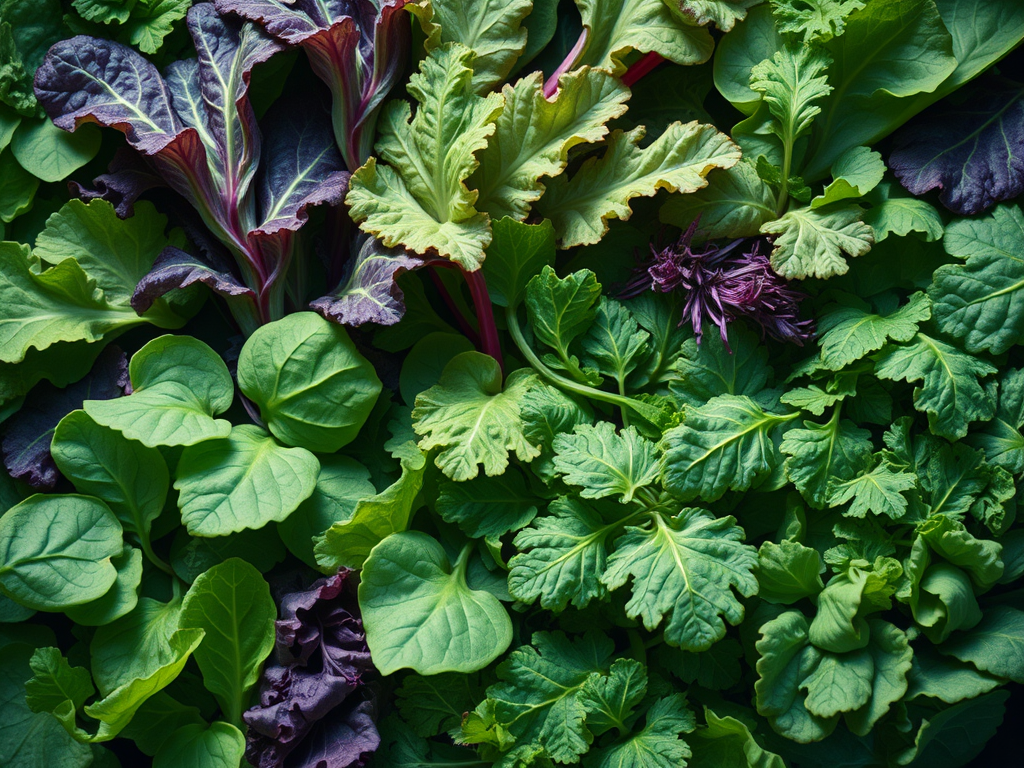
1. Leafy Greens (Spinach, Kale, Dandelion Greens, Arugula)

🌿 Why? Leafy greens are packed with chlorophyll, a natural detoxifier that helps remove toxins and heavy metals from the liver. They also contain compounds that aid in bile production, which is essential for digestion and detoxification.

🍽 How to Enjoy:
✔️ Sautéed Greens: Lightly cook with garlic and olive oil to enhance flavor while retaining nutrients.
✔️ Green Detox Smoothie: Blend with lemon, apple, and ginger for a refreshing and cleansing drink.
✔️ Spring Salad: Toss with olive oil, lemon juice, and nuts for a crunchy, nutritious meal.

💡 Tip: Bitter greens like dandelion and arugula are especially powerful for liver health. Try adding them to your salads or lightly steaming them to tone down their bitterness.


2. Turmeric

✨ Why? This golden spice is a superstar for liver health. It contains curcumin, which helps reduce liver inflammation, aids in detoxification, and enhances bile production for better digestion.

🍽 How to Enjoy:
✔️ Golden Milk: Mix turmeric with warm almond milk, honey, and black pepper for a soothing anti-inflammatory drink.
✔️ Turmeric Rice: Cook rice with a pinch of turmeric, garlic, and a bit of coconut oil for a flavorful, healing dish.
✔️ Turmeric Tea: Simmer turmeric with ginger and lemon for a warm, cleansing tea.

💡 Tip: Always pair turmeric with black pepper or healthy fats (like coconut oil or olive oil) to enhance its absorption.


Photo by Marcelo Verfe on Pexels.com

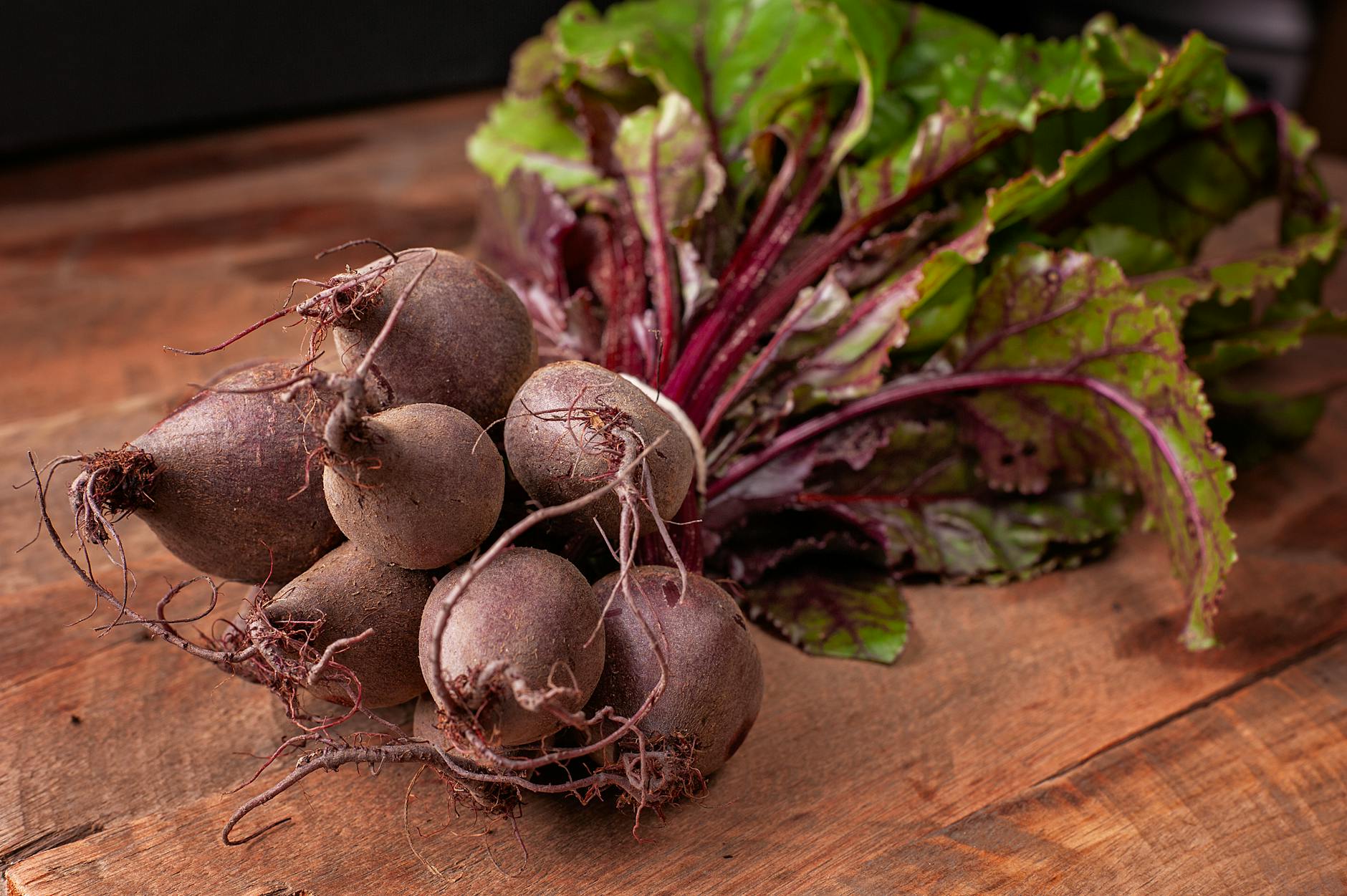
3. Beets

❤️ Why? Beets are rich in betalains, powerful antioxidants that support liver detoxification and reduce inflammation. They also boost bile flow, helping the liver break down fats and eliminate toxins more efficiently.

🍽 How to Enjoy:
✔️ Roasted Beets: Slice and roast with olive oil, rosemary, and sea salt for a sweet, earthy side dish.
✔️ Beet Detox Juice: Blend beets with carrots, ginger, and lemon for a vibrant, liver-cleansing drink.
✔️ Beet & Goat Cheese Salad: Toss roasted beets with arugula, walnuts, and goat cheese for a delicious and nutritious salad.

💡 Tip: Beets can stain your hands and cutting board—rub them with lemon juice to remove the color easily!


4. Garlic

🧄 Why? Garlic contains sulfur compounds that activate liver enzymes responsible for flushing out toxins. It also supports immune function and helps reduce fatty buildup in the liver.

🍽 How to Enjoy:
✔️ Garlic Stir-fry: Add minced garlic to sautéed vegetables or meats for extra flavor and health benefits.
✔️ Garlic Soup: Simmer garlic with bone broth, onions, and herbs for a comforting, healing meal.
✔️ Garlic Honey Remedy: Crush fresh garlic and mix with honey for an immune-boosting, liver-friendly tonic.

💡 Tip: To maximize garlic’s health benefits, let chopped garlic sit for 10 minutes before cooking—this enhances its beneficial compounds.


5. Fatty Fish (Salmon, Mackerel, Sardines)

🐟 Why? Fatty fish are packed with omega-3 fatty acids, which help reduce liver fat, fight inflammation, and promote overall liver health. They also support healthy cholesterol levels and brain function.

🍽 How to Enjoy:
✔️ Grilled Lemon-Garlic Salmon: Marinate with olive oil, garlic, and lemon juice before grilling.
✔️ Miso-Glazed Mackerel: Bake with miso paste, ginger, and a touch of honey for a flavorful dish.
✔️ Sardine Avocado Toast: Mash sardines with avocado and lemon juice, then spread on whole-grain toast.

💡 Tip: Aim to eat fatty fish at least twice a week for optimal liver benefits.


6. Walnuts

🥜 Why? Walnuts are rich in glutathione, an essential antioxidant that helps detox the liver. They also provide omega-3 fatty acids, which reduce liver inflammation and support brain health.

🍽 How to Enjoy:
✔️ Walnut Pesto: Blend walnuts with basil, garlic, and olive oil for a delicious sauce.
✔️ Walnut Oatmeal: Sprinkle crushed walnuts over oatmeal with honey and cinnamon for a nutritious breakfast.
✔️ Roasted Walnut Snack: Lightly toast walnuts with a sprinkle of cinnamon and sea salt for a crunchy, liver-loving snack.

💡 Tip: Soaking walnuts overnight can improve digestion and nutrient absorption.


7. Lemon & Citrus Fruits

🍋 Why? Citrus fruits are packed with vitamin C and antioxidants, which support liver detoxification and boost the immune system. They also help stimulate bile production, which aids in digestion.

🍽 How to Enjoy:
✔️ Morning Lemon Water: Start your day with warm lemon water to flush out toxins and boost digestion. Add some honey to make it taste better.
✔️ Citrus Salad: Mix orange slices with fennel, pomegranate seeds, and olive oil for a refreshing dish.
✔️ Homemade Citrus Dressing: Blend lemon juice, olive oil, and honey for a flavorful salad dressing.

💡 Tip: Drinking lemon water before meals can help stimulate digestion and improve nutrient absorption.

There are several other foods that are also beneficial for your liver, such as carrots, apples, cabbage, and goji berries. Incorporating them into your diet regularly can help support liver health.


As nature awakens in spring, so too should our approach to health. Since the liver plays a crucial role in detoxification, metabolism, and emotional balance, it’s essential to nurture it during this season of renewal. Along with a nutrient-rich diet, mindful lifestyle choices such as regular exercise, restful sleep, and emotional well-being can help maintain liver vitality and overall harmony.

By embracing optimism, managing stress, and supporting the liver with wholesome foods, we align ourselves with the natural rhythms of spring. Let this season be a time of nourishment, balance, and rejuvenation. May we all welcome the warmth and energy of spring with a strong, healthy liver and a joyful heart! 🌿✨

Link:https://peacelilysite.com/2025/03/13/spring-liver-care-nourishing-your-body-in-the-season-of-renewal/

8 After-Dinner Rituals That Can Help In Digestion And Prevent Bloating

By incorporating these simple post-meal rituals, you can support your digestive system, alleviate discomfort, and avoid the dreaded bloating that often follows a big meal. 

Written By Olivia Sarkar| Last Updated: Jan 06, 2025, 04:52 PM IST|Source: Bureau

After enjoying a hearty meal, it’s not uncommon to feel uncomfortable or sluggish. Digestive issues like bloating, indigestion, or an uneasy feeling can linger long after the last bite. Fortunately, there are simple after-dinner rituals that can support your digestion and help prevent bloating, leaving you feeling lighter and more at ease. Below are eight effective practices that can make a world of difference to your digestive health.

1. Take a Gentle Walk
After a meal, taking a light walk can be one of the most beneficial things for your digestive system. A short 10-15 minute stroll helps stimulate the digestive process by encouraging the stomach to empty more quickly, reducing bloating and discomfort. It also promotes the movement of food through the intestines, preventing constipation.

2. Sip Warm Water or Herbal Tea
Drinking warm water or herbal tea, such as peppermint, ginger, or chamomile, can greatly improve digestion. These teas have natural properties that soothe the stomach, reduce bloating, and promote the movement of food through your digestive system. Ginger, in particular, can help reduce nausea and gas, while chamomile works as a calming agent to relax your stomach muscles.

3. Avoid Lying Down Immediately
Though it might feel tempting to lounge on the couch after a large meal, lying down too soon can actually slow down the digestive process. Gravity helps food and acid stay in the stomach, and lying flat can increase the risk of acid reflux and bloating. Wait at least 30 minutes to an hour before reclining to allow your body time to process the food.

4. Practice Deep Breathing
After eating, try engaging in deep breathing exercises. This helps stimulate the parasympathetic nervous system (also known as the “rest and digest” system), encouraging optimal digestion. Deep breathing can also reduce stress, which can otherwise impair digestion and cause bloating or discomfort.

5. Massage Your Abdomen
Gentle self-massage can aid in digestion by stimulating the movement of food through the intestines. Use your fingertips to massage your stomach in a clockwise motion (the direction of digestion) for a few minutes. This simple act can help ease bloating, relieve gas, and promote digestion.

6. Incorporate Probiotics
Probiotics are beneficial bacteria that support gut health and digestion. After dinner, consider consuming foods rich in probiotics, such as yogurt, kefir, or fermented vegetables. Alternatively, a probiotic supplement may help maintain a healthy balance of gut bacteria, reducing bloating and improving overall digestion.

7. Stay Hydrated, But Avoid Over Drinking
Drinking water throughout the day aids digestion, but drinking too much water immediately after a meal can dilute stomach acid, impairing your body’s ability to break down food. Try sipping water in moderation after dinner, but avoid excessive consumption right away. This ensures proper digestive function without overwhelming your stomach.

8. Avoid Carbonated Drinks
Carbonated drinks, including sodas and sparkling water, introduce gas into your stomach, which can lead to bloating. After dinner, it’s best to skip the bubbles. Stick to still water or herbal teas, which are far more conducive to smooth digestion.

Fennel seeds are a natural remedy for boosting digestion. Try chewing some after your meal to see if they work for you. From taking a short walk to sipping herbal tea and massaging your abdomen, these habits can make a significant difference in how you feel after dinner. Your digestive health is a reflection of your lifestyle, so taking small, consistent steps can lead to long-term benefits, allowing you to enjoy your meals without the aftermath of discomfort.

Link:https://peacelilysite.com/2025/01/13/8-after-dinner-rituals-that-can-help-in-digestion-and-prevent-bloating/

Source: https://zeenews.india.com/lifestyle/8-after-dinner-rituals-that-can-help-in-digestion-and-prevent-bloating-2840271.html (This article is intended for your general information only. Zee News does not vouch for its accuracy or reliability.)

Nutrigenomics: Exploring the Science of Genes and Diet

In recent years, nutrigenomics—the scientific study of how genes influence our body’s response to food—has gained significant attention. As research in genetics and nutrition continues to advance, this field is paving the way for more personalized health strategies, particularly in the areas of diet and weight management. Understanding how genes affect our reactions to specific foods provides deeper insights into individual health needs, driving the development of personalized wellness approaches.

At the core of nutrigenomics lies the principle that our genetic makeup plays a crucial role in food metabolism. For instance, some individuals may be genetically predisposed to metabolize carbohydrates more efficiently, while others tend to store fat more easily. These insights empower health professionals to design customized dietary plans based on genetic testing rather than relying on generalized nutritional recommendations.

Recent studies have shown that genetic variations can influence how nutrients are absorbed, how efficiently the body burns calories, and even how hunger is experienced. For example, specific variations in the FTO gene have been linked to a higher risk of obesity, as some individuals gain weight more easily due to the way their bodies process food. Similarly, variations in genes like PPARG can impact fat metabolism, further emphasizing the potential of personalized nutrition strategies based on genetic data.

Nutrigenomics introduces a revolutionary approach to weight management. Traditional diets often follow a “one-size-fits-all” model, which may not be effective for everyone. By using genetic data, nutritionists and health experts can develop personalized dietary plans tailored to an individual’s metabolic needs, resulting in more effective weight management.

For example, genetic testing can reveal a person’s sensitivity to fats or carbohydrates, guiding the ideal macronutrient balance for their body. If someone’s genetic profile indicates a higher risk of insulin resistance, a low-glycemic diet may be recommended to help prevent blood sugar spikes and support weight loss. This tailored strategy often proves more effective than generic diets that overlook individual differences.

The Advantages of Personalized Diet Plans

Nutrigenomics brings a significant advantage to dietary planning: personalization. Rather than relying on generalized advice or fleeting diet trends, nutrigenomics empowers individuals to approach health management scientifically. By integrating genetic testing with dietary adjustments, people can achieve better health outcomes and a deeper understanding of their own bodies.

Key benefits of personalized diets include:

  • Improved Metabolic Health: Tailored diets help optimize the body’s ability to process food and maintain a healthy weight.
  • Precise Nutrient Recommendations: Instead of guessing which foods are most beneficial, personalized nutrition ensures individuals receive the nutrients their body specifically needs.
  • Sustainable Weight Management: Nutrigenomics-based diets promote long-term healthy habits by aligning with genetic predispositions rather than short-term trends.

Additionally, nutrigenomics may support preventive health strategies. Genetic testing can identify predispositions to conditions such as heart disease, diabetes, or nutrient deficiencies, allowing individuals to make proactive dietary changes for long-term wellness.

The future of health management is becoming increasingly personalized, with nutrigenomics at the forefront of this transformation. As the field continues to evolve, more health centers are likely to offer genetic testing services to help individuals create personalized nutrition and wellness plans. This data-driven approach reflects a broader trend where people are empowered to take greater control of their health through scientific insights.

While the potential of nutrigenomics is promising, it remains a developing science. Experts emphasize the need for further research to fully understand the complex relationship between genes and diet. Additionally, as the field matures, ethical considerations and privacy concerns must be carefully addressed to ensure individuals are fully informed and protected when sharing their genetic data.

Nutrigenomics represents a powerful fusion of genetic science and nutrition, offering the potential for health strategies tailored to individual genetic profiles. This emerging science can help design diets that promote optimal weight loss, improve metabolic health, and prevent chronic illnesses.

Though still in its early stages, nutrigenomics has the potential to revolutionize health management, making weight control and wellness strategies more effective and sustainable. As research continues to expand, genetic testing could become a key tool in unlocking healthier, more personalized lifestyles for everyone.

Link:https://peacelilysite.com/2025/01/07/nutrigenomics-exploring-the-science-of-genes-and-diet/

Source: https://worldreporter.com/nutrigenomics-tailoring-health-based-on-genes/?fbclid=IwZXh0bgNhZW0CMTAAAR3NXfx9dzeIsmcSiP248IMGxMkppa2gMAEtjuZOgMr7pyU1EaMqk5e5Aio_aem_eY5AmQ5X9nw8JxIaQeZaBg

Boost Your Kidney Health with Traditional Chinese Medicine

In Traditional Chinese Medicine (TCM), the “kidney” is not just associated with the organ itself, but is considered the center of multiple bodily functions, overseeing everything from physical strength and vitality to bone growth. (Photo from sohu.com)

The kidneys are seen as the foundation of life, and when kidney energy, or kidney qi, is abundant, the body remains strong and full of life. However, when kidney qi is depleted, it leads to weakness, fatigue, premature aging, and is often linked to chronic illnesses.

The Importance of Kidney Qi in TCM
In TCM, maintaining a balanced flow of energy is essential for overall health. The kidney meridian plays a crucial role in regulating the balance of yin and yang within the body. Kidney yin and kidney yang are considered the fundamental energies that support the entire body’s internal organs. When kidney qi is nourished, the body remains strong, and all other organs function properly. Therefore, keeping the kidney energy well-maintained is vital for longevity and overall well-being.

While diet and herbal supplements are commonly used in TCM to support kidney health, a simple and effective method is through regular meridian stimulation. By massaging and promoting energy flow along the kidney meridian, we can help maintain smooth circulation of energy (qi) and blood throughout the body, promoting vitality and longevity.

Winter: The Season for Kidney Care
In TCM, winter is the season most closely associated with kidney health. It’s a time to focus on replenishing and strengthening the kidneys, as the colder months are believed to affect the body’s energy levels. To help support kidney health during this time, TCM practitioners recommend incorporating certain practices into your daily routine.

Dr. Hu Haiya’s Kidney-Rubbing Technique
One of the most accessible and effective ways to nourish kidney qi is through a simple technique known as the kidney-rubbing exercise, shared by the esteemed TCM doctor Hu Haiya. Dr. Hu, who lived to the age of 95 with remarkable health, became a symbol of vitality and longevity. When asked about the secret to his longevity, many expected him to mention some rare, mystical remedy. Instead, he smiled and explained, “There is no magical remedy; the true remedy lies within your own body.”

Dr. Hu then shared the kidney-rubbing technique he practiced regularly. The primary benefit of this exercise is to stimulate and invigorate the kidney qi, which is the foundation of energy and vitality in TCM. When the kidneys are nourished with abundant qi, the body becomes more energetic, the muscles and bones grow stronger, and life expectancy increases.

How to Perform the Kidney-Rubbing Technique

  1. Position your hands: Make loose fists with both hands, leaving the centers of your fists slightly hollow (as shown in the figure).
  2. Place your hands on your lower back: Position your fists over the kidney area, near the waist (Shenshu points). There’s no need to precisely find acupuncture points; just placing the fists on the lower back is sufficient.
  3. Gentle motion: Keep the fists still and use your knees to gently bounce up and down. This will cause your body to move, which creates friction between the fists and the kidney area.
  4. Repetition: Perform this exercise for 500 repetitions or until you feel a slight warmth in your lower back.
Photo 1
Photo 2

Tips for Effective Practice

  • If you’re new to this technique and find it difficult to do all 500 repetitions in one go, don’t worry. Start gradually by breaking it into 2-3 sets and work on building leg strength.
  • Eventually, aim for 500 repetitions in one continuous set. You’ll notice the body begins to feel warm, signaling improved circulation and energized kidney qi.

The Path to Longevity Starts with Kidney Health
By incorporating practices like kidney-rubbing into your routine, you can nurture your kidney health and enhance your overall vitality. In TCM, vitality and longevity are directly linked to the state of our kidney qi. Strengthening this vital energy is key to achieving a healthy, balanced life.

Start today—because true health comes from within.

Link:https://peacelilysite.com/2024/11/15/boost-your-kidney-health-with-traditional-chinese-medicine/

#Kidney #Health #TraditionalChineseMedicine #ChineseCulture #Medicine #HealthandWellness

People who stay joyful in their 70s and beyond usually adopt these 9 daily habits

Photo by RDNE Stock project on Pexels.com

by Lachlan Brown | July 18, 2024, from GlobalEnglishEditing

There’s a significant contrast between simply aging and aging joyfully.

This difference often boils down to habits. While some folks let the years weigh them down, others seem to dance through their 70s and beyond with a smile on their face.

Those who age joyfully are not just lucky. They adopt certain daily habits that keep them buoyant and full of life.

I’ve noticed that there are some key habits that these joyful individuals share. And, if you’re anything like me, you’ll want to know what these habits are.

Ahead are nine daily habits typically adopted by those who stay joyful in their 70s and beyond.

1) They embrace change

When it comes to aging joyfully, adaptability is key.

Those in their 70s and beyond who continue to thrive are often those who have mastered the art of embracing change.

Whether it’s technology, changing family dynamics or shifts in their physical capabilities, they don’t resist. Instead, they adapt and learn.

It’s a simple concept, but not always easy to follow. Change can be daunting. It can be uncomfortable. But it’s also inevitable.

The trick to embracing change lies in shifting your perspective. Instead of viewing change as a threat, view it as an opportunity for growth and new experiences.

The secret? Stay open-minded, stay curious and never stop learning.

This simple daily habit of embracing change can make a world of difference in your outlook on life as you age. It keeps you stimulated, engaged and, most importantly, joyful.

Photo by Andrea Piacquadio on Pexels.com

2) They practice gratitude

One thing I’ve noticed about those who stay joyful in their later years is their capacity for gratitude.

Let me share a personal example. My grandmother, in her 80s, has a daily habit of expressing gratitude. Every morning, she sits by her window with a cup of tea and lists out loud the things she’s thankful for.

Sometimes it’s big things like family and health, sometimes it’s small things like a beautiful sunrise or the sound of birds chirping. The size of the blessing doesn’t matter; what matters is the act of acknowledging it.

I’ve seen how this simple practice has shaped her perspective on life. She focuses on the positive, and this focus radiates joy.

Practicing daily gratitude, I’ve learned from her, is an accessible habit anyone can adopt to age more joyfully.

3) They stay socially active

Contrary to the popular perception of aging as a lonely process, many who remain joyful in their later years do so by maintaining a vibrant social life.

Research in the field of gerontology suggests that social interactions play a crucial role in our mental health and overall well-being as we age.

Staying socially active doesn’t necessarily mean attending grand parties or being constantly on the move. It can be as simple as regular phone calls with a friend, participating in community events, or volunteering for a cause close to your heart.

The key is to stay connected with the world around you. This not only keeps you mentally stimulated but also provides a sense of belonging and purpose, all of which contribute to a joyful mindset.

4) They keep moving

Photo by Marcus Aurelius on Pexels.com

Physical activity is another common habit among those who age joyfully.

They understand the value of keeping their bodies moving. It might be a daily walk around the neighborhood, a yoga class, or even gardening in the backyard. The type of activity doesn’t matter as much as the consistency of being active.

Staying physically active has multiple benefits. It keeps you fit, improves your mood by releasing endorphins (the ‘feel-good’ hormones), and can even enhance cognitive function.

So if you want to join the ranks of those aging joyfully, don’t underestimate the power of movement. Make it a point to stay active and your body, as well as your mind, will thank you for it.

5) They nurture their hobbies

Folks who age with joy tend to have a passion or hobby that they keep alive.

Be it painting, dancing, knitting, or even bird watching, they understand the importance of doing something that brings them genuine happiness. This isn’t about productivity or achievement; it’s about enjoyment.

Having a hobby provides a sense of purpose, keeps the mind engaged, and offers a great way to unwind and relax. It’s a personal space that brings contentment and fulfilment.

So, if there’s something you’ve always wanted to try or an old passion you’ve left behind, now might be the perfect time to pick it up again. It could become your key to aging joyfully.

6) They prioritize relationships

The golden years can be truly golden when filled with meaningful relationships. Those who age joyfully often prioritize their relationships, understanding the deep happiness and comfort that comes from loving and being loved. They make time for their family and friends, cherishing the shared laughs, stories, and even the quiet moments of companionship.

They know that life is filled with ups and downs, and having someone by your side through it all makes the journey more beautiful. These relationships provide emotional security, a sense of belonging, and help to keep loneliness at bay.

Remember, it’s not about having a large number of acquaintances but nurturing a few relationships that are close to your heart. As you age, these bonds can become your greatest source of joy.

7) They practice mindfulness

I’ve seen the power of mindfulness in action. My father, now in his late 70s, has a habit of spending a few minutes every day in quiet reflection.

This isn’t about religious beliefs or meditation practices; it’s about taking a moment to be present, to acknowledge and accept the way things are, without trying to change anything.

On particularly challenging days, he says these moments of mindfulness help him handle stress better, bring clarity to his thoughts, and cultivate a calm demeanor.

By being in the present moment, we can appreciate the beauty of life as it unfolds, even with its imperfections. This sense of acceptance and peace can be a powerful tool for staying joyful as we age.

8) They maintain a balanced diet

Food plays a critical role in our overall well-being, and this is especially true as we age. Those who age joyfully are often mindful of what they eat. They understand that a balanced diet is not just about maintaining physical health, but also about ensuring mental well-being.

They opt for nutritious foods that boost energy levels, enhance mood, and support cognitive function. This doesn’t mean they never indulge in their favorite treats; instead, they aim for a balance that serves both their health and their taste buds.

Eating right can help you feel your best and keep you energized, both of which contribute to a joyful outlook on life.

9) They keep a positive mindset

Above all, those who age joyfully understand the power of a positive mindset.They choose to focus on the good in their lives and in the world around them. They believe in the potential for happiness each new day brings, no matter what challenges it might also carry.

A positive mindset isn’t about ignoring life’s difficulties. It’s about choosing to see beyond them, to find hope and joy even in the hardest of times.

This habit, more than any other, shapes their experience of life as they age. It’s what keeps them resilient, hopeful, and most importantly, joyful.

At the heart of aging joyfully lies a fundamental choice we all have the power to make.

The choice to embrace change, to express gratitude, to stay socially and physically active. The choice to nurture hobbies, prioritize relationships, practice mindfulness, maintain a balanced diet and, above all, keep a positive mindset.

It’s these choices, these daily habits that shape our experience of life as we age. They are the threads that weave together the fabric of a joyful existence in our later years.

Link:https://peacelilysite.com/2024/07/23/people-who-stay-joyful-in-their-70s-and-beyond-usually-adopt-these-9-daily-habits/

Source: https://geediting.com/author/lachlanhackspirit-com/