In the realm of healing and spirituality, few names shine as brightly as that of Bert Hellinger. His profound insights, therapeutic approach, and the timeless poem “I Allow” have touched countless lives, offering a path towards inner transformation and emotional well-being. In this blog post, we’ll delve into the life and teachings of Bert Hellinger, exploring the power of “I Allow” and the enduring impact he has had on individuals seeking healing and spiritual growth.
Born in Germany in 1925, Bert Hellinger’s journey into the realm of healing and spirituality was marked by an insatiable curiosity and a deep commitment to understanding the human psyche. After pursuing studies in philosophy, theology, and pedagogy, he worked as a priest, psychotherapist, and teacher. His diverse experiences provided the fertile ground for the development of his unique therapeutic approach, known as Family Constellations or Systemic Constellations.
At the heart of Bert Hellinger’s teachings lies the powerful and transformative poem, “I Allow.” This simple yet profound declaration serves as a guiding principle for healing and spiritual growth. It invites individuals to surrender to the flow of life, embracing its joys and challenges with open arms. “I Allow” is a reminder that true healing and transformation can occur when we release resistance and accept the present moment as it is.
I allow anything to happen, I allow it, things start like this, develop like this, and end like this because I know that all things are caused by the combination of fate and everything happens, if I think it should be another way May hurt, but myself the only thing I can do is allow
I allow someone to be who he is and I allow him to think this way and judge me and treat me this way because I know he is who he is and he is right if I think he should be otherwise A look that hurts, just myself the only thing I can do is allow
I allow my thoughts like this I allow each thought to exist, let it exist, let it disappear because I know that the thought itself is meaningless and has nothing to do with me It should come and go, if I think it should not The only thing I can do is allow myself to be hurt by such thoughts.
I allow my emotions to arise I allow each emotion to happen and let it go, because I know that emotions are just physical sensations that are neither good nor bad The more I resist, the stronger I feel Emotional hurt like this shouldn’t happen , just myself the only thing I can do is allow
I allow it to be what I am I allow it to be what I do I do what I do because I know what it looks like on the outside, it’s just a build up of me The real me, I’m smart enough If I think it should be something else Hurt, just myself the only thing I can do is allow
I know that I am here for the experience of life in the present moment and the only thing I have to do in each present moment is to fully allow to fully experience fully to enjoy seeing, just watching
Bert Hellinger’s pioneering work in Family Constellations has touched lives around the world. This therapeutic modality explores the intricate web of family dynamics, uncovering hidden dynamics and unresolved issues that may be causing emotional pain and suffering. Through the process of constellations, individuals gain profound insights into their family system and are offered the opportunity to heal deep-seated wounds, fostering greater harmony and well-being.
In China, there is a widely embraced old proverb that states, “A family that accumulates goodness will have blessings left over, while a family that accumulates wrongdoing will have misfortunes left over.” There are also sayings such as “Ancestral accumulation of virtues brings blessings to descendants,” all of which underscore the profound and far-reaching influence of the family. I believe that these sayings may offer insight into the reasons behind hereditary diseases within a family.
I find that his work beautifully integrates elements of ancient Eastern culture and wisdom. It has greatly enhanced my understanding of the fundamental Buddhist law of “Cause and Effect.” In Buddhist teachings, it is believed that individuals with common karmic conditions tend to live in the same groups, regions, and time periods.
Furthermore, in Buddhism, it is held that the causes of illness in one’s life stem from external natural factors such as wind, rain, cold, heat, bacteria, viruses, emotions, and so forth. Additionally, it is believed to be a consequence of one’s own karmic imprints accumulated over countless lifetimes. To attain good health and prevent illness, addressing the root causes is essential. According to Buddhist principles, this entails repenting for one’s past wrongdoings, actively engaging in self-cultivation, and earnestly practicing true Buddhism to transform one’s karmic outcomes, ultimately leading to a life characterized by health, happiness, and liberation.
The recent Asian Games held in Hangzhou, China, brought the world’s attention to a spectacular opening ceremony that dazzled the senses. It was a momentous occasion that reminded me of Hangzhou’s unique charm—a city that effortlessly blends history, culture, and breathtaking natural beauty. In this blog post, I am trying to introduce some Hangzhou’s rich history, cultural significance, and the enchanting West Lake that graces this remarkable destination.
Hangzhou’s historical significance dates back over a thousand years. As the capital of the Southern Song Dynasty (1127-1279), it was the political, economic, and cultural center of ancient China. The city’s past is vividly reflected in its well-preserved landmarks, such as the Grand Canal, which was once the world’s busiest and longest artificial waterway. The canal played a pivotal role in facilitating trade and cultural exchange between northern and southern China.
Hangzhou’s cultural heritage is as rich as its history. The city is celebrated for its pivotal role in nurturing Chinese art, literature, and philosophy. It is home to numerous temples, museums, and historical sites. One of the most iconic landmarks is the Six Harmonies Pagoda, which offers breathtaking views of the Qiantang River. Additionally, Hangzhou is renowned for its tea culture, with the world-famous Longjing (Dragon Well) tea originating from the lush plantations that surround the West Lake.
The West Lake, or Xi Hu in Chinese, is Hangzhou’s crown jewel, a UNESCO World Heritage Site that captivates visitors with its picturesque beauty. Surrounded by lush hills, willow-lined pathways, and charming pagodas, the lake’s serenity has been an inspiration to poets, artists, and philosophers for centuries. Its natural allure changes with the seasons, making it a destination worth visiting year-round.
Highlights of the West Lake
Leifeng Pagoda, perched atop Sunset Hill, is a historical gem that offers sweeping vistas of the West Lake. As the sun gracefully descends below the horizon, this iconic pagoda bathes the lake in its enchanting glow, creating a magical setting perfect for a romantic evening. But beyond its scenic beauty, Leifeng Pagoda is intertwined with a captivating and somewhat tragic love story that has captured the hearts of generations.
In the Chinese folk tale “The Legend of the White Snake,” the story unfolds with the white snake, who falls deeply in love with a young man named Xu Xian. In a remarkable transformation, the white snake assumes the guise of a young lady and marries Xu Xian. However, their love is not without obstacles. The wise monk Fahai recognizes the bride’s true identity as a white snake and cunningly deceives Xu Xian, leading him to Jinshan. In a valiant attempt to rescue Xu Xian, the White Lady rushes to Jinshan, only to be suppressed under the Leifeng Pagoda by Fahai.
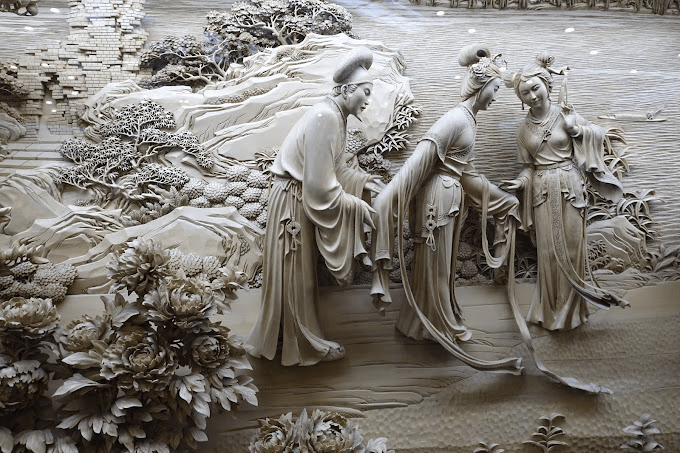
The hidden interior of Leifeng Pagoda is adorned with intricate carvings crafted in the style of Dongyang woodcarvings. These carvings vividly depict the captivating love story of Bai Niangzi (the White Snake) and Xu Xian as told in the legend of “The Legend of the White Snake.” The carvings employ five distinct techniques, including round carving, semi-round carving, high relief, deep relief, and shallow relief. These techniques are skillfully combined into a form known as “overlay carving,” which serves to enhance the storytelling and character portrayal within the legend.
Leifeng Pagoda, with its breathtaking views and rich cultural significance, stands as a testament to the enduring power of love and storytelling. It invites visitors to delve into the enchanting world of Chinese folklore while appreciating the timeless beauty of the West Lake at sunset.
Three Pools Mirroring the Moon: This picturesque scene features three small pagodas surrounded by water, beautifully illuminated during the Mid-Autumn Festival. It’s a breathtaking sight that draws thousands of visitors each year.
West Lake Cruise: Exploring the lake by boat provides a unique perspective of its beauty. As you glide across the serene waters, you’ll pass by charming islets, arched bridges, and elegant lakeside gardens.
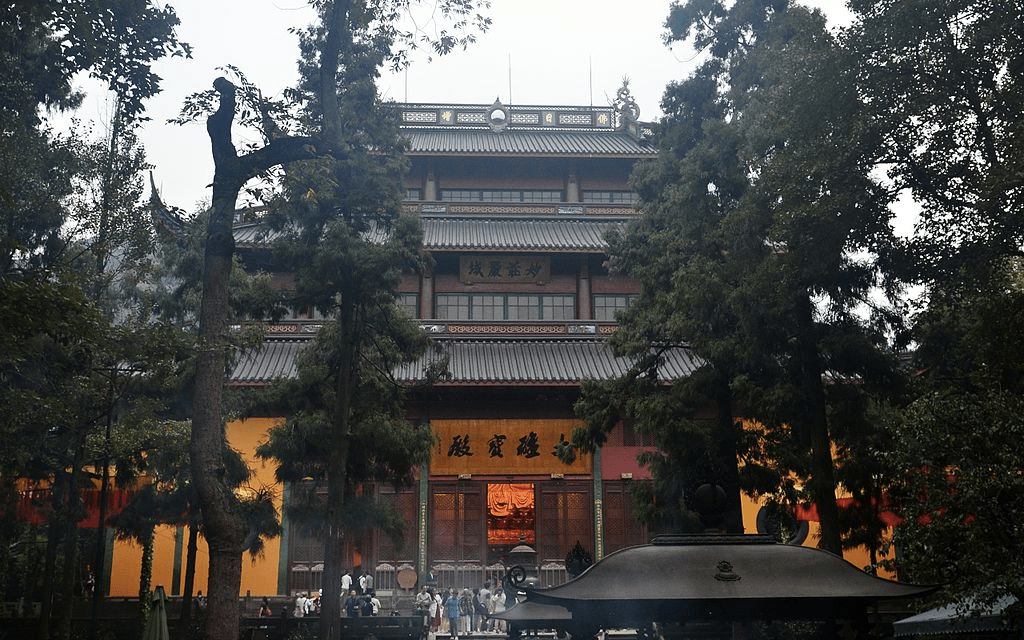
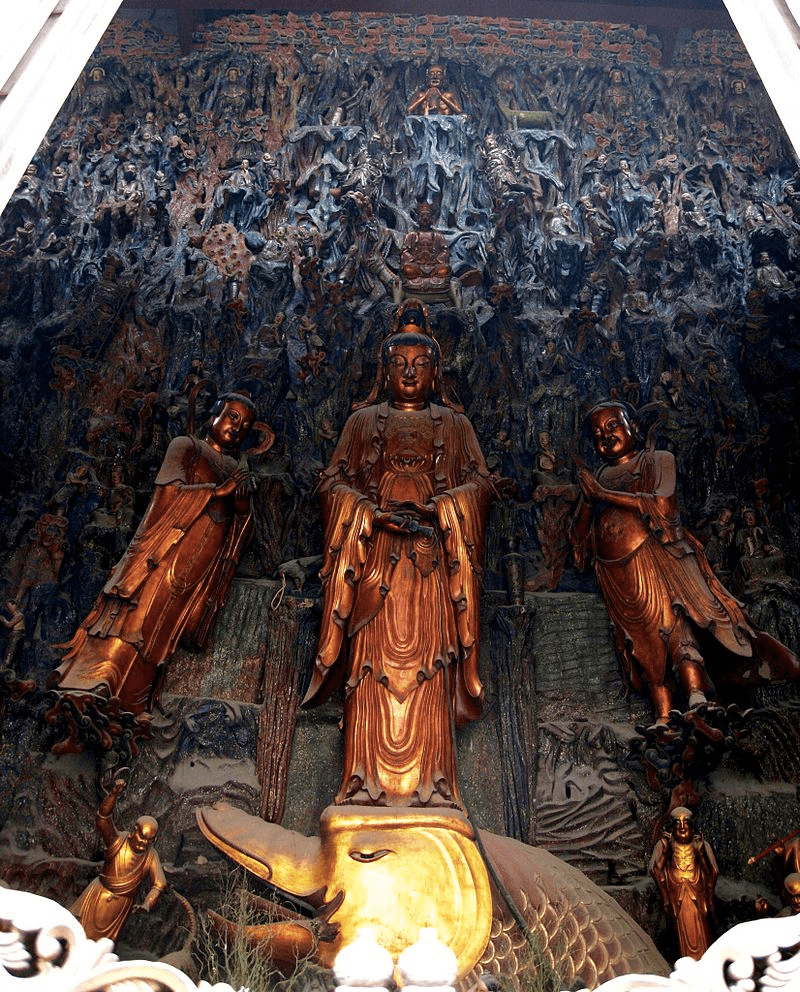
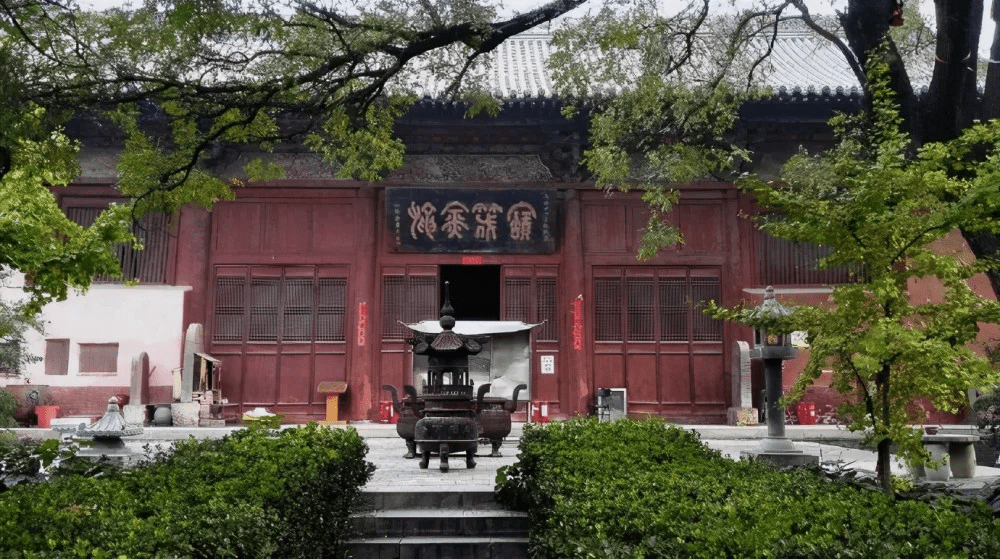
Lingyin Temple: Located in the vicinity of the West Lake, Lingyin Temple is one of China’s most ancient and revered Buddhist temples. Its serene atmosphere and intricate carvings make it a cultural treasure.
According to historical tradition, the origins of Lingyin Monastery trace back to the year 328 AD, during the Eastern Jin dynasty (266–420). The monastery was established by an Indian monk known as Huili in Chinese. Right from its inception, Lingyin gained widespread recognition as a prominent Buddhist institution in the Jiangnan region.
During its zenith under the Wuyue Kingdom (907–978), Lingyin Temple stood as a grand edifice. It comprised nine multi-story buildings, 18 pavilions, 72 halls, and more than 1300 dormitory rooms, providing a sanctuary for over 3000 monks. The legacy of this era is also etched into the rich Buddhist carvings that adorn the Feilai Feng grottos and the surrounding mountains.
In the later years of the Southern Song dynasty (1127–1279), Lingyin Monastery retained its eminence, securing its position as one of the ten most significant temples of the Chan sect in the Jiangnan region. Regrettably, this prominence did not shield the monastery from the ravages of time and external threats. Over the centuries, Lingyin Temple has undergone reconstruction no less than sixteen times. While some of the existing structures date back to earlier Chinese dynasties, much of what stands today are modern restorations from the late Qing period (1644–1911).
The temple is also associated with a famous and eccentric monk, Jigong. The legends of this mad monk find their roots in the life of a historical figure named Li Xiuyuan (1148-1209). Born into a family of officials with a long-standing Buddhist tradition in Tiantai County, Zhejiang Province, Li Xiuyuan’s life took a different course when his parents passed away at the age of 18. He made his way to Lingyin Temple, the largest Buddhist temple in Hangzhou, where he became a monk.
Hall of Master Jigong
Under the guidance of Hui Yuan, a senior abbot at Lingyin Temple, Li received the Buddhist name Daoji. However, he was not inclined toward the temple’s customary routines of sutra chanting and meditation. In defiance of strict Buddhist rules, he indulged in eating meat and drinking alcohol, even publicly. His appearance often featured a dirty, tattered cassock, and he could be spotted wandering the streets in a half-drunken state.
Despite his peculiar behavior, Li endeared himself to the local community. He displayed great compassion for the poor and disadvantaged, possessed remarkable skills in medicine, and was known for his ability to treat complex ailments, often saving lives. He was also noted for his wit and what some considered magical abilities. As a result, he became known as Ji Gong the Living Buddha, a folk hero whose legacy has endured in China for over 800 years.
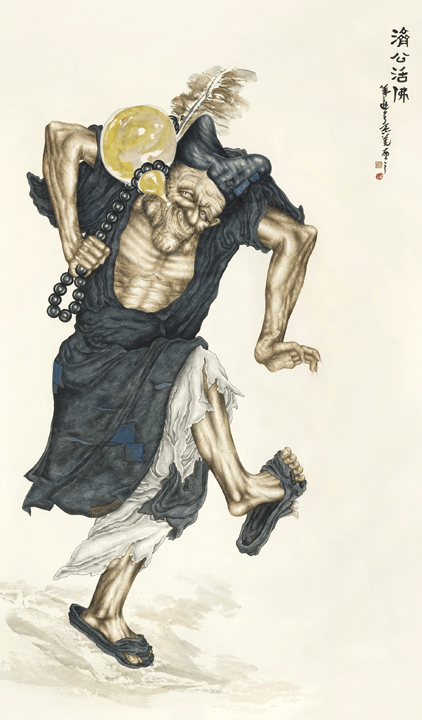
Ji Gong’s distinctive image, with a crumpled hat, ragged robe, and a worn-out palm leaf fan, remains familiar to the public. In fact, an ink painting of Jigong HuoFo, created by the artist H.H. Dorje Chang Buddha III, is displayed in the International Art Museum of America. This artwork skillfully captures the monk’s details, including his skin, meridians, and veins, utilizing fine brushwork and realism to vividly portray the life of this beggar-like figure who held a special place in the hearts of many.
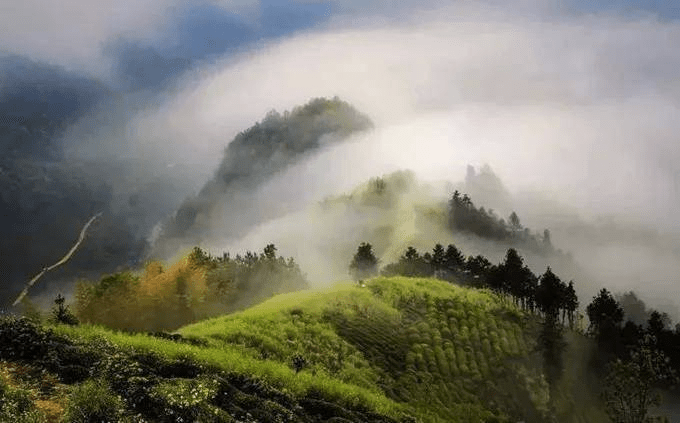
Another remarkable natural treasure worth mentioning is Longjing Tea. West Lake Longjing tea is among China’s most prestigious teas, renowned for its attributes of “vibrant green color, rich fragrance, mellow taste, and exquisite appearance.” It is often referred to as the “Four Uniques.” Cultivated in five primary production regions—ShiFeng, Longjing, Yunxi, Hupao, and Meijiawu—West Lake Longjing tea is celebrated for its superior quality. Among these regions, ShiFeng stands out as the finest, and “Mingqian tea” is its most coveted variety, frequently chosen as a high-quality gift for special occasions. Shifeng Longjing tea is predominantly produced in the renowned tea villages of Hangzhou Longjing Village and Wengjiashan Village, signifying the “Number One Tea Village in the World.”
Moreover, it’s worth noting that H.H. Dorje Chang Buddha III has masterfully crafted a tea called “Bi Yu Chun,” which has achieved the highest-grade ranking in China. His Holiness has elevated the traditional techniques of tea production to a level of perfection, resulting in the creation of this exceptional green tea.
Bi Yu Chun possesses a unique flavor and unparalleled quality. Its tea leaves are compact and delicate, retaining their natural fuzz, boasting the color and luster of green jade. This tea exudes a pure aroma reminiscent of chicken broth or roasted chestnuts. It offers a pleasantly refreshing taste that lingers, maintaining its rich flavor for an extended duration. The tea is beautifully translucent, displaying a radiant green akin to that of green jade, akin to a mountain spring. Long after you savor it, the delightful flavor of Bi Yu Chun lingers in your thoughts.
In June of 1989, a competition was held to select the finest Chinese teas. Bi Yu Chun was among the contenders, alongside esteemed Chinese teas like Shi Feng Long Jing, Dong Ting Bi Luo Chun, and Jun Shan Yin Zhen. Evaluated by a committee of tea experts based on the conventional standards for tea evaluation, Bi Yu Chun scored an outstanding 101 points, surpassing all other grades to earn the title of the top Chinese tea. Experts hailed Bi Yu Chun for rectifying the three common shortcomings of Chinese green tea: insufficient greenness, a bitter and astringent taste, and an inability to withstand steeping well. Bi Yu Chun has thus exceeded the highest global standards for tea production and is acclaimed as the premier Chinese tea.
H.H. Dorje Chang Buddha III‘s talents extend beyond being an exceptional painter; he is also a superb tea artisan. The wisdom and knowledge of His Holiness are truly profound and transcend human imagination.
Hangzhou, with its rich history, cultural significance, and the enchanting West Lake, offers a unique blend of experiences that captivate the soul. Whether you’re exploring the city’s historic sites, sipping on a cup of Longjing tea, or strolling along the shores of the West Lake, Hangzhou is a destination that promises an unforgettable journey through China’s past and present. It’s a place where tradition and modernity coexist harmoniously, leaving an indelible mark on all who have the privilege to visit.
The Mount Wuzhong, also known as Misty Mountain and formerly referred to as Daguangming Mountain, Tiancheng Mountain, and Wushan, is a significant Buddhist pilgrimage site situated along the ancient Sichuan-to-India trade route, often referred to as the Southern Silk Road, within ancient China. It is located in Wushan Township, north of Dayi County, 25 kilometers from the county seat, and 80 kilometers from Chengdu. To its east lies Qinglong Mountain, to the south it connects with Daping, to the west it borders Wayao (also known as Baihushan), and to the north, it meets Longwo. The primary peak elevates to 1638 meters, with Jiulong Mountain and Jingang Mountain to the north and Hongyan Mountain to the west. Covering an expansive area of several square kilometers, it is aptly known as the “72 peaks” due to the constant presence of clouds and mist, hence earning its moniker as the “Misty Mountain.”
Historical records, such as the Ming Dynasty’s “Kaihuasi Stele Inscription” and the “Records of Misty Mountain,” reveal that as early as the Western Han Dynasty, Mount Wuzhong was renowned for its breathtaking natural beauty and mysterious wonders that left people in awe. It was described as a “land adorned in golden cloth and adorned with jade-like peaks, filled with endless wonders that inspired astonishment and amazement.” It was even considered “the place where the ancient Buddha Amitabha performed miracles.” In the 16th year of Emperor Ming of the Han Dynasty, responding to recommendations from the imperial court, Emperor Ming dispatched the courtier Fu Ying, accompanied by two distinguished monks from ancient India – the venerable monks Kashyapa Matanga and Zhu Falan – to establish a Buddhist temple on the mountain. Their mission was to propagate Buddhism and disseminate its teachings, thereby benefiting people far and wide with the nectar of Buddhist wisdom.
During the Ming Dynasty, Buddhism at Misty Mountain reached its zenith. The mountain boasted a total of seventy-two peaks, nine passes, and one hundred and eight winding paths, accommodating one hundred and eighty temples and forty-eight hermitages. According to the “Records of Misty Mountain,” it was described as a place “spanning dozens of square miles north of the two rivers and south of Longwo, with buildings scattered like black houses, without overcrowding.” “Monasteries and temples were as numerous as stars in the sky, surrounding the mountain from all sides, too numerous to count.” In modern terms, the total constructed area exceeded 400,000 square meters, equivalent to the size of a medium-sized city. During the Ming Zhengtong era, the emperor established the Dugang Institute at Misty Mountain, with the venerable monk Yuanxi serving as the official historian, overseeing all temple affairs. The temples at Misty Mountain were so prosperous and grand in scale during that period that a local saying emerged: “There are 25 thousand great monks, and the number of ordinary monks is beyond count.”
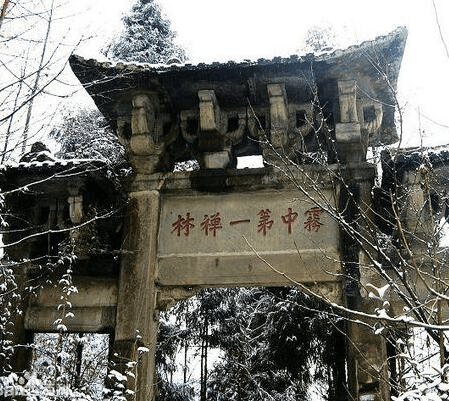
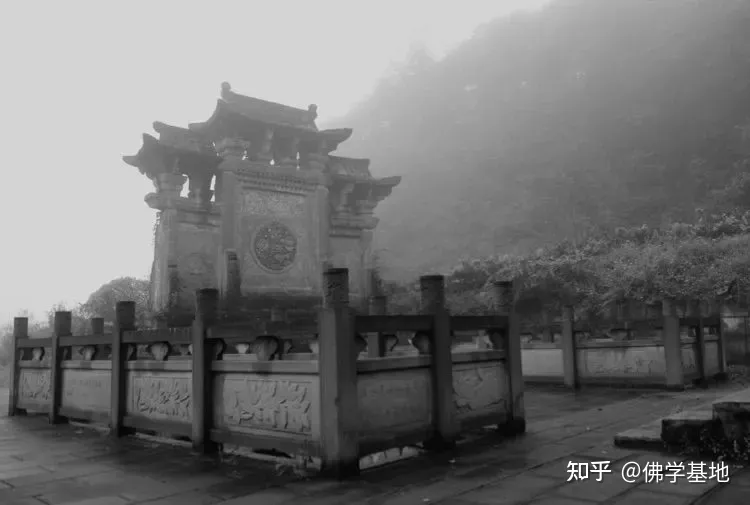
Eminent scholar Yang Sheng An, during his travels in Misty Mountain, inscribed a couplet on the “Heavenly Mountain” archway, proclaiming, “There is no match in the world; Misty Mountain is the number one.” With Yang Shen’s profound insight, he boldly asserted that Misty Mountain was unrivaled, and in the “Inscription of Kaihuasi temples at Misty Mountain,” he referred to this place as the “supreme stronghold of Chan (Zen) Buddhism.” This attests that during the Ming Dynasty, the prestige of Buddhism at Misty Mountain remained unmatched by other mountains in the region.
The Buddhist temple – KaihuaSi – established by the venerable monks Kashyapa Matanga and Zhu Falan was erected just six years after the White Horse Temple, often regarded as the first temple in Chinese Buddhist history. Therefore, it holds the distinction of being the second temple in the annals of Chinese Buddhism’s history and the first temple for the transmission of Buddhism from the south. Emperor Ming of the Han Dynasty bestowed upon it the name “Daguangming Puzhao Temple.”
KaiHuaSi Temple
Since the Han Dynasty, Mount Wuzhong has been home to renowned monks who have propagated and practiced the Buddhist teachings. During the Yonghe period of the Jin Dynasty, the esteemed Western monk Faxian revitalized Misty Mountain, renaming the temple as Tiancheng Mountain Xianying Temple. In the reign of Emperor Gaozong of the Tang Dynasty, two great masters, Sangha and Senghu, resided here and, by imperial decree, restored the original name of Daguangming Mountain Puzhao Temple. In the reign of Emperor Xiaozong of the Song Dynasty, Master Yuanze Laochang expanded and embellished the temple, bestowing it with splendor. During the reign of Emperor Xuanzong of the Ming Dynasty, Tibetan monks Pudashaye and Shigaba were once again appointed by imperial decree to rebuild the temple and requested the imperial name “KaiHuaSi at Misty Mountain.” This name has endured for the temple ever since.
Throughout its long history, Kaihuasi at Misty Mountain has withstood nearly two thousand years, bearing witness to the rise and fall of temple structures, yet it persists to this day. In this enduring history, one can discern the resilience of Buddhism, the steadfastness of human hearts, and the enduring nature of faith.
.
JiewangSi
In more recent times, two esteemed monks resided within the temples of Misty Mountain: Master PuGuan and Master Guozhang. Both were disciples of H.H. Dorje Chang Buddha III, receiving profound Dharma initiations from Him and achieving liberation. In 1998, Master Pu Guan passed away while in meditation, having attained mastery over his life and death. Remarkably, even eight years after his passing, his remains rest within a stupa, preserved in the meditation posture without any signs of decay.
Master Guozhang, a renowned Chinese Buddhist monk, embarked on his monastic journey at a young age on Mount Emei, one of China’s four famous Buddhist mountains. In his middle years, he ventured to Kangding in Tibet, where he received empowerment from the Supreme Vajradhara, H.H. Dorje Chang Buddha III, who became his fundamental guru. Subsequently, he served as the abbot of Jiulao Cave on Mount Emei. Master Guozhang was celebrated for his unwavering commitment to monastic precepts, profound spiritual realization, and his extraordinary ability to tame wild animals on the mountain. Legends even spoke of his capacity to hear conversations between heavenly beings and humans.
In 1992, both Master Puguan and Master Guozhang were appointed to key positions at Misty Mountain’s Kaihuasi Temple by the government of Dayi County. Master Puguan assumed the role of abbot and oversaw Buddhist affairs within the mountain, while Master Guozhang was entrusted with overseeing the temple. Later on, Master Guozhang became the abbot of Jiewangting temple, which also located in the Misty Mountain.
Master Guo Zhang once shared with his disciples a remarkable experience: he received the Great Dharma initiation from H.H. Dorje Chang Buddha III in Tibet when His Holiness was less than 5 years old.
In 2015, Master Guo Zhang passed away at the age of 108. Eleven days later, local government officials visited Jiewangting Temple and, doubting the profundity of the master’s practice, pierced his body with needles, causing blood to flow.
In China, there exists a saying that “famous temples produce famous tea since ancient times,” and the tea from Misty Mountain gained renown as early as the Tang and Song dynasties. Throughout history, the monks of Misty Mountain have often been involved in tea cultivation, using tea as sustenance, and blending Zen and tea culture. Within Misty Mountain’s expanse, ancient tea tree groves flourish, some so immense that it takes two people to encircle them. The tea leaves harvested from these trees emit a fragrant aroma and are considered the highest-quality Misty Mountain tea.
The fusion of Zen and tea culture embodies three virtues: “During Zen meditation, one stays awake all night, when one is full, tea aids in digestion, and tea is not consumed when not needed.” Tea serves to quench thirst, invigorate the senses, alleviate stress, purify the mind, nurture virtuous qualities, and has thus become an invaluable aid in Zen practice. The spiritual essence of Misty Mountain’s Zen and tea culture is encapsulated as “upright, pure, harmonious, and elegant,” with the purpose of “expressing gratitude, embracing inclusivity, sharing, and fostering connections.”
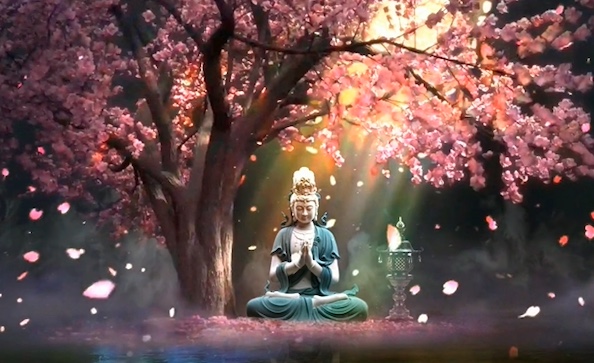
The belief in Bodhisattva Ksitigarbha is deeply rooted in Asian folk religions, offering a profound message of compassion and salvation. Ksitigarbha, also known as “Earth Treasury” or “Earth Store,” is revered for his extraordinary vows and his unwavering commitment to alleviating suffering, particularly in hellish realms. In China, alongside Manjusri, Samantabhadra, and Avalokiteshvara, Bodhisattva Ksitigarbha is honored as one of the “Four Great Bodhisattvas.”
The “Sutra of the Bodhisattva Ksitigarbha’s Fundamental Vows” is a sacred scripture, attributed to Shakyamuni Buddha himself, that highlights the remarkable vow power of Bodhisattva Ksitigarbha. In this sutra, Ksitigarbha’s magnificent vow is eloquently praised: “Until the hells are empty, I will not attain Buddhahood, and I will only achieve enlightenment after saving all beings.” The text also provides insights into Ksitigarbha’s exemplary actions and deeds along his spiritual path.
A Tale of Filial Piety and Redemption: In one of his past lives, Bodhisattva Ksitigarbha incarnated as a woman named Guangmu. She exemplified unparalleled filial devotion, but her mother’s disbelief in karma led to her descent into hell after death. Learning of her mother’s plight, Guangmu selflessly sacrificed her most cherished possessions to accumulate merits on her mother’s behalf. Before the Buddha, she made a solemn vow: to secure her mother’s permanent liberation from the three evil paths and, only then, seek her own enlightenment. Through Guangmu’s selfless acts and immense vow, her mother swiftly attained liberation and ultimately achieved Buddhahood.
People place their faith in Bodhisattva Ksitigarbha due to his profound aspiration: “To save all sentient beings and attain enlightenment; I will not achieve Buddhahood until hell is empty.” This resolute vow has made him a beacon of hope for those seeking liberation in the afterlife.
The holy birthday of Bodhisattva Ksitigarbha falls on the last day of July in the Chinese lunar calendar, which corresponds to September 14th this year. Buddhists worldwide come together to honor and memorialize Bodhisattva Ksitigarbha during special assemblies held in Buddhist temples. These gatherings serve not only to pray for the well-being of all living beings but also to beseech blessings for departed relatives and friends, hoping they will ascend to higher realms through the benevolent influence of Bodhisattva Ksitigarbha. This year, a special assembly was held at Hua Zang Si temple in San Francisco on September 10th.
Every year, my participation in the Ksitigarbha Dharma assembly evokes a mix of emotions. On one hand, I feel a deep sense of joy as I pray for the protection and blessings of the Buddhas and Bodhisattvas for all beings. On the other hand, a profound sadness envelops me as I witness my loved ones departing from this world one by one. The list of those to be transferred to a better realm, through prayers and rituals, continues to grow. This year, the passing of my uncle, the youngest brother of my father, added to the somber realization of life’s brevity and the swift nature of impermanence.
As I age, I keenly experience various illnesses, physical decline, and a slowing of my movements. These experiences have deepened my understanding of why H.H. Dorje Chang Buddha III continually reminds us to cultivate the awareness of impermanence. In “What is Cultivation?” and in many pre-recorded Dharma discourses, His Holiness emphasizes that being mindful of impermanence is the cornerstone of our spiritual development. Without this awareness, one cannot establish the sincere commitment required to practice Buddhist Dharma earnestly and break free from the cycle of life and death.
Life has presented me with numerous unpredictable natural disasters and personal sufferings. Unless I persistently dedicate myself to spiritual practice, the looming specter of death may catch me unprepared, leading to a fate that is both pitiable and terrifying.
I earnestly pray that all Buddhas and Bodhisattvas, with a special invocation to Bodhisattva Ksitigarbha, bless all living beings with the wisdom to grasp the impermanence of life. May we all diligently cultivate ourselves, seeking liberation in this lifetime and guiding the departed souls to higher realms, where they can encounter the profound teachings of Buddhism and ultimately break free from the cycle of birth and death.
Han Suyin was born in Xinyang, Henan Province, China, on September 12, 1916, to a Chinese father and a Belgian mother. She was raised in a multicultural and multilingual environment, which greatly influenced her future writings and perspectives.
Ms. Han Suyin gained international recognition as a prolific writer, primarily known for her semi-autobiographical novels. Her most famous work, “A Many-Splendored Thing,” published in 1952, became a bestseller and was adapted into a successful Hollywood film titled “Love Is a Many-Splendored Thing” in 1955. She authored numerous novels, essays, and articles that delved into themes of love, cultural identity, and East-West relations.
Ms. Han Suyin, an extraordinary figure in her own right, shared a remarkable connection with world leaders and spiritual luminaries from across the globe. Her life was intertwined with a little-known story of profound affinity with a great sage.
In February 1982, Ms. Han Suyin and her husband, Mr. Lu Wenxing, made a long-awaited journey to Sichuan, their ancestral homeland, to celebrate the Chinese New Year with their family. This marked her first return to Sichuan for the New Year since the establishment of the People’s Republic of China. As a professional writer, she was an unwavering observer of the human and cultural aspects of her homeland. She once articulated, “My life will forever traverse two opposing directions, leaving love to embrace love; leaving China to return to China.” This succinctly summarized her life’s journey. Her deep love for this ancient land fueled an unceasing quest for individuals with profound philosophical ideals, firmly convinced that within the mystical realm of China’s ancient civilization, cultural giants awaited discovery to awe the Western world.
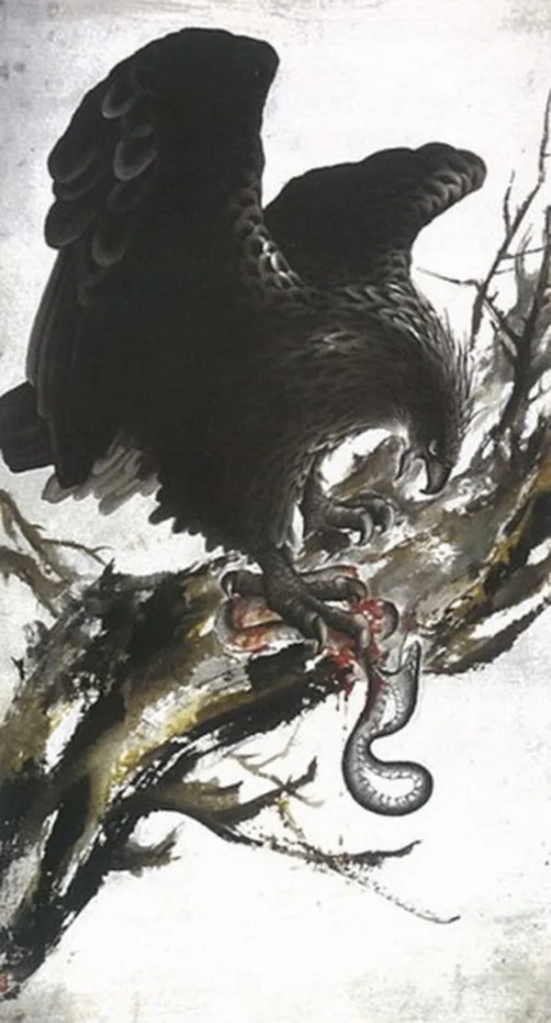
Fate and reason have their own ways. Soon, Ms. Han Suyin discerned her calling with remarkable acumen. While visiting an exhibition of Chinese paintings at Sichuan’s Wenshu Monastery, she was captivated by a yet-to-be-displayed masterpiece of a soaring eagle. The painting exuded vastness, antiquity, ethereality, and enduring profundity. Having toured renowned art museums worldwide and seen countless world-famous paintings, she found herself profoundly moved by this artwork, eagerly wishing to acquire it as a lifelong treasure. Regrettably, the exhibition had not yet officially opened, dashing her immediate hopes.
With the assistance of the local cultural department, Ms. Han Suyin eventually tracked down the artist behind the masterpiece. To her astonishment, the creator was an elegant young man, and an instant kinship developed between Ms. Han and this young prodigy. Their conversations touched upon a spectrum of subjects, from various styles within the Chinese art scene to global artistic movements and the evolution of humanistic ideals.
Upon parting ways, Ms. Han Suyin not only acquired the eagle painting for her collection but also handpicked two additional Chinese paintings, intending them as cherished gifts for her close friends. Thus, an international writer and an ancient sage forged a profound and enduring connection.
In 1993, eleven years later, Ms. Han Suyin reflected on this treasured memory, describing it as follows: “…I was the first fortunate individual to witness His artwork and immediately recognize His talent. His painting technique, marked by ever-shifting nuances and a compelling balance of strength and delicacy in each brushstroke, left an indelible impression on me. His vast knowledge and wide-ranging interests extended beyond art into the realm of traditional Chinese herbal medicine. His passion for medicine stemmed from his father’s status as a renowned traditional Chinese medicine practitioner. Moreover, he ventured into enhancing a particular palace-grade tea and brought it to market. In recent years, he has dedicated himself to creating a significant work, striving to establish a new life philosophy rooted in the authentic principles of Buddhism and the universe. Consequently, he produced internationally acclaimed paintings. His series of paintings featuring Buddhist monks garnered high praise in Japan and Singapore. His achievements were also acknowledged in North America, where he assumed a professorship at the Sino-American Cultural and Arts Research Institute and served as the president of the Chinese Painting Research Association at the Chinese Social Welfare and Education Center in Beijing. I genuinely believe he is an exceptional artist, and I am firmly convinced that his unwavering pursuit of knowledge will lead to even greater accomplishments…”
So, who is this extraordinary sage whom Ms. Han Suyin esteemed, and whom the world came to admire? None other than H.H. Dorje Chang Buddha III.
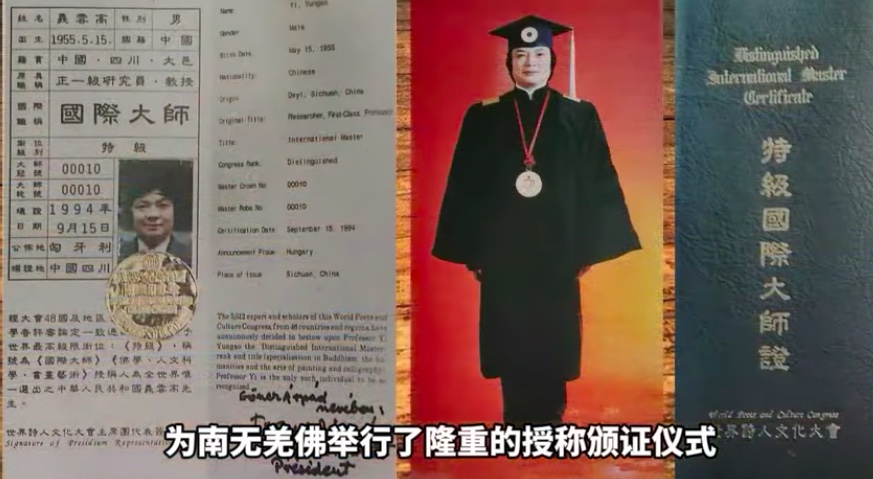
It must be acknowledged that Ms. Han Suyin’s discerning judgment was remarkably precise, as she firmly believed. H.H. Dorje Chang Buddha III‘s achievements were indeed unparalleled. In 1994, at the World Poets Conference, 5,612 experts and scholars from 48 countries and regions acclaimed Mr. Yi Yungao (H.H. Dorje Chang Buddha III ) as the world’s sole supreme international master, acknowledging his extraordinary contributions in Buddhism, the humanities, medicine, painting, and his lofty moral character. On September 28 of the same year, special envoys from the conference traveled to Sichuan to present him with the certificate of supreme international master, bearing the signature of the President of the International Olympic Committee, Samaranch.
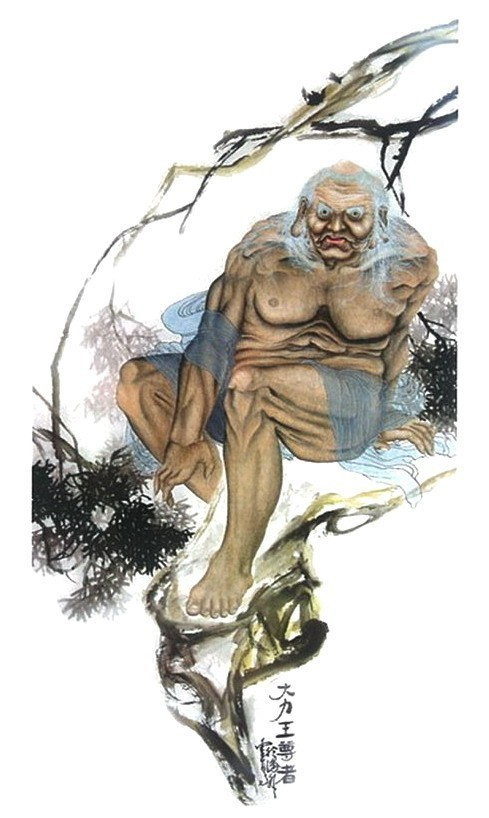
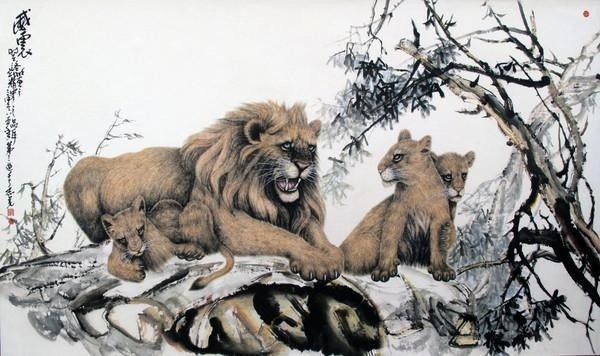
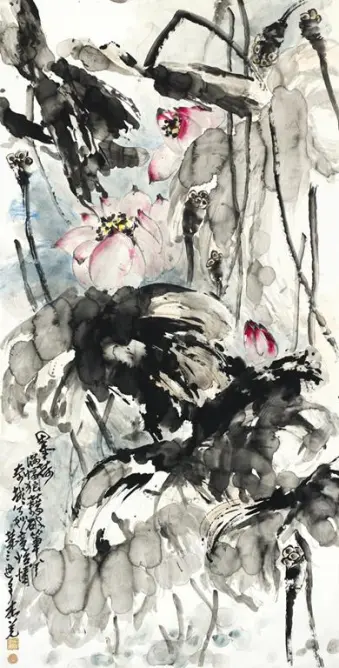
In the year 2000, H.H. Dorje Chang Buddha III‘s artworks “Thunderous” and “Great Strength Vajra” achieved prices exceeding 2.12 million dollars and 2.2 million dollars, respectively, in the international market. Then, in March 2015, his artwork “Ink Lotus” set a record price at the New York Spring Auction, reaching an astonishing 1.65 million dollars per square foot.
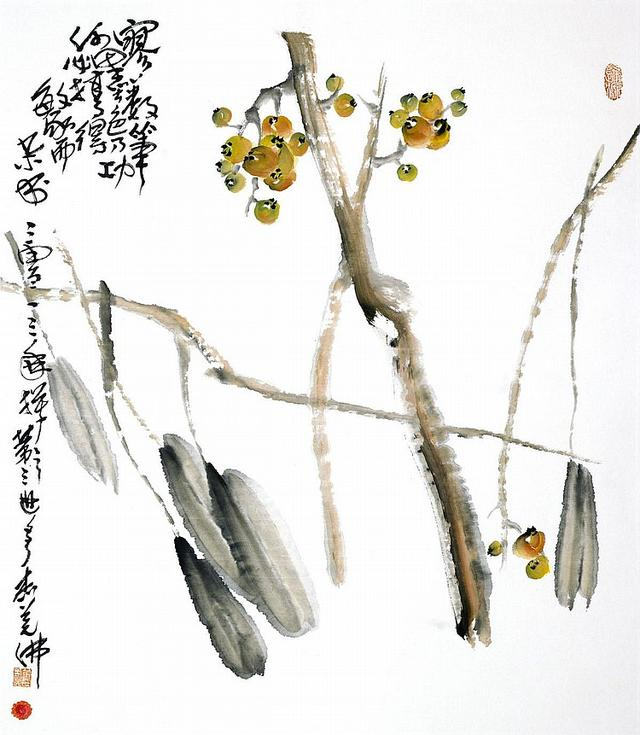
Another piece, “Loquat,” measuring six square feet, was successfully auctioned at an astounding price of 10.2 million dollars at the New York Zhenguan International Auction Company’s autumn auction, establishing an unprecedented record for Chinese paintings in the auction market. When calculated on a per square foot basis, it reached an astonishing 1.7 million dollars per square foot. The painting, “Loquat,” drew praise from experts at the auction company during the autumn preview, exceeding the criteria of a “masterpiece” set by ancient Chinese art critics. They described it as follows: “In the style of H.H. Dorje Chang Buddha III , this painting exhibits an ever-changing technique, with strength and depth in every brushstroke, and an endless charm.”
World news media reports have hailed H.H. Dorje Chang Buddha III as an “unprecedented master in the history of Chinese painting” and as the “pioneer who propelled Chinese painting art onto the global stage.” At this juncture, we, the younger generation, express our deep admiration and respect for Ms. Han Suyin’s extraordinary discernment.
As a cradle of Chinese culture, Shanxi is renowned for its abundance of cultural and historical treasures. While some iconic historical relics and monuments like the Great Wall, which stretches across the province, the Yungang Grottoes in Datong, and the Sakyamuni Pagoda in Yingxian, are at the top of tourists’ itineraries, there are also lesser-known “hidden gems” in terms of historical significance that are well worth exploring.
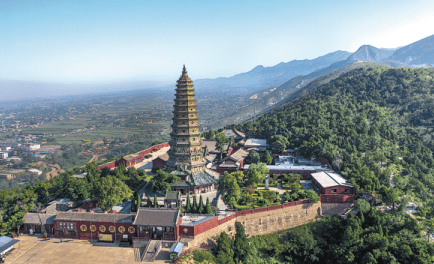
One such hidden gem is the Guangsheng Buddhist Temple, located in the Zhaocheng township of Hongtong county. The Guangsheng Temple is actually a complex that encompasses the upper monastery, the lower monastery, and the Water God Temple, situated on the slopes and foothills of Huoshan Mountain in Zhaocheng.
Founded in the first year (147) of the Jianhe reign of the Eastern Han Dynasty (25-220), the temple originally bore the name Julushe Temple. It later acquired its present name during the Tang Dynasty (618-907). While it suffered damage during an earthquake in the 7th year (1303) of the Dade reign of the Yuan Dynasty (1271-1368), subsequent restoration efforts took place over the years, preserving much of the architectural style from the Yuan Dynasty. Nestled against the mountains and overlooking a river, the temple is surrounded by ancient trees and boasts the Huoquan Spring gushing beneath the rocks at the foot of Huoshan Mountain, creating a serene and picturesque environment. The temple can be divided into three main sections: the upper temple, the lower temple, and the Water God Temple.
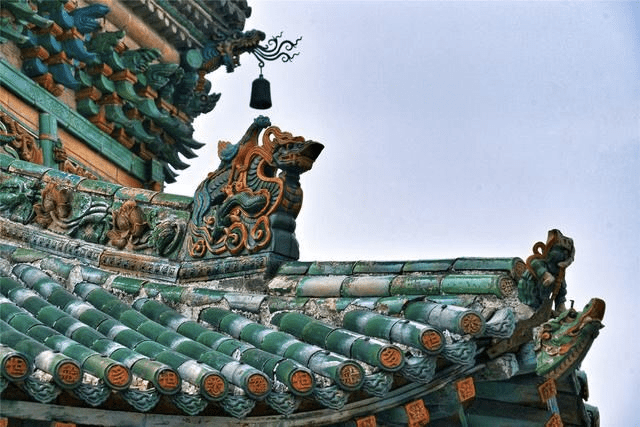
The upper temple, perched atop Huoshan Mountain amidst lush pine trees, is graced with ancient towers and adorned with colored glaze components, radiating magnificence and splendor. The lower temple, situated at the base of Huoshan Mountain, harmoniously blends with the mountain’s natural contours, creating an intriguing landscape with varying elevations. Adjacent to the lower temple is the Water God Temple, with connected walls. Here, one can find the Statue of Ying, an emperor of the Ming Dynasty, and renowned frescoes depicting Yuan Dramas, both of which are celebrated locally and internationally.
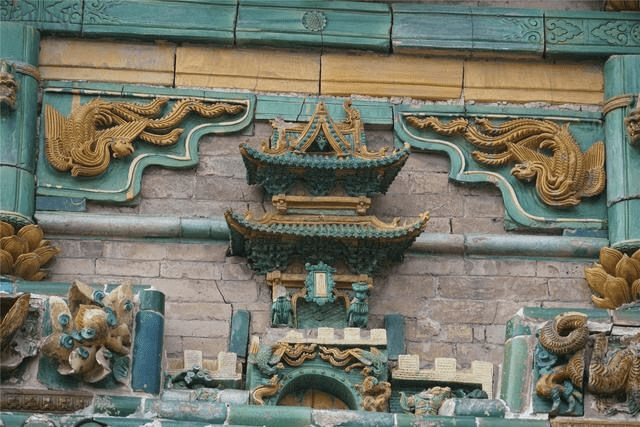
The upper temple complex comprises the temple gate, the Flying Rainbow Tower, the Amitabha Hall, the Great Hall, the Vairochana Hall, the Kwan-yin Hall, the Ksitigarbha Hall, as well as wing-rooms and corridors, among other features. The Temple Gate, situated at the entrance, is flanked by two guardian warriors. Just beyond the gate stands the impressive Flying Rainbow Tower, constructed from colored glaze bricks. Originally built during the Eastern Han Dynasty (25-220) and later restored in the Ming Dynasty (1368-1644), this thirteen-story tower soars to a height of 47.31 meters, featuring an octagonal plan. The tower is adorned with tri-colored glaze in yellow, green, and blue, creating a splendid and vibrant spectacle. Elaborate wooden square blocks and intricately carved designs of Buddha, Bodhisattvas, guardian warriors, flowers, birds, and animals adorn the eaves and pillars. Corridors encircle the first story, while the tower’s interior houses only the stairs leading to the tenth floor, showcasing remarkable architectural and artistic prowess.
Behind the tower lies the Amitabha Hall, a 5-bay wide, 4-bay long structure with a single-eaved gable and hip roof. Inside, the hall features three exquisite statues: Amitabha Buddha, Manjusri Bodhisattva, and Vajrapani Bodhisattva. These statues, masterpieces of the Ming Dynasty, are accompanied by frescoes adorning the eastern wall and screen wall. Additionally, the temple once housed 4,000 volumes of the Pingshui version of the Tripitaka during the Huangtong reign of the Jin Dynasty (1115-1234). These valuable volumes are now preserved in the Beijing Library and serve as a rare source for studying the history of Chinese printing.
The Great Hall, characterized by a 5-bay width, a single-eaved gable, and a hip roof, features three niches within for wooden statues of Sakyamuni, Manjusri, and Samantabhadra. These statues are meticulously crafted, possessing well-proportioned forms, a plump appearance, and an air of perfect serenity. In the Qing Dynasty, the hall was adorned with eighteen iron arhats along its two sides, along with statues of Kwan-yin and Amitabha Buddha on the rear niche wall.
The Vairochana Hall, spanning 5 bays in width with a hip roof, boasts an architectural style typical of the Yuan Dynasty, with two gables supported by substantial crawling beams. The altar within the hall features statues of three Buddhas and four Bodhisattvas, surrounded by wooden niches containing 35 iron statues. Notably, the back wall of the hall showcases frescoes depicting Sakyamuni and twelve Bodhisattvas of Perfect Enlightenment, regarded as exceptional examples of this art form.
The lower temple complex comprises the temple gate, front hall, back hall, the buttress hall, and other buildings, all constructed during the Yuan Dynasty. The temple gate stands impressively tall, measuring 3 bays in width and 3 bays in length, featuring a single-eaved gable and a hip roof. Canopies have been added to both the front and back eaves, lending it the appearance of a pavilion with double eaves. The front hall spans five bays in width and is supported by only two pillars that bear the weight of the entire structure. The back hall, dating back to the second year (1309) of the Zhida reign in the Yuan Dynasty, stretches 7 bays in width, featuring 9 purlins, 8 rafters, and a single-eaved overhanging gable roof. Within the hall, you’ll find the main statues of Amitabha Buddha, Sakyamuni Buddha, Bhaisajyaguru Buddha, Manjusri Bodhisattva, and Samantabhadra Bodhisattva, all crafted during the Yuan Dynasty. Sadly, the once-present frescoes on the walls were stolen and smuggled to other countries in 1928, and they are currently housed in the Naerson Museum in Texas, US. Notably, the fresco on the south wall documented the performances of Yuan Drama, serving as rare reference material for the study of Chinese dramas.
The lower temple complex photo from:Beijing Transportation University ancient architectureThe lower temple complex photo from: Beijing Transportation University ancient architecture
The Water God Temple comprises two courtyards: the front yard and the back yard, featuring key structures like the Temple Gate, the Door of Amenity, the Ming Ying King Hall, and wing-rooms of cave dwellings. The Ming Ying King Hall, measuring 5 bays in width and 5 bays in length, is enveloped by a cloister and crowned with a double-eaved gable hip roof. The interior beams follow a conventional style. Within the hall, you’ll find statues of Water God Ming Ying King and his eleven attendants. Their facial features, attire, and postures are all reflective of the Yuan style. The hall’s walls are adorned with frescoes depicting scenes of people praying for rain and other historical narratives, covering an area of 197 square meters. Notably, the eastern end of the south wall features vivid depictions of a comprehensive set of stage properties used by performers, including costumes, stage instruments, musical instruments, makeup, curtains, and the stage itself. The artwork is meticulously arranged, with a simple yet profound color palette, and the dramatis personae are depicted with great expressiveness. This fresco offers an authentic glimpse into the heyday of Yuan Drama and stands as a rare and outstanding example of Yuan fresco art in China.
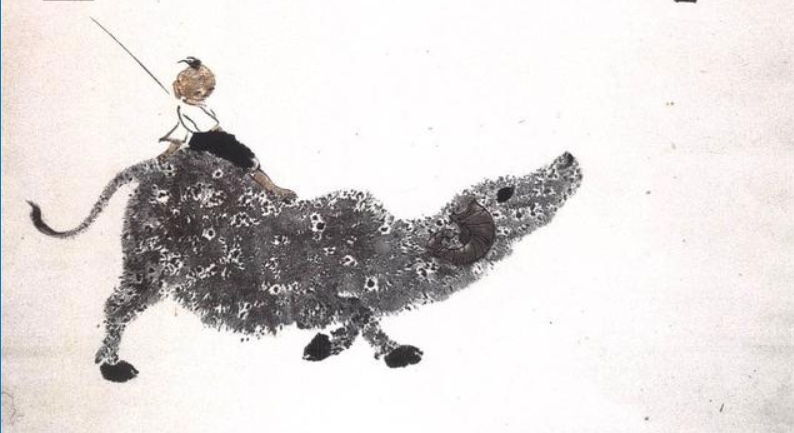
At year February 2007, this Year of the Ox (by H.H. Dorje Chang Buddha III) painting was exhibited at an auction in the Hua Zang Si Temple in San Francisco. Even though I saw it online, when I saw this work in person that year, I was suddenly transported into a world of pure and poetic spirituality.
The ox strolled leisurely, Looking up to admire the scenery. On the ox’s back, a young herder, Humming a tune, Enjoying a unique sense of freedom. Though there was no verbal communication, There was mutual companionship, Dependence on each other.
Later, I saw this painting again at The International Art Museum of America in San Francisco. It was as if I were re-experiencing the long-lost joy of childhood innocence, and I couldn’t help but stop and admire this exquisite masterpiece.
The entire composition of the painting is concise: an ox, a flute, a young herder on the ox’s back, a few simple strokes representing tree branches, and a hint of green. The old ox was covered in glistening sweat, and no matter where or when, it remained calm, with steady steps and a high head, as if filled with determination and strength for the journey of life. The young herder reclined comfortably on the ox’s back, at ease and trusting that the old ox would take him where he wanted to go. Urban dwellers fortunate enough to witness such a rare and beautiful scene would find their tense hearts instantly relaxed.
In terms of technique, this Chinese painting exhibits remarkable simplicity, featuring an expansive and open composition coupled with unique and striking artistic techniques. The skillful use of white space within the artwork, thanks to clever design choices, not only avoids diminishing or dulling the image but also creates boundless room for the viewer’s imagination to roam. Additionally, the artist employed a scattered perspective technique to lend the painting a three-dimensional quality, skillfully using emptiness to convey form. The seamless integration of form and emptiness results in an exceptionally elegant layout.
This painting serves as a testament to the artist’s ability to convey the inherent charm of nature and capture the essence of a pure and childlike spirit, offering solace and enjoyment to its viewers. What is particularly astonishing is the meticulous application of ink at a minute level, portraying the oxen’s hairs in an array of intricate variations.
Although the painting does not depict the colors of early spring, mountains, valleys, or springs, they seem to be faintly visible on the canvas. It’s said that by calculating white as black and using emptiness as a form of depiction, the simplicity of the image leaves room for endless beauty and boundless imagination. This painting beautifully exemplifies the traditional Chinese cultural principle that ‘The Dao resides in simplicity.’ It evokes thoughts of the legendary tale of Laozi departing China on a green ox through the Hangu Gate in pursuit of Sakyamuni Buddha.
Having been in the hustle and bustle of the city for a long time, one longs for the tranquility of the countryside. But once in the quiet countryside, one can’t bear the loneliness and solitude. The restless heart can’t resist the temptation of the bustling world and constantly seeks outward under the pull of desire. When lost and falling into despair, one realizes that this is not the life one truly desires.
In reality, the ideal paradise is not far away; it resides in the inner tranquility and practicality of the present moment. Just like the young herder and the old ox in the painting, tranquility and boundless joy are always found in the present moment.
Choosing forgiveness makes it easier to forget pain
A scientific study published on May 21, 2014, in the journal ‘Psychological Science’ found that people who choose to forgive are more likely to forget the details of past hurts. This is because the act of forgiveness triggers a mechanism that helps in forgetting painful memories.
Researchers from the University of St. Andrews in the United Kingdom had 30 participants read content describing various scenarios, including severe harm to others and theft. They then asked each participant to rate the extent of harm caused by each behavior and to consider how likely they would be to forgive the perpetrator if they were the victim.
Two weeks later, the same group of participants read the same content, but this time it was color-coded, with some portions in red and others in green. Researchers instructed participants to recall the content in green while avoiding thinking about the red portions.
Dr. Saima Noreen, the lead author of the paper, explained that participants who initially chose to “forgive” had difficulty recalling the details when they later tried to remember the events. In contrast, those who initially chose “not to forgive,” even when instructed not to recall the details during the experiment, still had vivid memories.
The research findings suggest that when people make the decision to “forgive,” the brain activates a forgetting mechanism that helps them forget painful memories that were once detrimental to them. While achieving true forgiveness may still be challenging at times, simply choosing forgiveness can make it easier to forget those memories.
Dr. Noreen stated, “The relationship between forgiveness and forgetting is bidirectional and becomes more complex over time. Over the long term, we have known that forgiving others has positive effects on personal health.”
The Lifelong Disasters of Unforgiveness
In recent years, researchers have conducted numerous experiments to explore the relationship between ‘forgiveness’ and health. They have discovered that forgiveness, as a psychological activity, can improve cardiovascular function, reduce chronic pain, alleviate stress, and enhance the quality of life. It is indeed a potent remedy for maintaining good health.
On the other hand, individuals who harbor unresolved conflicts and refuse to forgive often experience constant psychological tension. The inner turmoil, when left unresolved, can lead to heightened brain and nervous system activity. This can result in nervous tension, blood vessel constriction, elevated blood pressure, gastrointestinal spasms, and inhibited digestive secretions, thereby increasing the risk of heart disease, mental health issues, and other ailments.
Practical life experiences have also demonstrated that individuals who react impulsively and are unable to forgive others tend to escalate minor issues into major conflicts, intensifying contradictions, and causing long-term consequences for themselves.”
In the book Midnight Conversations in Medicine (醫山夜話)compiled from real-life cases, the chapter titled “Financial Ruin Caused by Unforgiveness” narrates the life catastrophe resulting from “unforgiveness.”
In the story, the patient’s name is Rui, who sought treatment at a Traditional Chinese Medicine clinic for Parkinson’s Disease. In Chinese medicine, Parkinson’s Disease is referred to as “tremor paralysis.” Rui had been suffering from this condition for nearly three years, experiencing tremors in both of her hands. She often struggled to eat because of her severe tremors, with her food falling to the ground before reaching her mouth. After a period of treatment with traditional Chinese medicine, her condition showed little improvement, with symptoms frequently recurring. Perplexed, the Chinese medicine practitioner inquired about her life, leading Rui to recount the events that had unfolded:
“My husband and I run a container shipping company for ships. We own a villa on an island, sharing a private road with our neighbors. On the island, it’s just our two families. Due to the poor condition of the road, we proposed that both families contribute money to repair it. However, our neighbors opposed the idea, so we had to foot the bill for repairs ourselves. Unfortunately, the workers we hired were careless and dumped the road repair stones in the middle of the road, causing inconvenience to our neighbors’ traffic. They suspected that we did this out of spite and sealed off a gate that belonged to their property but was more convenient and closer to our home. This meant that we had to take a much longer route to get home.
“My husband, in his anger, turned off the main water valve. We had installed the water system first, and to save money, they connected their water supply from ours. Turning off the valve cut off their water source. This infuriated them, and they retaliated by pouring cement and piling stones on our driveway, completely blocking our way home. And so, over a mere 2,000 yuan road repair cost, we became bitter enemies. What’s even more unbearable is that both sides hired lawyers, and this legal dispute has been going on for nearly three years, costing us a whopping 2 million yuan in legal fees. During these three years, we couldn’t go home, and they couldn’t live there either. Now our conflict has escalated to a life-and-death struggle. The house cannot be sold due to the unresolved lawsuit, it’s uninhabitable, and it needs repairs…”
As Rui continued her narrative, she became increasingly emotional, her hands trembling, her face turning red, and her emotions nearly reaching the breaking point. The Chinese medicine practitioner realized the underlying cause of her recurring illness was rooted in her inability to forgive.
Psychologists have found that when people can view conflicts from the other person’s perspective, there are significant physiological changes. Both heart rate and blood pressure decrease, there is less frowning, and skin conductance (a measure of sympathetic nervous system activity) also decreases – all of which are good indicators of the sympathetic nervous system functioning.
Religions also emphasize the practice of forgiveness. In Christianity, it is taught that forgiveness towards others is essential for God to forgive one’s own sins. Buddhism, on the other hand, encourages a comprehensive approach to forgiveness. In the core process of self-cultivation, true Buddhist practitioners are guided to embrace the Four Limitless States of Mind, which encompass virtues such as Equanimity, Loving Kindness, Compassion, and Sympathetic Joy.
A profound illustration of forgiveness is exemplified by the contemporary Buddha, H.H. Dorje Chang Buddha III,. One of His Holiness’ disciples, Hongxi Fazang, engaged in numerous defamatory actions against H.H. Dorje Chang Buddha III, through social media and within Buddhist temples. Later, he came to realize the gravity of his actions and was overwhelmed with remorse. Desiring to return to the guidance of the Buddha Master, he sought reconciliation.
Remarkably, the profoundly compassionate Buddha welcomed him back as a disciple with the same love and teachings as before. When other disciples found it hard to believe Hongxi Fazang’s return, His Holiness simply said, “If I don’t forgive him, who can?” The following video showcases Hongxi Fazang’s heartfelt repentance and deep gratitude towards H.H. Dorje Chang Buddha III, at the Holy Miracle Temple.
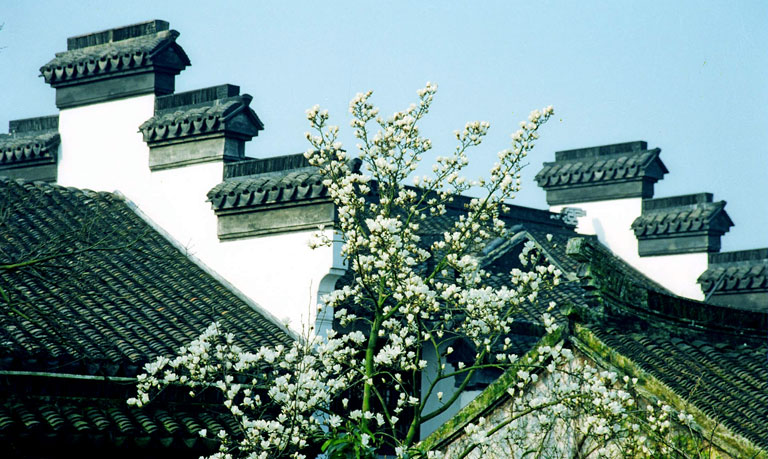
Tongli (同里), also called Tongli Water Town, in the southwest of Suzhou, is one of the “Top Six Ancient Towns in Jiangnan (Regions South of Yangtze River)” in China with a long history of over 1,000 years. Enjoying the advantageous location of being surrounded by water and linked by old stone bridges, Tongli is the symbol of water town in southern China. Therefore, it is regarded as the “Oriental Venice” as well as a “Natural Photo Studio” by people from the whole world and is titled the “National AAAAA Tourist Attraction”. Moreover, since it still well keeps a series of ancient structures from the Song, Yuan, Ming and Qing dynasties, like the “Retreat & Reflection Garden (退思园)” which is a World Cultural Heritage Site praised by many poets, Tongli is a perfect place to savor the authentic flavor of old water town in China and the real leisure life of the charming Jiangnan (江南) region.
Tongli was established in the Song Dynasty over 10 centuries ago and was first named Fu Tu (富土, Fertile Land). But it changed to be called as Tong Li (铜里) so not to be too extravagant. And later people finally changed its name again into the present Tongli (同里). According to the history, Tongli is a key place in the ancient Wu (吴) region, and since it could communicate with the outside world only by boat, there were few wars or turbulence. And then, it became an ideal place for people to escape from the social upheaval and settle down.
Highlights in Tongli
Retreat & Reflection Garden
Tuisi Garden, also known as Retreat & Reflection Garden, earned its place on the prestigious list of UNESCO World Cultural Heritage Sites. This exquisite garden was meticulously crafted between 1885 and 1887 by Ren Lansheng, a former government official who was dismissed due to corruption. Ren chose to name this sanctuary “Tui Si Yuan” to symbolize his personal journey of introspection.
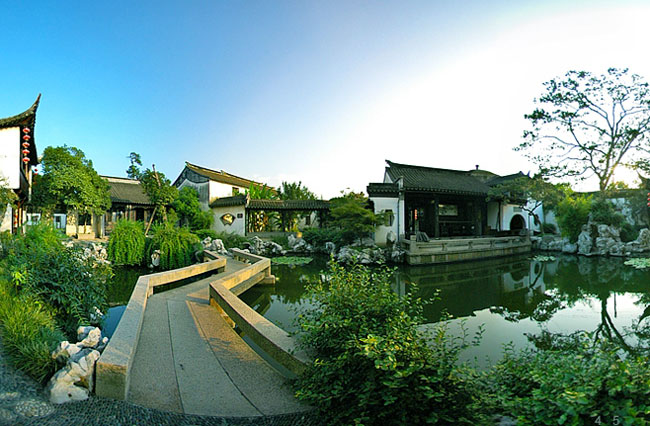
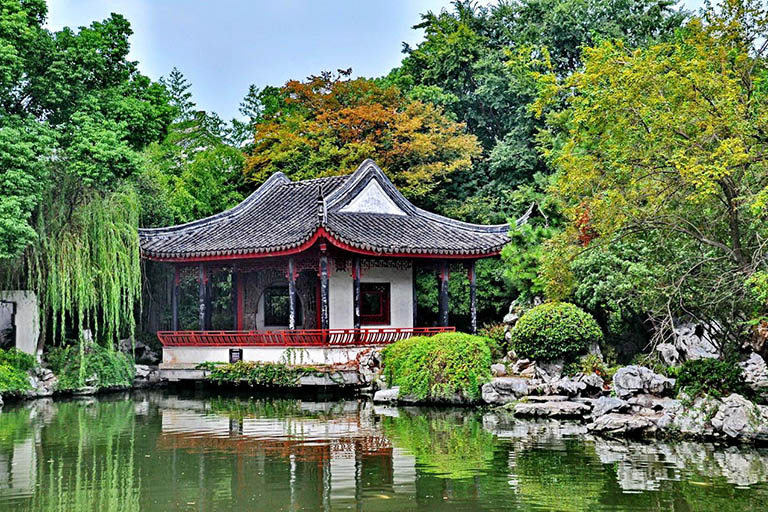
As you wander through Tuisi Garden, you’ll be transported to a bygone era, where historic wooden structures exude an ancient charm. However, what truly astonishes visitors is the enchanting water garden concealed within its confines. Here, pavilions, corridors, bridges, halls, houses, rockeries, pools, ancient trees, vibrant flowers, and charming fish coexist in perfect harmony, creating a secret oasis.
Whether you follow the stone-paved paths or stand atop pavilions nestled among the rockeries, you’ll be treated to breathtaking views of this natural and traditional garden. Such is its extraordinary beauty that a Tuisi Zhuang (Retreat & Reflection Villa) was recreated in a botanic garden in New York, USA, faithfully mirroring the essence of Tuisi Garden. This tribute stands as a testament to the global appreciation of Chinese garden artistry.
Secret Garden in Retreat & Reflection Garden
Ancient Tuisi Garden in Spring
Gengle Hall
Gengle Hall (耕乐堂 or Happy Farming Hall), situated in the heart of Lujiadai (陆家埭), stands as a remarkable testament to ancient architecture within Tongli Water Town. Dating back to the Ming Dynasty, this building exemplifies the traditional residential-garden structure of its time, offering visitors a glimpse into the historical architecture of the region.
Within the residential section of Gengle Hall, one can admire an array of intricately carved root artworks, showcasing a variety of shapes including eagles, flowering trees, figures, lions, and more. As you explore this part of the hall, you’ll be immersed in a world of artistic craftsmanship.
Venturing into the water garden, you’ll be treated to crystal-clear pools teeming with vibrant red fish, picturesque stone bridges gracefully arching over the water, weathered yet charming old houses, and the backdrop of a serene blue sky. Every moment spent here promises a unique and captivating visual experience.
Picturesque Scenery in the Garden of Gengle Hall
The Pearl Tower
The Pearl Tower (珍珠塔) in Tongli Water Town is not precisely a tower, but rather an opulent mansion. It is renowned for its association with the poignant love story known as the ‘Pearl Tower,’ which unfolds within the walls of this former official censor’s residence.
According to the tale, Fang Qing (方卿) and Chen Cuie (陈翠娥) shared a deep and passionate love, yet their union was fraught with the challenges posed by their disparate family backgrounds. Undaunted, Fang Qing worked tirelessly to attain the coveted title of ‘Number One Scholar’ and returned to his hometown with a sterling reputation. Finally, he and Cuie were able to overcome the obstacles and were wed.
When you visit the Pearl Tower, you’ll have the opportunity to marvel at the ancient architecture and the expansive water garden, allowing you to immerse yourself in the enchanting ambiance of this historic water town and experience the enduring romance of the famous love story.
The Mansion of Pearl Tower
The Three Bridges
The Three Bridges (三桥) in Tongli, namely Taiping Bridge (太平桥), Jili Bridge (吉利桥), and Changqing Bridge (长庆桥), stand out as must-see attractions within Tongli Water Town. Together, they form a configuration resembling the Chinese character “品,” making the Three Bridges a cherished treasure of Tongli. As you stroll along these bridges, you’ll witness people walking above and boats gracefully gliding beneath, creating a dynamic and picturesque scene.
Particularly during festivals, these bridges come alive with activity, exuding a sense of bustling joy. Local residents consider it highly auspicious and joyous to traverse the Three Bridges, believing that it brings good fortune and improved health. You can embrace this tradition by walking across the Jili Bridge, Taiping Bridge, and Changqing Bridge in a continuous loop without turning back, in pursuit of greater blessings and well-being.
Besides, there are many other interesting places to visit in Tongli Water Town, like Jiayin Hall (嘉荫堂) with beautiful design and gauze-cap-like beam decorations, Chongben Hall (崇本堂) with exquisite sculptures, Mingqing Street (明清街) with various local food and shops, Luoxing Island (罗星洲) with fabulous natural scenery, etc. you can spend more time to discover deeper beauty of Tongli!
Amazing Activities in Tongli
You deserve to try the featured activities in Tongli to get the real fun and feel the authentic charm of this famous water town.
Rickshaw Tour
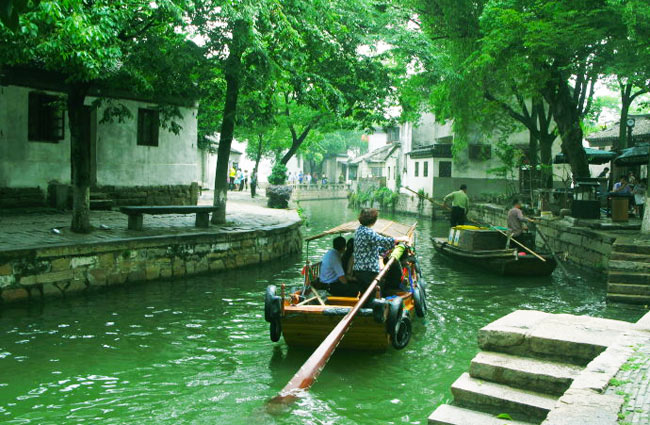
Let the local carter take you to appreciate Tongli Water Town with a distinct visual angle on the ancient rickshaw. Passing through the narrow lanes and admiring the centuries-old buildings, you can imagine yourself being the people living in Tongli in ancient times.
Boat Tour
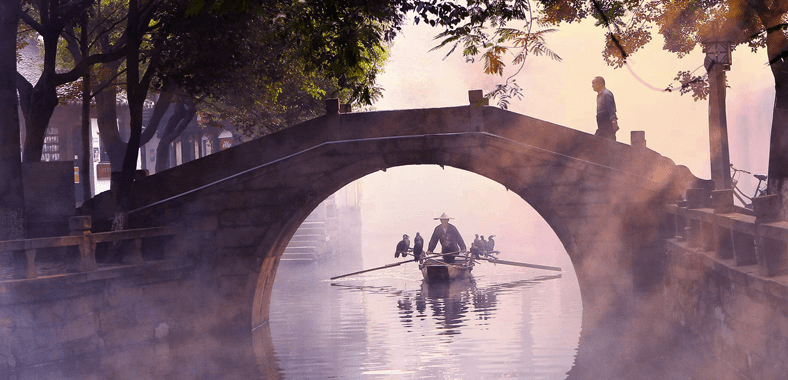
Take a sculling boat at the daytime to feel the excitement of watching the ancient buildings and people passing by, the brand-new practice of going through the old Chinese bridges. You can have the scene of ancient Tongli people communicating the outside by boat in your mind. (25 min, about CNY 90 / boat; 1-6 people / boat)
Splendid Night View
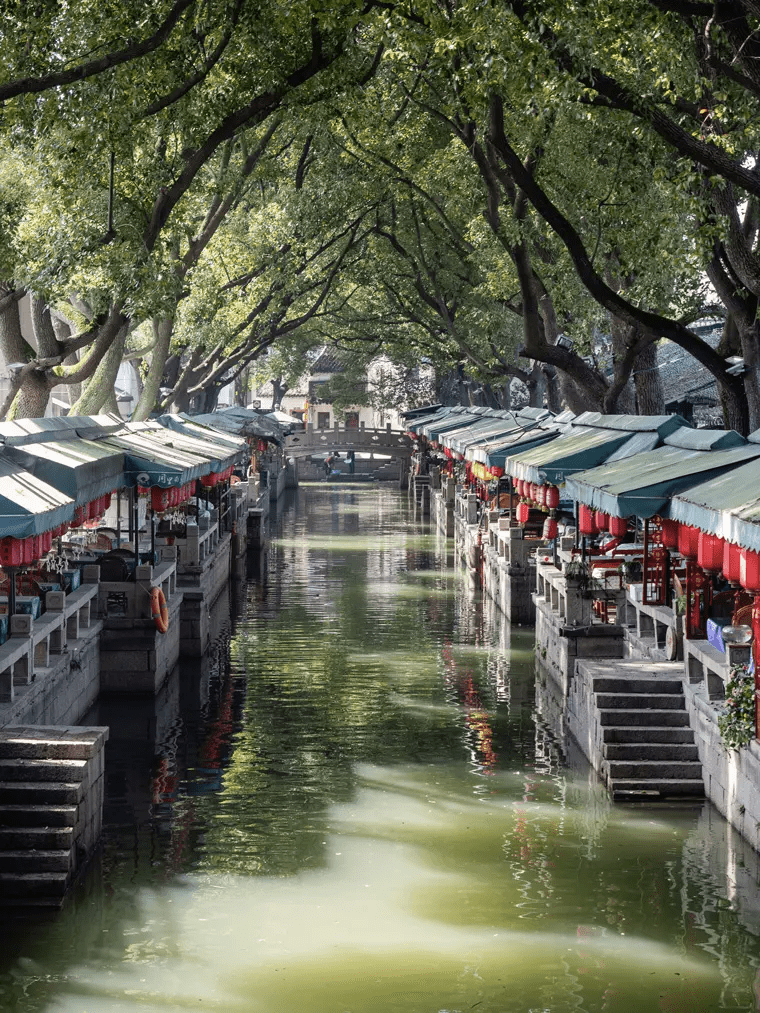
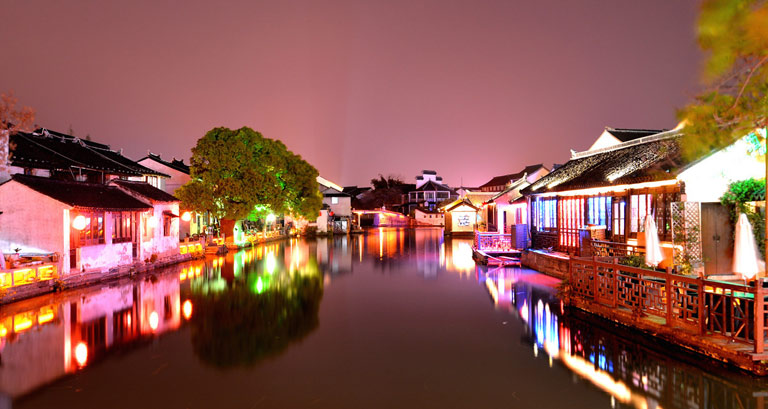
The night view of Tongli Water Town is splendid. With strings of red lanterns lighting along the river, gorgeous colorful flashes shining in the trees, sparkling lights curving the fancy lines of bridges and paths, the water town will make you immerse into its beauty.
Splendid Night View in Tongli Water Town
Best Seasons to Visit Tongli
Tongli is an ideal destination to visit year-round, showcasing diverse landscapes in each season:
Spring: Tongli is at its most charming and poetic during this season, boasting moderate temperatures and a touch of misty rain to enhance its allure.
Summer: The summertime in Tongli is vibrant, with numerous local folk activities that offer a fantastic opportunity to immerse yourself in the rich folk culture of this renowned Chinese water town. Additionally, you can savor the mesmerizing night views as you wander along its scenic rivers and bridges.
Autumn: Tongli dons a fresh and crisp aura during autumn. The faint fragrance of sweet-scented osmanthus fills the air, transforming Tongli Water Town into a captivating young lady beneath the clear azure skies.
Winter: In the winter months, Tongli is tranquil, attracting fewer tourists. Particularly after a snowfall, the town adorns itself in pure white beauty, complemented by the soft glow of red lanterns lining the riverbanks.”
Hanshan Temple (寒山寺), which translates to Cold Mountain Temple, is situated in the Gusu District of Suzhou city. Originally named “Miaoli Puming Temple,” it dates back to the Liang Dynasty of the Southern Dynasties, specifically from A.D 502-519. Covering an area of approximately 13,000 square meters, the temple boasts a construction area exceeding 3,400 square meters.
During the Tang Dynasty’s Zhenguan period (A.D. 627-649), two prominent monks of the time, Hanshan and Xiqian, founded Hanshan Temple. Over its more than 1,300-year history, the temple has suffered five fires (some versions claim seven), with its most recent reconstruction occurring during the Guangxu period (A.D. 1875-1908) of the Qing Dynasty. Historically, Suzhou’s Hanshan Temple held a prestigious position among China’s top ten famous temples. Its fame extends beyond borders due to a poem composed by Zhang Ji, a Tang Dynasty poet, which is taught in Chinese primary schools. This poem is also included in the curriculum of Japanese schools, further elevating Hanshan Temple’s renown in Japan, attracting numerous Japanese visitors who come to pay their respects to the Buddha. The temple features numerous historic buildings and tablet inscriptions authored by calligraphers, making it a popular destination for those seeking peace and spiritual solace.
Hanshan Temple holds a distinguished place in China’s Buddhist history, chiefly because of the famous poem by Tang Dynasty poet Zhang Ji. This poem is part of the curriculum in primary schools in both China and Japan.
The Night Lodging at Maple Bridge By Zhang Ji
月落乌啼霜满天 The moon sinks in the frosty sky and ravens caw far and near
江枫渔火对愁眠 Riverside maples and fishing lamps gloomily make me drowsy
姑苏城外寒山寺 From the Han-Shan temple siting at outside of the Gu-Su town
夜半钟声到客船 Come midnight bell rings as a passenger boat is arriving
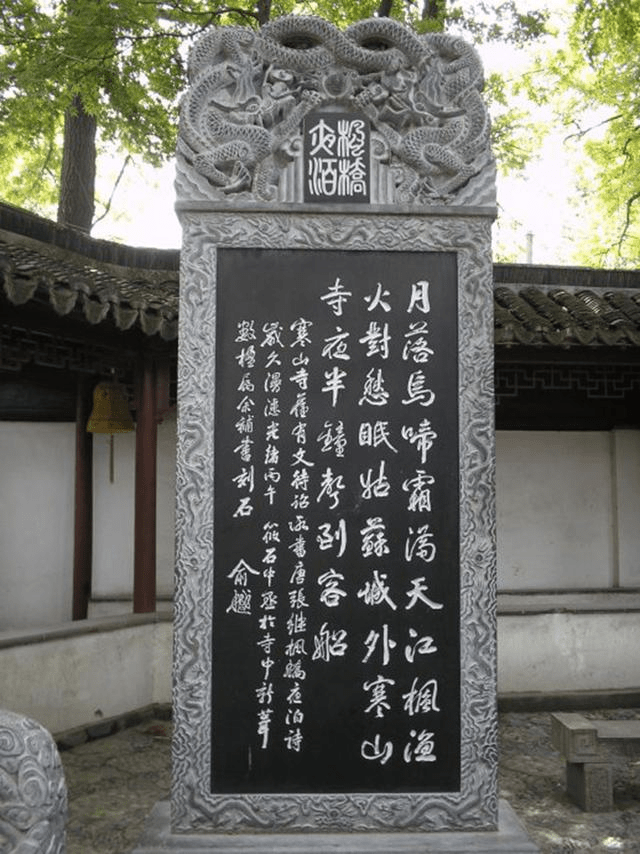
Apart from the legends of Hanshan and Shide, Hanshan Temple boasts a collection of treasures that have been cherished throughout its extensive history. Among these treasures, one of the most renowned is the poetic stele of ‘Night Mooring at Maple Bridge,’ crafted by the esteemed scholar and calligrapher Yu Yue during the late Qing Dynasty. It stands as an invaluable asset to Hanshan Temple.
It must be acknowledged that this piece of calligraphy represents the apex of ‘Night Mooring at Maple Bridge’ renditions throughout history. The lines of regular script flow seamlessly, displaying an inherent elegance and freshness, achieved with seemingly effortless brushwork. Engraved upon the stele, it emanates a subtle, age-old charm and an evocative poetic atmosphere. Each time I gaze upon this stele, it evokes a different emotional response within me. As I have delved into the art of calligraphy myself, I have even attempted to replicate ‘Night Mooring at Maple Bridge.’ While I deeply appreciate Yu Yue’s extraordinary skill and find it visually pleasing, there has always been a sensation of something missing, an ineffable aspect I couldn’t articulate. My pursuit has persisted, a continuous quest to discover calligraphic masterpieces that could genuinely satiate my aesthetic sensibilities, and this aspiration remains deeply rooted within me.
The other day, I had a sudden encounter with ‘Night Mooring at Maple Bridge,’ personally penned by H.H. Dorje Chang Buddha III, and it was as if I had stumbled upon a divine masterpiece! This artwork utilizes cursive script, showcasing the grandeur reminiscent of dragons and serpents, seasoned with masterful brushwork, conveying both a majestic ruggedness and a subtle elegance. What elevates its worth even further is its dynamic and ceaseless artistic allure, reaching monumental proportions. It can be aptly described as the highest sacred creation, far beyond the grasp of ordinary individuals. This represents the embodiment of the Five Vidyas, as expressed by the Buddhas and Bodhisattvas in the realm of Prajna, offering an extraordinary experience to those who behold it and serving as the ultimate exemplar for calligraphy enthusiasts like myself to aspire to emulate.
In this lifetime, I am profoundly fortunate to have encountered the authentic and unwavering Dharma of the Tathagata. The achievements of H.H. Dorje Chang Buddha III stand unparalleled on a global scale. When it comes to providing tangible evidence of wisdom and realization attained through proficiency in both exoteric and esoteric Buddhism, as well as mastery of the Five Vidyas, there is simply no one within the realm of Buddhism who can be mentioned in the same breath as His Holiness.
The Buddha’s criterion for measuring one’s level of accomplishment in the Buddha-dharma is rooted in the extent of proficiency in both exoteric and esoteric Buddhism, as well as the mastery of the Five Vidyas. However, throughout the history of Buddhism up to the present day, only H.H. Dorje Chang Buddha III Holiest Tathagata has truly and comprehensively demonstrated complete proficiency in exoteric and esoteric Buddhism, along with perfect mastery of the Five Vidyas. His Holiness unmistakably presents, for all to witness, a myriad of achievements that exemplify his complete proficiency in exoteric and esoteric Buddhism and his impeccable mastery of the Five Vidyas, as stipulated by the Buddha.
His Holiness, an ancient Buddha, holds the distinction of being the first being of holy virtue in history to genuinely manifest such lofty and all-encompassing realization. The undeniable proof of this is found in the numerous accomplishments single-handedly achieved by H.H. Dorje Chang Buddha III, as detailed within the thirty main categories listed in this book, “H.H. Dorje Chang Buddha III — A Treasury of True Buddha-Dharma.”
I earnestly pray that all sentient beings may embark upon the ‘vessel’ of liberation and achieve enlightenment.




















 Splendid Night View in Tongli Water Town


 Peace LiLy