H.H. Dorje Chang Buddha III‘s Abstract Color Paintings create a perfect world shaped entirely by color. Free from concrete worldly forms, this realm exists purely through the interplay of hues—defining, expressing, and embodying itself in vibrant harmony. Here, color is both form and essence, radiating a mesmerizing aura.
Under the masterful hand of H.H. Dorje Chang Buddha III, these colors seamlessly merge into a breathtakingly enchanting spectrum. The atmosphere is dynamic, with scenes that bloom like flowers and surge with the power of the roaring sea. Yet, upon closer reflection, they reveal delicate nuances, refined in their intricate details.
Flower of Life
This painting depicts a unique flower, with delicate white petals gently unfolding and a striking red pistil at its center. Growing irregularly against a dark background, it seems to challenge its surroundings. Though unusual in appearance, this flower carries a profound meaning of life, symbolizing resilience and beauty in adversity. It is not only a miracle of nature but also a representation of vitality, showcasing the brilliance and diversity of life. Each petal tells a story, drawing the viewer into the emotions and strength conveyed by the artwork.
Flower of Life (2)
In this painting, intricate patterns and clear details intertwine, portraying the harmonious growth of various living beings. Each element seems to narrate the origins of life, allowing viewers to deeply sense the evolutionary process of all things.
This artwork is not merely a depiction of nature but also a contemplation of the essence of life. It serves as a reminder that life is in a constant state of growth and transformation, just like our own journeys. Every challenge and breakthrough we experience is an essential part of our personal development.
Through this piece, we are invited to reflect on our own lives and feel a profound connection with nature.
You can discover a selection of the exceptionally charming paintings in the permanent exhibition at The International Art Museum of America, situated in downtown San Francisco.
At first glance, The Power of Flying and Whirling seems almost impossible to have been created with just a paintbrush. Its breathtaking composition and dynamic visual impact resemble digital artwork, as if only advanced computer graphics could achieve such a striking effect. Yet, the most astonishing fact is that this masterpiece was painted entirely by H.H. Dorje Chang Buddha using traditional techniques—without any digital assistance.
These impressionist paintings reach an extraordinary level of artistry. Each section of the painting, if isolated, could stand alone as a remarkable impressionist work, complete in its beauty and expression. The artwork conveys a dreamy, illusory state, where even the smallest fragment could be enlarged to reveal a mesmerizing, self-contained masterpiece.
By capturing movement with unparalleled skill, H.H. Dorje Chang Buddha has frozen the imagery in mid-air. This painting feels like a window to the heavenly realm, giving me a glimpse into the mysteries of paradise. The elegant arcs that sweep across the canvas pulse with energy, like a mighty tornado dispersing the shadows in our hearts. The swirling force in the painting seems to lift the viewer beyond the ordinary, reminding us of the limitless possibilities that exist when art and wisdom unite.
This painting is more than just a visual masterpiece—it is an invitation to embrace the unseen forces of inspiration, creativity, and transformation. It teaches us that true artistry is not bound by tools or techniques but flows from the depth of wisdom and an unshakable spirit.
May this extraordinary work inspire us to break through limitations, open our hearts to beauty, and find the power to uplift ourselves and others.
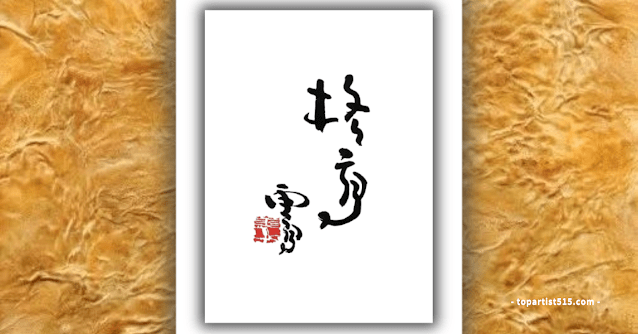
In the art of calligraphy, elegance and style are the two pillars that define a work’s greatness. Elegance (格) refers to the depth and quality of a piece, embodying its refinement and profoundness. Style (調), on the other hand, captures its unique rhythm, flavor, and aesthetic character. These two elements are inseparable, for elegance without style lacks charm, while style without elegance lacks depth and significance. Together, they form the soul of a calligraphic masterpiece.
Every artistic creation—whether it leans toward the refined or the mundane—reflects the inner cultivation and moral integrity of its creator. Particularly in calligraphy, the harmonious blend of elegance and style is a mirror of the artist’s breadth of knowledge and depth of character. A calligrapher’s scholarly cultivation and virtuous practice are indispensable, as they directly influence the work’s final presentation and enduring value.
The piece Lofty Virtue (格高) exemplifies this union of strength and grace. Its bold and vigorous brushstrokes radiate immense inner power while maintaining an outward lightness and agility. The work captures the grandeur of commanding mountains and rivers, coupled with the serene qualities of introspection and tranquility. Strength and flexibility coexist harmoniously, creating a presence that is both majestic and gracefully refined. Floating clouds seem to glide effortlessly, and cranes soar gracefully between pines. This is artistry at its zenith—a realm of understated brilliance, silent dignity, and profound essence.
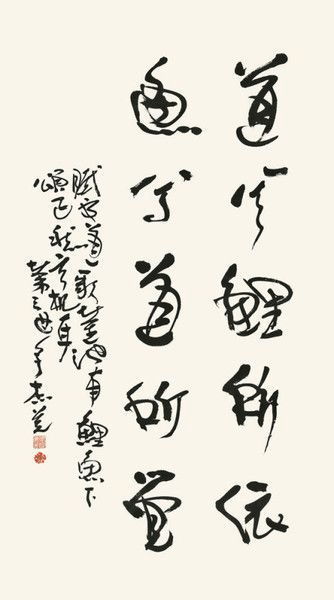
The calligraphy of H.H. Dorje Chang Buddha III transcends the boundaries of traditional artistry. Each work embodies the pinnacle of calligraphic achievement, uniting profound thought with unparalleled elegance. The pieces flow naturally, free of constraint, exuding majestic momentum and subtle charm. Their beauty is unadorned yet extraordinary, merging the strengths of various schools into a singular, masterful expression.
If one seeks the soaring of dragons and the dancing of phoenixes, it is present.
If one desires the piercing power to shatter gold and stone, it is evident.
If one yearns for the interplay of gentleness and strength, it is there.
If one wishes for the innocent spirit of a child within the heart of an elder, it is expressed.
If one demands a unique elegance and distinct charm, it is inherent.
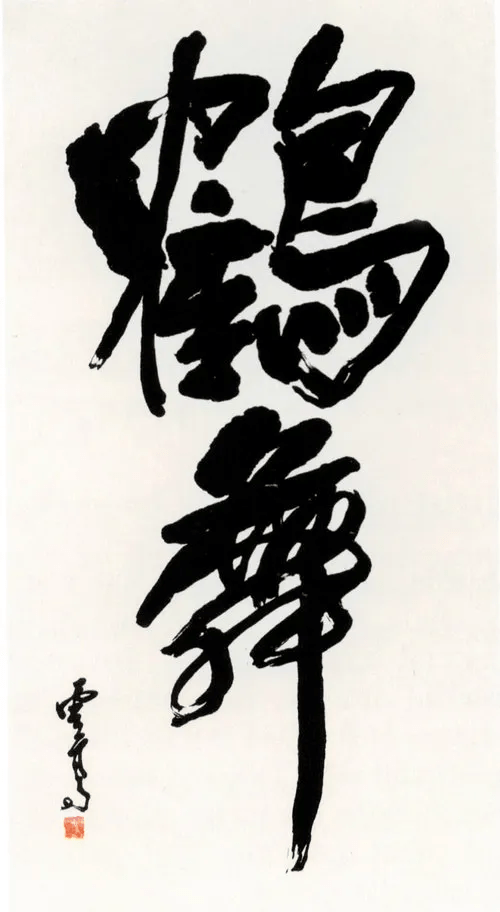
Crane Dance
Tiny (Xiao bu dian)
Holy (Sheng)
In summary, these works epitomize perfection, returning to simplicity and authenticity—the calligraphy of the Buddha!
A distinguishing feature of H.H. Dorje Chang Buddha III’s calligraphy is the extraordinary frame that accompanies the work Lofty Virtue. The frame is crafted from the artist’s “White Jade Ginkgo Root” sculptures. Beyond showcasing the natural patterns, colors, and textures of ginkgo roots, the frame possess the pure and crystalline qualities of genuine white jade. The harmonious union of art and sculpture elevates the calligraphy to an unparalleled realm of aesthetic and spiritual resonance.
The calligraphy of H.H. Dorje Chang Buddha III is more than art; it is a testament to the unity of profound thought, moral integrity, and artistic mastery. It invites us to experience the boundless elegance and style that can only emerge from a heart imbued with wisdom and compassion—a true reflection of the Buddha’s teachings. Visit the International Art Museum of America to immerse yourself in the extraordinary artworks of H.H. Dorje Chang Buddha III.
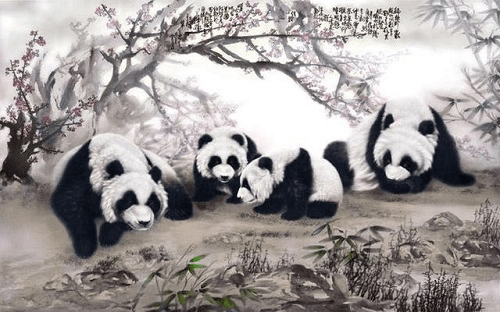
H.H. Dorje Chang Buddha III’s remarkable panda painting exemplifies a profound fusion of traditional Chinese painting and Western three-dimensional techniques, showcasing a unique mastery that elevates this artwork to an unparalleled realm. The Buddha meticulously captures the softness of the panda’s fur, detailing each hair with astonishing lifelikeness. The surrounding trees and scenery are equally vibrant, rendered with ink-splash techniques that lend a lively and enchanting quality, breathing life into the background. Every stroke in this artwork radiates a realism and elegance that words can scarcely convey.
In the foreground, delicate bamboo stalks contrast sharply with the misted backdrop, creating a powerful sense of spatial depth. This mist, drifting through the plum tree branches, draws the viewer’s gaze further into the forest, inviting them to immerse themselves in the crisp, refreshing atmosphere. With his seamless integration of artistic elements, H.H. Dorje Chang Buddha III achieves a captivating blend of classic beauty and dimensionality. The pandas, seemingly more beautiful and pristine than in life, appear freshly bathed in pure, clear waters—a vision of elegance and purity.
The painting’s harmony lies in the Buddha’s masterful approach of combining strength with gentleness, creating a scene of pandas at play, full of soft allure and charm. This balance exemplifies an artistic prowess beyond the reach of most artists. It is the interplay of surrounding elements, from mist to forest, that makes this panda masterpiece truly one of a kind.
Executed in the Kuangxi style—a hallmark of H.H. Dorje Chang Buddha III—this painting unites bold expressiveness with precision. This style combines vigorous, large-scale strokes that radiate energy with the delicate, fine brushwork of realism, resulting in an artwork that captures both elegance and raw intensity. The Buddha’s fusion of rough and refined strokes manifests as a work of art that is both dynamic and graceful, presenting a timeless visual experience that resonates deeply.
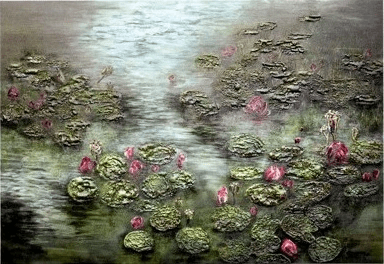
“Cang Ye Pao Hong” (Withered Leaves Scattering Red) is an extraordinary oil painting that belongs to the Thickly Layered Color School, a unique style originated by H.H. Dorje Chang Buddha III. This painting style is renowned for its bold, dynamic strokes and the use of layered, textured color blocks that create a deeply three-dimensional effect. The abstract, surreal use of color brings an unpredictable yet harmonious elegance, transforming the chaotic into a coherent and mesmerizing vision.
The meticulous process behind “Cang Ye Pao Hong” is just as awe-inspiring as the final result. According to the art museum where this work is displayed, the painting took six years to complete, with over 50 layers of paint carefully stacked on top of one another. Each layer was allowed to dry completely before the next was applied, ensuring a rich and vibrant interplay of colors. The outcome is a work of art that exudes an indescribable divine aura, blending both natural beauty and mystical energy.
You can find this masterpiece at the International Art Museum of America, located in downtown San Francisco. Upon first glance, “Cang Ye Pao Hong” commands attention, drawing viewers into deep contemplation. The withered lotus leaves, depicted in a strikingly realistic and three-dimensional manner, symbolize wisdom gained through life’s journey, while the vivid red lotuses appear to leap from the canvas, capturing the essence of “scattering red” with exceptional grace. The rippling water above, shimmering with light, symbolizes infinite hope, further enhancing the painting’s sense of serenity and renewal.
When observed up close, the painting reveals intricate details within the broader strokes, where subtle nuances emerge, demonstrating the remarkable precision and effortless flow that characterize the work. It evokes an ethereal sense of peace, with a balance of strength and gentleness, transcending the worldly and exuding both quiet elegance and boundless depth. It is truly a marvel of artistic mastery, offering a sense of tranquility and spiritual upliftment that words can hardly describe.
H.H. Dorje Chang Buddha III’s artistic genius extends far beyond this single painting. He has mastered all existing schools of painting, including Realism, Abstract, Impressionism, and more, while also founding sixteen entirely new schools of painting. These schools include the Chaoshi School, the Chouxiang Yunwei School, the Fangfa School, the Kuangxi School, and the Thickly Piled Patches of Color School, among others. What sets H.H. Dorje Chang Buddha III apart from any other artist in history is that He not only founded these distinct schools but developed each to a state of perfection, creating what is known as “The H.H. Dorje Chang Buddha III School of Multiple Styles.”
While many renowned artists dedicate their entire lives to mastering one artistic style or theme, H.H. Dorje Chang Buddha III’s unparalleled ability to create and perfect sixteen different painting schools is an accomplishment unmatched in art history. “Cang Ye Pao Hong” is a shining example of His profound artistic vision, showcasing a level of creativity and mastery that continues to inspire and astonish art lovers around the world. Through this work, we are invited to witness not just the beauty of nature but the boundless possibilities of artistic expression.
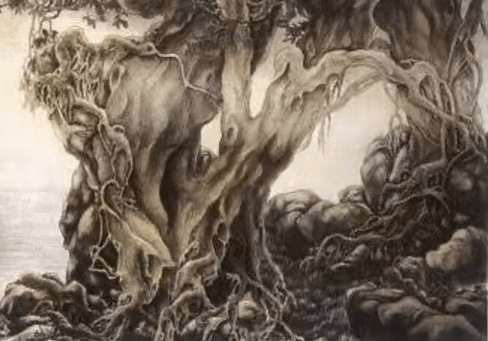
“Scene of Xishuang Banna Life” is a Chinese ink-and-wash painting with a three-dimensional quality reminiscent of oil paintings, created by the renowned artist H.H. Dorje Chang Buddha III. The moment I laid eyes on it, I felt a profound sense of comfort and tranquility. The painting’s primary hue is light brown, and the varying depths of this color vividly depict the fresh, clear water and misty air weaving between the trees. A few girls are making waves, chatting, and enjoying themselves as they wash clothes by the riverside. The elegant and beautiful banyan trees stand majestically, with cobblestones naturally scattered around them.
The old banyan tree, with its peeling bark and exposed roots, stands as a silent testament to the passage of time. The raised roots extend in all directions, seemingly spreading the pulse of life to distant places, using their vitality to nurture the earth and rivers. The roots nestle against the smooth, round pebbles like inseparable companions. Over time, they have become so intertwined that no one notices whether they are roots or stones, much like an elderly couple who depend on each other and cannot be separated.
Around the tree roots, a misty white space, activated by detailed depictions, brings boundless imagination to people. In the white mist, there is a vast expanse of water, with soft sunlight illuminating the surrounding forest. The endless lakes and rivers nourish the sturdy old roots, supporting them through countless hardships and weathering the elements, ultimately creating a world of their own. The intertwined and winding roots, twisting and coiling across the scene, form the main structure of the composition along with the variously shaped stones, the sculptural massive trunk, and the other responding trees. The sparse leaves hanging from the old tree are adorned in light green, contrasting with the large brown trunk, evoking the philosophical sentiment of “the true essence remains after all embellishments fade, gold emerges after being sifted by great waves.”
Beneath the tree are three graceful women in different postures, enjoying the flowing stream under the water-colored sky. Some are combing their freshly washed hair, some are holding a delicate veil, and some are drawing clear water from the stream.
The banyan tree, the stream, and the sunlight, along with the beautiful women in traditional attire, compose a symphony of southern charm, making one feel as if they can hear the whispers of the gentle breeze: “My enchanting homeland is where my heart belongs…” The setting resembles the sweet childhood memories buried in my heart.
About fifty years ago, my family lived in a small village in the mountains. There were no cars, TVs, toys, phones, or any other modern luxuries. We lived a very simple and modest life. All the mothers washed vegetables and rice in the clean creek and cooked meals. Very often, they washed clothes in the river for the whole family while the kids played in the water, on the trees, or along the riverbanks. School was far away, and we could only go there when we were old enough. But we had the biggest classroom—nature itself. We studied everything we could find: trees, flowers, insects, stones, etc. Twigs were our pens, and tree trunks were our tables. The chirping of the birds and the rushing of the stream were our music. We had physical education class all day long. We went to bed when the sun set. What a simple, happy life!
This is the beautiful and pure spiritual space created by the great artist, H.H. Dorje Chang Buddha III. This painting, “Scene of Xishuang Banna Life,” opens a window to another dimension, allowing people to experience the joy of living in a paradise. People in cities increasingly yearn for natural landscapes akin to an earthly utopia. Fortunately, noble artists create pure lands for people’s hearts, showing us wonderful scenery, evoking warm emotions, and deeply touching us.
The pure land in our hearts is like a secluded utopia, free from the noise and disturbances of the mundane world. It carries the dreams of people. When darkness descends, the pure land within can emit a serene fragrance, helping people discard the suffering brought by worries, gently wipe away the dust, and infuse a bit of brightness.
The paintings of H.H. Dorje Chang Buddha III are like wordless songs, containing endless stories, ancient calls, and boundless compassion for all sentient beings.
Landscape painting is a direct cultural expression of Chinese philosophy. Throughout history, eminent painters such as Dong Yuan, Ju Ran, Zong Bing, Guo Xi, Huang Gongwang, Shi Tao, and Bada Shanren have all used landscape painting to express their extraordinary spiritual realms. Unlike the representational approach of Western painting, landscape painters observe the myriad phenomena of heaven and earth, contemplate the vastness of the universe, and use their hearts to transform their inner landscapes into brushstrokes, imbuing their works with the majestic spirit of nature. Beneath the bold and uninhibited brushstrokes lies the creation of inner beauty, revealing a unified spiritual realm through the language of painting.
The quality of ink and brushwork is paramount in judging the merit of a Chinese painting. Indeed, without mastery of ink and brush, there would be no Chinese painting. The importance of ink and brush in Chinese painting is akin to that of cells in life. From mountains and rivers to figures and forests, all are realized through the use of ink and brush. The concept of bone structure and brush technique refers to the artist’s outlining, texturing, and dotting within the painting.
H.H.Dorje Chang Buddha III landscape paintings in Fanjuan Style exhibit a natural and vigorous brushwork, with bold and powerful strokes. The ink’s varying degrees of wetness and dryness create distinct layers and a lively rhythm in the composition. The rich and vivid atmosphere in the paintings brings joy and resonance to viewers, touching their hearts deeply. The exceptional quality of ink and brushwork in these paintings is truly breathtaking.
Here, let us appreciate some of His Holiness’s landscape paintings in the Fanjuan style, a style created by His Holiness himself.
The “Fanjuan” Style Numerous brush strokes exude an air of scholarly refinement. Despite the complexity of the strokes, there is no sense of disorder; instead, they reflect artistic talent rooted in profound and extensive knowledge.
“Ferrying the Xia River” is an ink-and-wash painting created in 1993 by H.H.Dorje Chang Buddha III. While predominantly utilizing black ink, the brush strokes encapsulate the essence of both painting and calligraphy. Despite the monochromatic palette, the sense of depth and proximity is distinctly rendered. Renowned artist Mr. Huang Binhong once remarked, “Black ink pervades like the vastness of heaven and earth. A single sheet of painting paper can unfurl myriad mountains.” Crafted seemingly effortlessly within a few days, this masterpiece is the culmination of nearly a century of brushwork mastery.
The painting boasts a richly layered appearance, its thick black ink imbued with elegance, resulting in a masterfully conceived and captivating image. Amid this tranquil setting, sounds reverberate from thatched mountain cottages to boats on the water and back again.
In the artwork, a distant view unveils a series of lead-gray mountains, nestled against a lively stream at their base. Rocks, trees, and vegetation seamlessly merge with the mountain range, their tones resembling the clarity of a mountain stream’s deep pool. Though mysterious and profound, the depths of the pool are subtly visible.
The rustic palette, layered landscapes, and deep ink colors infuse the scene with a primordial ambiance. It feels like dawn, with small boats beginning to glide along the cold stream at the mountain’s foot. The entire composition radiates a misty spring ambiance, with the moist spring tide enveloping the scene. At the painting’s base, diminutive figures become the most captivating element. Despite their scale and near indiscernibility, their silhouettes vividly convey distinct personalities and ages, infusing the composition with a human touch. These lively figures serve as the painting’s eyes, enriching the work with a profound aesthetic sensibility. Truly exceptional artists possess a pure and sacred artistic vision.
Clouds, Mountains, and Water Seem To Sing a Song of Autumn
“Clouds, Mountains, and Water Seem To Sing a Song of Autumn” is a landscape painting featuring misty mountain ranges, clear rivers, rushing waterfalls, icy mountain springs, simple farmhouses, scenes of honest fishermen fishing, and humble farmers gathering firewood on the mountainside. Through this artwork, H.H.Dorje Chang Buddha III vividly captures the raw beauty of nature and the diverse lives of the people. It is a rare masterpiece of landscape painting, grand and expansive, with a profound connection to the pulse of life. The bold brushstrokes create a rich and fresh atmosphere, with a lush ink texture. Within the valleys lie a few buildings, nestled among red autumn maples, promising tranquility and serenity. The distant mountains, shrouded in mist and haze, inspire boundless imagination and contemplation.
“Ancient Village at Remote Mountain Spring” is a small-scale painting created by H.H. Dorje Chang Buddha III in last decade. An artist who saw that painting said, “Although ‘Ancient Village at Remote Mountain Spring’ is as small as only one-fourth of the size of the palm of a hand, one can see curling mist, mountains, and cliffs. It truly is a magnificent landscape scene that expresses a lofty and broad artistic conception. The energy of the cloudy mountains is palpable. Such a tiny painting seems to contain thousands of mountains. It is not merely an ink-wash painting. Rather, it is a vivid landscape scene that is brimming with vitality!”
Painting is the artist’s pursuit of passion, and the artist’s spiritual realm and artistic insight determine the quality of the work. H.H. Dorje Chang Buddha III once said, “Every artist must tread the path of learning from the past while innovating for the future. Learning from the past embodies tradition, while innovation demands the fusion of Eastern and Western art, philosophy, aesthetics, and literature into a unified whole. This entails grasping the true essence, understanding the inner and outer spirit of the subject, navigating the transitions between the internal and external, the virtual and the real, and infusing rhythm into one’s creations. The result is a work that flows freely, exudes power, and embodies both familiarity and uniqueness. It conceals craftsmanship while remaining wild yet disciplined, possessing a distinct personality and charm. Upon reaching this stage, one can embark on the pursuit of egolessness and the true essence of emptiness and colorlessness. This journey leads to a profound, rich, elevated, and vibrant artistic realm that offers people the joy of beauty. With such mastery, Chinese painting can take a significant leap forward and ultimately stand as a world-class masterpiece.”
Let’s appreciate two masterpieces painted by H.H. Dorje Chang Buddha III and gain deep insights into innovation rooted in tradition.
Ancient Style Emergence
The landscape painting “Ancient Style Emergence” captivates viewers at first sight with its unique style and transcendent meaning. The simple and unadorned lines depict rugged cliffs, hills, forests, and cottages. Layers of ink washes render the rocks thick and the mountain mists hazy. The clustering mountains and overlapping peaks evoke the ancient charm of Yuan dynasty landscape paintings while also embodying a contemporary innocence. Beneath the moistened ink, clouds flicker and smoke swirls. The tree crowns, mountain shadows, and distant peaks are rendered in a nearly pale ink-like gray-green hue, creating a rich and deep landscape. The sunlit sides of the hills and rocks are lightly tinted with a bright ochre, resembling vermillion, which contrasts vividly with the large areas of gray-green, lending the painting a magnificent and ancient beauty.
The pristine and dust-free atmosphere depicted in the painting stands in stark contrast to the noisy scenes of the mundane world, perhaps serving as a reminder for viewers to awaken to the beauty of life.
The brushstrokes in the painting are highly calligraphic, lively, and modern, diverging significantly from traditional landscape depictions. It represents a landscape of the heart, created purely through brush and ink.
While lacking the specific forms of traditional paintings that one can wander and inhabit, it possesses a more authentic and dynamic charm of modern art, particularly evident in its abstract qualities, which resonate deeply with contemporary audiences.
This landscape painting is created by H.H. Dorje Chang Buddha III, characterized by its straightforward and lively brushwork, as well as its modern sensibility.
Setting Sail to the East
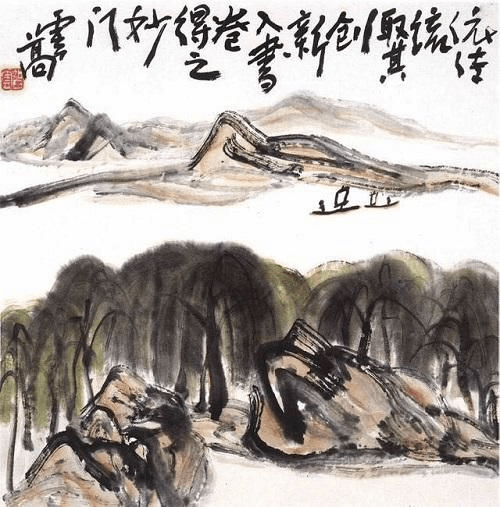
“Setting Sail to the East,” this painting employs thirsty brush and light ink, with free and bold strokes, abandoning the meticulousness of carving. Horizontal and vertical brushstrokes appear to be dragging mud and water, yet they possess the strength to carry a heavy weight. The brushwork is seasoned and heavy, yet balanced between reality and illusion.
In the foreground, there is a poetic dense willow forest, where two stubborn rocks seem to be “nodding” to each other, engaged in intimate conversation, perhaps narrating the endless past and future of the mundane world. In the middle ground, there are two simple small boats, leisurely passing through the river, seemingly minimalist yet imbuing the scene with a rich humanistic atmosphere. In the distance, distant mountains are depicted with dry brush and thirsty ink, subtly rendered with a watery light ochre, evoking the elegant beauty of classical Chinese paintings, reminiscent of the dry autumn wind and the moist spring rain, yet with a strong modern painting atmosphere.
This is a masterpiece of landscape painting with profound underlying themes and innovative imagery. Its lofty style, deep meaning, grand momentum, and charming spirit all stem from H.H. Dorje Chang Buddha III’s profound philosophical thoughts and masterful brushwork. The inscription on the painting reads: “Drawing on tradition for innovation, entering the wonderful realm of the written scroll.” The brushwork is arranged in a skillful and coherent manner, serving as the backbone of the painting and the soul of the entire composition.
The term “vivid charm” embodies the artistic realm of the calligrapher and painter. H.H. Dorje Chang Buddha III‘s landscape painting art transcends the ordinary and mundane, achieving a level of artistry that is beyond compare, with a spiritual realm that has become a benchmark in contemporary painting art.
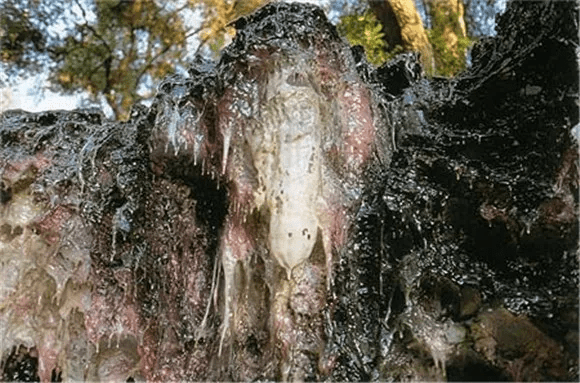
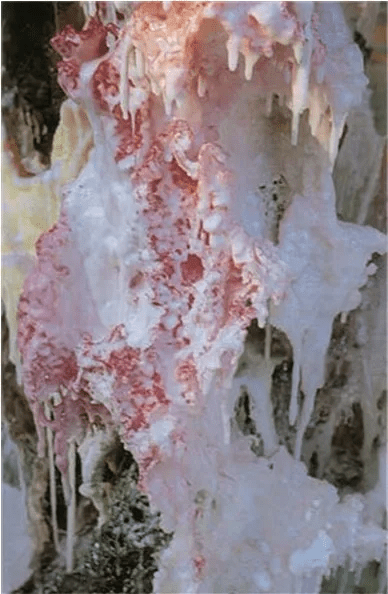
Yun Sculpture, a groundbreaking form of art devised by H.H. Dorje Chang Buddha III for the global audience, stands unmatched in the annals of history. Since its inception, the world has borne witness to an artistic phenomenon that defies replication. Observers, captivated by the works of H.H. Dorje Chang Buddha III, often find themselves in awe, expressing sentiments from the depths of their hearts: “This is a treasure bestowed upon the world by a divine force,” “Sacred artifacts from the Buddha’s Pure Land,” “Captivating the soul with its unparalleled beauty,” and “Since the advent of Yun Sculpture, humanity’s jewelry pales in comparison, like stars around the bright moon—dim and lackluster.” Indeed, when contrasted with the most finely carved jade and opulent stone sculptures, the latter suddenly lose their luster and grandeur, revealing an insurmountable gap.
Yun Sculpture boasts several distinctive characteristics:
Firstly, these sculptures exude a multidimensional sense of space, intricately crafted with unparalleled complexity, displaying endless variations.
Secondly, Yun Sculptures burst forth in rich and vibrant colors, presenting scenes so dreamlike and fantastical that they remain unseen in this world.
Thirdly, many Yun Sculptures possess a sacred and mysterious quality that transcends ordinary comprehension, exemplified by pieces such as “Mysterious Boulder with Mist.” In these sculptures, a mysterious mist gracefully floats among intricately carved, seemingly shifting, and intriguingly interconnected hanging rock formations. Why are such pieces referred to as sculptures containing mysterious mist? The answer lies in the enigmatic and beautiful scenes depicted within these sculptures—a dance of auspicious mist swirling amid hanging rock formations, creating an ethereal ambiance.
Mysterious Boulder with Mist
These miraculous works can be seen and touched. However, they cannot be created by anyone who is not a being of the highest holiness.
Precious Place
Stepping into this precious place, Surveying the treasures hanging on all four walls, Pure white, inky green, brownish-yellow… A multitude of vibrant colors. Is this the magic of nature? No, it’s the crystallization of wisdom!
The Grand Entrance of Elegance
The grand entrance, adorned with intricate golden lace, Built upon a foundation of gemstones, Various wonders on display, Gleaming with dazzling radiance. The densely woven textures and folds, Alive with vivid details, Eagerly beckon one to step inside, And behold the magical scenes within the hall.
Dawn
This Yun Sculpture masterpiece interprets the natural landscape of dawn with a strong sense of color contrast and intricate contours. The magic of this artwork lies in the seamless transition between night and day, appearing remarkably natural without any artificiality. It is not just a unique Yun Sculpture piece but also a transmission of positive energy.
The shift from darkness to light is not merely a natural phenomenon but also signifies the awakening and transformation of human thought and consciousness. By sincerely experiencing this Yun Sculpture piece inspired by the dawn, you will feel the powerful energy embedded within.
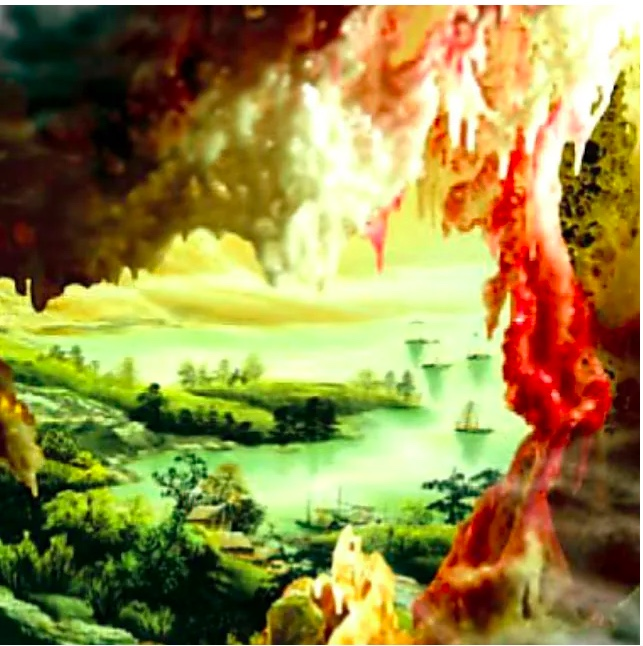
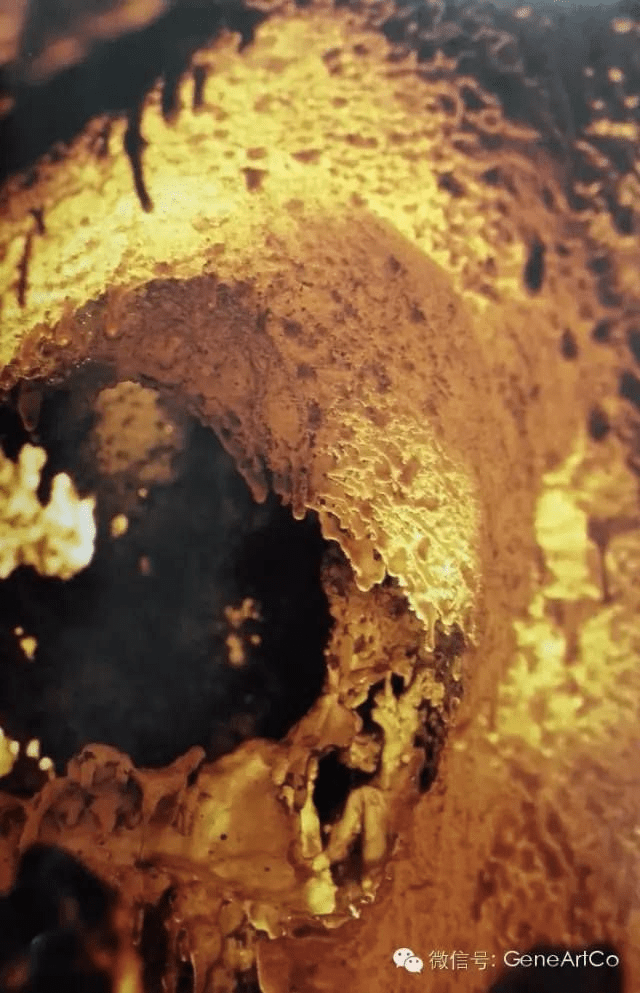
This Yun Sculpture piece resembles an ancient tree hollow, exuding a sense of mystery. Looking into the cave from its entrance, it appears bottomless, much like the human heart—profound and unfathomable.
Therefore, the term “tree hollow” now symbolizes the secrets hidden deep within. Psychologists propose that people need to learn to confide, to release their emotions. This artwork provides us with a window to express the unspeakable depths of our hearts, offering a means to alleviate stress through sharing.
A Rock of Horizontal Charm
Endless changes of spirit and feelings unfold Mysterious motions envelop wonders untold Only in heaven is such a presence found No handiwork of artisan earthly bound
The sculpture A Rock of Horizontal Charm is a masterpiece of Yun Sculpture, embodying the spirit of an art surpassing the beauty of nature, created by H.H. Dorje Chang Buddha III for humankind. Derived from an art form created by H.H. Dorje Chang Buddha III that possesses beauty beyond nature’s, it has attained a realm –never before seen in human history – of artistry transcending nature, originating an art form in this world that is irreplicable by any craftsman or high technology. This amazing beautiful sculpture is currently displayed in H.H. Dorje Chang Buddha IIICultural And Art Museum.
Coral from Heaven
This Yun Sculpture piece exudes a mysterious yet astonishing feeling. The meticulous handling of the subtle details precisely embodies the essence of this artwork. Dubbing it “Coral Descending from Heaven” aptly confirms its precious and distinctive qualities. It’s challenging to fathom how the artist applied colors, especially in certain tiny areas where ordinary individuals would be unable to do so. It is precisely because of such a mysterious, astonishing, and unique piece that it deserves this name.
Unusual Music from Beyond Heaven
Art of the Little Autumn
Hanging Withered Vines Embrace Ancient Stones
Loveliness
Deep Feeling: Vistas Beyond the Tranquil Valley
Discover a captivating array of Yun Sculptures at the permanent exhibition housed at The International Art Museum of America, located in downtown San Francisco. Additionally, immerse yourself in the extraordinary collection at the H.H. Dorje Chang Buddha IIICultural And Art Museum in West Covina, a treasure nestled in the vibrant cultural landscape of the greater Los Angeles area.
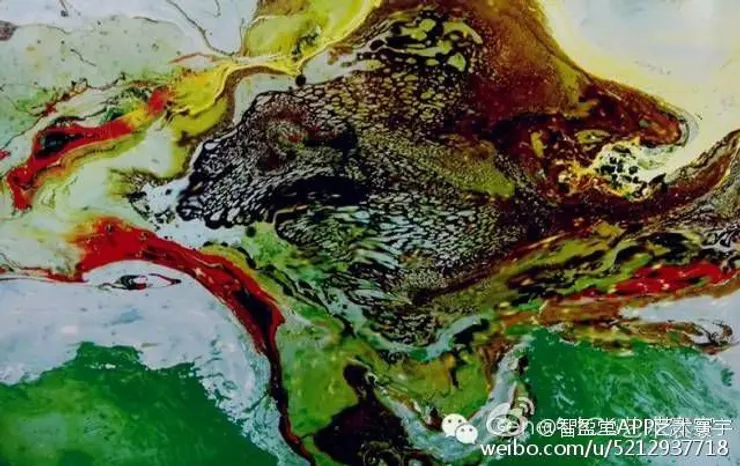
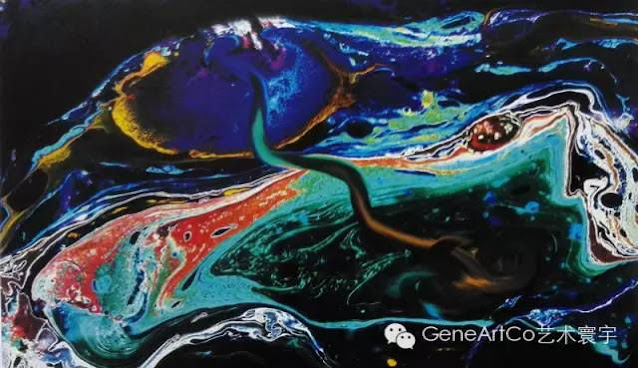
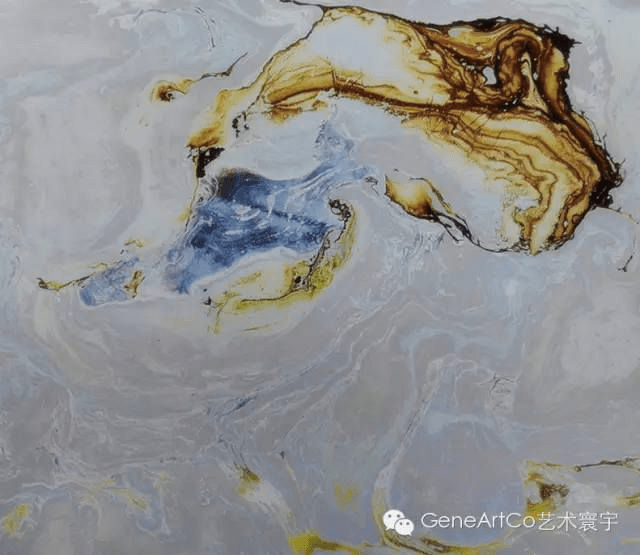
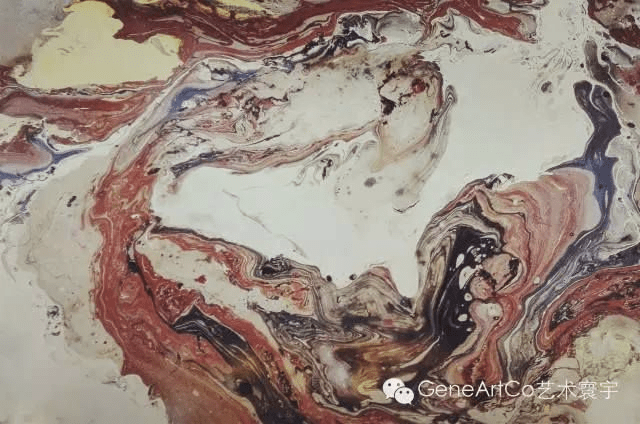
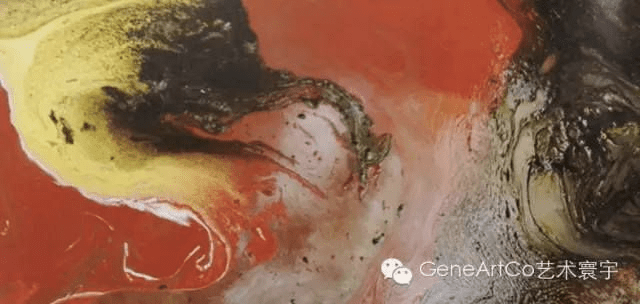
When you first set your eyes upon these supernatural abstract color paintings, the vibrant and radiant hues of red, yellow, blue, white, and black burst forth, dancing like the tumultuous waves of a river stretching for thousands of miles. Captured in the delicate tips of the brush, their brilliance transcends the ordinary, possessing a gentleness yet resolute quality. The diverse and exquisite colors mutually nourish and elevate each other, creating a masterpiece that can only be described as ingenious, reaching a realm where colors take on an ethereal quality. The experience is beyond description—elegant and comforting.
These impressionist paintings have attained a level of mastery where even a small fragment isolated from the complete artwork stands as an exquisite impressionist painting on its own. They convey a dreamy, illusory state, and each tiny section has the potential to be enlarged, creating a distinct and aesthetically pleasing painting.
Gazing Upon a World Beyond the Stars
This piece has a sci-fi movie special effects vibe, it doesn’t look like a scene that exists on Earth; rather, it resembles the appearance of an extraterrestrial planet observed through high-tech instruments. The entire artwork is filled with a mysterious atmosphere, offering limitless imagination and excitement.
Marvelous Spectacle of a Mystical and Illusory Island
This artwork is vibrant and three-dimensional. When appreciated from a diagonal perspective, the pattern in the upper right corner resembles a series of color-changing snakes, coiling in the air, creating a dazzling and visually delightful experience. The pattern in the lower left corner appears like slowly flowing mud, transparent and sparkling under the sunlight. The dividing line in the middle adds a fantastical element, resembling a peculiar light that seems as though it could disappear in the next second, defying verbal description.
The fantastical imagery of this artwork brings a sense of joy and, simultaneously, fills one with fantasies and aspirations for the future. It is a lively and dynamic masterpiece that exudes a peculiar power.
Long Green Wall
Magnificent and grand, that was my first impression upon seeing this artwork. Despite its modest size, this piece is brimming with the profound culture and history of China’s five thousand years. Resembling the Great Wall, this artwork is a marvel, showcasing the artistry and craftsmanship of the H.H. Dorje Chang Buddha III from an artistic perspective.
Elegant Purity of Beautiful Stone
The highlight of this artwork lies in H.H. Dorje Chang Buddha III‘s skillful combination of intricate colors, avoiding any hint of vulgarity and instead exuding a sense of pure elegance and nobility. The arrangement of patterns and textures in the artwork, seemingly casual brushstrokes, actually reflects H.H. Dorje Chang Buddha III‘s ingenious conceptualization and profound artistic foundation, presenting a harmonious order within apparent chaos.
The Nobility of Petrified Red Trees
At first glance, this artwork appears to be an oil painting. Upon closer observation, it evokes astonishment. It is not merely a flat painting but more akin to a lifelike redwood fossil.
Every texture is distinctly visible, and every detail is vividly realistic. H.H. Dorje Chang Buddha III, with the stroke of a brush, captures the original form of the redwood in the guise of a fossil, rendering this piece of art even more mysterious and noble.
This artwork employs strong color contrasts, making bright colors even more vibrant and dark colors even deeper. The enchanting purple patterns, at times intensified and at times subdued, infuse the composition with a sense of magic. It is as if a colossal dragon is about to break free from the shackles of darkness, re-emerging into a brilliant radiance.
Splash-Color Embroidery of Moutains and Rivers
This is a splash-ink painting that combines elements of oil painting style. The innovative approach and exquisite brushwork truly captivate the viewer. Looking at this piece, one can almost hear the echoes in the mountains, see the surging river waves, smell the freshness of nature, taste the sweetness of mountain springs, and feel the harmony between humans and nature.
Boundless Land as Beautiful as Colorful Embroidery
The artwork, dominated by blue tones, incorporates elements of Western and abstract painting. At first glance, it resembles a vast ocean spanning the globe. It delivers a visual impact and a spiritual resonance. Take a moment to immerse yourself in this majestic and awe-inspiring scenery.
These intoxicatingly beautiful Supernatural Abstract Color Paintings form a perfect world constructed by colors. Devoid of concrete worldly forms, it is a realm purely defined by color—shaping, expressing, and embodying itself through hues. Color is both its form and its essence, permeating with a captivating aura. These colors, guided by the hand of the H.H. Dorje Chang Buddha III, seamlessly converge into a marvelously enchanting spectrum. The atmosphere is lively, the scenes blossom like flowers, bold and fierce as the roaring sea, yet upon closer inspection, they reveal nuanced expressions, refined in the minute details. In discussing the extraordinary skill of the H.H. Dorje Chang Buddha III in Western painting, it’s almost an understatement to compare it to the Buddha.
You can discover a selection of the exceptionally charming paintings in the permanent exhibition at The International Art Museum of America, situated in downtown San Francisco.





















 Peace LiLy