Pilgrimage to Bhutan (Part 3): Audience with the Je Khenpo and the Ascent to Tiger’s Nest

By Gongjue Tuji

View of Taktsang Monastery on the cliff face, taken from the cafeteria viewpoint halfway up the trail.
The goal of the ascent in sight: Taktsang Monastery is perched high on the steep cliff face

On a pilgrimage to holy places, one rarely follows a rigid plan. Rather, one engages with a flow of events. Our last days in Bhutan reminded us how valuable it is to let go of expectations. We learned that special doors often open exactly when one is ready to leave the original path.

Change of Plans in Punakha: Trusting the Flow of Things

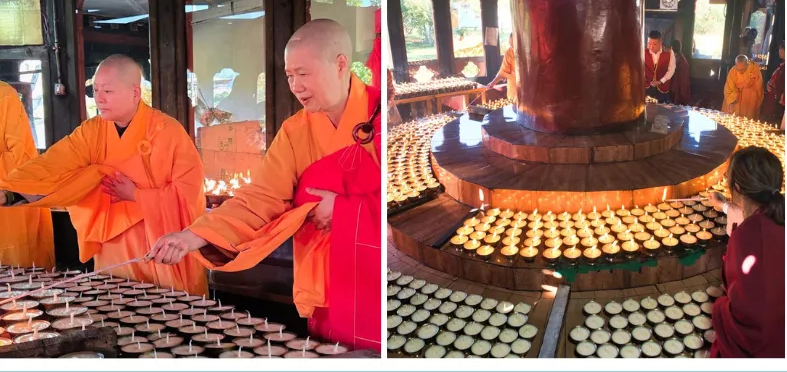
The sixth day showed us this very clearly. Actually, we had a fixed plan: We wanted to drive from Punakha back to Paro. There, we had donated 3,000 butter lamps which we wanted to light ceremonially in a temple.

But then we received news on short notice that an audience with His Holiness the Je Khenpo, the highest religious head of the country, would be possible. Such an opportunity is a great blessing. However, there was a restriction: Our entire travel group was simply too large for this spontaneous audience.

So we had to split up in Punakha. One part of the group drove directly on to Paro, while the other part drove to Thimphu, where His Holiness the Je Khenpo was staying at the time. I traveled with this group.
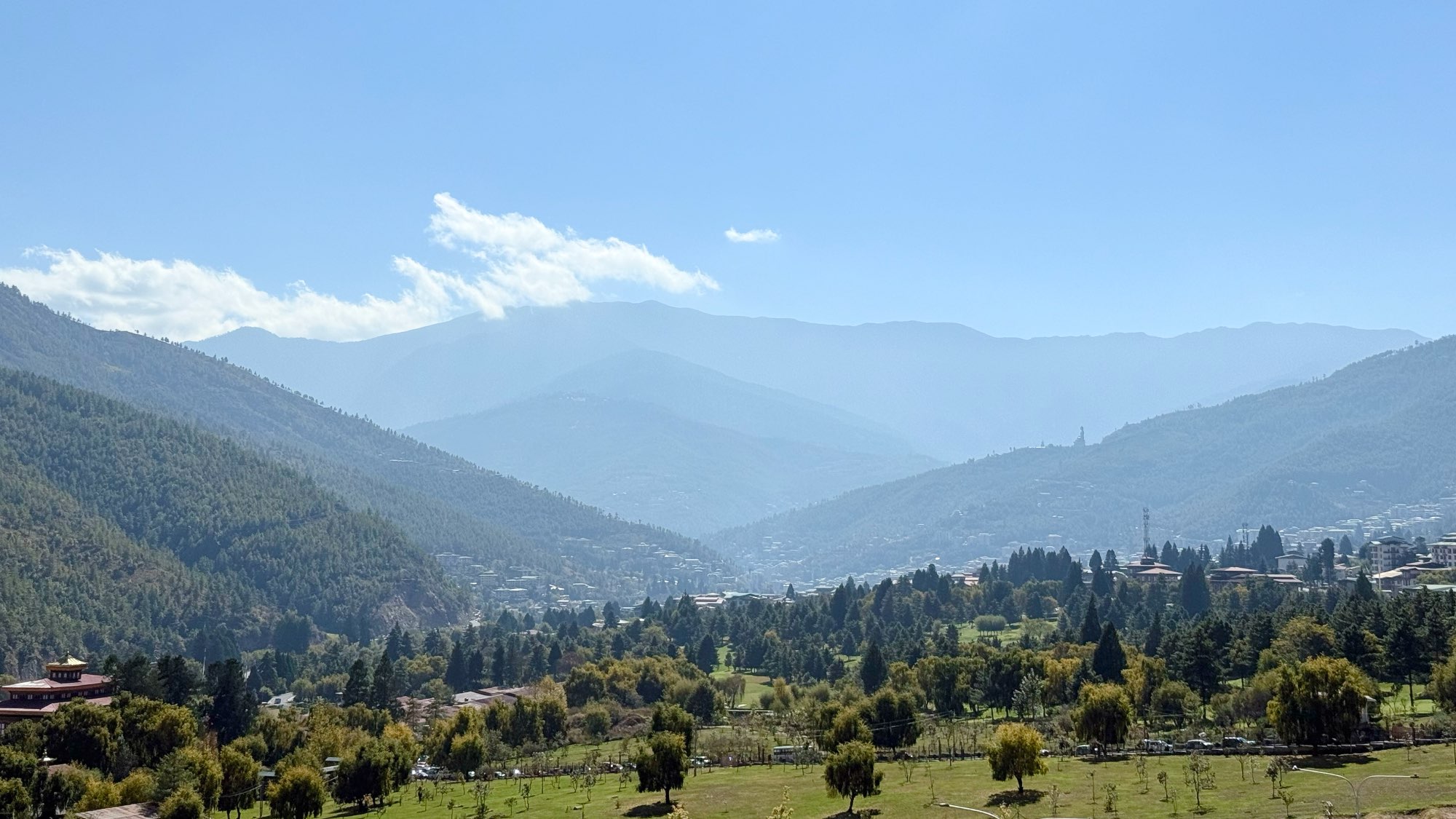
Scenic panoramic view over the green Thimphu Valley, with the distinctive Buddha Dordenma statue visible in the distance atop the mountain.
View of Thimphu with the Buddha Dordenma statue in the background

Thangton Dewachen Nunnery: Legacy of the Iron Bridge Monk

Arriving in Thimphu, we still had some time before the appointment. We visited the Thangton Dewachen Duthop Nunnery. It is the only one of its kind in the capital and goes back to the legendary Thangtong Gyalpo. He was a fascinating personality: A great Mahasiddha and at the same time an ingenious engineer who lived in the 15th century. He is famous as the “Iron Bridge Monk,” as he built dozens of suspension bridges made of iron chains throughout the Himalayas to allow pilgrims and travelers to cross raging rivers. Many of his constructions withstood the centuries. We were welcomed very warmly at this place: We were served tea in the courtyard of the monastery, and we could enjoy the peaceful atmosphere for a moment before we had to leave.

Gongjue Tuji in traditional robes standing in the sunny courtyard of the Thangton Dewachen nunnery next to a tall Dharma pillar, while a dog sleeps peacefully in front.
Visiting the Thangton Dewachen Duthop Nunnery

Kalachakra Initiation: Encounter with H.H. the Je Khenpo

After lunch, we made our way to the stadium. There, H.H. the Je Khenpo was leading the conclusion of the Kalachakra initiation. The crowds were immense. The stadium itself was packed to capacity, but that was far from enough. Countless people had also gathered on the grounds outside to partake in the event. It was a very impressive image. The ceremony was also being broadcast live on Bhutanese television. We initially had to wait before the gates until we were allowed into the stadium.

After some time, we were able to enter and were led to a separate waiting area inside the stadium. During this time, a chance but wonderful encounter occurred. We met the young Vairochana Rinpoche (Ngawang Jigme Jigten Wangchuk). He is a highly revered Tulku and the son of Her Royal Highness Princess Sonam Dechan Wangchuk. He is revered as the reincarnation of the great translator Vairochana from the 8th century, one of the most important disciples of Guru Padmasambhava.

Following this, we were granted an audience with H.H. the Je Khenpo. Filled with gratitude, we presented him with a Khata (white scarf) as a token of our deep respect. In this special setting, we also had the opportunity to present His Holiness with information regarding the ‘Holy Heavenly Lake Buddhist Town’ project. Each of us then received a personal blessing, and upon our departure, he presented us with a text of the Amitabha Sadhana for our own practice.
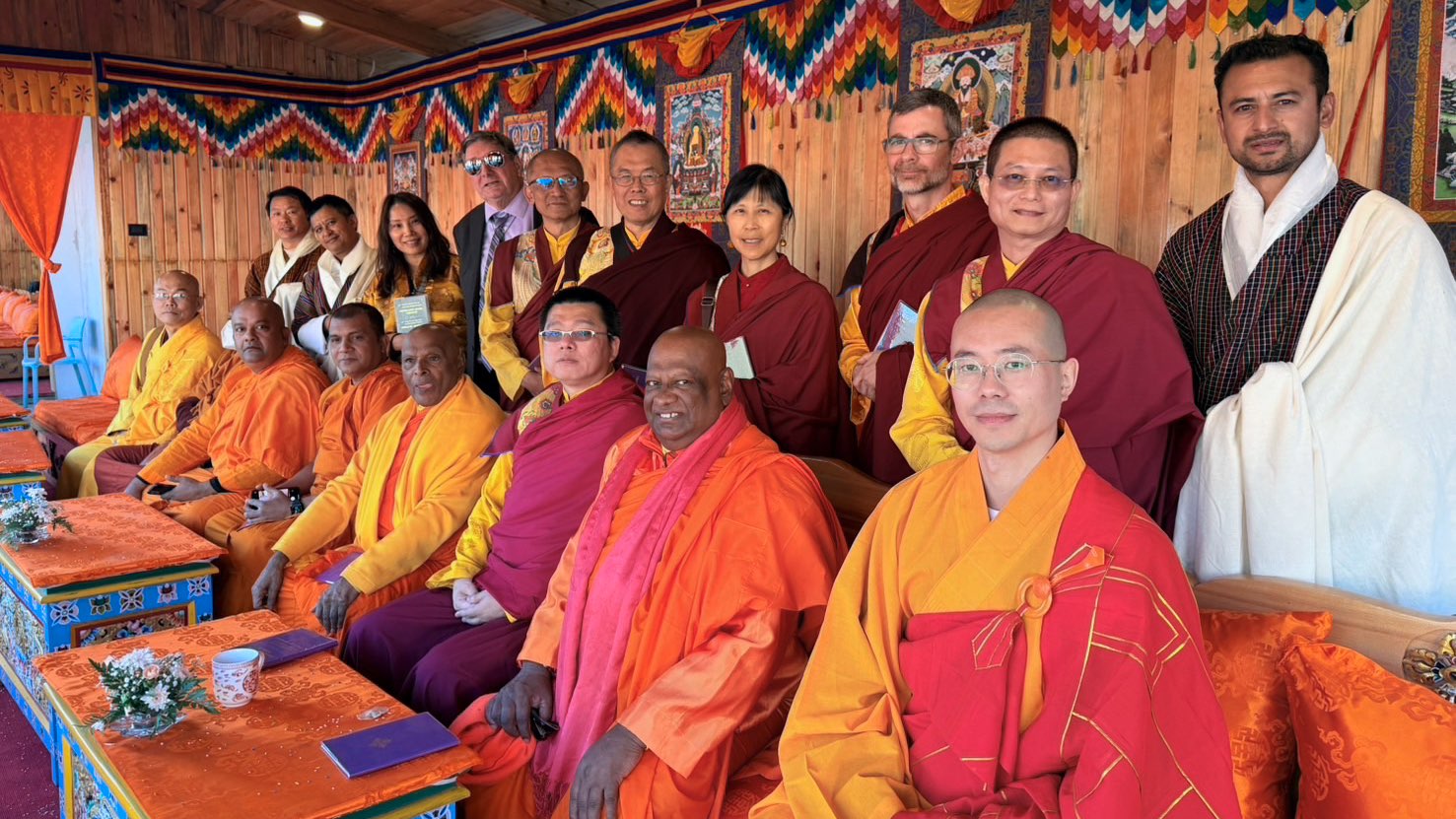
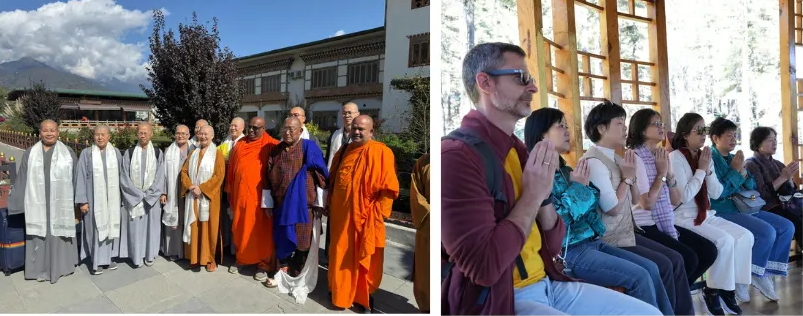
Group photo of the Buddhist travel group after the special audience with H.H. the Je Khenpo at the Thimphu stadium following the Kalachakra initiation.
Our group after the audience with H.H. the Je Khenpo

After the meeting with the Je Khenpo, a further great honor was completely unexpectedly offered to us: Actually, we were supposed to meet the young Vairochana Rinpoche and the Queen Mother for an official audience afterwards. But when the Kalachakra initiation ended, thousands of people streamed out of the stadium at the same time. Traffic in Thimphu came to a complete standstill. There was no getting through, and we could not reach the agreed location in time. Such are the karmic conditions sometimes. But we did not quarrel with fate: After everything we had experienced that day and the blessing we were allowed to receive, we felt richly gifted.

The Tiger’s Nest: Ascent to Guru Rinpoche’s Cave

On the last day of our trip, November 15th, the arguably most famous landmark of Bhutan was on the agenda: Paro Taktsang, widely known as the Tiger’s Nest. It is not only architecturally deeply impressive, but one of the holiest sites in the entire Himalayas.
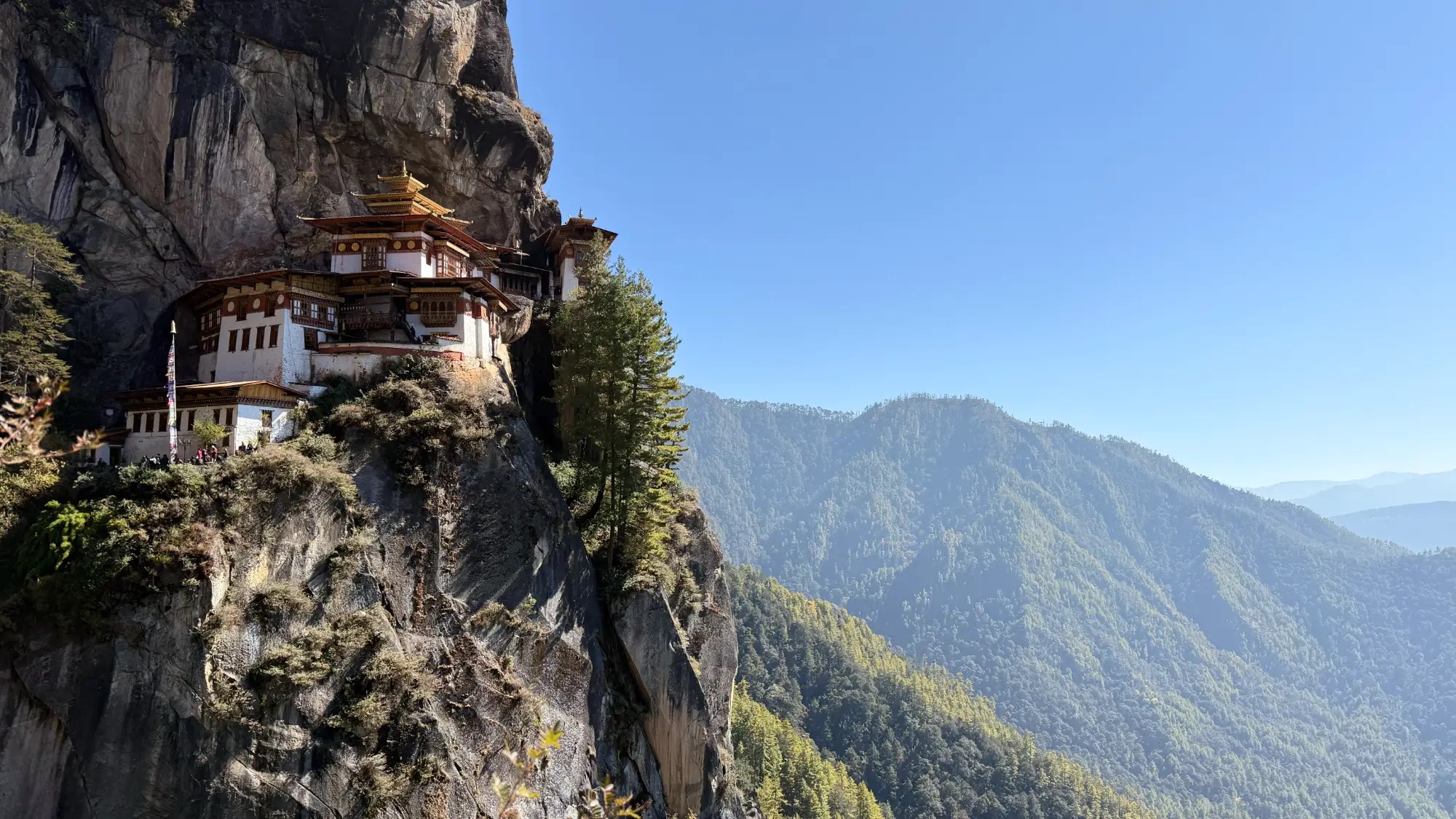
The famous Tiger's Nest Monastery (Paro Taktsang), clinging spectacularly to a sheer cliff face in the Paro Valley of Bhutan, set against a blue mountain backdrop.
Paro Taktsang Monastery (Tiger’s Nest)

We set off very early to reach the base camp, the parking lot at 2,300 meters. From there, it is about 800 vertical meters up to the monastery, which sits at 3,120 meters. For visitors who do not quite trust themselves with the steep climb, there is generally the option to be carried by a horse or mule for the first part of the route. Our group, however, decided to cover the entire path on foot under our own power.

The ascent took just under three hours. The path is beautiful, but also demanding. It leads through a dense pine forest where rhododendrons grow and the trees are draped with moss. Again and again, prayer flags flutter in the wind. Halfway up, we took a short rest at a café. From there, you already have a first, breathtaking view of the monastery, which literally clings to the steep rock.
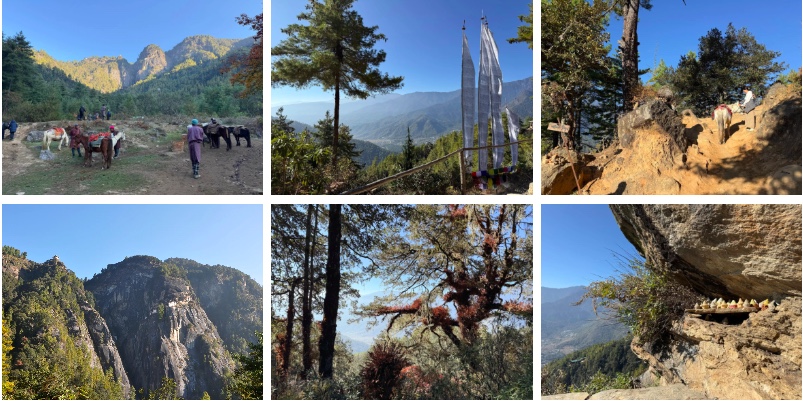
Impressions (in order): Resting horses at the starting point, fluttering prayer flags against the mountain backdrop, pack animals on the dusty trail, the first distant view of the cliffside monastery, the moss-covered mountain forest, and Tsa-Tsa offerings in a rock niche.

The history of this place is closely connected to Guru Rinpoche, the great Master Padmasambhava. He is revered by the Bhutanese as the “Second Buddha,” as he brought and firmly established Tantric Buddhism, the Vajrayana, in Bhutan in the 8th century. He manifested his supernatural powers and flew to this very spot on the back of a tigress to subdue a demon. Some say that the tigress was his tantric consort Yeshe Tsogyal in a transformed state. In the cave known as Taktsang Senge Samdup, around which the monastery was later built, he then meditated for exactly three years, three months, three weeks, and three days.

Once at the top, we had to hand in our cameras and bags at the entrance, as photography inside is strictly forbidden. We visited several small temples within the complex. In a special room that is guarded around the clock, I lit a butter lamp. This is the only place in the monastery where open fire is still permitted after a devastating fire destroyed large parts of the complex in the past. In Buddhism, lighting these lamps is a meritorious central ritual.
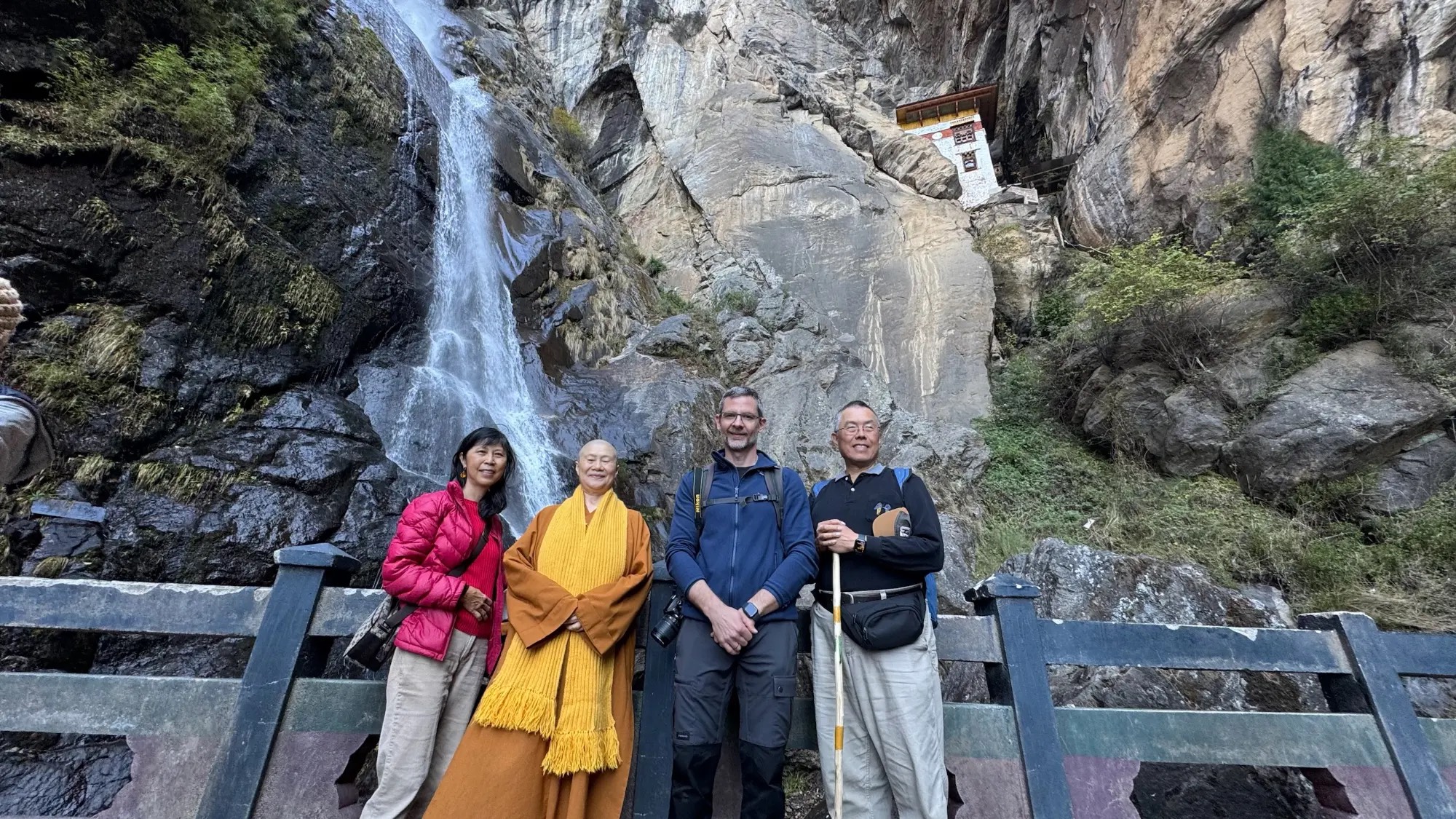
Gongjue Tuji and Venerable Master Shi Zheng Da standing with Dharma siblings in front of the sacred waterfall near the entrance to Paro Taktsang (Tiger's Nest).
With Venerable Master Shi Zheng Da in front of the Taktsang Waterfall

Farewell in Paro: A Promise to Return

Back at the hotel in Paro, a special guest awaited us in the evening: Dasho Passang Dorji, the former Speaker of the National Assembly of Bhutan. He had been instrumental in organizing the official appointments and came by personally to apologize politely that the meeting with the King had not taken place due to the commotion. He promised us: “Next time I will arrange, this time the King and the Queen have been too busy.”
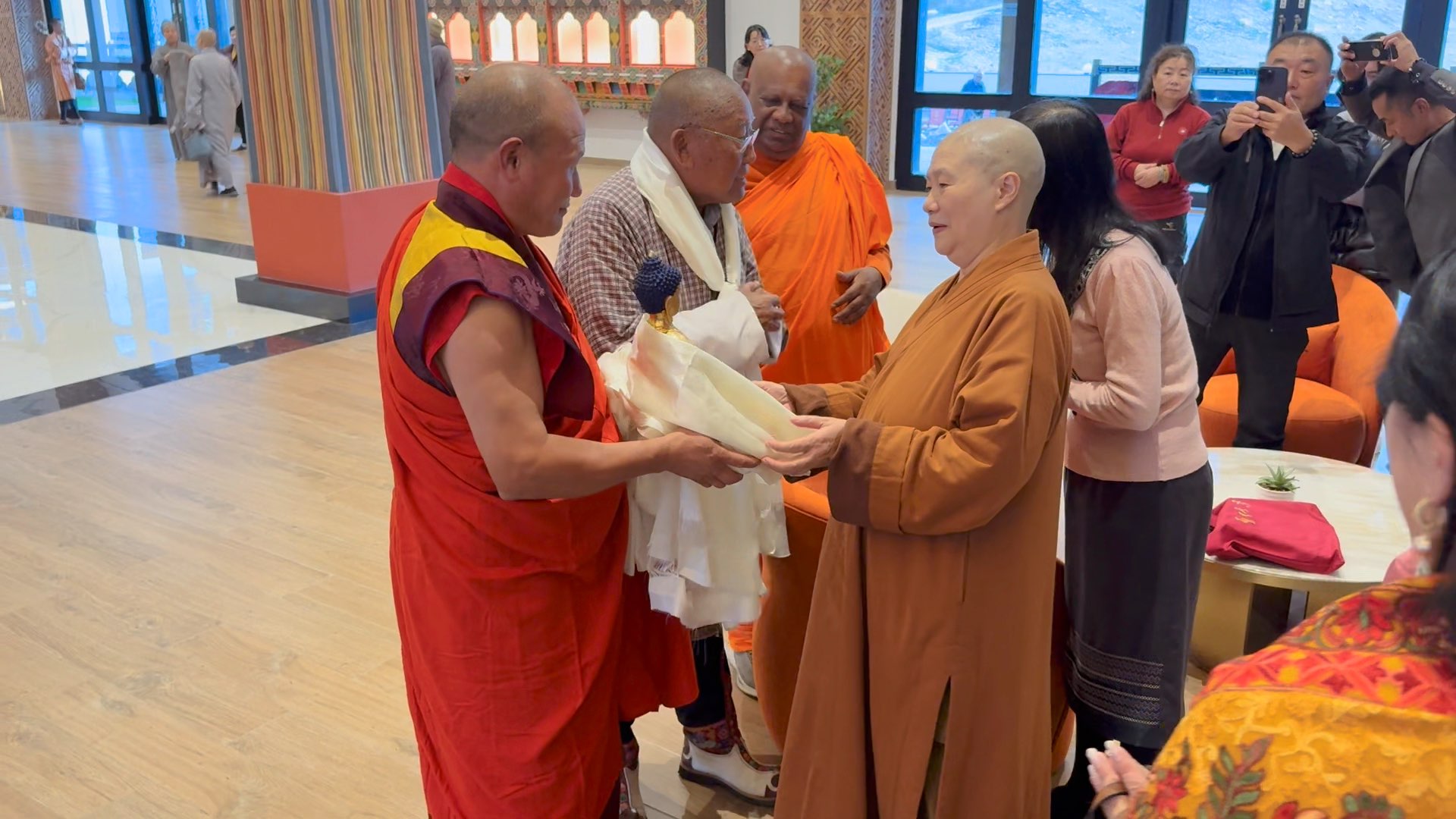
Ceremonial exchange of gifts between Venerable Master Shi Zheng Da and Dasho Passang Dorji in the hotel lobby at the conclusion of the trip.
Exchange of gifts with Dasho Passang Dorji

In a very friendly atmosphere, an exchange of gifts took place. The Venerable Master Shi Zheng Da presented him with a special art object, a luminous three-dimensional picture of a Yun sculpture designed by H.H. Dorje Chang Buddha III. In return, he gave the Master a large golden Shakyamuni Buddha statue. It was a worthy moment of connection.
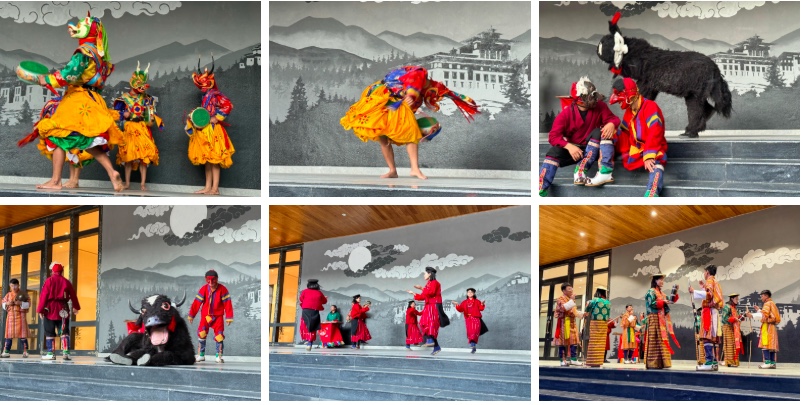
Scenes from the performance (in order): The famous Drametse Ngacham (Dance of the Drums), a solo dancer bowing deep, the performers of the yak scene, the humorous interaction of the yak with the audience, the women’s dance group in red garments, and finally a traditional performance with bows and arrows combining song and dance.

Afterwards, we watched a cultural performance together with Dasho Passang Dorji. There were traditional dances and songs whose gentle, flowing movements radiated great calm and peace. There were also humorous interludes, like the dance of a yak, where the performers visibly had fun. Even though I did not understand the language, the joy was contagious. After this show, we all gathered for a large group photo to capture this beautiful final evening.
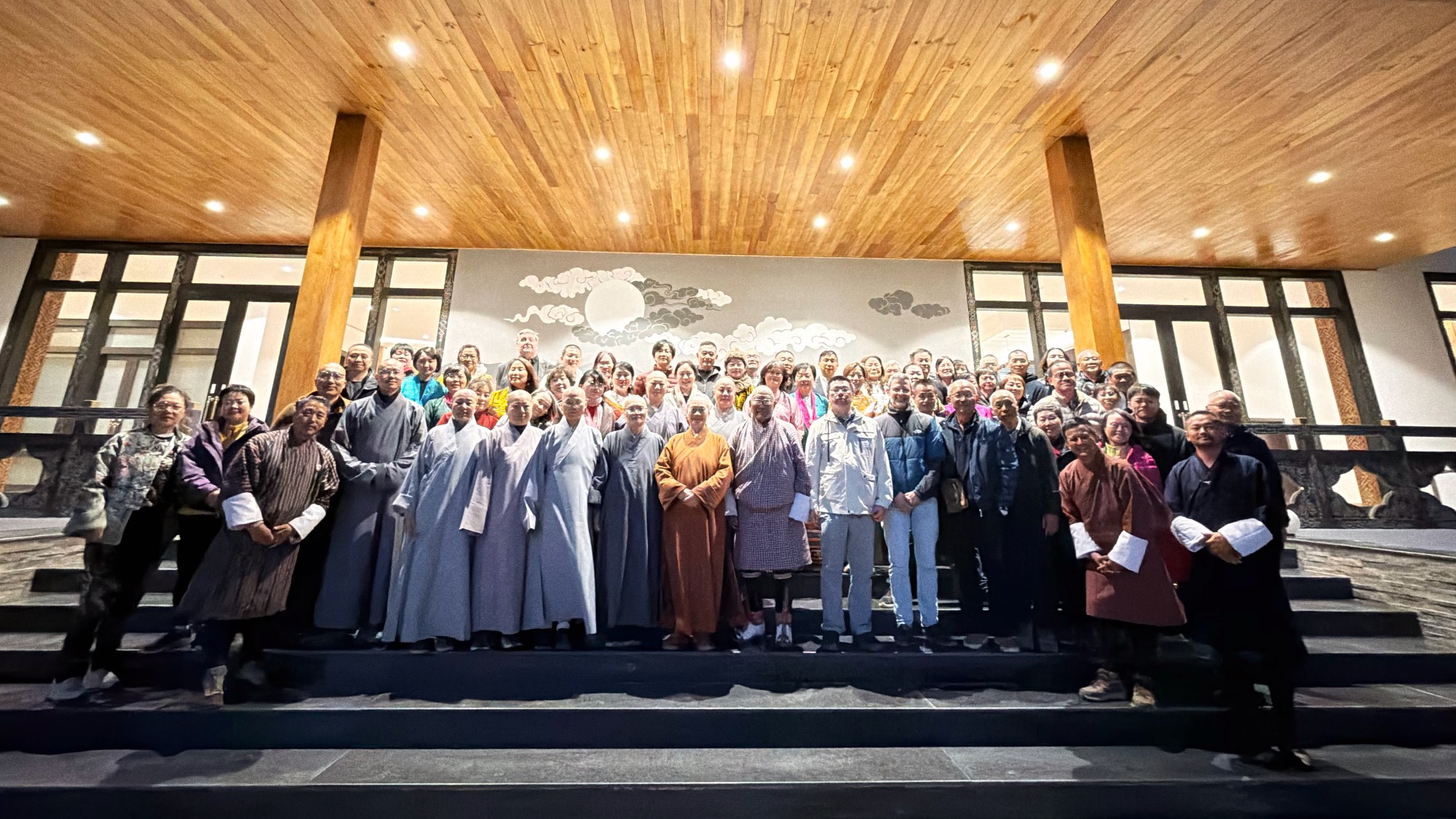
Large farewell group photo of the entire travel group together with Dasho Passang Dorji and the Bhutanese guides on the illuminated steps of the hotel.
Our entire group with Dasho Passang Dorji and our guides

The next morning, November 16th, it was time to say goodbye. From the hotel, we could look directly at the airport. We had arrived to make a contribution with our donation and our plans. But as I boarded the plane now, I felt that we ourselves were taking away far more than we had given. I took with me not only memories of the mighty mountains and venerable monasteries, but the feeling of a deep connection with our travel group and the people in Bhutan. I return with much inspiration and a heart full of gratitude for the blessing I was allowed to experience in this country.
Link:https://peacelilysite.com/2026/02/05/pilgrimage-to-bhutan-part-3-audience-with-the-je-khenpo-and-the-ascent-to-tigers-nest/

A Delegation of Buddhist Town visited Bhutan

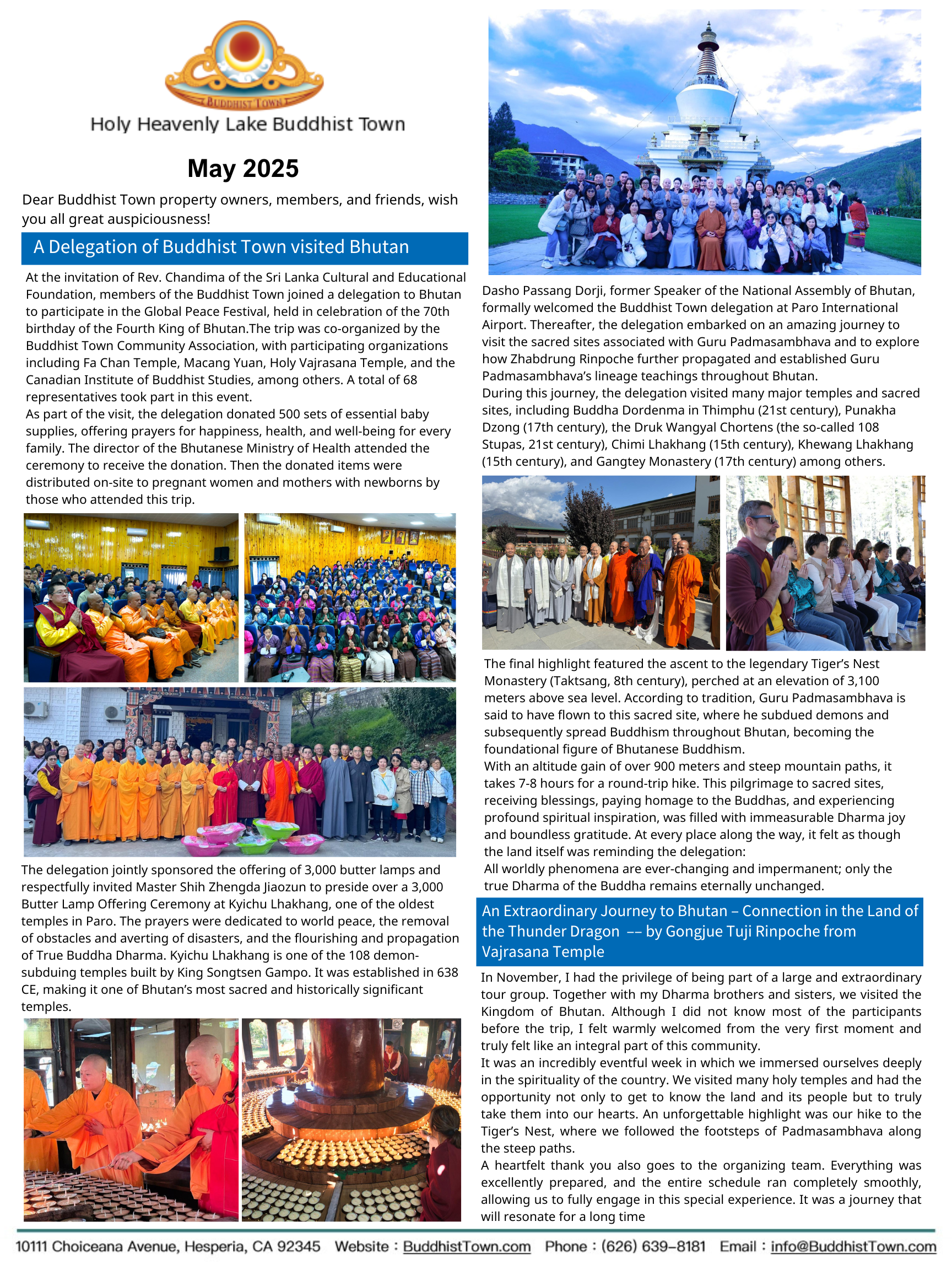
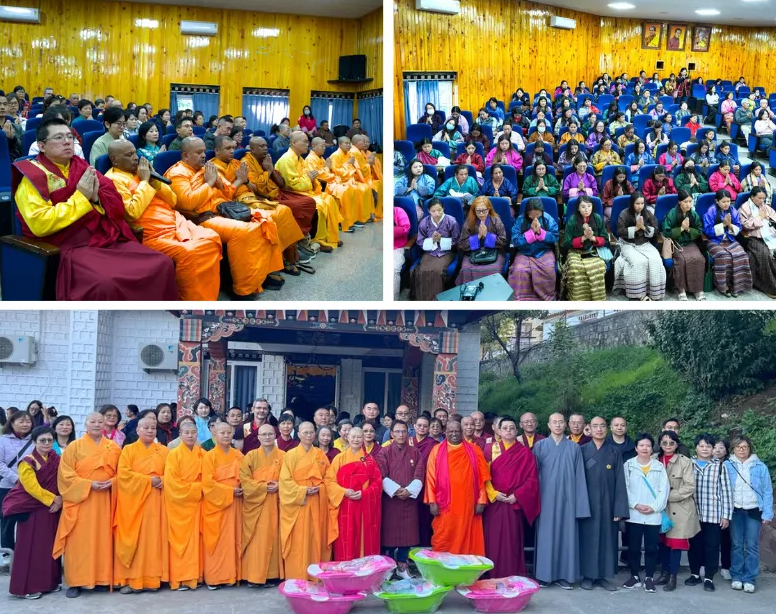
At the invitation of Rev. Chandima of the Sri Lanka Cultural and Educational Foundation, members of Buddhist Town joined a delegation to Bhutan to participate in the Global Peace Festival, held in celebration of the 70th birthday of the Fourth King of Bhutan. The trip was co-organized by the Buddhist Town Community Association, with participating organizations including Fa Chan Temple, Macang Yuan, Holy Vajrasana Temple, and the Canadian Institute of Buddhist Studies, among others. In total, 68 representatives took part in this meaningful event.

As part of the visit, the delegation donated 500 sets of essential baby supplies, offering prayers for happiness, health, and well-being for every family. The donation ceremony was attended by the Director of Bhutan’s Ministry of Health, who officially received the supplies. Following the ceremony, the donated items were distributed on-site to pregnant women and mothers with newborns by members of the delegation.

The delegation jointly sponsored the offering of 3,000 butter lamps and respectfully invited Master Shin Zhengda Jaozun to preside over the 3,000 Butter Lamp Offering Ceremony at Kyichu Lhakhang, one of the oldest temples in Paro. The prayers were dedicated to world peace, the removal of obstacles, the averting of disasters, and the flourishing and propagation of the True Buddha Dharma.

Kyichu Lhakhang is one of the 108 demon-subduing temples built by King Songtsen Gampo. Established in 638 CE, it stands as one of Bhutan’s most sacred and historically significant temples.

Dasho Passang Dorji, former Speaker of the National Assembly of Bhutan, formally welcomed the Buddhist Town delegation at Paro International Airport. Following the reception, the delegation embarked on an inspiring journey to visit sacred sites associated with Guru Padmasambhava and to learn how Zhabdrung Rinpoche further propagated and established Guru Padmasambhava’s lineage teachings throughout Bhutan.

During the journey, the delegation visited many major temples and sacred sites, including the Buddha Dordenma in Thimphu (21st century), Punakha Dzong (17th century), the Druk Wangyal Chortens—also known as the 108 Stupas (21st century), Chimi Lhakhang (15th century), Khewang Lhakhang (15th century), and Gangtey Monastery (17th century), among others.

The final highlight of the journey was the ascent to the legendary Taktsang Monastery (8th century), dramatically perched at an elevation of 3,100 meters above sea level. According to tradition, Guru Padmasambhava flew to this sacred site, where he subdued negative forces and later spread Buddhism throughout Bhutan, becoming the foundational figure of Bhutanese Buddhism.

By Original: Nina R from AfricaDerivative work: UnpetitproleX – Paro Taktsang, BhutanThis file was derived from: Paro Taktsang, Bhutan (49694480001).jpg, CC BY 2.0, https://commons.wikimedia.org/w/index.php?curid=163890881


With an elevation gain of more than 900 meters and steep mountain trails, the pilgrimage requires a 7–8 hour round-trip hike. Throughout the journey—visiting sacred sites, receiving blessings, paying homage to the Buddhas, and experiencing deep spiritual inspiration—the delegation was filled with immeasurable Dharma joy and boundless gratitude.

At every point along the path, it felt as though the land itself was gently reminding the delegation that all worldly phenomena are impermanent and ever-changing, and that only the true Dharma of the Buddha remains eternally unchanged.

Link: https://peacelilysite.com/2026/01/02/a-delegation-of-buddhist-town-visited-bhutan/

Source: https://lirp.cdn-website.com/9890f458/dms3rep/multi/opt/BT+Newsletter+EN+-+202511-1920w.png

Rediscovering Wiser: The Ancient Sport Revitalized for Modern Times

Introduction of Wiser Ball

The Wiser sport originated as the most prestigious ball game played in ancient palaces and royal courts by emperors, kings, ministers, scholar-officials, and Western heads of state. It was designed to cultivate strategic thinking, exercise the body, and engage in a battle of wits. Unfortunately, with the passage of time, this globally enjoyed diversion became a lost sport.

However, a remarkable, selfless, virtuous individual has rediscovered and perfected the Wiser sport for public benefit. This individual, known for the noble moral character, received unanimous recognition from the 112th Congress of the United States Senate through resolution 614, which commended his contributions to humanity. When this virtuous individual taught the techniques and rules of Wiser to the World Wiser Sport Committee, he stated, “You must spread the Wiser sport worldwide and become the headquarters that leads it. Remember, everyone—regardless of gender, age, or background—has the right to enjoy Wiser. It is a ball sport bestowed by nature to strengthen the body and improve health. Its purpose is to benefit humanity by enhancing physical fitness, health, morality, friendship, and peace.” The World Wiser Sport Committee, now formally established with its headquarters in the United States, held its inaugural leadership ceremony on March 2, 2013.

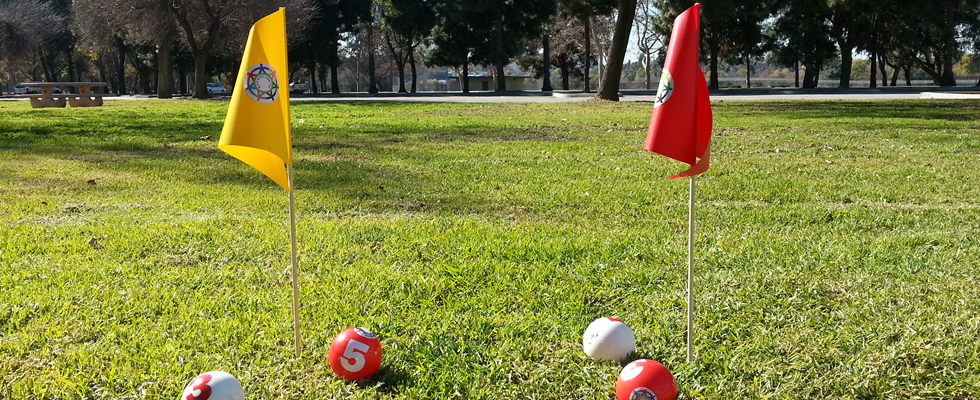
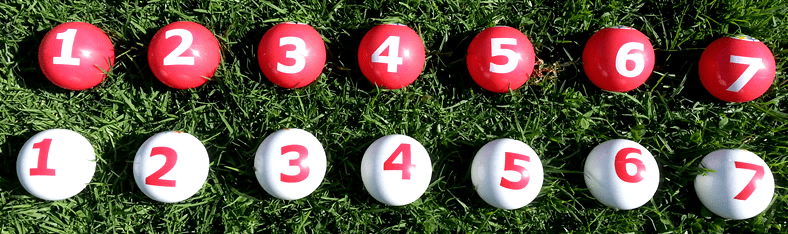
Wiser is a ball sport that combines strategy and exercise, where teams compete in a setting that requires no special playing field. It can be played anywhere, regardless of obstacles, making it extremely safe and suitable for all—men, women, young, and old.

For the elderly, playing Wiser can improve immunity, strengthen the body, enhance stamina, rejuvenate brain cells, prevent senile dementia, ease the mind, increase happiness, and prevent conditions like rheumatism, insomnia, and limb numbness.

Middle-aged and young people also benefit from Wiser by enhancing their wisdom, mental vitality, and social interactions. It helps resolve tendencies toward solitude and asocial behavior by encouraging outdoor activity, friendship, self-confidence, and healthy social relationships.

Teenagers and children who play Wiser will develop independent thinking, courtesy, and virtue. They will gain tenacity, physical strength, and intelligence, making it an excellent sport for nurturing talent. Moreover, Wiser is extremely safe and inclusive, promoting individual and group strategies and tactics.

Wiser offers seven key benefits: strengthening the body, improving health, enlivening the spirit, developing brainpower and wisdom, increasing unity and friendliness, boosting immunity, delaying stamina decline, and elevating moral character. Players consistently praise the positive impact Wiser has on their physical and mental well-being.

The game is growing in popularity and is now played in many countries, including the United States, Canada, Paraguay, Mexico, China, Taiwan, Malaysia, Vietnam, Thailand, South Africa and Germany.

Full Version, “How To Play Wiser Ball” Video Tutorial by WWSC

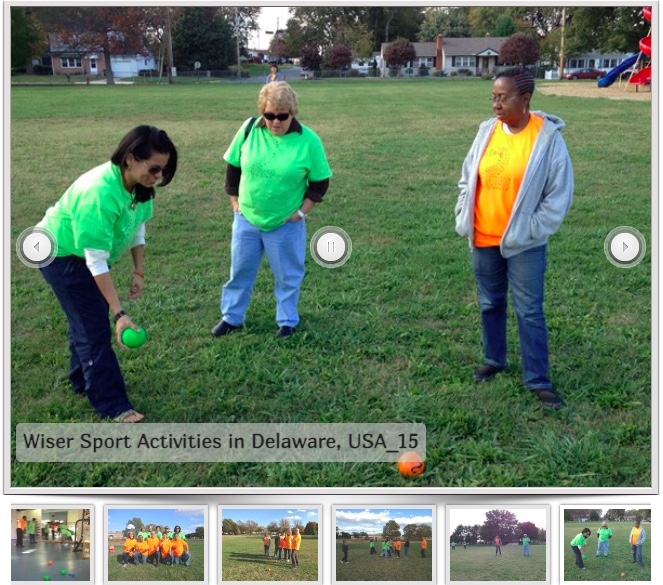
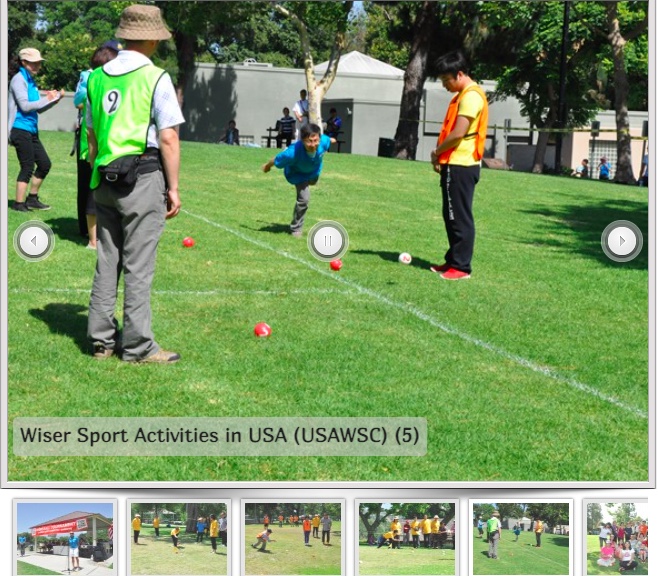
To celebrate the Holy Birthday of H.H. Dorje Chang Buddha III, on June 17 this year, Buddhist disciples and their friends gathered at the Holy Heavenly Lake, the future site of the Buddhist Town, to hold a Wiser ball game. The event was organized by the newly established North American Wiser Ball Association, which includes the United States, Canada, and Mexico. Eight teams from six regions participated in friendly matches in the morning. In the afternoon, Wiser ball referees from the United States, Canada, Mexico, China, Taiwan, and Hong Kong engaged in an exchange of experiences, which was one of the highlights of the event. Each piece of valuable experience contributed by the participants has injected new energy into the future development of Wiser ball around the world! Everything is just beginning, and we look forward to meeting again!

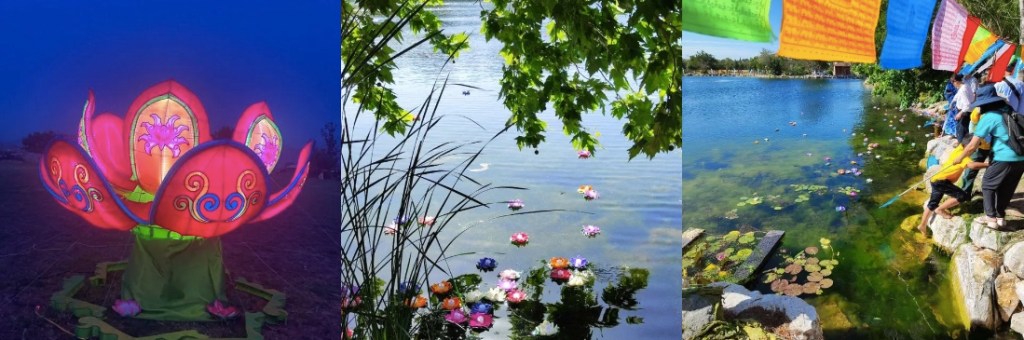
In the evening following the Wiser ball competition, a beautiful float lantern ceremony took place. Each lotus lantern symbolized everyone’s best wishes, world peace, and an auspicious future for all beings. The beautiful lotus lanterns stood amidst a sea of green, enveloped in a radiant blue glow. As night fell, the floating lotus prayer lanterns gradually spread across the lake, carrying with them the countless wishes in each of our hearts.

Link: https://peacelilysite.com/2024/08/07/rediscovering-wiser-the-ancient-sport-revitalized-for-modern-times/

Source: https://worldwisersport.org/wp_wwsc_E/about-us/introduction-to-wiser-sport/

Buddhist Town At Holy Heavenly Lake

Buddhist Town At Holy Heavenly Lake

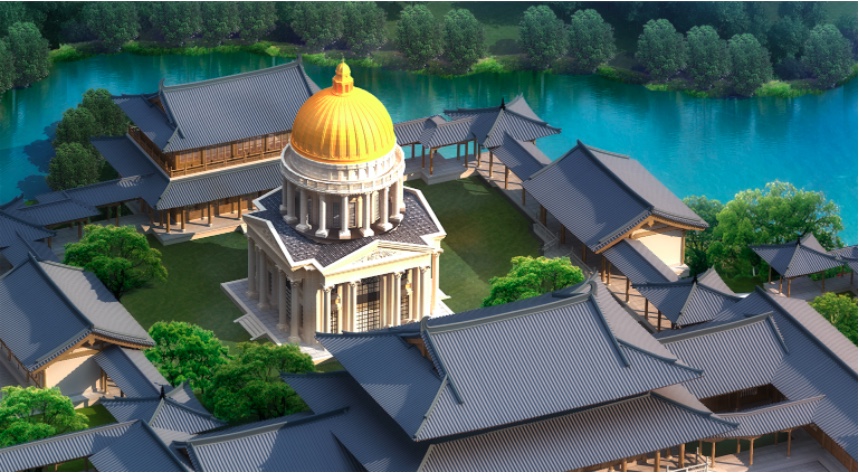
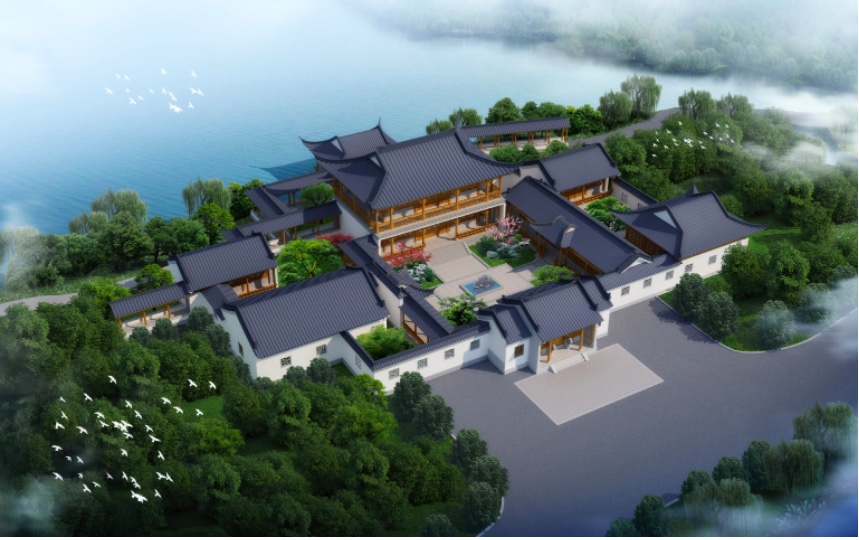
When Buddhists from all around the world want to gather together to share their knowledge, inspiration, and experience, there is no one place they can call home. Many Buddhist leaders have shared the vision of creating a permanent home centered in a major temple housing statues of the ancient Buddhas, surrounded by smaller temples built by the various different sects and organizations as the capital of Buddhism. Furthermore, it would be open and accessible to the general public, an inviting and beautifully designed space in which to experience the rich diversity of Buddhist culture and practice all in one place.

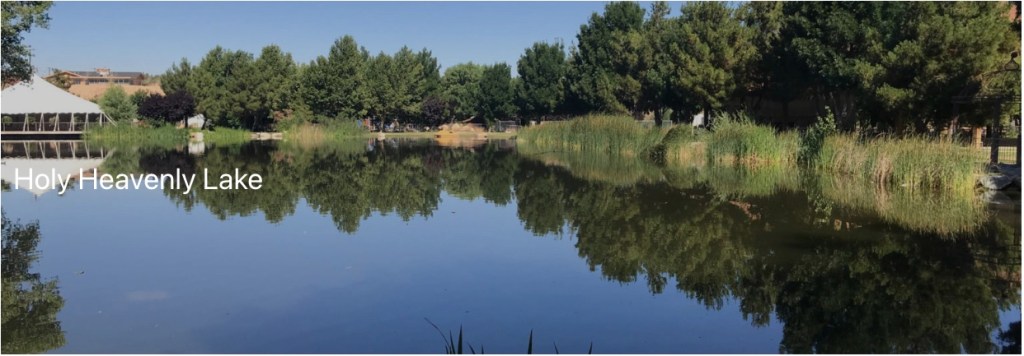
This concept was very well supported by H.H. Dorje Chang Buddha III. So, a search for a proper site began in early 2010. After visiting and considering several different locations and potential sites, the present project site at the Holy Heavenly Lake was most favored by the search team. A key factor in the decision for this project site was the presence of the lake, which made possible the vision of a spiritual oasis, in the form of a harmonious water garden that both physically and symbolically connects the various sects to the central temple. Holy Heavenly Lake is a holy site. Below the Holy Heavenly Lake, there is an underground river going from the south to the north, which is as wide as the Yangtze River. And there is a crystal lake with crystal gems lying 450 feet below the ground.

In 2015, the site and the initial conceptual site plan were presented to His Holiness, who expressed support for both. It was further decided that a Residence for His Holiness would be constructed next to the Main Temple. All major sects of Buddhism – including Zen, Pure-land, Nyingma, Kagyu, Sakya and Gelug— expressed their commitment to establish their temples or Dharma Centers in the compound. This will be the first time in history that all of the major sects are gathered at one location.

on February 14, 2019. The City of Hesperia where the Holy Heavenly Lake is located held a public hearing to discuss the matter of building the Buddhist City at the Holy Heavenly Lake and subdividing the land for various Buddhist sects to build temples in the city. The result was that the city agreed to let the project move forward. The meeting was held on the first day, and the nagas and dharmapalas showed their praises through a tremendously holy manifestation on the next day. Huge amount of clear water suddenly flow rapidly on 15th with waves lifted by its billows over the riverbed above the underground river, although the riverbed has been dried for many years. It runs northward like an endless tide from a river of hundreds of miles in length.

We believe that the Buddhist Town at the Holy Heavenly Lake will fulfill the myriad wishes and bring about prosperity in every undertaking!

Below are the videos showing the beautiful landscapes and inspiring events that have happened at this holy site:

Joy of Awakening

The Inner Light

Dharma Assembly for Medicine Buddha’s Holy Birthday

Tree Phanting

http://25280348.s21v.faiusr.co

Read more : A Tremendously Holy Feat Manifested At the Holy Heavenly Lake Where the Buddhist City Will Be Established

#DorjeChangBuddhaIII#HHDorjeChangBuddhaIII#HolyHeavenlyLake#Buddhism#BuddhistTown#BuddhistTemple#BuddhistHome#BuddhistVatican

Buddhist Town At Holy Heavenly Lake

Link: https://peacelilysite.com/2022/05/12/buddhist-town-at-holy-heavenly-lake/