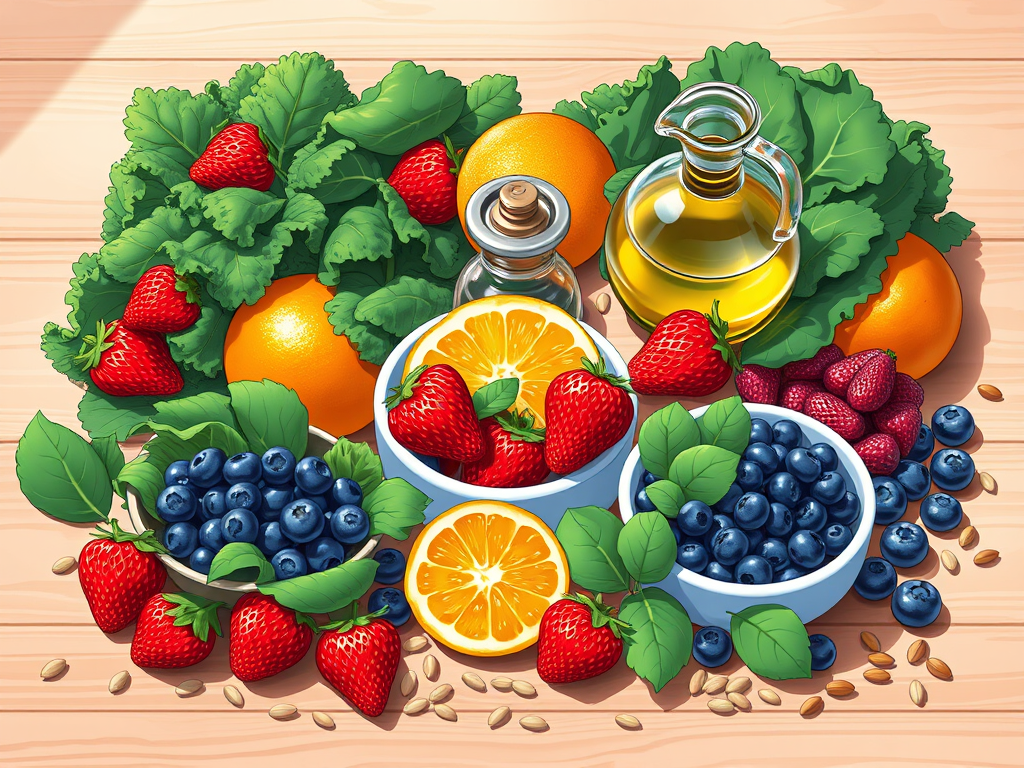
How to Eat Healthy as a Vegetarian

How to Eat Healthy as a Vegetarian: A Complete Guide to Balanced Plant-Based Nutrition

Choosing a vegetarian lifestyle can be deeply meaningful — whether for health, compassion, the environment, or spiritual reasons. But simply cutting out meat does not automatically make a diet healthy. To feel energized, strong, and nourished, vegetarians need to understand how to balance nutrients, diversify foods, and support the body with wholesome meals.

This guide explains exactly how to eat healthy as a vegetarian, whether you are new to this lifestyle or wanting to improve your current eating habits.

1. Focus on Whole, Minimally Processed Foods

A healthy vegetarian diet begins with whole foods that deliver essential nutrients without excess sugar or artificial additives.

Include plenty of:

Tofu, tempeh, or other soy products

Fresh fruits

Vegetables of all colors

Whole grains (brown rice, quinoa, oats, barley)

Beans, lentils, and legumes

Nuts and seeds

Focus on Whole, Minimally Processed Foods

Whole foods provide fiber, vitamins, minerals, and plant compounds that support long-term health.

2. Prioritize Plant-Based Protein

Protein is essential for muscles, energy, hormones, and immune function. Vegetarians can easily meet their needs by mixing different protein sources throughout the day.

Healthy vegetarian proteins include:

Eggs*
(*for ovo-lacto vegetarians)

Lentils

Chickpeas

Black beans and kidney beans

Tofu and tempeh

Edamame

Greek yogurt*

Prioritize Plant-Based Protein

Combining proteins with whole grains, such as beans with brown rice, creates a complete amino acid profile.

3. Ensure Adequate Iron Intake

Vegetarians need to be mindful of iron because plant-based iron (non-heme iron) is absorbed less efficiently.

Adequate Iron Intake

Great vegetarian iron sources:

Iron-fortified cereals

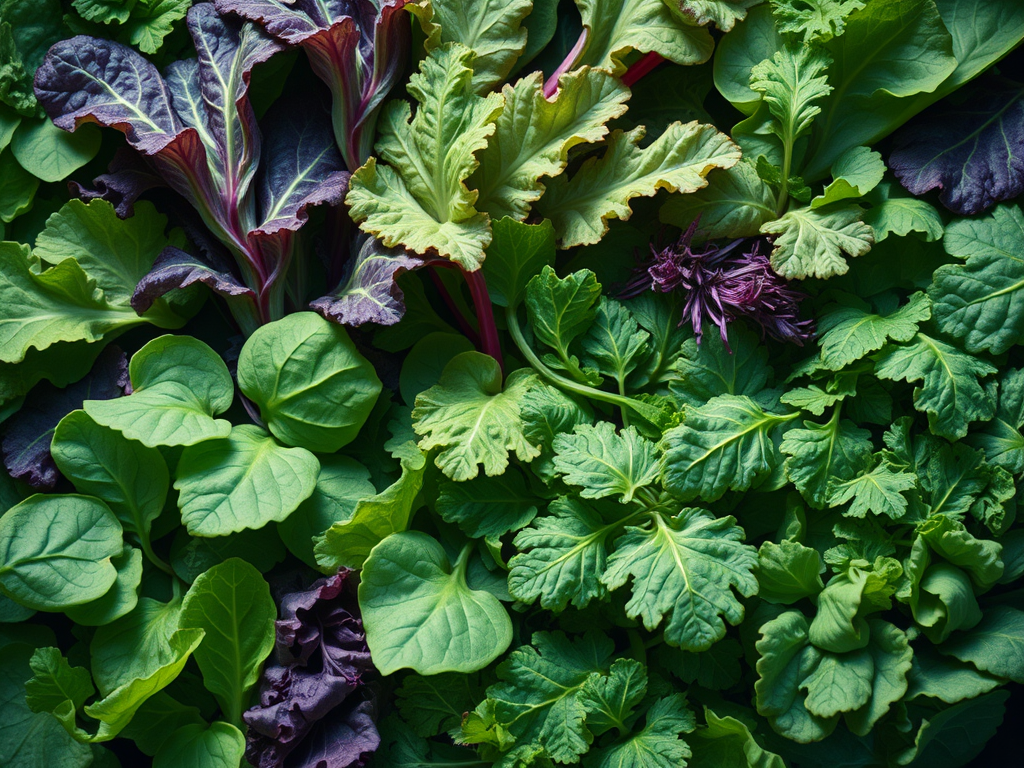
Spinach, kale, and dark leafy greens

Lentils and chickpeas

Pumpkin seeds

Blackstrap molasses

Tip: Eat iron-rich foods with vitamin C (citrus, tomatoes, berries) to boost absorption naturally.

4. Don’t Forget Vitamin B12

Vitamin B12 is critical for nerve health and energy, but it is mainly found in animal products. Most vegetarians should include:

Vitamin B12

B12-fortified plant milks

Nutritional yeast with added B12

B12 supplements (if needed)

Even small deficiencies can cause fatigue, so this nutrient is important.

5. Get Enough Calcium and Vitamin D

Healthy bones require a steady supply of both.

Calcium and Vitamin D

Vegetarian sources of calcium:

Bok choy

Fortified plant milks

Tofu made with calcium sulfate

Almonds

Broccoli

Sources of vitamin D

Sources of vitamin D:

Sunshine exposure

Fortified plant milks

Supplements if recommended

6. Include Healthy Fats

Healthy fats support brain function, hormones, and skin health.

Add these into your meals:

Avocado

Nuts (walnuts, almonds, cashews)

Seeds (chia, flax, hemp)

Olive oil

These also help your body absorb fat-soluble vitamins like A, D, E, and K.

7. Build Balanced Meals

To eat healthy as a vegetarian, structure your plate for optimal nutrition:

½ vegetables (raw or cooked)

¼ plant protein (lentils, tofu, beans)

¼ whole grains (quinoa, brown rice, whole wheat pasta)

Add a portion of healthy fats on the side

This offers the perfect balance of fiber, protein, and energy.

8. Limit Highly Processed Vegetarian Foods

Limit Highly Processed Vegetarian Foods

Just because a food is “vegetarian” does not mean it’s healthy.

Limit:

  • Fake meats with long ingredient lists
  • Fried foods
  • Sugary cereals
  • Instant noodles
  • Vegetarian junk food

Choose naturally nutritious options most of the time.

9. Stay Hydrated

Vegetarians often consume more fiber, so hydration becomes even more important for digestion and energy.

Stay Hydrated

Aim for: 6–8 cups of water a day

Herbal tea or fruit-infused water as alternatives

10. Listen to Your Body

Every person’s digestive system and nutrient needs are different. Pay attention to how specific foods make you feel.

Ask yourself:

  • Does this meal give me energy?
  • Am I eating enough protein?
  • Do I feel satisfied after eating?

Mindful eating helps you adjust your diet to your body’s needs.

Eating Healthy as a Vegetarian Is Simple and Rewarding

Eating healthy as a vegetarian becomes effortless when you focus on whole foods, balanced meals, and key nutrients like protein, iron, B12, and healthy fats. With a mindful approach, a vegetarian lifestyle can provide excellent energy, vitality, and long-term wellness, while reflecting compassion and sustainability.

#VegetarianDiet #HealthyEating #PlantBased #VegetarianTips #NutritionGuide #HealthyLifestyle #MindfulEating #BalancedDiet #VegetarianMeals #Wellness

A Tiny Jar from Paris: Discovering the Magic of Fleur de Sel

One of my friends recently brought me a small jar of fleur de sel from Paris. The moment she placed it in my hands, I felt as if she had gifted me a tiny, savory treasure. The name alone sounds poetic—“flower of salt.” Inside the jar, the delicate crystals look almost like snowflakes, glistening with quiet beauty.

But what exactly is fleur de sel? How is this luxurious salt made, and how should we use it in our kitchens? I dove in to learn more, and the story behind this precious salt turned out to be even more fascinating than I imagined.

Fleur de sel is a rare, hand-harvested sea salt that forms as a fragile, paper-thin crust on the surface of shallow salt ponds. Only a tiny fraction of the season’s salt forms this way, and each flake must be skimmed off by hand. That’s why chefs adore it—and why it carries a premium price.

(Photo: Difference between fleur de sel (left) and coarse salt (right) from the salterns of Guérande)

It stands apart for several reasons:

  • Soft, delicate flakes that retain a hint of natural moisture, giving it a gentle crunch.
  • A bright, clean, oceanic flavor with subtle mineral complexity.
  • Production limited to traditional salt marshes such as Guérande and Camargue in France, Castro Marim in Portugal, and a few other artisanal regions.

Every crystal is a tiny work of nature.

The Poetic Name — And Clearing Up the Myth

The literal translation of fleur de sel is “flower of salt.” The name comes from how the crystals appear—like tiny blossoms floating on the surface of seawater.

Some people imagine the salt being collected from dew on flowers, but the “flower” is simply a lovely metaphor for the delicate form of the salt flakes.

The traditional process is slow, gentle, and deeply connected to the rhythms of nature.

  1. Seawater is channeled into shallow salt pans.
  2. Under warm sun, light winds, and the right humidity, thin crystals begin to bloom on the surface.
  3. Skilled salt harvesters—paludiers in France—skim the crystals by hand using long wooden tools to keep the flakes intact.
  4. The fragile salt is carefully dried and packed to preserve its structure.

In classic salt marshes like Guérande, daily yields may be only about a kilogram per pond. No wonder it’s considered the “caviar of sea salts.”

Because fleur de sel is unrefined and minimally processed, it contains tiny amounts of trace minerals like magnesium and calcium, which contribute to its nuanced flavor.

However, these minerals exist in very small quantities. It’s best to think of fleur de sel as a way to elevate flavor, not as a health supplement. Like all salts, it should be used in moderation—just with a lot more joy.

How to Spot Good Fleur de Sel

  • Check the origin. Guérande is the most famous and most protected.
  • Look at the texture. The flakes should be delicate and slightly moist—not powdery.
  • Be aware of price. Very cheap fleur de sel is often not genuine.

How to Use Fleur de Sel — Tips from Chefs

Fleur de sel is a finishing salt. Heat will dissolve its texture, so it’s meant to be added at the very end.

Here are some delicious ways to use it:

Classic uses

  • Seared steak: Sprinkle over sliced steak for a gentle crunch and bright pop of flavor.
  • Roasted vegetables: A final pinch on asparagus, beets, or potatoes is transformative.
  • Chocolate & caramel: Fleur de sel + dark chocolate = pure joy.
  • Fresh tomatoes or salads: Add just before serving to highlight freshness.
  • Bread and olive oil: Scatter a few flakes on warm bread or stir into good olive oil.

Pro tips

  • Use it sparingly—a little goes a long way.
  • Never cook it into a dish; always add right before serving.
  • Store in a small glass or porcelain container to preserve its texture and smell.

Fleur de sel is especially lovely with:

  • Steak and grilled meats
  • Oysters, scallops, and simple grilled fish
  • Dark chocolate, brownies, ganache, caramels
  • Roasted root vegetables or leafy greens

Think of it as a tiny spotlight that brings out the best in each ingredient.

To me, this little jar from Paris is more than seasoning—it’s a reminder to pause and taste life with intention. Here are two simple ways I enjoyed it right away:

Sprinkled a tiny pinch of fleur de sel on top of a simple steak. That soft crunch and bright lift of flavor felt like a chef’s touch at home.

A square of dark chocolate topped with just three or four crystals created the most heavenly sweet-salty contrast.

Fleur de sel isn’t about using more salt—it’s about using better salt. It’s a finishing touch that invites you to slow down, savor, and appreciate the beauty hidden in small details… even in something as simple as a pinch of salt from a friend.

If you have a jar tucked away, open it. Let those tiny flakes make an ordinary meal sing.

Link:https://peacelilysite.com/2025/11/28/a-tiny-jar-from-paris-discovering-the-magic-of-fleur-de-sel/

Source: https://en.wikipedia.org/wiki/Fleur_de_sel

The Humble Cabbage: An Overlooked Treasure of Health and Simplicity

Shutterstock

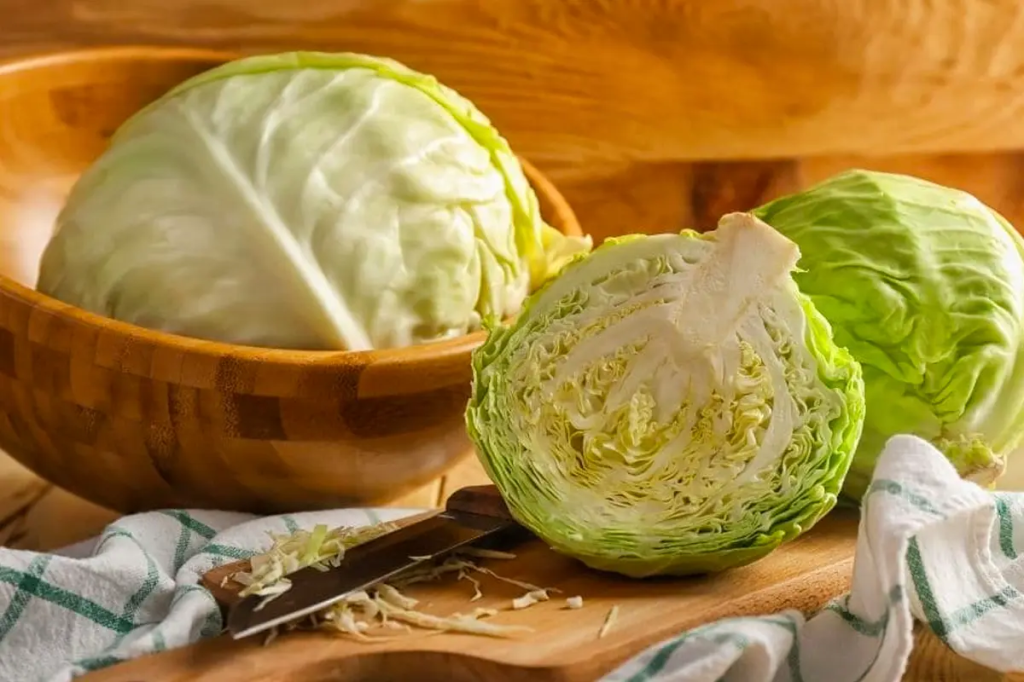
Cabbage is one of the most common vegetables in our daily lives. Because it is so ordinary, many people tend to overlook its remarkable health benefits. While people often say “rarity makes things precious,” the truth is that some of the simplest, most affordable foods are also the most nourishing — and cabbage is one of them.

Once considered “the food of the poor,” cabbage has long been underestimated. In the 15th century, a Parisian writer even remarked that the poor ate cabbages and turnips instead of bread. Perhaps that old prejudice lingers today — many still see cabbage as plain and unrefined. Yet, with rising grocery costs and a renewed interest in wholesome eating, it’s time to rediscover this modest, versatile vegetable and bring it back to our tables.

A Traditional View: Cabbage in Chinese Medicine

According to Traditional Chinese Medicine (TCM), cabbage has a neutral nature and a sweet flavor. It nourishes the stomach and intestines, promoting healthy digestion and balanced energy.

Let’s explore some of its wonderful health benefits:

1. Anti-Aging Properties

Cabbage is rich in antioxidants that combat cellular oxidation and delay the aging process. For those seeking to maintain youthful vitality, a simple bowl of cabbage may hold more power than any expensive serum.

2. Boosts Immunity

Packed with vitamin C, cabbage strengthens the immune system, helping the body fend off colds and infections while enhancing overall energy and resilience.

3. Supports Healthy Blood Pressure

Cabbage contains high levels of potassium, which helps regulate blood pressure by balancing sodium levels and supporting cardiovascular health.

4. Prevents Osteoporosis

Abundant in vitamin K, cabbage aids in blood clotting and calcium absorption, strengthening bones and teeth while preventing osteoporosis.

5. Promotes Digestive Health

Cabbage contains vitamin U, known as the “anti-ulcer factor.” It helps regulate stomach acid, heal ulcers, and soothe the digestive tract. Japanese studies have found that cabbage’s glucosinolates can inhibit Helicobacter pylori, the bacteria linked to gastritis and ulcers.

6. Cancer Prevention

The sulfur-containing compound isothiocyanate gives cabbage its distinctive aroma — and its powerful anti-cancer properties. This compound helps neutralize toxins, protect cells, and reduce cancer risk.

7. Rich in Folic Acid

Folic acid in cabbage is essential for pregnant women, helping prevent fetal malformations and supporting healthy red blood cell production.

8. Anti-Bacterial and Anti-Inflammatory Effects

Cabbage contains natural phytoncides — plant-based antibacterial compounds — that reduce inflammation, fight infections, and even soothe sore throats or small wounds.

Culinary Versatility

Cabbage’s mild flavor and satisfying crunch make it a versatile kitchen staple:

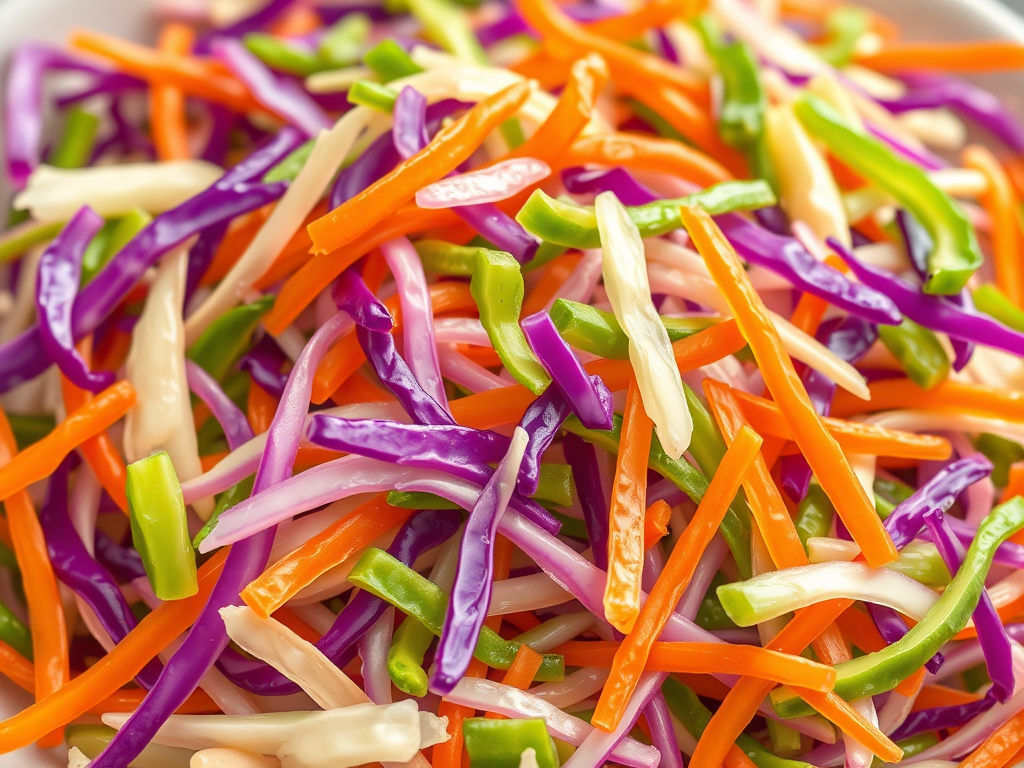
  • Salads and Slaws: Shred cabbage with carrots, apples, or nuts for a refreshing, colorful slaw.
  • Stir-Fry: Sauté with garlic and soy sauce for a simple yet delicious side.
  • Soups and Stews: Add chopped cabbage for extra nutrition and heartiness.
  • Fermented Foods: The star ingredient in sauerkraut and kimchi — both rich in probiotics and flavor.
  • Stuffed Dishes: Use cabbage leaves to wrap rice, lentils, or meats for comforting stuffed rolls.

Lightly Pickled Cabbage: A Liver Cleanser and Detox Aid

Cabbage contains indoles, anti-cancer nutrients that also protect the liver and enhance detoxification. When cabbage is lightly pickled, its benefits multiply.

In Traditional Chinese Medicine, sour flavors are believed to nourish the liver. Lightly pickled cabbage helps detoxify the body, strengthen immunity, beautify the skin, and support cardiovascular and digestive health.

Fermented cabbage is also a powerful probiotic food. Lactobacillus plantarum, a beneficial bacteria from fermented cabbage like kimchi, supports the gut microbiome — the foundation of our immune system and overall well-being.

Easy Recipe: Lightly Pickled Cabbage

Ingredients

  • 500 g cabbage
  • 2 teaspoons salt
  • 1 teaspoon sugar

Instructions

  1. Wash and drain the cabbage, then slice it finely.
  2. Divide into two portions. Place half in a bowl, sprinkle with 1 teaspoon of salt, and gently knead until softened.
  3. Add the remaining half, the rest of the salt, and sugar. Continue kneading until juicy.
  4. Pack into a clean glass jar with its liquid.
  5. Seal and leave in a cool place for half a day to lightly ferment, then refrigerate. Serve chilled.
Shutterstock

Cabbage may not have the glamour of kale or the trendiness of arugula, but it carries quiet strength and wisdom — a reminder that simplicity often hides great value. In a world obsessed with novelty and luxury, perhaps we can learn from this humble vegetable: to nourish deeply, give generously, and thrive quietly.

Link:https://peacelilysite.com/2025/11/06/the-humble-cabbage-an-overlooked-treasure-of-health-and-simplicity/

Global Youth Artists Shine at the Second Annual IAMA International Youth Art Contest Awards Ceremony in San Francisco

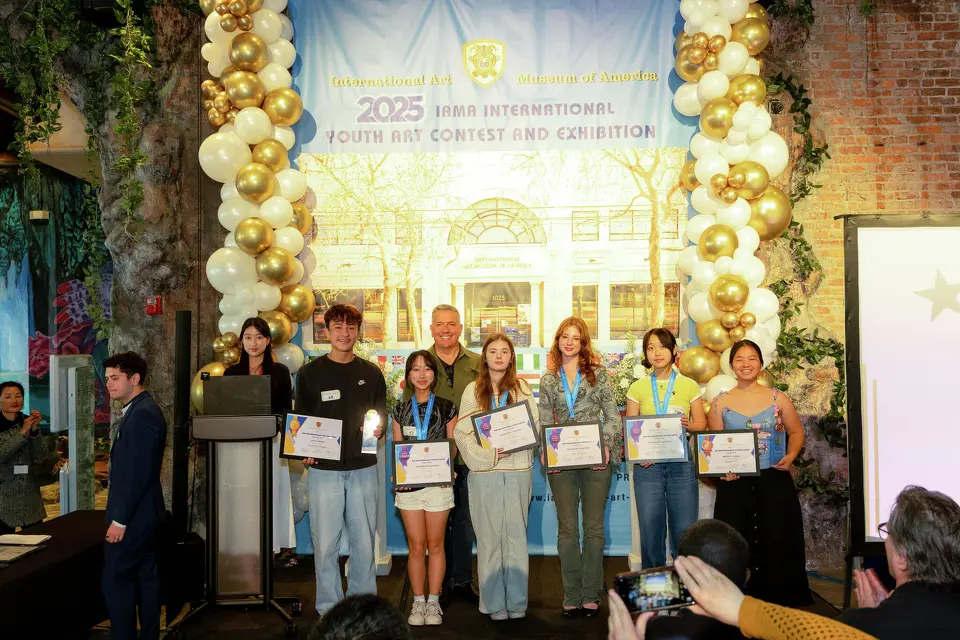
Award recipients from the youngest age group (five- to six-years-old) at the 2025 International Youth Art Contest, pictured with Mr. KC Hsieh, IAMA President.Photo by Johnny Trieu

(Ad) On July 13th, 2025, San Francisco’s International Art Museum of America (IAMA) hosted the awards ceremony for the Second Annual International Youth Art Contest and Exhibition. The museum hosted nearly 400 attendees who were eager to see this year’s exhibition of youth artworks from around the world. Distinguished guests included Mr. Guy Djoken, Executive Director of UNESCO Center for Peace of Washington D.C.; San Francisco District Six Supervisor Matt Dorsey; and Professor Adam Caldwell, Chair of the Jury Committee and faculty member at the Academy of Art University, San Francisco. The ceremony spotlighted the creative achievements of young artists and underscored the museum’s role in fostering cultural exchange and youth artistic expression. Now, in its second year, the International Youth Art Contest and Exhibition continues to expand its reach and impact, advancing IAMA’s mission to champion emerging talent and foster intercultural connection through the arts.

Please visit https://iamasf.org/2025-iama-international-youth-art-contest-and-exhibition.


This year, 1,600 youth participants submitted over 3,800 artworks to the Youth Art Contest. Artists from sixty-five countries across five continents competed within four age groups. After a rigorous selection process evaluating creativity, technical skill, and overall presentation, 477 young artists from seventeen countries were selected to exhibit a total of 616 outstanding works in IAMA’s Grand Exhibition Hall. The artistic caliber and thematic richness of the selected pieces left the jury in awe.  

Attendees of the 2025 International Youth Art Contest viewing the installation in the Grand Exhibition Hall located at 1025 Market Street in San Francisco.Photo by Johnny Trieu

During his address at the awards ceremony, Mr. Guy Djoken offered high commendation for IAMA and its dedicated team, applauding their ongoing commitment to promoting international artistic exchange and cultivating a space where the public can find joy and renewed hope through art. Reflecting on the global turbulence and widespread uncertainty facing today’s global community, Mr. Djoken declared, “At a time when many live in fear—especially of war—just for us to be here at the museum, smiling and happy, and most importantly hopeful about the future—this is the best thing about this competition.” Mr. Djoken’s heartfelt message set a hopeful tone for the awards ceremony and attendees alike.

Executive Director of the UNESCO Center for Peace, Guy Djoken, was deeply impressed by the exceptional quality of the young artists’ work, finding both joy and hope for the future in their creativity.Photo by Johnny Trieu

Award recipients in the eleven – fourteen age group at the 2025 IAMA International Youth Art Contest, joined by Mr. Guy Djoken, Executive Director of the UNESCO Center for Peace in Washington, D.C., who presented the honors during the ceremony.Photo by Johnny Trieu

Matt Dorsey, San Francisco’s District Six Supervisor, also addressed the audience, expressing his appreciation for the International Art Museum of America as a true hidden gem of San Francisco’s art landscape, and pledged his continued support for the museum’s mission and contributions to the community. Supervisor Dorsey offered words of encouragement to all participating youth artists, urging them to pursue their creative passions with perseverance—regardless of the outcome—and to never stop pursuing their artistic dreams.

Award recipients in the fifteen–eighteen age group of the contest were presented with their honors by San Francisco District Six Supervisor Matt Dorsey during the awards ceremony.Photo by Johnny Trieu

Professor Caldwell praised the range of themes and talent amongst all submissions and ages, which made selecting the winners of each age group challenging for the judges. Professor Caldwell noted the importance of international art exchange, stating “It’s a great way to bridge gaps between countries. The artistic community has always crossed political, social, and ethnic borders. Art and music are among the most universal forms of expression. They allow us to feel what others felt… Art brings people together across divides.” Professor Caldwell’s wise words perfectly captured the mission and outcome of the International Youth Art Contest. 
 

Award recipients from the seven – eleven age group honored by Prof. Adam Caldwell—Chair of the Jury Committee, and faculty member at the Academy of Art University, San Francisco.Photo by Johnny Trieu

In this year’s contest, a newly introduced category for the youngest age group—participants ages five to six—garnered enthusiastic engagement from a remarkable number of budding artists. Through their sincere brushwork and vibrant imagination, these children demonstrated an extraordinary innate talent that captivated both audiences and judges alike. 

Dr. Amy Hughes, Jury Committee Member and Director of Student Services at the New York Academy of Art, recognized the courageous creativity of the youth artists reflecting, “I was struck by the fearless creativity on display — the young artists did not shy away from complex themes, experimenting with materials, and expressing deeply personal narratives. Each piece felt authentic and fresh, demonstrating both technical skill, and emotional depth. The entries explored themes ranging from family, community, and environmental justice to dreams, culture, and identity—powerfully reflecting the younger generation’s keen insights and profound emotional connection to the world around them.

Charlotte Wu, third place award recipient in the five- to six-year-old age group, looks up at her winning painting, The Garden Where She Waits.Photo by Johnny Trieu

Lucas Shao, the first place winner of the five- to six-year-old age group, depicted himself joyfully swinging through the air in his painting, Wonderland. When asked about his hopes for his art, Lucas enthusiastically declared “I hope my art makes people happy, warm, big smiles just like me!” 
 

Five-year-old Lucas Shao, winner of first place in the five- to six-year-old age group, stood proudly beside his painting Wonderland, depicting his happiness while swinging on the playground.Photo by Tong Shao

Third place winner of the five- to six-year-old age group, Kedarnath Kalidindi depicted a goldfish in a small fishtank in his painting, Freedom in Captivity, inspired by “finding inner freedom during incarceration.” The addition of this age group was an exciting component of this year’s event, and underscored the value of shining a spotlight on youth artwork, and garnering the wisdom of today’s youth.
 

Five-year-old Kedarnath Kalidindi, third-place winner in the five- to six-year-old age group, introduced his painting, Freedom in Captivity, to the audience.Photo by Johnny Trieu

Ten-year-old Irina Elena Dobrota from Romania was honored with third place in the seven- to ten-year-old age group for her painting, Flight of Dreams, which was selected for the final exhibition at IAMA. Celebrated for its gentle spirit and imaginative vision, the piece radiates themes of kindness, freedom, and hope. Irina’s achievement brought pride and joy to her local community, and she hopes her work will inspire others to believe that every heartfelt wish can take flight—if we have the courage to let it soar.

Third place winner of the seven- to ten-year-old age group, Irina Elena Dobrota’s painting, Flight of Dreams.Photo by IAMA

Ashley Hein, second place winner of the fifteen-to-eighteen-year-old age group, impressed the jury with her painting, Animal Instinct, distinguished by its mature composition and outstanding execution. Professor Caldwell commented that he had shown several of the entries to his university art students, who were deeply moved and inspired by the technical skill and creativity on display. 

Ashley Hein’s artwork, Animal Instinct, won second place in the fifteen- to eighteen-year-old age group.Photo by IAMA


Seventeen-year-old Kate Fieldhouse from South Africa received an honorable mention for her painting Between Worlds, which depicts a striking worldscape through an intense and creative exploration of breaking the canvas. 
 

Seventeen-year-old Kate Fieldhouse from South Africa received an Honorable Mention for her painting Between Worlds.Photo by Johnny Trieu

Sixteen-year-old Polina Larina received an Honorable Mention Award for her painting Moscow Buns Evening. During her interview, Polina shared how she views her art as an opportunity to introduce people to Russian culture, and how the Youth Art Contest inspired her to continue to pursue her art dreams, “It was my first time participating in the IAMA competition. Participation in this competition helped me to feel recognized as an artist, and inspired to keep making art and put more effort into it.” Polina’s painting, inspired by a memorable walk with her grandparents, serves as a reminder to escape into nostalgia and childhood memories in trying times. 
 

Sixteen-year-old Polina Larina (second from right, standing beside her mother) who received an Honorable Mention for her painting Moscow Buns Evening, in the Grand Exhibition Hall, joined by her parents and twin sister.Photo by Johnny Trieu

Following the ceremony, Professor Caldwell gave a masterclass for all participants, offering thoughtful insights on artistic growth, and encouraging continued exploration and confidence in their creative journeys. His masterclass focused on four elements: visual storytelling and composition, techniques and materials, the role of art in communication and expression, and advice for young artists. This is the second year Professor Caldwell has judged the artwork for the contest and delivered a masterclass for attendees of the contest.
 

Professor Caldwell delivered a knowledgeable and enlightening masterclass to attendees and participants. Photo by Johnny Trieu

About IAMA

Located in the heart of San Francisco, IAMA was voted the “Best Art Gallery” and was a finalist as the “Best Museum” in SFGate’s Best of Bay Area 2024. IAMA is dedicated to making world-class art accessible to all through exhibitions, education, and international contests. With a mission to foster peace and happiness through art—especially by nurturing the next generation—IAMA brings together works from around the globe, bridging East and West, classical and contemporary.

For the complete list of winning artworks, please visit https://iamasf.org/2025-iama-international-youth-art-contest-and-exhibition or call (415) 376-6344.

Link:https://peacelilysite.com/2025/07/28/global-youth-artists-shine-at-the-second-annual-iama-international-youth-art-contest-awards-ceremony-in-san-francisco/

Source:https://www.sfgate.com/sponsored-content/article/global-youth-artists-shine-second-annual-awards-20782182.php

Mountain Village with Memories of Mother”: A Painting That Speaks to the Soul

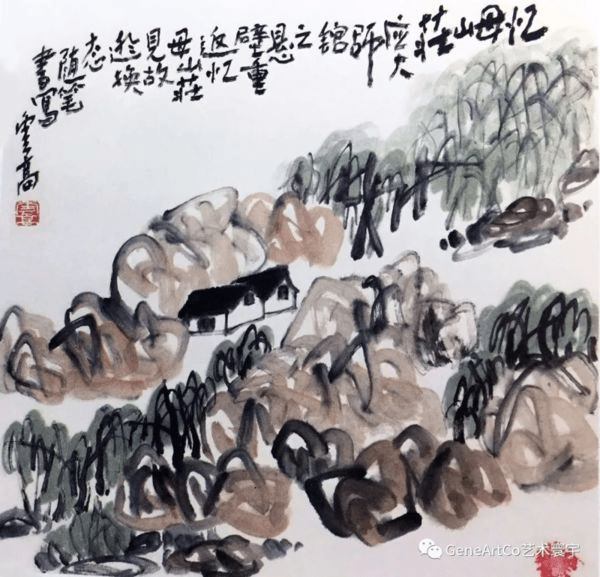
This is a deeply moving landscape painting by H.H.Dorje Chang Buddha III, marked by smooth, flowing brushwork and a natural rhythm. The undulating crimson cliffs seem to rise freely from the artist’s heart, while the vigorous lines brim with vitality and strength. Ink strokes form the skeletal structure of the mountains and rocks, while delicate willows hang softly across the scene, adding a quiet touch of green serenity. The overall palette is vivid but never garish, exuding a warm and nostalgic atmosphere.

In the painting, two thatched cottages nestle beside the mountains and water. Their deep-set doors and silent windows seem to hold untold, quiet stories. It was under these eaves, by these doors, that a loving mother once stood—sending her children off into the world with silent heartache, and waiting countless times in patient hope for their return. That wordless farewell, those tears of longing, have gently seeped into the fabric of time. Among all human emotions, none is greater than a mother’s love. Our memory of that love stirs an innate sense of gratitude—a sacred emotion that transcends the ordinary.

This work embodies the style known as the “Childlike Native School”, which embraces the beauty of rural life through the innocence of a child’s heart. Though the brushstrokes appear naïve and spontaneous, they conceal great depth and mastery. The painting style is free and unrestrained, exuding both boldness and tenderness. The soft, flowing lines connect seamlessly—like a mother’s love, endlessly enduring, gentle yet firm. Its simple composition holds rich emotional meaning and invites the viewer’s imagination to wander. The scene pulses with a childlike liveliness that fills the heart with joy.

The painting’s pure and innocent imagery evokes a return to the carefree days of childhood. No matter where you are, simply gazing at this piece can bring the scene and its emotions vividly before your eyes, awakening the deepest tenderness and longing in your soul.

In creating Mountain Village with Memories of Mother, the artist approached the work with the pure heart of a child, yet painted with the maturity and finesse of a seasoned master. The brush technique draws from traditional Chinese calligraphy—guided by the wrist, powered by the arm—each stroke flowing naturally with graceful spontaneity. This painting was not created for show or technical display, but as a sincere outpouring of emotion and inspiration. Every application of ink and color arises from genuine feeling.

What is art?
At its essence, art is the ability to immediately evoke inner peace, comfort, joy, or spiritual fulfillment in the viewer. But where does this feeling come from? Is it merely the subject matter or visual beauty of the work? Certainly not. A painting does not become great simply because it looks pleasing.

In the context of Chinese painting, the true heart of art lies in a quality called “spiritual resonance” (shen yun). It is vivid, yet elusive—a mysterious charm and subtle power that cannot be described with words. It is born when the artist’s personal cultivation, emotional depth, and spiritual awareness infuse the work, allowing spirit and technique to merge. The result is an artistic vitality that transcends mere form.

Only when viewers are moved by this spiritual resonance do they begin to explore the painting’s formal elements—its composition, color palette, brush technique, balance between painting and calligraphy, and the portrayal of the subject in both spirit and form. While these aspects matter, they ultimately serve a deeper, more profound experience.

In Chinese art, the true value of a painting—its ability to soothe the soul—does not depend on technical skill alone. It lies in whether the work can touch the heart and stir the spirit. Mountain Village with Memories of Mother beautifully embodies this artistic spirit. Every brushstroke gently stirs the viewer’s emotions, evoking tender memories and inviting the soul to linger in its serene beauty.

This exceptional work is housed in the permanent collection of the International Art Museum of America, located in San Francisco—a fitting home for a piece that speaks a universal language of love, nostalgia, and spiritual beauty.

Link:https://peacelilysite.com/2025/07/11/mountain-village-with-memories-of-mother-a-painting-that-speaks-to-the-soul/

Healthy and Easy Vegetarian Recipes for Early Summer

I’ve always enjoyed exploring new recipes, especially when they’re healthy, simple to prepare, and vegetarian. There’s something deeply satisfying about discovering fresh flavors that not only nourish the body but also bring joy to my family and friends.

Recently, I came across a collection of easy and wholesome recipes on Zhaxi Zhuoma’s website. These dishes are perfect for early summer—light, refreshing, and full of natural goodness. I’m excited to share a few of my favorites with you here. I hope they inspire you to enjoy healthy cooking as much as I do!

Tofu with Gochujang Sauce

I fell in love with gochujang and when I bought my first tub from Amazon, I tried it on everything—ok, I didn’t put it on ice cream, but I considered it. It is complex and good enough to just use by itself with a little oil or butter, maybe cut with miso or doenjang (Korean soybean paste) if it is too spicy. Different varieties vary in sweetness and heat, so go easy with it until you get the Goldilock spot for you. I use gochujang paste which keeps forever and is more concentrated. Sometimes it is sold as a sauce and comes with other ingredients like vinegar and sugar added. It is cheaper and can be used, but adjust the other ingredients you add accordingly.

The following is a wish list—use what you have on hand. I rarely have all the ingredients when I feel an urge for Korean flavors. You can use the sauce alone, too—without the tofu or with beans, chicken breasts, shrimp, hamburger, etc. There are some other options to consider.

GOCHUJANG SAUCE

1/4 cup soy sauce

1-2 tbsp gochujang (may be part Korean doenjang or Japanese miso)

1 tsp-2 tbsp maple syrup, brown sugar, honey, monk’s fruit, molasses

1 tbsp avocado or olive oil

1/2 tsp sesame oil

1 clove of garlic, minced or grated

1 inch ginger, minced or chopped

Lime juice & zest or rice vinegar to taste

1/2 tsp black pepper

Toasted sesame seeds sprinkled in

1-2 scallion chopped, white parts may be sauteed first

TOFU

1 tub firm tofu

Neutral oil for sauteing

TOPPINGS:  Green scallions, Sesame seeds, Diced seeded tomatoes, Diced bell peppers, Diced Chili peppers, raw or canned or pickled, Grated cheese, Greek yogurt-whole milk best, Sour cream, Diced Avocados, Fresh raw corn cut off cob, Shredded crisp lettuce or other greens, Finely chopped parsley or cilantro leaves, Finely chopped nuts-walnuts, peanuts, cashews, Fried or poached egg, Baby Shrimp (non-vegetarian), Red onion pickle, etc.

SERVING:  rice, noodles, polenta, pasta, lettuce leaves.

SAUCE OPTIONS:   If you can’t find gochujang, ketchup or tomato paste and chili powder is an option, but no substitute; Coconut milk; Fish sauce (non-vegetarian); Anchovies (non-vegetarian); Kimchi (often non-vegetarian); Grated apple or pear for sweetener; Chickpeas or beans.

Directions:

If you want to use grated cheese as a topping, and I do recommend it, try grating it from a brick and avoid the prepackaged grated cheese. I finally understood why—too often the commercial gratings are dusted with something to preserve shelf-life and they do not melt correctly.

TOFU-CRUMBLED or CUBED:  If you use crumbled tofu, it is best to leave in tub in freezer overnight or longer. The ice crystals that form when frozen -thaw- and extract the water from within the tofu.  You can squeeze the tofu like a sponge and it will expel the majority of the water. It then is very able to absorb whatever sauce you put on it. If you don’t have time to freeze and thaw it, you can still dry or press tofu to remove as much water as possible, then crumble unfrozen tofu with a fork or cut into bite-size cubes. Either way saute  tofu until crispy in neutral oil and add sauce.

TOFU-AIRFRY:  You may also cut tofu into slabs pressing out as much water as possible and then either just rub or spray slab with oil or first dip in starch/flour or Panko crumbs or egg or combination of these and then airfry at 400F for about 10 minutes on both sides or until golden.

Serve tofu with Gochujang Sauce on rice, noodles, polenta, or pasta with your choice of topping(s) or wrap a piece of tofu in lettuce leaves with topping(s) and eat like tiny tamales with your favorite dipping sauce.

Eggs Florentine-Air Fryer or Oven

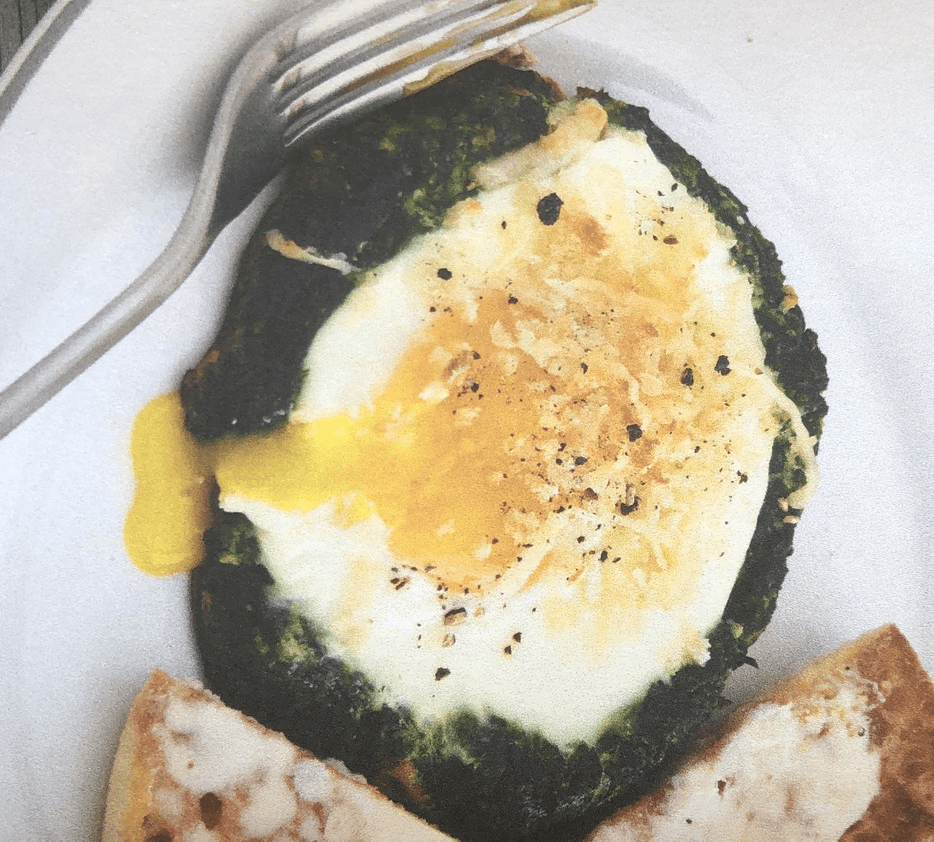
Eggs and spinach are always good together. This is just a contemporary version of a classic. I’m using my air fryer again as I am cooking in my cave instead of the temple kitchen. I do that when someone is doing a Solitary Retreat and needs the kitchen. I try to not have any contact with anyone on such a retreat, but I do sometimes forget, especially when the person doing the retreat is so quiet that I even forget they are also living here. Last week I heard someone shaking the screen door leading to the kitchen and I was sure it was our very pregnant Lucy Lentil trying to find a nest inside and I yelled. She had already ripped the screen and managed to get in before. I had forgotten to close the back door when I went to water the herbs and veggies. It was not Momma Lucy, but a very startled and thoughtful person trying her best to observe silence. Embarassed? Yes,very. Sorry.

Ingredients:

  • 3 Cups Fresh or frozen spinach, thawed and drained,
  • 1/4 Kosher salt,
  • 1/2 Cup Ricotta cheese,
  • 2 Tbsp Heavy cream or coconut cream,
  • 2 Garlic cloves, minced (optional),
  • 1/8 tsp Black pepper,
  • 2 tsp Unsalted butter, melted,
  • 3 Tbsp Grated parmesan cheese,
  • 1/2 Cup Panko gluten-free crumbs,
  • 4 Large eggs.

Directions:

Mix spinach, ricotta, cream, garlic (if used), salt & pepper. Also mix butter, cheese, and panko. Set aside. Scoop spinach mixture into individual serving circles on oiled air fryer basket or sheet pan. Set air fryer to AIR ROAST, set temperature to 375F degrees, and set time to 15 minutes select START/PAUSE to begin preheating. When preheated, slide basket or sheet pan into oven. After 8 minutes, press PAUSE and remove the pan. Make an indentation in each spinach serving, crack an egg into the indentation and sprinkle with panko mixture over the surface of the egg. 

Return the pan to oven and push START to resume cooking. After 5 minutes, check eggs. Cook longer, if needed.

CONVENTIONAL OVEN: Set temperature at 400F degrees. May need to be cooked a few minutes more at each stage.

Chocolate Waffles

Ingredients

  • 4 Eggs, whisked
  • 1/3 Cup canned coconut milk
  • 2 Tbsp maple syrup or raw honey (some kind of sweetener)
  • 1 1/2 Cups almond meal/flour
  • 2 Tbsp heaping unsweetened cocoa
  • 1 tsp baking soda
  • 1/4 Cup dark chocolate chips
  • 1 tsp vanilla extract
  • Sprinkle of cinnamon
  • Pinch of salt

Toppings

Apple sauce, unsweetened creamy almond butter, Greek Yogurt
coconut butter warmed to liquid state
raw pecans chopped
dark chocolate chopped
blueberries

Directions:

Plug in waffle iron. Whisk eggs in a medium-large sized bowl.
Add coconut milk and sweetener and whisk together with eggs.
Next add almond flour and mix more! Then add cocoa powder, baking soda and mix together.

Lastly, add in your chocolate chips, vanilla, salt and cinnamon. Mix together thoroughly.
Pour into waffle iron and cook until cooked through, about 4-5 minutes, until cooked through and crisped up.

4 Servings. I really liked them with the apple sauce toppings and Greek yogurt, but the more traditional maple syrup and butter are great, too. Enjoy!

Link: https://peacelilysite.com/2025/06/13/healthy-and-easy-vegetarian-recipes-for-early-summer/

Source: https://www.zhaxizhuoma.org/category/food-2/

Spring Liver Care: Nourishing Your Body in the Season of Renewal

As spring arrives, Yang energy begins to rise, nature awakens, and the world bursts into vibrant life. This season of renewal is the perfect time to focus on rejuvenation—not just for nature but for our own bodies as well. According to Traditional Chinese Medicine (TCM), the liver is closely linked to spring, making this the ideal time to nourish and support this vital organ.

TCM emphasizes the deep connection between human health and the changing seasons, a concept known as “unity of heaven and man” (天人合一). Spring corresponds to the liver, which governs the body’s ability to detoxify, regulate energy flow, and promote smooth circulation. Just as trees sprout new leaves and flowers bloom, the liver thrives in this season of growth and renewal. Supporting liver health during spring can enhance digestion, boost energy levels, and improve overall well-being.


What you eat plays a significant role in keeping your liver happy. By incorporating the right foods into your diet, you can naturally support your liver’s detoxification processes, reduce inflammation, and promote overall vitality. Here are some of the best foods for liver health, along with easy and delicious ways to prepare them:


1. Leafy Greens (Spinach, Kale, Dandelion Greens, Arugula)

🌿 Why? Leafy greens are packed with chlorophyll, a natural detoxifier that helps remove toxins and heavy metals from the liver. They also contain compounds that aid in bile production, which is essential for digestion and detoxification.

🍽 How to Enjoy:
✔️ Sautéed Greens: Lightly cook with garlic and olive oil to enhance flavor while retaining nutrients.
✔️ Green Detox Smoothie: Blend with lemon, apple, and ginger for a refreshing and cleansing drink.
✔️ Spring Salad: Toss with olive oil, lemon juice, and nuts for a crunchy, nutritious meal.

💡 Tip: Bitter greens like dandelion and arugula are especially powerful for liver health. Try adding them to your salads or lightly steaming them to tone down their bitterness.


2. Turmeric

Why? This golden spice is a superstar for liver health. It contains curcumin, which helps reduce liver inflammation, aids in detoxification, and enhances bile production for better digestion.

🍽 How to Enjoy:
✔️ Golden Milk: Mix turmeric with warm almond milk, honey, and black pepper for a soothing anti-inflammatory drink.
✔️ Turmeric Rice: Cook rice with a pinch of turmeric, garlic, and a bit of coconut oil for a flavorful, healing dish.
✔️ Turmeric Tea: Simmer turmeric with ginger and lemon for a warm, cleansing tea.

💡 Tip: Always pair turmeric with black pepper or healthy fats (like coconut oil or olive oil) to enhance its absorption.


Photo by Marcelo Verfe on Pexels.com

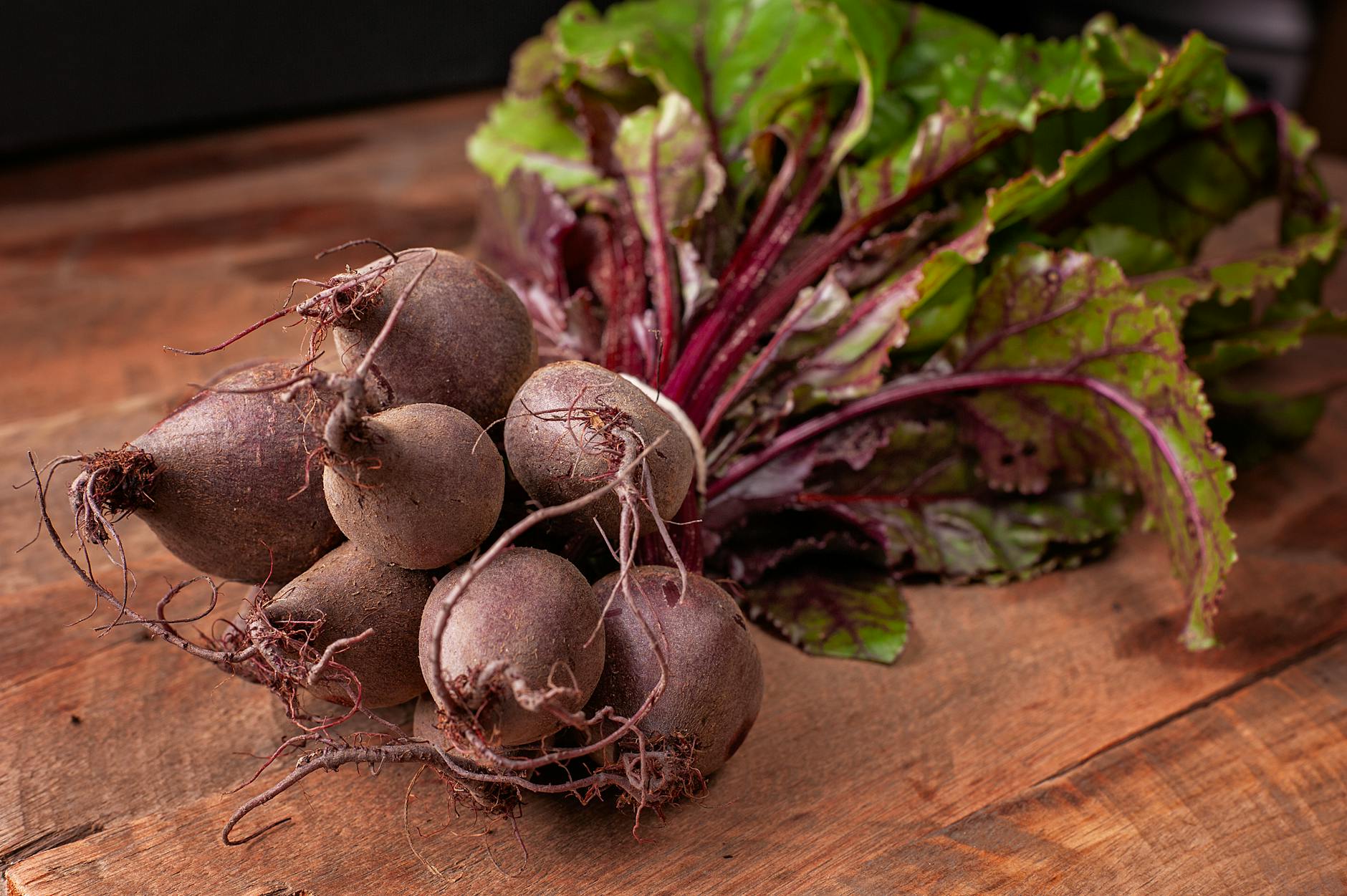
3. Beets

❤️ Why? Beets are rich in betalains, powerful antioxidants that support liver detoxification and reduce inflammation. They also boost bile flow, helping the liver break down fats and eliminate toxins more efficiently.

🍽 How to Enjoy:
✔️ Roasted Beets: Slice and roast with olive oil, rosemary, and sea salt for a sweet, earthy side dish.
✔️ Beet Detox Juice: Blend beets with carrots, ginger, and lemon for a vibrant, liver-cleansing drink.
✔️ Beet & Goat Cheese Salad: Toss roasted beets with arugula, walnuts, and goat cheese for a delicious and nutritious salad.

💡 Tip: Beets can stain your hands and cutting board—rub them with lemon juice to remove the color easily!


4. Garlic

🧄 Why? Garlic contains sulfur compounds that activate liver enzymes responsible for flushing out toxins. It also supports immune function and helps reduce fatty buildup in the liver.

🍽 How to Enjoy:
✔️ Garlic Stir-fry: Add minced garlic to sautéed vegetables or meats for extra flavor and health benefits.
✔️ Garlic Soup: Simmer garlic with bone broth, onions, and herbs for a comforting, healing meal.
✔️ Garlic Honey Remedy: Crush fresh garlic and mix with honey for an immune-boosting, liver-friendly tonic.

💡 Tip: To maximize garlic’s health benefits, let chopped garlic sit for 10 minutes before cooking—this enhances its beneficial compounds.


5. Fatty Fish (Salmon, Mackerel, Sardines)

🐟 Why? Fatty fish are packed with omega-3 fatty acids, which help reduce liver fat, fight inflammation, and promote overall liver health. They also support healthy cholesterol levels and brain function.

🍽 How to Enjoy:
✔️ Grilled Lemon-Garlic Salmon: Marinate with olive oil, garlic, and lemon juice before grilling.
✔️ Miso-Glazed Mackerel: Bake with miso paste, ginger, and a touch of honey for a flavorful dish.
✔️ Sardine Avocado Toast: Mash sardines with avocado and lemon juice, then spread on whole-grain toast.

💡 Tip: Aim to eat fatty fish at least twice a week for optimal liver benefits.


6. Walnuts

🥜 Why? Walnuts are rich in glutathione, an essential antioxidant that helps detox the liver. They also provide omega-3 fatty acids, which reduce liver inflammation and support brain health.

🍽 How to Enjoy:
✔️ Walnut Pesto: Blend walnuts with basil, garlic, and olive oil for a delicious sauce.
✔️ Walnut Oatmeal: Sprinkle crushed walnuts over oatmeal with honey and cinnamon for a nutritious breakfast.
✔️ Roasted Walnut Snack: Lightly toast walnuts with a sprinkle of cinnamon and sea salt for a crunchy, liver-loving snack.

💡 Tip: Soaking walnuts overnight can improve digestion and nutrient absorption.


7. Lemon & Citrus Fruits

🍋 Why? Citrus fruits are packed with vitamin C and antioxidants, which support liver detoxification and boost the immune system. They also help stimulate bile production, which aids in digestion.

🍽 How to Enjoy:
✔️ Morning Lemon Water: Start your day with warm lemon water to flush out toxins and boost digestion. Add some honey to make it taste better.
✔️ Citrus Salad: Mix orange slices with fennel, pomegranate seeds, and olive oil for a refreshing dish.
✔️ Homemade Citrus Dressing: Blend lemon juice, olive oil, and honey for a flavorful salad dressing.

💡 Tip: Drinking lemon water before meals can help stimulate digestion and improve nutrient absorption.

There are several other foods that are also beneficial for your liver, such as carrots, apples, cabbage, and goji berries. Incorporating them into your diet regularly can help support liver health.


As nature awakens in spring, so too should our approach to health. Since the liver plays a crucial role in detoxification, metabolism, and emotional balance, it’s essential to nurture it during this season of renewal. Along with a nutrient-rich diet, mindful lifestyle choices such as regular exercise, restful sleep, and emotional well-being can help maintain liver vitality and overall harmony.

By embracing optimism, managing stress, and supporting the liver with wholesome foods, we align ourselves with the natural rhythms of spring. Let this season be a time of nourishment, balance, and rejuvenation. May we all welcome the warmth and energy of spring with a strong, healthy liver and a joyful heart! 🌿✨

Link:https://peacelilysite.com/2025/03/13/spring-liver-care-nourishing-your-body-in-the-season-of-renewal/

8 After-Dinner Rituals That Can Help In Digestion And Prevent Bloating

By incorporating these simple post-meal rituals, you can support your digestive system, alleviate discomfort, and avoid the dreaded bloating that often follows a big meal. 

Written By Olivia Sarkar| Last Updated: Jan 06, 2025, 04:52 PM IST|Source: Bureau

After enjoying a hearty meal, it’s not uncommon to feel uncomfortable or sluggish. Digestive issues like bloating, indigestion, or an uneasy feeling can linger long after the last bite. Fortunately, there are simple after-dinner rituals that can support your digestion and help prevent bloating, leaving you feeling lighter and more at ease. Below are eight effective practices that can make a world of difference to your digestive health.

1. Take a Gentle Walk
After a meal, taking a light walk can be one of the most beneficial things for your digestive system. A short 10-15 minute stroll helps stimulate the digestive process by encouraging the stomach to empty more quickly, reducing bloating and discomfort. It also promotes the movement of food through the intestines, preventing constipation.

2. Sip Warm Water or Herbal Tea
Drinking warm water or herbal tea, such as peppermint, ginger, or chamomile, can greatly improve digestion. These teas have natural properties that soothe the stomach, reduce bloating, and promote the movement of food through your digestive system. Ginger, in particular, can help reduce nausea and gas, while chamomile works as a calming agent to relax your stomach muscles.

3. Avoid Lying Down Immediately
Though it might feel tempting to lounge on the couch after a large meal, lying down too soon can actually slow down the digestive process. Gravity helps food and acid stay in the stomach, and lying flat can increase the risk of acid reflux and bloating. Wait at least 30 minutes to an hour before reclining to allow your body time to process the food.

4. Practice Deep Breathing
After eating, try engaging in deep breathing exercises. This helps stimulate the parasympathetic nervous system (also known as the “rest and digest” system), encouraging optimal digestion. Deep breathing can also reduce stress, which can otherwise impair digestion and cause bloating or discomfort.

5. Massage Your Abdomen
Gentle self-massage can aid in digestion by stimulating the movement of food through the intestines. Use your fingertips to massage your stomach in a clockwise motion (the direction of digestion) for a few minutes. This simple act can help ease bloating, relieve gas, and promote digestion.

6. Incorporate Probiotics
Probiotics are beneficial bacteria that support gut health and digestion. After dinner, consider consuming foods rich in probiotics, such as yogurt, kefir, or fermented vegetables. Alternatively, a probiotic supplement may help maintain a healthy balance of gut bacteria, reducing bloating and improving overall digestion.

7. Stay Hydrated, But Avoid Over Drinking
Drinking water throughout the day aids digestion, but drinking too much water immediately after a meal can dilute stomach acid, impairing your body’s ability to break down food. Try sipping water in moderation after dinner, but avoid excessive consumption right away. This ensures proper digestive function without overwhelming your stomach.

8. Avoid Carbonated Drinks
Carbonated drinks, including sodas and sparkling water, introduce gas into your stomach, which can lead to bloating. After dinner, it’s best to skip the bubbles. Stick to still water or herbal teas, which are far more conducive to smooth digestion.

Fennel seeds are a natural remedy for boosting digestion. Try chewing some after your meal to see if they work for you. From taking a short walk to sipping herbal tea and massaging your abdomen, these habits can make a significant difference in how you feel after dinner. Your digestive health is a reflection of your lifestyle, so taking small, consistent steps can lead to long-term benefits, allowing you to enjoy your meals without the aftermath of discomfort.

Link:https://peacelilysite.com/2025/01/13/8-after-dinner-rituals-that-can-help-in-digestion-and-prevent-bloating/

Source: https://zeenews.india.com/lifestyle/8-after-dinner-rituals-that-can-help-in-digestion-and-prevent-bloating-2840271.html (This article is intended for your general information only. Zee News does not vouch for its accuracy or reliability.)

Nutrigenomics: Exploring the Science of Genes and Diet

In recent years, nutrigenomics—the scientific study of how genes influence our body’s response to food—has gained significant attention. As research in genetics and nutrition continues to advance, this field is paving the way for more personalized health strategies, particularly in the areas of diet and weight management. Understanding how genes affect our reactions to specific foods provides deeper insights into individual health needs, driving the development of personalized wellness approaches.

At the core of nutrigenomics lies the principle that our genetic makeup plays a crucial role in food metabolism. For instance, some individuals may be genetically predisposed to metabolize carbohydrates more efficiently, while others tend to store fat more easily. These insights empower health professionals to design customized dietary plans based on genetic testing rather than relying on generalized nutritional recommendations.

Recent studies have shown that genetic variations can influence how nutrients are absorbed, how efficiently the body burns calories, and even how hunger is experienced. For example, specific variations in the FTO gene have been linked to a higher risk of obesity, as some individuals gain weight more easily due to the way their bodies process food. Similarly, variations in genes like PPARG can impact fat metabolism, further emphasizing the potential of personalized nutrition strategies based on genetic data.

Nutrigenomics introduces a revolutionary approach to weight management. Traditional diets often follow a “one-size-fits-all” model, which may not be effective for everyone. By using genetic data, nutritionists and health experts can develop personalized dietary plans tailored to an individual’s metabolic needs, resulting in more effective weight management.

For example, genetic testing can reveal a person’s sensitivity to fats or carbohydrates, guiding the ideal macronutrient balance for their body. If someone’s genetic profile indicates a higher risk of insulin resistance, a low-glycemic diet may be recommended to help prevent blood sugar spikes and support weight loss. This tailored strategy often proves more effective than generic diets that overlook individual differences.

The Advantages of Personalized Diet Plans

Nutrigenomics brings a significant advantage to dietary planning: personalization. Rather than relying on generalized advice or fleeting diet trends, nutrigenomics empowers individuals to approach health management scientifically. By integrating genetic testing with dietary adjustments, people can achieve better health outcomes and a deeper understanding of their own bodies.

Key benefits of personalized diets include:

  • Improved Metabolic Health: Tailored diets help optimize the body’s ability to process food and maintain a healthy weight.
  • Precise Nutrient Recommendations: Instead of guessing which foods are most beneficial, personalized nutrition ensures individuals receive the nutrients their body specifically needs.
  • Sustainable Weight Management: Nutrigenomics-based diets promote long-term healthy habits by aligning with genetic predispositions rather than short-term trends.

Additionally, nutrigenomics may support preventive health strategies. Genetic testing can identify predispositions to conditions such as heart disease, diabetes, or nutrient deficiencies, allowing individuals to make proactive dietary changes for long-term wellness.

The future of health management is becoming increasingly personalized, with nutrigenomics at the forefront of this transformation. As the field continues to evolve, more health centers are likely to offer genetic testing services to help individuals create personalized nutrition and wellness plans. This data-driven approach reflects a broader trend where people are empowered to take greater control of their health through scientific insights.

While the potential of nutrigenomics is promising, it remains a developing science. Experts emphasize the need for further research to fully understand the complex relationship between genes and diet. Additionally, as the field matures, ethical considerations and privacy concerns must be carefully addressed to ensure individuals are fully informed and protected when sharing their genetic data.

Nutrigenomics represents a powerful fusion of genetic science and nutrition, offering the potential for health strategies tailored to individual genetic profiles. This emerging science can help design diets that promote optimal weight loss, improve metabolic health, and prevent chronic illnesses.

Though still in its early stages, nutrigenomics has the potential to revolutionize health management, making weight control and wellness strategies more effective and sustainable. As research continues to expand, genetic testing could become a key tool in unlocking healthier, more personalized lifestyles for everyone.

Link:https://peacelilysite.com/2025/01/07/nutrigenomics-exploring-the-science-of-genes-and-diet/

Source: https://worldreporter.com/nutrigenomics-tailoring-health-based-on-genes/?fbclid=IwZXh0bgNhZW0CMTAAAR3NXfx9dzeIsmcSiP248IMGxMkppa2gMAEtjuZOgMr7pyU1EaMqk5e5Aio_aem_eY5AmQ5X9nw8JxIaQeZaBg

The Temple Way of Eating: Lessons in Gratitude, Simplicity, and Reducing Waste

During a visit to Holy Vajrasana Temple, I encountered the beautiful and meaningful practice of Oryoki. Often translated as “just the right amount,” Oryoki is a ritualized way of serving and eating food that combines efficiency, mindfulness, and gratitude. Its roots trace back to the Buddha’s time, embodying the Middle Way of taking neither too much nor too little—an ethos that resonates deeply with the principles of simplicity and compassion.

What Is Oryoki?

Oryoki originated during the Tang Dynasty in China and later influenced practices such as the Japanese tea ceremony. It is widely practiced in Zen monasteries as a way to unify daily life with spiritual practice. The ritual involves a meticulous series of hand gestures, silence, and mindfulness during the meal.

Monks sit in meditation posture, waiting to offer their empty bowls to servers, who portion food to the requested amount. Every movement is intentional, every crumb is appreciated, and every element is designed to minimize waste. Even the water used to wash the bowls is partially consumed and the remainder returned to the earth, often to nourish the garden.

Simple and Balanced Eating

The meals at Holy Vajrasana Temple reflect the Oryoki tradition, featuring fresh fruits, vegetables, whole grains, and tofu. With minimal spices or stimulants, these meals are designed to nourish the body while keeping the mind clear and alert. Every effort is made to include the five flavors—sweet, salty, sour, bitter, and umami—and the five colors—red, green, white, yellow or orange, and black, blue, or purple.

Chefs follow the principle of eating simply, allowing the natural flavors of ingredients to shine. Eating in silence encourages mindfulness, helping participants savor each bite and truly appreciate the food’s journey from soil to plate.

Lessons in Gratitude and Reducing Waste

One of the most profound lessons from Oryoki is its emphasis on gratitude and sustainability. The practice reminds us to take only what we need and waste nothing. Participants are encouraged to finish their meals completely, leaving no remnants.

This principle can extend to our daily lives, especially during the holiday season when overindulgence and waste are common. By being mindful of portion sizes, recycling food scraps, and making thoughtful purchasing decisions—like avoiding vegetables wrapped in plastic—we can honor the spirit of gratitude and reduce our environmental footprint.

A Holiday Reminder: Gratitude Over Excess

As the holiday season approaches, let us take inspiration from these temple traditions. Instead of overindulging, savor each meal with mindfulness and gratitude. Remember those around the world who face hunger daily, and let this awareness guide us to be more conscious and compassionate in our eating habits.

Wishing you a joyful, mindful, and healthy holiday season! Let us cherish the food on our plates, honor the hands that prepared it, and commit to a less wasteful, more compassionate way of living.

Link: https://peacelilysite.com/2024/11/08/the-temple-way-of-eating-lessons-in-gratitude-simplicity-and-reducing-waste/

Source: https://tricycle.org/magazine/eating-just-right-amount/