The Double Ninth Festival: A Celebration of Longevity, Family, and Filial Piety

The Double Ninth Festival, also known as Chongyang Festival, falls on the ninth day of the ninth lunar month each year. In 2024, this special day is observed on October 10th. In ancient Chinese philosophy, as referenced in the I Ching, the number “nine” is considered a yang number, symbolizing strength and vitality. The festival’s name, “Double Ninth” or “Chongyang,” refers to the doubling of this powerful number, representing longevity and blessings.

The pronunciation of “九九” (jiǔ jiǔ) sounds similar to “久久,” which means “long-lasting.” On this day, as autumn unfolds with its vivid hues, people gather to hike, enjoy the red cornelian cherries in bloom, eat Chongyang cakes, and drink Chongyang wine, all while offering prayers for well-being and longevity. The number nine, being the highest single-digit odd number, is symbolic of long life, carrying with it the wishes of good health and longevity for the elderly. As time passes and human lives inevitably age, nature remains timeless, and we all must face the farewells that are a part of life.

Chongyang Festival is one of China’s most significant traditional holidays, and over the centuries, its customs have continued to thrive. People climb to high places to seek blessings, enjoy autumn scenery, appreciate chrysanthemums, and wear cornelian cherry (茱萸) as part of the ancient traditions. The festival has also become China’s officially designated Senior Citizens’ Day, a reflection of the nation’s cultural emphasis on honoring the elderly, with filial piety at the heart of the celebrations. The deep respect for elders, a core Chinese value, is encapsulated in the tradition of (xiào), which has remained unchanged through the ages.

Historical records of Chongyang customs date back to Lüshi Chunqiu, and by the Han dynasty, it became common for people to wear cornelian cherries and drink chrysanthemum wine during the festival in hopes of promoting longevity. The chrysanthemum, admired for its elegance and resilience to frost, has long symbolized the virtuous gentleman in Chinese culture. During Chongyang, chrysanthemums bloom in abundance, and the festival would be incomplete without them. As the saying goes, “Without chrysanthemums, there is no Chongyang.” Ancient people lit chrysanthemum lanterns, decorated the streets with flower displays, and gathered to admire the blossoms in the evening, adding a special charm to the festival.
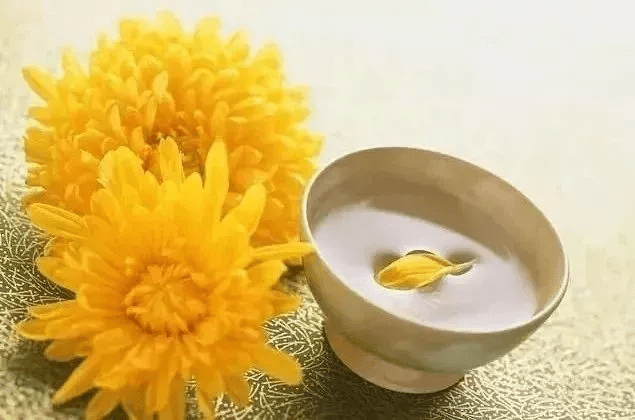
Tao Yuanming, one of China’s most beloved poets, wrote in the preface to Leisure at the Ninth Day: “In my leisure, I cherish the name of the Double Ninth Festival. With the garden full of chrysanthemums, I long for the wine but find none; so I simply sip the nine flowers in their essence.”

This imagery beautifully captures the festival spirit of sipping wine infused with chrysanthemum petals, a practice believed to preserve health and vitality. Wine has always been a key part of festive celebrations, and during Chongyang, chrysanthemum wine is essential. This traditional drink is believed to ward off misfortune and bring longevity.

The festival’s atmosphere is enhanced by the vibrant scenery of autumn. As the hills are covered in yellow flowers, one can imagine the joy of gathering with friends, sharing a drink, and admiring the beauty of chrysanthemums. This sense of togetherness is echoed in the works of Tang dynasty poet Meng Haoran, who described the simple pleasures of sitting with old friends by the window, drinking wine, and chatting while watching the lush vegetable garden outside. Such moments, rich in warmth and simplicity, remind us of the importance of human connection and the passage of time.

A key custom during Chongyang is wearing cornelian cherry. This tradition was especially popular during the Tang dynasty, as people believed that wearing these fruits could protect them from misfortune.

Cornelian cherries were worn on the head, the arm, or carried in sachets, serving as symbols of protection and unity among family and friends. The poet Wang Wei famously captured this sentiment in his poem Thinking of My Brothers on the Double Ninth:

“Alone, a stranger in a foreign land,
I long for my kin on every holiday.
I know my brothers are climbing high with cornelian cherries,
But there is one less person among them.”

His words reflect the deep homesickness and yearning for family, feelings that resonate with many who are far from home during important festivals.

Flower Cakes

Another significant tradition is eating flower cakes during Chongyang. The word “糕” (cake) sounds like “高” (high), and eating these cakes symbolizes the desire for life to “rise to new heights.” On the morning of Chongyang, mothers place small cakes on their children’s foreheads while whispering prayers for their health and safety, a heartwarming expression of parental love.

As autumn progresses and the white dew turns to frost, people celebrate the Double Ninth Festival by eating flower cakes, climbing to high places, and admiring the red leaves that blanket the hills. These simple yet profound traditions deepen the connection to nature and soften the heart’s longing for home.

The Chongyang Festival is not just a time to honor the elderly but also a celebration of the timeless values of family, respect, and filial piety. As families gather to enjoy the view from high hills and savor these precious moments together, they strengthen the bonds of kinship, appreciating the blessings of health, longevity, and the beauty of life’s passing seasons.

Link: https://peacelilysite.com/2024/10/11/the-double-ninth-festival-a-celebration-of-longevity-family-and-filial-piety/

Photos From: https://news.qq.com/rain/a/20241011A03NUI00

People who stay joyful in their 70s and beyond usually adopt these 9 daily habits

Photo by RDNE Stock project on Pexels.com

by Lachlan Brown | July 18, 2024, from GlobalEnglishEditing

There’s a significant contrast between simply aging and aging joyfully.

This difference often boils down to habits. While some folks let the years weigh them down, others seem to dance through their 70s and beyond with a smile on their face.

Those who age joyfully are not just lucky. They adopt certain daily habits that keep them buoyant and full of life.

I’ve noticed that there are some key habits that these joyful individuals share. And, if you’re anything like me, you’ll want to know what these habits are.

Ahead are nine daily habits typically adopted by those who stay joyful in their 70s and beyond.

1) They embrace change

When it comes to aging joyfully, adaptability is key.

Those in their 70s and beyond who continue to thrive are often those who have mastered the art of embracing change.

Whether it’s technology, changing family dynamics or shifts in their physical capabilities, they don’t resist. Instead, they adapt and learn.

It’s a simple concept, but not always easy to follow. Change can be daunting. It can be uncomfortable. But it’s also inevitable.

The trick to embracing change lies in shifting your perspective. Instead of viewing change as a threat, view it as an opportunity for growth and new experiences.

The secret? Stay open-minded, stay curious and never stop learning.

This simple daily habit of embracing change can make a world of difference in your outlook on life as you age. It keeps you stimulated, engaged and, most importantly, joyful.

Photo by Andrea Piacquadio on Pexels.com

2) They practice gratitude

One thing I’ve noticed about those who stay joyful in their later years is their capacity for gratitude.

Let me share a personal example. My grandmother, in her 80s, has a daily habit of expressing gratitude. Every morning, she sits by her window with a cup of tea and lists out loud the things she’s thankful for.

Sometimes it’s big things like family and health, sometimes it’s small things like a beautiful sunrise or the sound of birds chirping. The size of the blessing doesn’t matter; what matters is the act of acknowledging it.

I’ve seen how this simple practice has shaped her perspective on life. She focuses on the positive, and this focus radiates joy.

Practicing daily gratitude, I’ve learned from her, is an accessible habit anyone can adopt to age more joyfully.

3) They stay socially active

Contrary to the popular perception of aging as a lonely process, many who remain joyful in their later years do so by maintaining a vibrant social life.

Research in the field of gerontology suggests that social interactions play a crucial role in our mental health and overall well-being as we age.

Staying socially active doesn’t necessarily mean attending grand parties or being constantly on the move. It can be as simple as regular phone calls with a friend, participating in community events, or volunteering for a cause close to your heart.

The key is to stay connected with the world around you. This not only keeps you mentally stimulated but also provides a sense of belonging and purpose, all of which contribute to a joyful mindset.

4) They keep moving

Photo by Marcus Aurelius on Pexels.com

Physical activity is another common habit among those who age joyfully.

They understand the value of keeping their bodies moving. It might be a daily walk around the neighborhood, a yoga class, or even gardening in the backyard. The type of activity doesn’t matter as much as the consistency of being active.

Staying physically active has multiple benefits. It keeps you fit, improves your mood by releasing endorphins (the ‘feel-good’ hormones), and can even enhance cognitive function.

So if you want to join the ranks of those aging joyfully, don’t underestimate the power of movement. Make it a point to stay active and your body, as well as your mind, will thank you for it.

5) They nurture their hobbies

Folks who age with joy tend to have a passion or hobby that they keep alive.

Be it painting, dancing, knitting, or even bird watching, they understand the importance of doing something that brings them genuine happiness. This isn’t about productivity or achievement; it’s about enjoyment.

Having a hobby provides a sense of purpose, keeps the mind engaged, and offers a great way to unwind and relax. It’s a personal space that brings contentment and fulfilment.

So, if there’s something you’ve always wanted to try or an old passion you’ve left behind, now might be the perfect time to pick it up again. It could become your key to aging joyfully.

6) They prioritize relationships

The golden years can be truly golden when filled with meaningful relationships. Those who age joyfully often prioritize their relationships, understanding the deep happiness and comfort that comes from loving and being loved. They make time for their family and friends, cherishing the shared laughs, stories, and even the quiet moments of companionship.

They know that life is filled with ups and downs, and having someone by your side through it all makes the journey more beautiful. These relationships provide emotional security, a sense of belonging, and help to keep loneliness at bay.

Remember, it’s not about having a large number of acquaintances but nurturing a few relationships that are close to your heart. As you age, these bonds can become your greatest source of joy.

7) They practice mindfulness

I’ve seen the power of mindfulness in action. My father, now in his late 70s, has a habit of spending a few minutes every day in quiet reflection.

This isn’t about religious beliefs or meditation practices; it’s about taking a moment to be present, to acknowledge and accept the way things are, without trying to change anything.

On particularly challenging days, he says these moments of mindfulness help him handle stress better, bring clarity to his thoughts, and cultivate a calm demeanor.

By being in the present moment, we can appreciate the beauty of life as it unfolds, even with its imperfections. This sense of acceptance and peace can be a powerful tool for staying joyful as we age.

8) They maintain a balanced diet

Food plays a critical role in our overall well-being, and this is especially true as we age. Those who age joyfully are often mindful of what they eat. They understand that a balanced diet is not just about maintaining physical health, but also about ensuring mental well-being.

They opt for nutritious foods that boost energy levels, enhance mood, and support cognitive function. This doesn’t mean they never indulge in their favorite treats; instead, they aim for a balance that serves both their health and their taste buds.

Eating right can help you feel your best and keep you energized, both of which contribute to a joyful outlook on life.

9) They keep a positive mindset

Above all, those who age joyfully understand the power of a positive mindset.They choose to focus on the good in their lives and in the world around them. They believe in the potential for happiness each new day brings, no matter what challenges it might also carry.

A positive mindset isn’t about ignoring life’s difficulties. It’s about choosing to see beyond them, to find hope and joy even in the hardest of times.

This habit, more than any other, shapes their experience of life as they age. It’s what keeps them resilient, hopeful, and most importantly, joyful.

At the heart of aging joyfully lies a fundamental choice we all have the power to make.

The choice to embrace change, to express gratitude, to stay socially and physically active. The choice to nurture hobbies, prioritize relationships, practice mindfulness, maintain a balanced diet and, above all, keep a positive mindset.

It’s these choices, these daily habits that shape our experience of life as we age. They are the threads that weave together the fabric of a joyful existence in our later years.

Link:https://peacelilysite.com/2024/07/23/people-who-stay-joyful-in-their-70s-and-beyond-usually-adopt-these-9-daily-habits/

Source: https://geediting.com/author/lachlanhackspirit-com/

Healthy childhood diet can ‘keep mind sharp into 70s’ and ward off dementia

From The Guardian

Study is first to track people at different time points in life and finds close link between nutrition and cognitive ability

A healthy diet in childhood can help protect mental sharpness into old age. Photograph: Katarzyna Bialasiewicz/Alamy


A healthy diet earlier in life could help keep you mentally sharp into your 70s, and even ward off dementia, according to research that followed thousands of Britons for seven decades.

While most studies on diet and cognitive ability have focused on people already in or reaching old age, the new review was the first to track people throughout their life – from the age of four to 70 – and suggests the links may start much earlier than previously recognised.

The research adds to a growing body of evidence that a healthy diet could reduce the risk of Alzheimer’s disease and slow age-related cognitive decline. The findings were presented at the annual meeting of the American Society for Nutrition.

“These initial findings generally support current public health guidance that it is important to establish healthy dietary patterns early in life in order to support and maintain health throughout life,” said Kelly Cara, of Tufts University in Massachusetts.

Our findings also provide new evidence suggesting that improvements to dietary patterns up to midlife may influence cognitive performance and help mitigate, or lessen, cognitive decline in later years.”

Cognitive performance can still improve well into middle age, but typically begins to decline after age 65, the researchers said. More serious conditions such as dementia can also develop alongside age-related decline.

For the new research, scientists studied 3,059 adults from the UK who were enrolled as children in a study called the National Survey of Health and Development. Members of the cohort, called the 1946 British Birth Cohort, have provided data on dietary intakes, cognitive outcomes and other factors via questionnaires and tests over more than 75 years.

Researchers analysed participants’ diet at five time points in relation to their cognitive ability at seven time points. Dietary quality was closely linked with trends in cognitive ability, they found.

For example, only 8% of people with low-quality diets sustained high cognitive ability and only 7% of those with high-quality diets sustained low cognitive ability over time compared with their peers.

Cognitive ability can have a significant impact on quality of life and independence as people age, the researchers said. For example, by the age of 70, participants in the highest cognitive group showed a much higher retention of working memory, processing speed and general cognitive performance compared with those in the lowest cognitive group.

In addition, nearly a quarter of participants in the lowest cognitive group showed signs of dementia at that time point, while none of those in the highest cognitive group showed signs of dementia.

While most people saw steady improvements in their diet throughout adulthood, the researchers noted that slight differences in diet quality in childhood seemed to set the tone for later life dietary patterns, for better or worse.

“This suggests that early life dietary intakes may influence our dietary decisions later in life, and the cumulative effects of diet over time are linked with the progression of our global cognitive abilities,” Cara said.

Photo by furkanfdemir on Pexels.com

Study participants who sustained the highest cognitive abilities over time relative to their peers tended to eat more recommended foods such as vegetables, fruits, legumes and whole grains, and less sodium, added sugars and refined grains.

“Dietary patterns that are high in whole or less processed plant-food groups including leafy green vegetables, beans, whole fruits and whole grains may be most protective,” said Cara.

“Adjusting one’s dietary intake at any age to incorporate more of these foods and to align more closely with current dietary recommendations is likely to improve our health in many ways, including our cognitive health.”

Link:https://peacelilysite.com/2024/07/05/healthy-childhood-diet-can-keep-mind-sharp-into-70s-and-ward-off-dementia/

Source: https://www.theguardian.com/society/article/2024/jul/01/healthy-diet-in-childhood-keeps-mind-sharp-into-70s-and-wards-off-dementia

Unveiling the Potency of Willpower: Transforming Lives Through Self-Control

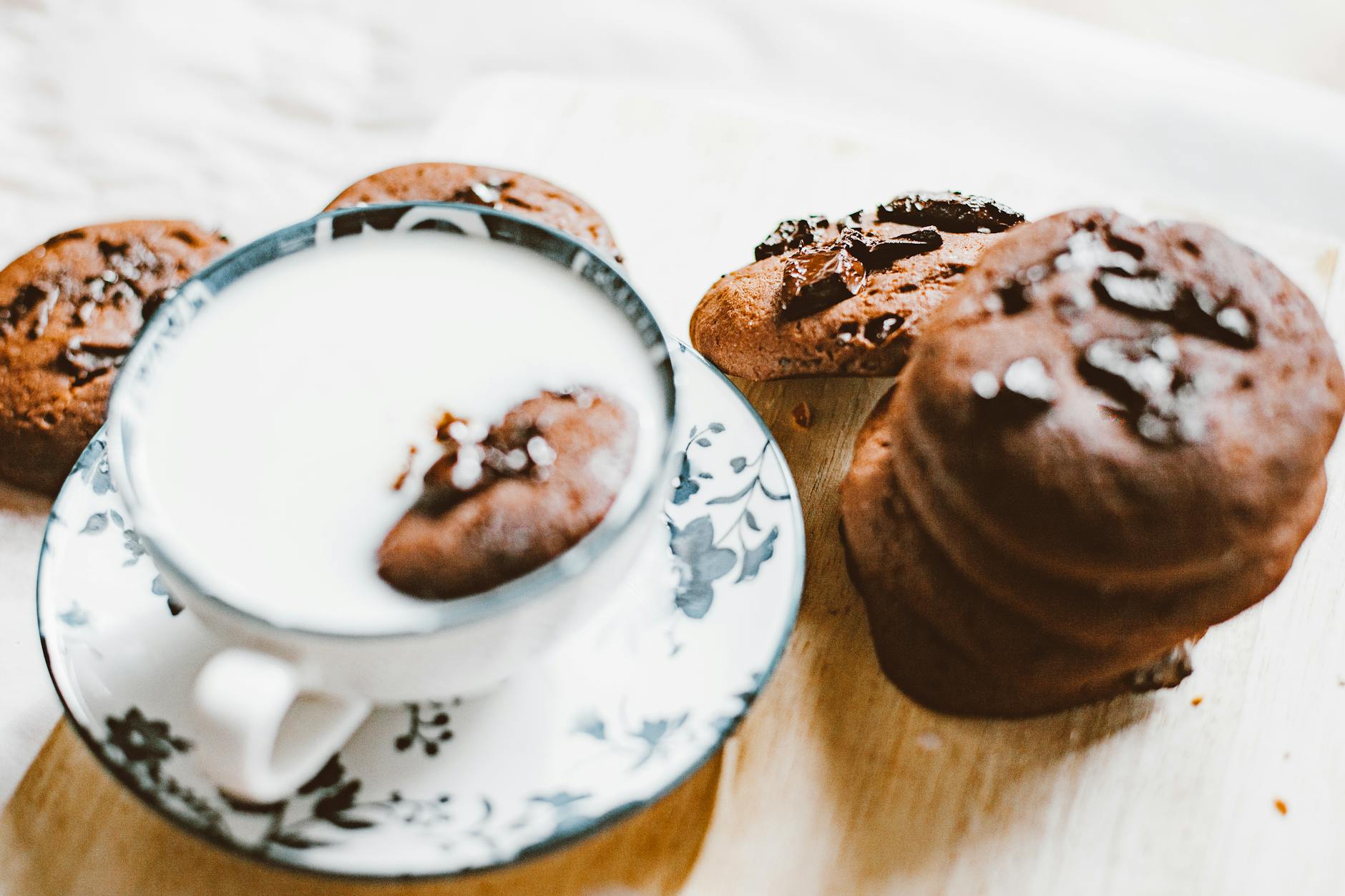
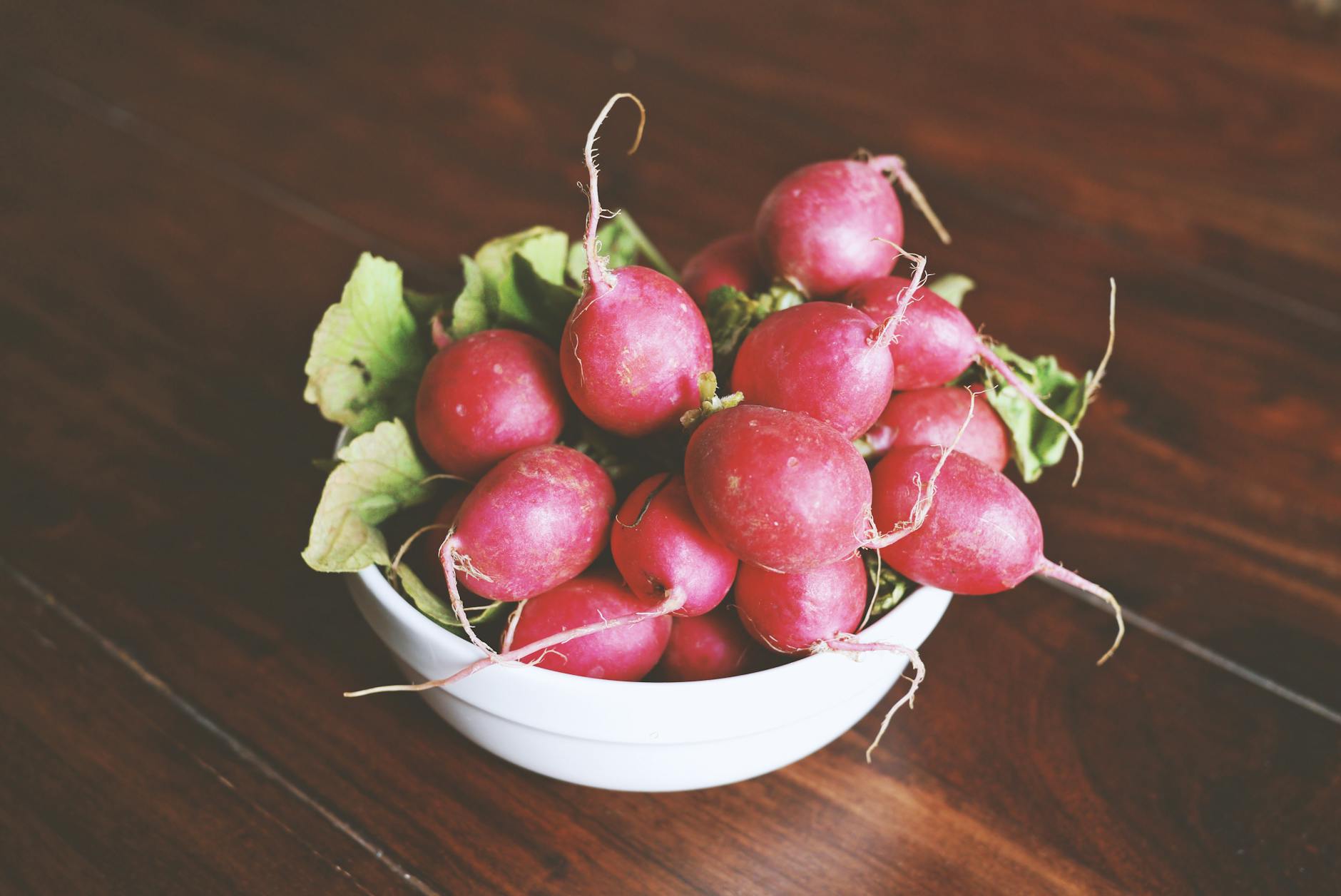
In 1996, a seemingly innocuous experiment conducted by Roy Baumeister and his team at Case Western Reserve University revealed a profound truth about human behavior: the power of will. Their study, which involved tempting participants with chocolate chip cookies only to have them resist and eat radishes instead, demonstrated the finite nature of willpower. This pioneering research laid the groundwork for understanding self-control as a resource that could be depleted, akin to a muscle that fatigues with exertion.

Photo by ROMAN ODINTSOV on Pexels.com

In the first part of the trial, Baumeister kept the 67 study participants in a room that smelled of freshly baked chocolate cookies and then teased them further by showing them the actual treats alongside other chocolate-flavored confections.

While some did get to indulge their sweet tooth, the subjects in the experimental condition, whose resolves were being tested, were asked to eat radishes instead. And they weren’t happy about it.

After the food bait-and-switch, Baumeister’s team gave the participants a second, supposedly unrelated exercise, a persistence-testing puzzle. The effect of the manipulation was immediate and undeniable. Those who ate radishes made far fewer attempts and devoted less than half the time solving the puzzle compared to the chocolate-eating participants and a control group that only joined this latter phase of the study. In other words, those who had to resist the sweets and force themselves to eat pungent vegetables could no longer find the will to fully engage in another torturous task. They were already too tired.

The experiment, while seemingly trivial, yielded crucial insights into the nature of self-regulation. Participants who exerted willpower to resist the tempting chocolates subsequently demonstrated diminished perseverance and performance on a subsequent task. This seminal finding underscored the broader significance of self-control across various domains of life, from mundane daily tasks to more significant challenges.

In the realm of psychology, this research sparked a cascade of studies exploring the multifaceted implications of willpower. It elucidated why individuals are drawn to indulgence after experiencing setbacks, such as seeking solace in retail therapy after heartbreak. Moreover, it provided valuable insights into behavior modification strategies, highlighting the importance of positive reinforcement and habit formation in fostering lasting change.

Understanding the concept of willpower empowers individuals to leverage it effectively in pursuit of their goals. Rather than relying solely on sheer determination, strategic planning plays a pivotal role in optimizing willpower utilization. Timing tasks to align with periods of peak mental and physical energy, such as the morning after a restful night’s sleep, can enhance performance and resilience.

Furthermore, recognizing willpower as a trainable attribute opens avenues for personal growth and development. Cultivating positive habits serves as a cornerstone for strengthening willpower and facilitating sustained behavior change. Initiating small, manageable goals allows individuals to acclimate gradually, paving the way for long-term success. For instance, committing to brief daily rituals, like reading for just two minutes, eating one fruit instead of a cookie, or embarking on a short morning walk, lays the groundwork for more significant lifestyle adjustments. As these habits become ingrained, individuals can incrementally expand their efforts, harnessing the cumulative impact of consistent practice. Joining a group of like-minded individuals can also provide invaluable support in reinforcing positive habits and maintaining motivation.

Additionally, cultivating positive bedtime routines fosters relaxation and promotes quality sleep. Instead of mindlessly scrolling through screens before bed, incorporating a five-minute practice of prayer, meditation, or reflection on gratitude can help unwind the mind and prepare for restorative rest. This intentional shift away from digital distractions not only supports mental well-being but also cultivates a deeper sense of connection with oneself and the present moment.

In essence, comprehending and harnessing the power of willpower is transformative. By integrating strategic approaches to task management, fostering positive habits, and nurturing a supportive network, individuals can unlock their potential for personal and professional fulfillment. As Baumeister’s pioneering research illustrated, the journey towards meaningful change commences with embracing the remarkable capacity of willpower.

Link:https://peacelilysite.com/2024/03/20/unveiling-the-potency-of-willpower-transforming-lives-through-self-control/

Source: https://www.theatlantic.com/health/archive/2012/04/the-chocolate-and-radish-experiment-that-birthed-the-modern-conception-of-willpower/255544

Zero Limits: Clearing Negative Energy, Returning to Perfect Emptiness

The Secret Hawaiian System for Wealth, Health, Peace, and More

In 1984, a therapist in Hawaii achieved remarkable results over three years, healing mentally ill patients at the Hawaii State Hospital without resorting to clinical counseling or medication. Reviewing their records, he repeatedly recited four phrases to “clear” himself: “I’m sorry, please forgive me, thank you, I love you.”

This extraordinary tale intrigued Mr. Vitale, inspiring him to seek out this extraordinary therapist and learn from him. Vitale discovered that Dr. Hew Len employed these four sentences as part of a traditional Hawaiian healing technique known as “Hooponopono,” which translates to “to correct, to clear, to make right” in Hawaiian.

This method not only restored the health of mentally ill patients but also miraculously cured a woman who had suffered from asthma for 50 years overnight. Can four sentences really resolve all problems? Smooth out everything?

These four affirmations have the power to clear all negative energy, balance emotions, and enable you to return to the divine state of “zero limits” (a state of returning to zero, also known as emptiness in Buddhist philosophy, where nothing exists, and anything is possible). By embracing these four phrases, you can face your life more freely and elegantly, leading to health, wealth, and joy.

By approaching each day with an unrestricted perspective, repeating these four sentences concerning your mind, subconscious, experiences, people, and encountered problems with a sincere, repentant, and grateful heart, you will learn to love yourself, forgive yourself, and appreciate yourself. This practice will lead you to live a more fulfilling, wise, and abundant life.

Let us not only refrain from complaining but also say, “I love you!”

What is the Zero Limits method?

It’s straightforward—just four sentences: “I’m sorry, please forgive me, thank you, I love you.”

What do these four sentences represent? In simple terms:

“I’m sorry”: Acknowledge 100% responsibility for what has happened (because everything is created by oneself).

“Please forgive me”: Request forgiveness (forgive oneself).

“Thank you”: Express gratitude, show trust, and believe that all problems will be resolved in the best way for everyone involved.

“I love you”: Invoke the power of divinity to clear related memories and heal all wounds.

Although these four sentences in Ho’oponopono therapy are simple, they encompass profound states and meanings. This is a convenient method that can be used at any time during our spiritual growth journey, transcending various spiritual practices.

How to use this method? It’s straightforward—whenever you encounter a problem, simply keep repeating these sentences (there’s no need to rush into belief or doubt; give it a try).

Fundamental Theory of Zero Limits:

You are not aware of what is happening.

Whether consciously or unconsciously, it is impossible to be aware of everything happening within and around you. At this very moment, your body and brain are self-adjusting without your conscious awareness. Countless invisible signals are transmitted through the air, from radio waves to thoughts and consciousness. All of this occurs unconsciously, and your consciousness is not aware of nor in control of this process. This is why you can think positively but still face challenges. In essence, you must understand that your consciousness is not the true creator of everything.

You cannot control everything

If you are unaware of what is happening, you certainly cannot control it. Believing that the world follows your commands is merely a manifestation of satisfying the desires of the ego. Since your ego cannot completely comprehend what is happening in the world, allowing the ego to decide what is best for you is obviously unwise. You can make choices, but you cannot control. You can use your consciousness to choose what you want to experience, but you must also learn to let go and not worry about how or when it will happen; surrender is the key.

You can heal everything that happens.

Regardless of what appears in your life and how it comes about, it requires healing. Because it is now within your perception, if you can feel it, you can heal it. If you see it in others and it troubles you, you must heal it. You may not understand why it appeared in your life or how it happened, but you can let go now. As you have become aware of it, the more you heal, the simpler it becomes to manifest your desires. By releasing blocked energy, you allow this energy to be used for other things.

You must take 100% responsibility for everything you experience.

The events in your life are not your fault, but they are your responsibility. This responsibility includes everything said, done, and thought, as well as everything said, done, and thought by others appearing in your life. If you take 100% responsibility for everything in your life, then when others have problems, those problems also become yours. In short, you cannot blame anyone or anything for your current situation. All you can do is take responsibility, accept it, embrace it, and love it. The deeper you heal, the more connected you become to the source of life.

The ticket to the state of Zero Limits is saying “I love you.”

To overcome the bottleneck of understanding, to obtain a pass from healing to manifestation, is that simple phrase “I love you.” Saying “I love you” to divinity clears everything within you, allowing you to experience the miracle of “Zero Limits.” The key is to love all things: love the excess fat, love the hidden pain, love the troublesome issues, love children with problems, or love neighbors and partners—in short, love everything. Love transforms and releases blocked energy, and by saying “I love you,” you can experience the power of divinity, just like saying “Open sesame.”

Inspiration is more important than thought.

Thoughts are toys of the mind, while inspiration is a directive from divinity. From a certain point onward, you will surrender and learn to listen instead of begging and waiting. Thought is an attempt by the ego to control life from a limited perspective, while inspiration is a reception of messages from divinity and taking action. Thought yields results, while inspiration produces miracles.

Even if you are not sure what is happening, you can still solve problems.

A part of the purpose of survival is to solve problems. To solve problems, you must first understand: Who am I? Who is actually in charge? The consciousness thinks that intellect is the problem solver, capable of controlling what happens, what one experiences, and when. However, in reality, decisions are made before the consciousness decides, and intellect is unaware of this. If it is not intellect or consciousness, then who is in charge?

It is your subconscious. The subconscious is dominated by replayed memories, and it imitates, repeats, and resonates with these memories. The actions, understanding, feelings, and decisions of the subconscious are entirely dictated by memory. Similarly, consciousness operates through replayed memories without awareness. Therefore, replayed memories dominate everything the subconscious and consciousness experience.

The subconscious is the repository of accumulated memories since the beginning. It constantly replays past memories, and the power of choice that consciousness possesses is the power to choose. Both the subconscious and consciousness do not create their own thoughts, feelings, or actions; rather, their experiences resonate with replayed memories and inspirations.

To solve problems, it is crucial to understand that the physical body and the world itself are not the issue; the problem lies in the replayed memories within the subconscious.

The universe comes from nothing and will return to nothing. The universe begins at zero and ends at zero.

Zero Limits: Clearing Negative Energy, Returning to Perfect Emptiness

Link:https://peacelilysite.com/2024/02/02/zero-limits-clearing-negative-energy-returning-to-perfect-emptiness/

#SecretHawaiianSystem #Wealth #Health#Peace #ZeroLimits #NegativeEnergy #Forgiveness #Grateful #Thanks

The Longest Study on Human Happiness

The Secret to Having a Long and Happy Life

For over 75 years, Harvard’s Grant and Glueck study has tracked the physical and emotional well-being of two populations: 456 poor men growing up in Boston from 1939 to 2014 (the Grant Study), and 268 male graduates from Harvard’s classes of 1939-1944 (the Glueck study).

Due to the length of the research period, this has required multiple generations of researchers. Since before WWII, they’ve diligently analyzed blood samples, conducted brain scans (once they became available), and pored over self-reported surveys, as well as actual interactions with these men, to compile the findings.

The conclusion? According to Robert Waldinger, director of the Harvard Study of Adult Development, one thing surpasses all the rest in terms of importance:

“The clearest message that we get from this 75-year study is this: Good relationships keep us happier and healthier. Period.”

Not how much is in your 401(k). Not how many conferences you spoke at–or keynoted. Not how many blog posts you wrote or how many followers you had or how many tech companies you worked for or how much power you wielded there or how much you vested at each.

No, the biggest predictor of your happiness and fulfillment overall in life is, basically, love.

Specifically, the study demonstrates that having someone to rely on helps your nervous system relax, helps your brain stay healthier for longer, and reduces both emotional as well as physical pain.

The data is also very clear that those who feel lonely are more likely to see their physical health decline earlier and die younger.

“It’s not just the number of friends you have, and it’s not whether or not you’re in a committed relationship,” says Waldinger. “It’s the quality of your close relationships that matters.”

What that means is this: It doesn’t matter whether you have a huge group of friends and go out every weekend or if you’re in a “perfect” romantic relationship (as if those exist). It’s the quality of the relationships–how much vulnerability and depth exists within them; how safe you feel sharing with one another; the extent to which you can relax and be seen for who you truly are, and truly see another.

According to George Vaillant, the Harvard psychiatrist who directed the study from 1972 to 2004, there are two foundational elements to this: “One is love. The other is finding a way of coping with life that does not push love away.”

When the study began, nobody cared about empathy or attachment. But the key to healthy aging is relationships, relationships, relationships. ” — George Vaillant

Photo by Pixabay on Pexels.com

Thus, if you’ve found love (in the form of a relationship, let’s say) but you undergo a trauma like losing a job, losing a parent, or losing a child, and you don’t deal with that trauma, you could end up “coping” in a way that pushes love away.

This is a very good reminder to prioritize not only connection but your own capacity to process emotions and stress. If you’re struggling, get a good therapist. Join a support group. Invest in a workshop. Get a grief counselor. Take personal growth seriously so you are available for connection.

Because the data is clear that, in the end, you could have all the money you’ve ever wanted, a successful career, and be in good physical health, but without loving relationships, you won’t be happy.

The next time you’re scrolling through Facebook instead of being present at the table with your significant other, or you’re considering staying late at the office instead of getting together with your close friend, or you catch yourself working on a Saturday instead of going to the farmer’s market with your sister, consider making a different choice.

“Relationships are messy and they’re complicated,” acknowledges Waldinger. But he’s adamant in his research-backed assessment:

“The good life is built with good relationships.”

The Secret to Having a Long and Happy Life

Link:https://peacelilysite.com/2023/08/18/the-longest-study-on-human-happiness/

#Harvard#HumanResearch#AdultDevelopment #Happy #healthy #Longlife #Relationship #Love #LongestStudy

Source: https://www.inc.com/melanie-curtin/want-a-life-of-fulfillment-a-75-year-harvard-study-says-to-prioritize-this-one-t.html