Unlocking Wellness: The Power of the Gallbladder Meridian in Traditional Chinese Medicine

In Traditional Chinese Medicine (TCM), the gallbladder plays a crucial role in maintaining overall health. While often overlooked, its function affects various aspects of well-being, from digestion to hair health and even fat distribution. By understanding the gallbladder meridian and learning simple techniques to stimulate it, you can enhance your body’s natural healing processes and promote long-term vitality.

The gallbladder meridian runs along both sides of the body, starting from the outer corner of the eye at the pupil’s ridge point and ending at the outer side of the tip of the fourth toe at the foot’s yin point. There are a total of 44 acupuncture points from head to toe.

Gallbladder Meridian(大纪元制图)

Signs of Poor Gallbladder Function

One of the most noticeable signs of poor gallbladder function is premature graying of hair. According to TCM wisdom, “Hair is the extension of blood,” meaning that when the body lacks sufficient nutrients and energy, hair health deteriorates. Without proper nourishment, hair may turn gray earlier than expected.

Another common indicator is excessively oily hair. This occurs when bile secretion is insufficient, preventing the body from effectively breaking down fats. Combined with excessive liver heat, this imbalance can result in an oily scalp and other digestive disturbances.

Poor gallbladder function can also manifest in fat accumulation, particularly along the outer thighs. When the gallbladder meridian becomes blocked, toxins and waste accumulate in this area, making weight loss more difficult. For those who exercise regularly, these “waste” deposits may shift downward, leading to thickened calves, also known as “radish legs”—a common concern for both men and physically active women.

One of the simplest and most effective ways to support gallbladder health is through tapping the gallbladder meridian. This practice helps stimulate bile secretion, improve nutrient absorption, and remove blockages along the meridian. Many people who consistently tap their gallbladder meridian for one to two months notice their pants fitting more loosely, making it a great natural approach to slimming the thighs and supporting digestion.

How to Tap the Gallbladder Meridian

The best part: You don’t need any special equipment—just your hands. Since the gallbladder meridian runs along both sides of the body, you can simply use your fists to tap along its path. Here’s a step-by-step guide:

  1. Find a Comfortable Position – The best position is to stand up and rest your leg on a bench so that your thigh is parallel to the ground, or sit down on a chair while keeping your body relaxed.
  2. Start from the Hip – Using your fist, gently but firmly tap along the outer thigh, working your way down to the knee.
  3. Maintain a Steady Rhythm – Aim for about two taps per second with moderate pressure.
  4. Repeat for 3-5 Minutes – Perform around 200 ot 300 taps per side, adjusting the intensity based on your body’s comfort level.
  5. Be Consistent – For best results, practice daily and gradually increase the duration as needed.

Since the outer thigh is the only section where the gallbladder meridian runs alone, it is the most accessible and effective area for tapping. With consistent practice, you may notice improved digestion, increased energy, and a reduction in fat accumulation.

Consistency is key. In TCM, true healing doesn’t come from quick fixes but from nurturing the body over time. While medications and dietary changes can help, activating the body’s natural self-healing abilities is the most sustainable path to wellness. By regularly tapping the gallbladder meridian, you not only improve gallbladder function but also support overall circulation, detoxification, and vitality.

Take Charge of Your Health

Tapping the gallbladder meridian is a simple yet powerful wellness practice suitable for people of all ages. Whether you seek to improve digestion, promote liver health, or achieve a leaner physique, this ancient technique can help you reconnect with your body’s natural rhythm.

Remember: your health is in your hands. Start today and experience the transformative benefits of tapping the gallbladder meridian!

Link:https://peacelilysite.com/2025/03/21/unlocking-wellness-the-power-of-the-gallbladder-meridian-in-traditional-chinese-medicine/

Spring Liver Care: Nourishing Your Body in the Season of Renewal

As spring arrives, Yang energy begins to rise, nature awakens, and the world bursts into vibrant life. This season of renewal is the perfect time to focus on rejuvenation—not just for nature but for our own bodies as well. According to Traditional Chinese Medicine (TCM), the liver is closely linked to spring, making this the ideal time to nourish and support this vital organ.

TCM emphasizes the deep connection between human health and the changing seasons, a concept known as “unity of heaven and man” (天人合一). Spring corresponds to the liver, which governs the body’s ability to detoxify, regulate energy flow, and promote smooth circulation. Just as trees sprout new leaves and flowers bloom, the liver thrives in this season of growth and renewal. Supporting liver health during spring can enhance digestion, boost energy levels, and improve overall well-being.


What you eat plays a significant role in keeping your liver happy. By incorporating the right foods into your diet, you can naturally support your liver’s detoxification processes, reduce inflammation, and promote overall vitality. Here are some of the best foods for liver health, along with easy and delicious ways to prepare them:


1. Leafy Greens (Spinach, Kale, Dandelion Greens, Arugula)

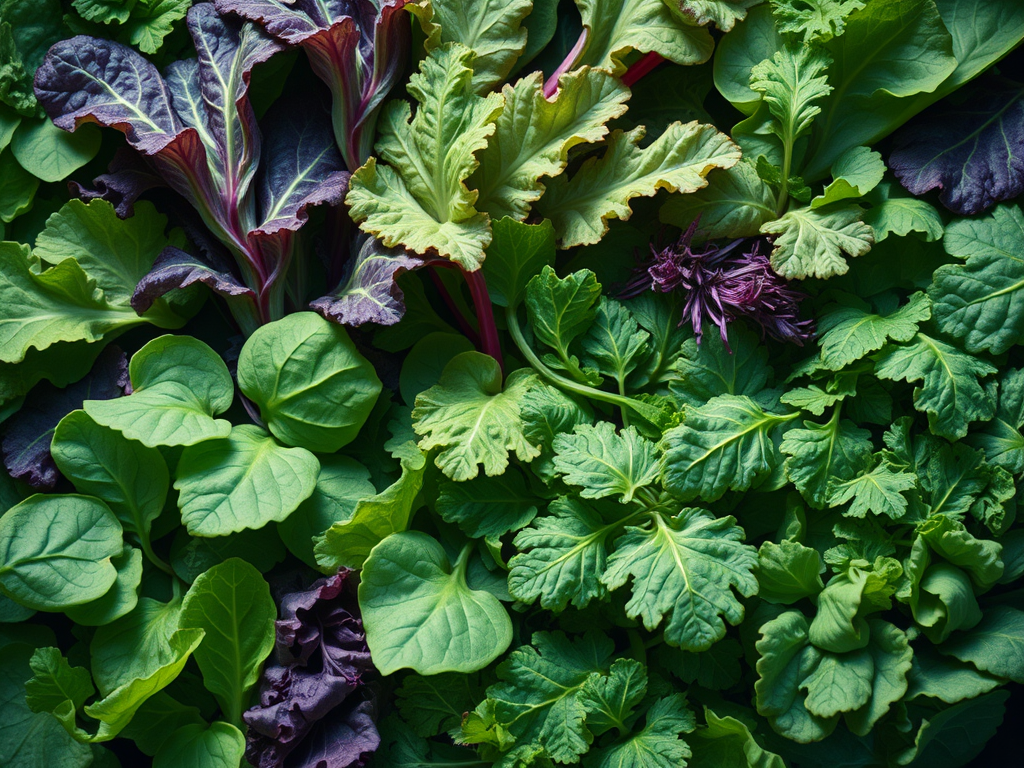
🌿 Why? Leafy greens are packed with chlorophyll, a natural detoxifier that helps remove toxins and heavy metals from the liver. They also contain compounds that aid in bile production, which is essential for digestion and detoxification.

🍽 How to Enjoy:
✔️ Sautéed Greens: Lightly cook with garlic and olive oil to enhance flavor while retaining nutrients.
✔️ Green Detox Smoothie: Blend with lemon, apple, and ginger for a refreshing and cleansing drink.
✔️ Spring Salad: Toss with olive oil, lemon juice, and nuts for a crunchy, nutritious meal.

💡 Tip: Bitter greens like dandelion and arugula are especially powerful for liver health. Try adding them to your salads or lightly steaming them to tone down their bitterness.


2. Turmeric

Why? This golden spice is a superstar for liver health. It contains curcumin, which helps reduce liver inflammation, aids in detoxification, and enhances bile production for better digestion.

🍽 How to Enjoy:
✔️ Golden Milk: Mix turmeric with warm almond milk, honey, and black pepper for a soothing anti-inflammatory drink.
✔️ Turmeric Rice: Cook rice with a pinch of turmeric, garlic, and a bit of coconut oil for a flavorful, healing dish.
✔️ Turmeric Tea: Simmer turmeric with ginger and lemon for a warm, cleansing tea.

💡 Tip: Always pair turmeric with black pepper or healthy fats (like coconut oil or olive oil) to enhance its absorption.


Photo by Marcelo Verfe on Pexels.com

3. Beets

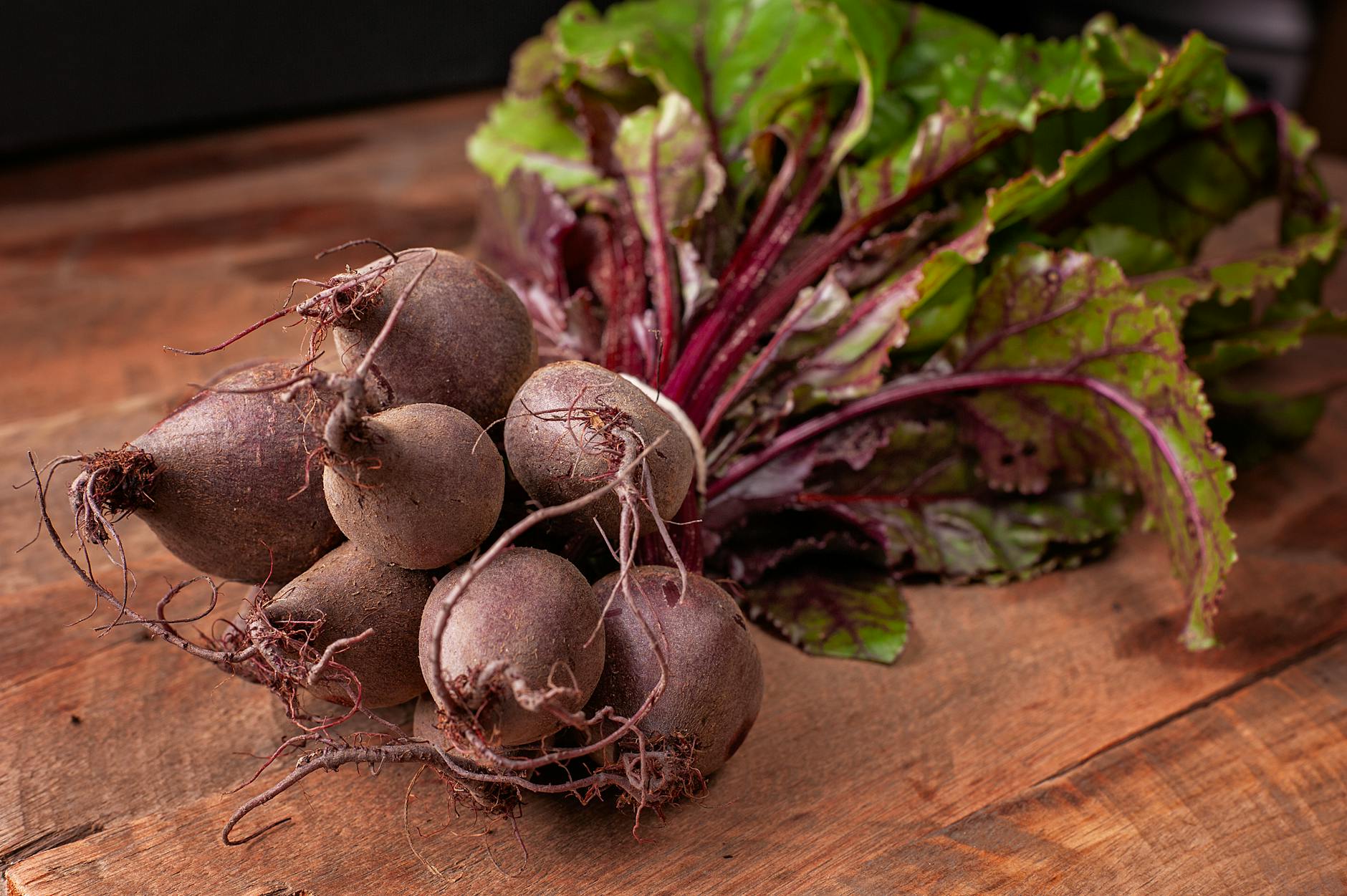
❤️ Why? Beets are rich in betalains, powerful antioxidants that support liver detoxification and reduce inflammation. They also boost bile flow, helping the liver break down fats and eliminate toxins more efficiently.

🍽 How to Enjoy:
✔️ Roasted Beets: Slice and roast with olive oil, rosemary, and sea salt for a sweet, earthy side dish.
✔️ Beet Detox Juice: Blend beets with carrots, ginger, and lemon for a vibrant, liver-cleansing drink.
✔️ Beet & Goat Cheese Salad: Toss roasted beets with arugula, walnuts, and goat cheese for a delicious and nutritious salad.

💡 Tip: Beets can stain your hands and cutting board—rub them with lemon juice to remove the color easily!


4. Garlic

🧄 Why? Garlic contains sulfur compounds that activate liver enzymes responsible for flushing out toxins. It also supports immune function and helps reduce fatty buildup in the liver.

🍽 How to Enjoy:
✔️ Garlic Stir-fry: Add minced garlic to sautéed vegetables or meats for extra flavor and health benefits.
✔️ Garlic Soup: Simmer garlic with bone broth, onions, and herbs for a comforting, healing meal.
✔️ Garlic Honey Remedy: Crush fresh garlic and mix with honey for an immune-boosting, liver-friendly tonic.

💡 Tip: To maximize garlic’s health benefits, let chopped garlic sit for 10 minutes before cooking—this enhances its beneficial compounds.


5. Fatty Fish (Salmon, Mackerel, Sardines)

🐟 Why? Fatty fish are packed with omega-3 fatty acids, which help reduce liver fat, fight inflammation, and promote overall liver health. They also support healthy cholesterol levels and brain function.

🍽 How to Enjoy:
✔️ Grilled Lemon-Garlic Salmon: Marinate with olive oil, garlic, and lemon juice before grilling.
✔️ Miso-Glazed Mackerel: Bake with miso paste, ginger, and a touch of honey for a flavorful dish.
✔️ Sardine Avocado Toast: Mash sardines with avocado and lemon juice, then spread on whole-grain toast.

💡 Tip: Aim to eat fatty fish at least twice a week for optimal liver benefits.


6. Walnuts

🥜 Why? Walnuts are rich in glutathione, an essential antioxidant that helps detox the liver. They also provide omega-3 fatty acids, which reduce liver inflammation and support brain health.

🍽 How to Enjoy:
✔️ Walnut Pesto: Blend walnuts with basil, garlic, and olive oil for a delicious sauce.
✔️ Walnut Oatmeal: Sprinkle crushed walnuts over oatmeal with honey and cinnamon for a nutritious breakfast.
✔️ Roasted Walnut Snack: Lightly toast walnuts with a sprinkle of cinnamon and sea salt for a crunchy, liver-loving snack.

💡 Tip: Soaking walnuts overnight can improve digestion and nutrient absorption.


7. Lemon & Citrus Fruits

🍋 Why? Citrus fruits are packed with vitamin C and antioxidants, which support liver detoxification and boost the immune system. They also help stimulate bile production, which aids in digestion.

🍽 How to Enjoy:
✔️ Morning Lemon Water: Start your day with warm lemon water to flush out toxins and boost digestion. Add some honey to make it taste better.
✔️ Citrus Salad: Mix orange slices with fennel, pomegranate seeds, and olive oil for a refreshing dish.
✔️ Homemade Citrus Dressing: Blend lemon juice, olive oil, and honey for a flavorful salad dressing.

💡 Tip: Drinking lemon water before meals can help stimulate digestion and improve nutrient absorption.

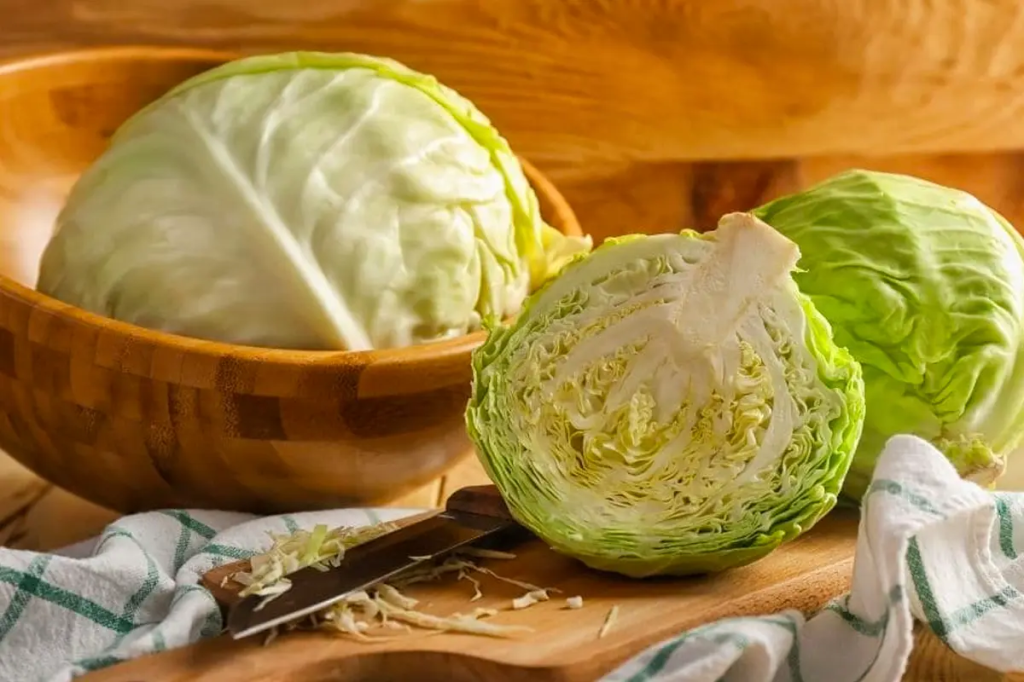
There are several other foods that are also beneficial for your liver, such as carrots, apples, cabbage, and goji berries. Incorporating them into your diet regularly can help support liver health.


As nature awakens in spring, so too should our approach to health. Since the liver plays a crucial role in detoxification, metabolism, and emotional balance, it’s essential to nurture it during this season of renewal. Along with a nutrient-rich diet, mindful lifestyle choices such as regular exercise, restful sleep, and emotional well-being can help maintain liver vitality and overall harmony.

By embracing optimism, managing stress, and supporting the liver with wholesome foods, we align ourselves with the natural rhythms of spring. Let this season be a time of nourishment, balance, and rejuvenation. May we all welcome the warmth and energy of spring with a strong, healthy liver and a joyful heart! 🌿✨

Link:https://peacelilysite.com/2025/03/13/spring-liver-care-nourishing-your-body-in-the-season-of-renewal/

Unlocking the Secrets of Fasting: How Autophagy Can Slow Aging and Promote Cell Renewal

In recent years, the scientific community has made significant strides in understanding the intricate processes that govern our health and longevity. One such breakthrough is the discovery of autophagy, a natural cellular process that plays a crucial role in maintaining our body’s health and vitality. This fascinating mechanism was brought to light by Japanese cell biologist Yoshinori Ohsumi, who was awarded the Nobel Prize in Medicine in 2016 for his groundbreaking research on how cells recycle and renew their contents.

What is Autophagy?

Autophagy, which literally means “self-eating,” is a process by which cells break down and remove damaged components, thereby promoting cell renewal and overall health. This self-cleansing mechanism allows cells to adapt to stress, eliminate dysfunctional proteins, and recycle cellular components for energy and repair. In essence, autophagy is vital for maintaining cellular homeostasis and preventing diseases, including cancer, neurodegenerative disorders, and metabolic conditions.

The Connection Between Fasting and Autophagy

One of the most effective ways to stimulate autophagy is through fasting. When we abstain from food for a certain period, our body shifts its focus from digestion to repair and regeneration. During fasting, the levels of insulin drop, and the body begins to utilize stored fat for energy, leading to a state of ketosis. This metabolic shift not only promotes fat loss but also triggers autophagy, allowing cells to clean out damaged components and rejuvenate themselves.

Research suggests that intermittent fasting or time-restricted eating can enhance the autophagic process, leading to improved cellular function and longevity. By engaging in these fasting practices, we can harness the power of autophagy to slow down the aging process and support overall health.

The Wisdom of Traditional Chinese Medicine

Interestingly, the principles of fasting and moderation in eating are not new concepts. Traditional Chinese Medicine (TCM) has long emphasized the importance of mindful eating and maintaining balance in our diets. One common guideline in TCM is to eat until we are about 70% full, rather than 100%. This practice encourages moderation and helps prevent overeating, which can lead to a host of health issues, including obesity, diabetes, and cardiovascular diseases.

The scientific foundation behind this advice is becoming increasingly clear. Overeating can lead to chronic inflammation, insulin resistance, and metabolic dysfunction, all of which can undermine our health and accelerate the aging process. By adopting a more mindful approach to eating, we can support our body’s natural processes, including autophagy, and promote better health outcomes.

As we continue to uncover the complexities of human biology, the relationship between fasting, autophagy, and aging becomes increasingly evident. The research by Yoshinori Ohsumi has opened new avenues for understanding how our cells function and how we can optimize our health through dietary practices. By embracing the wisdom of traditional teachings and incorporating fasting into our lives, we can take proactive steps toward enhancing our well-being and longevity.

In a world where the temptation to overindulge is ever-present, let us remember the power of moderation. Eating mindfully and allowing our bodies the time to repair and regenerate can lead to a healthier, more vibrant life. So, the next time you sit down for a meal, consider the age-old advice of eating until you’re 70% full, and give your body the chance to thrive.

Link:https://peacelilysite.com/2025/02/11/unlocking-the-secrets-of-fasting-how-autophagy-can-slow-aging-and-promote-cell-renewal/

CytoMed, a Singapore Biotech, Revolutionizes Cancer Treatment Using Donor Immune Cells

Ethan Stone Contributor

In Singapore, one biotech company is changing how we approach cancer treatment. CytoMed Therapeutics (NASDAQ: GDTC), just launched its ANGELICA clinical trial, to fundamentally change how we make cancer treatments available to patients worldwide. Building on the success of CAR T-cell therapy in treating blood cancers, they’re taking things to the next level by tackling a broader range of cancers while making the whole process quicker, easier, and more affordable for patients. 

“Think of it as training a versatile army of super-soldiers to fight cancer,” explains Peter Choo, Chairman of CytoMed. “Traditional CAR T-cell therapy takes soldiers from the patient’s own body, but these soldiers are often weakened because the patient has already been through multiple rounds of chemotherapy. Instead, we’re recruiting healthy soldiers from disease-free, well donors and equipping them with special targeting systems to hunt down cancer cells.” 

Manufacturing cells for Singapore’s ANGELICA trial in CytoMed’s cGMP lab

This “targeting system” is an artificial protein called a chimeric antigen receptor (CAR) that helps immune cells recognize and attack cancer cells. While current CAR T-cell therapies require extracting and modifying a patient’s own cells – a process that can take weeks and cost hundreds of thousands of dollars – CytoMed’s approach uses healthy donor cells that could be available “off-the-shelf” when unrelated patients need them simplifying logistics. 

Another innovation is its versatile platform to weaponize the immune cells. Different targeting systems can be added to equip these soldiers with combinational therapies such as antibodies. 

The Power of Rare Immune Cells 

At the heart of CytoMed’s breakthrough is something extraordinary – a rare warrior in our immune system called gamma-delta T cells. These hidden gems are like needles in a haystack, making up just a tiny fraction – less than 5% – of all T cells flowing through our blood. But don’t let their rarity fool you.  

These cells are nature’s own cancer-fighting specialists, and here’s what makes them really special: when transferred from a donor to a patient, they’re incredibly smart about their attacks, targeting cancer while leaving healthy tissue alone. The company has developed proprietary technology to multiply these rare cells in the laboratory, making them viable for treatment.

The contrast with traditional cell therapies is striking: while current treatments are like custom-building a car for each patient – a time-consuming and expensive process – CytoMed’s approach is focused on having treatments ready “off-the-shelf,” similar to cars available at a dealership. This could make treatment both more timely and significantly more cost-effective for patients. 

The ANGELICA Trial: A New Hope 

CytoMed’s potent hybrid of the human body’s two immune cells, NK & T cells, derived from induced pluripotent stem cells.

The ANGELICA trial, now treating patients in Singapore’s National University Hospital, represents a major step forward in cancer treatment. The trial focuses on various types of cancer that are particularly challenging to treat, including solid tumors and involves patients whose cancers have proven resistant to standard treatments. 

Charting New Territory in Cancer Therapy 

What makes CytoMed’s approach truly remarkable is how far-reaching it could be. While current CAR T-cell treatments have been a game-changer for blood cancers like leukemia and lymphoma, they’ve hit a wall when it comes to other types of cancer. That’s where CytoMed is breaking new ground – their technology shows promise in fighting more than 20 different types of cancer, from breast to lung, liver to ovaries. 

This isn’t just a win for cancer treatment – it’s a proud moment for Singapore’s biotech scene. Born in 2018 from Singapore’s prestigious A*STAR research agency, CytoMed is showing the world that Asian biotech companies aren’t just following trends – they’re setting them. They’re writing a new chapter in cancer treatment innovation. 

But they’re not stopping there. The company is pushing boundaries even further by developing a powerful new weapon against cancer. They’re creating a hybrid cell that combines the best of both worlds – Natural Killer (NK) cells and gamma delta T cells, complete with all their natural cancer-fighting tools. Think of it as creating the ultimate cancer-fighting super cell by merging two of our body’s most efficient defenders. 

Beyond Cancer: Expanding into Longevity Research 

Looking ahead, CytoMed is already exploring ways to expand the use of its technology. In a strategic move that broadens its therapeutic reach, the company acquired a licensed cord blood bank in September 2024, giving them access to naive cord blood – a rare and expensive raw material crucial for developing new treatments. Through its subsidiary LongevityBank, the company plans to research and develop cord blood-derived cells that could treat autoimmune diseases and promote longevity, extending their impact beyond cancer treatment. 

This expansion into regenerative medicine opens up new possibilities for treating a wider range of diseases and conditions. The availability of cord blood provides CytoMed with valuable resources for developing innovative therapies that could address multiple medical challenges. 

A Global Vision for Accessible Treatment 

The company is actively pursuing international collaborations to develop new therapeutic approaches while working to make treatments more affordable and accessible to patients worldwide. Their focus on cost-effective manufacturing and efficient production processes could help bring advanced cell therapies within reach of more patients globally. These cells are inexpensive, streamlined for manufacturing, and easy to ship internationally while retaining high cell viability. 

If successful, their “off-the-shelf” approach to cell therapy could represent a major advance in cancer treatment, potentially offering hope to patients who have exhausted other options. With the ANGELICA trial now underway, this marks an important step forward in making advanced cancer treatments more accessible to those who need them most. As CytoMed continues to innovate and expand its therapeutic offerings, it’s positioning itself at the forefront of a new era in personalized targeted medicine, one where cutting-edge treatments are both effective and accessible to patients around the world. 

For more information about CytoMed and its unique approach to cancer treatment, visit https://www.cytomed.sg/ 

Source: https://www.usatoday.com/story/special/contributor-content/2025/01/06/cytomed-a-singapore-biotech-revolutionizes-cancer-treatment-using-donor-immune-cells/77355978007/

8 After-Dinner Rituals That Can Help In Digestion And Prevent Bloating

By incorporating these simple post-meal rituals, you can support your digestive system, alleviate discomfort, and avoid the dreaded bloating that often follows a big meal. 

Written By Olivia Sarkar| Last Updated: Jan 06, 2025, 04:52 PM IST|Source: Bureau

After enjoying a hearty meal, it’s not uncommon to feel uncomfortable or sluggish. Digestive issues like bloating, indigestion, or an uneasy feeling can linger long after the last bite. Fortunately, there are simple after-dinner rituals that can support your digestion and help prevent bloating, leaving you feeling lighter and more at ease. Below are eight effective practices that can make a world of difference to your digestive health.

1. Take a Gentle Walk
After a meal, taking a light walk can be one of the most beneficial things for your digestive system. A short 10-15 minute stroll helps stimulate the digestive process by encouraging the stomach to empty more quickly, reducing bloating and discomfort. It also promotes the movement of food through the intestines, preventing constipation.

2. Sip Warm Water or Herbal Tea
Drinking warm water or herbal tea, such as peppermint, ginger, or chamomile, can greatly improve digestion. These teas have natural properties that soothe the stomach, reduce bloating, and promote the movement of food through your digestive system. Ginger, in particular, can help reduce nausea and gas, while chamomile works as a calming agent to relax your stomach muscles.

3. Avoid Lying Down Immediately
Though it might feel tempting to lounge on the couch after a large meal, lying down too soon can actually slow down the digestive process. Gravity helps food and acid stay in the stomach, and lying flat can increase the risk of acid reflux and bloating. Wait at least 30 minutes to an hour before reclining to allow your body time to process the food.

4. Practice Deep Breathing
After eating, try engaging in deep breathing exercises. This helps stimulate the parasympathetic nervous system (also known as the “rest and digest” system), encouraging optimal digestion. Deep breathing can also reduce stress, which can otherwise impair digestion and cause bloating or discomfort.

5. Massage Your Abdomen
Gentle self-massage can aid in digestion by stimulating the movement of food through the intestines. Use your fingertips to massage your stomach in a clockwise motion (the direction of digestion) for a few minutes. This simple act can help ease bloating, relieve gas, and promote digestion.

6. Incorporate Probiotics
Probiotics are beneficial bacteria that support gut health and digestion. After dinner, consider consuming foods rich in probiotics, such as yogurt, kefir, or fermented vegetables. Alternatively, a probiotic supplement may help maintain a healthy balance of gut bacteria, reducing bloating and improving overall digestion.

7. Stay Hydrated, But Avoid Over Drinking
Drinking water throughout the day aids digestion, but drinking too much water immediately after a meal can dilute stomach acid, impairing your body’s ability to break down food. Try sipping water in moderation after dinner, but avoid excessive consumption right away. This ensures proper digestive function without overwhelming your stomach.

8. Avoid Carbonated Drinks
Carbonated drinks, including sodas and sparkling water, introduce gas into your stomach, which can lead to bloating. After dinner, it’s best to skip the bubbles. Stick to still water or herbal teas, which are far more conducive to smooth digestion.

Fennel seeds are a natural remedy for boosting digestion. Try chewing some after your meal to see if they work for you. From taking a short walk to sipping herbal tea and massaging your abdomen, these habits can make a significant difference in how you feel after dinner. Your digestive health is a reflection of your lifestyle, so taking small, consistent steps can lead to long-term benefits, allowing you to enjoy your meals without the aftermath of discomfort.

Link:https://peacelilysite.com/2025/01/13/8-after-dinner-rituals-that-can-help-in-digestion-and-prevent-bloating/

Source: https://zeenews.india.com/lifestyle/8-after-dinner-rituals-that-can-help-in-digestion-and-prevent-bloating-2840271.html (This article is intended for your general information only. Zee News does not vouch for its accuracy or reliability.)

Nutrigenomics: Exploring the Science of Genes and Diet

In recent years, nutrigenomics—the scientific study of how genes influence our body’s response to food—has gained significant attention. As research in genetics and nutrition continues to advance, this field is paving the way for more personalized health strategies, particularly in the areas of diet and weight management. Understanding how genes affect our reactions to specific foods provides deeper insights into individual health needs, driving the development of personalized wellness approaches.

At the core of nutrigenomics lies the principle that our genetic makeup plays a crucial role in food metabolism. For instance, some individuals may be genetically predisposed to metabolize carbohydrates more efficiently, while others tend to store fat more easily. These insights empower health professionals to design customized dietary plans based on genetic testing rather than relying on generalized nutritional recommendations.

Recent studies have shown that genetic variations can influence how nutrients are absorbed, how efficiently the body burns calories, and even how hunger is experienced. For example, specific variations in the FTO gene have been linked to a higher risk of obesity, as some individuals gain weight more easily due to the way their bodies process food. Similarly, variations in genes like PPARG can impact fat metabolism, further emphasizing the potential of personalized nutrition strategies based on genetic data.

Nutrigenomics introduces a revolutionary approach to weight management. Traditional diets often follow a “one-size-fits-all” model, which may not be effective for everyone. By using genetic data, nutritionists and health experts can develop personalized dietary plans tailored to an individual’s metabolic needs, resulting in more effective weight management.

For example, genetic testing can reveal a person’s sensitivity to fats or carbohydrates, guiding the ideal macronutrient balance for their body. If someone’s genetic profile indicates a higher risk of insulin resistance, a low-glycemic diet may be recommended to help prevent blood sugar spikes and support weight loss. This tailored strategy often proves more effective than generic diets that overlook individual differences.

The Advantages of Personalized Diet Plans

Nutrigenomics brings a significant advantage to dietary planning: personalization. Rather than relying on generalized advice or fleeting diet trends, nutrigenomics empowers individuals to approach health management scientifically. By integrating genetic testing with dietary adjustments, people can achieve better health outcomes and a deeper understanding of their own bodies.

Key benefits of personalized diets include:

  • Improved Metabolic Health: Tailored diets help optimize the body’s ability to process food and maintain a healthy weight.
  • Precise Nutrient Recommendations: Instead of guessing which foods are most beneficial, personalized nutrition ensures individuals receive the nutrients their body specifically needs.
  • Sustainable Weight Management: Nutrigenomics-based diets promote long-term healthy habits by aligning with genetic predispositions rather than short-term trends.

Additionally, nutrigenomics may support preventive health strategies. Genetic testing can identify predispositions to conditions such as heart disease, diabetes, or nutrient deficiencies, allowing individuals to make proactive dietary changes for long-term wellness.

The future of health management is becoming increasingly personalized, with nutrigenomics at the forefront of this transformation. As the field continues to evolve, more health centers are likely to offer genetic testing services to help individuals create personalized nutrition and wellness plans. This data-driven approach reflects a broader trend where people are empowered to take greater control of their health through scientific insights.

While the potential of nutrigenomics is promising, it remains a developing science. Experts emphasize the need for further research to fully understand the complex relationship between genes and diet. Additionally, as the field matures, ethical considerations and privacy concerns must be carefully addressed to ensure individuals are fully informed and protected when sharing their genetic data.

Nutrigenomics represents a powerful fusion of genetic science and nutrition, offering the potential for health strategies tailored to individual genetic profiles. This emerging science can help design diets that promote optimal weight loss, improve metabolic health, and prevent chronic illnesses.

Though still in its early stages, nutrigenomics has the potential to revolutionize health management, making weight control and wellness strategies more effective and sustainable. As research continues to expand, genetic testing could become a key tool in unlocking healthier, more personalized lifestyles for everyone.

Link:https://peacelilysite.com/2025/01/07/nutrigenomics-exploring-the-science-of-genes-and-diet/

Source: https://worldreporter.com/nutrigenomics-tailoring-health-based-on-genes/?fbclid=IwZXh0bgNhZW0CMTAAAR3NXfx9dzeIsmcSiP248IMGxMkppa2gMAEtjuZOgMr7pyU1EaMqk5e5Aio_aem_eY5AmQ5X9nw8JxIaQeZaBg

Boost Your Kidney Health with Traditional Chinese Medicine

In Traditional Chinese Medicine (TCM), the “kidney” is not just associated with the organ itself, but is considered the center of multiple bodily functions, overseeing everything from physical strength and vitality to bone growth. (Photo from sohu.com)

The kidneys are seen as the foundation of life, and when kidney energy, or kidney qi, is abundant, the body remains strong and full of life. However, when kidney qi is depleted, it leads to weakness, fatigue, premature aging, and is often linked to chronic illnesses.

The Importance of Kidney Qi in TCM
In TCM, maintaining a balanced flow of energy is essential for overall health. The kidney meridian plays a crucial role in regulating the balance of yin and yang within the body. Kidney yin and kidney yang are considered the fundamental energies that support the entire body’s internal organs. When kidney qi is nourished, the body remains strong, and all other organs function properly. Therefore, keeping the kidney energy well-maintained is vital for longevity and overall well-being.

While diet and herbal supplements are commonly used in TCM to support kidney health, a simple and effective method is through regular meridian stimulation. By massaging and promoting energy flow along the kidney meridian, we can help maintain smooth circulation of energy (qi) and blood throughout the body, promoting vitality and longevity.

Winter: The Season for Kidney Care
In TCM, winter is the season most closely associated with kidney health. It’s a time to focus on replenishing and strengthening the kidneys, as the colder months are believed to affect the body’s energy levels. To help support kidney health during this time, TCM practitioners recommend incorporating certain practices into your daily routine.

Dr. Hu Haiya’s Kidney-Rubbing Technique
One of the most accessible and effective ways to nourish kidney qi is through a simple technique known as the kidney-rubbing exercise, shared by the esteemed TCM doctor Hu Haiya. Dr. Hu, who lived to the age of 95 with remarkable health, became a symbol of vitality and longevity. When asked about the secret to his longevity, many expected him to mention some rare, mystical remedy. Instead, he smiled and explained, “There is no magical remedy; the true remedy lies within your own body.”

Dr. Hu then shared the kidney-rubbing technique he practiced regularly. The primary benefit of this exercise is to stimulate and invigorate the kidney qi, which is the foundation of energy and vitality in TCM. When the kidneys are nourished with abundant qi, the body becomes more energetic, the muscles and bones grow stronger, and life expectancy increases.

How to Perform the Kidney-Rubbing Technique

  1. Position your hands: Make loose fists with both hands, leaving the centers of your fists slightly hollow (as shown in the figure).
  2. Place your hands on your lower back: Position your fists over the kidney area, near the waist (Shenshu points). There’s no need to precisely find acupuncture points; just placing the fists on the lower back is sufficient.
  3. Gentle motion: Keep the fists still and use your knees to gently bounce up and down. This will cause your body to move, which creates friction between the fists and the kidney area.
  4. Repetition: Perform this exercise for 500 repetitions or until you feel a slight warmth in your lower back.
Photo 1
Photo 2

Tips for Effective Practice

  • If you’re new to this technique and find it difficult to do all 500 repetitions in one go, don’t worry. Start gradually by breaking it into 2-3 sets and work on building leg strength.
  • Eventually, aim for 500 repetitions in one continuous set. You’ll notice the body begins to feel warm, signaling improved circulation and energized kidney qi.

The Path to Longevity Starts with Kidney Health
By incorporating practices like kidney-rubbing into your routine, you can nurture your kidney health and enhance your overall vitality. In TCM, vitality and longevity are directly linked to the state of our kidney qi. Strengthening this vital energy is key to achieving a healthy, balanced life.

Start today—because true health comes from within.

Link:https://peacelilysite.com/2024/11/15/boost-your-kidney-health-with-traditional-chinese-medicine/

#Kidney #Health #TraditionalChineseMedicine #ChineseCulture #Medicine #HealthandWellness

The Temple Way of Eating: Lessons in Gratitude, Simplicity, and Reducing Waste

During a visit to Holy Vajrasana Temple, I encountered the beautiful and meaningful practice of Oryoki. Often translated as “just the right amount,” Oryoki is a ritualized way of serving and eating food that combines efficiency, mindfulness, and gratitude. Its roots trace back to the Buddha’s time, embodying the Middle Way of taking neither too much nor too little—an ethos that resonates deeply with the principles of simplicity and compassion.

What Is Oryoki?

Oryoki originated during the Tang Dynasty in China and later influenced practices such as the Japanese tea ceremony. It is widely practiced in Zen monasteries as a way to unify daily life with spiritual practice. The ritual involves a meticulous series of hand gestures, silence, and mindfulness during the meal.

Monks sit in meditation posture, waiting to offer their empty bowls to servers, who portion food to the requested amount. Every movement is intentional, every crumb is appreciated, and every element is designed to minimize waste. Even the water used to wash the bowls is partially consumed and the remainder returned to the earth, often to nourish the garden.

Simple and Balanced Eating

The meals at Holy Vajrasana Temple reflect the Oryoki tradition, featuring fresh fruits, vegetables, whole grains, and tofu. With minimal spices or stimulants, these meals are designed to nourish the body while keeping the mind clear and alert. Every effort is made to include the five flavors—sweet, salty, sour, bitter, and umami—and the five colors—red, green, white, yellow or orange, and black, blue, or purple.

Chefs follow the principle of eating simply, allowing the natural flavors of ingredients to shine. Eating in silence encourages mindfulness, helping participants savor each bite and truly appreciate the food’s journey from soil to plate.

Lessons in Gratitude and Reducing Waste

One of the most profound lessons from Oryoki is its emphasis on gratitude and sustainability. The practice reminds us to take only what we need and waste nothing. Participants are encouraged to finish their meals completely, leaving no remnants.

This principle can extend to our daily lives, especially during the holiday season when overindulgence and waste are common. By being mindful of portion sizes, recycling food scraps, and making thoughtful purchasing decisions—like avoiding vegetables wrapped in plastic—we can honor the spirit of gratitude and reduce our environmental footprint.

A Holiday Reminder: Gratitude Over Excess

As the holiday season approaches, let us take inspiration from these temple traditions. Instead of overindulging, savor each meal with mindfulness and gratitude. Remember those around the world who face hunger daily, and let this awareness guide us to be more conscious and compassionate in our eating habits.

Wishing you a joyful, mindful, and healthy holiday season! Let us cherish the food on our plates, honor the hands that prepared it, and commit to a less wasteful, more compassionate way of living.

Link: https://peacelilysite.com/2024/11/08/the-temple-way-of-eating-lessons-in-gratitude-simplicity-and-reducing-waste/

Source: https://tricycle.org/magazine/eating-just-right-amount/

The Compassionate Vows of the Medicine Buddha: A Path to Health, Harmony, and Happiness

Source: Luobenkun Art museum

On the 29th day of the ninth lunar month, Buddhist disciples worldwide honor the birthday of Bhaisajyaguru Buddha, known as the Medicine Buddha or the Great Medicine King. He is also referred to as the Buddha of Twelve Great Vows, embodying deep compassion and healing. Presiding over the Pure Land of Lapis Lazuli Light in the East, the Medicine Buddha has inspired countless practitioners with his transformative teachings and boundless compassion.

Buddhist communities celebrate this sacred day with ceremonies, reciting the Medicine Buddha Sutra, learning from his teachings, and making offerings. The Medicine Buddha Sutra recounts Shakyamuni Buddha’s dialogue with Manjusri Bodhisattva, where he reveals the profound virtues of the Medicine Buddha’s Pure Land and the twelve vows he made as a bodhisattva. These vows reflect his deep empathy for beings suffering from illness, poverty, and ignorance, and his wish to liberate them from these afflictions. This sutra is not only a sacred text but also a guide for overcoming life’s challenges, helping us gain inner peace, health, and happiness.

The sutra explains the Medicine Buddha’s teachings with a unique emphasis on relieving suffering in this life. By focusing on the here and now, the Buddha’s teachings encourage us to look at our lives with clarity, understand our challenges, and gain relief from worldly troubles. This practical orientation gives the Medicine Buddha Sutra a distinctive place in Buddhist practice, emphasizing the importance of compassionate action and wisdom in daily life.

The Twelve Great Vows of the Medicine Buddha

First:
I vow to assist those impoverished and tormented by constant struggles. Those who come across my name, sincerely honor it, and practice Dharma to build their merit will see their wishes come true.

Second:
I vow that my body shall shine as beams of brilliant light across this infinite, boundless world, freeing all beings from ignorance and worry through my teachings. May all beings attain a perfect state of character, integrity, and enlightenment, like the Buddha.

Third:
I vow that my body shall be like flawless crystal, radiating splendid light to all corners, enlightening beings with wisdom. Through the blessings of compassion, may all beings gain spiritual power and physical strength to achieve their aspirations on a virtuous path.

Fourth:
I vow to grant all beings the inexhaustible resources they need, freeing them from pain and guilt caused by material desires. While essentials such as clothing, food, shelter, and transport are needed, they should be wisely used. May they generously share these resources within the community to foster harmony.

Fifth:
I vow to lead those who have strayed back to the path of righteousness, guiding them toward enlightenment on the Buddha way.

Sixth:
I vow to enable all beings to uphold precepts of purity and morality. If they falter, they shall be guided to repent. Those who sincerely regret their wrongdoings and vow to change, with faith in the Buddha, shall be forgiven and regain purity.

Seventh:
I vow that all beings who are physically disabled or ill will be blessed with both physical and mental health. Those who faithfully honor the Buddha will receive these blessings.

Eighth:
I vow to alleviate the suffering of the poor and sick. May the ill be cured, the helpless supported, and the impoverished uplifted.

Ninth:
I vow to relieve the suffering of women seeking transformation. By hearing my name, paying homage, and praying, may their wishes be fulfilled, leading them ultimately to Buddhahood.

Tenth:
I vow to release all beings from harmful thoughts. I will guide them to righteousness and honor, so they may walk the Buddha way on a path of light.

Eleventh:
I vow to save those who have sincerely repented, including prisoners and victims of natural disasters. Those who are sincere will receive my blessings and be freed from suffering.

Twelfth:
I vow to relieve those facing starvation or committing crimes for survival. If they hear my name and hold it dear, I will lead them to the benefits of Dharma and favor them with the sustenance they need, helping them to lead peaceful, contented lives.

The Medicine Buddha’s great vows remind us of the healing power of compassion and inspire us to live with kindness and selflessness. Whether through reciting his name, chanting his mantras, or making offerings, we are encouraged to practice not only for our own relief but also for the welfare of all beings. By embodying the virtues outlined in the Medicine Buddha Sutra, we aim to carry forward the Buddha’s compassionate mission, helping ourselves and others find happiness, harmony, and well-being.

May we all find solace and empowerment through the compassionate vows of the Medicine Buddha and live our lives with health, joy, and a sense of unity with all beings.

Link:https://peacelilysite.com/2024/10/31/the-compassionate-vows-of-the-medicine-buddha-a-path-to-health-harmony-and-happiness/

Source: https://www.baromkagyu.org/medicine

Sun Simiao: The “Medicine King” of China and His Legacy of Compassionate Healing

Sun Simiao’s achievements in traditional Chinese medicine and his noble medical ethics are regarded as exemplary in history. As a renowned medical scholar of the Tang Dynasty, he is honored by later generations as the “Medicine King,” and his contributions continue to have a lasting impact. Born into a poor family in Jingzhao Huayuan (now Yaoxian District, Tongchuan City, Shaanxi Province), Sun Simiao was frail and sickly as a child, and his family’s savings were nearly depleted to treat his illnesses. The people around him lived in similar poverty, and many lost their lives due to a lack of medical treatment. This inspired the young Sun Simiao to dedicate his life to studying medicine, vowing to tirelessly work to relieve people’s suffering. He believed that “human life is precious, worth more than a thousand pieces of gold. Saving a life surpasses all else in merit.” This belief guided him throughout his medical career.

A widely circulated story illustrates Sun Simiao’s deep sense of compassion and ethics: One day, while walking, he saw some village children who had captured a weary snake that was near death. Moved by compassion, Sun Simiao purchased the snake from them and released it into the water. Later, while meditating, a man dressed in green appeared and invited him to the legendary Crystal Palace. It turned out that the snake he had saved was the son of the Dragon King, the ruler of the sea. In gratitude, the Dragon King invited Sun Simiao to sit in the seat of honor at a banquet and said, “My son was captured while playing yesterday. If it weren’t for your help, he would have been killed!”

After the banquet, the Dragon King offered Sun Simiao precious treasures to thank him. However, Sun declined and said, “I have heard that the Dragon Palace has many secret medical formulas. If you could share them with me to help relieve the suffering of people, that would be far more valuable to me than any gold or jewels.” Touched by his selflessness, the Dragon King gifted him the “36 Jade Formulas,” which further enhanced Sun Simiao’s medical knowledge.

Sun Simiao devoted his life to the study of medicine, and his monumental work, Qian Jin Yao Fang (Essential Prescriptions Worth a Thousand Gold), is the first comprehensive encyclopedia of clinical medicine in Chinese history. Hailed as a “treasure of humanity,” the book covers everything from fundamental medical theories to clinical practices, integrating principles, methods, prescriptions, and herbal medicine. Not only did Sun Simiao compile the clinical experiences of past medical experts, but he also included many folk remedies and prescriptions, drawing from a wide range of sources. To this day, Qian Jin Yao Fang holds immense academic value and continues to guide practitioners in the field of traditional Chinese medicine. He also wrote two other influential books, Bei Ji Qian Jin Yao Fang and Qian Jin Yi Fang, which have had a significant impact on Chinese medicine to this day.

In addition to his remarkable medical skills, Sun Simiao is revered for his noble medical ethics. In his work Da Yi Jing Cheng (The Sincere Heart of a Great Physician), Sun clearly articulated that a truly great physician must be calm, free from desires, and compassionate. A doctor must have the determination to save lives, without discriminating based on wealth, status, age, beauty, personal relationships, ethnicity, or intelligence. All patients should be treated with the same care as one’s own family, without any hesitation or self-interest, and the physician must not shrink from hardships or dangers. Day and night, through cold or heat, hunger or exhaustion, the doctor should be fully devoted to the welfare of the patient, without seeking recognition or rewards. This high standard of medical ethics has been called the “Hippocratic Oath of the East” and has had a profound influence. Even today, many medical schools in China still use Da Yi Jing Cheng as an oath, reminding students to embody this spirit and serve patients wholeheartedly.

The Medicine King Temple in the Mount Tai Scenic Area in Shandong is dedicated to honoring Sun Simiao, the Medicine King. (Image source: Visual China)

Sun Simiao’s life was not only a beacon of excellence in the field of medicine but also a model of selflessness and moral integrity. His legendary stories and medical achievements have added a shining chapter to the history of Chinese medicine, inspiring generations of healers to follow in his footsteps.

Link:https://peacelilysite.com/2024/10/24/sun-simiao-the-medicine-king-of-china-and-his-legacy-of-compassionate-healing/