The Art of Virtue: Grandmaster Mei Lanfang and the Power of Forgiveness

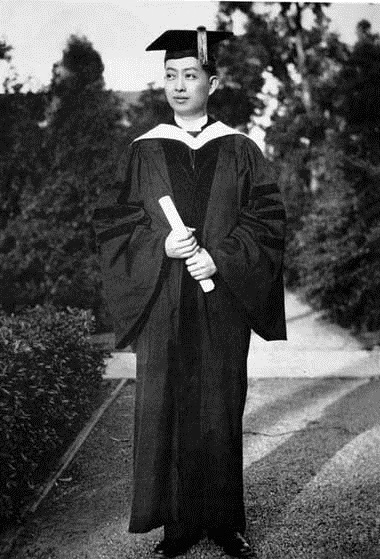
During his tour of the United States, Mei Lanfang was awarded an honorary doctorate degree by Pomona College

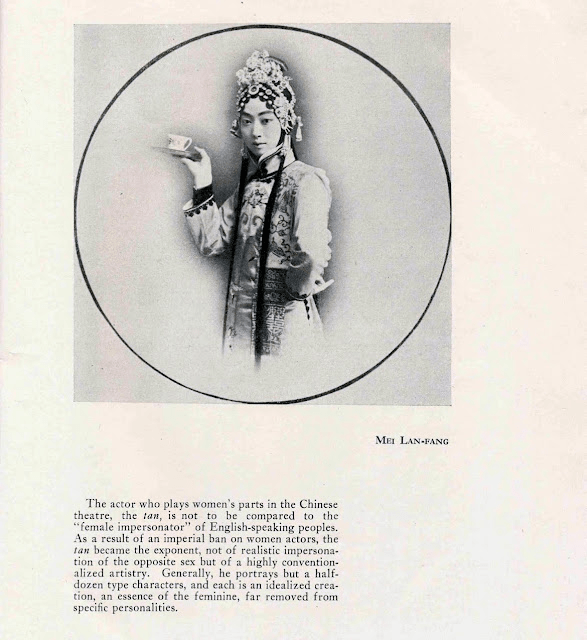
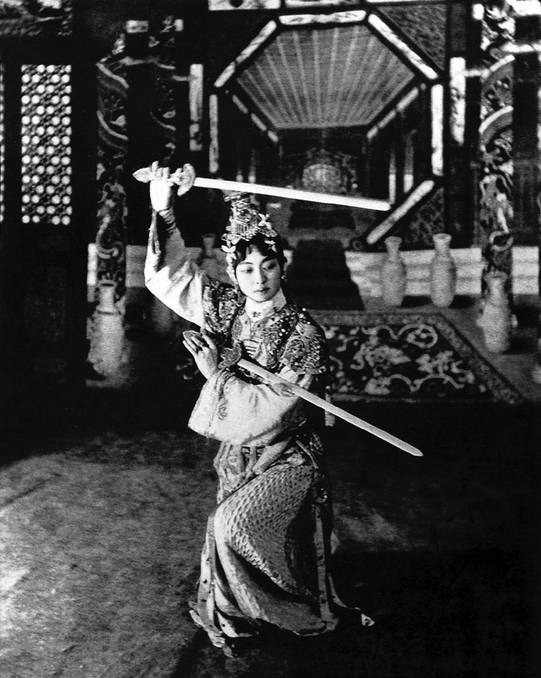
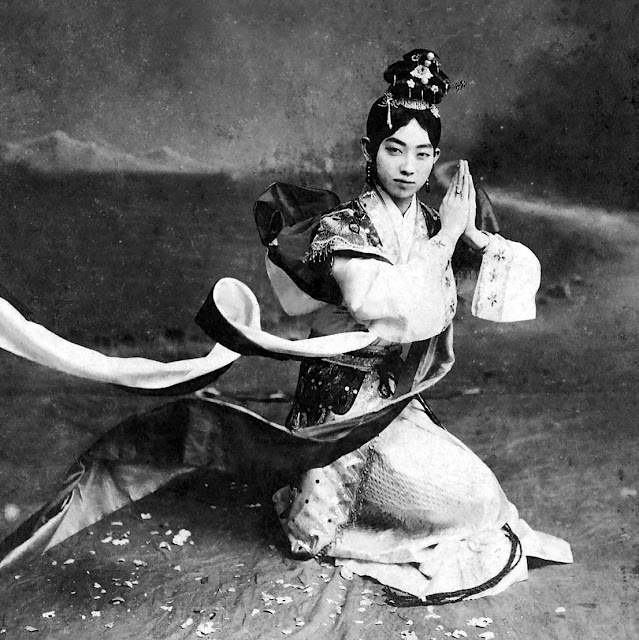
In the history of modern Chinese opera, Mei Lanfang stands as an unexcelled monument. Renowned worldwide, his mastery of Peking Opera was a rare blend of supreme refinement and effortless grace, captivating audiences on both domestic and international stages.

As a master synthesist of Peking Opera, Grandmaster Mei founded the unique “Mei School” (Mei Pai) of performance. He boldly yet carefully revolutionized vocal techniques, spoken dialogue, dance movements, costuming, and makeup, elevating the Dan (female role) artistry to unprecedented heights. Traveling abroad to perform in Japan, the United States, and the Soviet Union, he showcased the enchanting elegance of traditional Chinese theater, taking the world by storm.

Yet, what truly commands the eternal admiration of generations is not merely his status as a titan of Chinese opera, but his personal character—a paragon of nobility, virtue, and moral guidance. His life was the ultimate testament to the phrase: “His art mirrored his soul; brilliant in craft, supreme in virtue.”

Among the many chapters of his life, one heartwarming story illustrates the profound depth of his character.

The Slander and the Silence

During the height of his fame, a reporter from a sensationalist tabloid sought to build a name for himself by publishing provocative and baseless attacks against Mei Lanfang. Aiming to generate public outrage and boost newspaper sales, the reporter repeatedly targeted the master.

Faced with malicious provocation, Master Mei remained completely silent and undisturbed.

Frustrated by the lack of reaction, the reporter grew increasingly aggressive, resorting to harsh insults and public humiliation. Surrounding friends, family, and disciples were furious, unable to stand by while the grandmaster’s honor was attacked. They prepared to confront the reporter, but Mei calmly restrained them, saying gently:

“Leave it be. Pay him no mind.”

Without fuel to feed the flames, the media spectacle eventually died down, vanishing into thin air.

Time passed, and fortune turned. The reporter fell into severe poverty and hardship. Desperate, rejected by everyone, and with nowhere left to turn, a thought suddenly crossed his mind:

Could he ask Mei Lanfang for help?

Filled with shame, guilt, and apprehension, he mustered every ounce of courage he had left and arrived at Mei’s doorstep. Upon learning of his visitor, Mei came out to greet him personally. Overwhelmed by remorse, the reporter immediately began reciting a deeply prepared apology, repenting for his past wrongdoings.

Mei gently interrupted him, his voice calm and soft:

“Say no more. What brings you here today?”

The reporter confessed his current plight—his poverty, his isolation, and his inability to secure assistance anywhere else.

Without a trace of bitterness, resentment, or judgment, Mei reached into his pocket and handed him 200 yuan—a generous sum at the time.

Shaken to his core by such extraordinary magnanimity, the reporter fell to his knees in tears. Mei simply helped him up gently and said quietly:

“Go on now.”

Noble figure reaching toward an injured soldier beside a castle at sunset

In a world driven by fame, self-interest, and grievances, choosing compassion over retaliation and offering a helping hand to someone who once sought your downfall requires a rare kind of nobility. Mei Lanfang practiced charity, generosity, tolerance, and strict self-discipline throughout his life.

  • On stage, he was an extraordinary genius who redefined an art form.
  • Off stage, he was a humble gentleman and a true master of life.

This profound grace—transcending personal pride and past grudges—is perhaps the true, timeless spirit behind the lasting brilliance of the Mei School of Peking Opera.

Photos from: https://www.panhistory.org/2019/01/blog-post_3.html

Link:https://peacelilysite.com/2026/08/14/the-art-of-virtue-grandmaster-mei-lanfang-and-the-power-of-forgiveness/

Benjamin Franklin’s 13 Virtues: A Blueprint for Personal Development

A Path to Personal Excellence

George Washington may rightly be known as the “Father of his Country,” but for the two decades before the American Revolution, Benjamin Franklin held the title of the world’s most famous American.

Franklin, a celebrated scientist and inventor, earned recognition for his groundbreaking electrical experiments, winning the Royal Society’s Copley Medal—a prestigious 18th-century equivalent of the Nobel Prize. His notable inventions included the lightning conductor, the first map of the Gulf Stream, and a unique musical instrument, the glass armonica. Renowned composers like Gluck, Mozart, and Beethoven created concertos for this instrument. Franklin’s genius received international acclaim, with Immanuel Kant describing him as “The Prometheus of Modern Times,” and David Hume hailing him as America’s “first great man of letters.”

Benjamin Franklin, a polymath and one of the Founding Fathers of the United States, left an enduring legacy not only for his political contributions but also for his philosophy of personal development. In his autobiography, Franklin outlined 13 virtues that he believed were crucial for leading a virtuous and successful life. This blog post will explore each of these virtues and delve into how Franklin practiced them in his own life.

  1. Temperance: Franklin advised moderation in eating and drinking, emphasizing the importance of avoiding excess. By maintaining temperance, individuals could achieve a clear and focused mind. Franklin recognized that a balanced lifestyle laid the foundation for success in cultivating other virtues.
  2. Silence: The virtue of silence urged individuals to speak only when their words could benefit others or themselves, discouraging trifling conversation. Franklin realized the power of listening and the importance of thoughtful communication for personal and intellectual growth.
  3. Order: To bring order to one’s life, Franklin recommended organizing belongings and allocating time efficiently. By assigning specific places for possessions and dedicating time to each aspect of one’s business, an individual could enhance productivity and reduce chaos.
  4. Resolution: Resolution involved the commitment to fulfill one’s duties and promises without fail. Franklin understood that steadfast determination was crucial for personal and professional success, encouraging individuals to set goals and work relentlessly towards achieving them.
  5. Frugality: Franklin advocated for mindful spending, emphasizing that expenses should serve a purpose, either benefiting oneself or others. This virtue highlighted the importance of avoiding wastefulness and making financial decisions with a long-term perspective.
  6. Industry: Losing no time and being consistently engaged in useful activities formed the basis of the virtue of industry. Franklin valued hard work and believed that avoiding unnecessary actions was essential for personal progress and achievement.
  7. Sincerity: Sincerity required the avoidance of deceit and the cultivation of honest and just thoughts and speech. Franklin believed that sincerity contributed to building trust in personal and professional relationships.
  8. Justice: The virtue of justice focused on treating others fairly and fulfilling one’s duty to both prevent harm and provide benefits. Franklin emphasized the importance of not wronging others through actions or neglect.
  9. Moderation: Avoiding extremes in emotions and reactions, particularly in response to injuries, was crucial for maintaining composure and cultivating the virtue of moderation. Franklin recognized the value of forbearance in dealing with challenges.
  10. Cleanliness: Tolerating no uncleanliness in body, clothes, or habitation reflected Franklin’s belief in the importance of personal hygiene and a clean environment for overall well-being.
  11. Tranquility: Tranquility involved maintaining a calm and composed demeanor, especially in the face of trifles and common accidents. Franklin valued the ability to remain undisturbed and focused on long-term goals.
  12. Chastity: Chastity, as outlined by Franklin, suggested a responsible approach to intimate relationships, emphasizing health and the well-being of oneself and others.
  13. Humility: Imitating the virtues of Jesus and Socrates, humility was the capstone of Franklin’s 13 virtues. Humility involved recognizing one’s strengths and weaknesses, learning from others, and continually striving for self-improvement.

Franklin’s approach to acquiring these virtues was systematic. He advised focusing on one virtue at a time, mastering it before moving on to the next. By prioritizing temperance, Franklin believed that a clear and focused mind would make subsequent virtues easier to acquire. This deliberate and methodical approach allowed him to build a foundation for a virtuous life.

Benjamin Franklin’s 13 virtues remain a timeless guide to personal development and success. By understanding and incorporating these principles into our lives, we can strive towards a more virtuous and fulfilling existence, following in the footsteps of one of history’s most influential thinkers and statesmen.

Benjamin Franklin’s 13 Virtues: A Blueprint for Personal Development

Link:https://peacelilysite.com/2024/01/12/benjamin-franklins-13-virtues-a-blueprint-for-personal-development/

#BenjaminFranklin #Virtues #PersonalDevelopment #Thinkers #Statesmen#Temperance#Humility

Source: https://www.mountvernon.org/library/digitalhistory/digital-encyclopedia/article/benjamin-franklin/